
太空数据中心

Search documents
频繁发射火箭的 SpaceX 今年上市,为什么星链服务是其价值关键? | 声动早咖啡
声动活泼· 2026-01-05 09:01
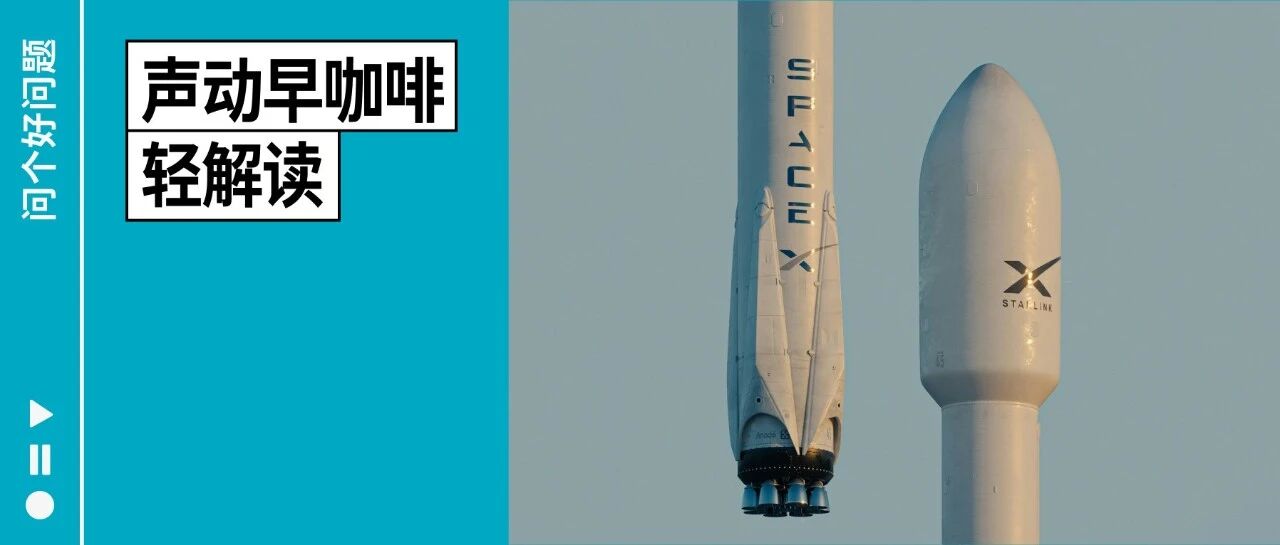
Core Viewpoint - SpaceX, founded by Elon Musk in 2002, aims to revolutionize space travel and establish human life on Mars, with a significant focus on both rocket manufacturing and satellite internet services through its Starlink project [3][4]. Group 1: SpaceX and Starlink Development - SpaceX has significantly reduced rocket launch costs through reusable technology and in-house component manufacturing, which has positioned it as a leader in the commercial launch market [4][6]. - The Starlink satellite division was established in 2015, with the goal of providing satellite-based internet services to generate long-term revenue for Mars colonization efforts [4][5]. - Starlink satellites operate at a lower altitude (approximately 1200 km) compared to traditional satellites, improving data transmission speed and reducing latency [5][7]. Group 2: Market Position and Financial Performance - In 2022, Starlink generated approximately $12.8 billion in revenue, accounting for about 70% of SpaceX's total revenue, indicating strong market demand for its services [7][8]. - SpaceX's valuation is heavily influenced by expectations of future Starlink revenues, with 70% of its current valuation attributed to this segment [7]. Group 3: Customer Base and Service Expansion - Starlink's customer base includes a significant number of affluent residential users in the U.S., with 57% of users willing to pay a premium for satellite internet services [8]. - The company is expanding its services to maritime and aviation sectors, partnering with major airlines to provide faster and more stable internet services on flights [8][9]. Group 4: Regulatory and Technological Developments - SpaceX has partnered with T-Mobile to offer mobile internet services via Starlink, although regulatory approval for this service is expected in 2024 [9][10]. - The acquisition of EchoStar's wireless spectrum licenses for $17 billion is a strategic move to enhance mobile communication capabilities, allowing for improved data transmission rates [10]. Group 5: Future Innovations and AI Integration - SpaceX is exploring the development of space-based data centers, leveraging advancements in satellite technology to process and store data in orbit, which could address energy and cooling challenges faced by terrestrial data centers [12].

谷歌、SpaceX等瞄准打造太空数据中心
3 6 Ke· 2026-01-04 04:14
Core Insights - The concept of space data centers is gaining traction among major U.S. tech companies, driven by the limitations of ground-based AI data centers in terms of power and water supply [2][3][9] - Google plans to launch satellites equipped with its AI semiconductor, TPU, by 2027 as part of its "Project Suncatcher" initiative [3][5] - SpaceX is reportedly preparing for an IPO, with one of its funding goals being the establishment of space data centers [4][5] Company Developments - Google aims to utilize satellites with proprietary semiconductors for AI applications, planning to launch them by 2027 [5] - SpaceX's CEO Elon Musk has expressed support for the idea of space data centers, highlighting advancements in SpaceX's launch technology [4] - Starcloud, supported by NVIDIA, has already launched a satellite carrying NVIDIA's AI semiconductor, H100, and predicts that most new data centers will be in space within the next decade [6][8] Industry Trends - The demand for electricity from U.S. data centers is projected to reach 106 GWh by 2035, equivalent to over 100 large nuclear power plants, indicating a significant increase in energy needs [9] - The efficiency of photovoltaic cells in space can be up to eight times greater than on Earth, making space data centers a viable alternative to ground-based facilities [3][9] - Challenges for space data centers include high launch costs and the impact of space radiation on electronic devices, with current launch costs estimated at $1,500 per kilogram [9]


谷歌、SpaceX等瞄准打造太空数据中心
日经中文网· 2026-01-01 00:33
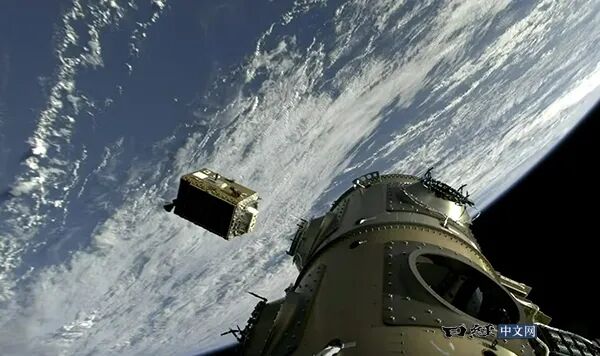
Core Viewpoint - The article discusses the emerging concept of space data centers, which are being developed by major US tech companies as a solution to the increasing power and water demands of ground-based AI data centers. Space data centers could potentially replace the need for extensive ground infrastructure due to their efficiency in energy generation and cooling [1][4][11]. Group 1: Companies Involved - Google plans to launch satellites equipped with its high-performance AI semiconductor "TPU" by early 2027 as part of its "Project Suncatcher" to utilize solar energy in space [6][8]. - SpaceX is also interested in the space data center concept, with CEO Elon Musk endorsing the idea and the company preparing for an IPO that may include funding for such initiatives [7][8]. - Other companies like Blue Origin, OpenAI, Starcloud, Axiom Space, and Aetherflux are also exploring or developing technologies related to space data centers [8]. Group 2: Technical Aspects - Space data centers will operate on satellites in Earth's orbit, utilizing solar power for continuous operation and eliminating the need for water cooling, which is a significant requirement for ground data centers [2][10]. - The efficiency of solar panels in space can reach up to eight times that of ground-based systems, allowing for nearly uninterrupted power generation [6][11]. Group 3: Market Demand and Challenges - The demand for power from US data centers is projected to reach 106 GWh by 2035, equivalent to over 100 large nuclear power plants, highlighting the urgency for alternative solutions like space data centers [11]. - The current cost of launching payloads into near-Earth orbit is around $1,500 per kilogram, but if it can be reduced to $200 per kilogram by the mid-2030s, the feasibility of space data centers will significantly improve [11].
乾照光电:砷化镓太阳能电池相关产品已批量应用于国内在轨运行的大型商业航天星座组网卫星
Mei Ri Jing Ji Xin Wen· 2025-12-30 13:27
Core Viewpoint - The company, Qianzhao Optoelectronics, is a leading supplier of gallium arsenide solar cells in China, emphasizing the high efficiency and strong stability of its products for long-term space missions, particularly in extreme environments [2] Group 1: Product Performance - The gallium arsenide solar cells have high conversion efficiency and strong stability, making them suitable for long-term space missions [2] - The products have been successfully applied in large commercial aerospace satellite constellations operating in orbit within China [2] Group 2: Market Positioning - The company is deepening its layout in the gallium arsenide battery field, solidifying its domestic market while actively expanding into international markets [2] - The construction of space data centers is expected to increase the demand for efficient and stable energy supply, where the company's gallium arsenide solar cells hold a competitive advantage [2]


乾照光电:公司在砷化镓电池领域持续深化布局
Zheng Quan Ri Bao Wang· 2025-12-30 11:09
Core Viewpoint - The company, Qianzhao Optoelectronics, is a leading supplier of gallium arsenide solar cells in China, emphasizing the high efficiency and stability of its products for long-term space missions, particularly in extreme environments [1] Group 1: Product Advantages - The gallium arsenide solar cell products have high conversion efficiency and strong stability, making them suitable for long-term space missions [1] - The company's products have been successfully applied in large commercial aerospace satellite constellations operating in orbit within China [1] Group 2: Market Position and Strategy - The company is actively deepening its layout in the gallium arsenide battery sector while solidifying its domestic market presence and expanding into international markets [1] - The construction of space data centers is expected to increase the demand for efficient and stable energy supply, where the company's gallium arsenide solar cells hold a competitive advantage [1]
SpaceX如何值万亿美元?
HUAXI Securities· 2025-12-30 09:11
Investment Rating - The report assigns a strong investment rating to the aerospace industry, particularly highlighting SpaceX's potential for significant valuation growth due to its innovative technologies and market positioning [2][5]. Core Insights - SpaceX is projected to achieve 170 launches in 2025 at a cost of $27 million per launch, establishing a robust commercial moat through reusable technology and significant contracts with NASA and other clients [2]. - The Starlink project has evolved into a three-pronged business model of manufacturing, operation, and technology premium, with expected revenues of $15.6 billion by 2026, contributing significantly to SpaceX's valuation [3]. - The development of space data centers is seen as a second growth curve for SpaceX, potentially generating $9.5 billion in profits and adding $332.5 billion to its valuation [4]. Summary by Sections 01 Launch Services: Reusable Technology Constructs Absolute Moat - SpaceX's valuation has increased nearly 30,000 times since its inception, driven by its leading launch capabilities and cost advantages [9]. - In 2025, SpaceX is expected to conduct 170 launches, dominating the global market and significantly outperforming competitors [15]. - The Falcon 9 rocket's launch cost has decreased by 70% compared to traditional rockets, enhancing SpaceX's competitive edge [15][20]. 02 Starlink: From Global Connectivity to Direct Mobile Access - Starlink has become the largest low Earth orbit satellite constellation, with over 10,000 satellites launched, and is expected to generate substantial revenue growth [50]. - The V2.0 Mini satellites have optimized the economic model, increasing bandwidth capacity while reducing costs significantly [50]. - Starlink's business model has transitioned from supplementary coverage to a core operational base, with a focus on high-margin government contracts [56]. 03 Space Data Centers: The Ultimate Solution in the AI Era - SpaceX's space data centers are positioned to overcome physical limitations in AI computing, leveraging the unique advantages of the space environment [81]. - The potential for high energy output and efficient cooling in space could lead to significant operational cost reductions [81]. - The report highlights the challenges of traditional aerospace costs, emphasizing the need for reduced launch costs to make space data centers viable [85].
乾照光电:公司相关产品已批量应用于国内在轨运行的大型商业航天星座组网卫星
Mei Ri Jing Ji Xin Wen· 2025-12-30 07:59
Group 1 - The core concept of the article revolves around the emerging market of space data centers, with significant developments from Elon Musk and the Beijing Municipal Science and Technology Commission [1] - The company, Qianzhao Optoelectronics, highlights its gallium arsenide solar cell products as being particularly suitable for long-term space missions due to their high conversion efficiency and strong stability [1] - Qianzhao Optoelectronics is a leading domestic supplier of gallium arsenide solar cells, which are already being applied in large commercial aerospace satellite constellations operating in orbit [1] Group 2 - The construction of space data centers is expected to create a demand for efficient and stable energy supply, where the company's gallium arsenide solar cell products hold a competitive advantage [1] - The company is actively expanding its presence in the international market while solidifying its position in the domestic market for gallium arsenide batteries [1]
东北证券:四大因素将助推太空算力高景气 建议关注能源材料等三个方向
智通财经网· 2025-12-30 02:46
Core Viewpoint - The essence of space computing power is near-Earth orbit distributed space data centers, with four key factors driving its high prosperity: policy support, economic benefits, application scenarios, and advancements in reusable rockets and new materials [1][3]. Group 1: Driving Factors - **Policy Support**: The National Space Administration's action plan (2025-2027) promotes commercial aerospace development through relaxed access and substantial funding [3]. - **Economic Benefits**: North American data centers face a power shortage in the next three years, while space computing centers can overcome ground power consumption bottlenecks, achieving both economic and energy efficiency improvements [3]. - **Application Scenarios**: National security and mission requirements provide foundational support, while commercial cloud services will expand as costs and technology mature [3]. - **Advancements in Reusable Rockets and New Materials**: SpaceX's Falcon 9 has reduced launch costs to below $3,000 through recovery technology, and domestic companies are conducting high-altitude recovery experiments [3]. Group 2: Key Technological Innovations - **Energy Supply**: Space solar radiation is approximately 30% stronger than on Earth, making photovoltaics the optimal energy source. Key components include battery cells, substrates, and deployment structures, with various materials like silicon, gallium arsenide, and perovskite being recommended [4]. - **Cooling Solutions**: In space, cooling relies on thermal radiation and conduction due to the absence of air for convection. High-power computing satellites utilize a hybrid cooling solution of liquid cooling and large heat radiators [4]. - **Radiation Resistance**: The development of radiation-resistant chips is advancing rapidly in China, with materials like GaN and SiC becoming core solutions for high-power satellite chips [4].

商业航天+太空算力+3D打印,最硬核的16家公司
Sou Hu Cai Jing· 2025-12-29 15:28
Group 1: Policy and Capital - The policy environment is clearing obstacles for commercial aerospace, with Shanghai emphasizing the construction of a world-class industrial cluster and supporting commercial aerospace companies in satellite internet constellation construction [2] - The new regulations from the Shanghai Stock Exchange specifically target commercial rocket companies, signaling a key move to accelerate innovation in commercial aerospace [2] - The National Space Administration has issued a plan for high-quality and safe development of commercial aerospace, outlining 22 key measures, including the establishment of a national commercial aerospace development fund [2][24] Group 2: Rocket Technology Costs - The core bottleneck in commercial aerospace is insufficient capacity and high costs, with domestic commercial rocket launch prices ranging from 60,000 to 150,000 RMB per kilogram, compared to SpaceX's Falcon 9 at approximately 21,000 RMB per kilogram [3] - Domestic reusable technology is still under development, with recent test flights indicating progress but not yet achieving successful landings [3] - The use of 3D printing technology is revolutionizing rocket engine production, significantly reducing costs and manufacturing time [4] Group 3: Satellite Constellation Networking - The competition in satellite internet is fundamentally about the allocation of orbital and frequency resources, with strict deadlines imposed by the International Telecommunication Union (ITU) [5] - China has multiple large-scale satellite constellation plans, including the G60 constellation aiming to deploy 1,296 satellites by 2027 and over 10,000 by 2030 [5][6] - The pace of satellite launches has accelerated significantly since the second half of 2025, indicating a shift from planning to actual deployment [6] Group 4: Space Computing - The demand for computing power is growing exponentially, with space offering unique advantages for data processing, such as low cooling requirements and abundant solar energy [7] - Companies like Google and NVIDIA are leading initiatives to establish space-based data centers, with plans to deploy satellites equipped with AI chips for data processing [7][30][31] - China is also advancing in this area, with plans for a space computing constellation and the first space computing center expected to be operational within five years [8] Group 5: Industry Chain Extension and Ecosystem - The technological spillover from commercial aerospace is empowering other industries, particularly in automotive intelligence and low-altitude economy [9] - Various initiatives are being launched to enhance data assetization and promote the integration of data elements into rural revitalization efforts [9] - The convergence of commercial aerospace with the digital economy is forming a closed-loop ecosystem, linking satellites, vehicles, and data centers [9] Group 6: Key Companies to Watch - Companies to focus on include those involved in space computing and data, such as Shunhao Co., Putian Technology, and Yuke Technology [10] - In rocket manufacturing and 3D printing, key players include Aerospace Power, Western Materials, and Aerospace Electromechanical [10] - For satellite communication and payload, notable companies include China Satellite, Shanghai Hanhua, and Aerospace Hongtu [10]
光伏50ETF(159864)收涨超2.1%,行业关注太空光伏与海外需求双主线
Mei Ri Jing Ji Xin Wen· 2025-12-24 09:52
Group 1 - The core viewpoint emphasizes the importance of the "space photovoltaic" theme in the photovoltaic equipment industry, highlighting its connection to US-China strategic competition and low-orbit resource contention, with fundamental catalysts expected to accelerate faster than emerging industries like nuclear fusion [1] - The European offshore wind demand is showing continuous improvement, with Poland's 3.4GW offshore wind tender being realized, and it is anticipated that the annual grid-connected scale of offshore wind in Europe will exceed 14GW by 2031-2032, leading to an acceleration in the release of future orders for piles, submarine cables, and wind turbines [1] - The price of lithium carbonate is surging, with spot prices breaking through 100,000 yuan/ton, and market inventory falling below 110,000 tons, indicating that prices are expected to remain strong in the short term [1] Group 2 - The photovoltaic 50 ETF (159864) tracks the photovoltaic industry index (931151), which selects listed companies involved in the entire solar photovoltaic power generation industry chain from the Shanghai and Shenzhen markets, including upstream raw material supply, midstream battery component manufacturing, and downstream power station construction and operation [1] - The index focuses on companies that are technologically advanced and competitive in the market, aiming to comprehensively reflect the overall development status and future trends of China's photovoltaic industry [1]