
悦己消费

Search documents
金价飙升与电商共振,周六福(06168)价值回归之路或直指65元?
智通财经网· 2025-11-12 06:46
Core Insights - The "Double Eleven" shopping festival has highlighted the gold and jewelry sector as a key growth area, with domestic gold jewelry prices experiencing a significant increase, with top brands surpassing 1300 RMB per gram and a daily price increase of up to 37 RMB [1] - Zhou Liufu, a leading domestic jewelry brand, has excelled in e-commerce channels and gold product positioning during the "Double Eleven" event, indicating that the current market value of Zhou Liufu is underestimated, with a target price of 65 RMB, representing over a 20% upside potential from current stock prices [1] Industry Trends - Driven by the dual demands of "self-consumption" and "value preservation," the gold and jewelry category continues to show high growth, with significant online engagement, as evidenced by over 10 million viewers in a live-streaming session during the event [2] - The penetration rate of gold consumers in third-tier cities has surged to 48.6%, indicating a broadening market base for gold jewelry [2] - Zhou Liufu's sales performance has been particularly strong, leveraging "national trend aesthetics" and "traditional craftsmanship" to attract younger consumers, with its official flagship store ranking among the top in jewelry sales on platforms like Tmall and achieving rapid sales growth on JD.com [2] Company Analysis - Zhou Liufu's gold product sales now account for over 50% of its e-commerce business, which is significant for overall revenue growth and enhances the gross profit ceiling of its e-commerce channels [2] - The brand's strength supports high-value online transactions, providing a solid foundation for expanding its offline channels [2] - Current stock prices around 50 RMB are significantly undervalued compared to the company's growth potential, with a reasonable target price of 65 RMB based on strong e-commerce growth and profitability driven by gold products [4]
金价飙升与电商共振,周六福价值回归之路或直指65元?
Zhi Tong Cai Jing· 2025-11-12 05:36
Group 1 - The "Double Eleven" shopping festival has seen a significant surge in gold jewelry sales, with domestic gold jewelry prices rising sharply, with leading brands exceeding 1300 RMB per gram, and a single-day increase of up to 37 RMB [1] - Zhou Shiliufu, a major domestic jewelry brand, has excelled in e-commerce channels and gold product positioning during the "Double Eleven" event, indicating that the current valuation of Zhou Shiliufu is underestimated, with a target price of 65 RMB, representing over 20% upside potential from current stock prices [1][4] Group 2 - Driven by the dual demand for "self-consumption" and "value preservation," the gold jewelry category continues to experience high growth, with significant online engagement, such as over 10 million viewers in a live broadcast by influencer Li Jiaqi, and a penetration rate of 48.6% for gold consumers in third-tier cities [2] - Zhou Shiliufu's performance has been particularly strong, leveraging "national trend aesthetics" and "traditional craftsmanship" to attract younger consumers, achieving top sales in jewelry on platforms like Tmall and rapid growth in sales on JD [2] - Gold products now account for over 50% of Zhou Shiliufu's e-commerce business, which is significant for overall revenue growth, higher gross margins, and strong brand support for offline expansion [2] Group 3 - Zhou Shiliufu's stock price has recently surpassed 50 RMB, but the market has not fully priced in its growth potential, with a reasonable target price of 65 RMB based on financial data and business outlook [3] - The expected net profit for Zhou Shiliufu in 2025 is projected to reach 1.23 to 1.7 billion RMB, with an estimated earnings per share (EPS) of 2.8 to 3.8 RMB, using a midpoint of 3.3 RMB for calculations [3] - Comparisons with similar jewelry companies indicate an average forecasted price-to-earnings (PE) ratio of 20-25 times, suggesting a target price range of 66 to 82.5 RMB for Zhou Shiliufu, highlighting that its current valuation is significantly below its growth potential [3] Group 4 - The strong e-commerce growth curve validated by "Double Eleven" and the profitability driven by the gold category suggest that Zhou Shiliufu's reasonable value points to 65 RMB, presenting a potential "gold mining" opportunity for medium to long-term investors at current price levels [4]
当“钢铁直男”京东,突然学会了唱跳Rap
Sou Hu Cai Jing· 2025-11-12 05:23
Group 1 - The core focus of this year's Double 11 shopping festival is on JD.com, which has successfully utilized popular IPs and celebrities to attract consumers and create a vibrant shopping atmosphere [2][3][5] - JD.com has introduced various engaging activities and promotions, such as auctions starting at 1 yuan and exclusive celebrity merchandise, to enhance consumer experience and drive sales [3][5][15] - The marketing strategy targets Generation Z consumers, emphasizing their desire for emotional satisfaction and enjoyment in shopping, which has become a mainstream consumer mindset [5][7][17] Group 2 - JD.com has effectively captured the attention of young consumers, with 200 million users under 30 years old, representing nearly 40% of its user base, and a penetration rate of over 55% among young internet users [17][19] - The platform's innovative marketing tactics, including themed surprise days, have successfully engaged various consumer segments, leading to significant increases in user interaction and sales [19][27] - The Double 11 event has evolved from a price competition to a comprehensive capability contest, with JD.com focusing on providing a reliable shopping experience and emotional connection with consumers [29][31][33]



多维度“数”看“进博魅力” 透过亮眼“成绩单”感知中国经济蓬勃“脉动”
Yang Shi Wang· 2025-11-11 01:56
Core Insights - The eighth China International Import Expo (CIIE) concluded on November 10, showcasing a record number of exhibitors and products, with 4,108 companies from 138 countries and regions participating, marking the highest exhibition area and number of enterprises in history [1][4] Group 1: New Products and Technologies - A total of 461 new products, technologies, and services were launched during the expo, including 201 global debuts, 65 Asian debuts, and 195 Chinese debuts, covering sectors such as biomedicine, green low-carbon technologies, and equipment [4] - The expo highlighted trends in the "silver economy," "pet economy," and "self-care consumption," with products like smart hearing aids, sleep systems, and companion robots gaining popularity [6] Group 2: Trade and Business Engagement - The expo facilitated over 600 rounds of business negotiations, with significant participation from 20 retail chains, leading e-commerce platforms, and 14 state-owned enterprises [8] - The total intended transaction amount reached $83.49 billion, a 4.4% increase from the previous year, setting a new historical high [9] Group 3: Audience and Participation - The event attracted over 922,000 attendees, a year-on-year increase of 8.2%, also a record high [12] - Approximately 50,000 social audience members were invited to experience the expo firsthand, enhancing public engagement [10] Group 4: Forum and International Cooperation - The eighth Hongqiao Forum, part of the expo, featured discussions on trade, cooperation, and supply chain resilience, with over 1,000 participants and 20 outcomes published [14] - The "Silk Road E-commerce" promotion event was launched to assist foreign enterprises in entering the Chinese market, showcasing nearly 100 overseas exhibitors [16][18]
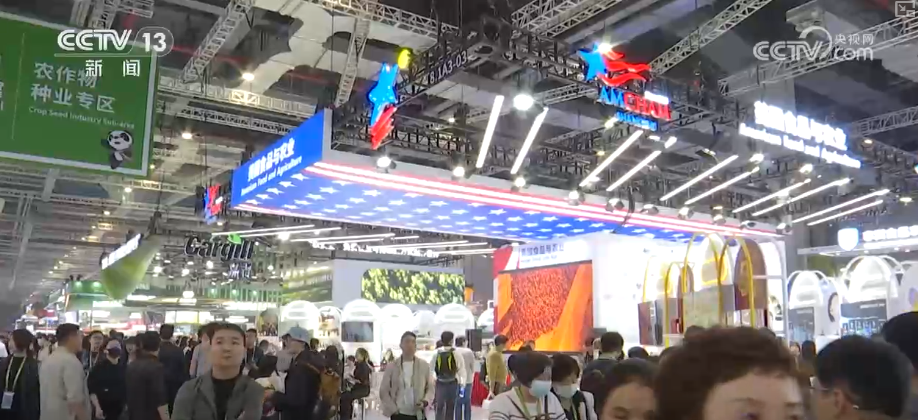
全球企业深耕中国 进博会印证“开放的大门越开越大”
Yang Shi Xin Wen· 2025-11-11 01:37
Core Insights - The eighth China International Import Expo (CIIE) achieved multiple historical highs, showcasing China's commitment to expanding its openness [1] - A total of 4,108 companies from 138 countries and regions participated, with both exhibition area and number of exhibitors reaching record levels [15] Group 1: New Products and Technologies - The expo featured 461 new products, technologies, and services, including 201 global debuts, 65 Asian debuts, and 195 Chinese debuts, spanning industries such as biomedicine, green low-carbon technologies, and equipment [2] - There was a notable increase in the presence of artificial intelligence and humanoid robots [2] Group 2: Emerging Trends - New consumer trends such as the "silver economy," "pet economy," and "self-care consumption" emerged, with products like smart hearing aids, sleep systems, and companion robots gaining popularity [4] - Customized solutions for weight management, including low-carbon diets and smart fitness, were showcased throughout the expo [4] Group 3: Cultural Exchange - The expo introduced the "CIIE Cultural Exchange Night," with over 38,000 square meters dedicated to cultural displays, featuring a mix of food, cultural creativity, and intangible cultural heritage [8] - The event highlighted traditional Chinese culture, including the unique craftsmanship of Suzhou's Song brocade, attracting significant interest from attendees [10][12] Group 4: Transaction and Participation Growth - The intended transaction amount reached $83.49 billion, a 4.4% increase from the previous year, marking a new record [15] - The number of registered attendees exceeded 460,000, with a 7% year-on-year growth, and approximately 50,000 social audience members were invited to experience the expo firsthand [15]

视频丨全球企业深耕中国 进博会印证“开放的大门越开越大”
Yang Shi Xin Wen Ke Hu Duan· 2025-11-10 23:58
Core Insights - The eighth China International Import Expo (CIIE) achieved multiple historical highs, showcasing China's commitment to expanding its openness [1] Group 1: Event Highlights - A total of 4,108 enterprises from 138 countries and regions participated in this year's expo, with both exhibition area and number of companies reaching record highs [17] - The expo featured 461 new products, technologies, and services, including 201 global debuts, 65 Asian premieres, and 195 Chinese debuts, with a significant focus on artificial intelligence and humanoid robots [3] Group 2: Emerging Trends - New consumer trends such as the "silver economy," "pet economy," and "self-care consumption" emerged, with products like smart hearing aids, sleep systems, and companion robots gaining popularity [6] - A smart air purifier designed for pet owners was showcased, capable of eliminating allergens and odors associated with pets, enhancing the pet ownership experience [9] Group 3: Cultural Exchange - The expo introduced the "CIIE Cultural Exchange Night," with over 38,000 square meters dedicated to cultural displays, featuring a blend of food, cultural heritage, and modern exhibits [10][12] - The event highlighted traditional Chinese culture, including intangible cultural heritage, with a focus on promoting traditional crafts like Song brocade [14] Group 4: Transaction Achievements - The expo achieved an intended transaction amount of $83.49 billion, marking a 4.4% increase from the previous year, setting a new record [17] - Over 460,000 registered visitors attended, a 7% increase year-on-year, with approximately 50,000 social audience members experiencing the expo firsthand [17]
直击进博会 第八届进博会收官:意向成交额达834.9亿美元 180家企业成八届“全勤生”
Zhong Guo Jing Ying Bao· 2025-11-10 14:47
Core Insights - The 8th China International Import Expo (CIIE) successfully concluded with a record intention transaction amount of $83.49 billion, marking a 4.4% increase from the previous year [2] - The event attracted 922,000 attendees, a year-on-year increase of 8.2%, also a historical high [2] - A total of 67 countries, regions, and international organizations participated in the national exhibition, covering an area of approximately 30,000 square meters [2] National and Enterprise Exhibitions - The enterprise exhibition area exceeded 367,000 square meters, with 4,108 companies from 138 countries and regions participating, both figures being historical highs [2] - Among the exhibitors, 290 were Fortune 500 companies and industry leaders, with 180 companies recognized as "full attendance" participants [2] Product and Technology Highlights - The expo showcased 461 representative new products, technologies, and services, including 201 global debuts, 65 Asian debuts, and 195 Chinese debuts, with a significant focus on artificial intelligence and humanoid robots [3] - Emerging consumer trends such as the "silver economy," "pet economy," and "self-care consumption" were highlighted, with products like smart hearing aids and companion robots gaining popularity [3] Business Engagement and Future Events - The event facilitated effective business exchanges, with 43 trading groups and over 700 sub-groups formed, and registered audience numbers exceeding 460,000, a 7% increase year-on-year [4] - The "CIIE effect" is expected to continue, with the "CIIE Quality Products Trade Fair" scheduled for December 19-21, aimed at promoting imported goods and enhancing consumer access to quality products [4] Preparations for Next Year - Preparations for the 9th CIIE are already underway, with the exhibition area for enterprise signing exceeding 80,000 square meters [5]
意向成交额834.9亿美元,进博会今日闭幕
Zheng Quan Shi Bao· 2025-11-10 13:08
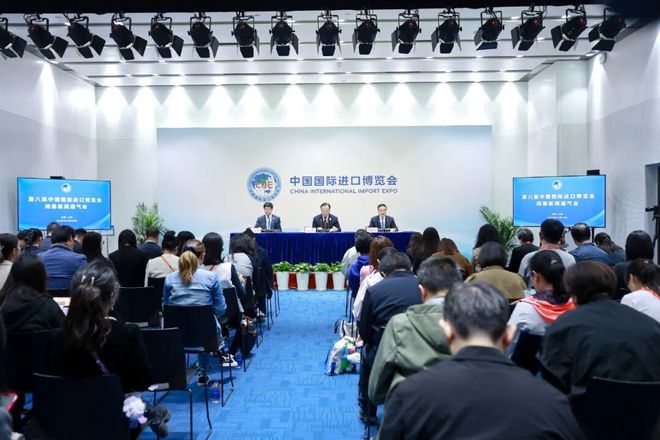
Core Insights - The eighth China International Import Expo (CIIE) concluded with a record intended transaction amount of $83.49 billion, marking a 4.4% increase from the previous year [1][2] - The event showcased the importance of trade, investment, and consumption, with various activities aimed at enhancing collaboration among exhibitors and buyers [1][2] Group 1: Transaction and Participation Highlights - The expo featured 43 trading groups and over 700 sub-groups, attracting more than 460,000 registered attendees, a 7% increase year-on-year [2] - Significant procurement activities included over 600 rounds of negotiations and 1,300 rounds of product matching in sectors like agriculture, consumer goods, and healthcare [2] - The Shanghai trading group led local participation with an intended transaction amount of $10.62 billion, up 5.14% year-on-year, with a notable 34% increase in intended transactions from Belt and Road countries [2] Group 2: Exhibitor and Product Innovations - The expo featured over 36.7 million square meters of exhibition space with 4,108 companies from 138 countries, both figures being historical highs [4] - A total of 461 new products, technologies, and services were launched, including 201 global debuts and 195 China debuts, highlighting advancements in various sectors [4][5] - Notable products included the world's fastest non-invasive medical testing device and the lightest foldable smartphone, showcasing China's role as a global innovation hub [4] Group 3: Consumer Trends and Market Engagement - Emerging consumer trends such as the "silver economy," "pet economy," and "self-care consumption" were prominent, with products catering to aging populations and health management gaining traction [5] - Major multinational companies participated, with many sending top executives to the event, reflecting a strong commitment to the Chinese market [5] - Companies like doTERRA have transformed their approach in China, leveraging the expo to access a vast consumer base and create significant employment opportunities globally [5] Group 4: Future Events and Strategic Initiatives - The upcoming Import Expo Quality Products Fair will take place from December 19 to 21, aimed at further promoting imports and consumer engagement [7] - Preparations for the ninth CIIE are underway, with a focus on expanding exhibition space and enhancing international procurement and investment promotion [7] - The CIIE aims to strengthen its role as a platform for high-level openness and global cooperation, continuously improving its offerings for international public goods [7]
意向成交额834.9亿美元!进博会,今日闭幕
Zheng Quan Shi Bao· 2025-11-10 11:53
Core Insights - The eighth China International Import Expo (CIIE) concluded with a record intended transaction amount of $83.49 billion, marking a 4.4% increase from the previous year [1][2] - The event showcased the importance of trade, investment, and consumption, with various activities aimed at enhancing collaboration among exhibitors and buyers [1] Group 1: Transaction and Participation Highlights - The expo featured 43 trading groups and over 700 sub-groups, attracting more than 460,000 registered attendees, a 7% increase year-on-year [2] - Significant procurement activities included over 600 rounds of negotiations and 1,300 rounds of product matching in sectors like agriculture, consumer goods, and healthcare [2] - The Shanghai trading group led with an intended transaction amount of $10.62 billion, a 5.14% increase, with countries along the Belt and Road seeing a 34% growth in intended transaction amounts [2] Group 2: Exhibitor Engagement and Innovations - The expo hosted 4,108 companies from 138 countries and regions, with 290 Fortune 500 and industry-leading firms participating, showcasing the strong market appeal of China [4] - A total of 461 new products, technologies, and services were launched, including 201 global debuts and 195 Chinese debuts, highlighting China's role as a testing ground for global innovations [4][5] - Notable products included the world's fastest non-invasive medical testing device and the lightest foldable smartphone, emphasizing advancements in technology and consumer goods [4] Group 3: Future Events and Strategic Partnerships - The upcoming Import Expo Quality Products Fair will take place from December 19 to 21, aimed at further promoting imports and enhancing consumer access to quality products [7] - Companies like Michelin and Westinghouse have established strategic partnerships during the expo, indicating a trend of long-term collaboration and investment in the Chinese market [3][6] - The ninth CIIE is already in preparation, with plans for an exhibition area exceeding 80,000 square meters, reflecting ongoing commitment to international trade and cooperation [7]
第八届进博会闭幕:首秀功能提升、消费热点突出、顶尖企业齐聚
Xin Jing Bao· 2025-11-10 08:42
Core Insights - The eighth China International Import Expo (CIIE) concluded with significant participation and engagement, highlighting its role in promoting trade, investment, and consumption in China [1][2] Group 1: Event Overview - The CIIE featured a total of 461 new products, technologies, and services, with 201 global debuts, 65 Asian debuts, and 195 Chinese debuts across various sectors including biomedicine and green technology [2] - The event attracted approximately 922,000 attendees, marking an 8.2% year-on-year increase and setting a new historical record [3] Group 2: Industry Trends - Emerging consumer trends such as the "silver economy," "pet economy," and "self-care consumption" were highlighted, with products like smart hearing aids and companion robots gaining popularity [2] - The expo showcased customized solutions for weight management, including low-carbon diets and smart fitness options, reflecting a growing focus on health and wellness [2] Group 3: Corporate Participation - Nearly 100 large multinational companies and industry leaders participated, with 10 top-tier companies sending their CEOs or chairpersons to the event, indicating strong corporate interest in the Chinese market [2] - The event also included around 50,000 social audience members, enhancing interaction between exhibitors and attendees, which contributed to the overall success of the expo [2]