新零售

Search documents
孩子王跌2.04%,成交额2.31亿元,主力资金净流出4438.51万元
Xin Lang Cai Jing· 2025-12-25 02:37
Core Viewpoint - The stock price of Kid King has experienced fluctuations, with a year-to-date decline of 6.64% and a recent drop of 2.04% on December 25, reflecting market volatility and investor sentiment [1][2]. Company Overview - Kid King Children's Products Co., Ltd. is based in Nanjing, Jiangsu Province, and was established on June 1, 2012. It went public on October 14, 2021. The company specializes in retailing maternal and child products and value-added services, operating as an innovative, data-driven, customer relationship-focused provider of all-channel services for new families [2]. - The company's revenue composition includes 88.10% from maternal and child product sales, 6.83% from supplier services, 2.56% from maternal and child services, 1.25% from platform services, 0.73% from招商服务, 0.47% from advertising services, and 0.05% from other services [2]. Financial Performance - For the period from January to September 2025, Kid King achieved a revenue of 7.349 billion yuan, representing a year-on-year growth of 8.10%. The net profit attributable to the parent company was 209 million yuan, showing a significant increase of 59.29% [2]. - Since its A-share listing, Kid King has distributed a total of 187 million yuan in dividends, with 165 million yuan distributed over the past three years [3]. Shareholder Information - As of September 30, 2025, the number of shareholders for Kid King reached 79,000, an increase of 51.37% from the previous period. The average circulating shares per person decreased by 33.93% to 15,875 shares [2]. - Among the top ten circulating shareholders, Hong Kong Central Clearing Limited is the seventh largest with 13.5386 million shares, while the Southern CSI 1000 ETF ranks ninth with 8.0745 million shares, having decreased by 76,800 shares from the previous period [3].
步步高跌2.11%,成交额4.30亿元,主力资金净流出5242.17万元
Xin Lang Cai Jing· 2025-12-25 02:37
Group 1 - The core viewpoint of the news is that Bubu Gao's stock has experienced fluctuations, with a recent decline of 2.11% and a year-to-date increase of 40.76% [1] - As of December 25, Bubu Gao's stock price is reported at 5.56 yuan per share, with a total market capitalization of 14.949 billion yuan [1] - The company has seen a net outflow of main funds amounting to 52.4217 million yuan, with significant selling pressure observed [1] Group 2 - Bubu Gao operates in the general retail sector, specifically in supermarkets, and is involved in various concepts such as community group buying and new retail [2] - For the period from January to September 2025, Bubu Gao achieved a revenue of 3.194 billion yuan, reflecting a year-on-year growth of 26.48%, while the net profit attributable to the parent company decreased by 88.83% to 226 million yuan [2] - The number of shareholders increased by 95% to 172,500, while the average circulating shares per person decreased by 27.06% to 12,476 shares [2] Group 3 - Since its A-share listing, Bubu Gao has distributed a total of 1.677 billion yuan in dividends, with no dividends paid in the last three years [3] - As of September 30, 2025, Hong Kong Central Clearing Limited has exited the list of the top ten circulating shareholders [3]

翠微股份涨2.20%,成交额4.06亿元,主力资金净流出3199.25万元
Xin Lang Cai Jing· 2025-12-25 02:18
Group 1 - The core viewpoint of the news is that Cuiwei Co., Ltd. has shown significant stock price growth this year, with a year-to-date increase of 78.63% and a recent rise of 6.05% over the last five trading days [2] - As of December 25, the stock price reached 14.38 yuan per share, with a market capitalization of 11.486 billion yuan and a trading volume of 4.06 billion yuan [1] - The company has been active in the market, appearing on the "Dragon and Tiger List" 13 times this year, indicating strong trading interest [2] Group 2 - Cuiwei Co., Ltd. primarily operates in the retail sector, with its main business segments being third-party payment services (68.29% of revenue), merchandise sales (25.88%), and leasing (5.43%) [2] - The company reported a revenue of 1.71 billion yuan for the first nine months of 2025, reflecting a year-on-year growth of 0.86%, while the net profit attributable to shareholders was -311 million yuan, showing a 17.99% increase year-on-year [2] - The number of shareholders decreased by 20.77% to 88,900 as of September 30, 2025, while the average number of circulating shares per person increased by 26.22% to 7,340 shares [2] Group 3 - Since its A-share listing, Cuiwei Co., Ltd. has distributed a total of 625 million yuan in dividends, but there have been no dividends paid in the last three years [3] - Among the top ten circulating shareholders, Huabao Zhongzheng Financial Technology Theme ETF is the third largest, holding 6.5845 million shares, an increase of 3.3465 million shares from the previous period [3] - Hong Kong Central Clearing Limited is the eighth largest shareholder, holding 1.5504 million shares, which is a decrease of 605,980 shares from the previous period [3]

合百集团跌2.03%,成交额1.98亿元,主力资金净流出863.10万元
Xin Lang Zheng Quan· 2025-12-25 02:07
Group 1 - The core viewpoint of the news is that Hefei Department Store Group Co., Ltd. (合百集团) has experienced fluctuations in stock price and trading activity, with a notable increase in stock price over the year [1][2] - As of December 25, the stock price of Hefei Group was 8.19 yuan per share, with a market capitalization of 6.387 billion yuan [1] - The company has seen a year-to-date stock price increase of 30.62%, with significant gains over various time frames: 8.19% in the last 5 days, 22.24% in the last 20 days, and 37.88% in the last 60 days [1] Group 2 - For the period from January to September 2025, Hefei Group reported operating revenue of 5.097 billion yuan, a year-on-year decrease of 4.33%, and a net profit attributable to shareholders of 172 million yuan, down 17.48% year-on-year [2] - The number of shareholders increased to 31,900, reflecting a 5.61% rise, while the average circulating shares per person decreased by 5.31% to 24,409 shares [2] Group 3 - Hefei Group has distributed a total of 1.588 billion yuan in dividends since its A-share listing, with 226 million yuan distributed over the past three years [3]

新世界涨2.12%,成交额1.31亿元,主力资金净流入240.97万元
Xin Lang Cai Jing· 2025-12-25 02:04
Core Viewpoint - New World has shown a mixed performance in stock price and financial metrics, with a recent increase in stock price but a decline in revenue and net profit year-on-year. Group 1: Stock Performance - On December 25, New World’s stock price increased by 2.12%, reaching 8.69 CNY per share, with a trading volume of 131 million CNY and a turnover rate of 2.35%, resulting in a total market capitalization of 5.621 billion CNY [1] - Year-to-date, New World’s stock price has risen by 6.89%, but it has decreased by 2.25% over the last five trading days, increased by 15.87% over the last 20 days, and increased by 16.96% over the last 60 days [1] Group 2: Financial Performance - As of September 30, New World reported a revenue of 791 million CNY for the first nine months of 2025, representing a year-on-year decrease of 1.90%, and a net profit attributable to shareholders of 64.48 million CNY, down 1.46% year-on-year [2] - Cumulative cash dividends since the A-share listing amount to 1.187 billion CNY, with 64.69 million CNY distributed over the past three years [3] Group 3: Shareholder Information - As of September 30, 2025, New World had 43,200 shareholders, a decrease of 9.22% from the previous period, with an average of 14,982 circulating shares per shareholder, an increase of 10.15% [2] - Among the top ten circulating shareholders, the China Securities Shanghai State-owned Enterprise ETF (510810) ranked as the ninth largest, holding 4.6278 million shares, a decrease of 595,000 shares compared to the previous period [3] Group 4: Business Overview - New World, established on November 8, 1996, and listed on January 19, 1993, is primarily engaged in the retail and pharmaceutical health sectors, with revenue contributions of 50.32% from the pharmaceutical industry, 22.40% from commercial activities, 18.23% from hotel services, and 6.86% from other sectors [1] - The company is classified under the Shenwan industry as retail trade - general retail - department stores, and is associated with concepts such as new retail, state-owned enterprise reform, and small-cap stocks [1]

四大证券报精华摘要:12月25日
Xin Hua Cai Jing· 2025-12-25 00:41
Group 1 - The China Securities Association has issued a notice to brokerages, emphasizing the need to enhance the quality and efficiency of stress testing in the industry, moving from a focus on mere existence to evaluating effectiveness [1] - The notice identifies issues such as "heavy on form, light on application" and insufficient coverage of complex business risks, and outlines five areas for improvement in stress testing management [1] - This shift in regulatory focus indicates that risk management in the brokerage sector is entering a new phase of higher standards and practical effectiveness [1] Group 2 - The A-share market is experiencing increased volatility and stock differentiation, while thematic sectors like commercial aerospace and new retail are thriving, with some indices reaching historical highs [2] - Private equity firms are adapting to this market environment by either embracing trends or sticking to value investments, with a consensus on the need for multi-layered layouts around AI-driven industry opportunities [2] Group 3 - The People's Bank of China has called for increased counter-cyclical and cross-cyclical adjustments in its monetary policy to support stable economic growth and reasonable price recovery [3] - The central bank aims to implement a moderately loose monetary policy while enhancing the coordination between monetary and fiscal policies [3] Group 4 - The China Securities Index Company has launched a series of intelligent computing power indices, which include 16 indices reflecting the service capacity of China's intelligent computing power market [4] - This index series aims to provide layered data support for the market-oriented allocation of computing resources [4] Group 5 - The issuance of stock index funds has reached a record high of 400.47 billion yuan in 2025, indicating a significant shift towards tool-based investment products among investors [5] - This growth reflects the rapid development of index funds, marking the first time the annual issuance of stock index funds has surpassed 400 billion yuan [5] Group 6 - The Japanese yen has not strengthened despite the Bank of Japan's interest rate hike, reflecting structural challenges in the country's monetary policy normalization process [6] - The yen's role as a cheap financing currency is diminishing, which may impact global long-term asset allocation patterns [6] Group 7 - Hong Kong's IPO market has regained its position as the largest globally in 2025, driven by significant IPOs from companies like CATL and Zijin Mining [7] - Eight of the top ten IPOs in Hong Kong this year exceeded 10 billion HKD, with a high proportion of these being A-share companies listed or spun off in Hong Kong [7] Group 8 - The competition among new energy vehicle manufacturers is shifting from acquiring new customers to focusing on existing customers through "repurchase" policies [8] - This change is driven by the need to adapt to a market where early electric vehicle models are entering replacement cycles, leading to a demand for upgrade purchases [8] Group 9 - The domestic gaming industry has reached a new revenue high, with mini-program games contributing significantly, generating 53.54 billion yuan in 2025, a 34.39% increase year-on-year [9] - Mini-games now account for 15% of the overall gaming market revenue, highlighting their importance as a growth driver [9] Group 10 - A total of 141 public funds have seen their net asset values increase by over 100% in 2025, with some funds exceeding 200% growth, particularly in the technology sector [10] - Notable funds include Yongying Technology Select A and Dachen Technology Innovation A, which have performed well in annual rankings [10] Group 11 - Banks are intensifying their support for automotive consumer finance with low-interest loans and high credit limits to stimulate demand in the car market [11] - This strategy aligns with national policies aimed at boosting consumption and enhancing brand influence for the banks [11] Group 12 - Private equity firms have invested 5.98 billion yuan in A-share private placements in 2025, reflecting a 23.48% increase from the previous year [12] - The investment has yielded significant returns, with a floating profit of approximately 2.72 billion yuan as of December 23 [12]
基金早班车丨主题狂欢与个股寒潮并存,私募年末策略多空分歧加大
Sou Hu Cai Jing· 2025-12-25 00:38
Market Overview - The A-share market showed mixed performance with the Shanghai Composite Index rising by 0.53% to 3940.95 points, the Shenzhen Component Index increasing by 0.88% to 13486.42 points, and the ChiNext Index up by 0.77% to 3229.58 points, as of December 24 [1] - The total trading volume in the Shanghai and Shenzhen markets reached 1.88 trillion yuan, with over 4100 stocks rising [1] Fund News - On December 24, five new funds were launched, primarily stock and ETF linked funds, with E Fund's CSI 800 Index Enhanced A aiming to raise 8 billion yuan [2] - The issuance of stock index funds exceeded 400 billion yuan for the year, setting a new annual record, driven by low fees and clear investment styles [2] - The bond market experienced a downturn, with long-term government bond yields rising, leading to a significant decline in bond fund performance, with mid-to-long-term pure bond fund indices only increasing by 0.81% this year, the lowest in nearly 20 years [2] - The total scale of cross-border ETFs reached 924.1 billion yuan, more than doubling since the beginning of the year, indicating a strong demand for global allocation [3]

四大证券报头版头条内容精华摘要_2025年12月25日_财经新闻
Xin Lang Cai Jing· 2025-12-25 00:37
Group 1 - The People's Bank of China (PBOC) proposed to continue implementing a moderately loose monetary policy and enhance counter-cyclical and cross-cyclical adjustments to promote stable economic growth and reasonable price recovery [1][11][34] - The PBOC emphasized the dual function of monetary policy tools in terms of both quantity and structure, and the need for better coordination between monetary and fiscal policies [1][11][34] Group 2 - The National Development and Reform Commission (NDRC) and the Ministry of Commerce released the "Encouragement Directory for Foreign Investment Industries (2025 Edition)" to attract more foreign investment into advanced manufacturing, modern services, high-tech, and energy-saving and environmental protection sectors [2][20][25] - The new directory will take effect on February 1, 2026, and aims to optimize the regional layout of foreign investment, particularly in the central and western regions and Northeast China [2][20][25] Group 3 - Beijing has implemented adjustments to its housing purchase policies, including relaxing purchase conditions for non-Beijing residents and supporting housing needs for families with multiple children [3][21][32] - The adjustments are part of efforts to stabilize the real estate market and are expected to release housing demand [3][21][32] Group 4 - The A-share market is experiencing increased volatility and stock differentiation, with certain thematic sectors like commercial aerospace, controllable nuclear fusion, and new retail showing significant growth [4][22] - This trend of "stock differentiation and thematic peaks" is becoming a prominent feature of the market as the year ends [4][22] Group 5 - As of December 24, 1866 companies in the Shanghai Stock Exchange held performance briefings, representing over 99% of scheduled companies and more than 80% of the total number of companies listed [5][23] Group 6 - The precious metals market saw unprecedented growth in 2025, with gold outperforming most asset classes, silver surpassing $72 per ounce, and platinum achieving significant gains [6][24] Group 7 - Eight departments, including the PBOC and NDRC, released 21 financial support measures to enhance the financial service system for the Western Land-Sea New Corridor [9][26][30] - The measures include increasing financial resource coordination, optimizing fund settlement systems, and expanding the use of the Renminbi in cross-border transactions [9][26][30] Group 8 - The State-owned Assets Supervision and Administration Commission (SASAC) outlined five key tasks for central enterprises in 2026, focusing on strategic restructuring, professional integration, and high-quality mergers and acquisitions [10][27][33] - The meeting emphasized the importance of stabilizing operations, improving quality and efficiency, and ensuring a good start for the 14th Five-Year Plan [10][27][33]
用户第一 客户至上: 华致酒行的新零售进阶之路
Sou Hu Cai Jing· 2025-12-24 23:29
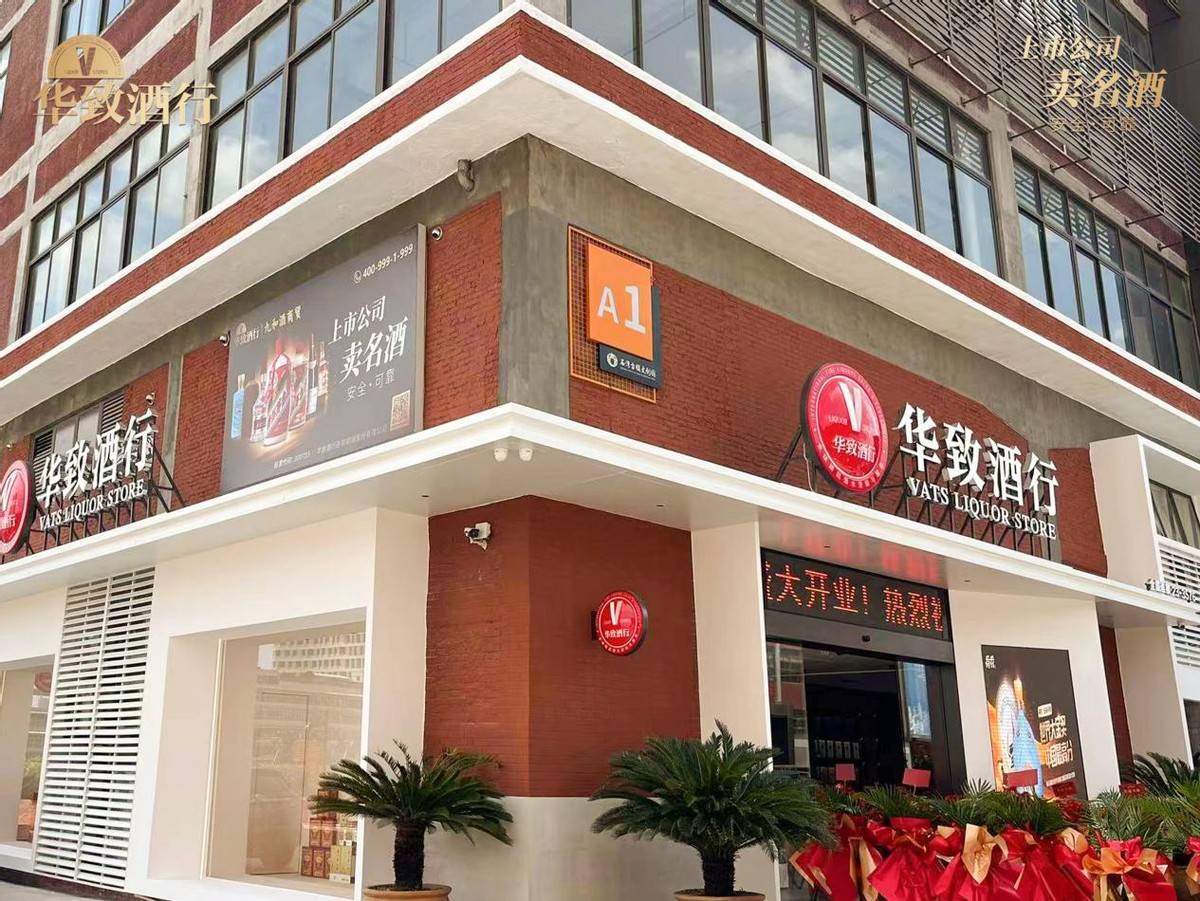
Core Insights - The Chinese liquor industry is undergoing a significant structural transformation, shifting from a scale expansion phase to a value reconstruction phase, driven by intensified consumer segmentation, diverse demand scenarios, and the impact of digitalization [1][2][3] Industry Overview - The industry is characterized by a "volume decline, profit increase" trend, with production expected to fall below 3.9 million kiloliters by 2025, while total profits may reach 270 billion yuan [2] - The market share of leading liquor companies continues to rise, exacerbating the Matthew effect [2] Consumer Behavior Changes - The high-end liquor market (priced above 800 yuan per bottle) is projected to exceed 450 billion yuan by 2025, driven by an increase in high-net-worth individuals [2] - Middle-income consumers are becoming more rational, shifting towards mid-range products, while Generation Z contributes 35% of sales in the under 100 yuan price segment, promoting innovation in lower-alcohol and flavored products [2] - The proportion of business banquets in liquor consumption has decreased to around 40%, with family gatherings and social events gaining prominence, necessitating more precise channel coverage [2] Competitive Landscape - The competition in the liquor distribution sector has shifted from traditional channel-based strategies to user-centric value competition, emphasizing the need for companies to transition from "selling products" to "managing users" [3] - Companies like Huazhi Wine are increasing investments in consumer-facing operations, viewing user asset construction as a long-term competitive barrier [3] Huazhi Wine's Strategic Initiatives - Huazhi Wine has built a robust foundation with over 2,000 stores, 4,000 global wine resources, and a modern logistics system, positioning itself to adapt to industry changes [5][7] - The company is focusing on enhancing store quality and structure rather than merely expanding in number, implementing a "one store every 3 kilometers" strategy to cover various consumption scenarios [7] - Huazhi's brand experience upgrade aims to transform stores into emotional touchpoints between brands and users, enhancing user loyalty and reinforcing brand professionalism [7] Value Ecosystem Development - Huazhi Wine is constructing a BC integrated value ecosystem through channel deepening, user engagement, and service empowerment, emphasizing a user-centric strategy [8][10] - The company has developed a three-business matrix ("Huazhi Wine + Huazhi Famous Wine Library + Huazhi Selection") to cover different consumer scenarios and demographics [8] - The focus on empowering franchisees through comprehensive support systems, including supply chain stability and operational guidance, enhances the competitiveness of B-end stores [10][11] Service and Operational Enhancements - Huazhi's service capabilities have evolved from basic product authenticity to a comprehensive support system that links B-end and C-end value [11] - The "New Retail 3+" model integrates product and service offerings, enhancing customer engagement and facilitating seamless online and offline interactions [13] - The implementation of digital tools, such as e-commerce live streaming, allows for effective C-end user engagement, creating a win-win situation for both B-end and C-end operations [13]
鲸喜仓宜兴店正式开业,烟火气成为新的底层能力
Sou Hu Cai Jing· 2025-12-24 21:36
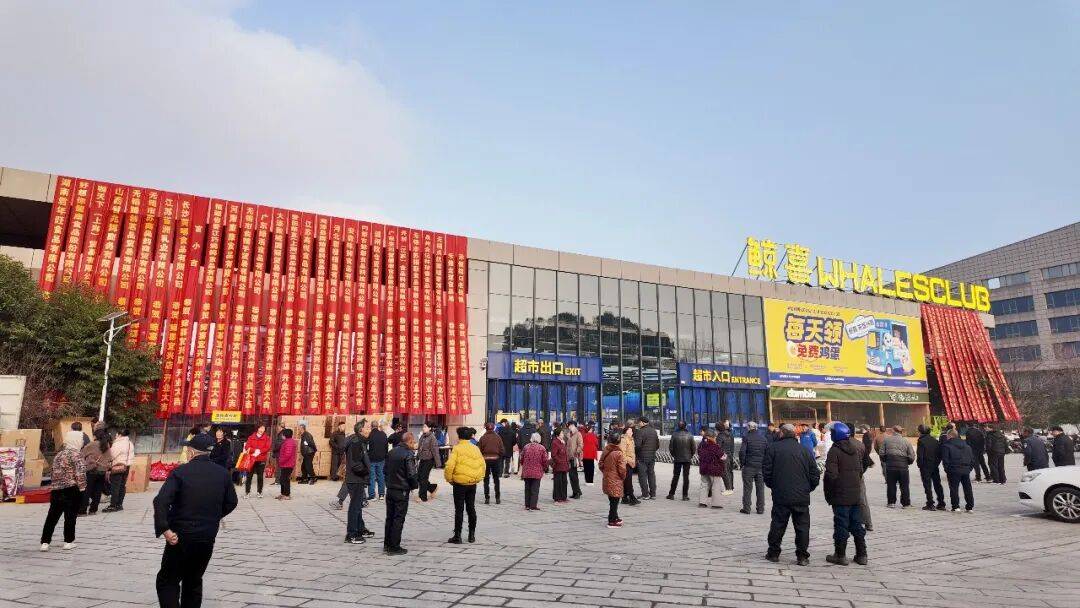
Group 1 - The core achievement of the new retail store, Whales Club in Yixing, is its successful opening with impressive sales figures: online transactions reached 1.667 million yuan and offline transactions totaled 1.2 million yuan, with over 5 million total exposures across channels [2][23] - The store's innovative model combines "new retail scene reconstruction + full-cycle welfare matrix," creating a multi-dimensional consumption ecosystem that includes a supermarket, central kitchen, food market, and social space [3][30] - Consumer demand has shifted from merely seeking low prices to desiring full-scene, high cost-performance, and genuine experiential shopping [5][30] Group 2 - Whales Club's strategy focuses on fresh produce as a foundation, creating a snack market for experiential shopping, leveraging supply chain efficiency for cost-effectiveness, and establishing a membership system to encourage repeat purchases [7][30] - The store features a "snack market" with over 30 different types of food stalls, catering to diverse consumer needs and transforming shopping from a functional task to a social experience [9][10] - The store's fresh produce category accounts for 55% of its offerings, addressing the core needs of families for daily grocery shopping and meal preparation [13] Group 3 - The store's supply chain strategy includes direct sourcing from production areas, ensuring freshness and cost-effectiveness, with a focus on high-quality products and local flavors [15][17] - The operational strategy emphasizes a focus on high-demand products while minimizing unnecessary inventory, allowing for competitive pricing and quality [19] - The store's marketing strategy includes a comprehensive welfare system to attract consumers during peak shopping periods, enhancing customer engagement and sales [22][30] Group 4 - The successful opening of Whales Club in Yixing represents a significant transition from a single business model to a full-category membership store, showcasing a blend of standardized operations and localized adaptations [28][30] - The store aims to expand its reach in the Yangtze River Delta region, planning to open more full-category stores that provide fresh, affordable, and engaging retail experiences [31]