药食同源

Search documents
药食同源正颠覆332亿中秋市场!百年老品牌纷纷入局,Z世代和银发族共同捧起的50亿新赛道
东京烘焙职业人· 2025-09-16 08:33
Core Insights - The article discusses the transformation of mooncakes from traditional sweet treats to health-oriented products, driven by changing consumer preferences among both the Z generation and the elderly population [2][21]. Group 1: Market Trends - The mooncake market is evolving into a 5 billion yuan new segment, influenced by the health consciousness of consumers [2]. - The search volume for "medicinal food mooncakes" surged by 287% year-on-year, with consumers aged 25-35 making up over half of the searches [18]. - The sales of self-use mooncake gift boxes are projected to grow by 81% year-on-year in 2024, with products containing functional ingredients showing the highest repurchase rates [18]. Group 2: Consumer Behavior - The new consumer groups exhibit distinct characteristics, such as a focus on functional ingredients, diverse consumption scenarios, and a strong interest in cultural narratives [23]. - The elderly demographic prioritizes practical benefits, as seen in products like low-sugar buckwheat mooncakes that cater to their dietary needs [25]. Group 3: Supply Chain Innovations - Traditional brands are rapidly adapting to new demands, with companies like Tongrentang extending their pharmaceutical expertise into food products [25]. - Innovations include the use of microencapsulation technology to mask bitter flavors while retaining over 90% of active ingredients [25][34]. Group 4: Industry Dynamics - The mooncake sales landscape is shifting from seasonal sales to year-round availability, with a notable increase in breakfast and afternoon tea consumption scenarios [18][30]. - The integration of technology in production processes has improved the stability and taste of functional mooncakes, enhancing consumer acceptance [34]. Group 5: Cultural Significance - Mooncakes are increasingly viewed as cultural carriers, with products reflecting traditional craftsmanship and health philosophies [39][41]. - The narrative around mooncakes is evolving, emphasizing health and cultural identity, which resonates with modern consumers [41].


行业周报:白酒底部等待回暖,西麦食养赛道可期-20250914
KAIYUAN SECURITIES· 2025-09-14 07:52
Investment Rating - The investment rating for the food and beverage industry is "Positive" (maintained) [1] Core Viewpoints - The white liquor market is gradually stabilizing, with health and nutrition creating a second growth curve for Ximai. The food and beverage index increased by 1.1% from September 8 to September 12, ranking 17th among 28 sub-industries, underperforming the CSI 300 by approximately 0.3 percentage points. The sub-industries of meat products (+3.0%), white liquor (+1.7%), and pre-processed foods (+0.4%) performed relatively well. The white liquor sector is currently under demand pressure, with slight price declines for Feitian Moutai, indicating terminal demand stress. However, there are signs of improvement in terminal sales for Moutai since the end of August, suggesting that the bottom for the white liquor market is approaching. It is expected that the economic activity will increase with the implementation of large-scale infrastructure projects, leading to a stable upward trend in the white liquor market [4][11][12]. Summary by Sections Weekly Viewpoints - The white liquor market is stabilizing, and health products are becoming a potential growth area for Ximai. The food and beverage index's performance is lagging behind the market, with specific sub-industries showing better results [4][11]. Market Performance - The food and beverage index rose by 1.1%, ranking 17th out of 28 sectors, and underperformed the CSI 300 by about 0.3 percentage points. Meat products, white liquor, and pre-processed foods led the sub-industry performance [11][13]. Upstream Data - Some upstream raw material prices are declining, with full-fat milk powder auction prices down by 5.6% month-on-month but up by 12.2% year-on-year. Domestic fresh milk prices are also showing a downward trend [18][21]. Liquor Industry News - The liquor industry is seeing new product launches to adapt to market changes, with companies like Wuliangye and Zhenjiu introducing new products targeting younger consumers. The market is expected to recover as risks are released and new products are introduced [4][39]. Recommended Portfolio - The recommended stocks include Guizhou Moutai, Shanxi Fenjiu, Ximai Food, Wancheng Group, and Bairun Shares, with each company showing potential for growth despite current market pressures [5][43].





手信+文旅完美邂逅!广东三宝亮相广东旅博会
Nan Fang Nong Cun Bao· 2025-09-13 12:00
Core Viewpoint - The Guangdong Three Treasures, featuring traditional health products, showcased their offerings at the Guangdong International Tourism Industry Expo, emphasizing the integration of cultural tourism and local specialties [1][3][25]. Group 1: Event Overview - The Guangdong International Tourism Industry Expo took place from September 12-14, 2025, at the Canton Fair Exhibition Center [2][3]. - The Guangdong Three Treasures participated in the event, highlighting their products in the cultural tourism integration pavilion [6][13]. Group 2: Product Highlights - The Guangdong Three Treasures include three major geographical indication products: Xinhui Chenpi, Huaju Hong, and Chunsan Ren, all selected for their health benefits and authenticity [7][9][30]. - Xinhui Chenpi is renowned for its traditional production methods and is often referred to as "one tael of Chenpi is worth one tael of gold" [9][10]. - Huaju Hong, known as "Southern Ginseng," is produced in the unique soil of Maoming [10][11]. - Chunsan Ren is recognized for its digestive benefits and is sourced from the premium production area of Panlong [11]. Group 3: Marketing and Engagement - The Guangdong Three Treasures utilized various promotional methods, including live streaming, product tasting, and interactive engagement to enhance visitor experience [14][18][20]. - The live streaming sessions featured detailed explanations of the products' origins and health benefits, generating significant audience interaction [16][18]. - The event attracted many visitors who were eager to sample the products, particularly the Xinhui Chenpi water, which received positive feedback [21][23]. Group 4: Economic Impact - The collaboration with the "True Village" platform aims to create a "homestay + handcraft" model, enhancing the appeal of rural tourism and local products [24][25]. - The True Village platform has developed a service system that integrates online and offline resources, connecting over 300,000 registered users and more than 1,000 businesses [27][29]. - This initiative is expected to inject new vitality into rural economic development while promoting Guangdong's agricultural quality [26][30][31].

种子价格最大波动达5倍 产业规模第一的云南中药材产业如何迈向国际?
2 1 Shi Ji Jing Ji Bao Dao· 2025-09-12 23:12
Core Viewpoint - Yunnan aims to develop its traditional Chinese medicine (TCM) industry into a significant economic pillar, targeting a scale of 200 billion yuan by enhancing deep processing and establishing a robust supply chain with leading enterprises like Yunnan Baiyao [1][5][7]. Group 1: Industry Development - Yunnan has a rich variety of medicinal resources, with 8,138 types of medicinal resources identified, accounting for 44.2% of the national total [4]. - The province's TCM market is experiencing a downward trend, with over 60% of monitored varieties showing price declines as of September 2025 [3]. - Despite price volatility, many farmers remain enthusiastic about cultivating medicinal herbs due to higher potential returns compared to traditional crops [3]. Group 2: Economic Transformation - The Yunnan government is focusing on transforming resource advantages into economic benefits through policies that promote the TCM industry [5][6]. - The "Three-Year Action Plan" aims for the TCM industry to maintain its national leadership, with a planting area of around 10 million mu and an annual output of over 1.5 million tons by 2027 [5][6]. Group 3: Supply Chain and Processing - Yunnan Baiyao is implementing a "six unifications" strategy to enhance the TCM supply chain, including unified planting areas and standardized management [7]. - The company has established several production bases for key medicinal herbs, aiming to retain value within the region through fresh processing [7][8]. Group 4: Market Expansion - The trend of "food and medicine homology" is gaining traction, with increasing consumer interest in health products derived from TCM, providing new market opportunities [9][10]. - Yunnan's geographical advantages and the Belt and Road Initiative are expected to enhance its role as a trading hub for TCM in Southeast Asia [11][12]. Group 5: International Trade - Yunnan has recently expanded its import capabilities for medicinal herbs, with significant volumes imported from neighboring countries, addressing domestic supply shortages [12]. - The establishment of new border ports is facilitating the trade of medicinal materials, further integrating Yunnan into international markets [11][12].

价格波动达5倍!产业规模第一的云南中药材产业如何迈向国际?
2 1 Shi Ji Jing Ji Bao Dao· 2025-09-12 10:59
Core Viewpoint - Yunnan aims to develop its traditional Chinese medicine (TCM) industry into a "second tobacco industry" with a target of a trillion yuan industry, focusing on deep processing and the role of leading enterprises like Yunnan Baiyao [1][5][6] Industry Overview - Yunnan is recognized as an ideal region for TCM cultivation due to its favorable climate and long history of planting, with a consensus that "without Yunnan medicine, no prescription can be formed" [1] - The province has a significant advantage in medicinal resources, with 8,138 types of TCM resources, accounting for 44.2% of the national total [3] - The TCM market in Yunnan is experiencing a downward trend, with over 60% of monitored varieties expected to see price declines by September 2025 [2][5] Market Dynamics - The price of TCM seeds fluctuates significantly, with variations of 4-5 times, while the price of harvested TCM can vary by 25-30% [2] - The demand for TCM is expected to increase due to the growth of the health industry and the popularity of food-medicine products among younger consumers [1][8] Policy and Development Strategy - The Yunnan provincial government has introduced plans to enhance the TCM industry, including the "Yunnan TCM Planting and Breeding Area Planning (2025-2027)" and the "Three-Year Action Plan for High-Quality Development of Yunnan TCM Industry (2025-2027)" [5][6] - The goal is to maintain a planting area of around 10 million mu, with an annual output of over 1.5 million tons and a total industry chain output value exceeding 200 billion yuan by 2027 [5][6] Company Initiatives - Yunnan Baiyao is actively involved in enhancing the TCM industry by implementing a "six unification" strategy to strengthen the entire supply chain [6][7] - The company has established several production bases and is focusing on digital platforms to facilitate direct supply from the source, with a transaction volume exceeding 1.2 billion yuan [7][8] Product Innovation - Yunnan Baiyao is developing high-value-added products, including natural fragrances and functional cosmetics derived from TCM, to meet the growing consumer demand [8][9] - The trend of food-medicine integration is gaining traction, with companies exploring the potential of TCM products in mainstream markets [9] Trade and Export Opportunities - The establishment of new border ports for TCM imports is expected to enhance trade opportunities, with Yunnan leading the nation in both import volume and value [10][11] - The region's strategic location and participation in initiatives like the Belt and Road are anticipated to further solidify Yunnan's role as a TCM trading hub for South Asia and Southeast Asia [10][11]
以食材创新破局健康 苏州稻香村的健康路径
Xiao Fei Ri Bao Wang· 2025-09-11 08:15
Core Viewpoint - The health-conscious trend among consumers is reshaping the mooncake market, prompting Suzhou Daoxiangcun to innovate with healthier mooncake options that align with the "medicinal food integration" concept [1][2][4]. Group 1: Product Innovation - Suzhou Daoxiangcun launched three new mooncake flavors: "Chenpi Dou Sha Lingzhi," "Zao Rong He Tao A Jiao," and "Rose Western Ginseng," which combine traditional mooncake attributes with health-focused ingredients [4]. - The "medicinal food integration" approach aims to reduce sugar and fat content while enhancing flavor, allowing traditional pastries to become healthier daily choices [2][4]. Group 2: Traditional Craftsmanship - The innovation does not disrupt traditional methods; Suzhou Daoxiangcun maintains its foundational pastry-making techniques while incorporating modern health concepts, ensuring the longevity of traditional craftsmanship [6]. Group 3: Technological Empowerment - The company has increased investment in product development and established a "Healthy Baking Laboratory" to quickly respond to market demands and adjust product formulations, ensuring health advantages and market vitality [7]. - A notable product, the "Fu Ji Jia" brand's high-protein konjac crisp, has achieved recognition for maintaining a sugar content below 5g per 100g, balancing taste and health [7][9]. Group 4: Industry Impact - Industry experts highlight that controlling sugar content while preserving core flavors is essential for the future of traditional pastries, with Suzhou Daoxiangcun setting a benchmark for health innovation in the mooncake sector [9]. - The company's commitment to "sugar and fat reduction" and the "medicinal food integration" philosophy is reshaping its brand image as "Healthy Daoxiangcun," resonating with consumers' evolving health consciousness [9].
全国劳模廖志略:十年兴农路 推动化橘红结出百亿硕果
2 1 Shi Ji Jing Ji Bao Dao· 2025-09-11 05:12
Core Viewpoint - The article highlights the successful transformation of the Huazhou Huajuhong industry through innovative marketing strategies, particularly the use of short dramas and live streaming, which significantly boosted sales and attracted young talent back to the region [1][4]. Group 1: Industry Development - The Huajuhong industry achieved a sales revenue of nearly 260 million yuan, driven by a short drama that creatively combined historical and modern elements [1]. - The industry has grown to exceed 10 billion yuan in value, with over 35,000 individuals engaged in Huajuhong-related activities [3][8]. - The area under Huajuhong cultivation has surpassed 130,000 acres, with an annual production of over 60,000 tons of fresh fruit and 12,000 tons of dried fruit [8]. Group 2: Innovation and Marketing - The introduction of the short drama "Huazhou Huajuhong, the First Red in the World" effectively reached over 100 million users globally, converting viewership into consumer interest [4]. - The cooperative has developed over 20 processed products, including herbal slices and throat lozenges, expanding the application of Huajuhong [8]. - The cooperative's innovative marketing strategies, including e-commerce and live streaming, have successfully increased market awareness and sales [6][8]. Group 3: Community Impact - The cooperative model has created a multi-dimensional support system for farmers, benefiting 15,000 households through guaranteed purchase agreements [8]. - Over 3,000 farmers have been uplifted economically through the cooperative's initiatives, contributing to local employment and income generation [1][8]. - The establishment of a Huajuhong museum and advocacy for its cultural heritage aims to promote the product internationally [5].
山东移动东阿分公司圆满完成东阿阿胶院士工作站揭牌仪式通信保障
Qi Lu Wan Bao Wang· 2025-09-08 01:30
Core Viewpoint - The successful unveiling of the "Medicine and Food Homology and Big Health Academician Workstation" by Dong'e Ejiao and the signing ceremony of cooperation between Liaocheng City and Jiangnan University highlights the importance of collaboration in advancing health and wellness initiatives in the region [1] Group 1: Event Overview - The unveiling ceremony took place in Dong'e County, Shandong, with significant participation from local and academic stakeholders [1] - Shandong Mobile Dong'e Branch received commendation for its excellent network communication support during the event [1] Group 2: Communication Support - A dedicated communication support team was established a week prior to the event to ensure smooth network operations [1] - The team conducted comprehensive network testing, identifying seven weak signal areas and implementing targeted optimizations to enhance network capacity [1] Group 3: Performance and Recognition - The event achieved zero network interruptions and communication failures, providing a seamless experience for users [1] - The commendation letter from the organizer emphasized the company's spirit of "responsibility, coordination efficiency, and multi-department collaboration" [1] Group 4: Future Commitment - Shandong Mobile Dong'e Branch plans to continue leveraging its technological and service advantages to support local digital economic development and provide high-quality communication services for major events [1]

观察|“媒体+”赋能 药食同源破题高州龙眼品牌价值跃升
Nan Fang Nong Cun Bao· 2025-09-05 13:34
Core Viewpoint - The article discusses the rise in brand value of Gaozhou longan through the integration of media and marketing strategies, emphasizing the health benefits of the fruit and its transformation from a local product to a recognized health symbol [9][16]. Group 1: Production and Sales Performance - Gaozhou longan achieved a record sales volume of 320,000 tons within 50 days, with an average daily shipment exceeding 600 tons [4][5]. - The fresh longan's production value has surpassed 2.6 billion yuan, and the total industry chain value is expected to exceed 8 billion yuan this year [5]. Group 2: Marketing and Brand Development - The "media+" strategy has been pivotal in enhancing the brand's visibility, with events like fruit tasting and production-sales matching conferences attracting significant attention [18][24]. - A comprehensive media campaign has been launched, including live broadcasts and in-depth interviews, to showcase the entire industry chain of Gaozhou longan [22][23]. Group 3: Product Innovation and Health Integration - Gaozhou longan is being positioned not just as a sweet fruit but as a health product, with new offerings like longan tea and dried longan being introduced [35][36]. - Experts highlight the medicinal properties of longan, suggesting its potential in health and wellness markets, which opens new avenues for high-end market penetration [37][94]. Group 4: Future Development and Strategic Planning - The article outlines a vision for the future of Gaozhou longan, focusing on standardization, quality control, and the integration of cultural elements into branding [24][90]. - Collaborative efforts with experts aim to enhance the product's market positioning and develop a dual-track strategy that combines health consumer goods with regional branding [101][108].
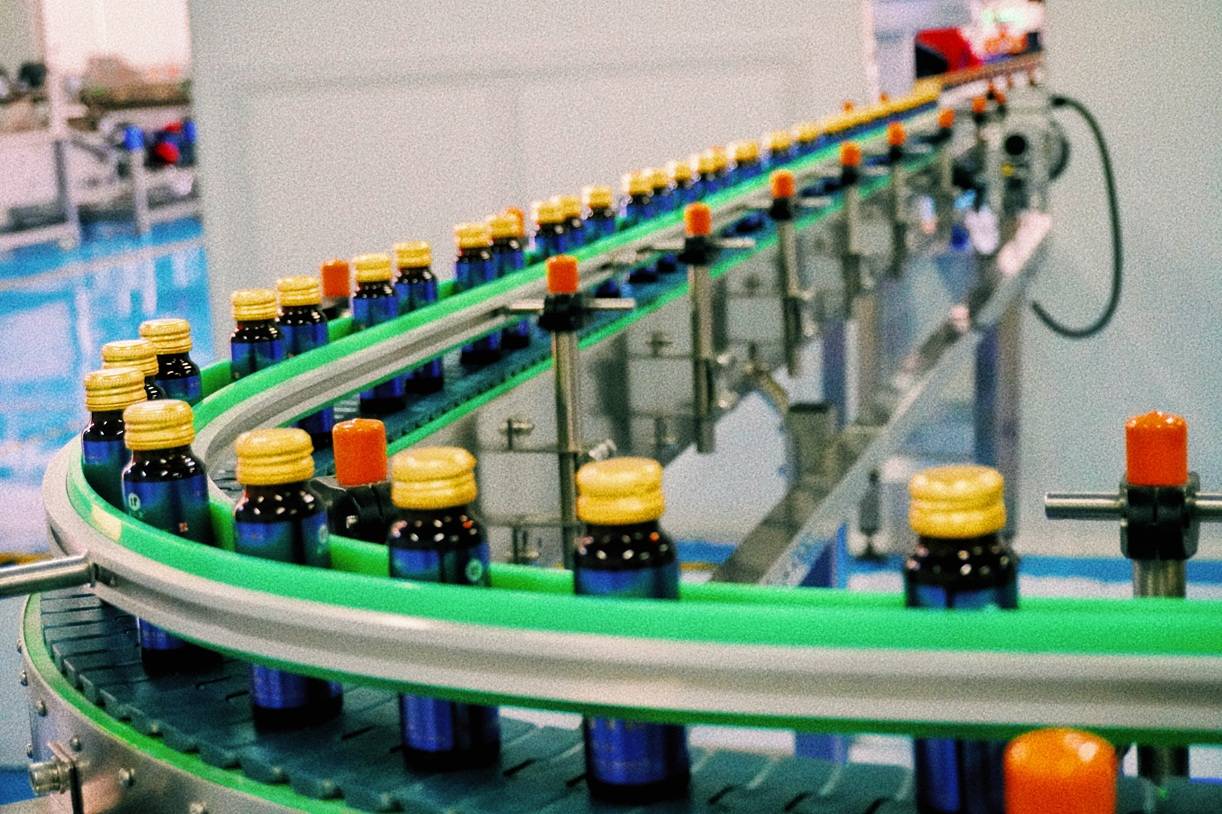
【高质量发展调研行】从深山“土疙瘩”到现代“黄金液” | 德江天麻冲向10亿级产业势头正足
Sou Hu Cai Jing· 2025-09-05 06:40
Core Insights - The transformation of traditional agricultural products, specifically the local herb Tianma, into modern consumables like Tianma drink showcases the potential for value addition in rural industries [14] - The local government is actively promoting the Tianma industry as a key economic driver, leveraging recent policy changes to enhance production and market reach [7][14] Industry Overview - Dejiang County, known as the "Hometown of Tianma," has a long history with the herb, which was recognized as a tribute to the imperial court during the Qing Dynasty and received national geographical indication certification in 2007 [3][4] - The region's natural conditions, including high altitude and fertile soil, contribute to the superior quality of Tianma, with active ingredients ranging from 0.36% to 1.3%, exceeding the national standard of 0.25% [4] Production and Innovation - The establishment of a new production line by Hongpin Tianma Industry Development Co., with an investment of 5.4 million yuan, aims to produce 2.4 million bottles annually, reflecting a significant increase in production capacity [8][10] - The introduction of ready-to-drink Tianma products has led to a rapid increase in sales, with retail revenue surpassing 200,000 yuan within three days of launch [8][10] Market Development - The Tianma industry in Dejiang has evolved from simple processing to a comprehensive value chain, including production, initial processing, deep processing, and sales, with an annual output value nearing 600 million yuan [10] - The diversification of Tianma products into various forms, such as Tianma liquor, noodles, and drinks, has led to the registration of over ten trademarks, enhancing brand recognition [10] Strategic Goals - The local government aims to develop the Tianma industry into a 1 billion yuan sector, focusing on high-quality development through demonstration projects, brand creation, and market expansion [13][14] - The recent inclusion of Tianma in the list of food and medicinal sources has opened new opportunities for the industry, prompting strategic planning and innovation from local authorities [7][14]