高端化

Search documents
波司登高端化“大败局”:86克的“轻”与2299元的“重”,究竟谁背叛了谁?
3 6 Ke· 2026-01-23 04:04
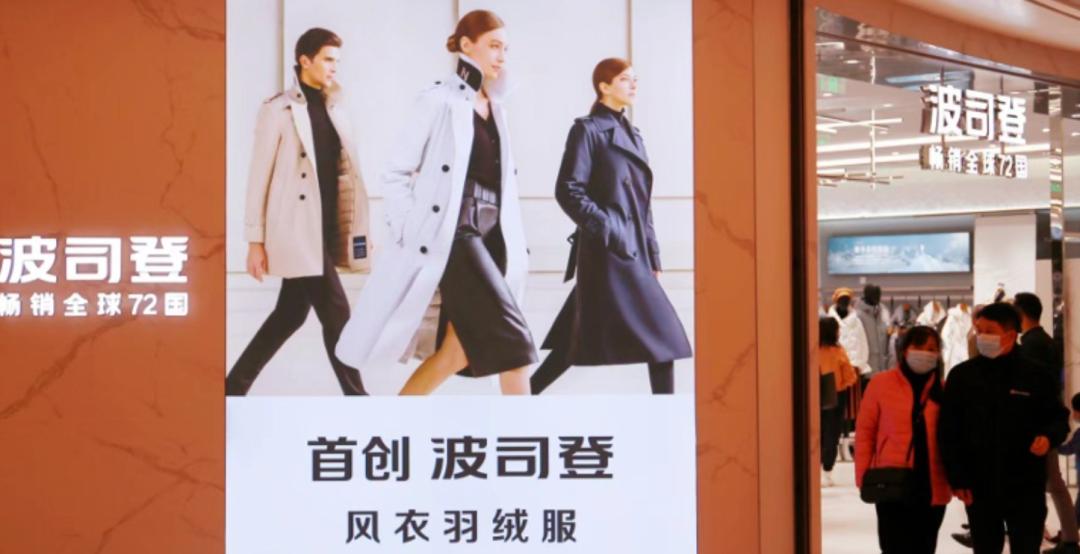
Core Viewpoint - The article highlights the disparity between the high prices of Bosideng's products and their low filling weights, leading to consumer dissatisfaction and a potential decline in brand trust [1][2][4][22]. Group 1: Product Quality and Consumer Perception - Bosideng's high-priced products, such as a down jacket priced at 2299 yuan with only 86 grams of filling, raise concerns about value for money [1][2]. - The company has been accused of "compliance-based cost-cutting," where it adheres to national standards while still providing subpar products, leading to consumer outrage [2][4]. - Complaints about product quality, including low filling amounts and poor after-sales service, have surged on consumer complaint platforms [4][11]. Group 2: Brand Strategy and Market Position - Bosideng's shift towards high-end branding and pricing has not been matched by improvements in product quality, leading to a disconnect with consumer expectations [10][22]. - The brand's average selling price has increased significantly, from under 1000 yuan in 2017 to over 1800 yuan by 2025, indicating a reliance on price increases rather than product enhancements [9][10]. - The company's past success was attributed to a focused strategy on down jackets, but recent financial reports indicate stagnation in revenue growth, suggesting a need for strategic reevaluation [12][13]. Group 3: Competitive Landscape - Bosideng faces increasing competition from both high-end outdoor brands and budget-friendly alternatives, which offer better value propositions [17][20]. - Brands like Arc'teryx and The North Face are capturing market share in the high-end segment, while budget brands like Yaya and Xuezhongfei are aggressively targeting price-sensitive consumers [17][20]. - The competitive pressure is compounded by the emergence of new players like Gao Fan, which are effectively positioning themselves in the same price range as Bosideng [20]. Group 4: Financial Performance and Future Outlook - Recent financial data shows a mere 1.4% revenue growth, a stark contrast to previous years' growth rates, indicating potential challenges ahead [12][13]. - The company's diversification efforts in other clothing lines have not yielded positive results, with significant declines in revenue from these segments [14][16]. - The market's reaction to Bosideng's recent performance has been negative, with stock prices dropping significantly, reflecting investor concerns about the brand's future viability [21].

中经评论:16年规模第一,中国制造当更强
Jing Ji Ri Bao· 2026-01-23 00:09
Core Viewpoint - China's manufacturing sector is expected to maintain its position as the world's largest for 16 consecutive years, with a complete industrial system and a focus on high-end, intelligent, and green transformation [1][2][3] Group 1: Manufacturing Scale - China's manufacturing value added has been the highest globally since 2010, currently accounting for nearly 30% of global manufacturing, making it a key driver of global manufacturing growth [1] - Among 504 major industrial products worldwide, China leads in the production of most, including basic materials like steel and cement, as well as high-end equipment like industrial robots and electric vehicles [1] Group 2: Industrial System Completeness - China is the only country with a complete industrial classification covering all industrial categories, ensuring a stable and efficient production chain that can quickly respond to diverse global market demands [2] Group 3: High-end Manufacturing - High-end manufacturing is crucial for addressing weaknesses in core technologies and enhancing the quality and technical level of Chinese manufacturing, with significant growth expected in equipment and high-tech manufacturing sectors by 2025 [2] Group 4: Intelligent Manufacturing - Intelligent manufacturing, driven by AI, big data, and industrial internet technologies, allows China to compete on equal footing with developed countries, leveraging its advantages in new information technologies [3] Group 5: Green Manufacturing - Green manufacturing focuses on low-carbon technologies and circular economies, with projections indicating that by 2025, China's production of new energy vehicles will exceed 16 million units, maintaining its global leadership [3]
宇通客车:2025年以来公司国内座位客车市占率有所提高
Zheng Quan Ri Bao Wang· 2026-01-22 13:12
Core Viewpoint - Yutong Bus (600066) has seen an increase in its domestic bus market share since 2025 and is implementing strategies to address industry competition [1] Group 1: Market Strategies - The company will enhance research and analysis of market demand to deeply understand customer needs and develop differentiated products and solutions that meet and lead customer operational requirements [1] - Yutong Bus aims to accelerate the development of medium and large buses towards electrification, intelligent networking, and high-end features to improve product competitiveness [1] - The company plans to further strengthen customer relationships by helping clients explore new development models, improve operations, and support order conversion [1] - Yutong Bus is actively seizing opportunities in niche markets such as high-end business vehicles, airport shuttle buses, and trackless trams [1]

中国制造加速升级 向高端化智能化迈进
Zhong Guo Xin Wen Wang· 2026-01-22 09:52
Group 1 - The core viewpoint of the articles highlights China's significant advancements in manufacturing, showcasing its transition to a global manufacturing powerhouse, now ranking fourth after the US, Germany, and Japan [1] - The "2025 China Manufacturing Power Development Index Report" indicates that by 2024, China will enter the second tier of global manufacturing powers, achieving its strategic goal of becoming a manufacturing strong nation [1] - The structural change in China's export composition is evident, with over 60% of exports now consisting of electromechanical products, reflecting a shift towards high-end and intelligent manufacturing [1][2] Group 2 - In the biopharmaceutical sector, China's innovative drugs are projected to generate over $130 billion in foreign licensing transactions by 2025, marking a historical high [2] - The integration of artificial intelligence in manufacturing is emphasized as a revolutionary force driving transformation and high-quality development across the industry [2] - The electric vehicle sector is highlighted as a key area of growth, with projections indicating that China's production and sales of electric vehicles will exceed 16 million units by 2025, maintaining its position as the global leader for 11 consecutive years [2] Group 3 - The success of Chinese manufacturing is attributed to four core advantages: a large domestic market, a complete industrial ecosystem, sustained high R&D investment, and remarkable efficiency [3] - The global market share of Chinese shield machines is approximately 70%, showcasing the effectiveness of these advantages in driving international competitiveness [3] - The future outlook for Chinese manufacturing suggests a continued focus on high-end and intelligent advancements, enhancing its global significance and reputation [3]
TCL电子(1070.HK):索尼战略合作催化价值重估 业绩预告大超预期
Ge Long Hui· 2026-01-22 05:44
Group 1 - The core viewpoint is that the strategic cooperation between TCL Electronics and Sony is expected to catalyze a revaluation of TCL's value, alongside anticipated strong growth in 2025 and continued leadership in AI innovation through Thunderbird [1] - TCL and Sony have signed a Memorandum of Understanding (MOU) to establish a joint venture, with TCL holding 51% and Sony 49%, to take over Sony's home entertainment business, aiming for operational launch by April 2027 [1][2] - The joint venture will leverage Sony's high-quality imaging and audio technology, brand value, and operational experience, combined with TCL's advanced display technology and global scale advantages [2] Group 2 - TCL's forecast for 2025 indicates an adjusted net profit between HKD 2.33 billion and HKD 2.57 billion, representing a year-on-year growth of 45-60%, exceeding the upper limit of the equity incentive target [2] - The collaboration with Sony is expected to enhance TCL's revenue significantly, with estimates suggesting that Sony's television revenue could reach RMB 24.8 billion in 2024, contributing to an overall revenue exceeding RMB 30 billion [2] - The company anticipates that the integration of AI applications and the upcoming major sporting events will improve profitability and market share, particularly in overseas markets [3] Group 3 - TCL's investment in Thunderbird Innovation, which has a leading position in the AR glasses market, is expected to boost its valuation, with Thunderbird holding a 24% market share in Q3 2025 [3] - The company is positioned to benefit from the withdrawal of competitors in the LCD panel market, with expectations of price stability and increased market share through innovative MiniLED technology [3] - The strategic focus on high-end and global markets is driving product optimization and innovation, leading to improved efficiency and profitability [4]
聚乙烯:供给现状及展望
Xin Lang Cai Jing· 2026-01-22 02:09
Core Viewpoint - The polyethylene (PE) industry in China is experiencing explosive capacity growth driven by integrated refining strategies, the rise of private refining, and foreign investment, leading to a supply-demand imbalance characterized by "overcapacity, structural imbalance, and regional concentration" [2][15]. Group 1: Domestic Polyethylene Supply Status - China's polyethylene capacity has expanded significantly, with a total capacity expected to reach 41.14 million tons per year by the end of 2025, marking a 15 percentage point increase in growth rate compared to 2024 [3][16]. - The market structure has shifted from being dominated by state-owned enterprises to a more diversified competition, with private companies accounting for 58% of new capacity in 2025 [4][17]. - The import dependency of polyethylene has decreased, with total imports dropping by 50.36 thousand tons in the first eleven months of 2025, leading to a reduction in import dependency to 28% [4][19]. Group 2: Raw Material Diversification - The raw material structure for polyethylene has evolved into a triad of oil-based, coal-based, and light hydrocarbon-based processes, with oil-based polyethylene accounting for nearly two-thirds of production [5][20]. - Coal-based polyethylene has seen rapid development since 2016, with a production capacity concentrated in coal-rich regions, benefiting from lower costs compared to oil-based processes [6][21]. - The light hydrocarbon-based route is emerging as a significant growth area, although it faces challenges due to reliance on imported feedstock [6][22]. Group 3: Regional Distribution and Structural Optimization - Polyethylene production is concentrated in four major regions: South China, North China, East China, and Northwest China, which together account for over 95% of total capacity [8][23]. - The uneven distribution of capacity has led to supply-demand mismatches, with overcapacity in the Northwest and high demand in South and East China [9][24]. - The market is transitioning to a more efficient logistics model that combines local production and consumption, moving away from traditional transportation methods [8][23]. Group 4: Future Outlook for Polyethylene Supply - The polyethylene industry is expected to continue its capacity expansion cycle from 2026 to 2030, with an anticipated addition of over 500 thousand tons in 2026 alone [10][11]. - The focus will shift from quantity to quality, with an emphasis on high-end products to fill existing supply gaps, particularly in LDPE and specialty grades [12][27]. - The maturation of the polyethylene futures market will enhance its role in stabilizing supply and guiding industry development, providing better risk management tools for companies [13][28].

国产手机海外角逐
2 1 Shi Ji Jing Ji Bao Dao· 2026-01-21 23:11
Core Insights - The global smartphone market is projected to grow in 2025, with an expected shipment volume of 1.26 billion units, reflecting a year-on-year increase of 1.9% [1] - Chinese smartphone manufacturers have established a significant presence in the global market, capturing approximately 60% of global shipments, with brands like OPPO, vivo, Xiaomi, and Honor leading the way [1] - Honor is expected to see rapid growth in overseas shipments, with a projected year-on-year increase of about 55% in the first three quarters of 2025 [1][2] Industry Trends - Chinese companies are adopting two main strategies for overseas markets: full AI integration and brand premiumization, with a focus on "Glocal" strategies that combine global thinking with local actions [2] - Honor's international business has undergone a structural transformation, with overseas shipments rising from less than 10% of total shipments in early 2021 to nearly 50% by the third quarter of 2025 [2] - The competition in emerging overseas markets is intense, particularly in the entry-level segment priced below $200, which remains a primary focus for many manufacturers despite profit pressures [2] Market Positioning - Increasingly, Chinese smartphone manufacturers are shifting towards the mid-to-high-end market to balance scale and profitability, with Honor targeting the $300-$500 price range, which accounted for approximately 23% of its overseas shipments in the first three quarters of 2025 [3] - The high-end market, particularly in Europe, is becoming a battleground for Chinese manufacturers, who are transitioning from a scale competition to a capability competition, emphasizing high-end product offerings [4] Product Innovation - To penetrate the high-end market, product capability is essential, with manufacturers upgrading their high-end product lines, such as Honor's Magic8 series and Huawei's Mate80Pro [5] - Honor is set to showcase its ROBOT PHONE, a unique product that integrates AI capabilities, at the 2026 International Consumer Electronics Show (CES) [5] AI Integration - Since 2025, there have been significant advancements in AI capabilities for consumer applications, with Honor achieving breakthroughs in on-device AI technologies that enhance real-time processing and user experience [6] - Huawei's strengths lie in its foundational system capabilities, with HarmonyOS 6 enabling multi-device AI computing, enhancing the processing of complex tasks [6] Future Outlook - The market is expected to continue evolving, with two prominent trends: premiumization and globalization, driven by improvements in AI capabilities and a focus on high-end user experiences [6] - Globalization is a core theme for Chinese companies, emphasizing the need to not only expand internationally but also to enhance their global presence and competitiveness [6]
近期工程机械用钢产销存分析
Xin Lang Cai Jing· 2026-01-21 10:25
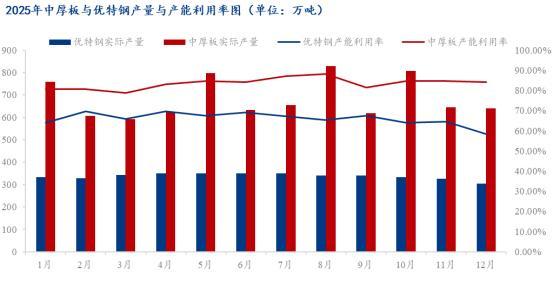
Group 1 - The core viewpoint of the article highlights the steady increase in the market for engineering machinery steel, driven by the recovery of downstream infrastructure and manufacturing industries, as well as the simultaneous growth in both domestic and overseas markets [1][17] Group 2 - The production of engineering machinery steel shows differentiation, with medium-thick plates maintaining over 80% utilization, while special steel utilization fluctuates around 60% [4][19] - By 2025, the actual production of medium-thick plates and special steel is expected to reach 122 million tons, with engineering machinery steel accounting for approximately 40% of this total [4][19] - Major steel companies like Baowu Group, Ansteel, and Hunan Huai Steel have increased their market share to 63%, benefiting from technological advantages and strong customer relationships [4][19] Group 3 - The production of high-strength steel (Q690 and above) is projected to be around 8.6 million tons in 2025, only meeting 82% of market demand, indicating a significant gap in high-end products [5][20] - Ordinary structural steel faces oversupply, while high-strength wear-resistant steel and alloy structural steel are in short supply, leading to intense price competition in basic products [5][20] Group 4 - The estimated sales volume of engineering machinery steel in 2025 is 49.3 million tons, reflecting a year-on-year growth of 6.8%, with export sales increasing by 16.1% [10][25] - The sales distribution remains concentrated, with the Yangtze River Delta region accounting for 43% of total sales, supported by local supply chain advantages [10][25] Group 5 - The average price of Q550D low-alloy high-strength steel is projected to be 4,390 yuan per ton in 2025, showing a slight year-on-year decline of 1.39%, while high-end products like Q960E and NM600 have stable prices [14][29] - The price differentiation is attributed to the lower production difficulty of common materials, leading to increased supply and price drops, while high-end products remain less volatile due to limited market resources [14][29] Group 6 - The overall inventory of engineering machinery steel is expected to be around 4 million tons by the end of 2025, with a turnover cycle of 20-30 days, indicating improved market liquidity [15][30] - High-end product inventories are relatively low, while ordinary product inventories face significant pressure, particularly in regions with concentrated production capacity [15][30] Group 7 - The engineering machinery steel market is experiencing optimization in production, sales, and inventory due to policy benefits and demand recovery, with a shift towards high-end, green, and globalized development [17][32] - Short-term factors such as increased domestic infrastructure investment and equipment renewal, along with a recovery in overseas markets, are expected to support steady market growth [17][32]
中国手机厂商开始反击三星苹果们
2 1 Shi Ji Jing Ji Bao Dao· 2026-01-21 06:37
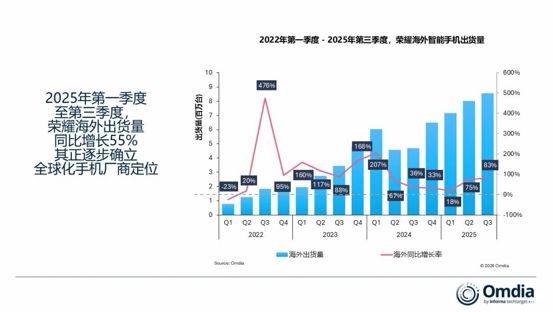
Core Insights - The global smartphone market is expected to grow in 2025, with an annual shipment volume reaching 1.26 billion units, representing a year-on-year increase of 1.9% [1] - Chinese smartphone manufacturers are increasingly focusing on both domestic and overseas markets, with significant growth in international shipments, particularly for Honor [1][4] Group 1: Market Trends - The Chinese smartphone market is evolving, with Honor launching three new models in January 2025, indicating a strategic push in product offerings [1] - Chinese manufacturers account for approximately 60% of global smartphone shipments, with Honor experiencing a notable 55% year-on-year increase in overseas shipments from Q1 to Q3 of 2025 [1][4] Group 2: Strategic Approaches - Chinese companies are adopting two main strategies for overseas expansion: full AI integration and brand premiumization, with a focus on "Glocal" strategies that combine global thinking with local actions [4] - Honor's international business has undergone a structural transformation, with overseas shipments rising from less than 10% of total shipments in early 2021 to nearly 50% by Q3 2025, marking a significant strategic shift [4] Group 3: High-End Market Focus - Honor is positioning itself in the mid-to-high-end market segment, with 23% of its overseas shipments falling within the $300–500 price range during the first three quarters of 2025 [5] - The European market is critical for high-end consumer electronics, and Honor aims to strengthen its presence there, maintaining a top-five market position in key Western European countries [7] Group 4: Product Innovation - Honor has enhanced its product lineup with advanced features, such as the ultra-thin Magic8 Pro Air, which weighs only 155g and is 6.1mm thick while maintaining high performance [10] - The introduction of the ROBOT PHONE, a smartphone integrated with AI capabilities, showcases the innovative direction of Chinese manufacturers [10] Group 5: AI and Technology Advancements - Since 2025, there have been significant advancements in AI capabilities for consumer smartphones, with Honor achieving breakthroughs in on-device AI processing [11] - Huawei's strengths lie in its underlying system capabilities, with the HarmonyOS 6 supporting multi-device AI computing, enhancing the overall user experience [11] Group 6: Future Outlook - 2025 marks a pivotal year for Honor as it transitions from a smartphone manufacturer to a leading AI terminal ecosystem company, with global shipments surpassing 71 million units [12] - The balance between scale expansion, AI capability implementation, and profitability will be crucial for Honor's position in the competitive landscape of smartphones and AI terminals [12]
中国手机厂商开始反击三星苹果们
21世纪经济报道· 2026-01-21 06:27
Core Viewpoint - The global smartphone market is expected to grow, with shipments reaching 1.26 billion units in 2025, reflecting a year-on-year increase of 1.9%. Despite this recovery, the industry faces long-term challenges [1]. Group 1: Market Dynamics - Chinese smartphone manufacturers have established a significant presence in the global market, capturing approximately 60% of global shipments, with brands like OPPO, vivo, Xiaomi, and Honor leading the charge [1]. - Honor has experienced rapid growth, with a reported 55% year-on-year increase in overseas smartphone shipments from Q1 to Q3 of 2025, marking it as the fastest-growing brand among the top ten global smartphone manufacturers [1][4]. Group 2: Strategic Approaches - Chinese companies are adopting two core strategies for international expansion: comprehensive AI integration and high-end branding. This includes a "Glocal" strategy, which combines global thinking with local action [4]. - Honor's international business has undergone a structural transformation, with overseas shipments rising from less than 10% of total shipments in early 2021 to nearly 50% by Q3 2025, indicating a strategic pivot towards international markets [4]. Group 3: Market Segmentation - Historically, Chinese manufacturers dominated the global mid-to-low-end market, but now they are increasingly focusing on the mid-to-high-end segments to balance scale and profitability. Honor is positioning itself in the $300-$500 price range, which accounted for approximately 23% of its overseas shipments in the first three quarters of 2025 [5]. - The high-end market, particularly in Europe, is a critical battleground for consumer electronics, with Honor maintaining a top-five market position in key Western European markets and achieving a 15% year-on-year growth in Central and Eastern Europe [7]. Group 4: Product Innovation - To penetrate the high-end market, product capability is essential. Honor has launched advanced products like the Magic8 series, which features AI-driven capabilities and innovative designs [9]. - The introduction of the ROBOT PHONE, a smartphone integrated with AI and robotics, showcases the innovative direction of Chinese manufacturers, with plans for further details to be revealed at major tech events [10]. Group 5: Future Outlook - The trends of high-end positioning and globalization are expected to continue, with a focus on enhancing product capabilities and user experiences through AI advancements [11]. - For Honor, 2025 marks a pivotal year in its transformation from a smartphone manufacturer to a leading AI terminal ecosystem company, with a global shipment target of over 71 million units and the fastest growth rate among the top ten brands [11][12].