产业升级

Search documents
从“技术洼地”到“创新高原” 高新技术产品出口再创历史新高
Zhong Guo Chan Ye Jing Ji Xin Xi Wang· 2025-09-08 00:42
Core Insights - The trade of high-tech products has become a significant driving force for economic growth, especially for developing countries, contributing to industrial restructuring and transformation of economic development models [1] - China's high-tech industry has achieved a historic leap from being a "technology gap" to an "innovation plateau," with exports reaching a record high of 3.7 trillion yuan in the first seven months of 2025, a 7.2% increase year-on-year [1][2] Export Growth - China's high-tech product exports have seen exponential growth, from 342.43 billion yuan in 2001 to 6.28 trillion yuan in 2024, representing a 17.3-fold increase and an annual compound growth rate of 13.5% [2] - The resilience of high-tech product exports has been a stabilizing factor for China's high-quality foreign trade amidst complex international conditions [2] Trade Balance Shift - Prior to joining the WTO, China faced a trade deficit in high-tech products, peaking at 176.17 billion yuan in 2003. By 2007, the country reversed this trend, achieving a surplus of 178.96 billion yuan, which grew to 920.11 billion yuan by 2024 [3] Market Diversification - China's high-tech product export markets have expanded significantly, reaching 238 countries and regions by 2024. Exports to traditional markets like Europe and the US have grown but their share has decreased from 72.3% in 2001 to 53.5% in 2024 [4] - Exports to emerging markets, particularly those involved in the Belt and Road Initiative, have surged, with exports to these countries reaching 2.33 trillion yuan in 2024, accounting for 37.1% of total high-tech exports [5] Product Categories - Computer and communication technology products dominate China's high-tech exports, accounting for 54.4% of total exports in 2024, with a value of 3.42 trillion yuan, an 11.8-fold increase since 2001 [6][7] - Integrated circuits have emerged as a new export champion, with exports reaching 1.13 trillion yuan in 2024, marking a significant growth trajectory [7] Regional Performance - Guangdong leads in high-tech product exports, with 1.83 trillion yuan in 2024, a 10.1-fold increase since 2001, while Jiangsu follows closely with 1.21 trillion yuan [9] - The central and western regions of China have also shown remarkable growth, with exports rising from 5.19 billion yuan in 2001 to 1.7 trillion yuan in 2024, a 325.6-fold increase [10]
AI驱动,制造业迎来“智变”(附图片)
Xin Lang Cai Jing· 2025-09-08 00:26
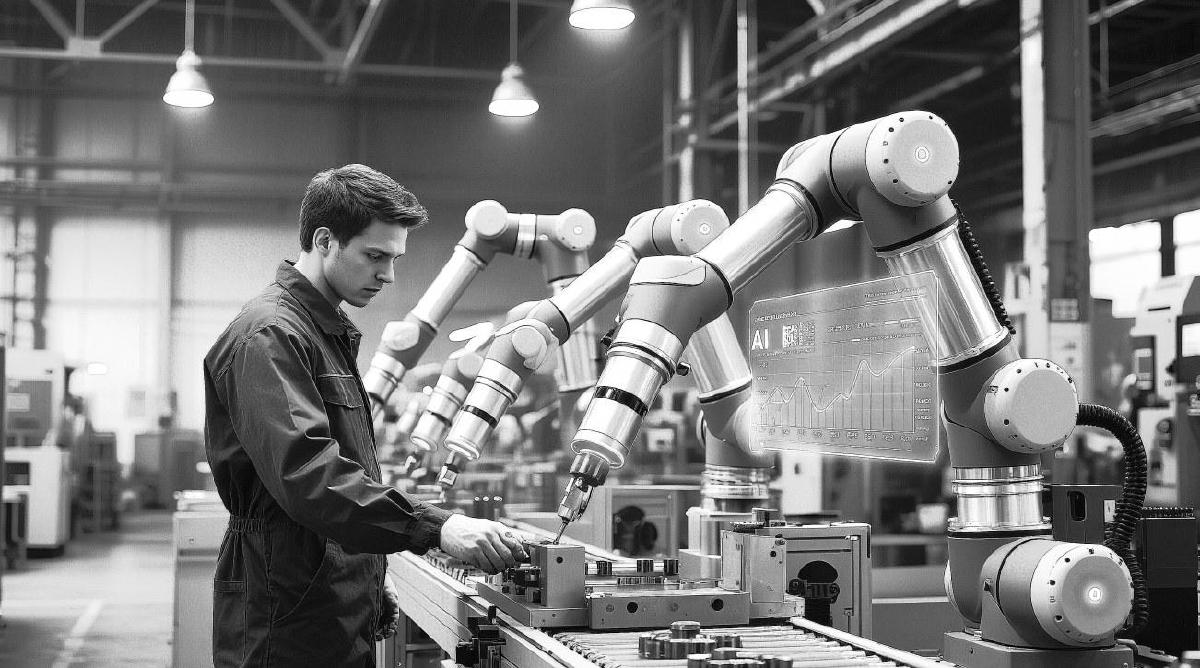
Core Insights - The article emphasizes the rapid expansion of artificial intelligence (AI) across global industries, particularly in manufacturing, which is undergoing a transformation from automation to autonomy [2] - AI's evolution is marked by significant milestones, including the transition from philosophical inquiries about machine intelligence to practical applications that permeate daily life [3] - The manufacturing sector is identified as a strategic high ground for AI technology implementation, with a focus on enhancing production methods and business models through deep integration of AI [7] AI Evolution - AI has progressed through various stages, starting from philosophical discussions to practical applications, with notable breakthroughs such as deep learning in image recognition and AlphaGo's victory over a world champion [3][4] - The current phase of AI development involves three stages: initial training with vast data, advanced training through reinforcement learning, and high-level training in real-world scenarios [4] Manufacturing Industry Transformation - The manufacturing industry has evolved from manual production to intelligent manufacturing, with significant shifts occurring post-industrial revolutions, leading to increased automation and precision [5] - The article outlines four major historical shifts in global manufacturing, highlighting the need for industry transformation and the role of AI in driving this change [6] Development Recommendations - The integration of AI in manufacturing is crucial for achieving high-quality development, necessitating technological innovation and overcoming existing technical bottlenecks [7] - Key technologies for AI agents include large language models, machine learning, and various supporting technologies such as computer vision and cloud computing [8] Infrastructure and Data Strategy - A collaborative layout of computing power and data is essential, focusing on optimizing the synergy between models, systems, and hardware to enhance AI applications in manufacturing [9] - The article advocates for the construction of a robust data foundation to support AI model training, emphasizing the transition from traditional data delivery to data-driven business actions [9] Ecosystem Development - A collaborative effort among government, industry, academia, and research is necessary to foster an AI-enabled manufacturing ecosystem, facilitating the rapid conversion of research into practical applications [10] - The establishment of AI future manufacturing demonstration zones aims to integrate national strategic needs with regional advantages, enhancing competitiveness in the global market [10] Implementation of AI in Manufacturing - The focus on creating benchmark cases in key areas such as smart factories and supply chains is highlighted, with examples of using AI for real-time monitoring and optimization of production processes [11] - Future trends indicate that AI will increasingly penetrate core manufacturing processes, leading to a shift from passive responses to proactive optimization in production models [12]

A股市场策略分析框架探讨
2025-09-07 16:19
Summary of Key Points from Conference Call Records Industry or Company Involved - The discussion primarily revolves around the A-share market strategy and the Volcker Model, which evaluates market performance through various dimensions including valuation, earnings, cycles, macro policies, overseas environment, and liquidity [1][3][5]. Core Insights and Arguments - **Volcker Model Components**: The model consists of six dimensions: Valuation (W), Earnings (E), Cycles (L), Macro Policies (C), Overseas Environment (O), and Liquidity (M). These factors collectively influence market performance, with macro policies and overseas environment primarily affecting valuation and fundamentals [3][5]. - **Asset Allocation Trends**: As per the report, when per capita income in China reaches $10,000, the proportion of non-financial assets will likely decline while financial assets will increase, particularly in fixed income and savings [1][8]. - **Corporate Lifecycle Stages**: Companies are categorized into five lifecycle stages: embryonic, expansion, high growth, maturity, and decline, each requiring different valuation methods such as PS, PEG, PE, and PB [1][10][11]. - **Macroeconomic Indicators**: Key indicators like GDP growth and CPI recovery are crucial for market and industry allocation. Adjustments in consumer sector allocations may be necessary if inflation expectations change in the latter half of the year [1][12]. - **Market Earnings Expectations**: The market earnings forecast for 2025 has been revised from 1% to 3.5%, based on macroeconomic indicators and industrial production data [1][15][16]. Other Important but Possibly Overlooked Content - **Impact of Population Cycle**: The slowing population growth in recent years has exerted pressure on income, indirectly affecting the performance of the A-share market [7]. - **Technological Cycles**: Different technological cycles impact various sectors, and market expectations play a significant role in assessing the prospects of technology sectors within the A-share market [9]. - **Monetary and Fiscal Policies**: The prolonged period of loose monetary policy has diminished its marginal impact on the market, while fiscal policy is gaining more attention, especially in light of external and internal economic conditions [14]. - **Liquidity Analysis**: Macro liquidity is assessed through both quantity (M1, M2, credit) and price (risk-free interest rates), which significantly influence stock market performance [19][20]. - **Market Bottom Indicators**: The assessment of the A-share market bottom in September 2024 was based on extreme turnover rates and low trading volumes, indicating potential recovery opportunities despite weak fundamentals [22]. - **Small vs. Large Cap Stocks**: Research indicates that small-cap stocks have outperformed large-cap stocks in recent years, influenced by macroeconomic expectations [26]. - **Industry Allocation Framework**: The GICS four-level industry classification system has been effectively used since 2013 to provide allocation recommendations, with outperforming sectors significantly beating the benchmark [27]. This summary encapsulates the essential insights and data from the conference call records, providing a comprehensive overview of the A-share market strategy and its influencing factors.
活力中国调研行|从 “卖茶叶” 到 “卖体验” 一片绿叶的增值之道
Yang Guang Wang· 2025-09-07 11:13
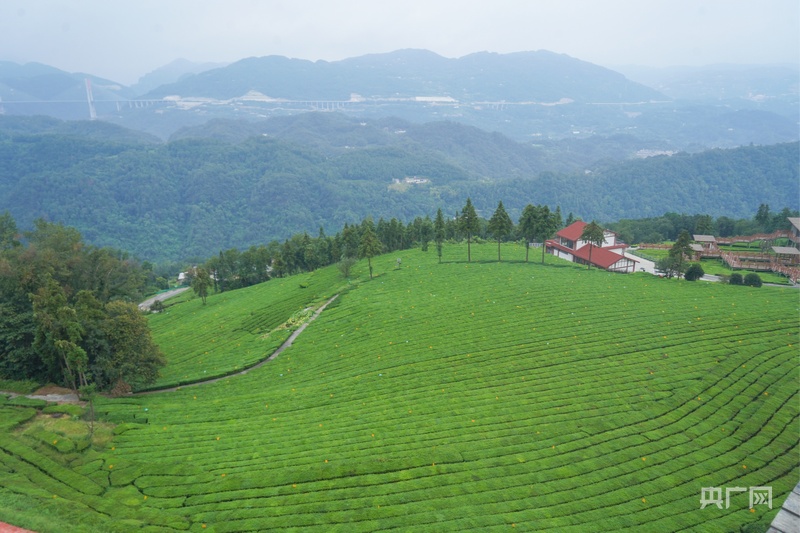
Core Insights - The article highlights the transformation of Wufeng Tujia Autonomous County's tea industry, emphasizing the integration of tea production, tourism, and cultural experiences to drive economic growth and rural revitalization [1][11]. Group 1: Tea Industry Development - Wufeng County has initiated a social service reform in the tea industry, forming 72 service teams that have grown from 155 to 3,294 members, addressing labor shortages in tea harvesting and management [2][4]. - The "Qinggangling Service Team," consisting of 231 members, has improved tea quality and yield, with fresh leaf production increasing by 30% and the quality rate rising by 50% [4][8]. - The county has established 31 "tea garden hospitals" to provide comprehensive services, including direct supply of fertilizers and free pesticide residue testing, ensuring a 100% compliance rate in tea quality inspections for three consecutive years [8][10]. Group 2: Quality Improvement and Branding - The "Wufeng 212" tea variety, developed in collaboration with the Chinese Academy of Agricultural Sciences, has been promoted across 40,000 acres, boasting higher amino acid and polyphenol content compared to regular varieties [9][10]. - The county has nearly 300,000 ancient tea trees, with over 7,000 available for online adoption, enhancing brand value and consumer engagement [10]. - Wufeng's tea production is projected to exceed 30,000 tons in 2024, generating an estimated output value of 1.4 billion yuan [10]. Group 3: Tourism and Cultural Integration - The Yihong Tea Industrial Heritage Exhibition Hall has been transformed into a cultural park, attracting over 12,000 visitors this year and serving as a platform for promoting tea culture [11][14]. - The county has developed a comprehensive tea tourism experience, with projected visitor numbers reaching 4.357 million and tourism revenue of 3.999 billion yuan in 2024 [17]. - The integration of tea production and tourism has created a new economic model, shifting from selling tea leaves to offering immersive experiences, contributing to a combined value of over 5 billion yuan in tea-related cultural tourism [17].
13.2万亿元、50.6%……多领域活力数据折射经济强大韧性与潜力
Yang Shi Wang· 2025-09-07 01:53
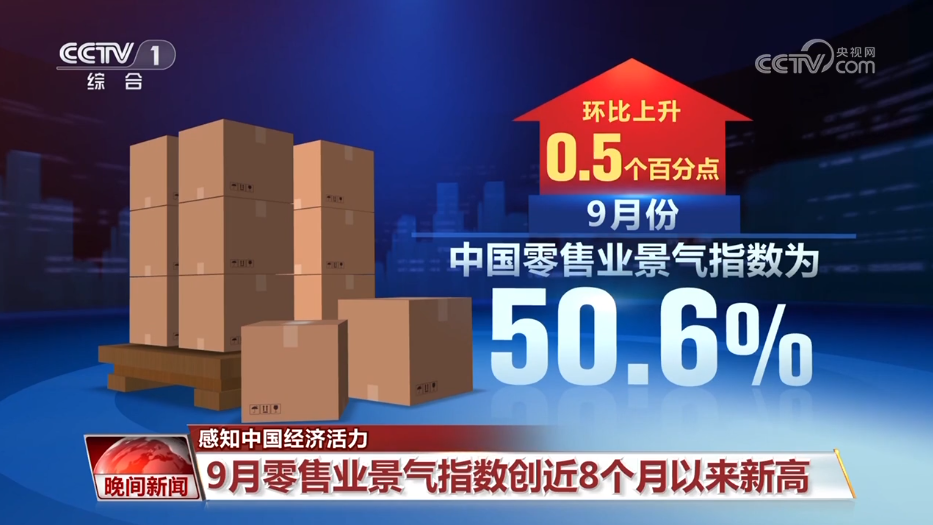
Economic Resilience and Retail Sector - In September, China's retail industry prosperity index reached 50.6%, an increase of 0.5 percentage points month-on-month, marking the highest level in eight months, indicating a positive trend in retail development [3] - The retail sector's performance is supported by policies aimed at expanding domestic demand and promoting consumption, with retail sales of 11 categories of light industrial goods reaching 4.9 trillion yuan, a year-on-year increase of 11.4% [8] Logistics and Transportation - In August, 15 new international air cargo routes were opened, with over 30 round-trip flights added weekly, totaling 152 new routes in the first eight months of the year [5] - The road logistics price index for August was reported at 105.1 points, reflecting a month-on-month increase of 0.01% and a year-on-year increase of 0.8%, indicating a vibrant road logistics market [7] Light Industry Performance - In the first seven months of the year, China's light industry maintained steady operation with a total revenue of 13.2 trillion yuan and a profit of 760.1 billion yuan, supported by strong production and market scale [8] - The investment growth in the light industry remains robust, with major sectors experiencing double-digit growth rates, surpassing the national fixed asset investment and manufacturing investment growth rates [10] Export Dynamics - Light industry exports reached 535.75 billion USD in the first seven months, accounting for 25.1% of the national total, with 11 out of 21 major categories showing growth [12] Foreign Investment in Guangdong - Guangdong province saw a 32.7% year-on-year increase in the number of newly established foreign-funded enterprises, totaling 17,000 in the first seven months [13][14] - The actual use of foreign capital in Guangdong reached 65.67 billion yuan, an increase of 8.2% year-on-year, with the manufacturing sector accounting for 29.1% of the total [16] Customs Special Supervision Areas - The comprehensive bonded zones and bonded logistics parks have contributed significantly to foreign trade, accounting for one-fifth of the national import and export value despite occupying less than 0.02% of the land area [16][18] - By 2024, the import and export value of customs special supervision areas is expected to grow by over 30% compared to 2020 [16]
数据显示:今年前七个月我国轻工业稳健运行 营收超13万亿元
Yang Shi Wang· 2025-09-06 19:30
Core Insights - The light industry in China has shown stable performance in the first seven months of the year, supported by policies aimed at expanding domestic demand and promoting consumption [1] Economic Performance - The added value of the light industry increased by 6.7% year-on-year [1] - The industry achieved operating revenue of 13.2 trillion yuan and profits of 760.11 billion yuan [1] Consumer Market - The retail sales of 11 categories of light industry products reached 4.9 trillion yuan, marking a year-on-year growth of 11.4% and accounting for 17.4% of total retail sales of consumer goods [1] - The replacement of old consumer goods has significantly boosted production, with electric bicycles, washing machines, and air conditioners seeing production increases of 33.2%, 9.4%, and 5.1% respectively [1] Investment Trends - Investment growth in the light industry remains strong, with major sectors experiencing double-digit growth, surpassing the national fixed asset investment and manufacturing investment growth rates [1] Export Performance - The light industry maintained resilience in exports, with a total export value of 535.75 billion USD, representing 25.1% of the national export total and a year-on-year growth of 1.1% [1] - Among 21 major categories, 11 industries continued to show growth in exports [1]
荣盛石化中报“失色”:净利连跌三年半,超700亿短债缺口悬顶
Feng Huang Wang Cai Jing· 2025-09-06 14:19
Core Viewpoint - Rongsheng Petrochemical continues to face significant pressure on its performance, with a decline in revenue and net profit for the first half of the year, attributed to factors such as fluctuating crude oil prices, inventory impairment, and weak downstream demand [1][2][3]. Group 1: Financial Performance - In the first half of the year, Rongsheng Petrochemical reported revenue of 148.63 billion yuan, a year-on-year decrease of 7.83%, and a net profit attributable to shareholders of 6.02 billion yuan, down 29.82% [1][2]. - The second quarter saw a dramatic decline, with revenue of 73.65 billion yuan and a net profit of 13.68 million yuan, representing year-on-year declines of 8.12% and 95.52%, respectively [2]. - Over the past three years, the company has struggled with revenue growth, with figures of 289.09 billion yuan, 325.11 billion yuan, and 326.48 billion yuan, showing a trend of stagnation [3]. Group 2: Product Performance - The main revenue sources for Rongsheng Petrochemical are refining and chemical products, which accounted for 76.13% of total revenue in the first half of the year [4]. - Revenue from refining products decreased by 12.42%, while chemical products also faced challenges, with PTA and trade revenues declining by 39.59% and 7.3%, respectively [4][5]. - The gross margins for chemical products and trade have decreased, primarily due to falling product prices that have not effectively transmitted cost pressures from raw materials [4]. Group 3: Investment and Financial Pressure - The company is investing over 100 billion yuan in multiple projects to transition towards high-value-added sectors, with significant capital expenditures leading to a net cash outflow of 16.06 billion yuan in the first half of the year [6][7]. - Rongsheng Petrochemical's debt levels are concerning, with a debt-to-asset ratio of 75.12% and a short-term debt gap of 73.31 billion yuan, indicating potential liquidity issues [7][8]. - The company's stock price has significantly declined, dropping from a peak market value of 290 billion yuan in early 2021 to approximately 96.1 billion yuan, reflecting investor concerns over its financial health [8].


重庆发布64个首台(套)重大技术装备产品 体现最新突破
Zhong Guo Xin Wen Wang· 2025-09-06 12:13
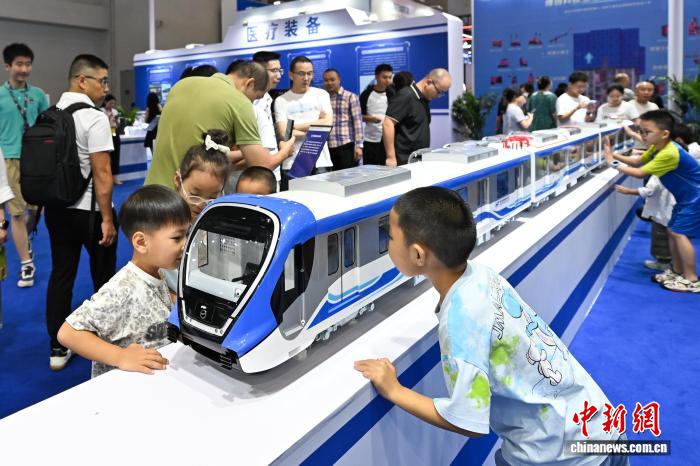
Core Insights - Chongqing has officially released the third batch of major technological equipment products, showcasing advancements in high-end equipment research and industrial upgrades [1][3] Group 1: Product Categories - The newly recognized products span six key areas: intelligent manufacturing, energy conservation and environmental protection, power and electrical, transportation, intelligent detection, and medical equipment [3] - Notable products include: - A coal mine gas extraction drilling robot, the first of its kind in China, featuring integrated navigation and autonomous drilling capabilities [3] - A precision joint reducer for electric-driven heavy-duty robotic arms, filling a domestic market gap [3] - An intelligent ventilation controller, enhancing domestic production levels of core components [3] - A dual-flow regional train utilizing innovative automatic switching technology for urban and suburban connectivity [3] - A nano time grid that overcomes traditional measurement limitations, breaking foreign technological monopolies [3] Group 2: Market Impact - Since 2015, nearly 700 equipment products have been included in the first set promotion directory, resulting in over 1,500 units sold, generating more than 8 billion yuan in revenue [4] - As of 2023, 97 companies have been recognized with 160 products, indicating a continuous push for technological breakthroughs to be transformed into productive capabilities [4]
两部门重磅发布:破除“内卷式”竞争,治理光伏低价竞争!
Xin Lang Cai Jing· 2025-09-06 07:06
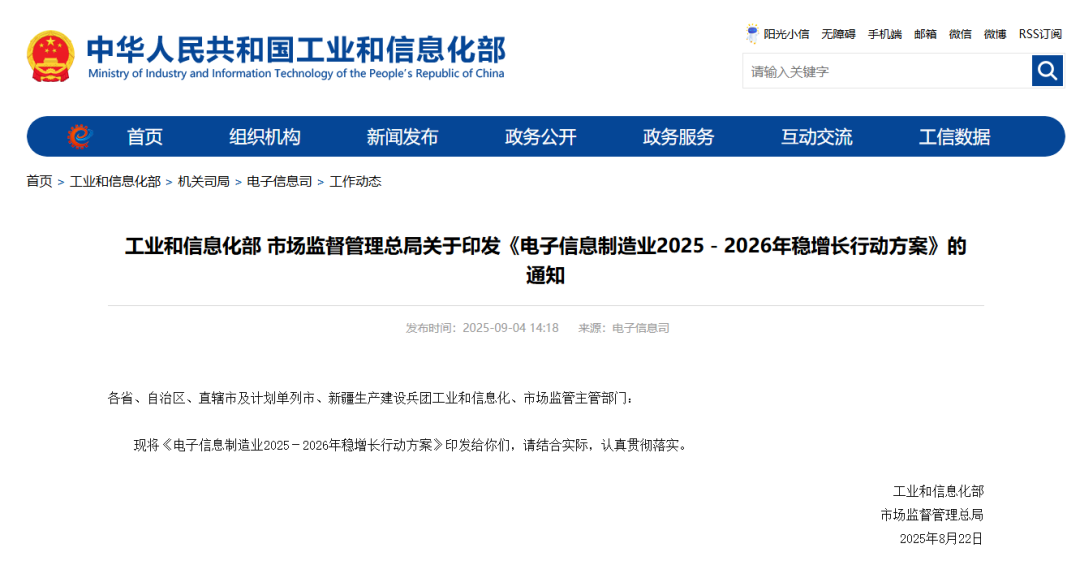
Core Viewpoint - The Ministry of Industry and Information Technology and the State Administration for Market Regulation have issued the "Action Plan for Stable Growth of the Electronic Information Manufacturing Industry 2025-2026," aiming to promote high-quality development and stabilize growth in the sector [1][5]. Overall Requirements - The plan emphasizes the importance of adhering to Xi Jinping's thought, focusing on new development stages, and enhancing the resilience and safety of the industrial supply chain [6][7]. Main Goals - The expected average growth rate of the value-added output of the computer, communication, and other electronic equipment manufacturing industries is around 7% from 2025 to 2026, with an overall revenue growth rate of over 5% in related fields [8]. Work Measures Industry Transformation and Upgrading - The plan promotes the high-end development of electronic products, focusing on key areas such as artificial intelligence and smart devices [9][10]. Optimizing Industry Layout - It aims to scientifically optimize the spatial layout of the industry and promote high-quality development in sectors like photovoltaics and lithium batteries [11][12]. Strengthening Upstream and Downstream Coordination - The plan encourages collaboration between leading enterprises and small and medium-sized enterprises to enhance product reliability and service quality [13]. Standardization and Quality Improvement - It calls for the establishment of a robust standardization mechanism to guide quality improvements in the industry [14][15]. Intellectual Property Protection - The plan emphasizes the need for strong intellectual property protection to foster sustainable innovation in the electronic information sector [16]. Promoting Domestic and International Market Circulation Expanding New Scenarios - The plan aims to enhance domestic consumption by promoting electronic information products through various marketing channels [17]. Cultivating New Business Formats - It focuses on leveraging electronic information manufacturing to support new industrialization and urbanization efforts [18]. Encouraging Enterprises to Go Global - The plan outlines strategies for deepening international cooperation and expanding market access for electronic information manufacturing enterprises [19][20]. Attracting International Resources - It emphasizes high-level openness and the importance of foreign investment in the electronic information sector [21]. Addressing International Trade Barriers - The plan aims to enhance the resilience of supply chains and support enterprises in navigating international trade challenges [22][23]. Promoting Technological and Industrial Innovation Accelerating Major Project Construction - The plan highlights the importance of advancing major projects to drive high-end, intelligent, and green development in the industry [24]. Strengthening Integrated Research - It calls for a focus on key technologies to ensure the stability of the industrial supply chain [25]. Enhancing Basic Technology Research - The plan encourages research in cutting-edge fields to maintain competitiveness in the electronic information sector [26]. Strengthening the Role of Enterprises - It promotes the active involvement of innovative enterprises in technology development and commercialization [27]. Driving Digital Transformation - The plan aims to enhance the digital transformation of the electronic information manufacturing industry to improve competitiveness [28]. Strengthening Talent Support - It emphasizes the need for talent development and integration with industry needs to support innovation [29][30]. Guarantee Measures - The plan includes various policy implementation strategies to ensure effective coordination and support for the electronic information manufacturing industry [31][32].
又一批造车者蠢蠢欲动,“幸存者游戏”有何魔力
Jing Ji Guan Cha Wang· 2025-09-06 05:58
Core Viewpoint - The emergence of new electric vehicle manufacturers in China continues despite the ongoing industry consolidation and the failure of many previous entrants, driven by various backgrounds and investment motivations [2][9]. Group 1: New Entrants in the EV Market - Companies like Pursuit Technology, Jin Yu Automobile, and Craftsman Automobile are entering the market with high-performance electric vehicles, including luxury models and sports cars [2][3]. - Pursuit Technology plans to launch a super luxury electric vehicle by 2027, previously focusing on a range-extended SUV [2][3]. - Jin Yu Automobile aims to produce two electric sports cars by 2026, targeting sales of 50,000 units in 2026 and 200,000 units by 2028 [3]. Group 2: Background and Investment - Many new entrants are linked to established tech companies, particularly Xiaomi, which has invested in several of these startups [3][4]. - Craftsman Automobile, originally a creator on the Bilibili platform, has received investment from Xiaomi and is focusing on personalized electric supercars [4][5]. Group 3: Production and Market Focus - The new companies are leveraging idle production capacities in local factories, with a significant portion of China's automotive production capacity currently underutilized [9][10]. - Jin Yu Automobile and Craftsman Automobile are utilizing existing production facilities to manufacture their vehicles, addressing local government interests in revitalizing idle capacities [10][12]. Group 4: International Market Strategy - Many of these new manufacturers are targeting international markets rather than focusing solely on domestic sales, with plans to enter regions like Europe, Southeast Asia, and Africa [6][7]. - Pursuit Technology aims to replicate its success in the automotive sector by leveraging China's supply chain and global distribution channels [6]. Group 5: Industry Dynamics and Challenges - The current automotive landscape is characterized by a significant number of companies vying for market share, with many facing challenges due to intense competition and market saturation [9][15]. - The shift towards electric vehicles and the need for innovative business models are driving investment in new automotive ventures, as traditional growth avenues become constrained [9].