
美联储独立性

Search documents
一箭双雕!特朗普提名Miran,既安插亲信又拖延换帅
Hua Er Jie Jian Wen· 2025-08-08 06:52
美国总统特朗普重塑美联储的布局,正以一记出人意料的短期任命拉开序幕。 8月7日周四,美国总统特朗普提名其高级经济顾问Stephen Miran出任美联储理事,旨在填补因理事 Adriana Kugler提前辞职而空出的、将于明年1月到期的理事席位。 据媒体最新分析,此举一石二鸟:既在短期内向美联储安插了一位支持降息的盟友,又巧妙地为自己赢 得了时间,以谋划下一任美联储主席这一关键人事任命。 特朗普明确表示,"与此同时,我们将继续寻找永久性的替代人选",暗示这仅是一项临时安排。这被市 场解读为特朗普在为明年5月现任主席鲍威尔任期结束后的人选进行战略布局。 消息公布后,市场对美联储独立性可能受损的担忧加剧,美元指数应声回落。野村证券外汇策略师 Yusuke Miyairi指出,对美联储独立性减弱的担忧"可能自然导致美元的抛售压力"。 对投资者而言,这一任命不仅意味着美联储内部可能出现更多支持降息的声音,更重要的是,它预示着 特朗普希望美联储采取何种政策路径,并为未来可能出现的更激进的美联储改革埋下伏笔。 一场"过渡性"任命:争取时间,保留选择 特朗普此次提名Miran,其核心在于"过渡"二字。Miran的任期仅持 ...
美联储改局,全球金融紧绷
Sou Hu Cai Jing· 2025-08-08 06:45
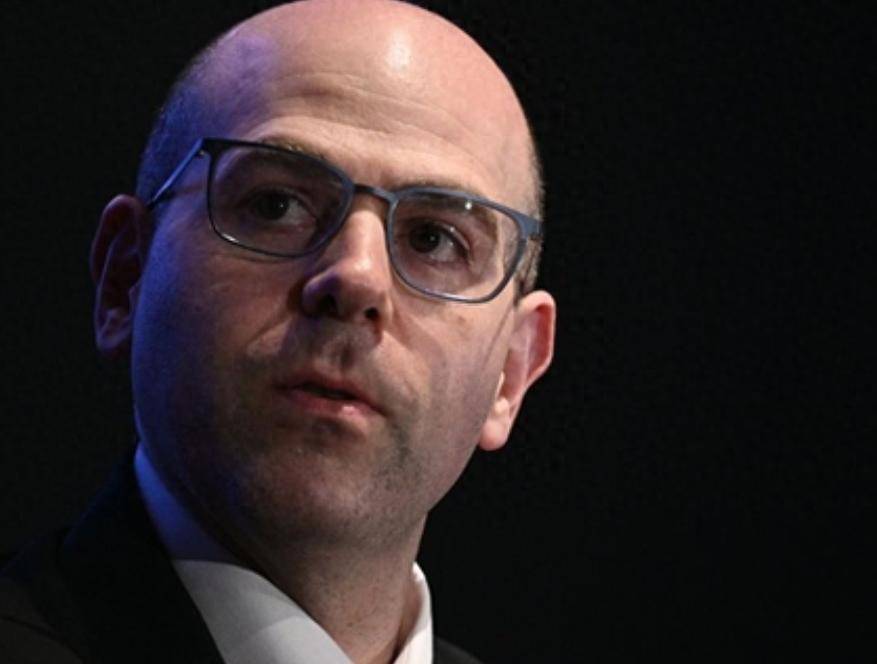
Core Viewpoint - The appointment of Milan to the Federal Reserve Board represents a significant shift in monetary policy influenced by political considerations, signaling potential instability in the dollar system globally [1][4][8] Group 1: Appointment and Background - Milan's background aligns closely with Trump's economic policies, indicating that his decisions at the Federal Reserve will likely reflect the White House's agenda [3][4] - The sudden resignation of Kugler created an opportunity for Trump to appoint a trusted ally, further intertwining political influence with monetary policy [3][4] Group 2: Economic Implications - Milan's appointment may lead to a more accommodative monetary policy that supports Trump's economic nationalism, potentially prioritizing manufacturing and exports [4][6] - The politicalization of the Federal Reserve could result in decisions driven by electoral considerations rather than purely economic data, increasing uncertainty in global markets [6][8] Group 3: Global Financial Impact - Changes in U.S. monetary policy will have far-reaching effects on the global financial system, affecting capital flows, debt costs, and trade dynamics, particularly in emerging markets [6][8] - The potential for aggressive interest rate cuts to stimulate the U.S. economy could create short-term gains but risks long-term structural instability in the dollar's credibility and global financial order [6][8]

特朗普提名美联储新理事引全球市场关注
Sou Hu Cai Jing· 2025-08-08 05:20
Core Viewpoint - Trump's nomination of a new Federal Reserve governor is seen as a significant move that could impact global economic stability, as the Federal Reserve's governors hold substantial influence over U.S. monetary policy and, by extension, the global financial markets [1][2]. Group 1: Federal Reserve's Role and Impact - The Federal Reserve consists of seven governors who have voting rights on U.S. monetary policy, with terms lasting 14 years, which is longer than a presidential term, highlighting their significant influence [1]. - The nomination of a new governor is compared to replacing a key player in a sports team, indicating the potential for market volatility depending on the new appointee's stance on monetary policy [1][2]. Group 2: Candidates and Their Implications - Potential candidates include Judy Shelton, known for advocating lower interest rates, and Kevin Warsh, a former Treasury official with a mixed record on quantitative easing, suggesting a possible shift in monetary policy direction depending on who is appointed [1][2]. - The nomination raises concerns about the independence of the Federal Reserve, as Trump's previous criticisms of current chair Jerome Powell suggest a potential for political influence over monetary policy decisions [2][3]. Group 3: Broader Economic Consequences - If the new governor leans towards a "dovish" stance, it could lead to lower borrowing costs for U.S. companies, potentially boosting the stock market but risking inflation [2]. - Conversely, a "hawkish" approach could prioritize inflation control, possibly slowing economic growth, which would have ripple effects on global markets, particularly for emerging economies [2][3]. - The nomination process itself is under scrutiny, with the Senate hearings expected to reveal whether the new appointee will act independently or align closely with presidential preferences, impacting future monetary policy [3].
高盛闭门会议:游戏的转折点-对美联储及美国货币政策的看法
Goldman Sachs· 2025-08-08 05:02
Investment Rating - The report does not explicitly provide an investment rating for the industry Core Insights - The labor market is perceived to be weak, with a consensus within the Federal Reserve that the overall unemployment rate may not fully reflect the actual situation, primarily due to a slowdown in labor supply [1] - The possibility of a 50 basis point rate cut in September is considered very low, as more evidence is needed to indicate an economic downturn [1][7] - The Federal Reserve's independence is safeguarded through its structure and culture, ensuring decisions are not influenced by political factors [9][10] Summary by Sections Federal Reserve Insights - The Federal Reserve's meeting process is rigorous, with members communicating extensively before meetings, leading to clear positions by the time of the meeting [5] - Recent weak employment data does not constitute a significant shock, but the upcoming August data is crucial for confirming the trend of a weak hiring market [1][6] - The current interest rate level (5.25%-5.5%) is considered restrictive, but there is still some room for potential rate cuts [1][7] Labor Market Analysis - The labor market is believed to be weaker than what the overall unemployment rate suggests, with hiring stagnating and a reduction in labor supply due to immigration policy impacts [3][6] - Economic growth is currently weak, around 1%, with factors such as government spending cuts and insufficient consumer demand contributing to this situation [6] Financial Industry Changes - The financial industry has seen significant changes, including a more mature capital market and an increase in the share of hedge funds and investment funds [2][12] - There is a notable decentralization in global financial markets, and internal collaboration within companies has significantly improved, leading to more integrated operations across departments [2][13]
专访瑞士百达美国高级经济学家崔晓:特朗普施压美联储相当于打开“潘多拉魔盒”
Di Yi Cai Jing· 2025-08-08 04:29
Core Viewpoint - The article discusses President Trump's pressure on the Federal Reserve to lower interest rates, highlighting the political dynamics and implications for monetary policy independence [1][2][10]. Group 1: Federal Reserve's Independence - Trump's attempts to influence the Federal Reserve, including the nomination of a "shadow chairman," face legal challenges due to the established independence of the Fed [4][5]. - Historical precedents show that past presidents have struggled to directly intervene in Fed policies without facing significant backlash [13][14]. Group 2: Political Pressure and Market Expectations - The political pressure from Trump may not successfully lead to immediate rate cuts, as the majority of the Federal Open Market Committee (FOMC) members remain cautious [8][9]. - Market expectations are shifting, with investors pricing in potential rate cuts after Powell's term ends, reflecting concerns over the Fed's independence [8][12]. Group 3: Potential Candidates for Fed Leadership - Several candidates for the "shadow chairman" position are discussed, with varying degrees of dovishness compared to Powell, but none are expected to fully comply with Trump's demands [6][7][8]. - The influence of these candidates on future monetary policy remains uncertain, as the ultimate decision-making power lies with Powell and the current FOMC [9][10]. Group 4: Economic Implications - Trump's strategy to lower long-term rates may backfire if it leads to increased inflation expectations, which could result in higher long-term rates instead [9][10]. - The potential for significant changes in the Fed's operational framework raises concerns about the long-term implications for monetary policy and economic stability [11][12]. Group 5: Investor Strategies - Investors are advised to consider the current environment where rate cuts are expected to be limited before Powell's departure, with more substantial cuts anticipated afterward [16][17]. - The divergence in monetary policy between the Fed and the European Central Bank (ECB) presents opportunities for investors to position themselves accordingly [16][17].

美联储新任理事人选出炉,是否将颠覆未来降息路径?
Jin Shi Shu Ju· 2025-08-08 03:20
美联储新任理事人选斯蒂芬·米兰(Stephen Miran)出身学术界,拥有哈佛经济学博士背景,并有财政 部及白宫经济顾问委员会主席的高层履历。 他政治立场鲜明,长期支持特朗普经济议程,公开批评美联储降息与"旋转门"现象,主张削弱美联储独 立性,包括缩短理事任期、允许总统罢免及将预算纳入国会拨款。 市场普遍认为,此次提名对9月及年底降息预期影响有限,降息判断更多来自疲软的就业数据。多家机 构指出,米兰缺乏金融与商业实务经验,政治色彩浓厚,提名过程争议大,且部分机构预测参议院难以 批准。 他在短期内可能成为可靠的鸽派票源,有利于降息倾向,但其能否对美联储政策路径产生实质性改变, 仍取决于其他委员的态度与任期长度。 斯蒂芬·米兰简介 1. 教育背景:2005年毕业于波士顿大学,获经济学、哲学和数学三学位;2010年获哈佛大学经济学博士 学位。 4. 牛津经济研究:此事对货币政策走向影响有限,核心变数在于此提名能否来得及获得确认并在9月会 议投票。当前9月降息概率的确在攀升,但主因是近期就业数据疲软,与此次提名无关。 5. 米施勒金融集团:米兰的提名对美联储有好处,因其倾向于降息。他曾效力特朗普首任政府,如今再 获 ...
特朗普开始重塑美联储决策层
Sou Hu Cai Jing· 2025-08-08 03:16
Core Points - President Trump appointed Stephen Miran as a member of the Federal Reserve Board, filling a vacancy left by former member Adriana Kugler, with a term ending on January 31, 2026 [1] - Miran has a strong academic background with a PhD in economics from Harvard and has experience in both the private sector and federal government, making him a key figure in shaping economic policy [1] - Trump's administration is actively seeking to influence the Federal Reserve's decision-making, particularly in light of upcoming midterm elections [1][5] Group 1 - The Federal Reserve Board consists of 7 members who directly influence the Federal Open Market Committee (FOMC) decisions, which include evaluating economic conditions to adjust interest rates [1] - Miran has previously criticized the large-scale fiscal stimulus policies favored by Fed Chair Jerome Powell, indicating potential shifts in monetary policy direction [2] - Trump has been pressuring Powell to resign due to dissatisfaction with the Fed's interest rate policies, aiming to mitigate the negative impacts of tariffs and government debt [5] Group 2 - Powell's term ends in May 2026, and he has faced significant pressure from Trump but remains committed to his position [6] - Trump is interviewing three candidates for potential replacements for Powell, all of whom align with his ideological views, suggesting a more dovish approach to monetary policy in the future [7] - The upcoming FOMC meetings on September 16, October 28, and December 9 will be crucial in determining the future monetary policy stance, which may impact global capital confidence [7]
特朗普选了“海湖庄园协议”总设计师,启动“美联储MAGA化”?
华尔街见闻· 2025-08-08 03:13
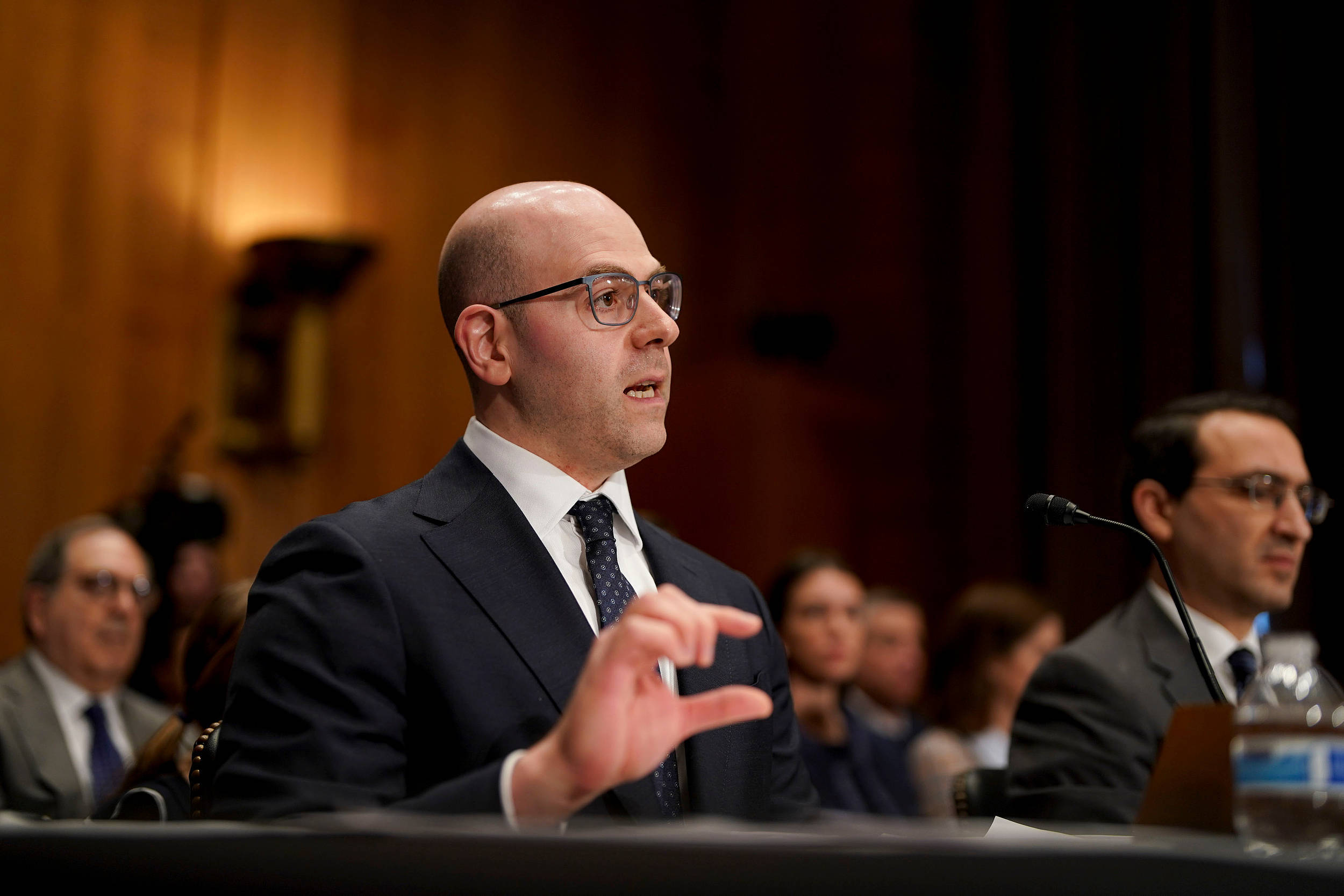
Core Viewpoint - Trump's nomination of Stephen Miran to the Federal Reserve Board is seen as a significant move to reshape the Fed's leadership and align it more closely with his economic agenda, particularly in advocating for lower interest rates and financial deregulation [2][4][17]. Summary by Sections Nomination Announcement - Trump announced the nomination of Stephen Miran to fill the vacancy left by Adriana Kugler's resignation from the Federal Reserve Board [2][3]. Background of Stephen Miran - Miran is praised by Trump for his unparalleled expertise in economics and has been a close advisor since Trump's second term began [3]. - He is known for his influential "Mar-a-Lago Accord" paper advocating for a lower long-term value of the dollar and has publicly questioned the independence of the Federal Reserve [4][5]. Views on Federal Reserve - Miran has criticized the Fed's flexible inflation targets and warned that failure to manage inflation could lead to legislative changes to the Federal Reserve Act or the dismissal of board members by future presidents [6]. - He has also pointed out that the Fed's policies have created market expectations for aggressive easing in response to economic downturns [7]. Proposed Reforms - Miran has co-authored a report suggesting radical reforms for the Federal Reserve, including: - Granting voting rights to all Fed officials at every FOMC meeting [8]. - Allowing state governors to control local oversight committees for selecting regional Fed presidents [9]. - Permitting the White House to dismiss Fed officials at any time [10]. - Prohibiting board members from taking executive branch positions for four years after their term [11]. - Requiring Congress to allocate the Fed's operating budget [12]. Market Reactions - Wall Street's reaction to Miran's nomination is mixed, with some investors viewing it positively for potential rate cuts, while others express concerns about his qualifications and political stance [13][14]. - Analysts generally believe that Miran's nomination will not alter expectations for an upcoming rate cut by the Fed [14]. Implications of the Nomination - If confirmed, Miran will serve until the end of January, with limited opportunities to influence rate decisions [16]. - His nomination is seen as the beginning of Trump's long-term plan to reshape the Fed, introducing a strong "MAGA perspective" into the FOMC [17].
【UNFX课堂】特朗普的货币政策棋局:米兰提名与美联储独立性的挑战
Sou Hu Cai Jing· 2025-08-08 03:04
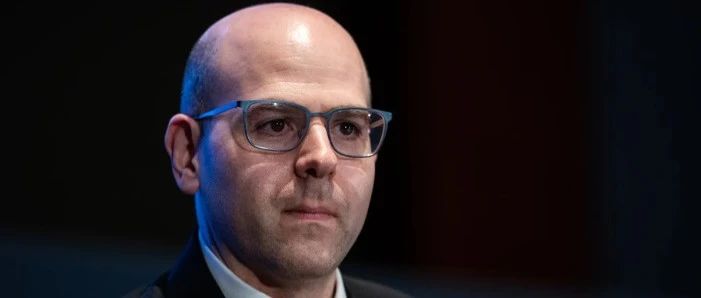
Core Viewpoint - The nomination of Stephen Milan to the Federal Reserve Board by President Trump signals a clear direction for future U.S. monetary policy and the independence of the Federal Reserve [1][5]. Group 1: Economic Philosophy and Policy - Milan's economic philosophy aligns closely with Trump's "America First" agenda, advocating for supply-side economic policies such as tax cuts, deregulation, and increased energy production as fundamental measures against inflation [1]. - He is a staunch "hawk" on inflation, criticizing the Fed's previous rate cuts under Powell, arguing that the Fed's tolerance for inflation rates close to 3% undermines the legislative spirit of "stabilizing prices" [1][5]. Group 2: Independence of the Federal Reserve - Milan has expressed concerns over the blurred lines between fiscal and monetary policy since the 2008 financial crisis, suggesting that this has compromised the Fed's institutional independence [1][3]. - His call for Congress to reform the Fed's structure to allow the White House greater power to dismiss Fed officials indicates a push towards reducing the Fed's autonomy [2][3]. Group 3: Strategic Implications of the Nomination - The unexpected departure of current board member Kugler provides Trump with a strategic opportunity, as Milan's short-term appointment could influence future leadership decisions at the Fed [4]. - Milan's presence on the board, even for a brief period, is expected to heighten market uncertainty regarding the Fed's future policy direction, reflecting Trump's intent to exert influence over monetary policy [4][5].
美联储掌门更迭将近:沃勒稳,哈塞特、沃什惹人忧!
Jin Shi Shu Ju· 2025-08-08 01:33
Core Viewpoint - The potential successors to Federal Reserve Chairman Jerome Powell are under close scrutiny by investors and strategists, with market reactions likely influenced by the perceived alignment of these candidates with President Trump's views [1][4]. Candidate Analysis - Christopher Waller is seen as the top candidate for the Fed chair position, and his appointment could lead to positive market reactions due to continuity in leadership [1][3][5]. - Kevin Hassett and Kevin Warsh are also considered potential nominees, but their close ties to Trump may raise concerns about the Fed's independence, potentially leading to negative market responses [1][9]. Market Expectations - Investors expect the next Fed chair to be a loyal supporter of Trump with a dovish stance, which could influence market dynamics [2]. - The market's reaction may vary based on how closely candidates are perceived to align with Trump's policies, with a stronger alignment likely resulting in negative impacts on U.S. assets [4][9]. Policy Continuity - Waller's support for immediate rate cuts and his flexible approach during his tenure at the Fed suggest he could maintain the current management style, which may be welcomed by the market [6][5]. - Analysts believe that if Hassett is nominated, it could lead to rising long-term Treasury yields and a sell-off in the dollar due to concerns over the Fed's independence [9]. Independence Concerns - The independence of the Federal Reserve remains a central concern for investors, with potential nominees' connections to the White House being a significant factor in market reactions [4][10]. - If a nominee is perceived as lacking experience in the Fed or economic fields, it could lead to the most significant market disruptions and further questions about the Fed's independence [10].