
产业融合

Search documents
“中欧班列+”效应: 一条铁路如何“链”起产业集群
Xin Hua She· 2025-11-21 00:04
Core Insights - The China-Europe Railway Express has operated nearly 120,000 trains, evolving from a single cross-border logistics channel to a multi-faceted ecosystem integrating "trains + hubs + industries + trade" [1] - The railway network connects 128 cities in China, 232 cities in 26 European countries, and over 100 cities in 11 Asian countries, playing a crucial role in stabilizing international supply chains and promoting global economic development [1] Group 1: Logistics and Efficiency - Technological advancements such as Beidou positioning, 5G technology, and electronic sealing have significantly improved the efficiency of the logistics channels, reducing the import processing time at the Horgos port from 2-3 days to under 16 hours [1] - The establishment of a green cross-border e-commerce train has reduced transportation costs to one-fifth of air freight, facilitating the large-scale development of the cross-border e-commerce industry [2] Group 2: Industry Integration and Development - New models like "trains + cross-border e-commerce" and "trains + green manufacturing" are expanding the boundaries of industrial integration, with companies like Xi'an Aijiu Grain and Oil Industrial Group leveraging the railway for agricultural product imports [2] - The deep integration of "trains + industries" has led to the emergence of distinctive industrial clusters, with cities like Erenhot and Ulanqab experiencing rapid growth in related services and trade [3] Group 3: Regional Economic Impact - The China-Europe Railway Express is injecting vitality into countries along the route, with Bulgaria planning to establish a regional distribution center to enhance employment and related industries [3] - The railway not only facilitates logistics but also connects industrial clusters and fosters win-win cooperation among countries, aiming for higher quality development of industrial clusters [3]
海外媒体探究青岛乡村振兴 “古村新貌”彰显城市多元魅力
Zhong Guo Xin Wen Wang· 2025-11-20 07:28
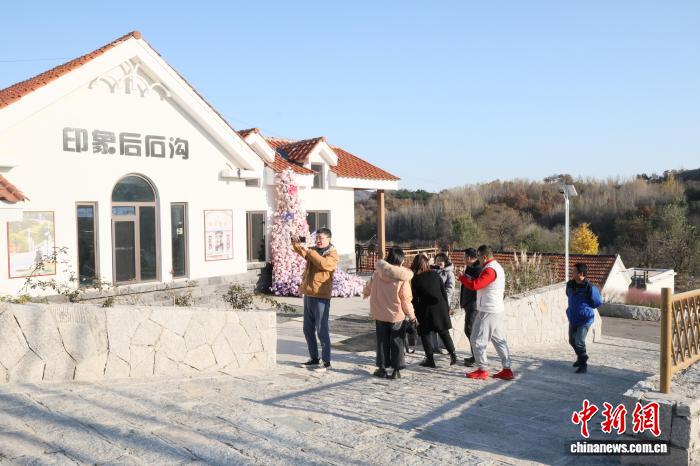
海外媒体探究青岛乡村振兴 "古村新貌"彰显城市多元魅力 中新网青岛11月20日电(张孝鹏)"魅力西海岸·文化山海城"海外媒体走进青岛看新区媒体行19日晚正式结 束。为期两天的探访中,采访团深入青岛西海岸新区,探访其影视产业、海洋文明及乡村发展。在探访 杨家山里乡村振兴片区时,采访团成员表示,该新区古村落呈现出的新面貌,既是当地乡村振兴的丰硕 成果,也彰显了城市的多元魅力。 杨家山里乡村振兴片区位于青岛西海岸新区铁山街道,昔日因交通不便而略显静谧,如今已成为都市人 向往的休闲度假胜地。该片区日前入选《推进乡村全面振兴典型案例2025》,是山东省三个入选案例之 一。 探访中,采访团一行走进了杨家山里乡村振兴片区后石沟村。该村坐落于齐长城脚下,三面环山、一面 向水,因独特的地理环境成为大量影视作品的取景拍摄地。依托深厚的文化底蕴和乡村韵味,目前,该 村正大力发展"影视文化+生态旅游"。 杨家山里二村党委副书记、后石沟党支部书记刘芳表示,近年来铁山街道推动影视产业与文旅深度融 合,将剧中热门场景进行升级提升,在后石沟村推出相关旅游路线、文创产品等。统计数据显示,目前 该村年均接待游客超20万人次,每年的旅游收入超过千 ...

科技助力,湖北随州盘活文旅大棋
Xin Jing Bao· 2025-11-18 08:20
Core Viewpoint - The city of Suizhou is undergoing a comprehensive cultural and tourism transformation, aiming for "breakthrough" growth in regional tourism competition through the integration of core scenic upgrades, innovative business models, and creative rural consumption, responding to national initiatives to boost cultural and tourism consumption [2][4]. Scenic Area Upgrades - Suizhou Museum, a national first-class museum, has completed a comprehensive upgrade, featuring over 8,900 square meters of exhibition space and showcasing more than 1,600 precious cultural relics through immersive experiences using VR and AR technologies [4][7]. - The integration of three major attractions—Suizhou Museum, the Emperor Yan Shennong Scenic Area, and the Tomb of Zeng Hou Yi—is planned for 2025, aiming to create a unified cultural tourism area and achieve national 5A scenic area status [7][10]. Innovative Business Models - Suizhou is leveraging its reputation as the "Mushroom Capital of China" by developing industrial tourism, allowing visitors to witness the intelligent production process of mushrooms at local factories [8][9]. - The city is also focusing on the "special vehicle + cultural tourism" model, with the local economy seeing significant growth in the RV sector, which is expanding at an annual rate of 35% [10]. Creative Rural Consumption - The Thousand-Year Ginkgo Valley, known for its ancient ginkgo trees, has been upgraded to offer year-round attractions and is set to become a global hub for ginkgo research and cultural exchange [11]. - The area has developed a diverse range of high-end accommodations and experiential activities, promoting a "big leisure, slow life" concept [11].
广东揭阳:绿色明珠闪耀蓝色经济带
Jing Ji Ri Bao· 2025-11-18 07:14
Core Viewpoint - Guangdong is focusing on building a world-class coastal economic belt, with Jieyang emerging as a "green pearl" in this blue economic zone, emphasizing the integration of various marine resources for high-quality development [1] Group 1: Marine Economy Development - Jieyang is promoting a tri-sector approach to develop a modern marine industry, integrating marine economy, ecological tourism, and marine resources [1] - The recent Marine Economic Industry High-Quality Development Conference in Jieyang set a target for a marine economy scale of 100 billion yuan, focusing on marine ranching, marine new energy, marine engineering equipment, and coastal tourism [8] Group 2: Petrochemical Industry - The Dannan Sea Petrochemical Industrial Zone in Jieyang is home to the largest integrated refining and chemical project by China National Petroleum Corporation, with an investment exceeding 70.2 billion yuan, processing over 50 million tons of crude oil since its launch in 2023 [2][3] - This project is the only refining base in China capable of processing low-quality heavy oil, enhancing the flexibility of crude oil imports and contributing to national energy security [3] - The project has a wastewater reuse rate exceeding 70% and meets national standards for emissions, showcasing its commitment to green and sustainable practices [2] Group 3: Wind Power and Marine Ranching - The offshore wind power base in Jieyang has a cumulative installed capacity exceeding 900,000 kilowatts, contributing to significant reductions in carbon emissions and fossil fuel dependency [5][6] - The "Dragon Palace" marine ranching project integrates wind power with aquaculture, aiming to produce high-value fish species while utilizing renewable energy [6] - The project has attracted over 40 leading enterprises in the industry chain, establishing a comprehensive offshore wind power ecosystem [6][7] Group 4: Aquaculture and Tourism Integration - The integration of tourism and aquaculture in Qianzhan Town has led to over one million visitors this year, promoting local seafood and cultural experiences [8][9] - The establishment of a high-tech abalone farming base is transforming traditional practices, utilizing land-based farming techniques to mitigate risks associated with weather [9] - The local government is enhancing ecological functions through coastal restoration projects, ensuring a balance between economic development and environmental sustainability [9]

“万企兴万村”为乡村振兴注入持续动力
Shan Xi Ri Bao· 2025-11-17 23:10
Core Insights - The "Ten Thousand Enterprises Revitalizing Ten Thousand Villages" initiative in Shaanxi has engaged 10,466 private enterprises, connecting with 7,785 villages and implementing 14,177 revitalization projects, significantly boosting rural economies [1] Group 1: Industry Development - The "leading enterprise + cooperative + farmer" model established by Hongda Agricultural Development Co., Ltd. in Ankang City has created a complete industrial chain, enabling over 3,600 farmers to achieve stable income growth [2] - Shiyang Agricultural Group invested 110 million yuan to build a pig farming base, generating over 2 million yuan annually for local villages, transitioning from poverty alleviation to mutual benefit [2] - The shift from "blood transfusion" to "blood production" signifies a profound change in support strategies, focusing on sustainable development [2] Group 2: Innovation and Collaboration - Jingyuan Holdings Group in Shenmu City has adopted a "fly-in, fly-out" economic model, generating nearly 7 million yuan in annual income for 24 villages through cross-regional project income and land leasing [3] - A special guarantee fund of 247 million yuan established by Qifeng Fruit Industry Co., Ltd. in Meixian has facilitated financing for expanding kiwi planting, enhancing farmers' confidence [3] Group 3: Cultural Integration and Employment - Chang'an Tang Village Cultural Industry Development Co., Ltd. has created a demonstration zone for integrated development of agriculture, culture, and tourism, providing employment for over 200 local residents and students [4] Group 4: Systematic Support and Talent Development - The establishment of the Rural Revitalization Working Committee by the Shaanxi Provincial Federation of Industry and Commerce marks a new phase of organized and systematic participation of private enterprises in rural revitalization [6] - Collaboration between enterprises and universities in Liangao County has trained hundreds of new-type professional farmers, supporting rural revitalization with skilled labor [6] - A systematic mechanism involving 176 private enterprises and 136 villages has benefited over 30,000 people through various collaborative activities [6]
“1+2+3”:怀柔代表团闪耀香江
Zhong Guo Jing Ji Wang· 2025-11-17 02:10
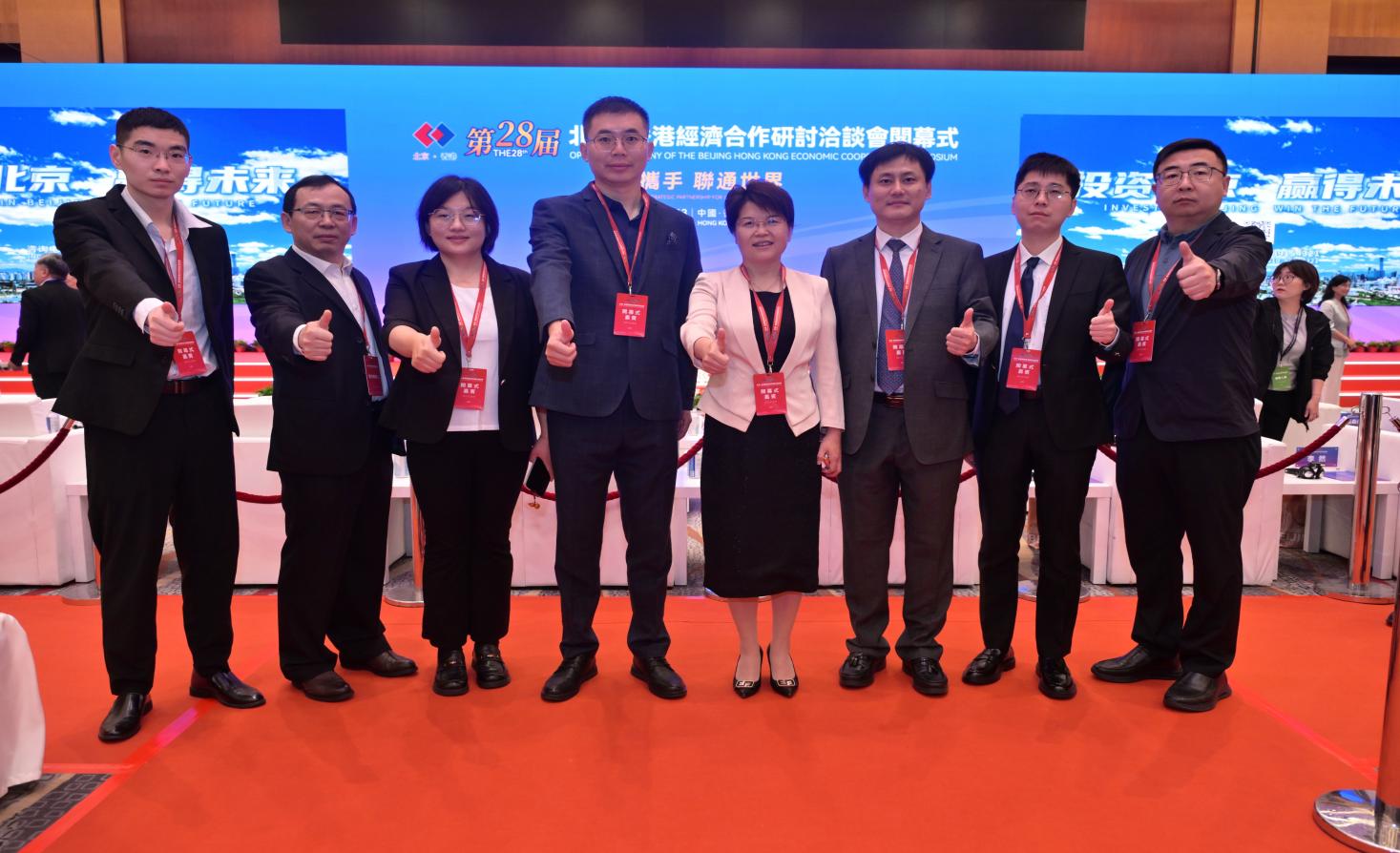
Group 1 - The 28th Beijing-Hong Kong Economic Cooperation Seminar successfully took place in Hong Kong from November 12 to 13, focusing on bilateral investment and economic exchanges [1][3] - The delegation from Huairou District, led by Deputy District Mayor Wei Xiaoping, aimed to promote Huairou Science City and explore cooperation opportunities with Hong Kong [1][3] - A significant project, the "Flamingo-Green Energy Application Research Institute Project," was signed between Huairou District and Hong Kong's Baile Technology Co., marking a deepening collaboration in the green energy sector [5] Group 2 - The seminar featured targeted promotional activities highlighting Huairou's advantages, including major technological facilities and innovation platforms [3][5] - Two specialized exchange events were held at Hong Kong Science Park, attracting nearly 80 representatives from various Hong Kong institutions and companies, facilitating discussions on technology research and market expansion [6][8] - The event included online interactions with key research institutions, focusing on collaborative development and mutual benefits in technology resources [8] Group 3 - The delegation engaged in discussions with Hong Kong Cyberport and Hong Kong Science Park, exploring cooperation in artificial intelligence and high-end research [10] - Agreements were reached to enhance collaboration in research talent exchange and the use of large scientific instruments, establishing a mechanism for ongoing communication [10][11] - The delegation emphasized Huairou's development advantages and the integration of its scientific resources with Hong Kong's capital and industry strengths [11]
研判2025!中国清远鸡行业政策、产业链、出栏量、市场规模、竞争格局及高质量发展策略分析:出栏量将增长至6130万只,市场规模增长至19.77亿元[图]
Chan Ye Xin Xi Wang· 2025-11-17 01:59
Core Insights - The article highlights the increasing demand for high-quality chicken products in China, particularly for Qingyuan chicken, which is a geographical indication product with a rich history and unique characteristics [1][3][5]. Industry Definition and Characteristics - Qingyuan chicken, also known as Qingyuan ma chicken, is a local specialty of Qingyuan City in Guangdong Province and has a history of over a thousand years in breeding [1][3]. - It is recognized for its small size, developed subcutaneous and intermuscular fat, thin skin, and soft bones, making it popular in Chinese cuisine [1][3]. Current Development Status - The production of Qingyuan chicken is projected to increase from 40.8 million birds in 2020 to 55.1 million in 2024, with an expected rise to 61.3 million by 2025 [3][5]. - The market size for Qingyuan chicken with geographical indication is anticipated to grow from 1.363 billion yuan in 2020 to 1.788 billion yuan in 2024, and further to 1.977 billion yuan by 2025 [1][5]. Industry Chain - The industry chain for Qingyuan chicken includes upstream activities such as chick hatching, feed production, and breeding, while midstream focuses on ecological farming and slaughter processing, and downstream encompasses diverse sales channels [5][6]. Development Environment and Policies - The Qingyuan chicken industry is supported by government policies aimed at promoting scale and intensive development, including subsidies and low-interest loans [7][10]. - Regulatory measures are in place to protect the Qingyuan chicken brand and combat counterfeit products [7][10]. Competitive Landscape - The market for Qingyuan chicken is characterized by high concentration, with the top three companies holding a market share of 72.3% in 2024, where Tian Nong Food Group is the largest provider [8][9]. - Tian Nong Group has expanded from a regional poultry farming enterprise to a leading provider of high-quality meat products in China, covering the entire value chain [8][9]. High-Quality Development Strategies - Strategies for enhancing the Qingyuan chicken industry include expanding the industrial chain, integrating with tourism, and leveraging e-commerce platforms to increase market reach [10][11]. - Efforts are being made to improve brand influence and establish a resource-sharing platform to support the integration of various industries [9][10][11].

第二十七届高交会闭幕:科技产品火遍全网 意向成交与投融资金额突破1700亿元
Mei Ri Jing Ji Xin Wen· 2025-11-16 15:22
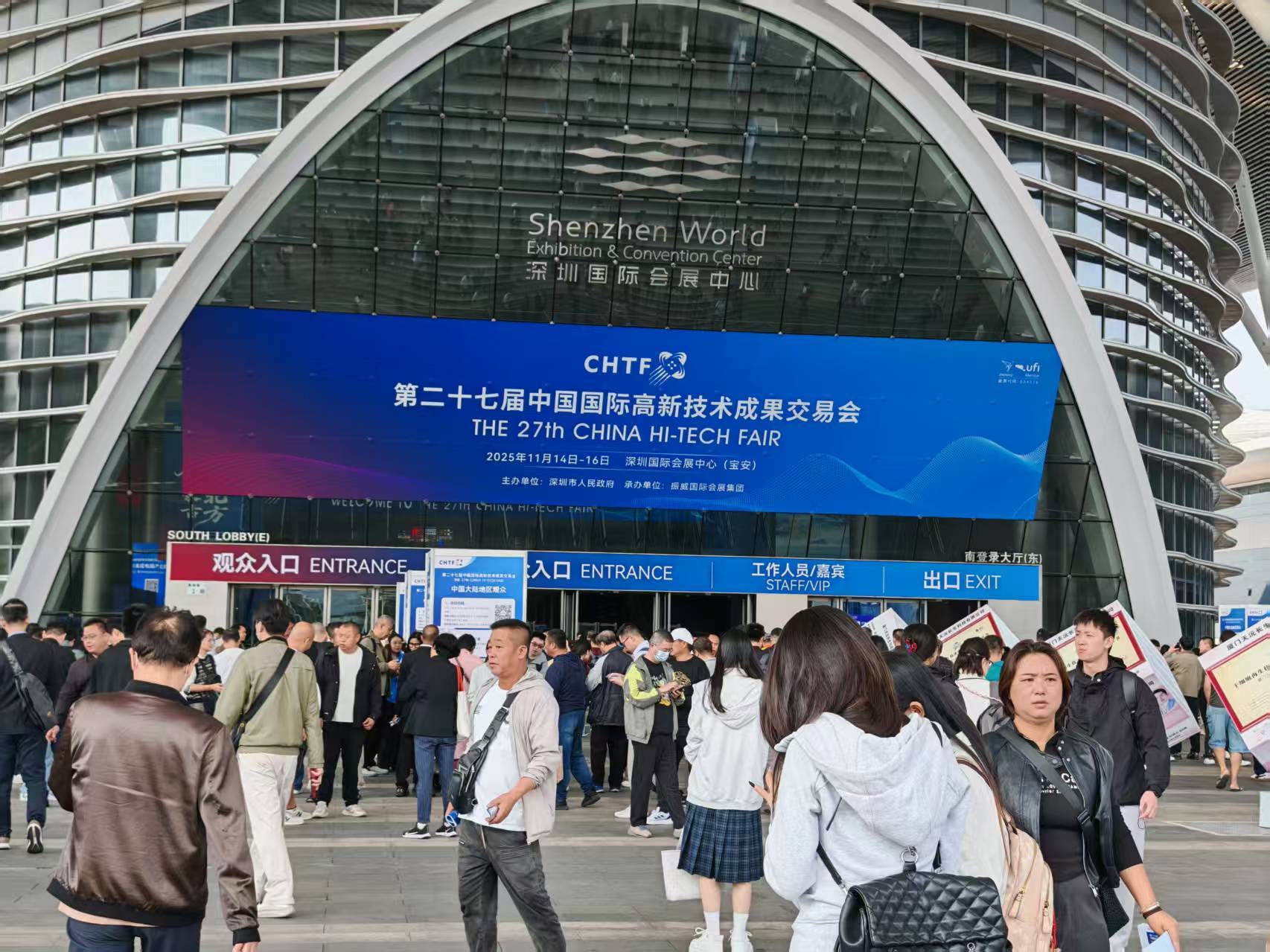
Core Insights - The 27th China International High-Tech Achievements Fair (CIHTAF) concluded with a focus on "Technology Empowering Industrial Integration for a Shared Future" [1] - The event attracted over 450,000 attendees from more than 120 countries, marking a 13% year-on-year increase [1][5] - A total of 5,000 new products and achievements were launched, with 1,023 supply-demand matches and investment projects signed, amounting to over 170 billion yuan in intended transactions and investments [1][6] Exhibition Highlights - Over 20% of the exhibits were debut products, showcasing cutting-edge technologies across 22 major exhibition areas, including aerospace, AI, semiconductors, and low-altitude economy [3][4] - More than 90% of the physical exhibits featured high-tech products, emphasizing China's advancements in technology [3] Major Participants and Innovations - Key state-owned enterprises such as China Aerospace Science and Technology Corporation and China National Offshore Oil Corporation presented significant technological innovations, including the Long March rocket and the Hualong One nuclear power plant [4] - The event featured a variety of innovative products, including the world's first "imaging" MRI and autonomous driving aircraft, attracting considerable attention from attendees [4] Regional and International Collaboration - The fair served as a platform for regional collaborative innovation, showcasing achievements from various regions in China, including clean energy and digital economy initiatives [4] - International participation included organizations and enterprises from countries like Germany, the USA, and the UK, highlighting the fair's role as a window for showcasing Chinese technology to the world [4] Transaction and Investment Focus - The event emphasized practical outcomes and transactions, with a strategic plan involving 10% international buyers, 30% local buyers, and 60% buyers from outside Guangdong [5] - Over 1,000 procurement teams from countries such as the UK, Russia, and Canada attended, with participation from over 3,000 domestic and international investment institutions [5]
宁夏银川走出服务消费升级新路径
Zhong Guo Xin Wen Wang· 2025-11-15 02:01
Core Viewpoint - Yinchuan, Ningxia is promoting a winter consumption season with 113 unique activities and 140 million yuan in consumer vouchers to stimulate spending across various sectors, including retail and dining [1][2] Group 1: New Consumption Trends - The city is focusing on upgrading consumer experiences from basic needs to quality and warmth, aligning with trends of "new formats, new models, and new scenarios" [1] - New immersive projects like the Manpu·Seeing Helan immersive performance town and Huaiyuan Night Market are expanding consumption from "single shopping" to "diverse experiences" [1] - The "Yin Ticket Gift" program transforms concert and event tickets into consumer "passports," linking 761 merchants across retail, dining, and scenic spots, creating a chain reaction of consumption [1] Group 2: Government and Business Collaboration - Yinchuan is breaking down departmental barriers by establishing a "government guidance - enterprise linkage - scenario implementation" closed loop, promoting five major consumption brands to work together [2] - The city plans to create a consumption matrix through models like "ice and snow + cultural tourism" and "intangible cultural heritage + New Year flavor," hosting events such as an ice and snow food festival and over 50 intangible cultural heritage performances [2] - The approach of small-scale initiatives driving large-scale consumption is evident in the transformation of traditional retail, exemplified by the emergence of "Fat Reform Stores" in key commercial areas [1][2]
农业投资,正迎来“牛市”
2 1 Shi Ji Jing Ji Bao Dao· 2025-11-14 12:22
Core Viewpoint - The agricultural investment sector is entering a "bull market," driven by changing perceptions and technological advancements, with a critical opportunity window in the next two to three years [1][2][20]. Group 1: Industry Trends - Historically, agriculture has been viewed as a "forbidden zone" for capital investment due to its long cycles and high risks [3][6]. - The perception of agriculture is changing, with the integration of hard technology such as drones and smart farming equipment reshaping industry views [7][8]. - The Chinese agricultural sector is still in its early stages compared to industrial advancements, indicating a significant potential for growth [10][31]. Group 2: Investment Dynamics - A shift from traditional subsidy funding to equity investment is occurring, emphasizing sustainable returns and a self-sustaining financial model [22][23]. - The establishment of the "Agricultural Investment Conference" aims to create a collaborative ecosystem among various market players [27]. - Confidence in agricultural investments is growing, with the potential for significant value creation in underdeveloped segments [31]. Group 3: Technological Integration - The application of industrial technology in agriculture is seen as a key driver for efficiency and productivity [9][38]. - The rise of smart agriculture solutions is leading to a re-evaluation of investment strategies and operational models within the sector [14][39]. Group 4: Regional Development - Different regions are adopting unique strategies for agricultural modernization, with Shanghai focusing on high-value agriculture rather than scale [42][43]. - The integration of public and private resources is essential for driving innovation and efficiency in agricultural practices [48][50]. Group 5: Challenges and Opportunities - Despite the positive outlook, challenges such as talent shortages and resistance to change remain prevalent [34][56]. - The path from recognition to tangible results in agricultural investment is expected to be long and complex, requiring ongoing adaptation and learning [58][59].