自动驾驶技术

Search documents
看好自动驾驶技术落地前景 英伟达拟5亿美元战略投资Wayve
Huan Qiu Wang Zi Xun· 2025-09-20 04:20
Core Insights - Wayve, a UK-based autonomous driving startup, has signed a letter of intent with NVIDIA for a strategic investment of $500 million in its upcoming funding round [1][3] - The third-generation autonomous driving platform (Gen 3) will be built on NVIDIA's DRIVE AGX Thor computing architecture, utilizing Blackwell GPU for computational power and a safety-certified DriveOS operating system [3] - NVIDIA's involvement dates back to Wayve's Series C funding, and the new investment will enhance collaboration in hardware acceleration, model optimization, and safety validation [3] Investment and Financials - The $500 million investment is part of NVIDIA's £2 billion (approximately $2.7 billion) AI ecosystem investment plan in the UK, which also includes a £500 million equity investment in AI data center company Nscale [3] - Wayve has previously attracted attention from various investors, including a separate investment from ride-hailing giant Uber in 2024 [4] Product Development and Market Strategy - Wayve's Gen 3 platform aims to reduce reliance on high-definition maps by using end-to-end AI models to learn driving decisions directly from raw sensor data, enabling autonomous navigation in complex urban environments [3] - The production version of the Gen 3 platform is expected to be integrated into a luxury car brand model in Europe by 2026, with the first list of partner car manufacturers to be announced by the end of 2025 [4]


佑驾创新刘国清:与公交系统合作,是无人物流车规模化的可复制路径
Guan Cha Zhe Wang· 2025-09-18 10:03
Core Insights - The collaboration between public transportation companies and unmanned logistics vehicles is seen as a mutually beneficial model that can be replicated across various bases, addressing the challenges of commercialization and scalability in the unmanned logistics sector [1][6] - Youjia Innovation has officially entered the unmanned logistics field with the launch of its unmanned logistics brand "Xiaozhu Unmanned Vehicle," which includes the T5 and T8 models, set to be deployed in four cities by 2025 with a total order delivery of 400-500 units [1][2] Group 1: Product Details - The T5 unmanned logistics vehicle has a cargo capacity of 5.5m³, a maximum load of 1000kg, and a range of 180km, primarily serving express city distribution, retail, and fresh food delivery [2] - The T8 model features a cargo volume of 8.5m³, a maximum load of 1700kg, and a range of 240km, suitable for city distribution and industrial logistics, including specialized applications in mining and ports [2] Group 2: Technological Advantages - Intelligent driving is a core competency of Xiaozhu Unmanned Vehicle, supported by Youjia Innovation's extensive experience in the field, having served over 42 OEMs and Tier 1 clients since its establishment in 2013 [3] - The company has accumulated over 500,000 kilometers of data during the development phase of a single model, with 41% of the data being urban road data, aligning well with city distribution environments [3] Group 3: Strategic Partnerships and Market Expansion - The launch event featured notable figures from the automotive industry and government representatives from various cities, indicating strong support for the Xiaozhu Unmanned Vehicle [4][5] - Youjia Innovation has signed strategic cooperation agreements with Shenzhen Postal Service and Eastern Bus, aiming to enhance urban governance and empower the logistics industry [5] - The company anticipates that the delivery volume of Xiaozhu Unmanned Vehicles will reach 10,000 units by 2026, although achieving significant scale remains a challenge [5] Group 4: Market Challenges and Strategies - The company acknowledges the difficulty of expanding its network beyond the automotive sector to achieve commercial viability, emphasizing the need for substantial resources to build brand recognition and secure road rights [5][6] - The collaboration with public transportation systems is viewed as a solution to the resource challenges faced by unmanned logistics vehicles, leveraging the surplus resources available within these systems [6]
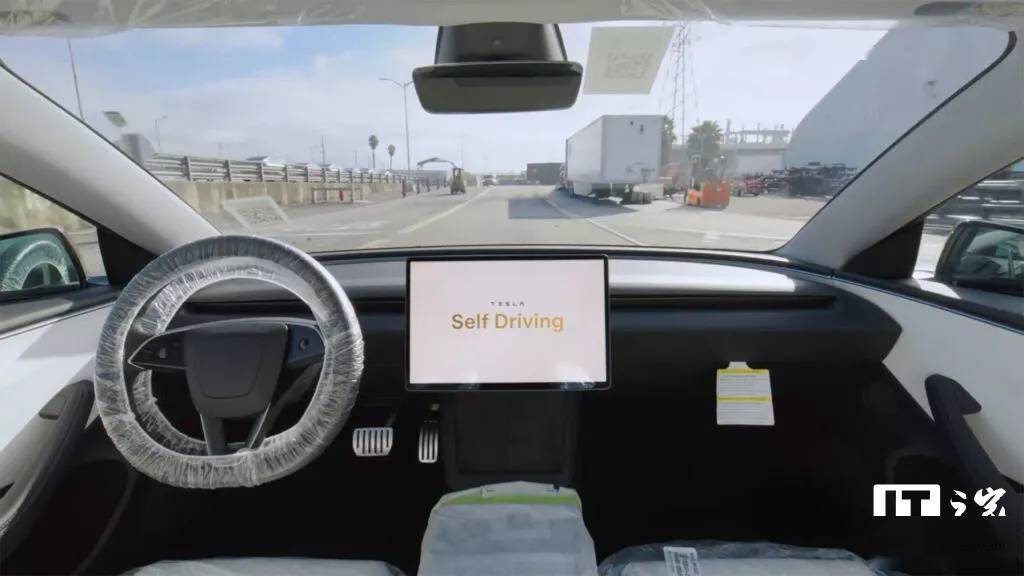
特斯拉(TSLA.US)就2019年Autopilot加州致死案达成保密和解协议
Zhi Tong Cai Jing· 2025-09-17 09:09
Core Insights - Tesla has reached confidential settlements related to lawsuits concerning fatal accidents involving its Autopilot software, following a jury's ruling that ordered the company to pay $243 million in compensation and punitive damages for a 2019 accident [1] - The settlements are significant as Tesla's $1.4 trillion valuation heavily relies on CEO Elon Musk's rapid expansion of its autonomous taxi services [1] Summary by Sections Lawsuits and Settlements - Tesla has settled lawsuits related to two fatal accidents in California involving its Autopilot system, with one case involving a 15-year-old who died after a Tesla Model 3 collided with their vehicle [2] - Another case involved a 2019 incident where a Tesla Model S failed to stop at a red light, resulting in a collision with a Honda Civic, leading to two fatalities [2] - The settlements do not disclose terms and are contingent upon "completion of tasks as specified" [2] Legal Proceedings - Trials for the two lawsuits are scheduled to begin next month in Alameda County and Los Angeles County [2] - A judge in Alameda County has canceled the original trial schedule, and both Tesla and the plaintiffs agreed to withdraw their claims in the Los Angeles trial [2]

刚刚,阿里出手,布局万亿美元赛道!
中国基金报· 2025-09-17 04:36
Core Viewpoint - Haolo's Robotaxi business has received strategic investment from Alibaba, aiming to accelerate commercialization and scaling in the Robotaxi industry [2][4]. Group 1: Partnership and Collaboration - Haolo and Alibaba will deepen their collaboration in areas such as intelligent driving models, computing platforms, and Robotaxi, building on their previous partnership [2][4]. - The partnership will leverage Alibaba's strengths in AI and cloud computing to enhance the application of large models and autonomous driving technology [4][5]. Group 2: Technological Development and Talent Acquisition - Haolo aims to become a global leader in AI, having built a team of over 200 experts in AI large models and autonomous driving technology from top global institutions [7]. - The company plans to continue attracting top AI talent to achieve large-scale implementation of autonomous driving technology [7]. Group 3: Business Structure and Investment - Haolo has established Zhaofu Technology, a subsidiary focused on L4-level autonomous driving technology, with a registered capital of 1.288 billion yuan [8]. - Zhaofu Technology serves as a key vehicle for the commercialization of Haolo's Robotaxi business [8]. Group 4: Market Expansion Goals - Haolo aims to achieve large-scale Robotaxi operations within two years and is actively engaging with local governments to facilitate this process [7]. - The company plans to gradually expand into international markets, bringing advanced autonomous driving products and services from China to other countries [7].

探寻北京“国际范儿” 外国网络达人京城开启“机”智生活
Zhong Guo Xin Wen Wang· 2025-09-16 08:09
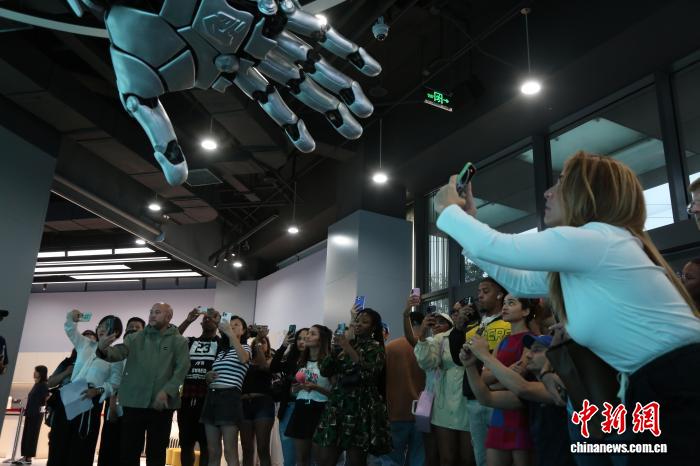
Group 1 - The article highlights the exploration of advanced robotics and intelligent technology in Beijing, showcasing the city's innovation and international appeal through events like the "Beijing International Style" short video competition and the World Humanoid Robot Games [1][2][5]. - Beijing is recognized as a leading hub for robotics innovation, with over 400 key robotics companies, including 57 "little giant" enterprises, and nearly 30 humanoid robot manufacturers, all ranking first in China [3]. - The article emphasizes the practical applications of robotics in various fields, particularly in healthcare, and the potential for these technologies to enhance human life [5]. Group 2 - The development of autonomous driving technology in Beijing is highlighted, showcasing a range of applications including self-driving taxis and delivery vehicles, which are becoming integral to urban life [6]. - The seamless experience of autonomous vehicles is presented as a reflection of the rapid growth of future industries in Beijing, supported by technological innovation and favorable policies [6]. - The article captures the excitement of international visitors experiencing these technologies, indicating a strong interest in the potential for similar advancements in their home regions [8].
特斯拉在Autopilot致命车祸案中被判承担部分责任
Sou Hu Cai Jing· 2025-09-16 07:11
Core Viewpoint - Tesla has been held partially responsible for a fatal accident involving its Autopilot system, marking a shift in previous legal outcomes where the company had consistently won lawsuits related to its autonomous driving technology [1][4]. Group 1: Accident Details - The case originates from a 2019 accident in Miami-Dade County, where 22-year-old Naibel Benavides Leon died after a 2019 Tesla Model S collided with a parked Chevrolet Tahoe [3]. - The driver, George McGee, admitted to being distracted by a dropped phone and believed the vehicle would automatically brake, acknowledging his negligence and over-reliance on the vehicle's capabilities [3]. Group 2: Jury Verdict - The jury determined that Tesla should bear 33% of the responsibility for the accident, ordering the company to pay $42.5 million (approximately 303 million RMB) in compensatory damages and up to $200 million (approximately 1.424 billion RMB) in punitive damages [4]. - The jury's decision was influenced by the argument that Tesla exaggerated the capabilities of its Autopilot system, despite the company's reminders for drivers to remain vigilant [4]. Group 3: Tesla's Response - Tesla has filed for a retrial, arguing that no vehicle on the market can automatically stop when a driver commands it to "continue driving," and that McGee's actions were reckless, as he disabled all safety features [6]. - The company contends that attributing responsibility to them due to a reckless driver's actions contradicts Florida law and could hinder the development of safety technologies in the future [6]. Group 4: Core Controversy - The central issue of the case revolves around the naming and marketing of the Autopilot feature; if it had been named differently or marketed in another way, it might have been more challenging to hold Tesla accountable [6]. - The outcome of this case could have significant implications for the future of automotive manufacturers and the relationship between the industry and autonomous driving technology [6].
小米汽车三维场景感知相关专利公布
Zheng Quan Shi Bao Wang· 2025-09-16 04:37
Core Viewpoint - Xiaomi Auto Technology Co., Ltd. has recently published a patent related to autonomous driving technology, focusing on a method for three-dimensional scene perception that enhances the accuracy of scene reconstruction [1] Group 1: Patent Details - The patent involves a "three-dimensional scene perception method, device, electronic equipment, and storage medium" [1] - It utilizes SDF values and semantic categories for real-time dense three-dimensional reconstruction [1] - The technology aims to provide continuous three-dimensional scene perception results, improving the precision of scene reconstruction [1]

新股首日 | 禾赛-W(02525)首挂上市 早盘高开7.71% 公司为全球第一大激光雷达供货商
智通财经网· 2025-09-16 01:28
Company Overview - Hesai Technology (禾赛科技) was established in 2014 and specializes in the research and production of LiDAR sensors, which are widely used in advanced driver-assistance systems (ADAS) for passenger and commercial vehicles, as well as in autonomous vehicles and various robotic applications [1] - The company went public in the US in February 2023, issuing 10 million American Depositary Shares (ADS) at a price of $19 per share, raising $190 million, becoming the first Chinese LiDAR company listed in the US [1] Market Performance - Hesai-W (02525) debuted on the Hong Kong Stock Exchange with a share price of HKD 212.80, issuing 19.55 million shares, resulting in a net proceeds of approximately HKD 4.005 billion [1] - As of the latest report, the stock price increased by 7.71% to HKD 229.2, with a trading volume of HKD 214 million [1] Industry Growth - The global LiDAR industry is experiencing rapid growth, with revenues projected to increase from $300 million in 2020 to $1.6 billion by 2024, representing a compound annual growth rate (CAGR) of 57.8% [2] - By 2029, the industry is expected to reach $17.3 billion, with a CAGR of 61.7% [2] - The Chinese LiDAR market is significantly outpacing other regions in terms of market size and growth rate [2] - Hesai Technology has been the largest LiDAR supplier globally by revenue in 2022, 2023, and 2024, and is expected to become the first company to exceed a monthly shipment of 100,000 LiDAR units by December 2024 [2]
立昂微:VCSEL芯片可应用于智能驾驶、机器人、光通信等领域并已实现大规模出货
Ge Long Hui· 2025-09-15 08:13
Core Viewpoint - The collaboration between SUTENG and NVIDIA is expected to enhance the development of autonomous driving technology through the introduction of high-performance automotive-grade digital lidar products EM4, EMX, and E1 [1] Group 1: Company Developments - Lian Micro (605358.SH) has announced that its subsidiary Lian Dongxin focuses on manufacturing compound semiconductor RF and optoelectronic chips, particularly VCSEL chips, which are applicable in smart driving, robotics, and optical communication [1] - Lian Dongxin has achieved large-scale shipments of VCSEL products and maintains close cooperation with clients such as SUTENG, Hesai Technology, and Ruishi Technology [1] Group 2: Industry Trends - The integration of SUTENG's lidar products with NVIDIA DRIVE AGX platform signifies a significant step towards the comprehensive upgrade of autonomous driving technology [1]

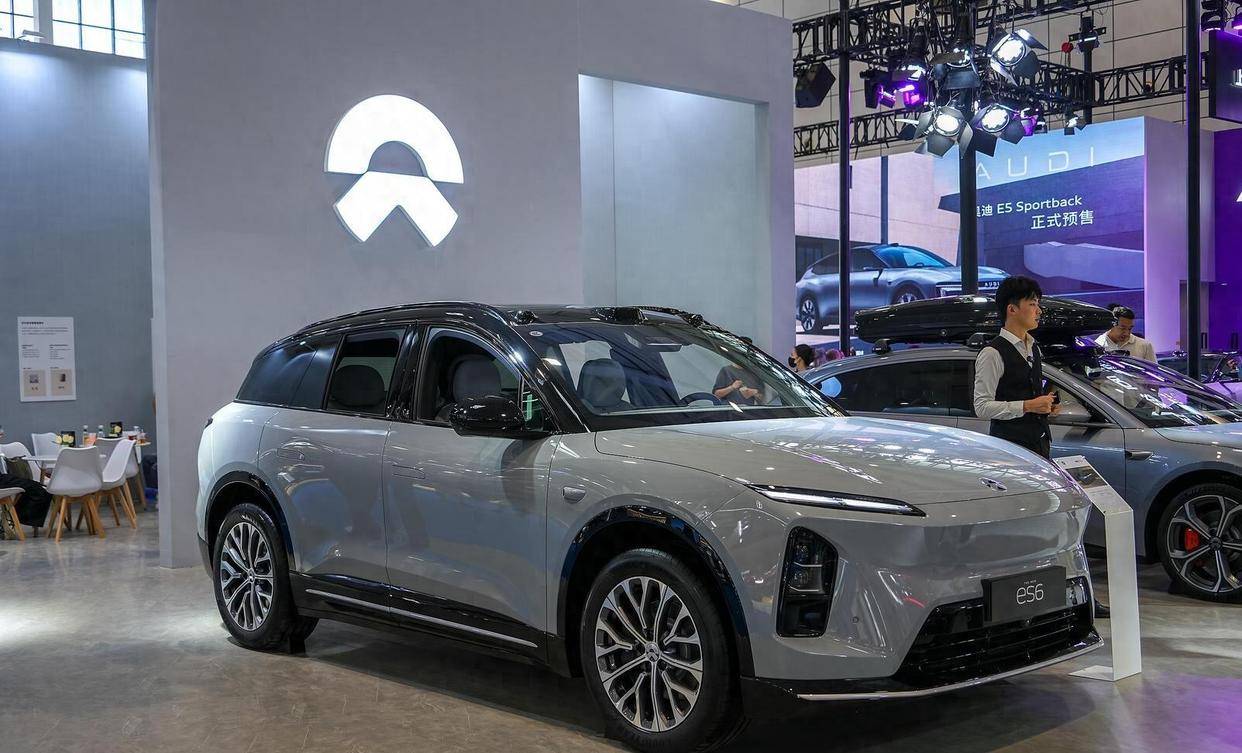
蔚来官宣融资进展股权增发顺利完成,此次融资金额敲定,总额达10亿美元
Sou Hu Cai Jing· 2025-09-12 22:47
Core Viewpoint - NIO's recent capital increase has sparked mixed reactions in the market, highlighting concerns over its financial health and operational strategies while also revealing potential for future growth through new investments and projects [1][3][4]. Financial Performance - NIO's latest financial report shows a total current liability of 68.9 billion yuan and current assets of only 42.7 billion yuan, resulting in a shortfall of over 26 billion yuan, despite maintaining cash reserves of 27.2 billion yuan [1]. - The company aims to deliver between 87,000 to 91,000 vehicles in Q3, marking a historical high [1]. - The second quarter saw a 5.5% decrease in R&D expenses, but the cost per vehicle increased by 12% year-on-year, indicating a strategic choice to balance R&D investment and cost pressures [3]. Capital Increase and Investor Dynamics - The recent capital increase was priced at a discount of only 4.2%, the smallest in NIO's history, and included new investors such as Norway's sovereign wealth fund [3]. - The capital raised will partially fund the "Thor Project," aimed at reducing vehicle energy consumption by 15% [3]. Production and Supply Chain Challenges - NIO's second factory expansion is nearing completion, with a planned production capacity of 240,000 vehicles per year, now set to begin operations in November 2025 instead of 2026 [3]. - Concerns over supply chain bottlenecks have emerged, with reports indicating that a key supplier has extended delivery timelines for critical components [3][4]. Strategic Decisions and Market Position - NIO's goal of achieving non-GAAP profitability in Q4 requires a gross margin of over 18% and a reduction in sales expenses to below 10% of revenue, which contrasts with a current sales expense ratio of 14.3% [4]. - The company is negotiating with core suppliers to lock in prices for the next 12 months, which may impact supply chain stability [4][7]. R&D and Technological Development - NIO is facing internal debates regarding R&D focus, with one team advocating for solid-state battery development while another suggests shifting to semi-solid batteries for quicker cash flow [7][8]. - The company is reportedly preparing to inject some autonomous driving technology patents into a subsidiary for potential future spin-off [6]. Market Sentiment and Brand Image - Recent changes in the battery swap policy have led to discussions among users about reduced benefits, which may signal cost control measures [6]. - NIO's sales strategy has shifted to a more aggressive approach, requiring employees to bring in a minimum number of customers, which has resulted in a decline in customer satisfaction [7].