
全球供应链

Search documents
智利铜出口或因美国关税决定遭受重创
Wen Hua Cai Jing· 2025-07-11 03:27
Group 1 - The U.S. will impose a 50% tariff on copper imports starting August 1, 2025, which is expected to have severe impacts on the copper market and Chilean exporters [1] - Chile is a major supplier of copper to the U.S., accounting for approximately 70% of U.S. copper imports in 2024, with exports valued at over $6 billion in 2023 [1] - The new tariffs have already driven copper prices to historical highs, influenced by both actual supply shortages and speculative trading [1] Group 2 - Although the U.S. market accounts for less than 13% of Chile's total copper exports, the tariff's impact extends beyond trade volume, potentially weakening the Chilean peso and increasing local costs [2] - A decline in copper export revenues could exacerbate Chile's public finance pressures, as public debt was 42% of GDP and the fiscal deficit was 2.9% in the previous year [2] - Chilean officials and industry leaders face strategic decisions on whether to risk losing the U.S. market or to explore opportunities in other markets, particularly in Asia and Europe [2]


不能低估对手!外媒:中国储备了10万吨镍,欧洲囤积中国稀土
Sou Hu Cai Jing· 2025-07-10 10:21
Core Viewpoint - The article emphasizes the importance of resource management, highlighting that despite current perceptions of resource abundance, strategic reserves are crucial for future stability and supply security [1][3]. Group 1: China's Resource Strategy - China has purchased up to 100,000 tons of nickel since December last year, storing it as a national reserve to strengthen its position in the global supply chain amid rising tensions with the U.S. [1][3]. - The demand for nickel is significant in key sectors such as electric vehicles and aerospace, necessitating China's preparation for potential resource shortages [3][6]. - China's approach to resource management includes a refusal to allow rare earth resources to be exported at low prices, reflecting a growing awareness of resource protection [6][8]. Group 2: Global Competition for Resources - The U.S. and Europe are actively procuring rare earth resources from China to maintain their competitive edge in technology [3][5]. - The European Union is considering establishing a rare earth reserve system to counteract perceived economic coercion from China [3][5]. - China's adjustments to its rare earth export policies are not intended to be weaponized but are responses to international demands for transparency in usage and production processes [3][6]. Group 3: Implications of Resource Management - The potential disruption of rare earth supplies could severely impact Western military and advanced electronic industries, highlighting the strategic importance of these resources [6]. - China's commitment to environmental sustainability influences its resource extraction policies, aligning with the national value of balancing economic growth with ecological preservation [6][8]. - The ongoing geopolitical tensions may lead to increased resource imports by China to ensure long-term development and self-sufficiency in critical materials like nickel, cobalt, and copper [8].

美俄锆石交易重启,中断18个月,美国又找上门了
Sou Hu Cai Jing· 2025-07-07 08:35
Core Viewpoint - Zirconium, a metal often overlooked by the public, holds an irreplaceable strategic position in high-tech and military sectors, with the U.S. resuming imports from Russia, highlighting the complexities of geopolitical and economic realities [1][3][6] Group 1: Import Dynamics - In May 2025, the U.S. imported over $1 million worth of zirconium ore and concentrates from Russia, setting a record for monthly imports since 2002 [1] - This import occurred despite the U.S. government's strong rhetoric against Russian resources, indicating a contradiction between political statements and actual supply chain needs [3][6] Group 2: Supply Chain Challenges - The U.S. has attempted to restructure its critical mineral supply chain through alliances with countries like Australia, South Africa, and Canada, but has faced challenges such as high costs and limited availability [4][6] - The reliance on Russian resources for critical materials like zirconium reveals the limitations of the West's "supply chain risk reduction" efforts [4][9] Group 3: Geopolitical Implications - The resumption of zirconium imports signifies a retreat from idealistic foreign policy, as the U.S. acknowledges the necessity of Russian resources in high-tech applications [6][9] - This situation reflects a broader trend where Western nations, despite political opposition to Russia, continue to engage in trade for essential materials, revealing a structural dependency [9][10] Group 4: Industrial System Anxiety - The U.S. domestic industrial system faces anxiety due to reduced processing capabilities for rare metals, leading to a paradox of wanting to decouple from Russia while being unable to do so effectively [7][9] - The importance of zirconium in nuclear energy and other high-tech applications underscores the strategic challenges faced by the U.S. in balancing its ambitions with supply chain realities [7][9] Group 5: Future Outlook - The zirconium import case is indicative of a larger trend where geopolitical tensions do not fully sever global supply chains, as critical materials remain intertwined with national strategies [9][10] - As the U.S. navigates its foreign policy and industrial needs, the reliance on Russian resources may continue to challenge the narrative of complete decoupling from adversarial nations [10]
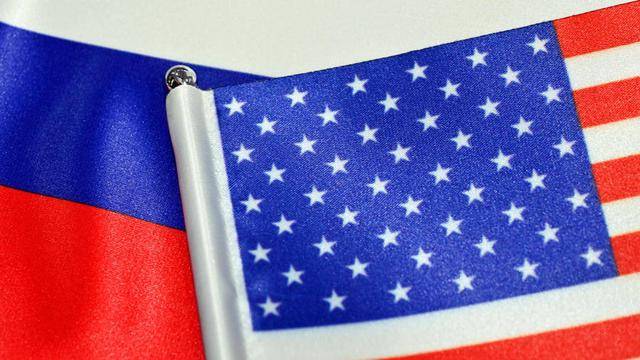
越南牺牲中国利益,换美国关税优待?中方发出警告,绝不轻饶
Sou Hu Cai Jing· 2025-07-07 02:28
越南(资料图) 据环球时报报道,美国总统特朗普7月2日在社交媒体上表示,他已与越南方面达成贸易协议,美国将对越南出口到美国的商品征收20%的关税,并对任何被 视为经越南转运到美国的商品征收40%的关税。此外,特朗普还表示,越南已同意取消对美国进口商品的所有关税。西方媒体称,美越达成的税率低于特朗 普4月宣布的计划对越南商品征收的46%关税,有助于缓和美国与越南的经贸关系紧张。 实际上,在六月中旬,越南便与美国在华盛顿举行了第三轮贸易谈判,当时越南方面派出包 括外交部、公安部在内的九大部门,而这次谈判也被视作美越经贸关系的重要转折点。谈判期间,美国商务部长鲁特尼克就公开表态,称双方的谈判取得了 突破性的进展,在关税政策以及市场准入等问题上已经取得了关键性进展。鲁特尼克表示,越南不仅是美国在供应链上的重要伙伴,而且还是美国印太战略 的关键点,是东盟地区连接美国的桥梁。 贸易(资料图) 越南是美国第八大贸易伙伴,2024年越南对美国贸易顺差已经超过了1200亿美元,越南也由此成为对美贸易顺差第四大的经济体。据新华社转引越通社的报 道,越共中央总书记苏林与特朗普7月2日就越美关系及两国关税谈判等问题通电话。特朗普强调 ...
帮主郑重:特朗普70%关税砸向谁?这场贸易豪赌背后藏着什么?
Sou Hu Cai Jing· 2025-07-06 09:56
咱们先聊聊这事儿的来龙去脉。其实特朗普打关税牌已经不是头一回了。早在2025年4月,他就推出过"对等关税"政策,对中国、欧盟等国家加征高额关 税,结果导致全球股市暴跌,美国国内物价也跟着飙升。这次更狠,直接把税率上限提到70%,比1930年美国大萧条时期的《斯姆特-霍利关税法》还要 高。这招要是真使出来,简直就是贸易核武器啊! 最近国际经贸圈炸开了锅!特朗普在7月4日放了个大招,宣布从8月1日起对部分国家加征最高70%的关税。这消息一出,全球市场都跟着抖了三抖。作为 在财经圈摸爬滚打20年的老江湖,我今天得跟大家好好唠唠这事儿。 你猜怎么着?这次关税可不是随便说说的。特朗普直接跳过了谈判环节,打算给170多个国家发"关税通知书"。按照他的说法,税率分三档:10%到20% 是给"听话"的,30%到50%针对"顽固分子",60%到70%则是留给"战略对手"。这就像在贸易战场上摆了个鸿门宴,各国要么低头认罚,要么被重锤伺 候。 更有意思的是,特朗普的关税政策还可能打乱全球供应链。越南、墨西哥这些原本被视为"中国替代"的制造中心,现在也可能因为高关税失去优势。比如 泰国可能被征36%的关税,马达加斯加甚至要交47%。 ...

86个国家齐聚北京,世界开始去美国化,美方却还在倒行逆施
Sou Hu Cai Jing· 2025-07-05 23:28
世界和平论坛上大家说得最多的,就是现在的经济不能走回保护主义的老路。多数人觉得开放才能发展,像中国这样推动全球开放的路线才是正解。当然也 有分歧,但大部分人都同意,新冷战只会让所有人更穷。 美国一边嚷嚷着要搞对等关税,另一边又放不下中国的市场。最近提出的关税方案还没实施,就被很多本国企业反对,说会影响就业。中国这边还是老样 子,继续和更多国家谈贸易,搞基础设施投资。 2025年7月3日,清华大学开了个为期三天的世界和平论坛,来了1200多人,有政要、学者,还有国际组织的人。主题是大家怎么一起促进和平,会上有18场 讨论,七成嘉宾说现在别再搞新冷战了,觉得联合国该让非洲和拉美多点话语权。这段时间正好赶上美国又在搞关税的事,可效果很不好。 美国这些年关税政策一直没少犯错。1930年通过《斯穆特-霍利关税法》,把两万多进口商品关税提高到近49%,结果全球贸易量直接暴跌66%,美国失业率 冲到25%,经济一下就塌了。1897年的《丁利关税法》平均关税提到了52%,表面上保护了国内产业,后来物价涨了很多,反而让老百姓花钱更多。 最近的例子是特朗普2018年对中国打贸易战,说要减少贸易逆差。结果打了六年,美国对华贸易逆差 ...
北大汇丰智库宏观经济分析会举行 粤港澳大湾区经济呈现新态势
Shen Zhen Shang Bao· 2025-07-05 17:21
Group 1 - The Middle East, particularly Saudi Arabia, UAE, Kuwait, and Qatar, presents significant investment opportunities due to the continuous influx of people and capital [1][3] - Southeast Asia is becoming a crucial node in the global supply chain, with a projected GDP growth of 4.8% in 2024 and a 6.8% increase in exports [1] - The Middle East accounts for 5.2% of global GDP and is a major source of energy imports for China, with strong growth in imports of machinery and vehicles [1] Group 2 - China's macroeconomic policies have room for maneuver, with an expected growth target of around 5% for the year [2] - The Guangdong-Hong Kong-Macao Greater Bay Area is experiencing consumption-driven growth, with a projected GDP growth of 4.3% in the second quarter of 2025 [2] - The UAE has a population of 12.5 million, with over 80% being expatriates, indicating a dynamic market environment [3] Group 3 - Key investment sectors in the Middle East include agriculture, digital products in service trade, the used car market, and advanced manufacturing [3] - The global industrial transfer is accelerating, with China’s share of U.S. imports declining while emerging economies like Bangladesh and India are increasing their share [3] - Strategies for China include trade negotiations, encouraging companies to explore overseas markets, and developing service trade to reduce trade deficits [3]
断供稀土最难熬,德企:还不如成为中国一个省,欧盟对华表达不满
Sou Hu Cai Jing· 2025-07-05 09:00
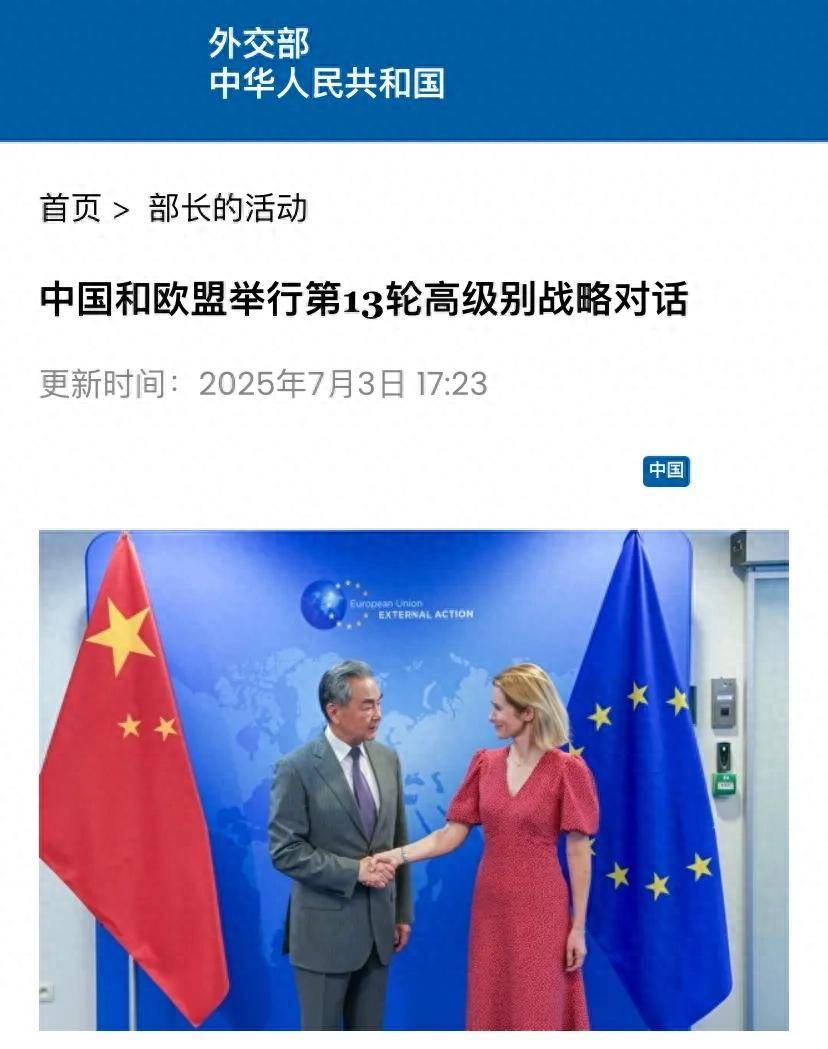
Group 1 - The article discusses the challenges faced by European Union (EU) companies in acquiring rare earth resources from China, highlighting the EU's dissatisfaction with China's export restrictions on these materials [1][4] - During the 13th round of strategic dialogue held in Brussels, EU Foreign Minister Karas and Chinese Foreign Minister Wang Yi addressed various geopolitical issues, reaffirming the EU's commitment to constructive engagement with China [1][4] - The EU's concerns primarily revolve around trade and the geopolitical implications of the Russia-Ukraine war, with rare earth materials being a significant point of contention [4][7] Group 2 - The EU has called for China to lift its restrictions on rare earth exports, arguing that such policies distort market rules and pose significant risks to European companies, thereby affecting global supply chain reliability [4] - The CEO of the EU's first lithium hydroxide battery factory expressed frustration over the difficulty in securing critical raw materials, suggesting that the situation is so dire that it feels like applying to become a province of China [4] - The EU is urging China to reconsider its economic relationship with Europe to create a fair competitive environment and improve market access conditions [4]
特朗普宣布对越关税降至20%,“在越南的中国制造商松了一口气”
Sou Hu Cai Jing· 2025-07-03 08:56
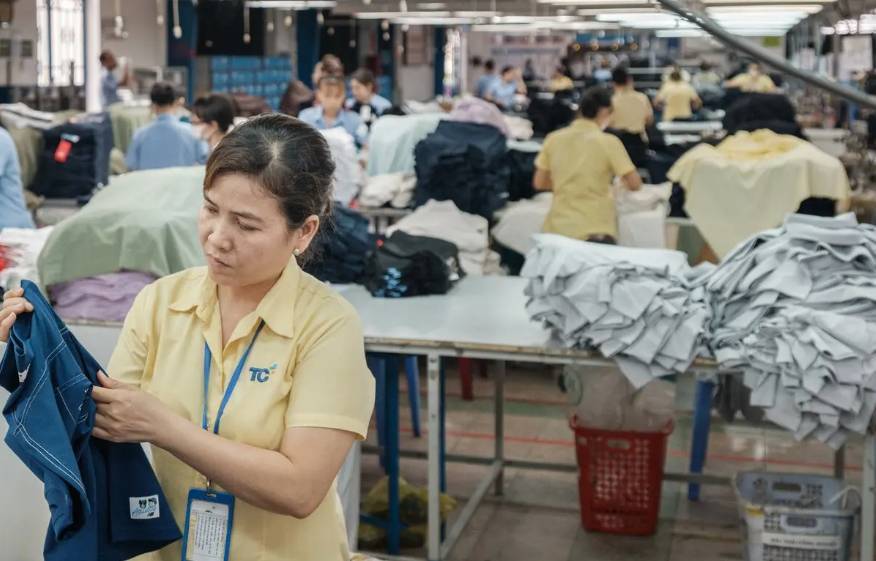
Group 1 - The core point of the article is that the United States and Vietnam have reached a trade agreement, which includes a new tariff rate of at least 20% on all Vietnamese exports to the U.S., significantly lower than the previously proposed 46% [1][4] - The agreement aims to address concerns about Vietnam's trade surplus with the U.S. and the potential circumvention of tariffs through third-country exports [2][4] - Vietnamese analysts believe that the new tariff rate is manageable for most Chinese exporters operating in Vietnam, allowing them to continue their operations without significant disruption [1][2] Group 2 - Since 2018, Vietnam's exports have nearly tripled, growing from under $50 billion to approximately $137 billion by 2024, making it a significant player in global trade [4] - The U.S. has expressed concerns over Vietnam's trade practices, particularly regarding the transshipment of Chinese goods, which has led to increased scrutiny and pressure on Vietnam [4][8] - The trade agreement is seen as a framework rather than a finalized deal, leaving some uncertainties regarding specific product tariff rates and implementation details [4][5] Group 3 - The agreement allows for the potential entry of U.S. vehicles into the Vietnamese market, although experts caution that many U.S. products may not be suitable for Vietnamese consumers due to economic disparities [5][6] - The U.S. has made demands for Vietnam to reduce its reliance on Chinese imports, which could pose challenges for the Vietnamese economy and its supply chains [7][8] - The Chinese government has expressed opposition to the U.S. unilateral trade measures, indicating potential retaliatory actions if their interests are compromised [8]
联想集团20250702
2025-07-02 15:49
Lenovo Group Conference Call Summary Industry and Company Overview - **Company**: Lenovo Group - **Industry**: PC, Server, and Mobile Devices Key Points and Arguments PC Business Performance - Lenovo's PC shipments reached 15.2 million units in Q1 2025, with a market share of 24.1%, representing a year-on-year growth of 10.8%, significantly outpacing the industry growth of 4.9% [2][5] - The balanced business model, with consumer sales accounting for 35%-40% and commercial sales for 60%-65%, has helped reduce production costs and geopolitical risks [4][9] - The company expects improved performance in the China region in 2025, with IDC predicting a stabilization compared to a nearly 10% decline in the previous year [9] Server Business Growth - Lenovo's X86 server revenue surged by 74.8% year-on-year to $4.12 billion globally, placing it among the top three worldwide [2][6] - In China, server revenue skyrocketed by 127.2% year-on-year and 30.6% quarter-on-quarter, also ranking in the top three [2][6] - The growth is attributed to a forward-looking strategy in AI computing capabilities [6] Mobile Business Developments - Motorola's revenue in overseas markets rose to fourth place, with shipment volume maintaining fifth place [7] - In North America, revenue increased by 20.4% year-on-year to $1.01 billion, with a market share of 3.6%, moving up to third place [7] - Emerging markets in Asia-Pacific saw a remarkable growth of 92.1%, driven by a high-end pricing strategy [7] Global Supply Chain Ranking - Lenovo ranked eighth in Gartner's global supply chain list, surpassing companies like Walmart and BMW, reflecting strong performance in business metrics, financial data, and ESG [8] - This ranking highlights Lenovo's resilience and innovation in a complex global environment [8] AI PC Market Insights - AI PCs are gaining popularity, with domestic sales during the 2025 618 shopping festival showing a 151% year-on-year increase [4][12] - The expected penetration rate for AI PCs is projected to reach 20%-30% in 2025, potentially exceeding 40% by 2026 and 70%-80% by 2027-2028 [15] Future Market Share Expectations - Lenovo aims to increase its market share by 0.5% to 0.7% annually, building on a growing gap with competitors [13] - The discontinuation of Windows 10 support in October 2025 is expected to drive further PC replacements, boosting market share [13] Profitability and Margin Analysis - The gross margin for Lenovo's PC business has risen from around 10% to nearly 20% over the past decade, driven by high-end product development [18] - The ISG business is expected to achieve double-digit year-on-year growth, contributing positively to overall profitability [17][21] Strategic Focus on AI Servers - Lenovo's strategy for AI servers emphasizes a hybrid approach, integrating personal, enterprise, and public intelligence to promote AI adoption [25] - The company plans to establish a presence in the Middle East, particularly in AI data center construction, following a strategic partnership with the Saudi sovereign fund [26] Additional Important Insights - Lenovo's production model balances in-house manufacturing and outsourcing, each accounting for 50%, allowing for flexibility and cost advantages [11] - The company has established multiple production bases globally to mitigate high tariff risks and enhance local delivery capabilities [10]
