
社会融资规模

Search documents
央行最新发布!前11月社融增量超33万亿,信贷投放提质换挡
Sou Hu Cai Jing· 2025-12-12 11:26
Core Viewpoint - The People's Bank of China reported that the social financing scale increased by 33.39 trillion yuan in the first eleven months of 2025, which is 3.99 trillion yuan more than the same period last year, indicating a supportive monetary policy environment for high-quality economic development [1] Financial Statistics - As of the end of November, the year-on-year growth rate of social financing stock was 8.5%, unchanged from the previous month; M2 growth rate was 8%, down 0.2 percentage points month-on-month; M1 growth rate was 4.9%, down 1.3 percentage points month-on-month [1] - The increase in social financing scale was supported by government bond net financing, corporate bonds, and equity financing [1][3] Government Bonds and Direct Financing - Government bond net financing reached 13.15 trillion yuan in the first eleven months, accounting for nearly 40% of the increase in social financing [3] - The total new government debt for the year was set at 11.86 trillion yuan, an increase of 2.9 trillion yuan from last year, which has positively impacted the social financing scale [3] Credit Quality Improvement - In the first eleven months, RMB loans increased by 15.36 trillion yuan, with a year-on-year growth rate of 6.4% as of the end of November [5] - The growth rates of inclusive small and micro loans and medium to long-term loans for the manufacturing sector were 11.4% and 7.7%, respectively, both higher than the overall loan growth rate [5] Loan Pricing and Economic Indicators - The average interest rate for newly issued corporate loans was approximately 3.1%, down about 30 basis points year-on-year, while the average interest rate for personal housing loans was also around 3.1%, down about 3 basis points year-on-year [6] - The consumer price index (CPI) rose by 0.7% year-on-year in November, while the producer price index (PPI) fell by 2.2% year-on-year but increased by 0.1% month-on-month [6]
今年前11个月我国人民币贷款增加15.36万亿元
Sou Hu Cai Jing· 2025-12-12 11:26
Group 1 - The People's Bank of China reported that in the first 11 months of this year, RMB loans increased by 15.36 trillion yuan, with corporate loans accounting for 14.4 trillion yuan of this total [1] - As of the end of November, the total RMB loan balance reached 271 trillion yuan, reflecting a year-on-year growth of 6.4% [1] - In the same period, household loans increased by 533.3 billion yuan, while corporate loans saw an increase of 14.4 trillion yuan, with medium to long-term loans rising by 8.49 trillion yuan [1] Group 2 - The broad money supply (M2) at the end of November was 336.99 trillion yuan, showing a year-on-year increase of 8% [1] - The narrow money supply (M1) stood at 112.89 trillion yuan, with a year-on-year growth of 4.9% [1] - The currency in circulation (M0) reached 13.74 trillion yuan, reflecting a year-on-year increase of 10.6% [1] Group 3 - In the first 11 months, total RMB deposits increased by 24.73 trillion yuan, with household deposits rising by 12.06 trillion yuan [1] - As of the end of November, the total social financing scale was 440.07 trillion yuan, with a year-on-year growth of 8.5% [1] - The cumulative increase in social financing for the first 11 months was 33.39 trillion yuan, which is 3.99 trillion yuan more than the same period last year [1]
11月金融数据出炉:贷款增速趋势性放缓 政府部门加杠杆支撑社融增长
Di Yi Cai Jing· 2025-12-12 11:04
12月12日,央行发布最新数据,M2和社会融资规模增速均保持在较高水平,持续为经济回升向好创造 适宜的货币金融环境。 具体来看,11月末,广义货币(M2)余额336.99万亿元,同比增长8.0%,比上年同期高0.9个百分点, 在上年同期基数提高的背景下,仍保持较高增速;社会融资规模存量440.07万亿元,同比增长8.5%,比 上年同期高0.7个百分点;1-11月,社会融资规模增量为33.39万亿元,同比多3.99万亿元。 综合融资成本持续维持在低位,充分体现了适度宽松的货币政策状态。第一财经从央行获悉,贷款利率 保持在低位水平。11月份企业新发放贷款(本外币)加权平均利率约为3.1%,比上年同期低约30个基 点;个人住房新发放贷款(本外币)加权平均利率约为3.1%,比上年同期低约3个基点。 政府加杠杆支撑社融增长 随着财政赤字率提升,政府债券对社会融资规模的贡献度明显提高。 初步统计,2025年前11个月,社会融资规模增量累计为33.39万亿元,比上年同期多3.99万亿元。其中, 政府债券净融资13.15万亿元,同比多3.61万亿元。 业内专家表示,今年以来,宏观政策加大逆周期调节力度,对提振内需、稳定经济发 ...
今年前11个月我国人民币贷款增加15.36万亿元
Xin Hua Wang· 2025-12-12 11:01
Group 1 - The People's Bank of China reported that in the first 11 months of this year, RMB loans increased by 15.36 trillion yuan, with corporate loans accounting for 14.4 trillion yuan [1] - As of the end of November, the total RMB loan balance reached 271 trillion yuan, reflecting a year-on-year growth of 6.4% [1] - In terms of household loans, there was an increase of 533.3 billion yuan, while corporate medium to long-term loans rose by 8.49 trillion yuan [1] Group 2 - In the same period, RMB deposits increased by 24.73 trillion yuan, with household deposits rising by 12.06 trillion yuan [2] - The total social financing scale stood at 440.07 trillion yuan at the end of November, marking a year-on-year increase of 8.5% [2] - The cumulative increase in social financing for the first 11 months was 33.39 trillion yuan, which is 3.99 trillion yuan more than the same period last year [2]
前11月新增社融33.39万亿元 11月末M2同比增长8%
Zhong Guo Jing Ji Wang· 2025-12-12 10:59
Core Insights - The People's Bank of China reported that by the end of November 2025, the total social financing stock reached 440.07 trillion yuan, marking an 8.5% year-on-year increase [1] - The total social financing increment for the first eleven months of 2025 was 33.39 trillion yuan, which is 3.99 trillion yuan more than the same period last year [3] - The broad money supply (M2) stood at 336.99 trillion yuan at the end of November, reflecting an 8% year-on-year growth [4] Social Financing Stock - As of November 2025, the stock of social financing grew by 8.5% year-on-year, with the RMB loans to the real economy amounting to 267.42 trillion yuan, a 6.3% increase [1] - The foreign currency loans to the real economy, converted to RMB, totaled 1.13 trillion yuan, showing a 16.5% decline [1] - The balance of corporate bonds was 34.08 trillion yuan, up 5.6%, while government bonds increased by 18.8% to 94.24 trillion yuan [1] Social Financing Increment - The increment in social financing for the first eleven months included a 14.93 trillion yuan increase in RMB loans, which was 1.28 trillion yuan less than the previous year [3] - Trust loans increased by 3.003 trillion yuan, while corporate bond net financing reached 22.4 trillion yuan, which is 3.125 trillion yuan more than last year [3] - Government bond net financing was 13.15 trillion yuan, an increase of 3.61 trillion yuan year-on-year [3] Money Supply - The broad money supply (M2) was reported at 336.99 trillion yuan, with a year-on-year growth of 8% [4] - The narrow money supply (M1) was 112.89 trillion yuan, reflecting a 4.9% increase, while the cash in circulation (M0) reached 13.74 trillion yuan, up 10.6% [4] Deposits - By the end of November, the total deposits in both domestic and foreign currencies amounted to 334.46 trillion yuan, with RMB deposits at 326.96 trillion yuan, a 7.7% increase year-on-year [5] - The increase in RMB deposits for the first eleven months was 24.73 trillion yuan, with household deposits rising by 12.06 trillion yuan [5] Loans - The total loans in both domestic and foreign currencies reached 274.84 trillion yuan, with RMB loans at 271 trillion yuan, showing a 6.4% year-on-year growth [7] - The increase in RMB loans for the first eleven months was 15.36 trillion yuan, with household loans increasing by 533.3 billion yuan [7] Interbank Market - In November, the average weighted interest rate for interbank RMB market lending was 1.42%, which is 0.03 percentage points higher than the previous month [8] - The total transaction volume in the interbank RMB market reached 187.7 trillion yuan, with a daily average of 9.38 trillion yuan, reflecting a year-on-year decline of 1.2% [8] Cross-Border Transactions - In November, the cross-border RMB settlement amount under the current account was 1.49 trillion yuan, with direct investment cross-border RMB settlement amounting to 0.71 trillion yuan [8]
央行最新发布!前11月社融增量超33万亿,信贷投放提质换挡
券商中国· 2025-12-12 10:57
12月12日,中国人民银行发布的最新金融统计数据报告显示,经初步统计,2025年前11个月社会融资规模 增量累计为33.39万亿元,比上年同期多增3.99万亿元。11月末,社融存量的同比增速为8.5%,与上月持 平;广义货币(M2)增速8%,环比下降0.2个百分点;反映资金活化程度的狭义货币(M1)增速为4.9%, 环比下降1.3个百分点。 从金融总量表现看,11月末社会融资规模存量、M2增速均保持不低于8%的较高增速水平。"这充分体现了适 度宽松的货币政策状态,为经济高质量发展营造了适宜的金融总量环境。"业内专家表示,今年以来,宏观政 策加大逆周期调节力度,对提振内需、稳定经济发挥了积极作用,也为金融总量合理增长提供了支撑。 11月末,社融规模增量保持较快增长,政府债券净融资、企业债券、股权融资等继续发挥支撑作用;信贷投 放"提质换挡",普惠小微贷款、制造业中长期贷款、科技贷款继续较快增长,增速持续高于全部贷款增速。 只看贷款增长情况越来越难以完整反映金融支持实体经济的成效。前述业内专家表示,社会融资成本低位运 行,说明实体经济融资需求被合理满足;重点领域信贷投放占比提升,说明金融资源供给与实体经济高质量发 ...


央行最新发布!前11月社融增量超33万亿元!
Sou Hu Cai Jing· 2025-12-12 10:20
Group 1 - The core viewpoint of the article highlights that the social financing scale in China has shown significant growth, with a cumulative increase of 33.39 trillion yuan in the first eleven months of 2025, which is 3.99 trillion yuan more than the same period last year [1] - The year-on-year growth rate of social financing stock was 8.5% at the end of November, maintaining a high growth level, reflecting a moderately loose monetary policy environment conducive to high-quality economic development [1][4] - Government bond net financing and direct financing have been key drivers of social financing growth, with government bond net financing reaching 13.15 trillion yuan, accounting for nearly 40% of the social financing increment [4] Group 2 - The increase in loans has been significant, with a total of 15.36 trillion yuan in new RMB loans in the first eleven months, and the loan balance growth rate at 6.4% at the end of November [7] - The structure of loans shows that inclusive small and micro loans and medium to long-term loans for manufacturing have grown at rates higher than the overall loan growth, indicating increased support for key sectors [7] - The average interest rate for new loans remained at historical low levels, with corporate loans at approximately 3.1%, which is about 30 basis points lower than the same period last year [8] Group 3 - The article notes that the recent macroeconomic policies have effectively promoted a reasonable rebound in prices, with the Consumer Price Index (CPI) rising by 0.7% year-on-year in November [10] - The Producer Price Index (PPI) showed a year-on-year decline of 2.2% but a month-on-month increase of 0.1%, indicating a potential stabilization in price trends [10] - Experts suggest that the long-term conditions for economic growth remain strong, and the monetary and financial conditions are relatively loose, supporting a return of prices to reasonable levels [10]
央行最新发布!前11月社融增量超33万亿元!
证券时报· 2025-12-12 10:09
最新发布。 12月12日,中国人民银行发布的最新金融统计数据报告显示,经初步统计,2025年前11个月社会融资(社融)规模增量累计为33.39万亿元,比上年同期多增3.99万 亿元。11月末,社融存量的同比增速为8.5%,与上月持平;广义货币(M2)增速8%,环比下降0.2个百分点;反映资金活化程度的狭义货币(M1)增速为4.9%, 环比下降1.3个百分点。 从金融总量表现看,11月末社会融资规模存量、M2增速均保持不低于8%的较高增速水平。"这充分体现了适度宽松的货币政策状态,为经济高质量发展营造了适宜 的金融总量环境。"业内专家表示,今年以来,宏观政策加大逆周期调节力度,对提振内需、稳定经济发挥了积极作用,也为金融总量合理增长提供了支撑。 11月末,社融规模增量保持较快增长,政府债券净融资、企业债券、股权融资等继续发挥支撑作用;信贷投放"提质换挡",普惠小微贷款、制造业中长期贷款、科 技贷款继续较快增长,增速持续高于全部贷款增速。 只看贷款增长情况越来越难以完整反映金融支持实体经济的成效。前述业内专家表示,社会融资成本低位运行,说明实体经济融资需求被合理满足;重点领域信贷 投放占比提升,说明金融资源供给与 ...
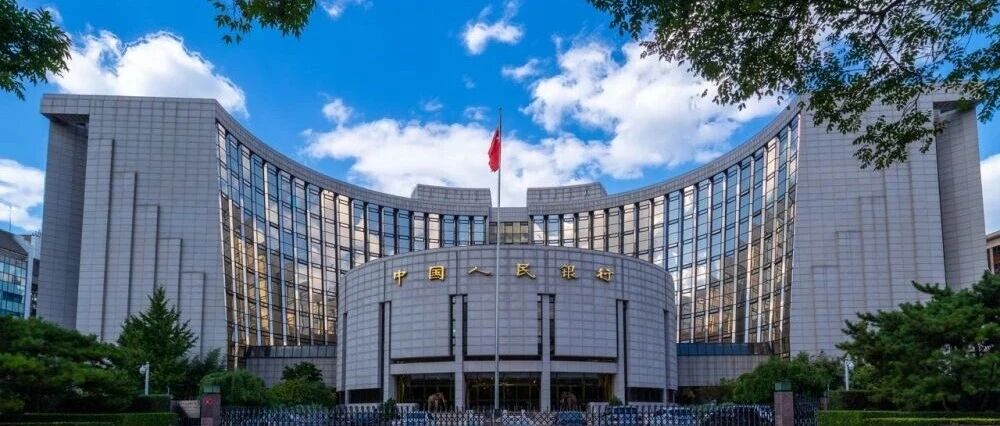
央行:前十一个月人民币存款增加24.73万亿元,贷款增加15.36万亿元
Sou Hu Cai Jing· 2025-12-12 10:08
Core Insights - The People's Bank of China reported that the total increase in RMB deposits for the first eleven months of 2025 was 24.73 trillion yuan [1] Group 1: Social Financing and Loans - As of the end of November 2025, the total social financing stock was 440.07 trillion yuan, reflecting a year-on-year growth of 8.5% [5] - The balance of RMB loans to the real economy was 267.42 trillion yuan, with a year-on-year increase of 6.3% [5] - The total increment of social financing for the first eleven months was 33.39 trillion yuan, which is 3.99 trillion yuan more than the same period last year [7] - The balance of foreign currency loans to the real economy, converted to RMB, was 1.13 trillion yuan, showing a year-on-year decline of 16.5% [5] Group 2: Monetary Supply - The broad money supply (M2) reached 336.99 trillion yuan at the end of November, marking an 8% year-on-year increase [8] - The narrow money supply (M1) was 112.89 trillion yuan, with a year-on-year growth of 4.9% [8] - The cash in circulation (M0) amounted to 13.74 trillion yuan, reflecting a year-on-year increase of 10.6% [8] Group 3: Deposits - The total balance of RMB deposits was 326.96 trillion yuan at the end of November, representing a year-on-year increase of 7.7% [9] - Household deposits increased by 12.06 trillion yuan, while non-financial enterprise deposits rose by 1.09 trillion yuan [9] - The balance of foreign currency deposits was 1.06 trillion USD, showing a year-on-year growth of 28.3% [9] Group 4: Interest Rates and Transactions - The weighted average interest rate for interbank RMB market lending in November was 1.42%, which is 0.03 percentage points higher than the previous month [11][12] - The total transaction volume in the interbank RMB market was 187.7 trillion yuan, with an average daily transaction of 9.38 trillion yuan [11] Group 5: Cross-Border Transactions - In November, the amount of cross-border RMB settlements under the current account was 1.49 trillion yuan [13] - The direct investment cross-border RMB settlement amount was 0.71 trillion yuan, with 0.26 trillion yuan for outward direct investment and 0.45 trillion yuan for foreign direct investment [13]
半两财经|央行:前11个月我国社融规模增量超去年全年
Sou Hu Cai Jing· 2025-12-12 10:08
Group 1 - The total social financing scale in China for the first eleven months reached 33.39 trillion yuan, exceeding the total for the previous year [1] - By the end of November 2025, the social financing scale stock was 440.07 trillion yuan, showing a year-on-year growth of 8.5% [1] - The balance of RMB loans to the real economy was 267.42 trillion yuan, with a year-on-year increase of 6.3% [1] Group 2 - The broad money supply (M2) at the end of November was 336.99 trillion yuan, reflecting an 8% year-on-year growth [1] - The narrow money supply (M1) was 112.89 trillion yuan, with a year-on-year increase of 4.9% [1] - The cash in circulation (M0) reached 13.74 trillion yuan, showing a year-on-year growth of 10.6% [1] Group 3 - The total deposits in both domestic and foreign currencies at the end of November amounted to 334.46 trillion yuan, with a year-on-year increase of 8% [2] - The balance of RMB deposits was 326.96 trillion yuan, reflecting a year-on-year growth of 7.7% [2] - Foreign currency deposits reached 1.06 trillion USD, with a year-on-year increase of 28.3% [2] Group 4 - The total loans in both domestic and foreign currencies at the end of November were 274.84 trillion yuan, with a year-on-year growth of 6.3% [2] - The balance of RMB loans was 271 trillion yuan, showing a year-on-year increase of 6.4% [2] - Household loans increased by 533.3 billion yuan, with short-term loans decreasing by 732.8 billion yuan and medium to long-term loans increasing by 1.27 trillion yuan [2]