票根经济

Search documents
财经聚焦丨“流量”更好变“留量” 小票根何以撬动大消费
Xin Hua Wang· 2025-11-26 09:54
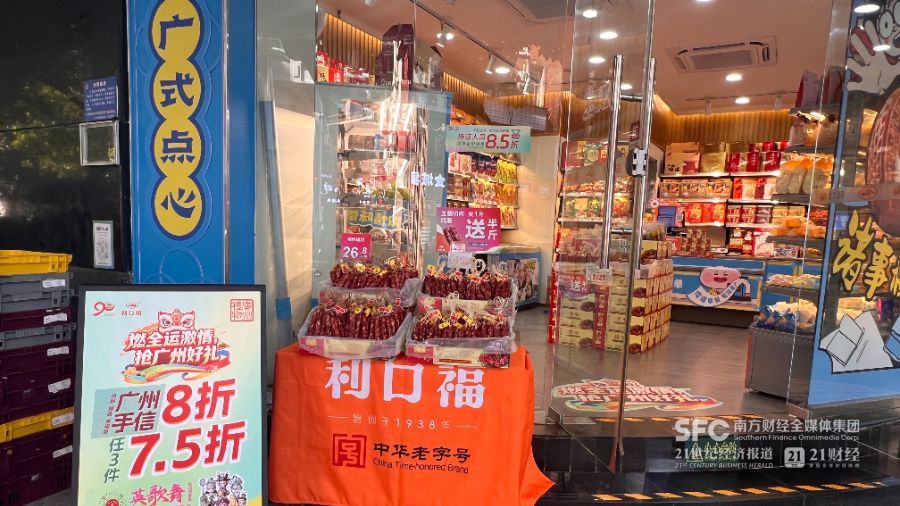
Core Insights - The concept of "ticket root economy" is emerging, where event tickets serve as a catalyst for extended consumer experiences and spending in host cities [1][6][11] Group 1: Ticket Root Economy - The ticket root serves as a "golden key" to activate consumer spending, encouraging attendees to explore local attractions and dining options after events [1][6] - During the National Games in Guangdong, over 100 scenic spots offered discounts or free entry to ticket holders, enhancing the overall consumer experience [2][4] - The ticket root economy is significantly boosting local consumption, with dining expenditures in Guangzhou and Shenzhen increasing by over 140% during the first week of the National Games [4][11] Group 2: Consumer Behavior and Experience - Consumers are increasingly extending their spending beyond the event itself, as seen with fans attending the "Chuan Super" football league matches who also enjoy local cuisine and attractions [4][9] - The "ticket root" creates a dual binding effect of time and location, effectively attracting high-intent consumers and driving additional demand through associated discounts [9][11] - Events like concerts and sports matches are being leveraged to create a comprehensive consumer experience, with local businesses offering various discounts and extended hours to accommodate attendees [6][12] Group 3: Economic Impact - The ticket root economy is seen as a way to amplify overall economic benefits by linking events with tourism, retail, and hospitality sectors [11][12] - The integration of ticketing with local transportation and attractions is being explored in various regions, enhancing the consumer journey and increasing foot traffic to businesses [14] - Experts suggest that improving the quality of events and offerings is crucial for sustaining the growth of the ticket root economy, emphasizing the need for innovative and culturally rich content [12][14]


票根经济还可以怎么玩
Sou Hu Cai Jing· 2025-11-25 21:12
Core Insights - The "ticket root economy" is gaining popularity, with innovative interactive methods like "ticket discounts," "shopping district benefits," and "stamp exchange for gifts" being implemented to enhance consumer engagement and drive spending [1][2] - The integration of ticketing with other sectors such as retail and dining is creating a new consumption model that extends the consumer experience beyond the theater, leading to increased sales for participating businesses [1][2] Group 1 - The "ticket root+" initiative allows a theater ticket to provide discounts at bookstores and opportunities to exchange for popular cultural products, attracting many consumers [1] - During the invitation exhibition, many performances were sold out, and participating merchants saw a nearly 30% increase in sales compared to the previous period [1] Group 2 - The development of the ticket root economy is seen as a way to expand the enthusiasm for theater into other areas, creating a cultural consumption festival [2] - Beijing's rapid development as a cultural center and the increase in theater performances are meeting the spiritual needs of citizens and tourists, while also providing a fertile ground for "performing arts+" to stimulate consumption [2] - The "ticket root+" strategy is a means to activate consumption and serves as a subtle marketing tool, but the challenge remains to avoid homogenization and to create unique and deep experiences [2]
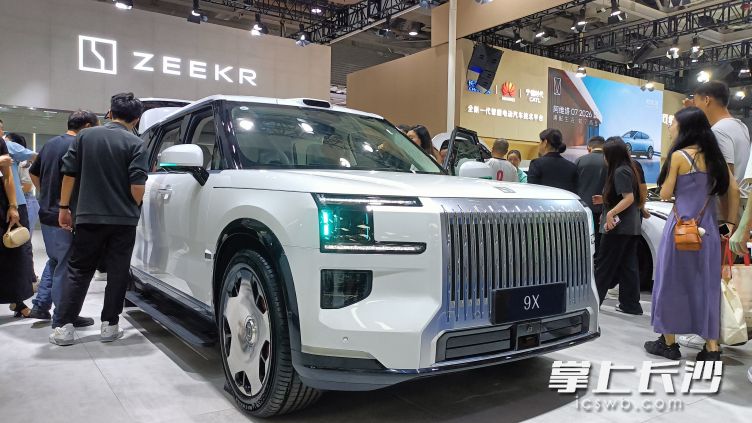
汽车大奖+首店经济+票根密码,系列举措持续带火消费,长沙今年社零增长明显
Chang Sha Wan Bao· 2025-11-25 12:25
Core Insights - Changsha's consumer market is experiencing significant growth due to targeted promotional measures, with a retail sales total of 4,775.98 billion yuan from January to October, reflecting a year-on-year increase of 5.1% [1][3] Group 1: Automotive Sector - The automotive consumption market in Changsha saw a surge in activity, with 3,870 consumers winning cash prizes in a promotional lottery for purchasing new vehicles [1] - Major car manufacturers launched new models, contributing to a vibrant market environment, with significant sales reported during the October auto consumption promotion [3] - The Mango International Auto Show generated over 20 billion yuan in transaction value and more than 10,000 vehicle orders within just five days [3] Group 2: Retail and Commercial Developments - The "first store economy" is a notable highlight, with over 130 new stores opening, enhancing consumer experiences and driving sales [4][9] - New commercial projects, including flagship stores and duty-free shops, are reshaping the retail landscape in Changsha, providing diverse shopping options [5][7] - The city has implemented a million-yuan "first store consumption coupon" initiative to stimulate spending in new retail locations [9] Group 3: Event-Driven Consumption - The "ticket root economy" is emerging as a new consumption driver, linking sports events and concerts to retail opportunities, enhancing consumer engagement [10][11] - The "Xiangchao" league and popular concerts have created a vibrant atmosphere, with ticket stubs offering discounts across various services, boosting local commerce [11] - Changsha's promotional activities have effectively integrated policy support, innovative scenarios, and digital enhancements to foster sustainable consumption growth [11]
锐评 |“票根经济”还可以怎么玩
Sou Hu Cai Jing· 2025-11-24 12:39
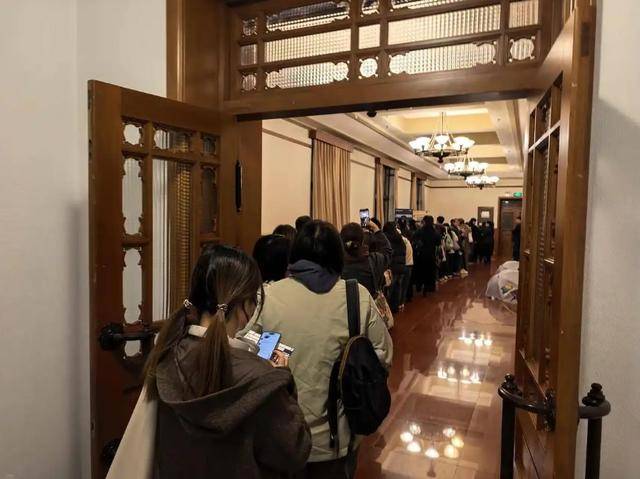
Core Insights - The "ticket root economy" is gaining popularity, with innovative interactive methods like "ticket discounts," "shopping area benefits," and "stamp exchange for gifts" being implemented to enhance consumer engagement and drive spending [2][3] Group 1: Ticket Root Economy - The "ticket root economy" has emerged as a new consumption model, extending the consumption chain and creating a synergistic effect, leading to a new path for the integration of commerce, tourism, culture, and sports [2] - During the invitation exhibition, many performances were sold out, and participating merchants saw a nearly 30% increase in transaction volume [2] Group 2: Cultural Consumption Trends - The development of the "ticket root economy" is helping to expand interest in theater to other sectors, creating a cultural consumption carnival in Beijing, which is recognized as the national cultural center [3][4] - As Beijing's cultural demand is fully released, high-quality cultural offerings are becoming a new growth driver for the city, with trends like "national tide," "cultural relic fever," and "intangible cultural heritage heat" emerging as new highlights [4] Group 3: Challenges and Opportunities - The challenge of avoiding homogenization in the "ticket root economy" is crucial for the sustainability of this diverse new business model, as many businesses may adopt similar discount strategies [4] - Engaging consumers through interactive experiences fosters emotional connections with theaters, enhancing the overall cultural experience in the city [4]
这还是我认识的沈阳么?
Sou Hu Cai Jing· 2025-11-23 05:37
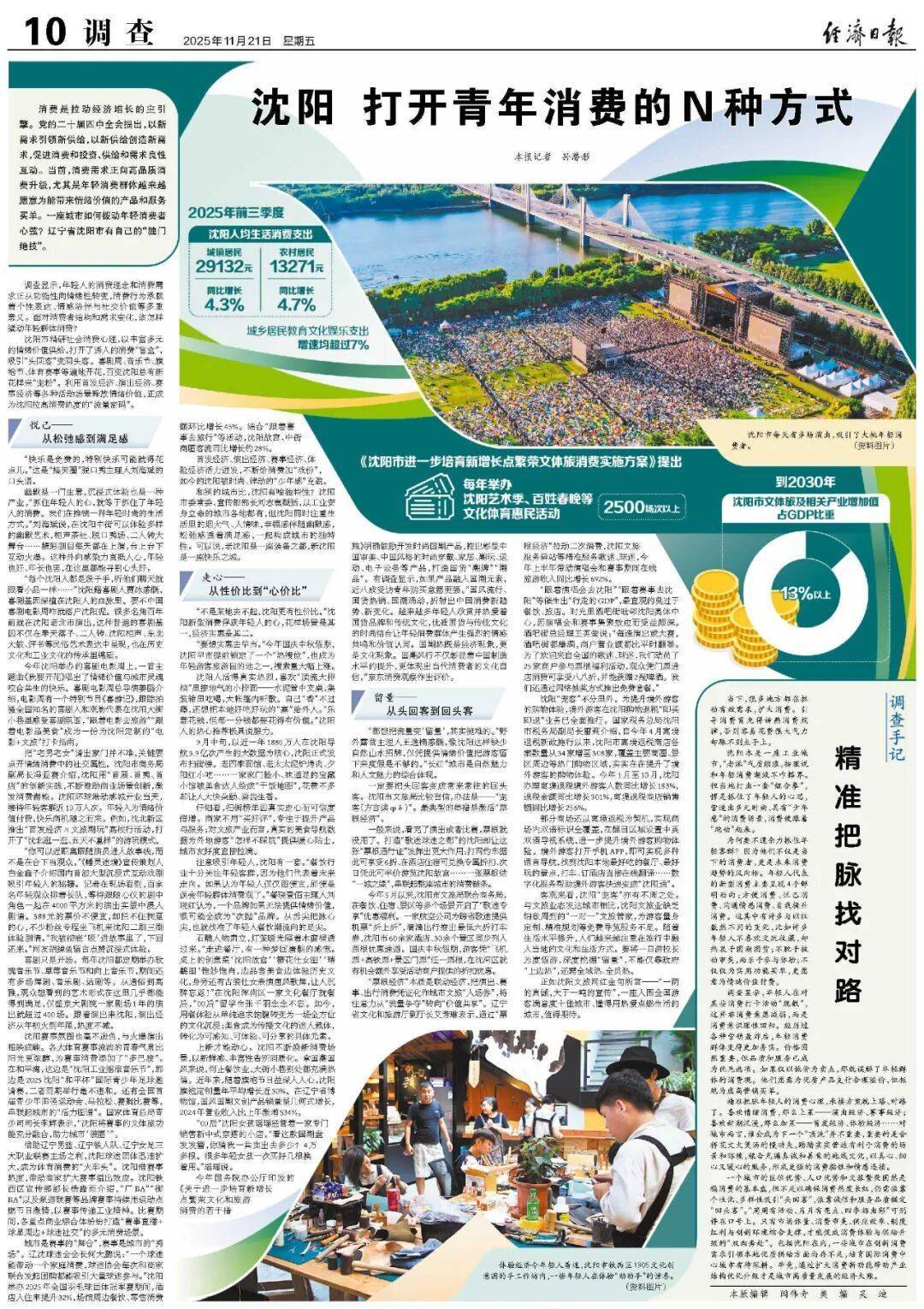
Core Insights - Shenyang has transformed from an industrial city to a vibrant destination for young consumers, leveraging emotional value in its offerings [1][17][22] - The city employs various cultural and entertainment events, such as comedy weeks and music festivals, to engage the youth market [2][19][20] - Shenyang's unique blend of traditional culture and modern experiences appeals to young consumers, making it a "happy city" [22][23][32] Economic Impact - Consumption is a key driver of economic growth, with a shift towards high-quality, emotionally resonant products and services among young consumers [17][32] - Shenyang's initiatives, such as the "ticket root economy," enhance consumer engagement and stimulate repeat visits [28][29] - The city has seen significant increases in consumer spending, with a reported 32% rise in hotel occupancy during major events [21][24] Cultural Engagement - Events like the Comedy Film Week and various music festivals create a rich cultural landscape that attracts young audiences [18][20] - The integration of local cuisine and cultural experiences enhances the overall consumer experience, making dining a cultural immersion [25][26] - Shenyang's focus on emotional and experiential consumption resonates with the younger demographic, who prioritize meaningful experiences over mere transactions [32][33] Consumer Behavior - Young consumers in Shenyang are increasingly seeking experiences that offer emotional value, leading to a shift from functional to emotional consumption [17][32] - The city's diverse offerings cater to various preferences, from humor and entertainment to immersive cultural experiences [19][22] - Shenyang's approach to consumer engagement emphasizes the importance of community and social interaction, fostering loyalty among visitors [28][29]
破解票根经济的双重挑战(微观)
Ren Min Ri Bao· 2025-11-19 22:20
Core Insights - The ticket economy is emerging as a new strategy to boost consumption in various regions, transforming tickets into "passports" for exploring cities and enhancing cultural tourism [1] Group 1: Ticket Economy Implementation - Shanghai has initiated a ticket-linked consumption pilot program, allowing consumers to receive a "ticket code" for exclusive discounts in dining, entertainment, and retail by presenting their event tickets [1] - The "ticket code" offers dynamic adaptability, with real-time updates on discount lists and merchant offers, facilitating consumer choice [1] - Events like sports matches can drive significant tourism, as evidenced by the 249.62 million visitors to A-level tourist attractions in three cities during recent holiday matches, marking an 11.45% year-on-year increase [1] Group 2: Consumer Experience and Collaboration - The initial ticket purchasing experience significantly influences consumers' willingness for subsequent purchases, highlighting the importance of collaboration within the cultural tourism industry [2] - To enhance the ticket's value, it is essential to connect isolated products and services, providing consumers with richer and higher-quality options [2] - Improving the ticket economy's potential requires focusing on consumer experience, integrating various sectors, and fostering a strong connection between initial and related purchases [2] Group 3: Challenges and Innovations - The ticket economy faces dual challenges: maintaining the attractiveness of ticket projects and ensuring that associated projects share a common core [3] - Innovative formats and continuous engagement are necessary to prevent consumer fatigue and sustain interest in ticket projects [3] - Designing associated projects should be consumer-driven, utilizing big data and AI to analyze preferences and enhance the relevance of integrated offerings [3]
激发文体旅消费新增量
Jing Ji Ri Bao· 2025-11-19 02:53
Core Insights - The cultural, entertainment, and tourism sectors in China are experiencing significant growth, with domestic travel spending reaching 4.85 trillion yuan, a year-on-year increase of 11.5% [1] - The per capita spending on education, culture, and entertainment has risen to 2,531 yuan, reflecting a 10.3% year-on-year growth [1] - The recent policy measures aim to enhance service consumption in culture, tourism, and sports, indicating a shift towards service-oriented consumption as a key driver of economic growth [1] Group 1: Service Consumption Growth - The "ticket economy" is thriving, linking various consumption experiences and enhancing overall spending in cities [2] - Events like film festivals and exhibitions are being leveraged to stimulate local economies, with some events generating a consumption ratio of 1:30 [2] - The integration of culture, commerce, and tourism is recognized as a strategy to boost consumption and meet diverse consumer needs [2] Group 2: Policy Measures and Educational Adjustments - The government is exploring adjustments to school vacation schedules to increase service consumption time, particularly through the introduction of spring and autumn breaks [4] - Pilot programs in regions like Zhejiang and Guangdong are already underway to implement these changes, aiming to enhance family-oriented service consumption [4] - The need for flexible paid leave for parents is emphasized to support these initiatives [4] Group 3: Enhancing Visitor Experience - Museums and cultural institutions are encouraged to improve service quality and visitor experiences, especially during peak seasons [5] - Strategies include optimizing reservation systems and extending opening hours to accommodate increased visitor demand [5] Group 4: Attracting Inbound Consumption - The number of foreign visitors has surged, with 7.25 million foreign tourists entering China in the third quarter, a 48.3% increase year-on-year [7] - The growth of tax refund stores and the rise in outbound tax refund claims indicate a booming inbound shopping market [7] - There is a recognized gap in inbound consumption compared to international standards, suggesting significant growth potential in this area [7] Group 5: Future Trends in Inbound Tourism - New trends in inbound tourism include deep travel, experiential tourism, and cultural experiences, indicating a shift in foreign tourist preferences [8] - The focus will be on enhancing international consumption centers and creating diverse consumer experiences to attract more foreign visitors [8] - Initiatives to promote local culture and heritage through events are expected to improve the overall experience for international tourists [8]
粤港澳融合发展“金”彩纷呈
Jin Rong Shi Bao· 2025-11-18 05:10
Group 1: Event Overview - The 15th National Games, a large-scale comprehensive event, is jointly hosted by Guangdong, Hong Kong, and Macau for the first time, showcasing regional collaboration and cultural integration [1][2] - The event enhances the synergy of the Greater Bay Area, transitioning from "hard connectivity" to "soft connectivity" and "heart connectivity" [1] Group 2: Financial Services and Innovations - Financial institutions from the three regions have collaborated to provide seamless financial services for participants and spectators, including optimized cross-border payment solutions [2] - The Bank of China Macau branch led the issuance of 2.5 billion RMB offshore local government bonds to support the event, with 1.5 billion RMB specifically allocated for the Games and related infrastructure [3] Group 3: Economic Impact and Consumer Behavior - The "ticket root economy" has emerged, allowing event tickets to be used for various tourism and cultural experiences, driving consumer spending [4][5] - Banks are leveraging the event to extend financial services across various sectors, including dining, travel, and retail, with promotional activities to stimulate consumption [6] Group 4: Merchandise and Consumer Trends - The event's mascots have gained significant popularity, leading to a surge in sales of related merchandise, with total sales reaching 680 million RMB by November 15 [7][8] - The event has significantly boosted tourism and retail activity in the Greater Bay Area, with increased searches for transportation, accommodation, and attractions [8]

洪泽:文商旅体联动,激发消费新动能
Xin Hua Ri Bao· 2025-11-17 22:55
Core Insights - The "Hui Ju Hong Ze · An Xin Le Gou" regional consumption brand in Hongze District is driving a vibrant consumer market by integrating cultural, commercial, tourism, and sports resources [1] Group 1: Consumption Growth Strategies - The implementation of large consumption coupons, such as "1500 minus 200" and "3000 minus 300," has led to significant consumer engagement, resulting in over 300 transactions and more than 1 million yuan in sales [2] - A total of 20 million yuan was invested in consumption vouchers, resulting in over 500 million yuan in consumer spending, achieving a leverage ratio exceeding 25 times [2] - The accommodation sector saw a remarkable return on investment, with hotel occupancy rates reaching 90% during the National Day holiday [2] Group 2: Event-Driven Consumer Engagement - The "Cultural Arts Week" and "Hong BA" basketball league events attracted significant public participation, enhancing the local consumer experience through cash vouchers and promotional activities [3] - The integration of cultural and sports events with commercial promotions has created a mutually beneficial environment, driving both event attendance and retail sales [3] Group 3: Innovative Consumption Mechanisms - The introduction of a "Cultural Tourism to Commercial Conversion" mechanism allows consumers to exchange receipts for discounts at local businesses, effectively creating a closed-loop consumption cycle [4] - This initiative has generated over 800,000 yuan in related consumption during the National Day holiday, extending the consumer reach and increasing purchase frequency [4] - The district plans to continue innovating consumption models and organizing seasonal shopping festivals to sustain economic growth [4]
广东开启十五运会“特别菜单”:赛事流量如何变现餐饮“留量”?
2 1 Shi Ji Jing Ji Bao Dao· 2025-11-17 11:19
Core Viewpoint - The hosting of the 15th National Games in Guangdong has led to a significant increase in restaurant promotions and consumer engagement, aiming to convert the event's large foot traffic into dining revenue [1][5][9]. Group 1: Restaurant Promotions and Consumer Engagement - Guangdong restaurants have launched special menus and discounts during the National Games, including unique dishes that reflect the event's themes [1][3][5]. - Notable restaurants like Dian Dou De and Tao Tao Ju have introduced themed dishes such as "Luo Mi Xiang Yu Ni Jiao" and "Champion Prawn Dumplings," which creatively incorporate elements of the games [3][5]. - The event has resulted in a noticeable increase in customer traffic, with some restaurants reporting a 10% rise in daily customer flow and a 20% increase in foot traffic at specific locations [6][7]. Group 2: Economic Context and Industry Challenges - Guangdong's restaurant industry, while leading the nation with a projected revenue of 590.49 billion yuan in 2024, has faced growth challenges since 2025, with a 2.1% increase in the first three quarters, lagging behind the retail sector [7][9]. - Industry experts attribute the slowdown to mismatches in supply and demand, increased competition, and the need for product innovation to meet changing consumer preferences [7][9]. Group 3: Long-term Industry Strategies - The National Games provide a short-term boost, but long-term recovery in the restaurant sector will require a focus on building impactful brands and enhancing consumer experiences [9][10]. - Strategies include diversifying offerings, creating immersive dining experiences, and leveraging cultural elements to attract a broader customer base [9][11]. - The Guangdong provincial government has also initiated the "Guangdong Food Map" to promote local cuisine and stimulate winter dining consumption [11].