
绿色低碳

Search documents
中欧班列(济青)国家集结中心青岛枢纽揭牌
Da Zhong Ri Bao· 2025-07-19 00:16
Group 1: Event Overview - The China-Shanghai Cooperation Organization (SCO) Local Economic and Trade Cooperation Conference was held in Qingdao, featuring a series of activities focused on industrial and supply chain cooperation [2] - The theme of the logistics and transportation international cooperation dialogue was "SCO Hub Linking the World," aimed at enhancing regional industrial chain collaboration and reducing trade costs [2] Group 2: Key Projects and Initiatives - Several key projects were unveiled, including the China-Europe Railway Express (Jiqing) National Gathering Center in Qingdao, the SCO International Hub Port New City Operation Center, and the Customs Consultation Liaison Point for the China-Europe Railway Express (SCO Fast Line) [2] - Companies such as Shandong High-speed Qilu Investment Development Co., Ltd., Zhonglin Qinggang Supply Chain Co., Ltd., and Xiamen Guomao Pulp and Paper Co., Ltd. signed agreements to enter the China-Europe Railway Express (Jiqing) National Gathering Center [2] Group 3: Focus on Renewable Energy - The international cooperation dialogue on the renewable energy industry emphasized the construction of a "Green Silk Road" and aimed to foster collaboration among SCO countries in technology breakthroughs and industrial synergy [3] - Shandong province is recognized for its significant advancements in renewable energy, having surpassed 100 million kilowatts in installed capacity and exceeding coal power installations [3] Group 4: Digital Economy Collaboration - The digital economy international cooperation dialogue featured discussions on new opportunities for digital collaboration, with participation from major companies like Huawei, Tencent, Alibaba, and Baidu [3] - The SCO demonstration zone's "Cross-Border Data Service Area" was officially launched during the event [3] Group 5: Equipment Manufacturing Cooperation - The equipment manufacturing technology international cooperation dialogue included representatives from countries like Kyrgyzstan, Pakistan, UAE, and Russia, focusing on their respective advantages in the equipment manufacturing sector [4] - Participants engaged in discussions regarding product promotion and technology cooperation [4]
机电产品出口占全国1/4!广东智造这样卖全球
Nan Fang Du Shi Bao· 2025-07-18 16:04
Group 1 - Guangdong's total import and export value reached 4.55 trillion RMB in the first half of the year, marking a 4% year-on-year increase, with exports at 2.89 trillion RMB (up 1.1%) and imports at 1.66 trillion RMB (up 9.5%) [1][2] - Guangdong's foreign trade accounted for 20.9% of the national total, contributing 28% to the growth of China's foreign trade [1] - The province has maintained positive growth for eight consecutive quarters since Q3 2023, demonstrating strong resilience [1] Group 2 - High-tech products are driving Guangdong's export growth, with machinery and electronics exports reaching 1.96 trillion RMB (up 7.2%), comprising 67.8% of total exports [2] - Exports of high-tech products increased by 13.3% to 505.43 billion RMB, with significant growth in machine tools (up 18.7%) and drones (up 29.2%) [2] - The import of machinery and electronics surged by 19.3% to 1.16 trillion RMB, with key components like central processing units and integrated circuits seeing substantial increases [2] Group 3 - Guangdong's manufacturing sector is robust, producing 25% of the nation's new energy vehicles and 44% of industrial robots, with a strong presence in nine trillion-yuan industrial clusters [3] - The production of high-tech products such as electric vehicles and drones has seen significant growth, with drone production increasing by 58.2% [3] - Major companies like TCL and BYD are expanding internationally by establishing overseas factories, contributing to a new model of "chain export" [4] Group 4 - Guangdong's manufacturing is gaining global recognition, with products like drones and electric vehicles becoming key export items [4] - The province is not only exporting products but also technology standards and industry norms, enhancing its global influence [4] - Innovation is strengthening the foundation of Guangdong's foreign trade, making it more robust and dynamic [4]
逆势显韧性,中国外贸何以稳中有进——中国经济年中观察之三
Xin Hua She· 2025-07-18 15:56
Core Insights - China's foreign trade has shown resilience in the face of a challenging external environment, achieving a record high of 20 trillion yuan in import and export scale, with a year-on-year growth rate of 2.9% in the first half of the year [1] Group 1: Trade Performance - The export of electromechanical products increased by 9.5%, accounting for 60% of total exports, indicating a rise in the quality of Chinese manufacturing [2] - High-end equipment related to new productive forces saw growth exceeding 20%, while "new three samples" products, representing green and low-carbon initiatives, grew by 12.7% [2][3] Group 2: Policy Support - The implementation of a full-process customs clearance model by Xiamen Customs has significantly reduced aircraft maintenance turnaround times by 1 to 2 days and customs clearance times by over 25% [4] - Major e-commerce platforms have established "direct sales channels" to assist export-restricted companies, enhancing the conditions for foreign trade [5] Group 3: Innovation and Technology - Companies are increasingly adopting automation and technological innovations, such as the establishment of a 5G unmanned factory by a robotics company to keep up with order growth [2] - The integration of technology and industry innovation is seen as a driving force for foreign trade growth, with electric vehicles, ships, and industrial robots enhancing export competitiveness [3] Group 4: Market Diversification - Companies are adopting diversified market strategies and regional economic cooperation to build a more resilient global supply chain network [7] - The introduction of platforms like "Yipay" has improved payment processes for exporters, reducing uncertainty in fund turnover [7] Group 5: Future Outlook - The Chinese government is promoting reforms and practical measures to enhance trade liberalization and facilitate foreign trade diversification [8] - The Ministry of Commerce emphasizes the strong resilience of Chinese foreign trade enterprises, which are actively adapting to changes and seeking international cooperation [8]
内蒙古3地着力建设国家碳达峰试点新“样板”
Nei Meng Gu Ri Bao· 2025-07-18 14:22
Core Insights - Inner Mongolia has launched three pilot cases for national carbon peak initiatives, focusing on Ordos, Baotou, and Chifeng High-tech Industrial Development Zone [1][2][3] Group 1: Ordos City - Ordos City has achieved a cumulative energy intensity reduction of over 23% since 2024, supporting an average economic growth of 6.97% with an annual energy consumption reduction of 6.56% [1] - The city has established the first zero-carbon industrial park in China and implemented the first set of zero-carbon industrial park standards, setting a benchmark for green transformation in industrial parks nationwide [1] - Ordos has developed a systematic "dual carbon" policy framework covering nine major areas and eight industries, with a clear timeline and roadmap [1] Group 2: Baotou City - Baotou City has exceeded its "14th Five-Year Plan" target with a cumulative energy intensity reduction of over 35%, achieving an average energy consumption reduction of over 8% and supporting an average economic growth of 8.6% [2] - The city has attracted several low-carbon pilot projects, including the first pure green hydrogen industrialization project in the country and a full-chain carbon capture utilization and storage (CCUS) demonstration project in the steel industry [2] - Ongoing green low-carbon projects include the Guoneng coal-to-olefins CCUS project and a 15 MW distributed wind power and hydrogen project by Baogang Group [2] Group 3: Chifeng High-tech Industrial Development Zone - Chifeng has included the national carbon peak pilot construction in its government work report for 2024 and 2025, emphasizing the importance of deepening reforms [3] - The development zone is exploring an "green production through green" industrial development model, attracting green hydrogen, ammonia, and battery industries through traceable green electricity [3] - The first phase of a 152,000 tons/year zero-carbon hydrogen ammonia project has been successfully launched, achieving 100% green electricity hydrogen production [3]
广东经济半年报:人均可支配收入超2.8万元,机器人、无人机产量爆了
21世纪经济报道· 2025-07-18 14:12
Economic Overview - Guangdong's GDP for the first half of 2025 reached 68,725.40 billion yuan, with a year-on-year growth of 4.2% [1] - The primary industry added value was 2,258.86 billion yuan, growing by 4.2%; the secondary industry added value was 25,978.86 billion yuan, growing by 3.4%; and the tertiary industry added value was 40,487.69 billion yuan, growing by 4.6% [1] Industrial Performance - The industrial added value for large-scale industries in Guangdong increased by 4.0% year-on-year, with June's growth at 5.3% [2] - Manufacturing saw a growth of 4.5%, while the mining industry decreased by 0.3% [2] - High-tech manufacturing and advanced manufacturing increased by 6.0% and 5.9%, respectively [7] Service Sector - The service sector's added value grew by 4.6%, with transportation and financial services growing by 6.6% and 7.0%, respectively [2][11] - The retail sales of consumer goods increased by 3.5%, with goods retail growing by 3.6% and catering revenue growing by 2.7% [2] Resident Income - The per capita disposable income in Guangdong was 28,343 yuan, with a nominal growth of 4.5% and a real growth of 4.9% after adjusting for price factors [2][24] - Urban residents had a per capita disposable income of 33,918 yuan, while rural residents had 14,624 yuan, with growth rates of 4.0% and 5.7%, respectively [2][25] Foreign Trade - Guangdong's foreign trade maintained positive growth for eight consecutive quarters, contributing 28% to national foreign trade growth [32] - Exports of high-tech products increased by 13.3%, with total exports reaching 5,054.3 billion yuan [30][33] - Imports grew by 9.5% to 16,600 billion yuan, significantly outpacing other major foreign trade provinces [33] Trade Structure Optimization - General trade accounted for 59.2% of total foreign trade, while bonded logistics and processing trade accounted for 20.1% and 19.7%, respectively [34] - The proportion of bonded trade surpassed that of processing trade, indicating a shift towards longer industrial chains and higher domestic value [34] Market Diversification - Guangdong's trade with ASEAN increased by 5.9%, while trade with the EU and Japan also saw significant growth [35] - The province is actively expanding into emerging markets to mitigate external risks [34][35] Innovation and Technology - Companies in Guangdong are increasingly focusing on high-tech products, with significant growth in exports of drones and AI-related technologies [38][39] - The province's manufacturing capabilities are supported by a robust industrial base, with a significant share of global production in various sectors [40]

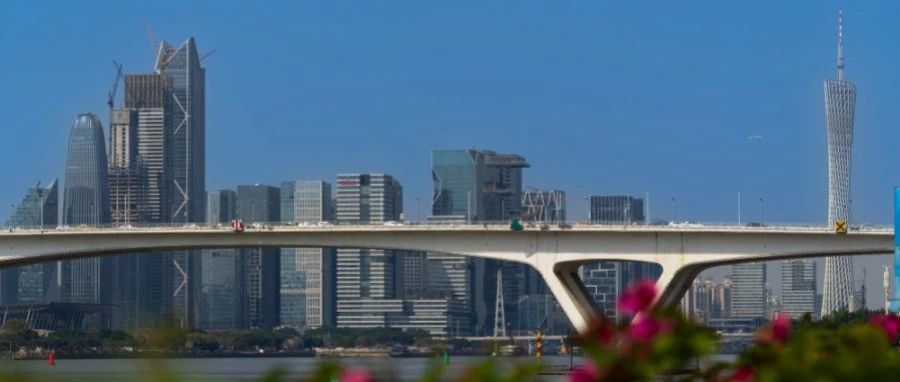
安徽领跑,苏浙紧跟“上分”!上半年外贸“成绩单”出炉
Guo Ji Jin Rong Bao· 2025-07-18 13:40
Group 1: Anhui Province - Anhui's total import and export value reached 458.54 billion yuan, a year-on-year increase of 15.2%, ranking sixth nationally and first in the Yangtze River Delta [3] - Exports of mechanical and electrical products amounted to 222.91 billion yuan, growing by 18.5%, accounting for 71.9% of the province's total exports [3] - Exports of "new three samples" (new energy vehicles, lithium batteries, photovoltaic products) reached 37.13 billion yuan, increasing by 67.8%, highlighting Anhui's leading position in the green low-carbon sector [3] - Anhui's exports of self-owned brand products were 155.98 billion yuan, up 9.1%, making up 50.3% of total exports, indicating a focus on brand building [4] - Trade with Belt and Road countries reached 248.49 billion yuan, a growth of 14.9%, accounting for 54.2% of total trade, showing success in expanding emerging markets [5] - The comprehensive bonded zone in Anhui saw imports and exports of 79.45 billion yuan, a year-on-year increase of 31.6%, contributing significantly to the province's foreign trade growth [5] Group 2: Zhejiang Province - Zhejiang's total import and export value reached 2.73 trillion yuan, a year-on-year increase of 6.6%, with exports surpassing 2 trillion yuan for the first time [6] - The province contributed 19.8% to national export growth, ranking first in the country, due to deep engagement in emerging markets and global supply chain layout [6] - Exports to the EU, ASEAN, Latin America, the Middle East, and Africa grew significantly, effectively compensating for reduced exports to the US [7] - Companies in Zhejiang are diversifying risks through "supply chain going abroad," enhancing flexibility and responsiveness [8] Group 3: Jiangsu Province - Jiangsu's total import and export value reached 2.81 trillion yuan, a year-on-year increase of 5.2%, accounting for 12.9% of the national total [9] - The province's trade structure optimization reflects a shift towards high-quality development, with general trade and processing trade both contributing significantly [10] - High-end market innovations, such as adjustable garden umbrellas, are meeting the demands of markets like the US, supporting sustained growth [11] - Foreign-invested enterprises in Jiangsu had an import and export value of 1.32 trillion yuan, growing by 5.8%, highlighting the province's attractiveness to foreign investment [12]
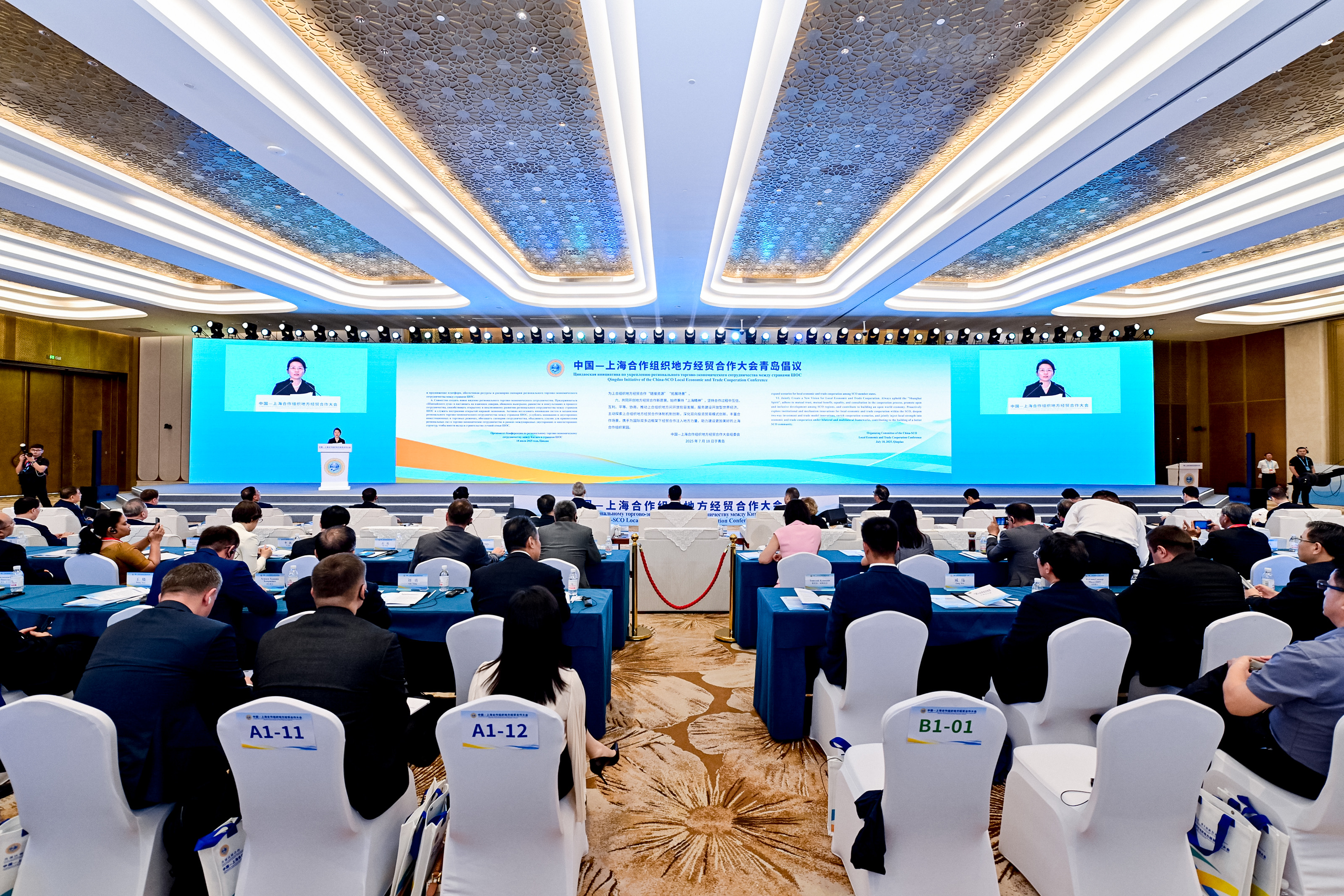
中国—上海合作组织地方经贸合作大会青岛倡议发布
Qi Lu Wan Bao· 2025-07-18 10:08
Core Viewpoint - The China-Shanghai Cooperation Organization (SCO) Local Economic and Trade Cooperation Conference in Qingdao released the "Qingdao Initiative," which outlines a clear path for regional economic cooperation under the SCO framework, emphasizing the importance of local collaboration for high-quality economic development [1] Group 1: Key Cooperation Directions - The "Qingdao Initiative" is based on the "Shanghai Spirit" and proposes six core cooperation directions to establish a closer, more efficient, and mutually beneficial local economic and trade cooperation framework [4] - The first direction focuses on building international logistics corridors, enhancing connectivity among SCO member states, and establishing Qingdao as a hub for the Asia-Pacific market [4] - The second direction aims to create sustainable international partnerships in supply chains, ensuring stability and promoting practical cooperation among SCO regions [4] Group 2: Trade and Investment Enhancement - The third direction emphasizes upgrading trade and investment quality by exploring trade potential among SCO regions and optimizing trade structures through e-commerce and digital trade [5] - The fourth direction promotes interactive cooperation among key industrial parks in SCO countries, facilitating resource sharing and enhancing industrial upgrades [5] Group 3: Open Cooperation Platforms - The fifth direction focuses on building shared open cooperation platforms, enhancing the capabilities of various SCO economic cooperation centers and promoting resource linkage [5] - The sixth direction advocates for a new vision of local economic and trade cooperation, emphasizing mutual trust, equality, and innovation in cooperation mechanisms [6]
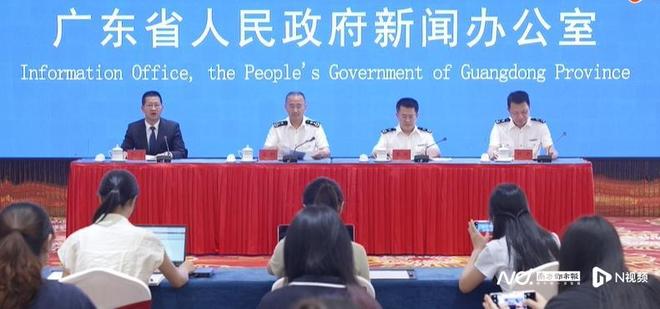
连续8季正增长!广东外贸半年破4.55万亿,占全国超两成
Nan Fang Du Shi Bao· 2025-07-18 09:45
Core Insights - Guangdong's foreign trade achieved a total value of 4.55 trillion yuan in the first half of the year, with a year-on-year growth of 4%, surpassing the national growth rate by 1.1 percentage points, marking eight consecutive quarters of positive growth [4][5]. Trade Performance - The export value reached 2.89 trillion yuan, growing by 1.1%, while imports totaled 1.66 trillion yuan, increasing by 9.5%. All trade metrics set historical highs for the same period [4]. - Guangdong's foreign trade accounted for 20.9% of the national total, an increase of 0.2 percentage points from the previous year, contributing 28% to the national foreign trade growth [4]. Role of Private Enterprises - Private enterprises played a significant role, comprising 64.2% of Guangdong's total foreign trade value, with a total import-export value of 2.92 trillion yuan, reflecting a growth of 4.3% [5]. - The number of foreign trade enterprises in Guangdong reached 130,000, a 7.6% increase, with private enterprises numbering 110,000, up by 8.6% [5]. Trade Partners and Regions - Guangdong's main trading partner, ASEAN, saw an import-export value of 757.13 billion yuan, growing by 5.9%, representing 16.6% of the province's total foreign trade [5]. - Trade with other major partners such as Hong Kong, the EU, Taiwan, Japan, and South Korea also experienced growth, while trade with the U.S. declined by 8.1% [5]. High-Tech Product Exports - High-tech product exports reached 505.43 billion yuan, increasing by 13.3%, with specific categories like machine tools and drones growing by 18.7% and 29.2%, respectively [6]. - Exports of "new three samples" products, which represent green and low-carbon technologies, surged by 28.8% [6]. Import Trends - General trade accounted for 59.2% of the total foreign trade value, with a growth of 2.7%, while bonded logistics and processing trade accounted for 20.1% and 19.7%, respectively [7]. - Consumer goods imports increased by 3.3%, with notable growth in categories such as passenger cars (48.1%), edible oil (39.5%), and dairy products (20.9%) [7].
上半年有色金属工业增加值同比增长7.6%
news flash· 2025-07-18 08:42
Core Insights - The added value of the non-ferrous metal industry increased by 7.6% year-on-year in the first half of this year, which is 1.2 percentage points higher than the average growth rate of the industrial sector [1] Industry Performance - The non-ferrous metal industry has shown a significant improvement in its green and low-carbon levels [1]
这些行业稳增长工作方案将发布,涉及钢铁、有色、汽车……工信部发布会速览
Di Yi Cai Jing· 2025-07-18 08:41
Group 1: Industry Growth Plans - A new round of growth stabilization work plans for key industries such as steel, non-ferrous metals, petrochemicals, and building materials will be released soon [1] - The Ministry of Industry and Information Technology (MIIT) will focus on two major actions to promote high-quality development in the equipment manufacturing industry, including issuing growth stabilization plans for machinery, automotive, and power equipment [2] - Continuous implementation of high-quality development plans for the copper, aluminum, and gold industries will be emphasized, focusing on both growth stabilization and transformation [3] Group 2: Support for SMEs - The MIIT will strengthen public services for small and medium-sized enterprises (SMEs) by addressing policies, talent, funding, market access, innovation, and compliance [4] - A second phase of the National SME Development Fund will be established to attract more social capital for long-term investments in hard technology [4] Group 3: Technological Innovation - Artificial intelligence (AI) terminals, such as AI smartphones and computers, have become new growth points for economic development, with over a hundred models launched [5] - The MIIT will promote the integration of industrial internet and AI, enhancing the quality of industrial operations and supporting the development of a unified national market [6][7] - The "Artificial Intelligence+" initiative will be accelerated to deploy large models in key manufacturing sectors, improving the level of intelligence [8] Group 4: Future Industry Development - The MIIT aims to foster new industries and innovative developments in future sectors such as humanoid robots, the metaverse, and brain-computer interfaces [9] - A focus on cultivating high-level digital transformation service providers will be established to enhance the digital development level of clusters [10]