文旅融合

Search documents
构建世界级旅游景区 争创世界美食之都 乐山:再造两张世界级名片
Si Chuan Ri Bao· 2025-08-22 07:29
Core Viewpoint - Leshan is enhancing its international tourism appeal by promoting its unique culinary culture and natural heritage, aiming to attract more global visitors while simultaneously showcasing its local flavors [1][2][4]. Group 1: Tourism Development - Leshan is one of the four cities in China that holds both World Cultural and Natural Heritage status, featuring 39 national A-level tourist attractions and 3 resort areas [2][4]. - In the first half of the year, Leshan received 62.89 million domestic tourists, generating a tourism expenditure of 80.5 billion yuan, representing year-on-year growth of 22% and 17% respectively [2]. - The city is actively establishing friendly relations with cities and scenic spots in five countries and regions, enhancing its international tourism network [3][4]. Group 2: Culinary Promotion - Leshan is promoting its culinary culture through various initiatives, including the establishment of 34 key food streets, integrating dining with cultural tourism [3]. - The city aims to cultivate a high-quality culinary talent pool and develop a food industry supply chain, targeting the title of "World Food Capital" [5]. Group 3: International Engagement - Leshan has seen a 34.92% year-on-year increase in inbound tourists, with 193,100 international visitors recorded in the first seven months of the year [4]. - The city is leveraging a 240-hour visa-free transit policy to attract tourists from Australia, South Korea, and Vietnam [4]. - Upcoming international events, such as the World Traditional Martial Arts Championship, are expected to draw around 5,000 martial artists from over 50 countries [7]. Group 4: Infrastructure and Services - Leshan is enhancing its tourism services by training over a thousand traffic police in multiple foreign languages to better assist international visitors [6]. - The city is also supporting the organization of significant international sports events, which have generated over 1 billion yuan in consumption [6].
“演唱会+城市” 叠加效应激发粉丝经济新活力
Xiao Fei Ri Bao Wang· 2025-08-22 03:39
Group 1 - The core idea of the articles is that concerts, particularly large-scale events like Mayday's 25th anniversary tour, are transforming into significant drivers of urban consumption and cultural engagement, creating a new model of "concert + tourism" that enhances the overall city experience [2][3][4] - The concert economy is not just about ticket sales; it significantly boosts the entire urban consumption chain, including transportation, accommodation, dining, and shopping, with concert-related spending leading to a 240% increase in surrounding hotel bookings during the Mayday concert [3][4] - The integration of concerts with urban experiences is creating immersive cultural routes and commercial spaces, allowing fans to engage with the city beyond just attending the event, thus enhancing the emotional connection and cultural participation [5][6] Group 2 - The phenomenon of "concert special forces" is emerging, where fans travel to cities for short, intensive experiences, contributing to local economies and enhancing the city's visibility [7] - Cities are encouraged to develop long-term strategies around concert IPs, creating permanent landmarks and narrative spaces to convert transient fan engagement into lasting cultural capital [7] - Urban management and security challenges are being addressed through comprehensive service mechanisms and policy support to ensure the smooth execution of large-scale events, highlighting the need for coordinated efforts across various city departments [8]

邢善萍在宝鸡市调研乡村全面振兴工作
Shan Xi Ri Bao· 2025-08-22 00:32
Group 1 - The core viewpoint emphasizes the importance of implementing Xi Jinping's important speeches and instructions during his visits to Shaanxi, focusing on rural revitalization and addressing issues effectively [1][2] - The research highlights the need for integrating red culture into educational curricula and promoting cultural tourism development while ensuring the protection of cultural relics [1] - The report discusses the significance of leveraging local resources and technology to enhance market opportunities and strengthen industries that benefit the rural population [1] Group 2 - The emphasis is placed on maintaining a bottom line to prevent large-scale poverty and improving rural industry development, construction, and governance [2] - The need for continuous implementation of the Central Eight Regulations and promoting strict governance within the party is highlighted to foster high-quality development [2] - The report stresses the importance of addressing urgent issues faced by the community with dedication and effort [2]
暑期经济多元业态观察:文旅融合激活消费新引擎
Xin Hua She· 2025-08-21 09:58
Group 1 - The summer consumption market in China is experiencing a new wave of cultural and tourism integration, showcasing the vitality of the Chinese economy [2] - Various regions are innovating business models and deeply exploring resources to enhance the quality and upgrade of the summer consumption market [2] Group 2 - In Taibai County, Shaanxi Province, the "cool economy" is driving the development of the homestay industry, with a forest coverage rate of over 93.36% and an average summer temperature of 19 degrees Celsius [4] - The transformation of "cool resources" into a "hot industry" is attracting more tourists to Taibai for summer relaxation [4] Group 3 - In Puyuan, Zhejiang, a unique "origami camp" has been launched, featuring 29 origami masters from 8 countries, attracting around 400 origami enthusiasts [7] - This initiative highlights the revival of traditional intangible cultural heritage through innovative activities [6] Group 4 - Yiwu, known as the world's largest small commodity distribution center, is witnessing a surge in cross-border shopping, with an increasing number of foreign tourists attracted by the "tourism + shopping" model [10][12] - The expansion of China's visa-free "circle of friends" is facilitating easier entry for foreign businesspeople seeking opportunities in Yiwu this summer [12] Group 5 - In Ningbo's Jiangbei District, the "Midsummer Cihu Night" theme event is revitalizing the night economy by extending the consumption chain through cultural empowerment [15] - This initiative creates a positive cycle of attracting visitors, retaining them, and converting their presence into economic benefits [15] Group 6 - The summer cultural and tourism market has delivered impressive results, with innovative practices breathing new life into traditional culture and the night economy enhancing consumer experiences [16] - The integration of unique features, deep collaboration, and innovative supply can continuously inject momentum into high-quality development while meeting the needs of people's better lives [16]
新华视点丨暑期经济多元业态观察:文旅融合激活消费新引擎
Xin Hua Wang· 2025-08-21 08:05
Group 1 - The summer consumption market in China is experiencing a new wave of cultural and tourism integration, showcasing the vitality of the Chinese economy [1] - The "cool economy" in Taibai County, Shaanxi, is driving the development of the homestay industry, transforming "cool resources" into a "hot industry" to attract more tourists [4] - The "paper folding camp" in Zhejiang's Puyuan Town features 29 origami masters from 8 countries, attracting around 400 origami enthusiasts this summer [5] Group 2 - Yiwu, as the world's largest small commodity distribution center, is seeing an increase in foreign buyers due to the expansion of China's visa-free policies [7] - The inbound tourism heat is rising, with Yiwu attracting foreign tourists through a "tourism + shopping" model [8] - The "Midsummer Cihu Night" theme event in Ningbo's Jiangbei District is revitalizing the night economy by extending the consumption chain through cultural empowerment [10] Group 3 - The summer cultural tourism market has delivered impressive results, with innovative practices in intangible cultural heritage breathing new life into traditional culture [12] - The cross-border shopping trend reflects China's magnetic appeal for openness, while the night economy showcases vibrant consumer scenes [12] - The integration of ecological resources into economic activities demonstrates that identifying unique features and fostering deep integration can continuously inject momentum into high-quality development [12]
从三星堆到龙门之巅 四川德阳文旅融合构建“安逸游”国际品牌
Sou Hu Cai Jing· 2025-08-21 06:50
Core Viewpoint - Deyang is focusing on the deep integration of culture and tourism to accelerate the development of an international tourism city, with a particular emphasis on the Sanxingdui archaeological site as a cultural landmark [1][3][5] Group 1: Cultural and Tourism Development - Deyang plans to build the Sanxingdui National Archaeological Site Park and a world-class museum, positioning Sanxingdui as a significant cultural brand for Sichuan [3][5] - The city aims to create a "one core, three zones" structure centered around Sanxingdui culture, incorporating cultural heritage innovation, tourism integration, and cultural technology [3][5] - Deyang is developing various tourism experiences, including performances, themed parades, and immersive digital cultural experiences [3][5] Group 2: Natural Resource Utilization - Deyang is leveraging natural resources from the Longmen and Longquan mountain ranges to create a comfortable tourism experience, including the Longmen Peak International Resort and various recreational activities [3][5] - The city is promoting a series of themed rural tourism villages, ensuring diverse activities throughout the year to cater to different visitor demographics [5] Group 3: Internationalization and Infrastructure - Deyang is integrating the construction of an international tourism city with the development of a modern urban environment, aligning with global standards and the Chengdu international consumption center [7] - The city is investing in 100 key cultural and tourism projects with a total investment of 100 billion yuan, enhancing its cultural expression and establishing world-class tourism landmarks [7] - Deyang is actively connecting with international resources and enhancing its brand image to improve the overall experience for visitors [7]
(活力中国调研行)在平潭国际旅游岛感受“青春时尚”风潮
Zhong Guo Xin Wen Wang· 2025-08-21 05:57
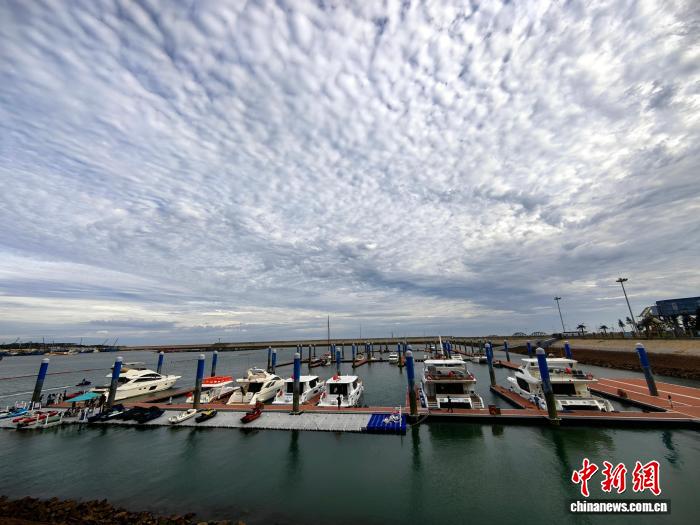
Core Insights - Pingtan is experiencing a trend of increasing youth tourism, with 92% of domestic visitors aged between 18 and 45 years old in the first half of 2025 [1][8] - The development of Pingtan as an international tourism destination has been ongoing since the approval of the construction plan in 2016, focusing on "international style and youthful fashion" [1][4] Tourism Development - The 22nd International Yacht Terminal, opened in June 2022, features 49 berths and offers diverse marine experiences, becoming a new landmark for coastal tourism in Pingtan [2][4] - Activities such as yachting, fishing, and surfing are tailored to attract younger visitors, with ongoing plans to introduce new energy yachts and super yachts [5][4] Cultural Integration - The integration of culture and tourism is highlighted by the inclusion of the "Pingtan Shell Mound Prehistoric Site" in the top ten archaeological discoveries in China, with a museum set to open in December 2024 [5][7] - Cultural products inspired by local heritage are gaining popularity among young consumers, enhancing the tourism experience [7][5] Visitor Experience - The 68 Sea Miles Scenic Area, known for its unique natural beauty, is undergoing enhancements to improve visitor experience, including the introduction of new tourism activities [8][7] - The area features popular attractions and has seen the opening of a Taiwanese goods experience store, which has been well-received by tourists [8][7] Economic Impact - In 2024, Pingtan is projected to receive 10.79 million tourists, generating a total tourism expenditure of 12.028 billion yuan, with an average spending of 1,115 yuan per visitor, marking significant growth compared to 2015 [8][1] - The rise in social media promotion by visitors and influencers is contributing to Pingtan's visibility as a travel destination [8][4]
提前完成“十四五”目标,多举措焕发村落新活力
Jiang Nan Shi Bao· 2025-08-21 05:32
Core Viewpoint - Jiangsu Province has successfully completed its goal of effectively protecting 1,000 provincial traditional villages and architectural groups ahead of schedule during the 14th Five-Year Plan period, positioning itself as a leader in traditional village protection and development nationwide [1][2]. Group 1: Protection and Legal Framework - Jiangsu has established a unique protection system for traditional villages, implementing the first provincial regulations on traditional village protection in 2017 and further enhancing legal protections in 2023 [2]. - The province has recognized and published eight batches of provincial traditional village lists, achieving full coverage across 76 agricultural counties [2]. - A total of 624 provincial traditional villages and 381 traditional architectural groups have been officially recognized, with 79 villages included in the national traditional village list [2]. Group 2: Activation and Utilization - Jiangsu emphasizes the revitalization of traditional villages, integrating their protection with rural development initiatives, resulting in over one-third of recognized villages being designated as characteristic rural areas [3]. - The province has initiated a model for concentrated protection and utilization of traditional villages, with 12 counties selected for special funding support [3]. - A total of 1.92 billion yuan has been allocated for urban and rural construction development, alongside 30.7 billion yuan in loans to support traditional village construction [3]. Group 3: Community Engagement and Economic Impact - Jiangsu promotes a "co-build, co-govern, and share" approach to enhance community involvement in traditional village protection [4]. - The integration of cultural tourism into traditional village development has become a key driver for rural economies, with significant tourist engagement and revenue generation reported [5]. - Over 2,800 cultural events are planned for the 2025 Spring Festival and May Day, attracting more than 12.14 million visitors and generating 715 million yuan in rural tourism revenue [5]. Group 4: Future Plans - Jiangsu aims to enhance traditional village protection through improved legal frameworks, dynamic updates to village lists, and the establishment of a protection assessment system [7]. - The province plans to empower cultural initiatives, including the creation of village histories and the promotion of new cultural tourism businesses [7]. - Efforts will be made to attract professional talent to rural areas and leverage digital technologies for sustainable development [7].
全国党媒聚焦呼和浩特高质量发展“三重奏”
Nei Meng Gu Ri Bao· 2025-08-21 04:09
Group 1: Dairy Industry Innovation - The National Dairy Technology Innovation Center is the only platform in China integrating various aspects of the dairy industry, achieving over 10 breakthrough results in areas such as cow breeding and dairy processing [2] - The center's "lactoferrin directional protection technology" has increased the retention rate of lactoferrin in room temperature milk from 10% to over 90%, filling a domestic technology gap and breaking foreign technical barriers [2] - The Yili Modern Smart Health Valley features a clear layout with five functional areas, showcasing advanced production technologies such as the Tetra Pak E3 high-speed filling machine, which operates at a speed of 11 packages per second [3] Group 2: Cultural Heritage and Tourism - The Helingeer Tuchengzi National Archaeological Site Park, with a history of over 2000 years, was recently included in the national archaeological site park list, showcasing rich cultural artifacts [4] - The Old Niuwan Yellow River Grand Canyon Tourism Area has become a national 5A tourist attraction, with peak visitor numbers reaching 20,000 per day during the May Day holiday [6] - Local villagers are enhancing their income through homestays and agritourism, with plans to develop a large-scale homestay cluster and night tours along the Yellow River [6]
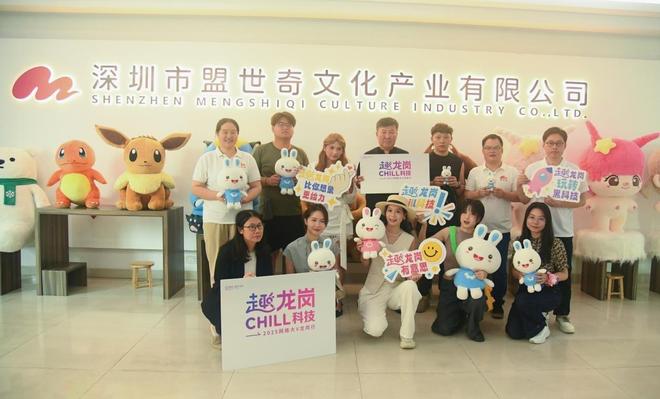
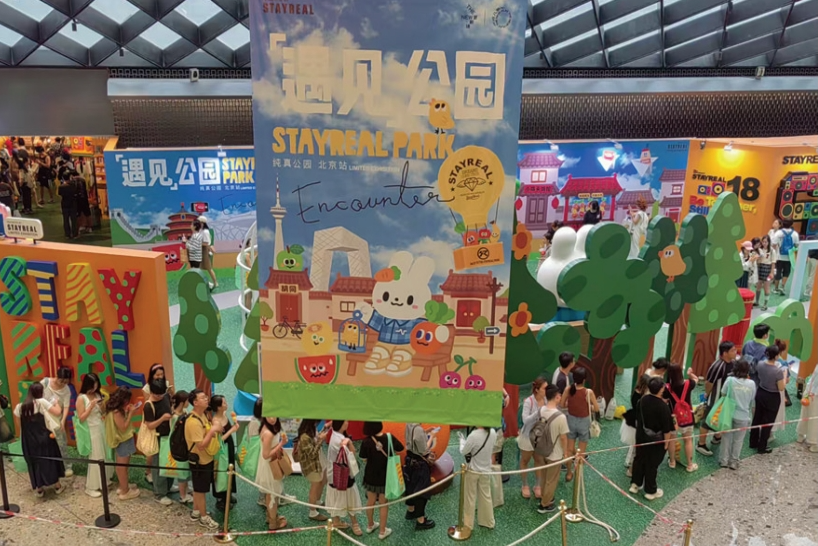
网络大V走访龙岗文创:原来这些火爆全网的IP是龙岗造
Nan Fang Du Shi Bao· 2025-08-21 03:46
Core Insights - The integration of traditional cultural symbols with AI design, AR interaction, and smart manufacturing is creating innovative opportunities in the cultural and creative industry in Longgang District, Shenzhen [1][3]. Group 1: Longgang's Cultural and Creative Industry - Longgang District has established a digital creative industry corridor spanning 46 kilometers and covering 32 square kilometers, housing over 10,000 enterprises, with projected revenue exceeding 220 billion yuan in 2024 [3]. - The district's cultural industry is characterized by "IP incubation + data-driven + cultural tourism integration," showcasing strong growth among local creative enterprises [3]. Group 2: Alliance of Technology and IP in Plush Toy Industry - Alliance of IP licensing and AI technology is revitalizing the century-old plush toy industry, with Shenzhen's Alliance of Wonder Culture Industry Co., Ltd. leading this transformation [6][8]. - The company has developed over 10,000 IP derivative products, with a projected GMV of over 300 million yuan in 2024, leveraging partnerships with major firms like Tencent and Alibaba [8]. - The company has implemented an "IP potential assessment model" to enhance the success rate of IP collaborations, significantly improving the identification of high-value IPs [8][11]. Group 3: Data-Driven Creativity at Li Xiang Creative - Li Xiang Creative has evolved from a design company to a full-service provider in IP derivatives, corporate gifts, and urban cultural creativity, with over 1,000 SKUs launched [15]. - The company utilizes a product database and market feedback to enhance the precision of its creative processes, ensuring that cultural products resonate with market demands [15][17]. Group 4: AR and Cultural Symbol Activation at Innovation Micro-Yue - Innovation Micro-Yue is pioneering the integration of AR technology with cultural symbols, transforming static souvenirs into interactive cultural experiences [19][20]. - The company has shifted from OEM production to cultural empowerment, collaborating with over 50 scenic spots and museums, achieving annual sales exceeding 200 million yuan [22]. - The firm emphasizes the transformation of cultural symbols into perceivable digital assets, utilizing smart manufacturing for scalable production [24]. Group 5: Insights from Influencers - Influencers noted that Longgang's cultural industry thrives on a combination of supportive policies, advanced technology, and a symbiotic ecosystem, which has led to a unique development path [26][27]. - The district's focus on AI, AR, and smart manufacturing is reshaping the creative value chain, making cultural symbols quantifiable and widely disseminated [27].