可持续发展

Search documents
科勒荣获第一财经“绿点中国”绿色先锋奖,领航可持续发展的全球典范
Di Yi Cai Jing· 2025-10-13 01:36
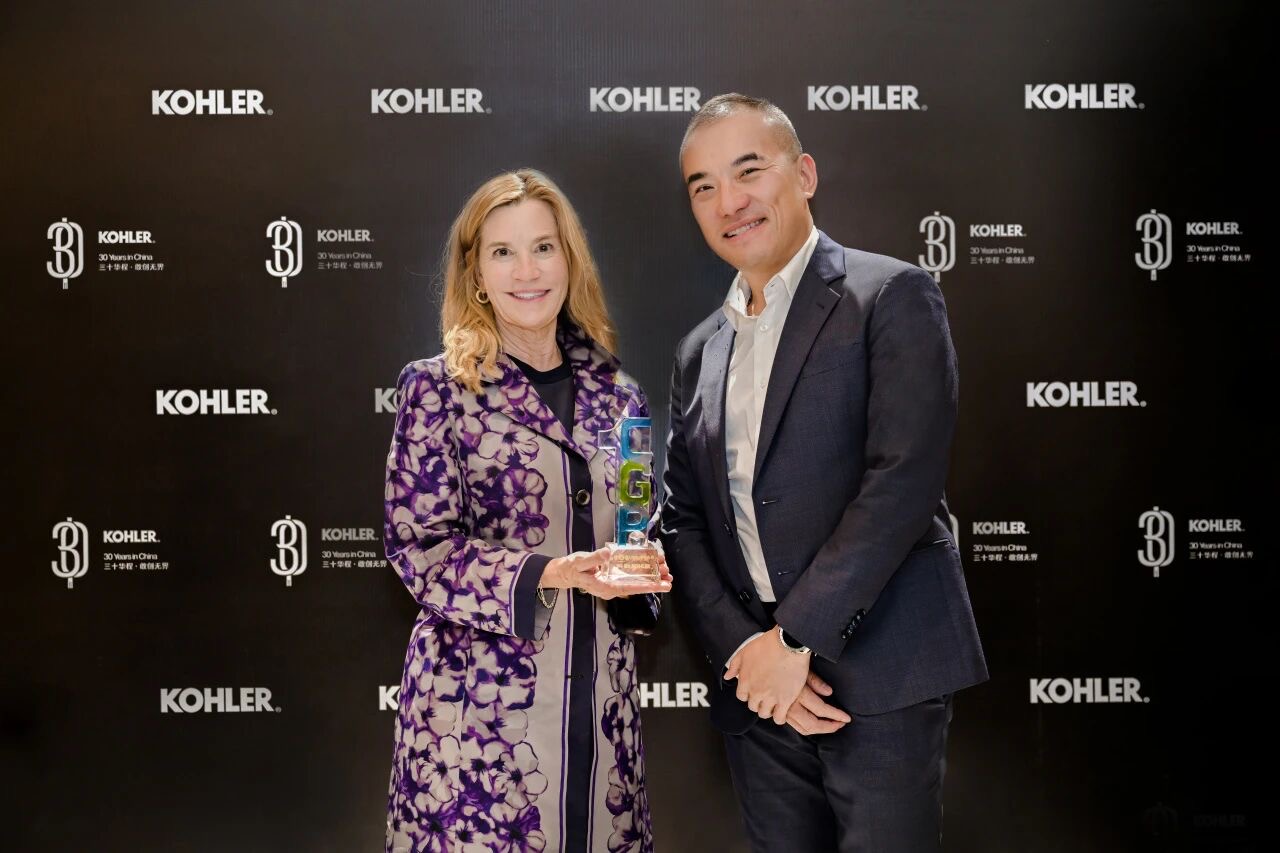
Core Insights - Kohler, a leading global kitchen and bath brand, received the "2025 Green Point China" Green Pioneer Award for its long-term commitment to sustainability and innovation in the industry [1][8] - The company shared its achievements in the "2024 Global Impact Report," highlighting significant contributions in water conservation, emissions reduction, and community engagement [1][2] Sustainability Achievements - In 2024, Kohler's WaterSense® products saved 9.81 billion gallons of water, and over half of the company's global operational electricity came from renewable sources [2] - Community initiatives reached over 15,000 individuals, with annual charitable donations exceeding $8 million [2] - Sales of sustainable kitchen and bath products reached $1.65 billion, with 100% of new product development adhering to environmentally friendly design principles [2] Innovation Practices - Kohler's WasteLAB® initiative exemplifies its commitment to material innovation, transforming industrial by-products into valuable products since 2014 [6] - The WasteLAB tile series is made almost entirely from industrial by-products, and collaborations with renowned artists have garnered significant recognition [6][8] Strategic Commitment - Kohler's "dare to create" spirit has been integral to its operations for over 150 years, guiding the company in providing elegant, healthy, and sustainable living solutions [12] - The company aims to integrate global strategies with local market practices to promote sustainable living in China [5][12] Industry Collaboration - The "Green Point China" award ceremony included a cross-industry forum discussing how to incorporate sustainability into product design, consumer experience, and brand building [9][10] - Participants emphasized that sustainability is a convergence of social responsibility and business strategy, which can translate into competitive advantages and growth [10]

盐城“朋友圈”
Zhong Guo Zi Ran Zi Yuan Bao· 2025-10-13 01:29
Core Insights - The 2025 Global Coastal Forum was held in Yancheng, China, focusing on "Beautiful Coast: Ecological Priority and Green Development," attracting over 300 representatives from 36 countries and regions [13][14][24] - The forum emphasized the importance of ecological protection and sustainable development in coastal areas, aiming to enhance global cooperation in marine ecosystem management [14][27] Group 1: Forum Highlights - The forum was co-hosted by the Jiangsu Provincial Government, the Ministry of Natural Resources, and the National Forestry and Grassland Administration, showcasing China's commitment to ecological governance [13][14] - A significant outcome was the release of the "Global Coastal Ecosystem Status Report," indicating that over 10% of global coastal areas are now under protection, with a shift towards ecological prioritization [19][20] - The forum established the "Yancheng Consensus," which calls for enhanced global cooperation in coastal ecosystem protection and sustainable development [27][28] Group 2: Ecological Initiatives - Yancheng has implemented a comprehensive protection system for migratory birds, increasing species from 2,204 to 4,759, including 161 endangered species [18][19] - The city has adopted nature-based solutions (NbS) for ecological restoration, focusing on wetland habitat recovery and biodiversity enhancement [18][19] - The forum highlighted innovative mechanisms for ecological restoration, including community participation and carbon accounting, to promote sustainable practices [19][25] Group 3: Economic Development - Yancheng is recognized as a national model for renewable energy, with its new energy industry exceeding 100 billion yuan, contributing significantly to China's coastal economy [23][24] - The city aims to integrate ecological protection with economic growth, showcasing successful projects in marine economy and blue carbon initiatives [24][29] - The forum facilitated discussions on the blue economy, emphasizing the need for innovative partnerships to address coastal challenges and promote sustainable development [28][29]

系统化规划AI发展 推动跨行业融合破局
Zheng Quan Shi Bao· 2025-10-13 00:00
Core Viewpoint - The 37th Shanghai International Entrepreneurs Consultation Meeting highlighted the transformative potential of AI, which could contribute up to 15% of global GDP growth over the next decade, positioning Shanghai as a key player in the AI landscape [1] Group 1: AI Development and Opportunities - AI is seen as a revolution comparable to the industrial revolution, with the potential to elevate Shanghai's value chain and develop knowledge-intensive services [1] - Shanghai should adopt a city-level planning approach for AI industry development, focusing on infrastructure and cross-industry integration to reshape various sectors [1] - The success of AI relies on three key elements: talent, data, and computing power, necessitating Shanghai to attract and retain top global talent [2] Group 2: Data and Sustainability - The rapid development of AI raises concerns about energy consumption, with countries that can meet rising energy demands gaining an advantage in the AI race [2] - There is a significant potential for synergy between AI and sustainable development, with recommendations for Shanghai to invest in green technologies and promote sustainable consumption [2] - The importance of high-quality data for industrial AI models is emphasized, necessitating the establishment of a trustworthy ecosystem for data sharing and compliance [3] Group 3: Financial and Insurance Sector Insights - Shanghai should enhance the efficiency of its financial system to allocate capital towards innovation and small enterprises, while developing long-term capital sources like pensions and insurance [4] - The insurance industry is viewed as a crucial driver for growth and resilience, with suggestions to leverage Shanghai's insurance strength to create innovative products and support Chinese enterprises [5] - There is a call for the integration of health data across sectors and the exploration of combining wealth management with health insurance to enhance accessibility and sustainability [5]
中国治水理念与实践为世界提供范例(国际论道)
Ren Min Ri Bao Hai Wai Ban· 2025-10-12 22:59
Core Insights - The recent ecological restoration efforts along the Yangtze River have garnered international attention, highlighting China's achievements in water resource management and ecological recovery [2][3][4]. Group 1: Ecological Restoration - The return of the endangered Yangtze River dolphin is seen as a significant indicator of ecological improvement in the Yangtze River, attributed to measures like the "Ten-Year Fishing Ban" [3][4]. - Reports indicate that the dolphin population has been observed over 40 times in the Wuhan section of the Yangtze River in the past five years, involving nearly 300 sightings, showcasing a remarkable recovery [3][4]. - The water quality in the Wuhan section of the Yangtze River has reached a 100% compliance rate, with biodiversity indicators such as the return of various fish species and migratory birds [4]. Group 2: Technological Integration - China's water management combines advanced technologies like quantum radar and digital twin systems for precise governance and systematic restoration [5][6]. - The Wuhan ecological environment monitoring platform utilizes 135 automatic water quality stations and drone surveillance for effective pollution tracking [5][6]. - The integration of satellite data, 5G technology, and traditional water management practices is noted as a novel approach that could provide new solutions for global watershed management [5][6]. Group 3: International Collaboration and Influence - China's water governance experience is being shared globally, with countries like Cambodia and Malaysia looking to adopt Chinese techniques for their own water management challenges [7][8]. - The collaboration between Kazakhstan and China includes comprehensive agreements on irrigation system reconstruction and water resource management [7]. - Observations from international experts highlight the potential of China's water management practices to inspire similar initiatives in other countries facing water crises [7][8].

逾40位全球顶尖企业家齐聚上海建言: 系统化规划AI发展 推动跨行业融合破局
Zheng Quan Shi Bao· 2025-10-12 22:20
Group 1: AI and Economic Impact - AI is expected to contribute up to 15% of global GDP growth over the next decade, comparable to an industrial revolution [1] - Shanghai is positioned to elevate its value chain and develop knowledge-intensive services through AI, but requires systematic planning and cross-industry integration [1][2] - The success of AI in Shanghai depends on attracting top global talent, leveraging private data, and efficiently allocating capital [1][2] Group 2: Supply Chain and Innovation - Shanghai is recognized as having the world's strongest and most robust supply chain, making it a key player in global AI innovation [2] - The trend of "innovation in China, deployment worldwide" is becoming more pronounced, with China emerging as a global AI factory [2] - The availability of a large middle-income consumer base in China is conducive to embracing new technologies [2] Group 3: Energy and Sustainability - The significant energy consumption associated with AI development is a critical concern, with countries meeting energy demands likely to gain an advantage in the AI race [2] - There is a potential for AI to align with sustainable development, providing Shanghai with a model for both national and global growth [2] - Investment in green technologies, such as data centers and chip design optimization, is recommended to position Shanghai as a leader in sustainable AI [2] Group 4: Data Privacy and Sharing - The importance of high-quality data for industrial AI models is emphasized, necessitating the creation of a trustworthy ecosystem for data sharing [3] - Cross-border data sharing is crucial for innovation and should be encouraged to enhance the value application of data [3] - Simplifying compliance processes for cross-border data flow is suggested to foster a more open innovation ecosystem [3] Group 5: Financial System and Capital Allocation - Enhancing the efficiency of capital allocation in Shanghai's financial system is essential for directing resources towards innovation and SMEs [4] - The insurance industry is seen as a vital driver for growth and resilience, with recommendations to leverage Shanghai's insurance capabilities for broader risk coverage [4][5] - There is a call to innovate insurance products to support Chinese enterprises in international markets and to integrate health data across sectors [5]
走进十如工厂、服装的退潮、风格的流变与情绪消费的崛起等 #冷芸时尚圈周报#250
Sou Hu Cai Jing· 2025-10-12 16:17
Group 1 - The core idea of the article emphasizes the sustainable practices of the Yida Group's "Ten Ru Factory" in Guilin, showcasing a new direction for Chinese manufacturing that integrates environmental and employee well-being into its operations [2][4][6]. - The factory consists of four main parts: yarn factory, garment factory, plant dyeing workshop, and office + dining area, promoting a collaborative work environment without fixed workstations [4][6]. - The factory has been recognized as a zero-carbon park this year, highlighting its commitment to sustainability [2][6]. Group 2 - Energy-saving measures include the use of low-radiation glass and solar energy to power part of the facility [6]. - The factory emphasizes material recycling, such as reusing yarn tubes and steel pipes for decoration, and employs plant-based dyes for all fabrics [6][8]. - The factory's smart spinning technology allows for a production capacity of 6,000 tons of yarn annually with only 100 workers, demonstrating high efficiency [6][8]. Group 3 - Employee welfare is prioritized through a nutritionist-designed meal plan, a dining app linked to health reports, and initiatives to reduce food waste [6][8]. - The company fosters a culture of personal responsibility among employees, encouraging them to maintain cleanliness in shared spaces [6][8]. - Housing for employees is provided in community apartments rather than factory dormitories, promoting a sense of home and equality among staff [6][8]. Group 4 - The article also discusses the shift in the fashion industry, where accessory brands are gaining prominence over traditional clothing brands, reflecting consumer behavior during economic downturns [10][11]. - Pop Mart's revenue surpassing Disney's in the first half of 2025 highlights a significant trend in the toy industry, where visual IPs are becoming more appealing than narrative-driven products [30][31]. - The contrasting growth strategies of Pop Mart and Disney illustrate the evolving landscape of consumer preferences, with Pop Mart focusing on market expansion and Disney relying on content production [33][38].



路甬祥:以绿色设计引领全球可持续发展新范式
Di Yi Cai Jing· 2025-10-12 11:48
Group 1 - The promotion of "Green Design" is crucial for addressing global challenges such as climate change, resource shortages, and environmental pollution, aiming for sustainable development and harmony between humans and nature [1] - Green Design is a comprehensive methodology that integrates environmental considerations from the initial stages of product design and decision-making, focusing on maximizing resource efficiency and minimizing negative environmental impacts throughout the product lifecycle [2][6] - The World Green Design Organization (WGDO) serves as a vital platform for global cooperation and knowledge sharing, facilitating the exchange of ideas and practices among experts, entrepreneurs, and policymakers to promote green transformation [3] Group 2 - The 2025 World Green Design Conference will focus on the role of green design in combating climate change and enabling sustainable engineering, featuring discussions among global leaders and experts [4] - China is leveraging green design as a key strategy for achieving a harmonious coexistence with nature, supported by national policies aimed at promoting green planning and design [6][7] - Future challenges in global green design include technological barriers and fragmented standards, necessitating enhanced international cooperation through the establishment of databases, standard recognition mechanisms, and investment funds [8]
倍耐力在华深耕二十年,成中意合作典范,计划继续投资
Sou Hu Cai Jing· 2025-10-12 03:59
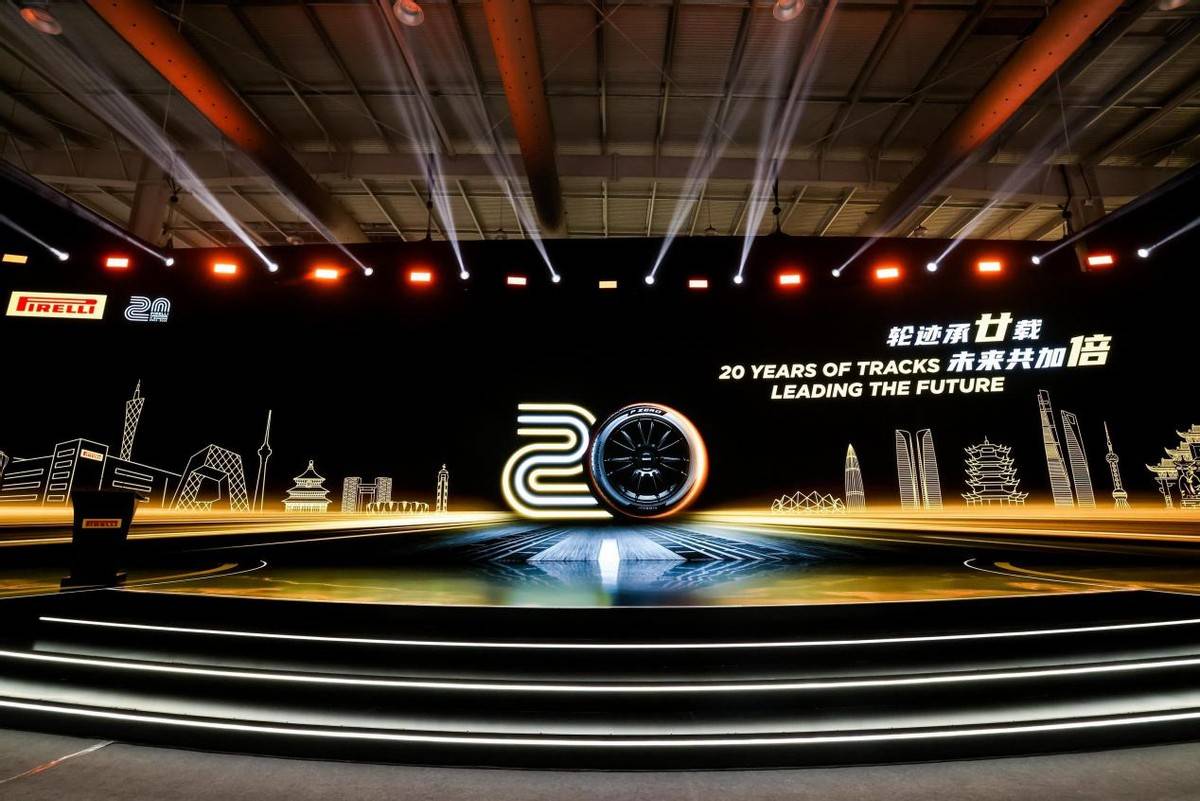
Core Insights - Pirelli celebrated its 20th anniversary in China, marking a significant milestone in its industrial presence in the country [3][5] - The company has established a strong foundation for future growth through collaboration with local governments, industry partners, and communities [5][9] - Pirelli's commitment to innovation is evident in its development of the Cyber™ tire technology, which integrates hardware and software for enhanced vehicle performance [9][11] Company Overview - Pirelli, a 153-year-old Italian tire manufacturer, has been operating in China since 2005, establishing a joint venture with Lu Tong Tire Co., Ltd [5][11] - The company has invested in a research and development center in Jining, which collaborates closely with its Milan headquarters and other global R&D centers [5][11] - Pirelli's production capacity in China includes approximately 15 million passenger car tires and 2 million motorcycle tires, with over 90% being high-value products [11][13] Market Position - Pirelli's sales in China accounted for 11% of its global total in 2024, reflecting strong growth driven by high-tech products and brand influence from F1 racing [9][11] - The company operates over 3,000 retail outlets in China, enhancing its market reach and customer engagement [9][11] - Pirelli's factories in China adhere to high sustainability standards, with recognition from local environmental authorities [13] Strategic Importance - China is identified as a key market for Pirelli, with plans for continued investment and expansion in the region [13] - The collaboration with Chinese automotive manufacturers is crucial for driving industry innovation and enhancing product offerings [7][9]
2025年《财富》可持续发展峰会精彩观点荟萃
财富FORTUNE· 2025-10-11 13:21
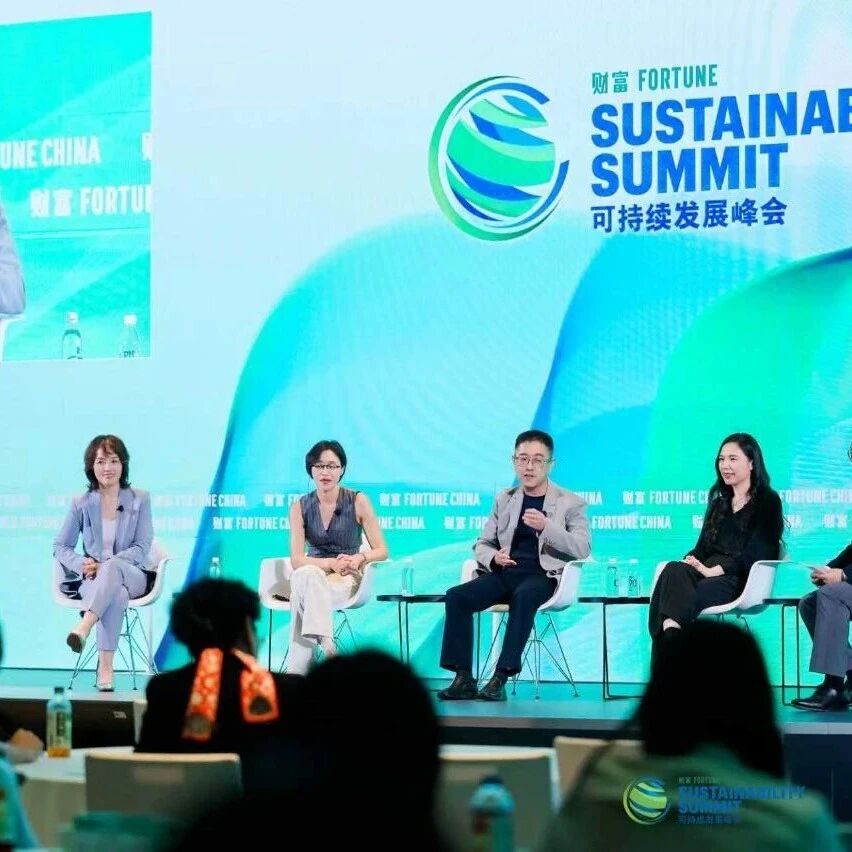
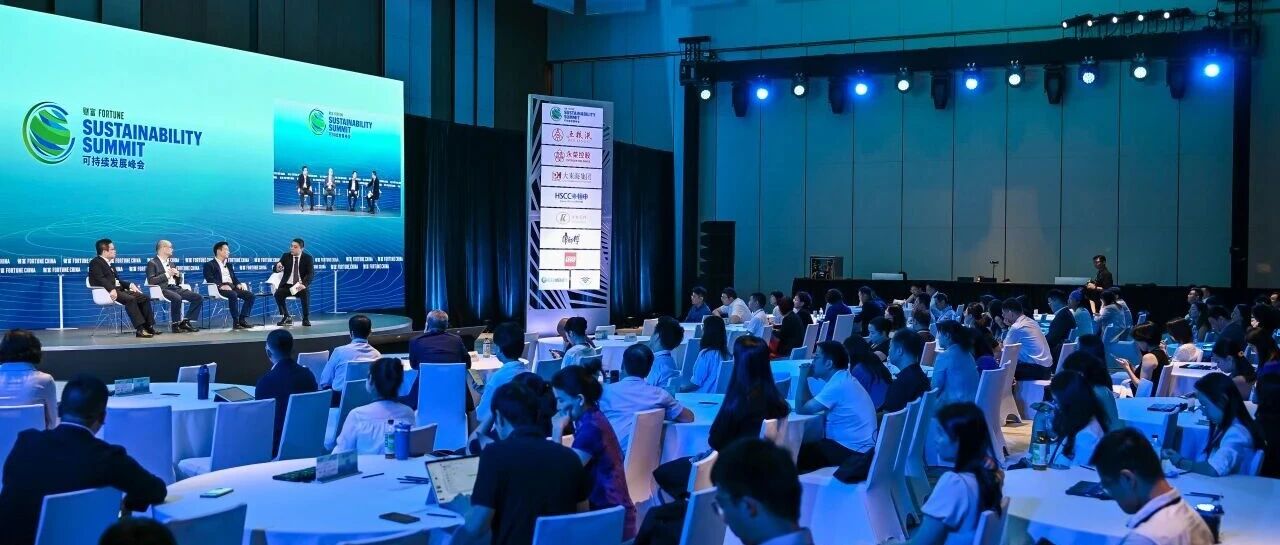
Core Insights - The 2025 Fortune Sustainable Development Summit was successfully held in Fuzhou, focusing on the theme "Intelligent Era, Intelligent Coexistence" and gathering nearly 200 global business leaders, policymakers, and academic experts to explore sustainable development paths empowered by technology [1] Group 1: Key Themes and Discussions - The summit featured 40 speakers from various sectors including AI, internet, manufacturing, new energy, finance, and health, discussing how smart technologies can accelerate growth while avoiding excessive environmental consumption [1] - Key topics included the social responsibilities of multinational companies in a fragmented geopolitical landscape and the protection of human creativity and development rights in an algorithm-driven era [1] Group 2: ESG Practices and Globalization - Companies are encouraged to ensure that suppliers meeting ESG standards will gain more orders and global opportunities, highlighting the competitive edge of Chinese suppliers in quality, cost, and delivery [6] - The urgency for green and low-carbon transformation in the chemical industry is emphasized, aligning with national dual carbon goals and the increasing demand for green materials from international brand clients [6] Group 3: Sustainable Consumption and Corporate Responsibility - The importance of circular economy practices is highlighted, where manufacturers must innovate in product design and lifecycle management, while consumers are also encouraged to participate in sustainable practices [30] - The wine industry is recognized as a participant in environmental practices, emphasizing the necessity of establishing a good ecological environment as a fundamental requirement [33] Group 4: Financial Instruments and ESG Integration - Green financial products like green bonds are seen as a driving force for companies to integrate international ESG concepts into their development, effectively addressing regulatory challenges and attracting international capital [41] - Companies are advised to balance production activities with ecological diversity protection, ensuring that sustainable financial tools align with their sustainability goals [45] Group 5: Technological Innovations in ESG - The application of cutting-edge technologies such as AI and big data is crucial for enhancing ESG management, transitioning from compliance to data-driven value creation [62] - Companies are encouraged to leverage technology to improve operational efficiency and sustainability, with a focus on accurate and transparent data for ESG disclosures [68]





五粮液亮相2025年《财富》可持续发展峰会 以“和美”力量推动白酒产业可持续消费
财富FORTUNE· 2025-10-11 13:21
Core Viewpoint - The article emphasizes the commitment of Wuliangye to sustainable development, showcasing its innovative practices in the context of the 2025 Fortune Sustainable Development Summit, where it served as the chief strategic partner and designated beverage [1][16]. Group 1: Sustainable Practices - Wuliangye integrates ecological values into its production process, viewing green development as essential for the long-term sustainability of the liquor industry [3]. - The company has established a comprehensive quality management system that spans the entire production cycle, ensuring high-quality products while promoting sustainable consumption [5]. - Wuliangye has created a transparent quality traceability system using blockchain technology, enhancing consumer trust in sustainable consumption [7]. Group 2: Environmental Initiatives - The company is committed to ecological production, having established over 1.5 million acres of high-standard grain bases and promoting green planting practices among suppliers [9]. - Wuliangye has achieved significant milestones in sustainable packaging and logistics, including the development of fully biodegradable packaging materials and the use of advanced logistics systems to reduce carbon footprints [9]. Group 3: Cultural Integration - Wuliangye incorporates traditional Chinese values into modern consumption experiences through various marketing activities, promoting a harmonious lifestyle that aligns with sustainable consumption [10]. - The company actively engages in promoting rational drinking and healthy consumption habits, contributing to a broader cultural shift towards sustainability [10][12]. Group 4: Future Outlook - Wuliangye aims to continue its role as a leader in sustainable practices within the liquor industry, fostering global dialogue on sustainability and contributing to the ecological and cultural dimensions of consumption [16].