中国经济转型

Search documents
罗兰贝格戴璞:企业要了解中国消费者消费心态的转变
Xin Lang Cai Jing· 2026-01-09 13:36
Group 1 - Roland Berger's report "Forecast 2026: China Industry Trends" emphasizes the need for China to address real economic issues and move away from blind investments aimed solely at GDP growth [1] - The report highlights that by 2025, China's total household savings will exceed 160 trillion RMB, suggesting that even releasing 1% to 2% of these savings could significantly boost consumption [1] - To unlock consumption potential, three core issues must be addressed: establishing consumer confidence linked to income stability and employment prospects, providing sufficient security in social welfare and pensions, and enhancing genuine consumer demand [1] Group 2 - Chinese consumers are becoming more mature and rational, seeking not just price and quality but also service, experience, and emotional value [2] - The unique competitive advantage of Chinese products lies in their combination of rich functionality, dense technology, cost advantages, and rapid adaptability, which appeals to both domestic and overseas markets [2] - Understanding the shift in consumer mindset is essential for all businesses, particularly multinational consumer goods companies operating in China, as it represents a critical transformation for survival [2]


创新为锚 智造为帆 新兴产业“未来已来” 中国科技创新如何“惊艳”世界
2 1 Shi Ji Jing Ji Bao Dao· 2025-12-30 23:14
Core Viewpoint - The article emphasizes the importance of innovation in driving China's economic transformation, highlighting the strategic focus on building a modern industrial system and fostering emerging and future industries as outlined in the "14th Five-Year Plan" [1] Group 1: Economic Transformation - China's economic transformation is marked by a shift from traditional growth drivers to the rapid rise of emerging and future industries, aligning with the strategic direction of the "14th Five-Year Plan" [1] - The emergence of strategic emerging industries and future industries is creating new growth poles, supported by increased R&D investment and technological breakthroughs [1] Group 2: Global Competitiveness - Continuous technological advancements and industrial upgrades are reshaping China's core competitiveness in the global market [1] - The focus on innovation as a core driver is positioning China to capture a higher status within global industrial and value chains, contributing to sustained economic growth [1]
中国新增70位亿万富豪,为什么越来越像“工程师”?
Sou Hu Cai Jing· 2025-12-25 09:58
Group 1 - The core narrative of wealth creation in China has shifted from real estate to technology, with the emergence of new billionaires primarily from tech-related sectors rather than traditional real estate [2][3][4] - By 2025, China is expected to add 70 new billionaires, bringing the total to 470, with a significant portion of this growth driven by technology companies [3][8] - The wealth of billionaires in the global tech industry has increased by 23.8% to reach $3 trillion, with the tech sector leading all industries with a 198% growth since 2015 [7][8] Group 2 - The new generation of billionaires in China is predominantly self-made, with 98% having built their wealth through entrepreneurship rather than inheritance or real estate appreciation [8][12] - In contrast to the U.S., where many billionaires have inherited wealth, China's new billionaires are emerging from competitive market environments, indicating strong economic vitality [12][14] - The financial sector in China, while contributing to wealth creation, does not match the scale and historical depth of the U.S. financial market, suggesting room for growth in financial innovation and support for high-tech industries [16][19] Group 3 - Future wealth creation in China is expected to be driven by technology and innovation across various sectors, including AI, chips, and new manufacturing [17][18] - The transition from asset appreciation to technology and innovation as the primary sources of wealth indicates progress in China's economic development [19]

2026全球交易者大会圆满收官
Zhong Guo Jing Ji Wang· 2025-12-18 05:36
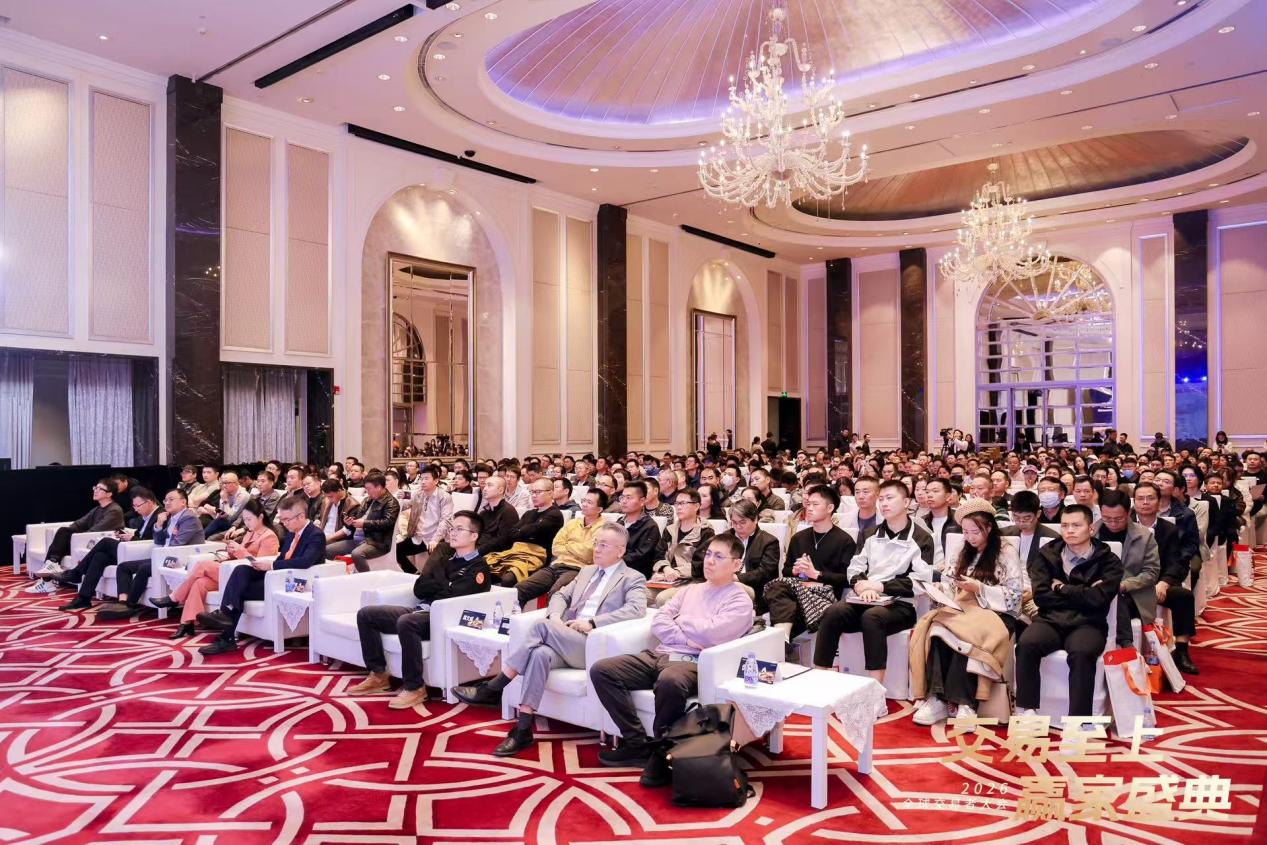
Group 1 - The 2026 Global Traders Conference highlighted the significant transformation in the capital market ecosystem and funding structure, emphasizing the importance of companies that can leverage China's shift towards high-end manufacturing and technological innovation as valuable assets in the new global industrial and financial order [1][2] - The conference featured insights from industry experts, including the Chief Economist of Zhongjia Fund, who noted that despite uncertainties, the core trend of China's economic transition is clear, with opportunities in sectors like AI, computing power, semiconductors, and innovative pharmaceuticals [1] - The event attracted nearly 500 traders, focusing on collaborative evolution and risk management, with a commitment to providing value to clients through professional services [4][5] Group 2 - The Director of the Research Institute at Ping An Futures indicated that the long-term upward trend of precious metals remains unchanged, while the pressure on bulk commodities is easing due to economic restructuring and the transition of new and old driving forces [2] - Traders are increasingly seeking assets that can hedge risks and enhance returns, reflecting a shift in asset allocation strategies in response to changing political and economic landscapes [2] - The conference also featured discussions on the importance of flexible application of various tools in rapidly changing markets, with experienced traders sharing their strategies for capturing trends and managing volatility [2]
媒体报道丨用电量数据显示中国经济结构向优、动能向新,建成全球规模最大的电力基础设施体系
国家能源局· 2025-12-17 03:48
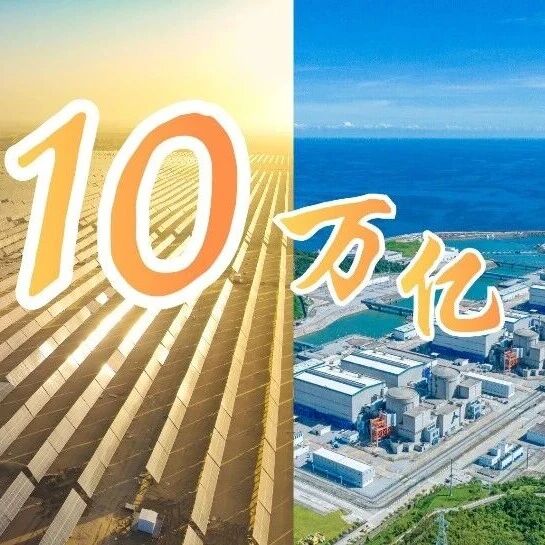
Core Insights - The article highlights that China's total electricity consumption is projected to exceed 10 trillion kilowatt-hours (kWh) by 2025, marking a significant milestone in the country's energy landscape [1][21] - This achievement reflects the robust and resilient nature of China's economic growth, with electricity consumption serving as a key indicator of economic activity [3][7] Electricity Consumption Trends - China's total electricity consumption surpassed 1 trillion kWh for two consecutive months, showcasing the country's ability to provide stable and affordable electricity to its population of over 1.4 billion [2] - Historical milestones in electricity consumption include surpassing 1 trillion kWh in 1996, 5 trillion kWh in 2011, and 8 trillion kWh in 2021 [2] Economic Growth Indicators - The article notes that the GDP growth rates for the first three quarters of the year were 5.4%, 5.2%, and 4.8% respectively, indicating a steady recovery in the national economy [7] - The increase in electricity consumption is attributed to the structural transformation of the economy towards a greener and more efficient model [2][7] Sectoral Analysis - In the first three quarters, the primary industry saw a 10.2% increase in electricity consumption, reflecting trends in agricultural modernization [10] - The secondary industry contributed significantly to overall electricity consumption growth, with a 5.1% increase in the third quarter, driven by high-tech and equipment manufacturing sectors [10] - The tertiary industry also experienced a stable growth rate of 7.5%, supported by rapid developments in internet services and new infrastructure projects [11] Energy Supply and Infrastructure - China's power generation capacity is expected to reach 3.8 billion kW by 2025, with a year-on-year growth of approximately 14% [14] - The country has established the world's largest electricity infrastructure system, with significant advancements in high-voltage transmission capabilities [13][18] - Renewable energy sources, particularly wind and solar, have seen rapid growth, with renewable energy accounting for nearly 60% of the total installed capacity [28] Technological Advancements - The article emphasizes the importance of technological innovation in the energy sector, with significant improvements in the efficiency of solar and wind energy production [32][33] - New energy storage solutions have also seen substantial growth, with installed capacity exceeding 100 million kW, representing a 30-fold increase from previous years [29] Future Projections - Experts predict that electricity consumption will continue to grow, with an estimated annual increase of about 600 billion kWh during the 14th Five-Year Plan period, reflecting a sustained demand for electricity [33]
视频|意大利前高官:风起时,聪明人选择“造风车”而非“筑高墙”
Yang Shi Xin Wen Ke Hu Duan· 2025-12-17 03:05
Group 1 - The core viewpoint of the article emphasizes that China is entering a crucial transformation period over the next five years, focusing on innovation-driven economic growth and self-reliance in technology [1][3] - The Central Economic Work Conference held on December 10-11 in Beijing highlighted the need to cultivate and strengthen new economic drivers, aligning with the "14th Five-Year Plan" which stresses reliance on technological advancements [1] - Michele Geraci, former Deputy Minister of Economic Development in Italy, noted that significant breakthroughs in technology and healthcare are expected in China, indicating a transformative phase across multiple sectors [3] Group 2 - Geraci pointed out that a strong China presents substantial opportunities for Europe, as it serves as a vast market for European products and a gateway for European investors to access other Asian markets [5] - He emphasized that through a mutually beneficial relationship with China, European countries can not only enter the Chinese market but also leverage China's established connections in other regions like ASEAN and Central Asia [5] - Geraci encouraged European nations to view the relationship with China as an opportunity rather than a threat, suggesting that "smart countries" will choose to harness the potential benefits [5]
国际货币基金组织对中国经济的预判比亚行更具说服力
Sou Hu Cai Jing· 2025-12-10 10:52
Core Viewpoint - The International Monetary Fund (IMF) has raised its economic growth forecast for China in 2025 to 5%, while the Asian Development Bank (ADB) predicts a lower growth rate of 4.8%, reflecting differing perspectives on China's economic resilience and transformation vitality [3][4][5] Economic Growth Predictions - IMF's adjustment is based on comprehensive analysis of China's economic data, with a reported growth of 5.2% in the first three quarters of 2023, despite a slight slowdown to 4.8% in the third quarter [3] - ADB's forecast highlights concerns over real estate downturn and domestic demand weakness, indicating a more cautious outlook compared to IMF [4][5] Export Performance - China's export growth reached nearly 7% in the third quarter, significantly exceeding market expectations, showcasing the resilience of the economy [3] - The diversification of export destinations and the increase in high-quality product exports have strengthened trade competitiveness, which IMF considers a core factor in its assessment [3][4] Domestic Demand and Policy Impact - Domestic demand has been a major contributor to growth, driven by large-scale equipment upgrades and consumer goods replacement policies, which have effectively boosted consumption [4] - The emergence of new economic drivers, such as low-altitude economy and rapid development in equipment manufacturing, has allowed China to maintain growth elasticity during traditional industry adjustments [4] Perspectives on Economic Resilience - The differences in predictions between IMF and ADB stem from their observational perspectives, with IMF focusing on China's self-repair capabilities and policy effectiveness, while ADB is perceived to be overly fixated on short-term risks [5] - The 0.2 percentage point difference in growth forecasts serves as a reminder that assessments of China's economy should consider a comprehensive view, acknowledging both challenges and the supportive factors for growth [5]

全球洞察|诺奖得主关注“十五五”规划建议:中国推动经济转型的目标清晰、方式明确
Sou Hu Cai Jing· 2025-11-15 06:07
Core Viewpoint - The Chinese government is focusing on high-quality development and increasing domestic consumption as primary goals for the 15th Five-Year Plan, indicating a shift from reliance on investment and exports to domestic demand and consumption [1][2][3]. Economic Transition - The transition from export dependency to domestic demand has been recognized since the 12th Five-Year Plan, marking a long-term process that may span decades [2]. - The emphasis on Gross National Income (GNI) reflects a growing concern for income distribution among different social strata, aligning with the current economic realities in China [2][3]. - Historical growth in China was heavily reliant on external demand, but as the economy matures, the sustainability of export-driven growth is diminishing [2][3]. Innovation and Technology - The 15th Five-Year Plan will prioritize self-reliance in technology, enhancing the overall effectiveness of the national innovation system, and fostering a development model that integrates education, technology, and talent [3][4]. - The focus on technological innovation aims to boost productivity, which is essential for meeting domestic economic and social development needs [3][4]. Global Competition - The economic transformation is not optional for China but a necessary response to avoid falling into the "middle-income trap," necessitating a shift towards domestic economic reliance and service sector development [4][5]. - In the context of global competition, particularly in artificial intelligence, China and the U.S. are seen as leading players, with both countries having distinct advantages [5][6]. Multilateral Cooperation - The current U.S. administration's withdrawal from multilateral agreements has raised questions about the future of global cooperation, suggesting a need for a new multilateral system that coexists with the U.S.'s bilateral approach [7][8]. - Despite U.S. resistance to multilateralism, the consensus among most countries favors continued multilateral cooperation, indicating a potential shift towards a more complex and fragmented global trade system [8].
重磅国际会议!全球顶级投资机构发声
中国基金报· 2025-11-13 10:54
Core Viewpoint - The global investment community increasingly recognizes the long-term value of allocating resources to the Chinese market, driven by policy optimization and technological innovation [1][4][6]. Group 1: Investment Strategies and Focus Areas - Temasek emphasizes its commitment to sectors like digitalization, smart technology, renewable energy, life sciences, and biotechnology, which represent the future development direction of the Chinese economy [5]. - Morgan Asset Management highlights the transformation in China's M&A market, particularly in the healthcare and consumer sectors, driven by demographic changes and market opportunities [7][8]. - Yintuo Group has established three investment strategies focused on supporting domestic enterprises, introducing overseas companies to China, and facilitating cross-border growth for Chinese firms [10][11]. Group 2: Market Sentiment and Economic Outlook - Franklin Templeton notes a significant increase in global wealth management's interest in China, citing the country's strong policy response and strategic patience as key drivers of economic growth [14]. - Invesco reports that foreign investors are increasingly attracted to Chinese assets due to their valuation and long-term growth potential, emphasizing the importance of stability and sustainability in the market [16]. - Roadshow highlights the shift of incremental capital towards non-USD assets, with China's economic transformation creating new growth momentum in high-tech and healthcare sectors [18][19]. Group 3: Key Trends and Projections - Huatai Securities identifies three main lines of transformation in China: innovation, restructuring, and international expansion, which are crucial for consumption upgrades [21]. - CICC predicts that AI-driven technological innovation will continue to invigorate the capital market, as evidenced by successful IPOs like that of CATL, which raised $5.3 billion [23][24][25].

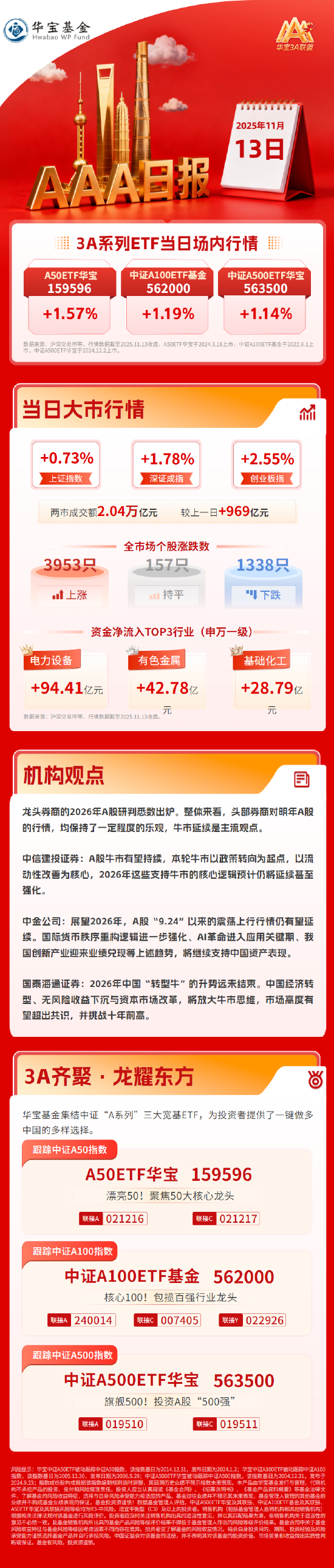
上证指数再创十年新高,龙头券商2026年研判出炉:A股牛市有望延续|华宝3A日报(2025.11.13)
Xin Lang Ji Jin· 2025-11-13 10:13
Group 1 - The overall sentiment among leading brokerages for the A-share market in 2026 is optimistic, with a prevailing view that the bull market will continue [3] - CITIC Securities believes that the bull market is expected to persist, driven by policy shifts and improved liquidity, with core logic supporting the bull market likely to continue or even strengthen [3] - China International Capital Corporation (CICC) anticipates that the upward trend since September 24, 2023, will continue, supported by the restructuring of international monetary order, the AI revolution entering a critical application phase, and the performance of innovative industries [3] Group 2 - Guotai Junan Securities asserts that the "transformation bull market" in China is far from over, with economic transformation, declining risk-free returns, and capital market reforms expected to amplify bullish sentiment [3] - The A50 ETF by Huabao focuses on 50 major leading companies, providing investors with a diversified option to invest in China [4] - The A100 ETF by Huabao tracks the CSI A100 Index, offering another avenue for investors to engage with the Chinese market [4]