
低利率周期

Search documents
低利率周期中的赢家
He Nan Ri Bao· 2025-10-28 22:56
Core Insights - The banking industry is undergoing a transformation characterized by a shift from high-interest deposit competition to more refined and restrained liability management strategies [2][3] - The current interest rate cuts reflect a deeper adjustment towards actuarial and stratified operations within banks, rather than a simple price war [3] Group 1: Interest Rate Trends - Many small and medium-sized banks have lowered deposit rates, with some three-year products dropping to the "1" range [2] - Some joint-stock banks and rural commercial banks have initiated year-end "deposit drives" using incentives like red envelopes and exclusive rates to stabilize funds [2] Group 2: Profitability and Liability Management - The compression of net interest margins limits profitability, while the cost of liabilities remains difficult to reduce further [2] - Banks are focusing on structural adjustments, moving away from a blanket high-interest deposit strategy to a more segmented approach based on customer type, deposit duration, and fund stability [2] Group 3: Targeted Products - Certain banks have launched "senior" or "long-term" deposit products aimed at older customers, offering slightly higher rates and lower thresholds to retain stable, risk-averse clients [2] - For younger customers, banks are enhancing account activity through mobile banking tasks and investment points to indirectly stabilize general deposits [2] Group 4: Competitive Landscape - The evolution of product strategies reflects a shift in banks' liability management thinking, focusing on retaining stable funds at lower costs [3] - The competition will increasingly center on who can maintain stable funding and lower costs, rather than simply offering higher interest rates [3]


人保资产黄明:低利率周期与科技革命下,资产配置从传统大类向多元化、精细化转型
Sou Hu Cai Jing· 2025-10-24 16:08
Core Insights - The low interest rate environment is a fundamental challenge for the Chinese insurance industry, necessitating a strategic transformation in asset allocation to address pressures from interest margin losses, solvency, and liquidity [1][2][3] Group 1: Macro and Industry Changes - The global economic landscape is shifting, with the share of the US and European economies in global GDP decreasing from 62% in 2001 to 50% in 2023, while Asia's share increased from 27% to 36% [6] - The trend of de-globalization is accelerating, particularly with the US leading efforts to decouple from China, which has created significant market volatility and challenges for the industry [6] - Sustainable development has become a global consensus, with China excelling in ESG (Environmental, Social, and Governance) initiatives, leading to a positive correlation between high ESG ratings and market pricing [7] Group 2: Domestic Economic Transition - China's economic growth engine is transitioning from investment-driven to sectors like renewable energy, electric vehicles, and high-tech manufacturing, which are rapidly developing [8] - R&D expenditure in China has increased from 1 trillion yuan in 2012 to over 3.6 trillion yuan in 2024, positioning the country as a major competitor in technology [8] - The domestic low interest rate cycle is ongoing, with rates around 1.5%-1.6% nearing their lower bound, reflecting market pessimism about economic prospects [9] Group 3: Investment Opportunities in Technology - Technology sectors such as renewable energy, AI, and biotechnology are emerging as new economic growth drivers, with direct competition between China and the US [10] - The capital market in China is shifting towards a technology-driven model, with significant growth in the market capitalization of tech companies [10] Group 4: Challenges in Insurance Asset Management - The insurance industry faces significant challenges, including interest margin losses and asset-liability matching pressures, with investment yields declining by 30-50 basis points annually [11][12] - The implementation of new accounting standards has increased the volatility of investment returns, necessitating a focus on stable performance in asset allocation [12] Group 5: Strategic Transformation in Asset Allocation - The insurance asset allocation strategy is shifting from traditional categories to a more diversified and refined approach, emphasizing duration gap management and innovative non-standard assets [13][14] - To mitigate equity asset volatility, the industry is adopting a multi-faceted strategy that includes optimizing accounting matches and balancing investment styles [15] - There is a significant push towards long-term investments in high-quality technology companies, with an emphasis on enhancing research capabilities in the tech sector [16]

保险资管业协会原执行副会长兼秘书长曹德云:应对第四次低利率周期的八大举措,不能简单照搬国际经验
Sou Hu Cai Jing· 2025-10-23 15:25
Core Viewpoint - The low interest rate environment is a fundamental challenge facing the Chinese insurance industry, driving a deep transformation in asset allocation strategies to address pressures on interest spreads, solvency, and liquidity [1][2]. Group 1: Historical Context of Low Interest Rates - China has experienced four notable low interest rate cycles since the reform and opening up, each associated with specific economic and financial conditions [5]. - The current low interest rate cycle began in 2019, exacerbated by economic downturns and the impact of the pandemic, indicating a potentially prolonged period of low rates [6]. Group 2: Current Asset Allocation Trends - Despite low interest rates, the total assets of the insurance industry have continued to grow, surpassing 40 trillion yuan, with an expected balance of nearly 40 trillion yuan in funds by year-end [7]. - The industry has increased its allocation to long-term bonds and medium to long-term deposits to stabilize income and enhance returns from fixed income investments [8]. - Equity investments have also seen steady growth, particularly in stocks and stock funds, with a significant increase of 85% since the end of the 13th Five-Year Plan [9]. - Alternative asset allocations have decreased, with private debt investments notably declining, reflecting challenges in the market [10]. Group 3: Market Risks and Changes - New market risks have emerged, including stock market volatility and concentrated investments in certain sectors, necessitating careful evaluation of long-term profitability [11]. Group 4: Comparative Analysis of International Practices - International strategies for low interest rate environments typically involve increasing equity investments and diversifying into alternative assets, but these strategies have not been fully realized in the domestic market due to unique local conditions [12][13]. Group 5: Future Outlook and Strategic Measures - The insurance industry faces a complex external environment with both challenges and opportunities, necessitating a focus on high-quality development and adaptation to changing market conditions [14]. - Eight strategic measures have been proposed to navigate the low interest rate environment, including enhancing cost control, optimizing fixed income strategies, and promoting innovation in asset management products [15][16][17].

中欧基金许欣:探索资管“工业化”,应对低利率周期挑战
Xin Lang Ji Jin· 2025-10-22 10:05
Core Insights - The asset management industry faces dual challenges from low interest rates and technological advancements, necessitating an upgrade in investment research capabilities to meet client needs sustainably [1][2] Group 1: Challenges in Asset Management - Insurance asset management institutions are under pressure due to the rigid cost of liabilities and rapidly declining asset yields in a low interest rate environment [2] - High-yield assets that can cover liability costs are diminishing, with non-standard fixed income assets experiencing a decline in both volume and price, complicating asset allocation [2] - The expected annual return for insurance companies from equity assets is around 8%-10%, while major indices like CSI 300 and CSI 800 have underperformed with annualized returns of only 6.4%, 5.6%, and 4.5% since 2017 [2][3] Group 2: Investment Strategies and Solutions - To enhance returns while reducing volatility, the company suggests actively seeking high-quality long-duration assets during debt restructuring and exploring new tools like REITs and ABS [4] - The shift from broad market indices to Smart Beta products that align with the risk-return characteristics of insurance funds is recommended, focusing on style factors such as dividends, value, and quality [4] - The company emphasizes the need for "asset management industrialization" to address issues like unclear positioning and unstable excess returns, moving from reliance on individual capabilities to a more systematic approach [5] Group 3: Implementation of Industrialization and Digitalization - The company has developed a "10+10" investment research training system to cultivate experienced fund managers, with over 240 professionals and more than 90 experts with over 10 years of experience [5][6] - The "MARS Factory" model is being implemented to streamline the investment research process into four core workshops, enhancing efficiency and decision-making [6] - The integration of AI and machine learning in investment processes, particularly in convertible bond pricing, is highlighted as a means to improve efficiency and quality [6]
低利率周期阶段银行债券投资策略分析
Sou Hu Cai Jing· 2025-10-15 02:49
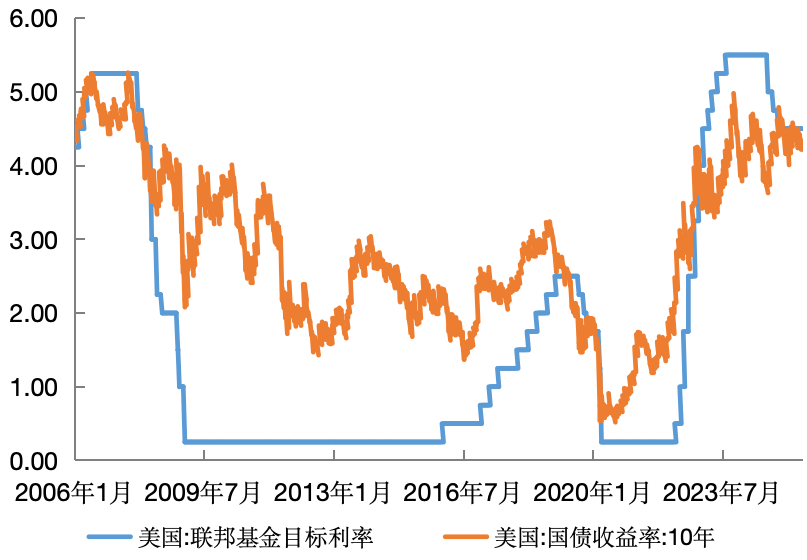
Core Insights - The article reviews the bond investment behaviors of banks in the low interest rate cycles of the US, Europe, and Japan, providing insights for the high-quality development of China's banking sector's bond investment business [1] Group 1: Low Interest Rate Cycle Overview - In the US, the Federal Reserve initiated a rate-cutting cycle in 2007, leading to a federal funds rate of 0-0.25% by December 2008, which was later raised to 2.25%-2.5% in December 2015 before being cut again in 2019 and 2020 due to economic slowdowns and the pandemic [2] - The 10-year US Treasury yield fell from 5.3% in 2007 to 1.5% in 2012, and later to a historic low of 0.55% in mid-2020, before rising again due to economic recovery expectations [2] - In Europe, the European Central Bank (ECB) reduced the main refinancing rate from 4.25% in 2008 to 0% by 2016, marking the start of a negative interest rate era, which ended with rate hikes in July 2022 [5] - Japan has experienced a prolonged low interest rate environment since 1999, with the 10-year government bond yield remaining around 0% during the yield curve control (YCC) policy, which is expected to normalize in 2024 [6] Group 2: Characteristics of Low Interest Rate Periods - Market interest rates do not always move in sync with policy rates, with market rates often rising faster than policy rates as the low interest rate cycle nears its end, leading to increased interest rate risk [7] - Despite a weak economic backdrop, low interest rate periods can still experience significant yield volatility due to fluctuations in economic conditions, inflation, and policy expectations [8] - The duration of low interest rate environments varies, with the US experiencing the shortest duration at 3 years, while Japan has been in a low interest rate environment for nearly 30 years [8] Group 3: Bond Investment Strategies in Low Interest Rate Cycles - The low interest rate cycle can be divided into three phases: rapid rate decline, low rate fluctuation, and rapid rate increase [9] - In the rapid rate decline phase, strategies include expanding portfolio size, extending duration, leveraging, and investing in fixed-rate bonds to capitalize on capital gains [10][11] - During the low rate fluctuation phase, strategies focus on increasing risk tolerance, enhancing reallocation returns, and employing active trading to boost capital gains [17] - In the rapid rate increase phase, strategies should aim to reduce portfolio PVBP, shorten duration, and hedge against interest rate risks [29] Group 4: Recommendations for China's Banking Sector - Banks should enhance credit risk tolerance and focus on economically robust regions and industries with stable demand to mitigate risks [30] - Developing intermediary businesses to increase non-interest income is crucial in a low interest rate environment, reducing reliance on bond investment income [31] - Diversifying investment regions and considering overseas opportunities can improve portfolio returns and mitigate interest rate risks [31] - Implementing appropriate hedging strategies based on the current phase of the interest rate cycle is essential for managing risks effectively [31]
破局低利率周期,招商银行的应对之道
经济观察报· 2025-09-01 00:30
Core Viewpoint - The low interest rate environment is significantly impacting the banking industry in China, leading to a potential restructuring of the competitive landscape. China Merchants Bank (CMB) is taking various strategic measures to navigate these challenges, including accelerating internationalization, enhancing comprehensive services, leveraging AI for smart banking, and improving management and risk control [1][2]. Group 1: Impact of Low Interest Rates - The one-year and five-year Loan Prime Rates (LPR) in China have been cumulatively reduced by 70 basis points and 105 basis points from 2022 to 2024, respectively [2]. - As a result, the net interest margin for the banking sector has declined to 1.42% in Q2 of this year, putting pressure on revenue and profit growth, as net interest income accounts for over 70% of bank revenues [2]. - The low interest rate scenario is described as the biggest "gray rhino" for the Chinese banking industry, with historical precedents from Europe, the US, Japan, and Taiwan indicating that prolonged low rates can lead to significant operational difficulties for banks [2]. Group 2: Internationalization Strategy - CMB is accelerating its internationalization to adapt to the growing demand for financial services as Chinese enterprises expand overseas. The bank aims to diversify its revenue sources beyond the low-interest domestic market [5][6]. - CMB has established a global presence with branches in major financial centers such as Hong Kong, Singapore, New York, and London, and is leveraging these platforms to enhance its multi-currency operations [6]. - The bank's international business has shown significant growth, with total assets and operating income from its Hong Kong institutions increasing by 9.49% and 25.28%, respectively, in the first half of 2025 [6]. Group 3: Comprehensive Business Development - CMB has been expanding its financial licenses, recently obtaining a Financial Asset Investment Company (AIC) license, which enhances its comprehensive business model [12][13]. - The bank's subsidiaries are performing well, with total assets of major subsidiaries growing by 9% year-on-year, indicating an upward trend in its overall competitive capability [12]. - CMB is focusing on providing integrated services across various business lines to enhance customer loyalty and achieve diversified revenue streams [13]. Group 4: Differentiated Competitive Strategy - CMB emphasizes differentiation in a highly competitive banking environment, aiming to create a unique value proposition through innovation and specialized services [15]. - The bank's retail customer base has reached 216 million, with retail assets under management surpassing 16 trillion yuan, reflecting its strong performance in retail banking [15][16]. - CMB is also investing in key regional branches to enhance its presence in economically vibrant areas, which is expected to drive further growth [17]. Group 5: AI and Digital Transformation - CMB is committed to becoming a smart bank by leveraging AI technologies to enhance service delivery and operational efficiency [19][20]. - The bank has developed a comprehensive AI technology framework, with 184 application scenarios across various functions, resulting in significant labor hour savings [19][21]. - CMB's historical focus on technology adoption positions it well to capitalize on the ongoing AI competition in the banking sector [20]. Group 6: Management and Cost Control - In response to the low interest rate environment, CMB is shifting towards more refined management practices, emphasizing cost control and operational efficiency [22][24]. - The bank has implemented strict cost management measures, resulting in a decrease in business and management expenses over the past two years [22]. - CMB maintains a strong focus on risk management, with a non-performing loan ratio of 0.93% and a provision coverage ratio of 410.93%, indicating robust risk management capabilities [24].


五大上市险企如何闯过低利率周期?
Sou Hu Cai Jing· 2025-08-31 16:02
Core Insights - The low interest rate environment is reshaping investment strategies for insurance companies, prompting a shift towards equity investments, particularly high-dividend assets [1][5][6] - As of June 30, 2023, the total investment assets of five major A-share listed insurance companies reached 19.73 trillion yuan, reflecting a year-on-year growth of 7.52% [2][4] - The performance of investment returns varied among companies, with China Life achieving a total investment return rate of 3.29%, while China Pacific Insurance saw a decline of 0.4 percentage points to 2.3% [2][4] Investment Strategy Adjustments - Insurance companies are increasingly focusing on equity investments to enhance returns, with China Ping An's equity investment ratio rising to 10.5% from 7.6% year-on-year [4][6] - The emphasis on high-dividend stocks is becoming a key part of investment strategies, as these assets provide stable cash flow and align with the long-term investment needs of insurance funds [5][6][7] - Companies are also exploring diverse asset classes, including innovative high-quality assets like ABS and public REITs, to optimize their portfolios [8] Market Outlook - The outlook for the capital market is optimistic, with expectations of continued recovery in A-shares and a focus on sectors such as technology innovation and advanced manufacturing [4][5] - China Life is particularly optimistic about the Hong Kong stock market, which has shown strong recovery and offers valuable investment opportunities in new economy and high-dividend assets [9] Unique Investment Trends - A notable trend is the phenomenon of insurance companies investing in each other, with China Ping An acquiring stakes in China Pacific Insurance and China Life, guided by principles of reliability, growth potential, and sustainable dividends [7] - The establishment of private equity funds by insurance companies indicates a strategic move towards long-term investments in stable and well-governed companies [7]




稳固收、抓股息、寻成长,五大上市险企详解低利率周期应对之策
Bei Jing Shang Bao· 2025-08-31 14:12
Core Viewpoint - The low interest rate environment is reshaping the investment strategies of major insurance companies in China, leading to a significant focus on equity investments, particularly high-dividend stocks, to enhance returns amidst challenging fixed-income yields [1][4][5]. Investment Performance - As of June 30, 2023, the total investment assets of five major A-share listed insurance companies reached 19.73 trillion yuan, reflecting a year-on-year growth of 7.52% [2]. - Investment returns have improved due to a recovering capital market, with China Pacific Insurance reporting an annualized total investment return of 5.1%, up 1 percentage point year-on-year [2]. Asset Allocation Strategies - Insurance companies are increasing their allocation to equity investments, with China Ping An's stock investment ratio rising to 10.5% from 7.6% year-on-year [3]. - China Life's equity financial assets increased by 156.5 billion yuan in the first half of the year, with stock assets reaching 620.14 billion yuan [3]. Focus on High-Dividend Stocks - In the current low interest rate environment, insurance companies are prioritizing high-dividend assets that provide stable cash flow and align with their long-term investment strategies [4][5]. - Companies like China Life and China Ping An are actively seeking opportunities in high-dividend stocks and growth sectors, emphasizing the importance of stable returns [5]. Unique Investment Phenomena - The trend of "insurance companies acquiring other insurance companies" has emerged, with China Ping An recently increasing its stakes in China Pacific Insurance and China Life [6]. - This strategy is guided by the "three Cs" principle: reliable operations, growth potential, and sustainable dividends [6]. Diversification of Assets - Insurance companies are maintaining a high proportion of fixed-income investments while also exploring innovative asset classes such as ABS and public REITs to enhance overall returns [7]. - China Life is focusing on overseas markets, particularly the Hong Kong stock market, which has shown strong recovery and offers valuable investment opportunities [8].
金融中报观|稳固收、抓股息、寻成长,五大上市险企详解低利率周期应对之策
Bei Jing Shang Bao· 2025-08-31 13:28
Core Viewpoint - The low interest rate environment is reshaping investment strategies for insurance companies, leading to a significant focus on equity investments and high-dividend assets to enhance returns [1][5][6]. Investment Performance - As of June 30, 2023, the total investment assets of five major A-share listed insurance companies reached 19.73 trillion yuan, a year-on-year increase of 7.52% [3]. - Investment returns for several companies improved significantly in the first half of 2023, with China Life achieving a total investment return of 3.29%, while China Pacific Insurance saw a decline of 0.4 percentage points to 2.3% [3][4]. Asset Allocation Strategies - Insurance companies are increasing their allocation to equity investments, with China Ping An's stock investment ratio rising to 10.5% from 7.6% year-on-year [4]. - China Life's equity financial assets reached 1.43 trillion yuan, with stock assets increasing by 1.19 billion yuan [4]. Focus on High-Dividend Stocks - In the current low interest rate environment, insurance companies are prioritizing high-dividend stocks that provide stable cash flow and align with their long-term investment strategies [5][6]. - Companies like China Life and China Pacific Insurance are actively seeking opportunities in high-dividend and growth sectors, emphasizing the importance of stable returns [6][7]. Diversification of Assets - Insurance companies are exploring diverse asset classes beyond traditional fixed income, including innovative quality assets like ABS and public REITs [8]. - China Life is also focusing on overseas markets, particularly the Hong Kong stock market, which has shown strong recovery and offers valuable investment opportunities [9].

资管机构圆桌论道:穿透信息壁垒 破局低利率周期
Zhong Guo Zheng Quan Bao· 2025-07-30 21:09
Group 1: Industry Insights - The asset management industry's "original intention" is to help holders share the benefits of macroeconomic growth, with the core issue being severe information asymmetry rather than a lack of quality products [2] - Approximately two-thirds of asset managers can achieve excess returns when measured against market performance, indicating that there is no "best" product, only the "most suitable" for specific investors [2] - The current low-interest-rate environment presents a significant challenge for the asset management industry, but it also serves as an important opportunity to test the professional asset management capabilities of institutions [5] Group 2: Technological Transformation - The explosion of artificial intelligence (AI) is profoundly reshaping quantitative investment logic, with AI enabling the use of previously difficult-to-apply unstructured data and improving model performance through deep learning [3][4] - The competition for top talent in quantitative institutions is intensifying, as the success of AI models heavily relies on the density of top talent [4] - The future will favor those who effectively utilize AI, as data, models, and computing power remain tools that require human oversight [3] Group 3: Strategic Adaptation - Financial companies should reconstruct their revenue sources by focusing on stable cash flow assets like infrastructure REITs and capturing structural opportunities in the equity market [5] - A customized service system should be developed based on life stages and specific goals to achieve precise matching of investor needs [6] - Companies are upgrading their credit assessment systems and innovating risk management models to shift from reactive to proactive risk prevention [6] Group 4: Investment Outlook - In the next 3 to 5 years, various asset classes, including RMB, bonds, and real estate, hold potential, but equities are particularly favored due to their relative valuation advantages in the Chinese market [6] - The Chinese equity market is currently at a historically low valuation, presenting a cost-effective investment opportunity, especially in sectors like AI, innovative pharmaceuticals, and advanced manufacturing [6]
