
内需主导

Search documents
习近平:当前经济工作的重点任务
国家能源局· 2026-02-15 09:49
Core Viewpoint - The article emphasizes the importance of focusing on key tasks for economic work in 2026, highlighting the need for a strong domestic market, innovation-driven growth, and coordinated development across regions and sectors [4][10]. Group 1: Domestic Market and Consumption - The strategy aims to enhance domestic demand by promoting consumption and investment, leveraging China's vast market advantages [4]. - Initiatives include implementing consumption stimulus actions, increasing urban and rural residents' income, and optimizing the supply of quality goods and services [5]. - The government plans to increase central budget investments and improve the management of local government special bonds to boost project construction [5]. Group 2: Innovation and Technology - The focus is on driving innovation to foster new growth engines, with an emphasis on technology-led industrial upgrades [6]. - Plans include increasing support for basic research, enhancing the role of enterprises in innovation, and developing international technology innovation centers in key regions [6]. - The government aims to promote the application of new technologies and products, particularly in emerging industries like integrated circuits and biotechnology [6]. Group 3: Reform and Market Dynamics - The article outlines the need for reforms to enhance high-quality development, including establishing a unified national market and improving the business environment [9]. - Measures will be taken to revitalize idle resources and deepen state-owned enterprise reforms, while also supporting the growth of small and medium-sized enterprises [9]. - The government will promote market-oriented reforms in various sectors, including finance and energy, to foster sustainable growth [9]. Group 4: International Cooperation and Trade - The strategy emphasizes the importance of opening up to enhance cooperation and facilitate domestic and international dual circulation [10]. - Plans include expanding service sector openness, promoting digital and green trade, and enhancing the investment environment for foreign businesses [10]. - The government aims to sign more trade agreements and support the development of the Belt and Road Initiative [10]. Group 5: Regional Development and Urbanization - The article highlights the need for coordinated development between urban and rural areas, focusing on county-level urbanization and rural revitalization [11]. - It emphasizes improving infrastructure and public resource allocation in rural areas to support economic growth [11]. - The government will support the development of major city clusters and enhance regional cooperation to boost overall competitiveness [11]. Group 6: Green Development and Sustainability - The strategy includes promoting a comprehensive green transition, focusing on carbon reduction, pollution control, and environmental sustainability [12]. - Initiatives will involve advancing energy efficiency in key industries and expanding the use of renewable energy sources [12]. - The government plans to strengthen environmental protection measures and enhance disaster response capabilities [12]. Group 7: Social Welfare and Employment - The article stresses the importance of prioritizing people's livelihoods, with a focus on stabilizing employment for key groups [14]. - Plans include enhancing vocational training, supporting flexible employment, and improving healthcare access [14]. - The government aims to implement policies to encourage childbirth and support families, while also ensuring food and drug safety [14]. Group 8: Risk Management and Financial Stability - The strategy outlines measures to manage risks in key areas, particularly in the real estate market and local government debt [15]. - The government will implement policies to stabilize the housing market and support reasonable financing for real estate companies [15]. - Efforts will be made to address local government debt risks and enhance financial support mechanisms [15].

习近平:当前经济工作的重点任务
财联社· 2026-02-15 07:13
Core Viewpoint - The article emphasizes the importance of focusing on key tasks for economic work in 2026, highlighting the need to strengthen domestic demand and build a robust domestic market while promoting consumption and investment [1]. Group 1: Economic Strategy - The article outlines the need to implement actions to boost consumption, including urban and rural income increase plans and optimizing the supply of quality goods and services [1]. - It stresses the importance of stabilizing investment and increasing the scale of central budget investments, while optimizing the use of local government special bonds [1]. Group 2: Innovation and Reform - The article advocates for innovation-driven growth, emphasizing the role of technology in industrial upgrades and the establishment of international technology innovation centers in key regions [2]. - It calls for reforms to enhance market vitality, including the establishment of a unified national market and the promotion of private sector development [2]. Group 3: International Cooperation - The article highlights the need for open international cooperation, promoting trade and investment integration, and expanding service sector openness [3]. - It encourages the development of digital and green trade, as well as the signing of more regional and bilateral trade agreements [3]. Group 4: Sustainable Development - The article stresses the importance of green transformation, advocating for carbon reduction and pollution control while enhancing green development momentum [4]. - It outlines plans for energy system construction and solid waste management to support environmental sustainability [4]. Group 5: Social Welfare - The article emphasizes prioritizing people's livelihoods, focusing on employment stability and improving access to education and healthcare [5]. - It highlights the need for policies to support vulnerable groups, including the elderly and those in flexible employment [5]. Group 6: Risk Management - The article discusses the importance of risk management in key areas, particularly in stabilizing the real estate market and addressing local government debt risks [6]. - It advocates for measures to optimize debt restructuring and mitigate financing platform risks [6].

马年投资锦囊|长城基金汪立:关注内需价值与新兴科技两大方向
Sou Hu Cai Jing· 2026-02-12 05:11
Core Viewpoint - The A-share market is expected to stabilize gradually after the Spring Festival holiday, with investors advised to hold stocks during the holiday, focusing on domestic demand and emerging technology sectors [1][2] Group 1: Market Analysis - The A-share market is currently fluctuating around the 4100-point mark, with a noticeable decline in trading volume [1] - Positive factors for the market include the global market pricing in the potential hawkish stance of the Federal Reserve, while domestic policies are shifting towards prioritizing domestic demand [1] - The China Securities Regulatory Commission has emphasized efforts to maintain a stable and positive trend in the capital market, leading to a surge in stock buybacks by A-share companies [1] Group 2: Investment Directions - Two main investment directions are recommended: 1. Domestic demand value, with a high probability of outperformance post-holiday, focusing on sectors like food, retail, tourism services, hotels, and commodities such as oil, non-ferrous metals, and chemicals [2] 2. Emerging technology, highlighting the competition between China and the U.S. in production efficiency, with attention on sectors like internet, media, computing, robotics, electronics, military industry, and energy storage [2]
在制度型开放中发挥海南自贸港引领作用
Hai Nan Ri Bao· 2026-02-10 03:36
Core Viewpoint - Hainan Free Trade Port (FTP) plays a leading role in China's institutional opening-up, serving as a benchmark for national and international trade rules and policies [3][4][5]. Group 1: Role of Hainan FTP - Hainan FTP is a crucial "chess piece" in China's broader opening strategy, representing the only Chinese-style free trade port that aligns with the world's most advanced trade rules [4]. - The central government has high expectations for Hainan FTP, which is seen as a pilot for high-level opening-up policies that can be replicated nationally [4][6]. - Hainan's development is expected to set a model for future-oriented growth, showcasing new standards and rules for global trade [6][8]. Group 2: Institutional Opening Measures - Hainan FTP aims to implement high-standard international rules, such as customs facilitation and zero tariffs, which currently cover 74% of goods, with plans for expansion [7]. - The port's policies allow for tax exemptions on products with over 30% added value, enhancing Hainan's industrial advantages [7]. Group 3: Domestic Demand and Consumption - Hainan's strategy of "external flow, external priority, and external promotion" aims to convert foreign consumption into domestic demand, leveraging its unique geographical and institutional advantages [9]. - The province seeks to attract high-quality consumption, including duty-free shopping and premium medical and educational services, to reduce the outflow of domestic spending [9][10]. - Hainan is positioned to become an international tourism consumption center, optimizing the national consumption environment and contributing to high-quality economic growth [9].

4个关键词,解锁2026年消费新密码
2 1 Shi Ji Jing Ji Bao Dao· 2026-02-09 12:13
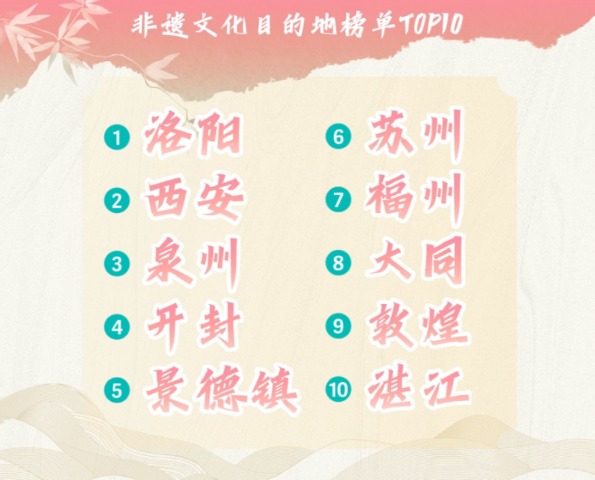
不只是春节消费热度可期,今年开年以来,全国消费已经有了走稳的迹象,尤其是服务消费超越商品消 费,成为真正的拉动力。 具体来看,下面这四大消费热潮,将关系到你今年的钱包。 第一,旅游热。今年元旦假期3天时间,全国国内出游达到1.42亿人次,国内出游总花费超800亿元,其 中,广东在旅游人次和金额上都是全国第一。非遗游、冰雪游等特色旅游大火。元旦假期间,"非遗"主 题旅游搜索及预订热度环比增长85%,洛阳、泉州等城市成了热门目的地。国内热门航线TOP20中,冰 雪游航线占比达四成左右。值得一提的是,想玩冰雪的人不只是往尔滨走,还挤满了广州、深圳等地的 滑雪场。 史上最长春节要来了!春运刚开始第一周,每天出行人次预计超2亿,相当于每7个中国人,就有1个"在 路上"。 这人一多,对消费是个大利好。飞猪数据显示,春节假期中段出行服务预订量同比增长超30%,高星级 酒店预订量大增近70%。热腾腾的"全国网上年货节"也已启动,长达45天,屏幕前的你想好要买什么了 吗? 第三,情绪热。能戳中当代人,尤其是年轻人情绪的商品,最有可能成为"顶流"。去年是Labubu、哪 吒、"大湾鸡"大火,今年一开年,义乌"哭哭马"公仔就逆袭成 ...
国常会“研究促进有效投资政策措施”释放何信号?专家:明确今年稳增长的核心抓手
Sou Hu Cai Jing· 2026-02-07 05:30
Core Viewpoint - The State Council meeting emphasizes the importance of promoting effective investment to stabilize economic growth and enhance development momentum, focusing on innovative policy measures and long-term project planning in key sectors [1][3]. Group 1: Key Points on Effective Investment - Upgrade funding tool combinations: Integrate central budget investments, ultra-long-term special bonds, local special bonds, and new policy financial tools to address funding gaps for project initiation [3]. - Anchor the "14th Five-Year" long-term investment framework: Move beyond short-term growth stabilization to bind projects in urban renewal and emerging industries to the development needs of the next five years [3]. - Collaborate to promote effective investment: Clarify the role of central state-owned enterprises in investment while breaking down barriers for private investment [3]. - Build long-term competitiveness: Focus investments on future industries and public services that can accumulate development momentum without spreading resources too thin [3]. Group 2: Economic Data Insights - In 2025, total fixed asset investment (excluding rural households) reached 48.5186 trillion yuan, a decrease of 3.8% from the previous year; excluding real estate development investment, total fixed asset investment fell by 0.5% [3]. - Infrastructure investment declined by 2.2%, while manufacturing investment grew by 0.6%, and real estate development investment saw a significant drop of 17.2% [3]. - The Central Economic Work Conference for 2026 highlights the need to maintain domestic demand as the main driver and aims to stabilize and recover investment [3].

华帝开展的焕新计划,能给消费者带来什么好处?
Xin Lang Cai Jing· 2026-02-05 04:01
Group 1 - The central economic work conference has emphasized the strategy of "domestic demand as the mainstay, building a strong domestic market," providing strong policy support for the home appliance industry [1][8] - The kitchen appliance industry is transitioning from a phase of scale expansion to quality competition, focusing on discovering new growth points in a saturated market through model innovation and service upgrades [1][8] - Vatti, a leading brand in high-end kitchen appliances in China, is closely aligning with the "two new" policies and the trend of upgrading consumption in housing, launching a terminal product renewal plan centered on "product + service" dual upgrades [1][8] Group 2 - Vatti has accumulated 4,690 national-level patents, including 835 invention patents and 543 "good cleaning" patents, positioning itself at the forefront of the industry in terms of technological reserves [3][10] - The company aims to enhance the product structure at the national terminal level, ensuring that new products are available immediately upon launch, allowing consumers to experience the latest technology and products in real-time [3][10] Group 3 - Vatti's new products have gained market attention due to the company's strong technological foundation, with several star products standing out due to their innovative advantages [4][13] - Key features of the new products include advanced technologies such as the fourth-generation surfing steam washing, real-time PM2.5 detection, and multi-stage fire control, certified as "internationally leading" by the China Light Industry Federation [4][13] - The "Giant Wash" dishwasher B6S has achieved over 99.9% cleaning coverage and received the industry's first "一级洗净覆盖率" certification, showcasing Vatti's commitment to high-quality kitchen appliances [4][13] Group 4 - The service aspect is a crucial part of the terminal renewal plan, with the company focusing on providing exceptional service as a form of sales strength [7][15] - Vatti plans to implement digital upgrades, including AI integration and service mini-programs, to ensure rapid response times and enhance user experience with a standard of "1.5 hours response, 48 hours precise installation, and 72 hours repair completion" [7][15] - The company's localized innovations aim to meet diverse consumer demands for high-quality kitchen appliances while balancing traditional cooking with health and cleanliness needs [7][15]


理响中国·图个明白
Xin Lang Cai Jing· 2026-02-04 11:16
中国GDP增长5% 经济总量突破140万亿元 成为全球经济的"显眼包" 宏观 的支撑底座是微观 经济总量数据的背后也有令人深思之久 习近平总书记在省部级主要领导 干部学习贯彻党的二十届四中全会精 神专题研讨班开班式上强调: "让内需成为经济发展的主动力" 这个"主"字里面,有定海神针! 投资、出口、消费 通常被视为一国经济发展的"三驾马车 海国 到104日 如何读懂"生动力" 里的意味深长 2025年 ▪ 贸易顺差创下历史纪录 但可能引发外部失衡 - 投资增速出现一定波动 "稳"的压力料将持续 在两难多难情况下 ■ 内需更加成为"关键手" 从动力上升为"主动力" D & H S HILL . 连续两年的中央经济工作会议 将扩内需、促消费列为各项任务之首 在坚持内需主导的大方向下 消费将迎来一场怎样的变革? 商品消费持续增加 "新国补"政策让"买买买更省钱 服务消费活力释放 增收让老百姓"有钱花" 优化节假日安排让人"更有时间花" 新型消费方兴未艾 冰雪旅游燃情大江南北 编辑:韩睿 ll Black - II = 从"有没有"到"好不好" 14亿多中国人向往美好生活 从"制造大国"走向"消费大国" 中国,正在超 ...

安伟走访调研重点企业时强调 优化企业发展环境激发市场主体活力 为郑州经济社会高质量发展注入强劲动能
Zheng Zhou Ri Bao· 2026-02-04 03:29
Group 1 - The provincial and municipal leadership emphasizes the importance of supporting enterprise development to enhance the economic and social growth of the city, aligning with the directives from the central government [1] - Anwei highlights the need for companies to increase R&D investment to maintain and expand their competitive advantages, particularly in the context of smart economy and society [1] - The construction of the Pang Donglai Group project in Zhengzhou is expected to boost consumer potential and strengthen domestic demand, with local authorities urged to provide comprehensive support for its completion [1] Group 2 - The new energy vehicle industry is identified as a key driver for high-quality development in the city, with specific support pledged for companies like Yutong and SAIC Motor to enhance their market presence [2] - Anwei encourages Yutong to continue its advancements in R&D and market expansion, reinforcing its status as a leading manufacturer in Zhengzhou [2] - At China Construction Seventh Engineering Division, there is a call for the company to innovate in urban renewal and infrastructure projects, contributing to the overall quality of life for residents [2]
在五个“新”中读懂中国经济
Jing Ji Ri Bao· 2026-02-04 03:24
Core Insights - The article discusses the current state of the Chinese economy, emphasizing the need to understand both the "form" and the "momentum" behind its development, particularly in light of the "strong supply and weak demand" contradiction [1][9]. Economic Performance Overview - In 2025, China's GDP growth rate was 5%, aligning with the initial target, and significantly above the global average of approximately 3% [3][4]. - The employment rate remained stable, with an urban unemployment rate kept within 5.5%, creating around 12 million new jobs due to the 5% growth rate [4]. - The Consumer Price Index (CPI) remained stable, indicating controlled inflation but also reflecting weak overall demand [4]. - China's foreign trade saw a 3.8% increase, with foreign exchange reserves stable at over $3.2 trillion, providing a buffer against external risks [4]. Structural Changes and Trends - The economy is characterized by "steady progress," with improvements in quality and efficiency, particularly in high-tech and equipment manufacturing sectors [5]. - Domestic demand has become the primary driver of growth, with consumption contributing over 50% to economic growth, indicating a shift towards a more balanced growth model [5][26]. Challenges and Risks - The main challenges facing the economy include insufficient domestic demand, particularly in consumer spending and private investment, which are critical for sustaining growth [7][9]. - Structural issues such as mismatches between labor skills and job requirements, as well as external pressures from global economic conditions, are also significant [7][9]. Policy Directions - The article highlights the need for macroeconomic policies to focus on expanding domestic demand while ensuring supply-side structural reforms continue [11][14]. - Emphasis is placed on the importance of policy coordination, integrating both existing and new policies to enhance effectiveness [16][17]. - The "Five Musts" proposed in the 2025 Central Economic Work Conference outline key areas for economic governance, including maximizing economic potential and balancing government-market relations [19][20]. New Development Model - The new economic development model emphasizes domestic demand, consumption-driven growth, and endogenous growth, marking a shift from reliance on external demand and investment [24][25]. - This model aims to enhance the quality of growth, focusing on innovation and the establishment of a modern industrial system [28].