农产品品牌建设

Search documents
广东柚,梅州柚,品牌最响、销售最旺的富民柚!
Nan Fang Nong Cun Bao· 2025-11-07 23:33
Core Viewpoint - The article highlights the booming market and brand development of Guangdong pomelo, particularly from Meizhou, emphasizing its significance in local agriculture and economy [1][4][5]. Group 1: Brand and Market Development - Meizhou is recognized as the largest pomelo production area in Guangdong, with the local pomelo being a key agricultural product that contributes to the region's economy [3][5]. - The "12221" market system has facilitated the promotion of Guangdong pomelo, leading to its recognition as a national brand [9][11]. - Various marketing strategies, including media collaborations and creative campaigns, have successfully elevated the brand visibility of Guangdong pomelo [17][54]. Group 2: Economic Impact - The pomelo industry in Meizhou has generated significant income, with over 57 million yuan from the golden pomelo alone in a single year [6]. - The overall industry value has surpassed 8.9 billion yuan, benefiting over 100,000 farmers [66]. - The average annual income increase for farmers in the Meizhou pomelo planting base is 28,800 yuan, with pomelo cultivation accounting for over 80% of their total income [66][67]. Group 3: Marketing and Promotion - The Guangdong pomelo has been featured prominently in national media, including CCTV, enhancing its recognition among consumers [20][22]. - Innovative marketing approaches, such as mobile advertising and community group purchases, have been employed to reach a wider audience [32][54]. - The pomelo has also gained international attention, with promotional events in Canada introducing it to new markets [35][43].


特色产业唤醒新疆沃野
Ren Min Ri Bao· 2025-10-14 02:33
Core Insights - The transformation of Xinjiang's agricultural sector emphasizes a market-oriented approach to production and branding, enhancing the agricultural value chain and promoting rural revitalization [1][2][3] Group 1: Agricultural Development - Xinjiang's agricultural development is shifting from high yield to high quality and standards, moving away from primary processing to deep processing, which enhances product value and strengthens the industry [1] - The introduction of leading processing enterprises has significantly increased the value of agricultural products, such as transforming low-grade fruits into high-value products like jams and wines, thereby boosting local employment and income [1] Group 2: Brand Building - Brand development acts as an amplifier for agricultural products, with examples like the organic flour and handmade noodles from Qitai County achieving international certification and high demand, leading to substantial annual revenue [2] - The transition from "selling what is available" to "selling what is desired" through quality enhancement and brand building allows agricultural products to meet deeper consumer needs, moving away from price competition [2] Group 3: Market Expansion - Agricultural products must reach beyond local markets to increase their value, as demonstrated by the Shule County mushroom production exceeding local demand and relying on established sales channels [2] - Investments in infrastructure, cold chain storage, and market access are crucial for transforming simple cultivation into integrated production and sales, ensuring both quality production and broader market reach [2] Group 4: Collaborative Efforts - The path to value addition in agriculture requires collaborative efforts among government, enterprises, and farmers, focusing on optimizing infrastructure, fostering innovation, and creating a supportive business environment [3] - Emphasizing the need for a coordinated approach, the government is encouraged to enhance the business climate while enterprises and farmers work together to form beneficial partnerships [3]
特色产业唤醒新疆沃野(现场评论·天山南北气象新)
Ren Min Ri Bao· 2025-10-13 22:20
Core Insights - The transformation of Xinjiang's agricultural sector is driven by a focus on market-oriented production and brand-driven sales, enhancing the agricultural value chain and increasing added value [1][2][3] Group 1: Agricultural Development - Xinjiang's agricultural development is shifting from high yield to high quality and high standards, moving away from the traditional model of selling low-priced primary products [1] - The introduction of leading processing enterprises has enabled the conversion of raw agricultural products into high-value processed goods, creating job opportunities and increasing local income [1][2] Group 2: Brand Building - Brand development acts as an amplifier for agricultural products, with local products achieving international organic certification and significant market demand [2] - The transition from "selling what is available" to "selling what is desired" is crucial for upgrading agricultural products from generic to premium status [2] Group 3: Market Expansion - Agricultural products must reach beyond local markets to appreciate in value, as demonstrated by the success of the "Rujiangqing" edible fungus ecological technology demonstration park [2] - Investments in cold chain storage and logistics have extended the sales period of products, allowing for better market penetration and sales opportunities [2] Group 4: Collaborative Efforts - Successful value addition in agriculture requires collaborative efforts among government, enterprises, and farmers, focusing on infrastructure improvement, innovation, and quality management [3] - The emphasis on aligning with local resource endowments and industry foundations is essential for achieving high-quality development in Xinjiang's agricultural sector [3]
“乡村振兴齐鲁论坛2025”在邹平举办,交流研讨乡村全面振兴重大理论和实践问题
Da Zhong Ri Bao· 2025-10-13 01:04
Core Viewpoint - The "Qilu Forum on Rural Revitalization 2025" held in Zouping focuses on discussing major theoretical and practical issues related to comprehensive rural revitalization, aiming to enhance the competitiveness of rural resources in the market [2] Group 1: Forum Overview - The forum is co-hosted by various governmental and academic institutions, emphasizing high-quality rural revitalization in Shandong [2] - Experts and scholars in the "three rural" fields are engaged in discussions to provide intellectual support for building a higher-level "Qilu Granary" and improving rural industry development [2] Group 2: Agricultural Production and Food Security - Despite continuous grain harvests, China's grain production is in a tight balance, with 2024's output expected to exceed 1.4 trillion jin [2] - Key measures for stabilizing production include maintaining acreage and increasing yield, alongside enhancing agricultural technology and equipment [2] Group 3: Role of Cooperatives and Modern Agriculture - The importance of farmer cooperatives in ensuring food security is highlighted, with suggestions for strengthening cooperative models to enhance agricultural efficiency [3] - Successful examples include the transformation of Shandong's Xinxian County into a leading vegetable production area, with significant improvements in greenhouse utilization and income [3] Group 4: Branding and Market Competitiveness - Agricultural product branding is crucial for modernizing agriculture and increasing farmer income, focusing on the integration of local resources and cultural heritage [4] - Collaborative efforts among farmers, cooperatives, and enterprises are necessary to create scalable brands and enhance market competitiveness [4] Group 5: Rural Operations and Talent Development - Emphasis is placed on optimizing rural resource allocation and effective asset management to improve rural development quality and efficiency [5] - The need for professional training and development of rural operation talents is stressed, with examples of successful initiatives in talent recruitment and training [5]
羊城硕果呈丰景,广州特色农产品“出圈”又“出彩”
2 1 Shi Ji Jing Ji Bao Dao· 2025-09-29 06:15
Core Viewpoint - Guangzhou is showcasing its agricultural achievements and promoting local products through the celebration of the 2025 Chinese Farmers' Harvest Festival, emphasizing the city's commitment to agricultural development and rural revitalization [1][2]. Agricultural Production and Economic Impact - Guangzhou's agricultural, forestry, animal husbandry, and fishery output value exceeded 23.6 billion yuan in the first half of the year, marking a 4.4% year-on-year increase [2] - The city has implemented significant measures to ensure stable agricultural production, achieving over 100% self-sufficiency in vegetables, 90% in aquatic products, and 70% in fruits [2] - The city has been recognized for its performance in the "vegetable basket" mayor responsibility system, receiving excellent ratings for three consecutive assessments [2] Modern Agricultural Development Initiatives - Guangzhou is advancing urban modern agricultural industry chain development and enhancing agricultural parks, adding 3 national and 43 provincial agricultural leading enterprises [3] - The city has successfully included 15 specialty industries in the first batch of ten-billion-yuan modern agricultural industry clusters in the province [3] Brand Development and Market Engagement - Guangzhou has cultivated a range of competitive agricultural brands, including 12 national geographical indication products and 42 nationally recognized specialty products [5] - The festival featured various activities to enhance market competitiveness and brand influence, including a marketplace for unique agricultural products and innovative e-commerce models that significantly boosted sales [4][6] Rural Revitalization and Community Engagement - The festival highlighted the integration of cultural heritage and rural development, with initiatives to promote local culture and tourism [7][8] - The city has made substantial progress in rural governance and development, with nearly half of its administrative villages recognized as exemplary [8] New Agricultural Entrepreneurs - New farmers are emerging as key players in rural revitalization, utilizing modern management practices to enhance agricultural productivity and profitability [9] - The average disposable income of rural residents in Guangzhou has consistently outpaced urban residents for 17 years, reflecting the positive impact of agricultural development on community welfare [9]

四川乡城:高原特产走出田间 飘香四海引游人
Zhong Guo Xin Wen Wang· 2025-09-20 12:28
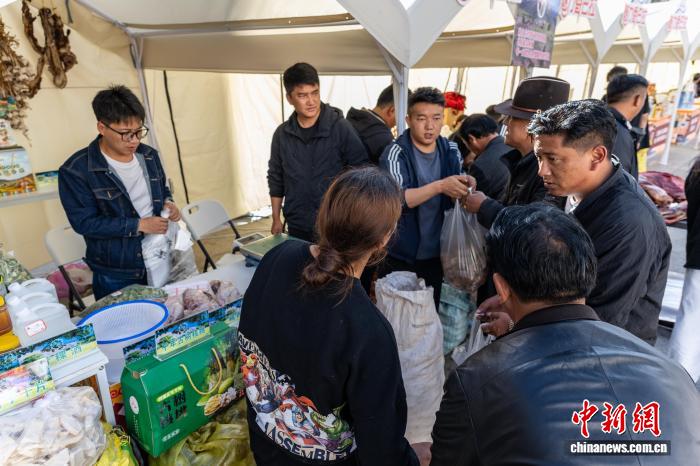
Core Insights - The article highlights the successful agricultural product exhibition in Xiangcheng County, Sichuan, showcasing local specialties and attracting both residents and tourists [1][3]. Group 1: Agricultural Products - Xiangcheng County, located in the core area of the Shangri-La ecological tourism zone, has a diverse range of agricultural products due to its unique geographical and climatic conditions [3]. - Ten varieties of agricultural products, including apples, blueberries, and matsutake mushrooms, have received national organic certification, leading to the establishment of 11 geographical indication trademarks [3][6]. - The exhibition featured a variety of local products such as apples, Tibetan pears, barley, and caterpillar fungus, alongside deep-processed foods like wine and mushroom cookies, which enhance the shelf life and nutritional value of the products [3][6]. Group 2: Economic Impact - The event attracted over a thousand local residents and tourists, resulting in active on-site transactions, with many attendees purchasing local products [6]. - Xiangcheng County has been actively promoting agricultural brand development, focusing on regional public brands and nurturing several food processing enterprises, which has increased the added value and market competitiveness of local agricultural products [6]. - The county has established an integrated circulation system combining online and offline sales, with over 50 dedicated sales points in major supermarkets across Zhejiang, facilitating the distribution of Xiangcheng agricultural products nationwide [6]. Group 3: Cultural Promotion - The exhibition is part of the 2025 Shangri-La Ring Cultural Week, themed "Meeting at the White Tibetan House, Charm of Shangri-La," which aims to present a rich tapestry of ethnic culture and pastoral beauty [6].
供需联动释放农产品消费潜能
Jing Ji Ri Bao· 2025-09-10 22:10
Core Insights - The 2025 China Harvest Festival has launched a consumption season aimed at promoting agricultural products, with initiatives from e-commerce platforms and financial institutions to support farmers [1][2] - The focus is on optimizing the supply of green and high-quality agricultural products to meet the evolving consumer demand for nutrition and health [4][5] Group 1: Agricultural Supply and Quality - The agricultural sector is actively optimizing its structure to enhance the supply of green and high-quality products, with over 36,000 new certifications for green, organic, and geographical indication products since the start of the 14th Five-Year Plan, a 70% increase from the end of the 13th Five-Year Plan [2] - The total sales of green food reached 609.78 billion yuan in 2024, with a high agricultural product quality safety monitoring pass rate of 97.9% in the first half of the year [2] - Geographical indication products have seen significant growth, with 2,544 recognized products and a direct output value exceeding 960 billion yuan [2] Group 2: Food Processing and Consumption - The food industry plays a crucial role in connecting agricultural production with consumer demand, with a focus on deep processing of agricultural products to enhance consumption [3] - The scale of fresh agricultural product consumption in China reaches 1 billion tons annually, supported by nearly 20 million cubic meters of cold chain facilities [3] - The development of a high-efficiency agricultural product circulation system is essential to reduce losses and meet cross-regional transportation needs [3] Group 3: Nutritional Health Focus - The emphasis on nutrition and health in agricultural production is highlighted by the "China Food and Nutrition Development Outline (2025-2030)," which integrates nutritional needs throughout the food supply chain [4] - There is a growing demand for high-quality protein sources, with a focus on stabilizing meat and egg supply while increasing fish, dairy, and soybean products [4][5] - The need for innovative food technology and a multi-layered nutritional food industry is emphasized to address the dual challenges of excess energy and micronutrient deficiencies [5][6] Group 4: Expanding Consumption Scenarios - The diversification of agricultural product consumption is evident, with new consumption scenarios emerging through rural tourism and experiential agriculture [7] - The development of leisure agriculture has generated nearly 900 billion yuan in revenue, becoming a vibrant area for tourism and consumption [7] - Agricultural branding initiatives are being implemented to enhance consumer confidence and connect quality products with market demand [8]
内蒙古“草原优品”品牌推介活动在北京举行
Zhong Guo Jing Ji Wang· 2025-08-11 09:27
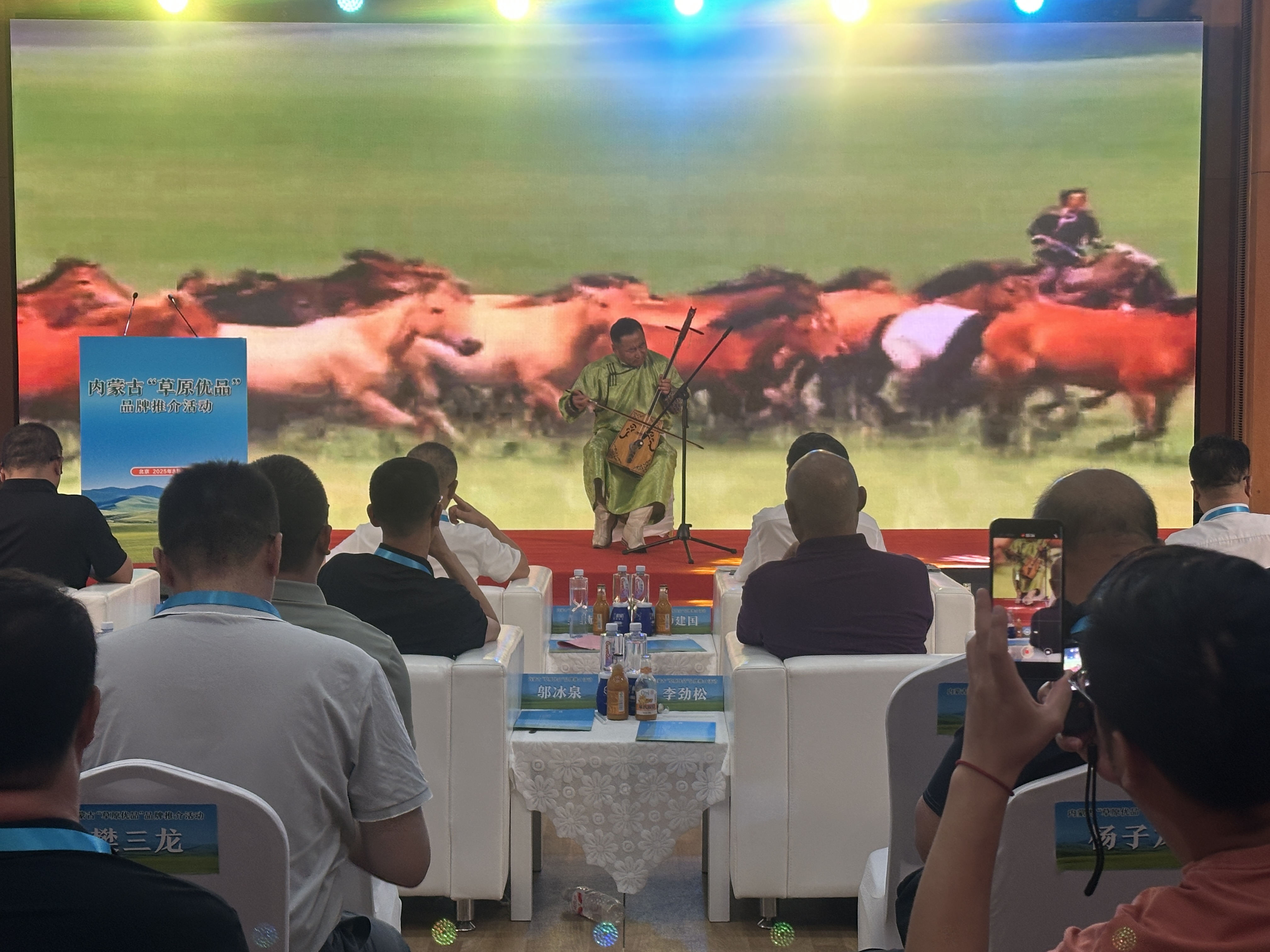
Core Viewpoint - The "Grassland Quality Products" brand promotion event in Inner Mongolia aims to showcase the achievements of high-quality agricultural development and expand the market for Inner Mongolia's agricultural and livestock products [1][5]. Group 1: Event Overview - The event was co-hosted by various organizations including the Inner Mongolia Agricultural and Animal Husbandry Department and the Inner Mongolia Government Office in Beijing [1]. - The event featured brand displays, product promotions, and industry dialogues to comprehensively present the results of Inner Mongolia's agricultural development [1]. Group 2: Agricultural Development Highlights - In 2024, Inner Mongolia's agricultural sector is expected to see a strong growth momentum, with a 73.6% increase in first industry investment, reaching a value of 287.26 billion yuan [5]. - The region has achieved 21 consecutive years of grain production growth, with the quantity of green organic and high-quality products ranking first in the country [5]. Group 3: Brand Building and Market Expansion - A signing ceremony was held for the entry of "Grassland Quality Products" into the JD "Xinhua Credit Quality Products Pavilion," with 14 quality enterprises officially joining [8][11]. - The "Xinhua Credit Quality Products Pavilion" is a credit consumption platform developed in collaboration with JD and Kuaishou, aimed at introducing high-quality local specialty products through a strict credit evaluation system [11]. - The event also showcased diverse agricultural products from various regions in Inner Mongolia, enhancing brand value and market competitiveness through expanded sales channels [12].

优化供给端、创新流通端、激活市场端 拓展农产品消费新空间
Jing Ji Ri Bao· 2025-07-31 23:23
Core Viewpoint - The article discusses the implementation plan for promoting agricultural product consumption, which aims to stabilize the agricultural market, increase farmers' income, and drive high-quality agricultural development through various measures [1]. Group 1: Optimizing Supply Side - Agricultural product consumption is increasingly focused on quality and personalization, leading to a rapid growth in demand for branded products and functional foods [2]. - Since the beginning of the 14th Five-Year Plan, 36,000 new green, organic, and geographical indication agricultural products have been certified, a 70% increase compared to the end of the 13th Five-Year Plan [2]. - The goal is to provide over 200 million tons of green and high-quality agricultural products annually, with sales of green food expected to exceed 600 billion yuan in 2024 [2]. Group 2: Promoting Quality - The plan includes improving the green food standard system and promoting the application of organic standards and production procedures to enhance production technology [3]. - The Ministry of Industry and Information Technology is focusing on upgrading the food industry by leveraging biotechnology and promoting deep processing of agricultural products [3]. Group 3: Innovating Distribution - The construction of a modern agricultural product distribution system is crucial for reducing circulation losses and improving product quality, with fresh agricultural product consumption reaching 1 billion tons annually [4]. - By the end of 2024, nearly 20 million cubic meters of cold chain facilities will be supported to enhance the distribution network [5]. - The plan emphasizes the need for digital, intelligent, and standardized transformation of the agricultural supply chain [5]. Group 4: Activating Market Demand - The plan aims to diversify agricultural product consumption scenarios, encouraging activities that promote local specialties and enhance consumer engagement [6]. - Rural leisure tourism is highlighted as a growing area for expanding consumption, with various activities designed to connect urban consumers with agricultural experiences [7]. - Brand agricultural products are increasingly favored by consumers, as they are seen as a guarantee of quality and credibility [7][8]. Group 5: Enhancing Nutritional Health - The plan addresses the need for improved nutritional health services, particularly for specific demographics such as students and the elderly, to promote balanced dietary consumption [8].
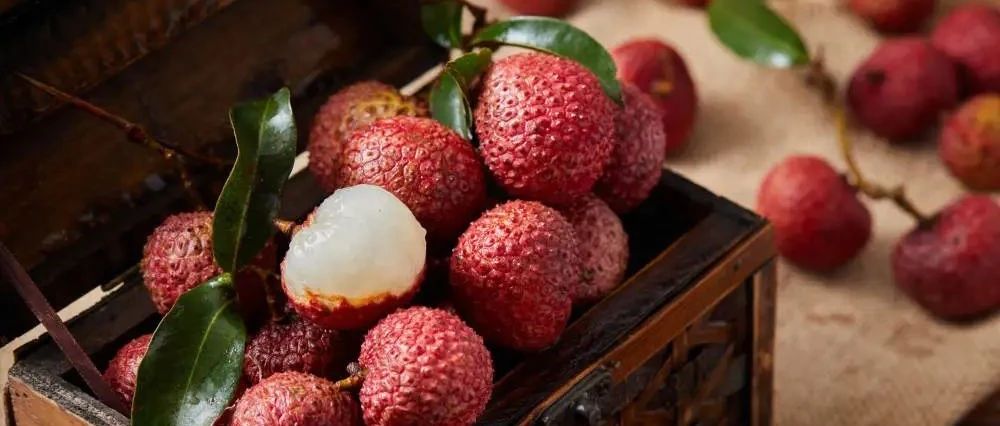
东方爱情果“圈粉”全球
21世纪经济报道· 2025-07-26 09:18
Core Viewpoint - The article highlights the significant growth and international expansion of Guangdong lychee exports, driven by improvements in quality, technology, and marketing strategies, while also emphasizing the need for a clear product grading system to enhance global recognition and value consensus [1][2][8]. Group 1: Export Growth and Market Expansion - In the first half of the year, Guangzhou exported 1,099.3 tons of lychee, a year-on-year increase of 250%, with ASEAN as the largest market, followed by the US with a staggering 2,600% increase [1]. - Maoming's lychee exports reached 7,070.6 tons, up approximately 140%, with a value of 102 million RMB, reflecting a 57% increase [1]. - Guangdong's lychee exports have reached over 8,000 tons annually, accounting for 55% of the national total, benefiting 1.8 million lychee farmers [1]. Group 2: Quality and Technological Upgrades - Guangdong is recognized for its rich lychee genetic resources and diverse cultivation areas, with popular varieties like "Feizixiao" and "Baitangying" being favored in international markets due to their thicker skin and better preservation [5]. - The introduction of ultra-low temperature freezing technology allows lychee to be preserved in a "sleep" state, enabling year-round availability [5]. - The development of deep processing products, such as lychee vinegar and juice, has enhanced the product's appeal in international markets [5]. Group 3: Marketing Strategies and Brand Development - Guangdong has shifted from a single wholesale export model to a layered marketing network tailored to different target markets, enhancing brand visibility and penetration [7]. - The launch of the "Oriental Love Fruit" brand aims to create a cultural narrative around Guangdong lychee, drawing on historical references and modern marketing strategies [11][12]. - The collaboration with influencers and the use of creative marketing campaigns, such as the "1-minute peeling lychee" challenge, have contributed to the brand's growing recognition [12]. Group 4: Challenges and Future Directions - Despite the growth, Guangdong lychee still faces challenges in establishing a clear international grading system, which is crucial for enhancing consumer recognition and value perception [9][13]. - The lack of a unified grading standard leads to misconceptions about lychee quality among international consumers, necessitating ongoing market education [13]. - The article suggests that Guangdong's lychee industry must continue to innovate and improve its branding and marketing efforts to compete with other high-end fruits globally [10][12].