品牌化发展

Search documents
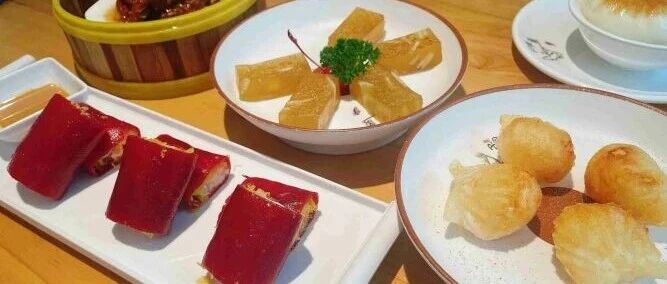
广州拟为早茶设立专项规定:预制点心差别定价,茶位费不能只收钱
第一财经· 2025-09-30 08:59
Core Viewpoint - The article discusses the ongoing public consultation regarding the "Guangzhou Early Tea Inheritance and Protection Regulations" draft, highlighting the significance of establishing specific regulations for early tea in Guangzhou to enhance consumer experience and promote local culture [3]. Group 1: Market Growth and Consumer Sentiment - The Chinese catering industry has grown from 3.7 trillion yuan in 2017 to an estimated 5.5 trillion yuan in 2024, indicating a robust market [3]. - Consumers have expressed concerns about the tea seat fee and its perceived value, particularly among younger demographics who are more sensitive to pricing [6][5]. - The article notes that local consumers are generally more accepting of the tea seat fee, while younger consumers may prefer other dining options if the perceived value is not met [6]. Group 2: Regulatory Changes and Consumer Rights - The draft regulations emphasize the need for clear pricing and transparency in the tea seat fee structure, requiring operators to provide a variety of tea options and adequate service [6][8]. - Consumers' rights to know about the preparation methods of tea items are addressed, with a distinction made between traditionally and non-traditionally prepared items [8]. - The regulations propose the establishment of "Guangzhou Early Tea Classic Stores," which will be certified and monitored to ensure they meet traditional standards [8][9]. Group 3: Industry Trends and Brand Revival - There is a noted "Renaissance" in the Guangzhou early tea market, with a resurgence of traditional brands that focus on freshly made tea items [9]. - Historical brands like Huiru Lou and Qiu Da San Yuan are experiencing a revival, indicating a consumer preference for freshly prepared items over pre-made options [9]. - The management of these establishments is adapting to consumer preferences by ensuring that freshly made items are prioritized, even if it results in longer wait times [9].

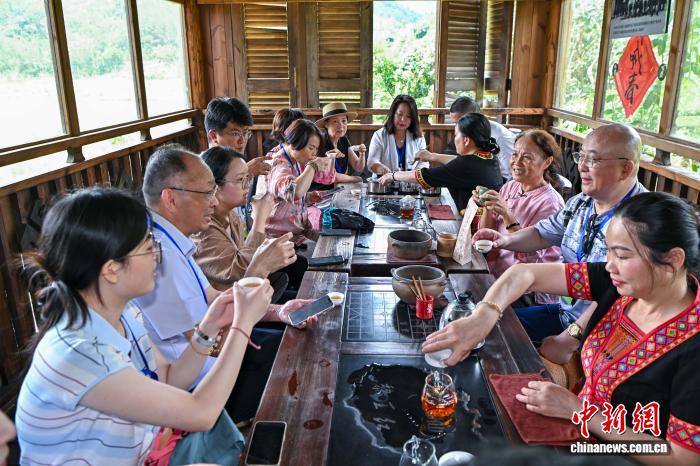
海外华媒海南采访行:在五指山采茶品茗探茶路
Zhong Guo Xin Wen Wang· 2025-08-29 06:51
Core Viewpoint - The article highlights the efforts of Zheng Lijuan and her company, Wuzhishan Yexian Biotechnology Co., Ltd., to promote the brand development of Wuzhishan black tea, emphasizing its high quality and unique characteristics, aiming to increase its recognition both domestically and internationally [1][5]. Group 1: Company Initiatives - Zheng Lijuan, the general manager of Wuzhishan Yexian Biotechnology Co., Ltd., is focused on branding Wuzhishan black tea, which is known for its "amber soup and milk honey fragrance" [1]. - The company was established following the investment of Zheng's mother, who built a tea base in Wuzhishan after retiring [3]. - In 2014, Zheng initiated the application for geographical indication status for Wuzhishan black tea, leading to the formation of the Wuzhishan Tea Association with eight local tea enterprises [5]. Group 2: Industry Development - Wuzhishan black tea received the national geographical indication product title in November 2015, marking it as Hainan's first national-level tea geographical indication product [5]. - The tea planting area in Wuzhishan has expanded to over 170 hectares, with 134 hectares in the main production area of Shuiman Township, where more than half of the local farmers are engaged in tea-related work [6]. - The income from tea has become a primary source of revenue for local farmers, contributing to their improved living standards and stimulating local tourism and hospitality businesses [6]. Group 3: Future Plans - Zheng plans to expand the planting area of Wuzhishan black tea and enhance market recognition through cultural and tourism activities, aiming to establish both online and offline branding sales channels [6].
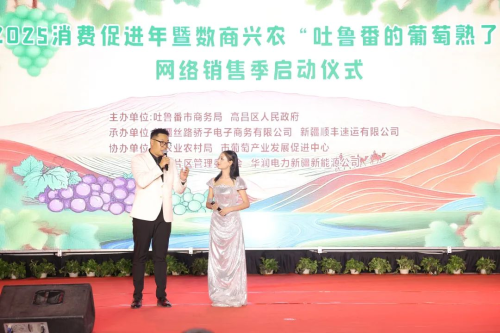
助推新疆吐鲁番水果迈向全国
Zhong Guo Chan Ye Jing Ji Xin Xi Wang· 2025-08-11 03:22
Core Viewpoint - The Turpan grape industry is set to advance significantly through a series of events, including the 31st Silk Road Turpan Grape Festival and the 4th Gansu, Xinjiang, Mongolia, and Qinghai Regional Cultural Tourism Alliance Conference, starting from August 7, 2025, aimed at promoting the "Turpan Grape" brand nationwide [1][27]. Group 1: Event Overview - The "Turpan Grapes are Ripe" online sales season was launched on August 7, 2025, with the event organized by the Turpan Municipal Bureau of Commerce and other local authorities [3][5]. - The event attracted representatives from major fruit wholesale markets across China, establishing a new platform for production and sales cooperation [1][5]. - A cross-regional grape production and sales cooperation agreement was signed during the event, promoting online and offline collaboration for local agricultural products [7][27]. Group 2: Promotion Activities - The "Fragrant Fruits of the Silk Road" Xinjiang Fruit Promotion Conference showcased various high-quality Turpan grape varieties, including seedless white, blue sapphire, and rose fragrance [10][12]. - The event included tasting displays, speeches, business negotiations, and signing of purchase intention agreements, highlighting the quality and appeal of Turpan grapes [10][20]. - A total of 14 local enterprises and cooperatives expressed purchasing intentions for over 27,300 tons of Turpan grapes during the event [22]. Group 3: Strategic Goals - The activities aim to enhance the visibility of Turpan grapes, facilitate market access, and support local farmers' income and brand value [14][27]. - The event is part of a broader strategy to digitalize and brand the Turpan grape industry, injecting new vitality into the local agricultural economy [27].
深蓝智库 2025品牌对话
Bei Jing Shang Bao· 2025-05-26 16:00
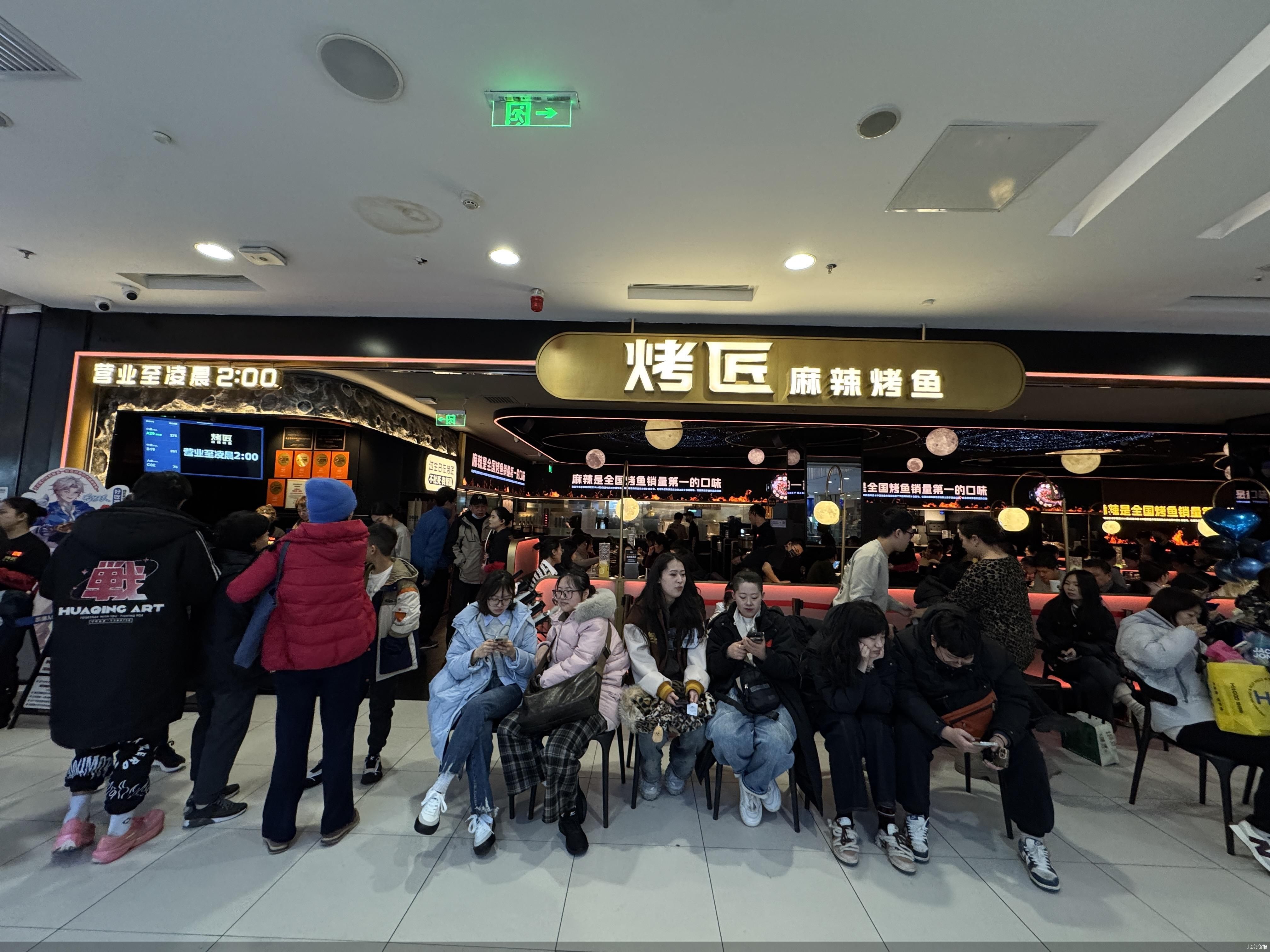
Group 1: Industry Trends - The restaurant industry is experiencing a shift towards diversified and personalized consumer demand, prompting a re-evaluation of competition logic and trends [1] - There is a notable transition from extensive expansion to refined operations within the industry, emphasizing the importance of customer value and differentiated products [2][5] - The market is witnessing a significant trend of brand differentiation and specialization, with a focus on creating unique customer experiences [5][9] Group 2: Company Performance - The performance of 烤匠麻辣烤鱼 in Beijing has exceeded expectations, with the first store achieving an average weekend wait time of 7-10 hours and a weekday wait time of 3-5 hours [3] - Approximately 60% of customers in Beijing are repeat visitors, reflecting a strong customer base built over 11 years in the Sichuan-Chongqing region [3] - The company has extended its operating hours to cater to late-night dining demands, aligning with consumer behavior and preferences [4] Group 3: Strategic Adjustments - 烤匠麻辣烤鱼 maintains a consistent product strategy by replicating the original flavors from Sichuan-Chongqing, responding to customer feedback for authentic dining experiences [4] - The company is focusing on brand differentiation and deepening its core product offerings, particularly in the spicy fish category, to avoid reliance on short-term traffic [5] - 旺顺阁集团 has shifted its brand positioning to capitalize on the growing demand for Beijing cuisine, enhancing its market competitiveness [8] Group 4: Market Dynamics - The current restaurant market is characterized by significant consumption segmentation, with street-side and community dining options gaining popularity due to their affordability and convenience [9] - The industry is facing challenges from price wars, where some businesses resort to irrational pricing strategies that compromise quality [10] - A call for value-based competition rather than price competition is emphasized, with companies encouraged to enhance operational efficiency while maintaining quality standards [11]
全球订单变局,中企逆流而上
2 1 Shi Ji Jing Ji Bao Dao· 2025-05-26 11:51
Group 1 - The new tariff policy has led to an upgrade in supply chains, with emerging markets like Russia and Europe becoming growth engines for companies [1][4][6] - Following the tariff adjustments on May 12, companies have reported a surge in orders from the U.S., indicating a recovery in demand despite initial uncertainties [4][6][10] - Companies are increasingly focusing on brand development and global procurement strategies to adapt to the changing foreign trade environment [3][6] Group 2 - Many companies have established stable relationships with U.S. clients, which are not significantly affected by tariff changes, allowing for collaborative solutions to share cost burdens [5][6] - The overall impact of the tariff changes on business operations has been manageable, with some companies reporting increased orders post-May 12 compared to the previous months [4][6] - Companies are exploring diversified market layouts and enhancing their product offerings to maintain competitiveness in the international market [6][7] Group 3 - The shift towards domestic sales is being considered by some companies, although challenges such as intense competition and lack of operational experience in the domestic market exist [8][10] - E-commerce platforms like 1688 are adapting to the changing competitive landscape by launching initiatives to support companies transitioning from foreign trade to domestic sales [9] - Companies are focusing on integrating domestic and foreign trade strategies to mitigate risks associated with fluctuating overseas markets [9][10]
寻找消费力|烤匠麻辣烤鱼创始人冷艳君:复购比短期流量更重要
Bei Jing Shang Bao· 2025-05-26 10:36
Core Insights - The article emphasizes the shift in consumer demand towards diverse and personalized experiences in the restaurant industry, necessitating a transformation in competition logic and operational strategies [1] - The focus is on leveraging consumer insights and innovative experiences to drive growth and enhance brand loyalty, moving from mere traffic acquisition to deepening user value [1] Company Performance - The company has opened three stores in Beijing, with the first store at the Harmony Mall performing exceptionally well, experiencing average weekend wait times of 7-10 hours and 3-5 hours during weekdays [4] - The performance in Beijing has exceeded expectations, with nearly 60% of customers being repeat visitors, attributed to a strong customer base built over 11 years in the Sichuan-Chongqing region [5] Customer Demographics - The primary customer base in Beijing consists mainly of young people, including couples and friends, but also includes a significant proportion of families and elderly customers, challenging the stereotype that spicy flavors appeal only to younger demographics [6] Product Strategy - The company maintains a "original flavor replication" strategy, ensuring that the menu and flavors in Beijing are identical to those in Sichuan-Chongqing, based on customer feedback [7] - The operating hours have been extended from 10 AM to 10 PM to 10 AM to 3 AM to cater to late-night dining demands, aligning with the characteristics of the spicy fish dish [7] Operational Adjustments - The company adapts its operational strategies based on direct observations and customer feedback, such as offering customizable ingredient options to meet diverse preferences [8] - The focus is on continuous improvement in product offerings, service quality, and dining environment, driven by customer insights [8] Industry Trends - The company views the current "traffic anxiety" in the restaurant industry as a challenge, advocating for a focus on brand differentiation and unique value rather than chasing short-term traffic [9] - The company plans to continue specializing in spicy fish dishes, enhancing the overall dining experience while maintaining its core product focus [10] Expansion Strategy - The company prioritizes quality over quantity in its expansion strategy, opting for a gradual approach based on suitable locations and market feedback, while maintaining a direct management model to ensure quality control [11] Future Outlook - The restaurant industry is entering a golden decade of brand development, with significant trends towards chain operations and market segmentation, emphasizing the need for businesses to understand customer needs and create unique experiences [12]
东兴证券晨报-20250521
Dongxing Securities· 2025-05-21 10:48
Core Insights - The report highlights that the rising gold prices have negatively impacted consumer demand in the gold and jewelry industry, leading to a weak performance in revenue and profits for 2024 and Q1 2025, particularly in the A-share market compared to the Hong Kong market [2][3] - Despite the overall weak performance, certain companies have shown significant growth, particularly those with a high proportion of investment gold bars and strong brand differentiation [3][4] - The report suggests a shift towards brand-driven development in the industry, with younger consumers increasingly favoring unique and well-designed products [4][7] Revenue and Profit Performance - In 2024, the A-share gold and jewelry industry experienced a revenue decline of 4.73% year-on-year, with net profit attributable to shareholders dropping by 17.75% [2] - The combined revenue for A-share and Hong Kong gold and jewelry companies grew by 3.28% year-on-year, while net profit increased by 9.87% [2] - In Q1 2025, A-share gold and jewelry industry revenue fell by 25.22% year-on-year, but net profit saw a slight increase of 3.46% [2] Company Performance Disparities - Companies benefiting from high investment gold bar sales, such as Caibai Co., reported a revenue increase of 45.28% to 12.9 billion yuan [3] - Brands with strong differentiation, like Laopu Gold and Chaohongji, have successfully created unique competitive advantages through innovative product designs [3][4] - The report notes a slowdown in store expansion across the industry, indicating a shift in growth strategies from channel expansion to product and brand development [3] Future Outlook - The report anticipates that strong demand from central banks for gold will support long-term price increases, although short-term fluctuations may occur [5][7] - Investment strategies should focus on brands with high investment product ratios and strong design capabilities, as these are expected to perform well in the current market environment [7] - The report emphasizes the importance of brand development and product differentiation as key drivers for future growth in the gold and jewelry industry [4][7]
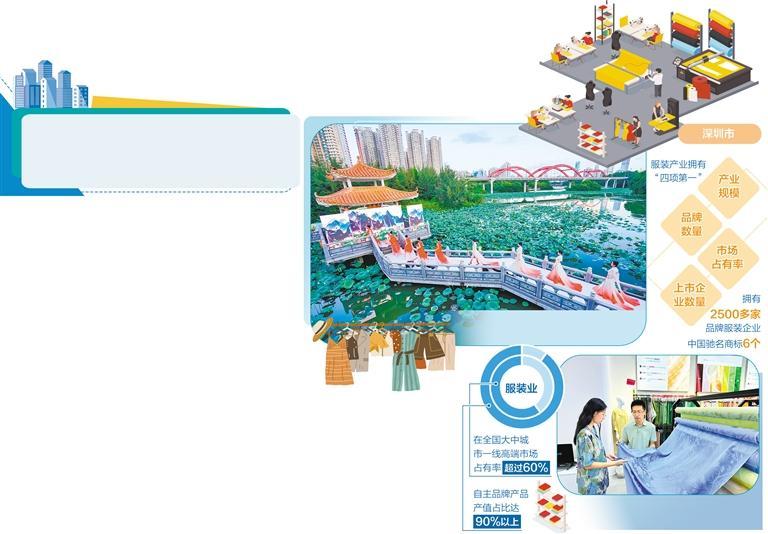
时尚高地以“新”促“兴”
Jing Ji Ri Bao· 2025-04-23 22:11
Core Insights - Shenzhen is recognized as one of the most developed cities in China's apparel industry, transitioning from OEM production to a hub for original brands, leveraging technological innovation to enhance value creation in the market [2][3] Industry Overview - The apparel market is currently in a "season change" mode, with retailers actively preparing for the new season, showcasing new collections and attracting consumers [2] - Shenzhen's apparel industry has evolved significantly, with a complete industrial chain and a notable increase in the proportion of self-owned brand products, rising from less than 5% in the early 1990s to over 90% today [3][4] Brand Development - Many traditional enterprises are shifting towards building their own brands to enhance product value and market competitiveness, leading to the emergence of well-known original designer brands [3] - Designers like Zhao Huizhou have successfully integrated traditional Chinese culture into their fashion lines, gaining international recognition at events like Milan Fashion Week [4] Material Innovation - The development of innovative fabrics is crucial for enhancing the quality of original apparel, with companies like Kai Xiya introducing advanced materials that address common issues associated with traditional silk [6][7] - The silk category in Shenzhen's apparel market holds a significant share, with over 50% of the national market, making it a key area for high-end silk and specialty silk distribution [5] Market Dynamics - The apparel consumption landscape is becoming increasingly diverse, with a focus on enhancing retail experiences and integrating online and offline sales channels [9][10] - Professional markets are adapting to consumer preferences by offering a variety of shopping experiences and collaborating with external supply chains and design institutions [11] Future Outlook - The industry is expected to continue evolving, with a focus on enhancing original design capabilities and brand influence, while also meeting the growing fashion consumption needs of the public [8][11]