多元化资产配置

Search documents
港交所陈翊庭:不担心IPO“堰塞湖” 香港市场“胃口好,都能吃得下”
FOFWEEKLY· 2026-02-05 10:00
以下文章来源于证券时报 ,作者吴瞬 证券时报 . 《证券时报》是人民日报社主管主办的全国性财经类日报,是证券市场信息披露媒体。 导读: 不担心IPO"堰塞湖", 香港市场"胃口好,都能吃得下" 作者丨吴瞬 来源丨证券时报 2026年以来,香港资本市场保持强劲势头,IPO递表数量更是连创新高,从2025年末的300余 家,至今年1月底已达到414家,短短1个月猛增近百家。在这一迅猛增长的背景下,香港市场是 否有足够能力承接如此密集的新股供给?会不会出现新股"堰塞湖"? 对此,香港交易所行政总裁陈翊庭2月4日在出席媒体活动时向证券时报记者表示,当前香港IPO市 场并未出现"堰塞湖",市场有充裕的资金来吸纳这些上市项目。她戏称, 香港市场"胃口好,都 能吃得下"。 IPO质量是底气所在 香港交易所主席唐家成在同一场合表示, 2025年对香港是"极为出色的一年": 港交所不仅重夺 全球IPO融资额榜首,更吸引了全球前五大IPO中的三家落户;市场活跃度大幅提升,日均成交额 跃升至约2500亿港元,较前一年翻倍。"这确实是非常了不起的一年。"他总结道。 唐家成进一步表示,更重要的是, 这一良好势头已延续到2026年。 截 ...



港交所陈翊庭:不担心IPO“堰塞湖” 香港市场“胃口好,都能吃得下”
证券时报· 2026-02-05 00:07
Core Viewpoint - The Hong Kong capital market has shown strong momentum since 2026, with a significant increase in IPO applications, raising concerns about the market's capacity to absorb this influx [1][5]. Group 1: IPO Market Performance - The number of IPO applications in Hong Kong surged from over 300 at the end of 2025 to 414 by the end of January 2026, indicating a rapid growth of nearly 100 applications in just one month [1]. - Hong Kong Exchanges and Clearing Limited (HKEX) regained the top position globally in IPO financing in 2025, with a daily trading volume that doubled to approximately 250 billion HKD, and the average daily trading volume for 2026 has reached 278 billion HKD [3]. - The market has received over 400 IPO applications, including 11 from international companies outside mainland China, showcasing global interest in entering the Chinese market through Hong Kong [3]. Group 2: Quality of IPOs - The quality of IPOs is emphasized as a key factor for attracting global investors, with the HKEX and the Hong Kong Securities and Futures Commission (SFC) focusing on the quality of sponsor submissions rather than the qualifications of the applicants themselves [3][5]. - HKEX has committed to a 40-working-day timeline for IPO approvals, contingent on the quality of submitted materials, which is aimed at ensuring high-quality listings [3]. Group 3: Market Capacity and Demand - HKEX's CEO expressed confidence that the market can absorb the influx of IPOs, attributing this to strong demand from international capital seeking diversified investment opportunities [5]. - The CEO highlighted that as long as the IPOs are of high quality, foreign capital will continue to flow into the market, negating concerns about a "backlog" of IPOs [5]. Group 4: Global Investor Interest - Since 2025, there has been a noticeable return of foreign capital to the Hong Kong market, driven by a desire for diversified asset allocation amid rising geopolitical uncertainties [7]. - The CEO noted that the Hong Kong market is providing attractive investment opportunities, which has been confirmed by international interest observed at events like the World Economic Forum in Davos [7]. Group 5: Future Market Development - HKEX plans to enhance its fixed income market as a core strategic focus for 2026, aiming to provide a broader range of investment options beyond equities [8]. - The exchange has invested in the Central Moneymarkets Unit (CMU) to build a foundation for the fixed income market and intends to collaborate with regulatory bodies and partners to develop a comprehensive market ecosystem [8].
先锋领航的最新美股持仓出炉,约6.9万亿美元!英伟达、苹果、微软为前3大重仓股!
私募排排网· 2026-02-02 06:58
Core Viewpoint - Vanguard Group, one of the largest asset management companies globally, reported a slight increase in its U.S. stock holdings, reaching a total market value of approximately $6.9 trillion by the end of Q4 2025, up from about $6.68 trillion at the end of Q3 2025 [2]. Group 1: Holdings Overview - By the end of Q4 2025, Vanguard held 4,329 U.S. stocks, with a total market value of $6.9 trillion, equivalent to approximately 48 trillion RMB [2]. - Vanguard's top 50 holdings accounted for about $3.49 trillion, representing 50.58% of its total portfolio [4]. - There were 110 stocks in Vanguard's portfolio with a market value exceeding $10 billion, and 9 stocks with a market value exceeding $100 billion [4]. Group 2: Top Holdings - Nvidia was Vanguard's largest holding, with approximately 2.267 billion shares valued at about $422.736 billion, making up 6.1% of the portfolio [5]. - Apple and Microsoft followed as significant holdings, each with a market value exceeding $300 billion [5]. - The performance of key stocks varied, with Nvidia's stock price decreasing by 0.04%, while Apple's increased by 6.77% and Microsoft's decreased by 6.63% during Q4 [2].



交通银行“沃德财富万里行”浙江站活动举办
Shang Hai Zheng Quan Bao· 2026-01-30 20:04
交通银行"沃德财富万里行"浙江站活动举办 ◎记者 聂林浩 近日,交通银行浙江省分行携手长信基金、汇丰晋信基金、施罗德基金成功举办"沃野万理·共见未来 ——沃德财富万里行"全国巡回路演浙江站活动。 以专业与陪伴护航财富未来 交通银行浙江省分行党委委员、副行长周建明致辞表示,在房地产转型与低利率常态化的背景下,股票 等权益资产配置已成为居民增加财产性收入的重要渠道。当前中国经济稳中有进,资本市场改革为权益 投资注入新动能,高水平对外开放也为全球资产配置提供了丰富机遇。 "交通银行自2006年推出沃德财富品牌以来,始终坚持以客户为中心。近年来,依托交银集团国际化、 综合化优势,积极整合全球研究资源,助力投资者捕捉境内外优质企业的成长红利。"周建明介绍,本 次活动邀请了多家深耕境内外市场的合作伙伴,共同探讨多元化资产配置策略。 他表示,杭州作为科技创新、数字经济与先进制造业的高地,活跃的产业生态为财富管理注入了新活 力。当前浙江省上市公司数量位居全国第二,孕育了众多优秀企业。交通银行浙江省分行扎根于此,积 极推动财富金融与科技金融的融合,积累了丰富的财富管理经验。本次活动正是服务区域高质量发展、 助力共同富裕示范区建 ...

定期存款利率为1.75%,到底值得存吗?银行员工:储户太“精明”了
Sou Hu Cai Jing· 2026-01-24 06:22
第四,定期存款利率跑不赢通胀。现如今,水电煤、食用油、洗漱用品、生活用纸等与老百姓生活休戚相关的商品价格都在上涨。同时,银行存款利率却进 入到"1时代",也就是说当前的存款利率跑不赢通胀水平。不仅如此,存款的本金的购买力也是一年不如一年。在这样的情况下,定期存款的吸引力已经是 越来越弱了。即使银行给出了1.75%这样相对较高的存款利率,也很难让储户提起兴趣。 尽管随着存款利率持续走低,定期存款的吸引力也越来越弱。但是,把钱从银行拿出来投资股票、基金、房子等品种也是有风险的。一方面,多数储户缺乏 投资经验,盲目投资理财,亏钱的概率是非常大的。另一方面,现在的投资环境并不好,即使是专业投资者也可能会亏钱,就更不要说普通投资者了。所 以,普通人可以选择3年期的定期存款,但也应该留出一部分流动资金以备不时之需。 最近,我去某股份制银行办理业务,听见银行员工在向一位70多岁的阿姨抱怨:现在的储户太"精明"了,银行3年期定期存款利率是1.75%,这么高的存款利 率,前来存钱的储户数量却并不多。在这位银行员工看来:未来银行定期存款利率会越来越低,存3年定期存款不仅能享受到较高的存款利率,还能锁定利 息收入,有这么好的机会, ...
财经观察|继续下调,有银行大额存单利率跌入“0字头”!多省公布金融统计数据→
Sou Hu Cai Jing· 2026-01-22 03:28
近期,记者注意到,多家银行年初以来发行的大额存单利率较去年出现下调情况,部分银行的短期产品 利率已降至1%以下,进入"0"字头区间。 存款利率继续下调 当前,工商银行、农业银行、中国银行等多家国有银行的1个月及3个月期大额存单利率为0.9%,较往 年明显下调。此外,多家中小银行近期发行的3个月、6个月等期限的大额存单利率也均下调,其中云南 腾冲农商行、云南隆阳农商行等银行近期发行的3个月期大额存单,利率已步入1%以下,进入"0"字头 区间。在多家银行手机App上,5年期大额存单已不见踪影,部分银行仅剩下2年期及更短期限的产品。 光大证券金融业首席分析师 王一峰:大额存单作为银行体系的主动负债,其定价水平相对较高,流动 性也好于存款,市场需求相对旺盛。同时,大额存单也因为其成本偏高,银行体系为稳定自身经营,缓 解净息差压力,倾向于对其进行较为严格的量、价管理。 业内人士指出,在近期央行结构性降息降准以及商业银行自身稳定净息差的双重背景下,未来一段时 间,银行定期存单的发行规模可能继续收缩,利率或将继续下行。 国家金融与发展实验室副主任 曾刚:调整我们的投资理念,不能像以前把大量资金配置在中长期的定 期存款类产品 ...

跌入“0”字头!多家银行下调大额存单利率
Sou Hu Cai Jing· 2026-01-22 00:42
在多家银行手机App上,5年期大额存单已不见踪影,部分银行仅剩下2年期及更短期限的产品。 近期,记者注意到,多家银行年初以来发行的大额存单利率较去年出现下调,部分银行的短期产品利率 已降至1%以下,进入"0"字头区间。 当前,工商银行、农业银行、中国银行等多家国有银行的1个月及3个月期大额存单利率为0.9%,较往 年明显下调。 此外,多家中小银行近期发行的3个月、6个月等期限的大额存单利率也均下调,其中云南腾冲农商行、 云南隆阳农商行等银行近期发行的3个月期大额存单,利率已步入1%以下,进入"0"字头区间。 国家金融与发展实验室副主任 曾刚:调整我们的投资理念,不能像以前把大量资金配置在中长期的定 期存款类产品上面,根据实际风险投资的承受能力,多元化资产配置。 业内人士指出,在近期央行结构性降息降准,以及商业银行自身稳定净息差的双重背景下,未来一段时 间,银行定期存单的发行规模可能继续收缩,利率或将继续下行。 光大证券金融业首席分析师 王一峰:大额存单作为银行体系的主动负债,其定价水平相对较高,流动 性也好于存款,市场需求相对旺盛。同时,大额存单也因为其成本偏高,银行体系为稳定自身经营,缓 解净息差压力,倾向 ...
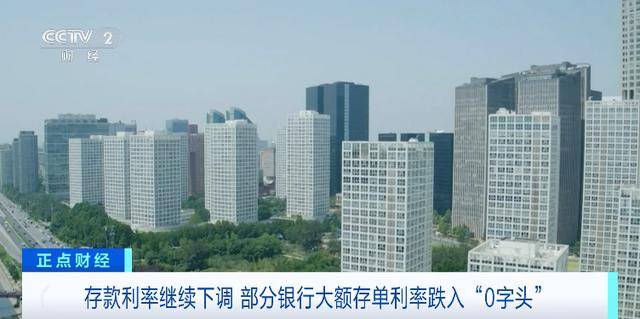
存款利率继续下调 部分银行大额存单利率跌入“0字头”
Sou Hu Cai Jing· 2026-01-21 14:59
国家金融与发展实验室副主任 曾刚:调整我们的投资理念,不能像以前把大量资金配置在中长期的定 期存款类产品上。根据实际风险投资承受能力,多元化资产配置。 光大证券金融业首席分析师 王一峰:大额存单作为银行体系的主动负债,其定价水平相对较高,流动 性也好于存款,市场需求相对旺盛。同时,大额存单也因为其成本偏高,银行体系为稳定自身经营,缓 解净息差压力,倾向于对其进行较为严格的量、价管理。 业内人士指出,在近期央行结构性降息降准,以及商业银行自身稳定净息差的双重背景下,未来一段时 间,银行定期存单的发行规模可能继续收缩,利率或将继续下行。 (央视财经《正点财经》)近期,记者注意到,多家银行年初以来发行的大额存单利率较去年出现下调 情况,部分银行的短期产品利率已降至1%以下,进入"0"字头区间。 当前,工商银行、农业银行、中国银行等多家国有银行的1个月及3个月期大额存单利率为0.9%,较往 年明显下调。此外,多家中小银行近期发行的3个月、6个月等期限的大额存单利率也均下调,其中云南 腾冲农商行、云南隆阳农商行等银行近期发行的3个月期大额存单,利率已步入1%以下,进入"0"字头 区间。在多家银行手机App上,5年期大额 ...

跨境ETF加速扩容,港股赛道成吸金主力
2 1 Shi Ji Jing Ji Bao Dao· 2026-01-21 13:05
Core Insights - The cross-border ETF market in China has reached a historic milestone, with a total scale surpassing 1 trillion yuan, reaching 10,025 billion yuan in January 2023, and remaining at 9,903.82 billion yuan as of January 20, 2026 [1][2] - The market has experienced exponential growth since 2021, with the number of products increasing from 24 to 208, a growth of 7.67 times, and the total shares rising from 236.55 billion to 9,532 billion, a growth of 39.30 times [1][2] - The annual compound growth rate of cross-border ETFs has exceeded 80% since 2021, with a significant increase of 119.53% in 2025 alone [2][3] Market Dynamics - The cross-border ETF market is highly concentrated, with the top five managers (Huaxia, Fuguo, Huatai-PB, E Fund, and ICBC Credit Suisse) accounting for over 60% of the market scale [4] - The leading product in the market is the Fuguo Hong Kong Stock Internet ETF, with a scale of 894 billion yuan, followed by the Huaxia Hang Seng Technology Index ETF at approximately 524 billion yuan [4] - There are currently 25 cross-border ETFs with a scale exceeding 10 billion yuan, up from 11 at the beginning of 2025 [4] Growth Drivers - The rapid development of cross-border ETFs is driven by factors such as the accumulation of household wealth, the internationalization of the yuan, strong performance in the Hong Kong technology sector, and the trend of global capital allocation [5] - The demand for diversified asset allocation has been fueled by the limited channels for investing overseas, particularly as overseas markets, especially the US stock market, have performed well [5] - The increasing number of innovative products has lowered participation barriers, further promoting the growth of cross-border ETFs [5] Future Trends - The cross-border ETF market is expected to continue expanding, with potential growth areas including regional expansion, thematic deepening, and strategic innovation [6] - Future developments may focus on emerging markets such as Brazil, India, and Southeast Asia, as well as thematic investments in sectors like semiconductors, AI, and renewable energy [6] - The market is likely to see a shift from broad-based indices to more specialized themes, with a growing proportion of thematic ETFs [6][7]
银行内部员工“良心劝告”,银行存款高于50万,就不要再傻傻的存定期了
Sou Hu Cai Jing· 2026-01-21 05:26
近些年,老百姓存钱的热情越来越高涨了。数据显示, 2025年1-11月,中国新增住户存款高达12.06万亿元,居民存款总额已突破160万亿元大关,人均存款 超过11万。过去中老年人群体是存钱的主力军,现在有越来越多的年轻人也加入到存款的队伍中来。主要原因就是为了应对疾病、失业等突发事件。同时, 很多人存钱还是要应对将来发生的子女教育、房子装修、购置大件商品等大笔费用支出。 而面对当前国内居民持续升高的存款热情,有银行内部员工良心劝告:银行存款高于50万,就不要再傻傻的存定期了。这里面主要有以下几个原因。让我们 一起来分析一下: 第一,存款利息收入越来越少 在很多专业人士看来,现在银行理财产品、股票、基金等投资品种有很多,而且投资收益也远比定期存款要高,存款超过50万以上的人,可以买些银行理财 产品、基金等高收益品种,就能轻松跑赢通胀,又何必傻傻的存定期存款呢? 其实,对于这位银行内部人员的"良心劝告",我们认为确定有一定道理。不可否认,现在定期存款的"吸引力"在持续下降。但是,如果建议储户把钱拿出来 购买股票、基金等高收益品种,这还是值得商榷的。主要原因是,现在多数储户并不具备投资理财的经验,再加上现在投资大 ...