
年轻化转型

Search documents
红星美凯龙涨超9% 公司A股涨停 零售行业近期迎利好
Zhi Tong Cai Jing· 2025-12-15 07:24
公开资料显示,美凯龙是国内领先的家居装饰及家具商场运营商和泛家居业务平台服务商。截止24年 末,公司经营77家自营商场,257家不同管理深度的委管商场,通过战略合作经营7家家居商场。此外, 公司以特许经营方式授权33家特许经营家居建材项目,共包括405家家居建材店/产业街。公司于2023年 6月引入新股东建发股份(600153)、联发集团。建发股份为厦门地方国有企业。 近期商务部对零售行业定调积极。美凯龙此前在投资者关系活动记录表中称,公司大力推进3+星生态 等多项战略计划,积极调整商场品类布局,商场从家居品类拓展了家电、家装、新能源汽车、餐饮等多 种业态。未来公司还将聚焦年轻化转型,引入更多元化的业态组合,包括二次元主题家居馆、潮玩设计 区、独居青年生活解决方案中心以及宠物友好家居体验区等创新业态。 红星美凯龙(601828)(01528)涨超9%,公司A股涨停。截至发稿,涨9.48%,报1.27港元,成交额 7518.48万港元。 ...
港股异动 | 红星美凯龙(01528)涨超9% 公司A股涨停 零售行业近期迎利好
智通财经网· 2025-12-15 07:21
Core Viewpoint - Red Star Macalline (01528) has seen a stock price increase of over 9%, with a current trading price of 1.27 HKD and a transaction volume of 75.1848 million HKD, indicating strong market interest and positive sentiment towards the company [1]. Company Overview - Red Star Macalline is a leading operator of home decoration and furniture shopping malls in China, as well as a service provider for the pan-home business platform [1]. - As of the end of 2024, the company operates 77 self-owned malls and 257 malls under various management depths, alongside strategic partnerships managing 7 home malls [1]. - The company has authorized 33 franchise home building materials projects, encompassing a total of 405 home building materials stores/industrial streets [1]. Recent Developments - In June 2023, the company introduced new shareholders, including Jianfa Group and Xiamen State-owned Enterprise Jianfa Co., Ltd. [1]. - The Ministry of Commerce has recently set a positive tone for the retail industry, which may benefit Red Star Macalline [1]. Strategic Initiatives - The company is actively promoting several strategic plans, including the "3+ Star Ecosystem," and is adjusting its mall category layout to expand beyond home goods into appliances, home decoration, new energy vehicles, and dining [1]. - Future focus will be on youth-oriented transformation, introducing a more diversified mix of business formats, including themed home stores, trendy design areas, solutions for single living, and pet-friendly home experience zones [1].
玩梗翻车上热搜,撕开洽洽瓜子的年轻化焦虑
凤凰网财经· 2025-12-03 13:07
Core Viewpoint - The incident involving Qiaqia Sunflower Seeds and actress Yang Zi illustrates a "butterfly effect" in social media, leading to significant public discourse and impacting multiple brands [1] Summary by Sections Incident Overview - The controversy began with a promotional post from Qiaqia Sunflower Seeds emphasizing their product's dryness, which was humorously linked by netizens to Yang Zi, leading to a misunderstanding and backlash from her fans [2][5] - The situation escalated as various brands commented on the post, further fueling public discourse, although many later deleted their comments under pressure [6][7] Brand Reputation and Historical Context - Yang Zi's fans revisited past controversies regarding Qiaqia's product quality, specifically a 2019 incident involving excessive mold, shifting the focus from the initial joke to serious quality concerns [8] - As of December 3, Qiaqia's stock price was 22.05 yuan per share, reflecting a 0.59% decline, with a total market capitalization of 11.1 billion yuan [9] Marketing Strategy and Brand Positioning - The incident highlights the challenges faced by traditional brands like Qiaqia in adapting to younger audiences, as they attempt to engage through social media and trendy marketing tactics [13][15] - Qiaqia's recent financial performance shows a significant decline, with a 5.38% drop in revenue to 4.501 billion yuan and a 73.17% decrease in net profit to 168 million yuan for the first nine months of 2025 [18] Cultural and Social Dynamics - The misunderstanding surrounding the term "Qiaqia Guazi" reflects the complexities of fan culture and the challenges brands face in navigating these dynamics without alienating broader audiences [12][19] - The incident serves as a reminder that engaging with fan culture requires a nuanced understanding, as missteps can lead to public backlash and damage to brand reputation [19]


老白干酒开发低度果味及健康型酒品,低度能否解业绩之渴?
Nan Fang Du Shi Bao· 2025-11-27 10:05
Core Viewpoint - The company reported significant declines in revenue and net profit for the third quarter of 2025, prompting a strategic shift towards low-alcohol, fruit-flavored products targeting younger consumers [2][5][6] Financial Performance - In the first three quarters of 2025, the company achieved revenue of 3.33 billion yuan, a year-on-year decrease of 18.53% [2] - The net profit attributable to shareholders was 400 million yuan, down 28.04% year-on-year [2] - The third quarter alone saw revenue drop to 849 million yuan, a decline of 47.55%, and net profit fell to approximately 79.39 million yuan, down 68.48%, marking the largest drop in recent years [2] Product Structure - Revenue from products priced above 100 yuan was 1.738 billion yuan, down 14.96% year-on-year, while products priced below 100 yuan generated 1.574 billion yuan, down 22.06% [3] - The company is focusing on product innovation, developing low-alcohol and fruit-flavored products for younger consumers, as well as health-oriented products for older demographics [4][6] Market Strategy - The company plans to enhance its marketing efforts through social media and new media platforms, including Douyin and WeChat [3] - Initiatives include a short video creation contest for employees to promote brand awareness and collaborations with other industries to engage high-net-worth clients [3][4] - The company is also expanding its online sales presence through major e-commerce platforms and embracing instant retail channels to integrate online and offline resources [4] Industry Context - The shift towards low-alcohol products is part of a broader trend in the liquor industry, with major competitors also entering the low-alcohol market [5][6] - The low-alcohol and fruit-flavored beverage segment has become increasingly competitive, with established brands already having strong market recognition [6]

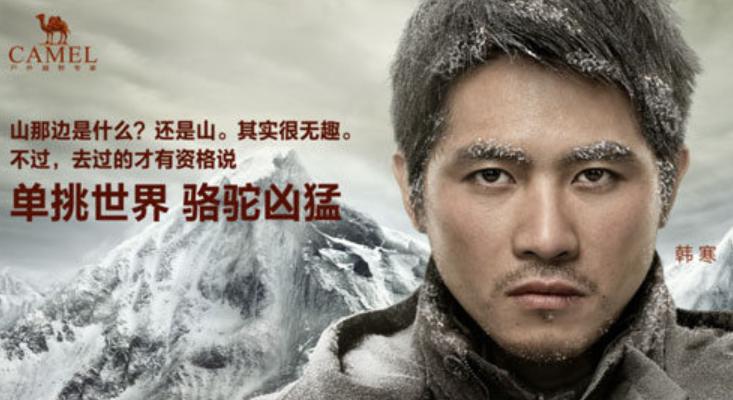
被嘲土气的冲锋衣 ,能帮骆驼重回户外神坛吗?
3 6 Ke· 2025-11-05 12:11
Core Insights - The surge in popularity of outdoor jackets, particularly the "冲锋衣" (tactical jackets), among young consumers in urban areas is attributed to their practicality and style, making them a staple for the working class and students [2][4][6]. Market Performance - Sales data from JD.com indicates that from October 9 to October 20, the transaction volume for over 50 sports categories, including tactical jackets, saw a double-digit year-on-year growth [2]. - A specific brand's tactical jacket achieved over 10,000 sales within just 18 days of its launch, while another brand's live-streaming sales on Douyin increased by 208% during the same period [2]. Consumer Trends - The market for tactical jackets is projected to grow significantly, with a report predicting a 233.6% growth rate by 2025 [5]. - Female consumers now represent 56.9% of the tactical jacket market, indicating a shift in consumer demographics [5]. Brand Analysis - The brand "骆驼" (Camel) holds a 5.5% market share in the outdoor apparel sector, with retail sales reaching 5.6 billion yuan. It has been the global sales leader in tactical jackets for five consecutive years [8]. - The brand's marketing strategy has successfully attracted younger consumers by associating its products with popular culture and appealing imagery, moving away from its previous image as a "dad brand" [9][13]. Competitive Landscape - The tactical jacket market is characterized by a preference for products priced around 500 yuan, which accounts for 51.4% of the market share and over 6 billion yuan in sales [5][6]. - As the market matures, brands like "骆驼" face the challenge of maintaining brand image and consumer loyalty amidst growing competition and evolving consumer expectations regarding product performance [13].
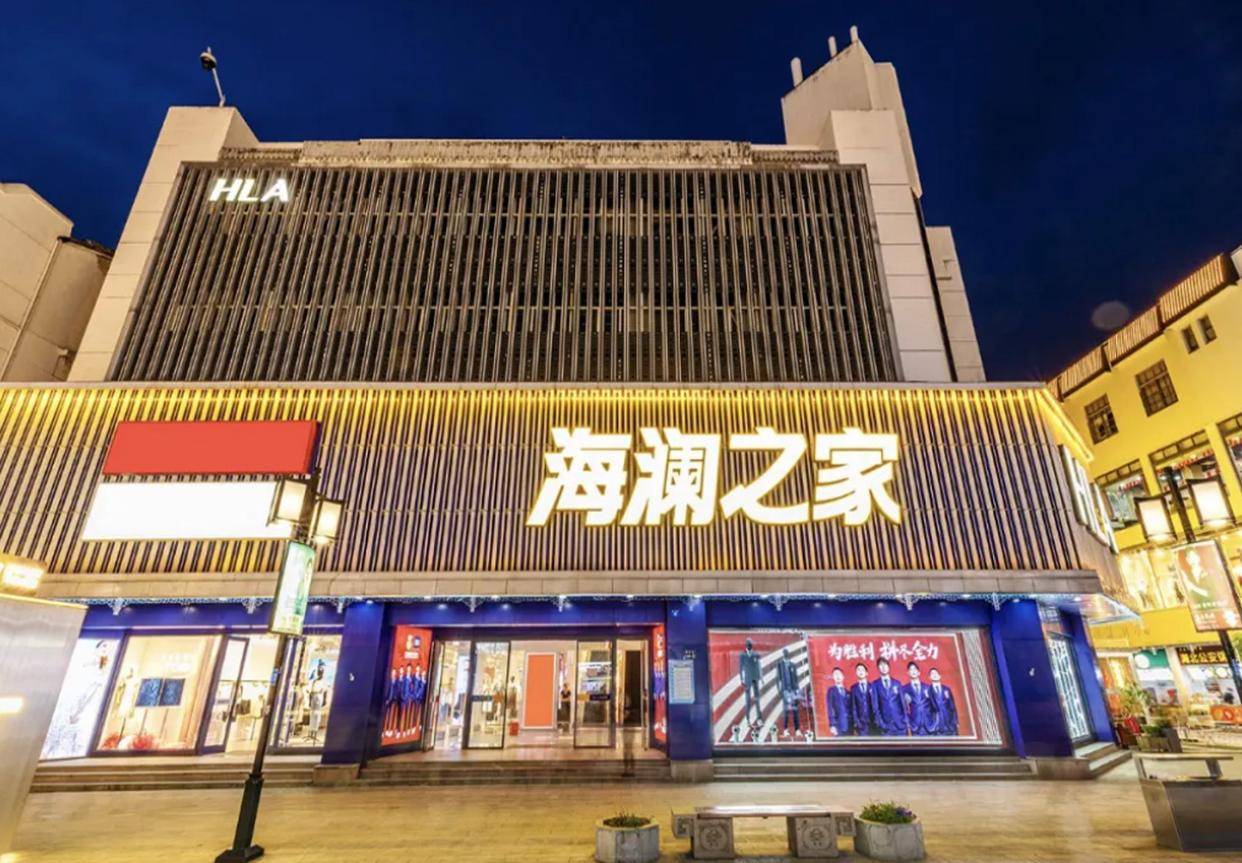
海澜之家赴港IPO谋破局:百亿库存压顶,年轻化转型陷僵局
Sou Hu Cai Jing· 2025-10-30 06:07
Core Viewpoint - The leading men's apparel brand, HLA (海澜之家), has announced its plan to issue H shares and list in Hong Kong, aiming to deepen its global presence and create a diversified capital platform, while facing challenges such as a sluggish domestic market, high inventory, and brand aging [1] Group 1: Global Expansion and Performance - As of June 2025, HLA has established 111 overseas stores in Southeast Asia, with overseas market growth of 27.42% year-on-year, significantly outpacing the domestic growth of 1.35% [3] - Despite the overseas expansion, overseas revenue has consistently accounted for less than 2% of total revenue, raising doubts about the effectiveness of its globalization strategy [3] - HLA's revenue has fluctuated between 17.9 billion and 21.5 billion from 2020 to 2024, with net profit showing a pattern of alternating growth and decline [3] Group 2: Financial Performance and Dividend Policy - In 2025, HLA reported a slight revenue increase of 1.73% and a net profit decline of 3.42%, despite being expected to be a growth year [3] - Since its backdoor listing in 2014, HLA has distributed a total of 21.1 billion in dividends, with a dividend payout ratio exceeding 70%, reaching 91.22% in 2024 [3] - The founder's family, holding 45.75% of shares, has received approximately 9.722 billion in dividends, raising concerns about the company's high dividend and low retention policy [3] Group 3: Industry Challenges - The domestic men's apparel industry is experiencing collective growth anxiety, with only 4 out of 15 listed companies achieving revenue growth in the first half of 2025 [4] - E-commerce channels are struggling, with HLA's highest-selling item during the Double 11 shopping festival having only over 9,000 buyers, indicating a decline in core product sales [4] - HLA's inventory reached 10.255 billion as of June 2025, with inventory turnover days increasing from 263 to 322 days, reflecting challenges in its asset-light model [4] Group 4: Brand and Market Positioning - HLA's young transformation led by the second-generation leader, Zhou Licheng, has not yielded significant results, with only 10% of revenue coming from new brands despite substantial marketing investments [5] - The brand's image among Generation Z remains stagnant, with new sub-brands like "Black Whale" struggling to gain traction in the market [5] - The company's ongoing challenges of inventory pressure, operational constraints, and brand aging cannot be resolved merely through a listing, indicating a longer path ahead for transformation [5]

美凯龙:招商推3+星战略,聚焦年轻化转型提升线下卖场竞争力
Xin Lang Cai Jing· 2025-10-28 07:44
Group 1 - The company is steadily advancing its 3+ star ecological strategy in recruitment, focusing on home furnishings, home decoration, and home appliances to enhance rental rates and income [1] - The company plans to focus on youth transformation by introducing diverse business formats, including themed home furnishing stores, trendy design areas, solutions for single living, and pet-friendly home experience zones to better serve young consumers [1] - Despite the increasing penetration of online transactions in the domestic home furnishing, building materials, and home appliance market, consumers still prefer offline experiences due to the high-value and experiential nature of home consumption, indicating the continued importance of offline retail spaces [1]
古越龙山携手华润,“黄酒一哥”借年轻化突围
Xin Lang Cai Jing· 2025-10-21 12:16
Core Viewpoint - Gu Yue Long Shan is accelerating its youth-oriented transformation by collaborating with China Resources Beer to launch a cross-border product combining yellow wine and beer, aiming to capture the younger consumer market [3][4]. Company Performance - In the first half of the year, Gu Yue Long Shan reported a liquor sales revenue of 879 million yuan, a year-on-year increase of 0.86%, while net profit attributable to shareholders decreased by 4.72% to 90.31 million yuan [3]. - The company's revenue growth and market capitalization have been surpassed by its competitor Kuaiji Mountain, posing a risk to its title as the "King of Yellow Wine" [3]. Industry Challenges - The yellow wine industry is facing overall pressure due to aging consumers and regional consumption barriers, with the notion that "yellow wine cannot leave Jiangsu, Zhejiang, and Shanghai" becoming a prevalent challenge [3]. - Even in regions with a rich yellow wine culture, the acceptance of yellow wine among younger consumers is declining, necessitating strategies to break regional limitations and attract younger demographics [3]. Product Innovation and Market Strategy - Gu Yue Long Shan has been exploring youth-oriented strategies, including the launch of a craft yellow wine that garnered over 10 million yuan in orders within its first month [4]. - The company has introduced various innovative products, such as coffee yellow wine and flavored yellow wines, to cater to the preferences of younger consumers [4][5]. - The establishment of "slow wine bars" and the hosting of events like "trendy drinking music festivals" reflect the company's efforts to create drinking scenarios appealing to younger audiences [5]. Management Changes - Recent high-level personnel changes include the appointment of Hu Feng as the new deputy general manager, with a total of nine changes in the board and management over the past year, indicating adjustments during the company's transformation phase [7].


触底反弹,耐克进一步开启复苏之路
Guan Cha Zhe Wang· 2025-10-01 01:29
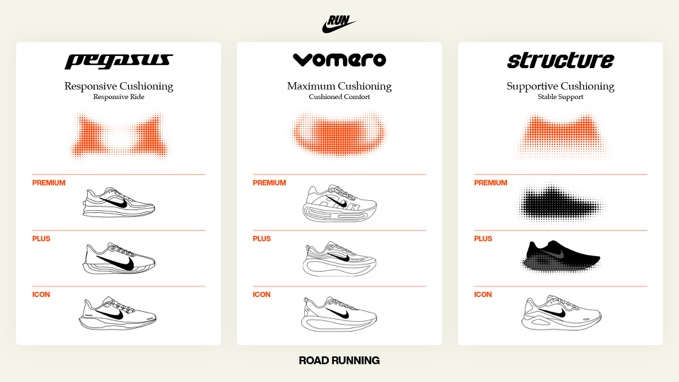
Core Insights - Nike is showing signs of recovery after strategic adjustments, with Q1 FY2026 revenue of $11.7 billion, a 1% year-over-year increase, exceeding analyst expectations [1] - The company's inventory decreased by 2% year-over-year to $8.1 billion, indicating effective inventory management and improved channel health [1] - CEO Elliott Hill emphasized the success of the "Win Now" plan, particularly in North America and key sports categories, suggesting a focus on long-term growth potential [1] Revenue Breakdown - Nike's direct sales generated $4.5 billion, while distributor sales accounted for $6.8 billion [1] - The Greater China region contributed $1.512 billion to the overall revenue [1] Performance by Category - The running segment saw a remarkable 20% growth globally, with high single-digit growth in China, driven by upgraded product offerings [2] - Basketball performance is bolstered by cultural initiatives and product innovations, leveraging the popularity of NBA stars [5] Youth Engagement and Brand Narrative - Nike is revitalizing its brand narrative to resonate with younger consumers, shifting from "Just Do It" to "Why Do It," emphasizing the meaning behind sports [7] - The company is also focusing on trendy products that appeal to younger demographics, enhancing brand connection [8] Market Expansion Strategies - Nike is expanding into high-potential markets such as women's, children's, and outdoor segments to drive long-term growth [10][12][14] - The launch of the NikeSKIMS series targets the women's market, showcasing a blend of functionality and aesthetics [10] - Initiatives like "少儿跑" (Children's Running) events aim to engage younger audiences and build brand loyalty [12] Outdoor and Emerging Markets - The establishment of the All Conditions Racing Department aims to enhance Nike's presence in the outdoor and trail running markets [14] - Product innovations in the ACG line focus on improving comfort and performance for outdoor activities [14] Market Sentiment - Following the earnings report, several Wall Street firms upgraded Nike's rating to "outperform," reflecting increased investor confidence [16] - The company's recovery is attributed to systematic transformation and diversification across various growth engines [16]

车建兴已解除留置,知情人士称“美凯龙已由新班子主导”
Di Yi Cai Jing· 2025-09-23 10:49
Core Insights - The influence of Che Jianxing, the founder of Red Star Macalline, on the listed company Meikailong (601828.SH) is diminishing following his recent detention and resignation as general manager [2][3] - A new management team has been appointed to lead Meikailong under a "new five-year strategy" after Che Jianxing's departure [3][4] Company Developments - Che Jianxing received a salary of 5.2451 million yuan in 2024, ranking first among executives, despite being detained for two months earlier this year [3] - After Che Jianxing's detention, he resigned from his position as general manager on July 18, 2023, while still serving as an executive director [3] - The new general manager, Shi Yaofeng, has been appointed following Che Jianxing's resignation [3] Shareholding Changes - Xiamen Jianfa Group became the largest shareholder of Meikailong by acquiring 29.95% of its shares, while Che Jianxing's Red Star Group holds 24.9% [3] - The control of Meikailong is tightening under the major shareholder Jianfa Group following Che Jianxing's detention [3] Business Strategy - The new management team, led by Li Yupeng, aims to restructure the home furnishing business and ensure that core categories occupy at least 70% of the operational area [4] - The company has established a retail network covering 189 cities, with a total operational area of 19.36 million square meters [4] - The strategy emphasizes targeting the 400 million young consumers as a key driver for consumption upgrades and aims for a digital transformation [4] Financial Performance - In the first half of the year, Meikailong reported a revenue of 3.34 billion yuan, a year-on-year decline of 21%, with a net loss attributable to shareholders of 1.9 billion yuan [5] - The average occupancy rate for the 76 self-operated stores was 84.2%, while the 235 managed stores had an average occupancy rate of 81.3% [5] - The loss was primarily due to a 2.1 billion yuan fair value loss on investment properties [5]