战略性新兴产业

Search documents
广西科技成果转化母基金第二批子基金招GP
FOFWEEKLY· 2026-03-16 10:00
Core Viewpoint - The Guangxi Science and Technology Achievement Transformation Mother Fund is initiating the second batch of sub-fund management institutions to attract national excellent organizations for the establishment of sub-funds, focusing on cutting-edge technology and future industries [2]. Group 1 - The total scale of the Guangxi Science and Technology Achievement Transformation Mother Fund is 20 billion yuan, with no less than 80% allocated for establishing sub-funds, emphasizing original innovation and supporting technology innovation projects with original innovative elements [2]. - The sub-funds will focus on strategic emerging industries and future industries, including artificial intelligence, rare and key metals, embodied intelligence, biomass utilization and manufacturing, high-end equipment manufacturing, advanced new materials, new generation information technology, new energy and storage, marine economy, and green low-carbon technology [3]. Group 2 - For sub-funds registered within Guangxi, the maximum single fund contribution is capped at 3 billion yuan, with a contribution ratio not exceeding 50%. If the contribution ratio exceeds 35%, it will be classified as angel investment funds, venture capital funds, or other types of funds, with at least 60% of the investment allocated to seed, startup, or growth-stage technology and innovation enterprises [3]. - For sub-funds registered outside Guangxi, the maximum single fund contribution is capped at 1 billion yuan, with a contribution ratio not exceeding 20%. The combined contribution ratio from multiple levels of fiscal funds is capped at 50%, while contributions from other capital sources should not be less than 20% [3].

十五五规划全文发布,大力发展新型储能
中关村储能产业技术联盟· 2026-03-14 05:07
Core Viewpoint - The article emphasizes the construction of a new energy system in China, focusing on clean, low-carbon, and efficient energy sources, while promoting energy security and the transition from fossil fuels to non-fossil energy sources [3]. Group 1: New Energy Infrastructure - The plan includes accelerating the construction of new energy infrastructure and implementing a ten-year action plan for the doubling of non-fossil energy [3]. - It aims to develop clean energy bases such as wind, solar, hydro, and nuclear power, with a focus on distributed energy and green hydrogen [3]. Group 2: Major Energy Projects - The construction of major hydropower and integrated wind-solar bases in regions like the Yarlung Tsangpo River and the upper reaches of the Jinsha River is prioritized, with an additional installed capacity of approximately 10 million kilowatts for pumped storage stations [5]. - Large-scale wind and solar bases will be developed in desert areas, including the Kubuqi and Ulan Buh deserts, with a focus on energy export [5]. Group 3: Nuclear Power Development - The plan includes advancing coastal nuclear power construction, targeting an operational installed capacity of around 110 million kilowatts [6]. - It also emphasizes the need for comprehensive utilization of nuclear energy and the development of small modular reactors [6]. Group 4: Power Transmission and Distribution - The construction of clean energy power transmission channels in provinces such as Inner Mongolia and Xinjiang is outlined, with a target of over 420 million kilowatts for west-to-east power transmission [6]. - Enhancements in inter-provincial power sharing and cross-grid operations are also part of the strategy [6]. Group 5: Emerging Industries - The article highlights the acceleration of strategic emerging industries, including new generation information technology, new energy, and high-end equipment manufacturing [10]. - It encourages the development of innovative technologies in sectors like biomedicine and aerospace, aiming to create a robust ecosystem for emerging industries [10]. Group 6: Carbon Neutrality Goals - The plan outlines actions to achieve carbon peak and neutrality, including a 10% reduction in energy consumption per unit of GDP and a target to replace 30 million tons of coal consumption annually [16][17]. - It emphasizes the importance of energy efficiency improvements and the promotion of low-carbon technologies across various sectors [16][17].
500亿,京津冀创业投资引导基金开始出资了
FOFWEEKLY· 2026-03-12 13:38
Group 1 - The core viewpoint of the article is the establishment and operational details of the 50 billion yuan Beijing-Tianjin-Hebei Venture Capital Guidance Fund, which aims to support early-stage and innovative technology companies [1] - The fund is managed by a wholly-owned subsidiary of CICC, focusing on "early investment, small investment, long-term investment, and hard technology" [1] - The fund employs a "sub-fund + direct investment project" approach to invest in seed and startup enterprises, aiming to foster original and disruptive technological innovations [1] Group 2 - As of now, the Beijing-Tianjin-Hebei Fund has signed investment agreements for 4 sub-funds and 1 direct investment project, completing its first capital contribution [1]
我国自主研发,世界最强超高强度碳纤维首发;亚马逊将斥资7.5亿澳元在澳大利亚新建机器人物流中心丨智能制造日报
创业邦· 2026-03-12 06:04
Group 1 - China's T1200-grade ultra-high-strength carbon fiber has been globally launched, marking a significant breakthrough in the production field, with the capability of mass production at a scale of hundreds of tons [2] - The T1200-grade carbon fiber has a diameter less than one-tenth of a human hair, yet its tensile strength is ten times that of ordinary steel, with a density only one-fourth that of steel, making it suitable for applications in aerospace, low-altitude economy, and humanoid robotics [2] Group 2 - Amazon plans to invest over 750 million AUD to build a new robotic logistics center in Brisbane, Australia, with an annual processing capacity exceeding 125 million packages, expected to be completed by 2028 [2] Group 3 - Researchers from the Chinese Academy of Sciences have achieved a significant breakthrough in industrial-grade TOPCon solar cell technology, collaborating with Jinko Solar and other institutions, with results published in the journal Nature Energy [2] Group 4 - NIO's founder Li Bin expressed hopes that the self-developed Shenji high-performance inference chip could be supplied to more partners across various industries, while stating that there are currently no plans for further business spin-offs [2]
读懂2026(二):36省市政府工作报告中的产业雄心
Guohai Securities· 2026-03-11 05:47
1. Report Industry Investment Rating No information provided regarding the report industry investment rating. 2. Core Views of the Report - The report systematically sorts out the 2026 government work reports of 27 provinces, 4 municipalities directly under the Central Government, and 5 planned -单列 cities, aiming to understand the industrial development plans and key points in 2026 [5][16]. - New quality productivity is an important consensus for local industrial development, with artificial intelligence and new energy being the two most penetrative main lines. Each province is accelerating the formation of distinctive industries [8][37]. - In 2026, artificial intelligence has relatively greater development potential as it is the most frequently mentioned keyword in the 36 provincial government work reports [8][20]. 3. Summary According to the Directory 3.1 Focus on the Government Work Report to Anchor the Investment Direction in 2026 3.1.1 How to View the Industrial Development Plan in the Government Work Report? - In 2026, as the starting year of the 15th Five - Year Plan, a series of policies will be accelerated to promote high - quality economic development. The report further sorts out the specific development plans of key industries in the 2026 government work reports of various provinces [15]. - The government work report reflects the annual development strategies of each region based on its resource endowment and industrial foundation, and provides an objective basis for market players to understand policy capital flows and judge industrial pattern changes [16]. 3.1.2 View the Industrial Development Direction in the Government Work Report from Multiple Perspectives 3.1.2.1 Industry Perspective: Which Industries are Frequently Mentioned in the 2026 Government Work Reports of Various Provinces? - In the 2026 government work reports of 36 provinces and important cities, popular keywords such as artificial intelligence, automobile, computing power, chemical industry, new materials, digital economy, modern service, equipment manufacturing, and low - altitude economy are frequently mentioned. Among them, artificial intelligence is mentioned 160 times, ranking first [20]. - The report clarifies the concepts of advanced manufacturing, strategic emerging industries, and future industries. Advanced manufacturing includes strategic emerging industries, strategic emerging industries are part of emerging industries that can grow into leading or pillar industries, and future industries are the "tomorrow" of strategic emerging industries [21][26]. 3.1.2.2 Regional Perspective: What are the Top Three Key Industries to be Developed in the 2026 Government Work Reports of Various Provinces? - From a common trend perspective, new quality productivity is an important consensus for local industrial development, with artificial intelligence and new energy being the two most penetrative main lines. Regionally, each province is forming distinctive industries [37]. - Resource - based provinces such as Shanxi, Inner Mongolia, Ningxia, and Xinjiang extend to downstream high - value - added links and cultivate new growth points in culture and tourism and logistics [7][37]. - Economically developed provinces and coastal cities such as Guangdong, Jiangsu, Shanghai, Zhejiang, and Shandong focus on high - end and globalization, and seize the top of the global value chain in frontier fields [7][38]. - Ecological and agricultural provinces such as Yunnan, Heilongjiang, Jilin, and Henan upgrade characteristic industries and efficiently transform production capacity on the basis of ensuring food security [7][38]. - Hub - economic provinces such as Chongqing, Sichuan, Shaanxi, and Guangxi reshape hub functions and improve two - way opening - up levels through digital means [7][38]. - The five planned -单列 cities of Shenzhen, Ningbo, Qingdao, Dalian, and Xiamen focus on common tracks of artificial intelligence and marine economy and explore new industrial paths according to local conditions [7][38]. 3.1.2.3 Regional Perspective: How to Compare the Specific Work Arrangements of 36 Provinces and Municipalities for Strategic Emerging Industries and Future Industries in the 2026 Government Work Reports? - Regions with strong economic and scientific research capabilities such as Shenzhen and Ningbo have put forward clear quantitative development goals for strategic emerging industries [41]. - Digital economy is a popular layout track in 2026. Many provinces have put forward more specific plans for the relevant industrial revenues of the digital economy [41][42]. - Artificial intelligence is also a popular layout track in 2026. Some provinces such as Shenzhen, Qingdao, and Zhejiang have put forward more specific plans for the relevant industrial revenues of artificial intelligence [44]. - For future industries, economically more active regions show relatively stronger layout power in frontier fields [44]. 3.2 Explore New Opportunities in High - Quality Development and Explain the Industrial Development Context in the 2026 Government Work Reports of Various Provinces and Municipalities 3.2.1 North China Region (Beijing, Tianjin, Hebei, Shanxi, Inner Mongolia) - Beijing focuses on promoting the development of new quality productivity, strengthening the real economy, and developing advanced manufacturing, modern service industries, and future industries [49]. - Tianjin focuses on "three new" and "three quantities", promotes the transformation of the manufacturing industry, and builds a modern industrial system [49]. - Hebei aims to build a strong manufacturing province, promotes the development of county - level characteristic industrial clusters, and implements the "artificial intelligence +" action [49]. - Shanxi promotes energy transformation and industrial upgrading, stabilizes coal production, and develops new energy and digital economy [51]. - Inner Mongolia focuses on the real economy, promotes the transformation and upgrading of traditional industries, and develops emerging industries such as green computing power and new energy equipment [51]. 3.2.2 Northeast Region (Liaoning, Jilin, Heilongjiang) - Liaoning aims at new - type industrialization, promotes the upgrading of four trillion - level industrial bases, and develops emerging industries such as low - altitude economy and artificial intelligence [62]. - Jilin builds a characteristic modern industrial system, focuses on the development of new energy and equipment manufacturing industries, and cultivates emerging industries [62]. - Heilongjiang ensures food security and accelerates the cultivation of new quality productivity, with the strategic emerging industries' revenue expected to grow by about 15% [62]. 3.2.3 East China Region (Shanghai, Jiangsu, Zhejiang, Anhui, Fujian, Jiangxi, Shandong) - Shanghai strengthens the core function of the international economic center, focuses on new energy storage, construction, and the integration of culture, tourism, and business [69]. - Jiangsu takes the marine economy, energy, and digital economy as growth poles, and promotes the construction of zero - carbon parks and the "artificial intelligence +" action [70]. - Zhejiang is driven by the digital economy and artificial intelligence, with clear growth targets for the core industries of artificial intelligence and the digital economy [70]. - Anhui relies on new energy, advanced equipment manufacturing, and biomedicine, and extends to artificial intelligence and the elderly care service industry [70]. - Fujian focuses on new energy, new materials, and advanced equipment manufacturing, and develops the marine economy and modern agriculture [70]. - Jiangxi focuses on the transformation of electronic information, non - ferrous metals, and advanced equipment manufacturing, and develops emerging industries such as lithium - battery new energy and low - altitude economy [70]. - Shandong focuses on artificial intelligence, steel, and advanced equipment manufacturing, and promotes the development of the digital economy [70]. 3.2.4 Central - South Region (Henan, Hubei, Hunan, Guangdong, Guangxi, Hainan) - Henan focuses on major project investment and digital economy expansion, and consolidates the agricultural foundation [91]. - Hubei focuses on large - scale project construction and agricultural revitalization [91]. - Hunan focuses on major investment and the expansion of industrial enterprises [91]. - Guangdong promotes infrastructure upgrading and an open - type economy, and ensures agricultural supply [91]. - Guangxi takes artificial intelligence and intelligent manufacturing as the core of new quality productivity, and promotes major projects and agricultural construction [93]. - Hainan strengthens open - type economic indicators around the construction of a free trade port, and develops emerging industries and agriculture [93]. 3.2.5 Southwest Region (Sichuan, Guizhou, Yunnan, Tibet, Chongqing) - Sichuan promotes the "intelligent transformation and digital transformation" of the manufacturing industry and the empowerment of artificial intelligence, and enhances the development level of the Chengdu - Chongqing economic circle [108]. - Guizhou focuses on the development of digital industries, and also develops mountain agriculture and tourism [108]. - Yunnan strengthens resource - based industries, focuses on plateau - characteristic agriculture, and promotes innovation - driven development [108]. - Tibet builds a national clean energy base and develops Tibetan medicine [108]. - Chongqing focuses on building the Chengdu - Chongqing economic circle and a scientific and technological innovation center [108]. 3.2.6 Northwest Region (Shaanxi, Gansu, Qinghai, Ningxia, Xinjiang) - Shaanxi promotes the development of photonics, new energy, and cultural tourism industries [40]. - Gansu develops service industries, transportation, and computing power, and focuses on new energy and coal industries [40]. - Qinghai develops green - low - carbon industries, artificial intelligence, and cultural tourism, and focuses on new energy and salt - lake chemical industries [40]. - Ningxia develops tourism, modern chemical industry, and characteristic agriculture, and focuses on new energy and coal industries [40]. - Xinjiang develops modern agriculture, low - altitude economy, and cross - border e - commerce [40]. 3.2.7 Important Cities (Shenzhen, Ningbo, Qingdao, Dalian, Xiamen) - Shenzhen aims to develop strategic emerging industries and artificial intelligence, and builds a future industrial pilot zone [40][44]. - Ningbo promotes the development of strategic emerging industries, artificial intelligence, and the marine economy [40][44]. - Qingdao focuses on artificial intelligence, the marine economy, and low - altitude economy [40]. - Dalian develops software and information technology services, electronic information manufacturing, and the new energy industry [40]. - Xiamen focuses on electronic information, high - end equipment manufacturing, and new energy, and develops the marine economy [40].
2026年政府工作报告学习体会
2026-03-09 05:18
Summary of Key Points from Conference Call Records Industry or Company Involved - The conference call records primarily discuss the macroeconomic outlook and policy directions for China, focusing on the 2026 government work report and the "14th Five-Year Plan" (14th FYP) and its implications for various industries. Core Points and Arguments 1. **GDP Growth Target for 2026**: The GDP growth target is set at 4.5% to 5%, aligning with the long-term goal of doubling per capita GDP by 2035, which requires a minimum annual growth rate of 4.73% [1][6] 2. **Fiscal Policy**: The deficit rate is proposed at 4%, with a deficit scale of 5.89 trillion yuan, marking a significant increase in public budget expenditure, which is expected to exceed 30 trillion yuan for the first time [1][12] 3. **Monetary Policy**: The monetary policy is expected to remain moderately loose, with expectations for both reserve requirement ratio (RRR) cuts and interest rate reductions, although the pace will be cautious due to constraints from bank net interest margins [1][16] 4. **PPI and Corporate Profits**: The Producer Price Index (PPI) is anticipated to turn positive in 2026, particularly in the second and third quarters, which is expected to support corporate profit improvements [1][8] 5. **Investment Focus**: The "9+6" framework emphasizes strategic industries such as integrated circuits, low-altitude economy, and future energy sources like hydrogen and nuclear fusion [1][10] 6. **Digital Economy Goals**: The core value added of the digital economy is targeted to increase from approximately 10% to 12.5% by 2025, indicating a strong commitment to advancing digital transformation [1][5] 7. **Environmental Goals**: The plan includes a commitment to reduce carbon emissions per unit of GDP by 17% during the 14th FYP period, aligning with China's carbon peak and neutrality goals [1][5] 8. **Real Estate Policy**: The government emphasizes stabilizing the real estate market through targeted measures, including inventory reduction and supply optimization [1][10][11] 9. **Capital Market Dynamics**: The capital market is shifting towards an investor-centric model, with dividends surpassing IPOs and refinancing, indicating a significant change in market dynamics [1][10] 10. **Long-term Trends in Asset Allocation**: Key trends include a gradual shift towards low-interest rates, a reallocation of household assets from physical to financial assets, and a focus on technological innovation and industrial upgrades [1][17] Other Important but Possibly Overlooked Content - The government work report serves as a critical anchor for investment decisions amid rising external uncertainties, providing clarity on policy direction and economic assessments for the year [1][3] - The emphasis on innovation and R&D investment, with a target of 7% annual growth in R&D spending, reflects a commitment to high-quality development and industrial upgrades [1][4] - The report highlights the importance of external trade dynamics, with expectations for improved trade and investment environments in 2026, despite geopolitical tensions [1][13][14]
三位部长,重磅发声!
21世纪经济报道· 2026-03-05 06:17
Group 1 - The core viewpoint of the article highlights the advancements in China's technology and industrial sectors, emphasizing the government's commitment to increasing investment in research and development, particularly in foundational research and artificial intelligence [2][3][4]. Group 2 - The Minister of Science and Technology, Yin Hejun, announced that by 2025, China's total R&D investment will exceed 3.92 trillion yuan, with a foundational research investment of nearly 280 billion yuan, marking a historic high of 7.08% [2]. - The Minister of Industry and Information Technology, Li Lecheng, stated that China leads globally in open-source model downloads, with AI technology application rates in large manufacturing enterprises expected to exceed 30% by the end of 2025 [3]. - The Director of the State-owned Assets Supervision and Administration Commission, Zhang Yuzhuo, reported that during the 14th Five-Year Plan period, central enterprises' total assets have crossed significant thresholds, with profits increasing by 56.2% compared to the previous five years [4]. - Central enterprises are focusing on three areas: leading in sectors like new energy and aerospace, catching up in industries such as new energy vehicles, and nurturing emerging fields like quantum information and biotechnology [6].
江苏这支战新产业母基金招GP了
母基金研究中心· 2026-03-04 09:01
Core Viewpoint - The article discusses the establishment of the Pizhou Strategic Emerging Industry Investment Fund, which aims to promote high-quality development in strategic emerging industries in Pizhou City, with a total scale of 1 billion yuan [1]. Group 1: Fund Establishment Requirements - The fund will primarily invest in sectors such as semiconductor equipment and materials, high-end intelligent manufacturing, integrated circuits, new energy, new materials, and circular economy [1]. - The fund will adopt a limited partnership structure [2]. - It encourages sub-funds to be registered in Pizhou City, with the Pizhou fund contributing over 20% of the sub-fund's total raised capital [3]. - The duration of the fund will not exceed 8 years, with possible extensions upon approval [4]. - The cumulative investment in a single sub-fund will not exceed 25% of its total raised capital, with specific exceptions [5]. Group 2: Fund Management and Fees - The management fee for sub-funds will be differentiated based on industry norms and fund size, with a cap on fees during the investment and exit periods [7]. - Sub-funds must invest at least 1.5 times the actual contribution from the Pizhou fund into projects within Pizhou City [8]. Group 3: Investment Decision and Restrictions - Investment decisions will be made by the sub-fund management based on market mechanisms, with representation from the Pizhou fund if its investment exceeds 25% [11]. - Sub-funds are prohibited from engaging in various activities, including guarantees, investments in secondary market stocks, and any illegal activities [14]. Group 4: Performance Evaluation and Reporting - The Pizhou fund will conduct periodic assessments of sub-fund performance, linking results to future contributions [10]. - Sub-fund management must submit quarterly financial and operational reports to the Pizhou fund [17]. Group 5: Application Process for Sub-Fund Management Institutions - Interested institutions must submit an application report and meet specific operational qualifications, including a minimum registered capital of 10 million yuan [21]. - The core management team should have at least five members with over three years of relevant experience [23]. - Institutions must have raised at least 50% of the proposed fund size before applying [24].

上海迎来一支百亿数智文化基金 | 科促会母基金分会参会机构一周资讯(2.25-3.3)
母基金研究中心· 2026-03-03 08:57
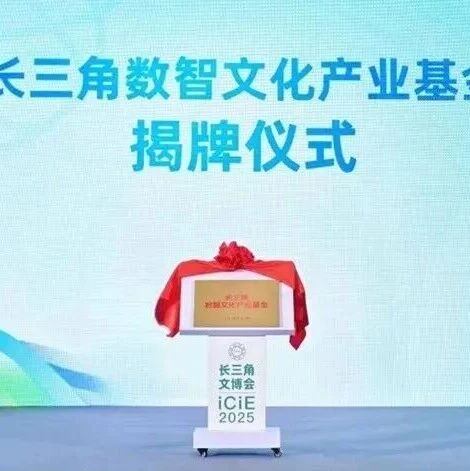
Group 1 - The establishment of the "China International Science and Technology Promotion Association Mother Fund Branch" aims to enhance the role of mother funds in China's capital market and promote the healthy development of the investment industry, particularly the mother fund sector [1][21]. - The Long Triangle Digital Cultural Industry Fund has been established with a total scale of 10 billion yuan, focusing on investments in core digital cultural technology industries, particularly those integrating AI [4]. - The Dongguan Science and Technology Innovation Group has signed agreements for 10 funds totaling 2.7 billion yuan to support the high-quality development of Dongguan's manufacturing industry [5][6]. Group 2 - The National Investment Group's subsidiary conducted a research visit to Qiniu Zhisheng to explore cooperation opportunities in the AI industry, highlighting the company's strengths in dialogue-based AI products [9][10]. - The Central Enterprise Strategic Emerging Industry Development Fund is publicly selecting sub-fund management institutions to support the development of strategic emerging industries and future industries [11]. - Taikang Asset is developing an AI-driven competitive information tracking system to enhance market insight and decision-making efficiency [14]. Group 3 - Guoyuan led a 50 million yuan angel round financing for Anhui Xiandai Jixing Technology Co., focusing on the development of third-generation semiconductor devices [16]. - Haitong Kaiyuan facilitated the merger and restructuring of Jinyi New Energy with Foshan Plastic Technology Group, marking a significant milestone in the integration of the new energy sector [19][20].

深创投董事长左丁发声:打造5000亿元基金群;乐山科创集团拟牵头设立百亿母基金 | 02.15-02.28
创业邦· 2026-03-03 00:10
Government Guidance Funds - Shenzhen Innovation Investment Group aims to create a fund cluster with a total scale of 500 billion yuan, focusing on supporting over 1,800 enterprises, with more than 90% in hard technology sectors [3] - Hefei plans to establish three major 10 billion yuan thematic fund clusters with a maximum duration of 20 years, targeting technology innovation and emerging industries [3] - Hong Kong government announced a 10 billion HKD "Innovation and Technology Industry Guidance Fund" to support strategic emerging sectors like life sciences and AI [4] - Macau government plans to launch a guidance fund with an initial investment of 110 million MOP, targeting new industries and technology innovation [5] - Jiangsu Province established a 5 billion yuan special fund focusing on new energy sectors, with over 70% of investments directed towards local projects [5] Market-oriented Funds - Leshan Science and Technology Group is leading the establishment of a 10 billion yuan mother fund to support advanced manufacturing and new energy sectors [10] - The Yangtze River Delta Digital Cultural Industry Fund has been established with a total scale of 100 billion yuan, focusing on AI and digital cultural technology [10] - The Guizhou Aluminum Group has registered a private equity fund with a capital of 2 billion yuan, focusing on local aluminum industry projects [11] - The Qiantang District has signed a 1 billion yuan "chain master" fund focusing on life sciences investments [12] - Granite Asia successfully raised 110 million USD for an AI IPO fund, targeting high-growth AI companies in Asia [12] Industry-specific Funds - Chongqing Boteng Pharmaceutical plans to invest up to 50 million yuan in a private equity fund focused on the cell and gene industry [16] - Zhuhai Hengqin Huajin Deep Integration Technology Venture Capital Fund was established with a capital of 500 million yuan, focusing on private equity investments [13] - Hubei Province established a 5 billion yuan investment fund to support startups in the intelligent airspace sector [15] - Zhejiang University and Chuhua Capital launched a 150 million yuan fund focusing on integrated circuits and high-end manufacturing [14] - The establishment of the Changjiang Doctor Entrepreneurship Fund aims to support high-end doctoral talent projects in Hubei [14]