房价上涨

Search documents
【环球财经】2025年10月澳大利亚房价涨幅再创新高
Xin Hua Cai Jing· 2025-11-03 07:58
Core Insights - The Australian housing market is experiencing a significant recovery, with the Home Value Index rising by 1.1% month-on-month in October, the highest increase since June 2023 [1] - Year-on-year, the index increased by 6.1%, surpassing the previous month's growth of 4.8% [1] - All capital cities in Australia saw an increase in housing prices, with Perth showing the highest growth and Hobart the lowest [1] Market Dynamics - The surge in housing prices is attributed to a supply-demand imbalance, with housing sales estimated to be 3.1% above the five-year average and listings down by 18% compared to the average [2] - The low-end segment of the housing market experienced the most significant price increases, with mid-tier prices rising by 1.4% and low-end prices by 1.2% [2] - Factors contributing to this trend include limited purchasing power due to loan repayment constraints, sustained investor activity, and increased participation from first-time homebuyers due to government support [2] Regional Performance - In October, the median housing value in Australia reached approximately AUD 872,500, with capital city median values at AUD 959,500 and regional areas at AUD 710,600 [2] - Major capital cities like Sydney and Melbourne saw month-on-month increases of 0.7% and 0.9%, respectively, while Brisbane, Adelaide, and Perth had higher growth rates [3] Rental Market Trends - The national vacancy rate remained low at 1.4%, leading to accelerated rental growth, with the rental index increasing by an average of 0.5% per month over the past three months [3] - Over the past year, rental prices for apartments rose by 4.4%, while independent houses saw a 3.9% increase, resulting in a weekly median rent increase of AUD 28 for apartments and AUD 27 for houses [3] - Despite rising rents, the overall rental yield in capital cities fell to 3.4%, the lowest level since October 2022, indicating pressure on rental returns [3]
东京23区二手房价创新高,1年涨37%
日经中文网· 2025-11-01 00:33
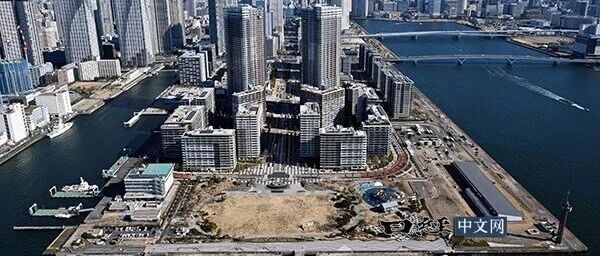
Core Insights - The article highlights that the second-hand housing prices in Tokyo's 23 wards have reached a new high, with a significant increase of 37% over the past year [2] Summary by Sections - **Housing Market Trends** - The second-hand housing prices in Tokyo's 23 wards have surged to a record high, indicating a strong demand in the real estate market [2] - The year-on-year increase of 37% reflects a robust recovery and growth in the housing sector [2] - **Economic Implications** - The rising property prices may suggest a broader economic recovery in Japan, as increased housing prices often correlate with consumer confidence and spending [2] - This trend could attract more investors to the real estate market, potentially leading to further price increases [2]

今年前8个月比什凯克私人住宅价格同比上涨35.1%
Shang Wu Bu Wang Zhan· 2025-10-24 16:48
Core Insights - The average price of private residences in Bishkek has increased by 35.1% year-on-year in the first eight months of 2023, reaching 16.177 million som (approximately $186,000) [1] Price Trends - The highest average residential price is found in the October district, at 24.634 million som (approximately $283,000) [1] - Other areas in Bishkek have starting prices for residences at 12 million som (approximately $138,000), depending on the location and condition of the property [1]
房价都在跌,为何偏偏这里在涨?
虎嗅APP· 2025-10-07 09:43
Core Viewpoint - The article highlights the contrasting real estate trends between the small city of Dingbian, where property prices are rising sharply, and larger cities like Xi'an, where prices are declining. This phenomenon is attributed to local demand driven by factors such as marriage and education, despite broader market trends showing a downturn in many urban areas [4][5][10][16]. Group 1: Dingbian's Real Estate Market - Dingbian County has seen new housing prices exceed 5000 yuan per square meter by October 2025, a significant increase from under 4000 yuan per square meter in 2022, marking a cumulative rise of over 25% in three years [5]. - The county's real estate market is characterized by a high demand from two main buyer groups: those purchasing for marriage and those seeking properties in good school districts, leading to sustained price increases [10]. - The local economy is heavily reliant on oil and gas production, with Dingbian being the largest county in China in terms of oil and gas output, which supports the financial capacity of residents to invest in real estate [9]. Group 2: Comparison with Xi'an - In stark contrast, Xi'an's real estate market is experiencing a downturn, with the average price of second-hand homes dropping to 12,234 yuan per square meter by September 2025, reflecting a year-on-year decline of 10.1% and a nearly 25% decrease over three years [6]. - The divergence in real estate trends between Dingbian and Xi'an raises questions about the sustainability of Dingbian's price increases, especially as the broader market shows signs of cooling [16]. Group 3: Future Outlook - There are concerns regarding the sustainability of Dingbian's rising property prices, particularly as new housing projects are set to be completed in the coming years, which may increase supply and affect price stability [15]. - Local residents express uncertainty about the future of the market, with some predicting a potential correction in prices due to the rapid increases observed [14].
“石油小城”房价何以未跌反涨?十月行记|
Sou Hu Cai Jing· 2025-10-06 11:20
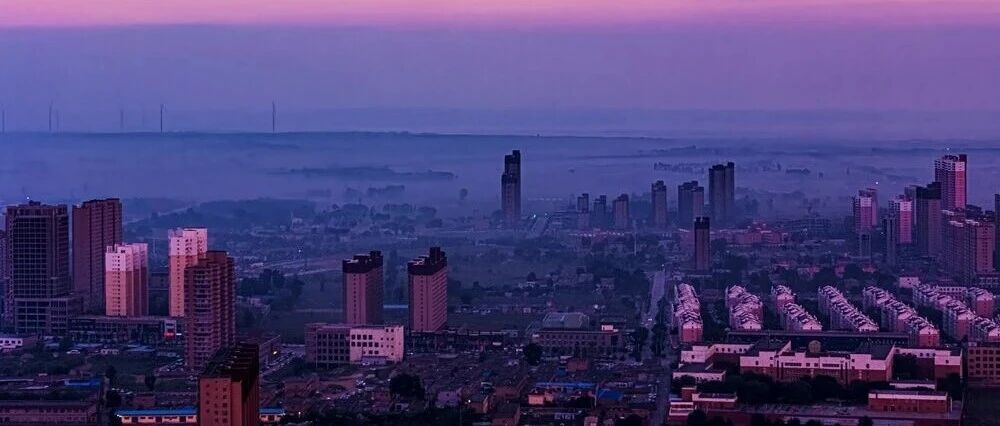
Core Viewpoint - The real estate market in Dingbian County is experiencing a significant upward trend, contrasting sharply with the declining prices in major cities like Xi'an, driven by local economic factors and high demand for housing [10][11][25]. Group 1: Market Dynamics - Dingbian County's new housing prices have increased by over 25% in three years, with average prices surpassing 5000 yuan per square meter as of October 2025, compared to less than 4000 yuan in 2022 [10][11]. - In contrast, Xi'an's second-hand housing prices have dropped by 10.1% year-on-year as of September 2025, reflecting a broader trend of declining prices in first and second-tier cities [10][11]. - Dingbian's real estate market is characterized by a high demand from buyers, particularly for wedding and school district-related purchases, which is driving prices upward [14][15][17]. Group 2: Economic Factors - Dingbian County is recognized as a major oil and gas production area, with proven oil reserves of 1.618 billion tons and natural gas reserves of 300 billion cubic meters, contributing significantly to the local economy [12][13]. - The county's population dynamics, including rural-to-urban migration and the influx of families seeking better educational opportunities for their children, are contributing to sustained housing demand [16][17]. Group 3: Future Outlook - There is uncertainty regarding the sustainability of the current price increases, as the market may face a shift if new housing projects are completed and supply increases [22][23]. - Local real estate agents express mixed feelings about the future, with some predicting potential price corrections due to the rapid increases observed [20][22].
“石油小城”房价何以未跌反涨?
Jing Ji Guan Cha Bao· 2025-10-05 07:25
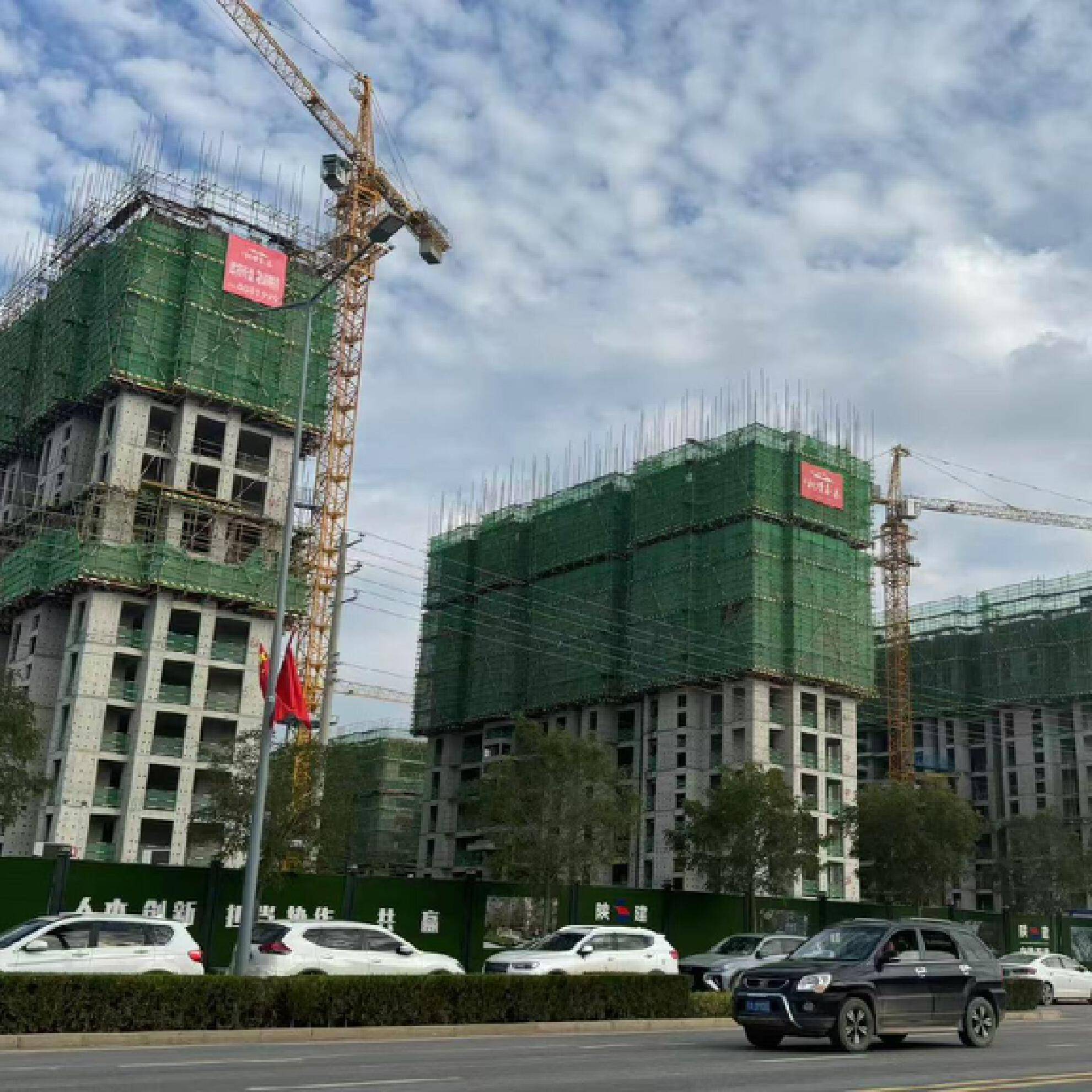
Core Viewpoint - The real estate market in Dingbian County is experiencing a significant upward trend, contrasting sharply with the declining prices in major cities like Xi'an, driven by high demand and limited supply [4][5][21]. Group 1: Real Estate Trends - Dingbian County's new housing prices have increased by over 25% in three years, with average prices surpassing 5000 yuan per square meter as of October 2025, compared to less than 4000 yuan in 2022 [4][5]. - In contrast, Xi'an's second-hand housing prices have dropped by 10.1% year-on-year as of September 2025, reflecting a broader trend of declining prices in many first- and second-tier cities [5][20]. - The county's real estate market is characterized by a scarcity of new housing projects, which has contributed to the rapid price increases [18]. Group 2: Economic Factors - Dingbian County is recognized as the largest oil and gas production county in China, with proven oil reserves of 1.618 billion tons and natural gas reserves of 300 billion cubic meters, significantly bolstering its local economy [7][8]. - The local economy heavily relies on the oil industry, which has led to increased disposable income among residents, further fueling demand for housing [8][9]. Group 3: Buyer Demographics - The primary buyers in Dingbian's real estate market include those purchasing homes for marriage and families seeking to secure school placements for their children, indicating a strong demand for housing [9][10]. - The trend of rural population migration to urban areas has intensified, with many families moving to the county for educational opportunities, thereby increasing housing demand [12]. Group 4: Market Sentiment and Future Outlook - Despite the current upward trend in housing prices, there are concerns about sustainability, with some residents expressing doubts about the long-term viability of the price increases [15][17]. - The potential influx of new housing projects in the coming years may shift the supply-demand balance, leading to uncertainty about future price stability [19].
澳洲房价,再创新高!
Sou Hu Cai Jing· 2025-10-02 22:37
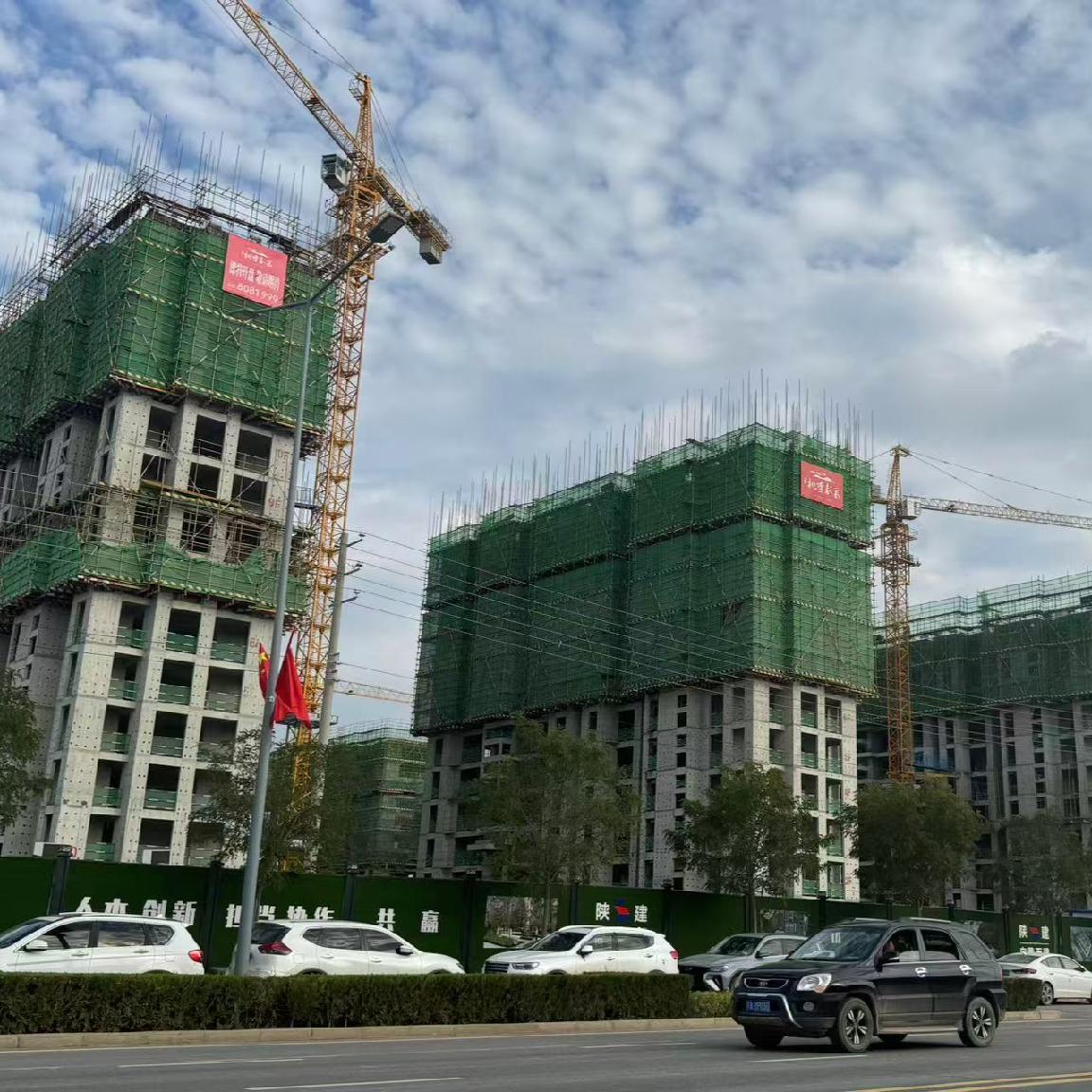
Core Insights - The Australian housing market is experiencing significant price increases, driven by previous interest rate cuts by the central bank, despite no further cuts announced in the September meeting [1][3][4]. Group 1: Housing Market Trends - Almost all capital cities in Australia have seen record high housing prices due to the effects of credit easing from prior interest rate cuts [1]. - Brisbane has shown a particularly strong price increase, with a 1.1% rise in September and a cumulative increase of 6.9% for the year [2]. Group 2: Interest Rate Impact - The Reserve Bank of Australia (RBA) has reduced the cash rate from 4.35% to 3.6% since February, a total decrease of 75 basis points, which has been crucial for the housing market's activity [4][6]. - The reduction in interest rates has improved borrowing capacity by approximately 7%, boosting consumer confidence, which is essential for making significant financial decisions [7]. Group 3: Central Bank's Stance - Despite the ongoing housing market strength, the RBA decided to maintain the current interest rates in September, prioritizing inflation control over further rate cuts [9]. - The RBA acknowledges the structural supply shortage in the housing market, indicating that government measures to increase housing supply will take time to show results [9]. - Current market expectations for a significant rate cut by the end of the year have diminished, with only a 40% probability of the cash rate dropping to 3.35% [9]. Group 4: Economic Outlook - The overall economic situation remains stable, with inflation rates returning to the target range of 2-3% and an unemployment rate around 4.2% [9]. - Federal Treasurer Jim Chalmers noted that while the RBA's decision may not align with the desires of mortgage holders, the cumulative rate cuts since February have been beneficial for the economy [12].
取消折扣、上调房价!最牛地级市,打响房价上涨第一枪
Sou Hu Cai Jing· 2025-09-17 20:48
Core Insights - The recent price increase in real estate markets across various second-tier cities in China indicates a potential market recovery rather than a mere risk signal [1][10][14] Group 1: Price Trends and Market Dynamics - Over 20 second-tier cities have announced the cancellation of sales discounts, with significant price increases observed in 8 cities since the beginning of 2025 [1][2] - The cities experiencing price increases are primarily located in the Yangtze River Delta and Pearl River Delta regions, characterized by low inventory turnover periods, declining new supply, and rising transaction volumes [2][5] - For example, in Xuzhou, new land supply decreased by 35% in 2024 compared to 2023, while new construction area fell by 28%, indicating a tightening supply coinciding with growing demand [2][5] Group 2: Buyer Behavior and Demand Shifts - The proportion of improvement-driven buyers in third- and fourth-tier cities has risen to 48%, the highest in five years, indicating a shift towards higher quality housing demands [5][7] - Sales data shows that these cities have a housing absorption rate exceeding 80%, with some popular projects experiencing buyer queues, suggesting a solid market foundation for price increases [5][7] Group 3: Developer and Government Influences - Developers are under financial pressure, leading them to raise prices to improve profitability, especially for projects acquired during high land cost periods [6][10] - Local governments are also motivated to support price increases as land sale revenues are crucial for their budgets, especially in light of a 12.8% decline in national land sale revenues in 2024 [6][10] Group 4: Market Segmentation and Future Outlook - The price increases are primarily seen in the new housing market, while second-hand housing prices remain stable, indicating a more proactive stance from developers rather than a passive market reaction [7][10] - The current price trends reflect a structural differentiation in the market, where cities with strong industrial support and population inflow see price increases, while those lacking such fundamentals continue to struggle [7][10] Group 5: Economic Implications - Moderate price increases can positively impact local economies by restoring market confidence and stimulating related industries such as construction and home furnishings [8][10] - However, rapid price increases could burden ordinary families, particularly first-time buyers, raising concerns about affordability and overall consumer spending [10][11]

不出意外,中国超50%人口,未来将流入这几座城市,房价或报复性反弹?
Sou Hu Cai Jing· 2025-09-12 05:22
Group 1 - The core viewpoint is that population concentration in major cities is a global trend, and China is experiencing a similar shift, with expectations of significant population growth in urban areas [3][4][6] - Currently, 350 million people live in the Yangtze River Delta, Pearl River Delta, and Beijing-Tianjin-Hebei metropolitan areas, accounting for 24.7% of the national population [4] - By 2035, urbanization rates in China are projected to exceed 75% [4] Group 2 - Major urban clusters expected to attract over 50% of the population include the Pearl River Delta, Chengdu-Chongqing, Beijing-Tianjin, and Yangtze River Delta [6][7][9][13] - The Pearl River Delta is highlighted for its strong economic and cultural development, with cities like Guangzhou and Shenzhen leading the way [7] - The Chengdu-Chongqing urban cluster has seen rapid growth in recent years, particularly in technology and manufacturing sectors [9] Group 3 - The Beijing-Tianjin urban cluster is recognized for its political and economic significance, with Beijing as a cultural and educational hub [11] - The Yangtze River Delta is noted for its economic and financial strength, with cities like Shanghai, Suzhou, and Hangzhou providing diverse opportunities [13] - The attractiveness of large cities is attributed to better resources, more job opportunities, and broader economic benefits that extend to surrounding areas [15] Group 4 - Future population density in China has the potential to increase, with provincial capitals possibly reaching populations of over 20 million and first-tier cities potentially hitting 40-50 million [16] - The influx of population into these cities is expected to create supply-demand tensions in the housing market, leading to potential price increases [16] - Recommendations for homebuyers include focusing on core urban clusters and considering surrounding smaller cities if first-tier cities are unaffordable [18][19]

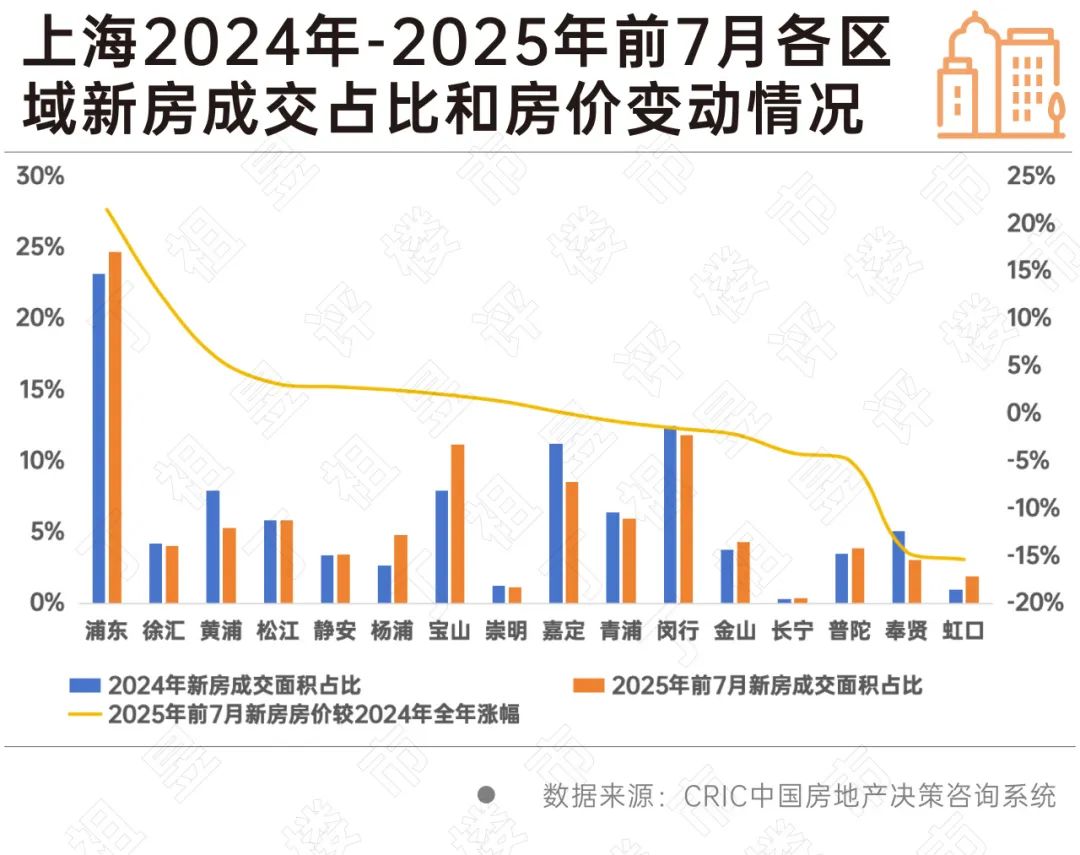
上海哪些板块新房房价逆势上涨?
3 6 Ke· 2025-08-25 01:41
Core Insights - The real estate market in Shanghai shows resilience, with new home prices experiencing a seasonal decline but at a slower rate compared to the previous year, indicating a narrowing year-on-year decline [1] - In July 2025, the average sales price of new residential properties in first-tier cities decreased by 0.2% month-on-month and 1.1% year-on-year, while Shanghai's prices increased by 0.3% month-on-month and 6.1% year-on-year [1][11] - The average transaction price of new homes in Shanghai for the first seven months of 2025 was 80,800 yuan per square meter, reflecting a 5% increase from 2024 [2][11] Market Performance - The price increase in Shanghai is driven by strong performance in key districts such as Xuhui, Huangpu, and Pudong, with Pudong experiencing the highest price increase of 22% [2][11] - Specific districts like Xuhui Longhua and Huangpu Yuyuan have shown significant price appreciation, with Xuhui Longhua's prices increasing over 30% compared to 2024 [4][11] Project-Level Insights - High-end projects in core areas are supporting price increases, with luxury new launches maintaining price growth of over 10% [6][11] - Notable projects such as "Hai Shang Qing He Xi" and "Poly Expo Tianyue" have seen substantial price increases, contributing to the overall market strength [6][7] Peripheral Market Trends - Some projects in peripheral areas, like Jinshan New Town and Pudong Lingang New Town, have also seen price increases due to product advantages, with certain projects achieving over 10% price growth compared to 2024 [9][10][11] - Overall, the Shanghai new home market is expected to continue its upward trend, although the rate of increase may slow down [11]