控糖

Search documents
“0蔗糖”不等于无糖,虚假“控糖乳制品”屡禁不止
Xin Lang Cai Jing· 2025-12-21 10:24
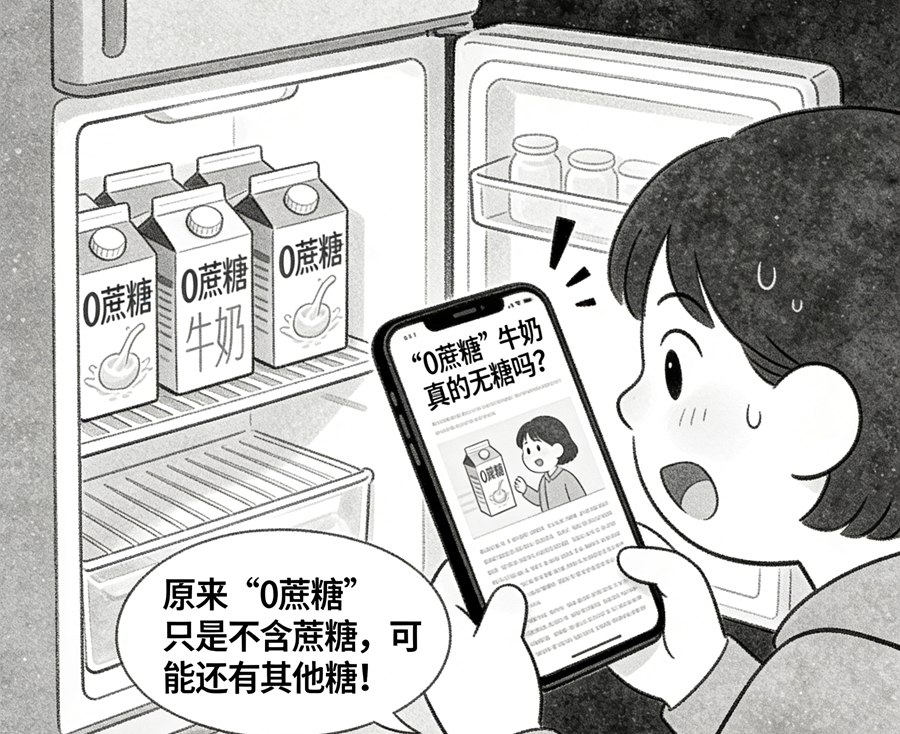
逛一逛超市,超市货架上部分标注"0蔗糖"的乳制品让人误以为产品"无糖",购买后却发现血糖上升或体重增加。这一现象背 后,是商家利用"0蔗糖"与"0糖"的概念差异玩起了文字游戏,而这类涉嫌误导的包装标注在乳制品领域屡见不鲜。 大家看一看,哪些品牌有"0蔗糖"乳制品,大家理性判断,避免被片面标注误导,从而真正守护自己和家人的健康。 根据国家相关标准,"0蔗糖"仅指未添加蔗糖,但产品仍可能含有乳糖、果糖、葡萄糖、麦芽糖等其他糖类,甚至可能添加结晶 果糖、糖浆等游离糖。而"0糖"(或无糖)则要求每100克或100毫升食品中糖含量不超过0.5克。两者含义截然不同,但在实际销 售中,不少企业将"0蔗糖"字样放大、突出显示,包装风格也常采用清新、健康的视觉设计,使消费者容易产生"无糖""控糖"的 联想。 图片:AI生成;"0蔗糖"不等于无糖 业内人士透露,部分企业之所以热衷于打"擦边球",是因为随着健康意识提升,控糖已成为重要消费趋势。"0蔗糖"既能迎合市 场,成本又低于真正研发无糖产品,甚至可通过添加其他糖类维持口感,成为一种营销手段。尽管市场监管部门近年来多次出 台规定,要求食品标签真实、准确,不得误导消费者,但类似的 ...

四大控糖“陷阱” 你掉进几个
Bei Jing Qing Nian Bao· 2025-12-02 01:28
Core Viewpoint - The article discusses common misconceptions about sugar control diets and emphasizes the importance of understanding food labels and nutritional content for individuals managing their blood sugar levels [1] Group 1: Misconceptions about Sugar Control - Misconception 1: Consuming "sugar-free" foods is completely safe. "Sugar-free" only indicates sugar content ≤0.5g/100g, but these foods may still contain starch and sugar alcohols that can raise blood sugar levels [2] - Misconception 2: Avoiding staple foods will lower blood sugar. Not consuming staple foods can lead to low blood sugar, nutrient imbalance, and muscle loss, ultimately making weight control more difficult [3][4] Group 2: Fruit Consumption and Alcohol Intake - Misconception 3: Diabetics should not eat fruit. Fruits provide essential vitamins and fiber, and when consumed wisely, can aid in blood sugar management. It is important to choose low glycemic index fruits and control portion sizes [5][6] - Misconception 4: Stable blood sugar allows for increased alcohol consumption. Alcohol can significantly impact blood sugar levels and may lead to complications. It is recommended that diabetics limit alcohol intake and avoid drinking on an empty stomach [7]
美诺华:在手订单充足 JH389项目欧洲安全性试验正在进行中
Xin Lang Cai Jing· 2025-11-27 08:05
Core Viewpoint - The company has a strong order backlog and is actively advancing its JH389 project in the medical aesthetics sector, focusing on weight loss and blood sugar control [1] Group 1: Company Developments - The JH389 project has submitted a patent application in Europe during Q3 2025 [1] - Ongoing safety trials for the JH389 project in Europe are progressing smoothly [1] - The company and its partners are concentrating on production, formulation design, and scientific research related to the JH389 project [1] Group 2: Commercialization Efforts - The company is actively promoting the commercialization of the JH389 project [1]

“血糖焦虑”的年轻人,买爆一款时尚单品
3 6 Ke· 2025-11-12 09:22
Core Insights - The trend of "sugar control" has emerged as a new lifestyle choice, with increasing public interest in blood sugar management and its impact on health [1][2][4] - The popularity of continuous glucose monitors (CGMs) has surged among young people, transforming from a medical device for diabetes patients to a fashionable health accessory [5][14][33] Group 1: Market Trends - Discussions on social media regarding "blood sugar," "sugar control," and "blood sugar and weight" remain highly active, indicating a growing awareness and concern [2][9] - In the past 90 days, there have been approximately 51,800 posts related to sugar control on platforms like Xiaohongshu, nearly matching the number of posts about weight loss meals [3] - The number of early-onset type 2 diabetes patients aged 15-39 in China has increased from 9.61 million in 1990 to 23.74 million in 2021, a 147% rise over 31 years [9][10] Group 2: Consumer Behavior - Young consumers are increasingly curious about their blood sugar levels, leading to a habit of checking real-time blood sugar data after meals [7][8] - The use of CGMs allows individuals to monitor the effects of various foods on their blood sugar, leading to more informed dietary choices [11][19] - The trend of using CGMs is not unique to China; similar communities have formed in Western markets, where sharing data has become a health fashion [13][14] Group 3: Product Development - The demand for CGMs has prompted manufacturers to focus on making devices smaller, more user-friendly, and capable of seamless integration into daily life [24][25] - Leading brands are enhancing their products with features like 24-hour monitoring, real-time data synchronization, and personalized health management services [26][27][30] - The introduction of policies and subsidies has made CGMs more accessible, contributing to their popularity among younger demographics [30][31] Group 4: Cultural Shift - The perception of health management is shifting from a reactive approach to a proactive one, with young people embracing the idea of "preventive health" [33][34] - CGMs have evolved from being seen as medical tools to becoming symbols of a healthy lifestyle, with users openly sharing their experiences and data on social media [33][36] - This cultural change reflects a broader understanding that health is not merely the absence of illness but an active pursuit of well-being [34][35]


糖醇行业专家电话会
2025-09-15 01:49
Summary of the Sorbitol Industry Conference Call Industry Overview - The sorbitol industry has a total production capacity of approximately 120,000 tons, with Huakang and Yuxin accounting for over 50% of the market share, and Futian ranking third. [1][4] - The industry operates at a utilization rate of 65%-70%, which is lower than during the pandemic due to export and tariff impacts. [1][11] - Demand for sorbitol is diversifying, with significant growth in dairy products and beverages, while the chewing gum market is declining due to health and environmental concerns. [1][5] Key Players and Market Dynamics - Huakang has a cost advantage in raw materials, with suppliers like Sichuan Yuanhua and Gaomi factories. The merger with Yuxin is expected to enhance market competitiveness. [1][6] - Global sorbitol production is primarily concentrated in China, with overseas companies like DuPont and Danisco operating on a smaller scale. [1][8] - Sorbitol and maltitol can be produced interchangeably, but only Huakang and Futian have this capability. [1][10] Pricing and Future Trends - Current sorbitol prices are around 17,000 RMB/ton, at a historical low, influenced by market competition and reduced exports. [1][13] - Prices are expected to rebound in 2026 due to potential government intervention and rising prices of high-intensity sweeteners. [1][14] Demand Growth and Applications - The sorbitol industry has been growing at a rate of 10% annually since 2020, with significant increases in sugar-free candy and baking products. [3][5] - Major clients in the beverage sector, such as Yuanqi Forest and Nongfu Spring, are driving demand growth at rates of 25%-30% annually. [5] - The candy industry is seeing a shift, with sorbitol now constituting 85%-90% of the ingredients used, indicating strong market demand. [20] Customer Structure and Contracting - The customer structure in the sorbitol industry is somewhat concentrated, with large clients making up about 40% of the market. Annual contracts are typically signed twice a year, ensuring price stability. [2][23] Supply Chain and Raw Material Impact - The supply chain is affected by raw material price fluctuations, but overall stability is maintained despite occasional short-term supply issues. [25][26] - The industry is experiencing seasonal demand fluctuations, with peak seasons for baking products around the Mid-Autumn Festival and Spring Festival. [24] Production Capacity and Future Supply - The total production capacity of sorbitol is approximately 120,000 tons, with Huakang and Yuxin holding over 60,000 tons combined. [4] - Futian is expanding its production capacity, while Tanghe Tang's expansion plans are progressing slowly. [7] Conclusion - The sorbitol industry is characterized by a strong domestic market presence, competitive pricing dynamics, and a growing demand across various sectors, particularly in health-conscious products. The future outlook suggests potential price recovery and continued growth driven by consumer trends and market consolidation.
无糖饮料增加糖尿病风险?专家揭秘:这个锅甜味剂不背
Huan Qiu Wang· 2025-09-11 02:03
Core Viewpoint - The recent discussion on the increased risk of diabetes associated with daily consumption of sugar-free beverages has sparked significant public interest, with experts clarifying that the relationship between sugar intake and diabetes is not direct, and that sweeteners can be safely consumed by diabetic patients [1][2]. Group 1: Expert Opinions - The director of the Center for Food and Health Information, Zhong Kai, stated that diabetes is a metabolic disease and does not have a direct correlation with sugar intake or sweeteners. Research indicates that moderate consumption of sweeteners does not significantly affect blood sugar levels [1]. - Zhong Kai emphasized that sweeteners can serve as a sugar substitute for those managing their sugar intake, but they do not directly aid in weight loss. The key to weight loss lies in burning more calories than consumed [1]. - Chen Junshi, chief advisor of the National Center for Food Safety Risk Assessment, highlighted that China has strict approval and regulatory systems for food additives, ensuring their safe use [1]. Group 2: Safety and Recommendations - Chen Junshi pointed out that the safety of sweeteners has been confirmed by over 100 countries and numerous international food safety organizations over the past century. All sweeteners approved for use in China have undergone rigorous evaluation and testing [2]. - The "Healthy China Action (2019-2030)" recommends that individuals with high sugar intake can opt for beverages and foods containing natural sweeteners or sweeteners to reduce their sugar consumption [2].
《细胞》最新警告:生酮饮食"瘦身陷阱"曝光!临床研究证实减重背后暗藏健康隐患:坏胆固醇飙升、肠道菌群严重失衡
GLP1减重宝典· 2025-08-17 03:04
Core Viewpoint - The article discusses the impact of sugar consumption on health, emphasizing the need for sugar control as a central trend in modern dietary practices. It highlights the potential risks associated with strict sugar restriction and the effects of different dietary approaches on weight loss and metabolic health [6][8][21]. Summary by Sections Sugar Consumption and Health - Sugar, particularly free sugars, is linked to increased caloric intake and various health issues such as obesity and metabolic disorders. Keeping free sugar intake below 5% of total daily calories can help reduce caloric intake by approximately 100 kilocalories [7][8]. Dietary Approaches and Clinical Trials - A recent clinical trial involving 60 participants over 12 weeks compared three dietary groups: a normal sugar intake group (MODSUG), a reduced free sugar group (LOWSUG), and a strict low-carbohydrate ketogenic group (LOWCHO). Both LOWSUG and LOWCHO groups showed significant weight loss, but the LOWCHO group experienced adverse changes in glucose tolerance and lipid profiles [9][15][16]. Metabolic and Microbiome Changes - The LOWCHO group exhibited a significant decrease in glucose tolerance and an increase in various low-density lipoprotein (LDL) particles, while high-density lipoprotein (HDL) levels decreased. Additionally, the gut microbiome diversity was notably altered, with a decrease in beneficial Bifidobacteria, which could lead to digestive health issues [18][20]. Long-term Health Implications - The article warns that while weight loss can be beneficial for heart health, the ketogenic diet may not improve cardiovascular health due to negative changes in sugar and fat metabolism. It suggests that simply controlling free sugar intake might be a more prudent approach for cardiovascular health [21].

奶茶零食万店时代:“量产甜蜜”的代价谁买单?
Hua Er Jie Jian Wen· 2025-08-16 03:16
Core Viewpoint - The article discusses the rapid expansion of the tea and snack industry in China, driven by low-cost, high-sugar products that have become a significant part of consumer habits, particularly among the youth. This trend raises concerns about public health, particularly regarding diabetes and obesity, as the industry thrives on a "sugar addiction" model that may lead to long-term health costs for society. Group 1: Industry Growth and Trends - The tea and snack industry has seen explosive growth, with brands like Mixue Ice City expanding to over 46,000 stores by the end of 2024, achieving a revenue of 24.83 billion yuan with a growth rate exceeding 22% [9][10] - The "0 yuan purchase" subsidy wars among major delivery platforms have led to increased consumption of sugary drinks, with many consumers unaware of the long-term health implications [2][6] - The rapid expansion of snack stores, such as Wanchen Group, which grew from 7,000 to 15,000 stores in less than a year, highlights the effectiveness of the low-cost, high-volume business model [11][12] Group 2: Health Implications - Excessive sugar intake from beverages and snacks poses significant health risks, including obesity, insulin resistance, and chronic diseases, which are becoming a public health crisis in China [5][35] - The average sugar consumption from tea drinks alone could lead to an additional 1.3 kg of sugar intake per person annually, contributing to rising diabetes rates [19][44] - The prevalence of insulin resistance has increased significantly, with a reported rate of 39.1% among adults, indicating a growing health crisis linked to high sugar consumption [38][42] Group 3: Economic and Social Costs - The healthcare costs associated with diabetes and related diseases are projected to reach 1.2 trillion yuan in 2024, reflecting the financial burden on the healthcare system due to rising sugar consumption [45][49] - The rapid growth of the tea and snack industry, while profitable for companies, is shifting health costs to the public healthcare system, creating a hidden burden on society [49][50] - The government's initiatives to manage weight and reduce sugar intake highlight the urgent need for intervention in the face of rising obesity rates and related health issues [41][60] Group 4: Consumer Behavior and Market Dynamics - The addictive nature of sugary products drives high-frequency consumption, particularly among young consumers, who are often unaware of the health risks associated with their habits [22][26] - The industry's focus on low prices and high availability has led to a significant shift in consumer behavior, with many opting for sugary drinks as a primary source of refreshment [31][32] - Despite some brands attempting to reduce sugar content, consumer preferences for sweet flavors complicate efforts to promote healthier options [51][52]
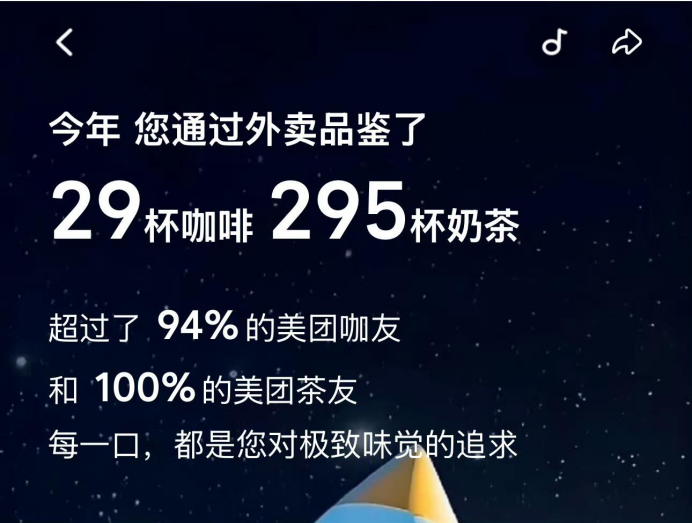
奶茶零食万店时代:“量产甜蜜”的代价谁买单?
华尔街见闻· 2025-08-16 01:00
Core Viewpoint - The article highlights the rapid expansion of the tea and snack industry in China, driven by low-cost, high-sugar products that pose significant health risks to consumers, particularly the youth. The phenomenon is described as a "sugar addiction economy," where the long-term health costs are often overlooked in favor of immediate consumer satisfaction and business profits [7][4][5]. Group 1: Industry Expansion and Market Dynamics - The "0 yuan purchase" subsidy war among major food delivery platforms has led to a surge in the consumption of sugary drinks, particularly among young consumers [1][2]. - Thousands of chain tea and snack stores are employing economies of scale through supply chain optimization and aggressive expansion strategies, making sugary products more accessible and affordable [2][20]. - The number of tea and snack stores has skyrocketed, with the total number of tea drink outlets reaching approximately 426,300 by mid-2025, and the market size for new-style tea drinks reaching 3,547.2 billion yuan in 2024 [18][12]. Group 2: Health Risks and Societal Impact - Excessive sugar intake is recognized as a significant health threat, leading to conditions such as insulin resistance, obesity, and chronic diseases, which could burden the healthcare system [5][70]. - The average sugar consumption from tea drinks alone could lead to an additional intake of approximately 1.3 kg of sugar per person annually, contributing to rising health issues [33][32]. - The increasing prevalence of insulin resistance and obesity among the population is alarming, with over 39.1% of adults showing signs of insulin resistance, a significant increase over the past two decades [80][82]. Group 3: Business Models and Profitability - The rapid expansion of brands like Mixue Ice City, which has over 46,479 stores and generated 24.83 billion yuan in revenue in 2024, exemplifies the success of the "ten-thousand-store economy" [12][14]. - The low initial investment and high replicability of tea and snack stores attract numerous small franchisees, further fueling the industry's growth [17][19]. - The business model relies heavily on low prices and high volume, with brands achieving significant revenue growth through aggressive store openings and supply chain efficiencies [27][28]. Group 4: Consumer Behavior and Addiction - The addictive nature of sugar is driving high-frequency consumption among young people, with many unaware of the long-term health consequences of their choices [4][6]. - The article draws parallels between sugar consumption and addiction, noting that the immediate pleasure derived from sugary products leads to a cycle of increased consumption [40][44]. - The marketing strategies of tea and snack brands often target young consumers, particularly around schools, creating a habitual consumption pattern that is difficult to break [3][59]. Group 5: Regulatory and Health Management Responses - The Chinese government is beginning to address the health implications of high sugar consumption through initiatives like the "Weight Management Year" program, aimed at raising awareness and promoting healthier lifestyles [90][91]. - There is a growing call for regulatory measures, such as sugar taxes and stricter advertising restrictions on sugary products, to mitigate the public health crisis associated with excessive sugar intake [137][138]. - The article emphasizes the need for a collective effort from society and regulatory bodies to combat the rising tide of sugar addiction and its associated health risks [153][154].

《细胞》最新警告:生酮饮食"瘦身陷阱"曝光!临床研究证实减重背后暗藏健康隐患:坏胆固醇飙升、肠道菌群严重失衡
GLP1减重宝典· 2025-08-14 10:33
Core Viewpoint - The article discusses the health implications of sugar consumption and dietary trends, particularly focusing on the effects of sugar intake and ketogenic diets on weight loss and metabolic health [6][8][21]. Summary by Sections Sugar Consumption and Health - Sugar, particularly free sugars, is linked to increased caloric intake and various health issues such as obesity and metabolic disorders. Reducing free sugar intake to below 5% of total daily calories could lead to a decrease of approximately 100 kilocalories in daily consumption [7][8]. - The article emphasizes that controlling sugar intake has become a central trend in modern dietary practices [8]. Ketogenic Diet Findings - A recent clinical trial involving 60 participants over 12 weeks revealed that while ketogenic diets effectively promote fat loss, they also pose potential health risks, including increased levels of "bad cholesterol" (LDL) and worsened glucose tolerance [9][10]. - The study included three dietary groups: a control group with normal sugar intake, a group with restricted free sugar intake, and a strict low-carbohydrate ketogenic group. Both the low sugar and ketogenic groups showed significant weight loss [12][15]. Metabolic and Microbiome Changes - The ketogenic group exhibited a significant decline in glucose tolerance and an increase in various low-density lipoprotein (LDL) particles, while high-density lipoprotein (HDL) levels decreased [16][20]. - Changes in gut microbiota were also noted, with a significant reduction in beneficial Bifidobacteria in the ketogenic group, which could increase the risk of digestive issues and infections [18][20]. Long-term Health Implications - The article warns that the long-term effects of ketogenic diets may include adverse changes in sugar and fat metabolism, which are associated with increased mortality risk even within "healthy" ranges of blood sugar and cholesterol levels [20]. - It suggests that while weight loss can benefit heart health, achieving this through a ketogenic diet may not be the best approach. Instead, simply controlling free sugar intake might be a more prudent choice for cardiovascular health [21].