物理AI

Search documents
禾赛20260324
2026-03-26 13:20
Summary of Conference Call Notes Company and Industry Overview - **Company**: Hesai Technology - **Industry**: LiDAR and Autonomous Driving Technology Key Points and Arguments 1. Sales and Revenue Guidance - The shipment guidance for 2026 has been raised to 3-3.5 million units, representing a year-on-year growth of over 100% [2][3] - Q1 2026 revenue is expected to be between 650-700 million RMB (approximately 93-100 million USD), a year-on-year increase of 24%-33% [2][8] 2. ADAS Business Performance - The ADAS business remains strong, with the ATX product holding over 40% market share and partnerships with China's top ten automotive manufacturers [2][4] - The company has delivered over 2 million ADAS LiDAR units and has secured 2026 contracts with major automotive brands [4][5] 3. Product Development and Innovation - The self-developed FMC500 SOC chip is expected to enter mass production in April 2026, optimizing cost structures [2][3] - High-performance products like ETX have received orders from major clients, with the potential for each vehicle to carry 3-6 LiDAR units valued at 500-1,000 USD each [2][12] 4. Robotics Business Growth - The robotics segment is projected to double its sales in 2026, with backorders exceeding 10 million units in the lawnmower sector [2][6] - The company anticipates a five-digit annual shipment volume for humanoid robots in 2026 [2][6] 5. International Expansion - Hesai has become the preferred standard solution for NVIDIA Drive Hyperion 10, marking a shift from individual OEM penetration to a scalable turnkey model [2][5] - Strategic partnerships in Southeast Asia and Europe are progressing well, with exclusive multi-year design orders from top OEMs [5][6] 6. New Product Launches - The company plans to launch two groundbreaking products in the coming months: a physical AI "eye" for perception and a "muscle" module for motion control, targeting trillion RMB markets [2][7][13] 7. Financial Performance and Profitability - In 2025, the company achieved a net profit of 436 million RMB (approximately 63 million USD) and total revenue exceeding 3 billion RMB (approximately 433 million USD), a 46% year-on-year increase [3][11] - The gross margin is expected to remain resilient, with core business operating expenses projected to stabilize or slightly decrease in 2026 [2][11][16] 8. Market Trends and Future Outlook - LiDAR is transitioning from an optional to a standard feature in vehicles, with the deployment of L3 autonomous driving expected to increase the number of LiDAR units per vehicle [12][15] - The average selling price (ASP) may face downward pressure due to product mix changes, but structural growth factors are expected to offset this [15][16] 9. Cost Management Strategies - The company has successfully reduced operating expenses by 88 million RMB (approximately 13 million USD) in 2025 while increasing revenue [16][17] - Future cost control will focus on proprietary technology, manufacturing excellence, and leveraging AI for operational efficiency [16][17] 10. Collaboration with NVIDIA - The partnership with NVIDIA is expected to streamline collaboration with end customers, enhancing the overall solution offering [14] - Hesai aims to promote a unified solution globally, leveraging accumulated data and trained models from NVIDIA [14] Additional Important Insights - The company maintains a strong customer base and industry leadership, with confidence in sustaining revenue, shipment, and profit growth trajectories for 2026 [13] - Future collaborations with Sharpa are viewed positively, contingent on strategic alignment and mutual benefits [10][13]
当小米不再需要「奇迹」
雷峰网· 2026-03-26 10:06
Core Viewpoint - Xiaomi is entering a more mature and confident phase after over a decade of innovation, as evidenced by the successful launch of the new Xiaomi SU7 and the positive financial results from its automotive business [1][3][21]. Group 1: Product Launch and Market Response - The new Xiaomi SU7 was launched with a price increase of 4,000 yuan across all versions, yet it achieved over 15,000 orders within 34 minutes and surpassed 30,000 orders in three days, indicating strong consumer acceptance [1][3]. - The first-generation SU7 had a cumulative delivery of 381,000 units, making it the best-selling car in the domestic market priced above 200,000 yuan [8][15]. Group 2: Financial Performance - Xiaomi's automotive business reported an annual operating profit of 900 million yuan for 2025, with total revenue reaching 106.1 billion yuan, a year-on-year increase of 223.8% [3][21]. - The company’s R&D investment reached 331 billion yuan in 2025, a 37.8% increase, with a total of 1,055 billion yuan invested over the past five years [13][14]. Group 3: Strategic Shift and Long-term Vision - Xiaomi is transitioning from a startup mentality to a more stable and methodical approach, focusing on building a robust automotive ecosystem and emphasizing product quality over mere marketing [4][11]. - The company plans to double its R&D investment to over 200 billion yuan in the next five years, indicating a commitment to long-term technological innovation [13][14]. Group 4: Market Position and Competitive Landscape - Xiaomi's SU7 has become a preferred alternative to the Tesla Model 3, with over 30% of its owners coming from traditional luxury brands like BBA (Benz, BMW, Audi) [15][16]. - The automotive market landscape in China is changing, with Xiaomi's approach proving effective against traditional luxury brands facing declining sales [15][21]. Group 5: Future Challenges and Opportunities - Despite the successes, Xiaomi faces challenges such as expanding production capacity, improving supply chain integration, and maintaining profit margins amid increasing competition [20][21]. - The company is positioned to leverage its comprehensive smart ecosystem and technological capabilities to lead in the next phase of industrial transformation [20][21].


从“千台交付”到“万台量产”,具身智能闯关“双80%”
证券时报· 2026-03-26 08:09
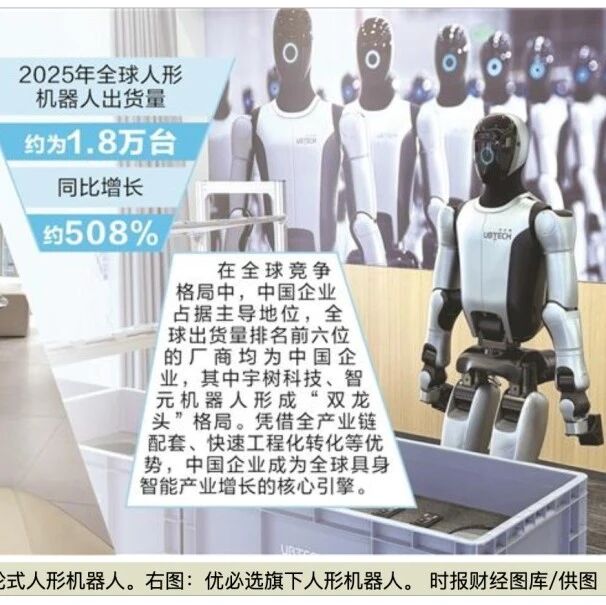
以下文章来源于e公司 ,作者证券时报 聂英好 e公司 . e公司,证券时报旗下专注上市公司新媒体产品,立志打造A股上市公司资讯第一平台。提供7x24小时上市公司标准化快讯,针对可能影响上市公司股价的 主题概念、行业事件及时采访二次解读,从投资者需求出发,直播上市公司有价值的活动、会议。 从春晚舞台上的"顶流"表演者,到车间里默默劳作的"工友",再到公共服务场景越来越多的"咖啡师""讲解员",我国人形机器人产业发展可谓热火朝天。作 为六大未来产业之一,我国具身智能产业已实现从实验测算到小批量交付的跨越,宇树科技、智元机器人更是以全球第一的出货量领跑行业。 以宇树科技IPO获受理为标志,具身智能在资本市场也备受追捧。据IT桔子数据,2025年具身智能赛道融资超511亿元(是前一年的3.5倍),2026年仅前三 个月融资已近300亿元。资本潮涌之下,具身智能估值门槛急剧抬高,目前已有13家企业估值突破百亿元。 泛化能力难题 过去的一年里,人形机器人的运动与操作能力进步迅速。机器人已能胜任武术表演、后空翻、弹钢琴、下围棋,也能在工厂搬运重物、进行上下料等工作, 然而却在很多时候端不稳一杯水、捡不起一根针,甚至绕不开一 ...
五一视界2025年营收增21%:发布首款「物理直觉」世界模型,今年将是加速之年
IPO早知道· 2026-03-26 05:05
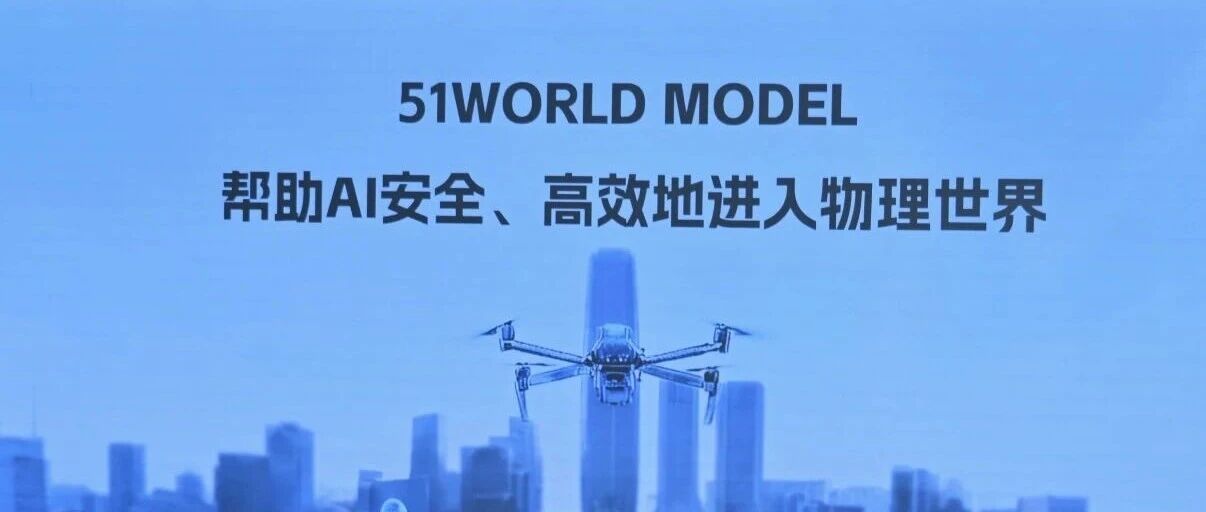
Core Viewpoint - The article discusses the performance and strategic advancements of Beijing 51World Digital Twin Technology Co., Ltd. (51WORLD), highlighting its financial growth and the launch of innovative AI technologies that position the company as a leader in the physical AI sector [2][4]. Financial Performance - 51WORLD reported a revenue of 348 million yuan for the year ending December 31, 2025, representing a year-on-year growth of 21% [4]. - The three main business segments all achieved positive growth: - 51Aes generated 274 million yuan, up 16.2% - 51Sim earned 56 million yuan, increasing by 16.9% - 51Earth saw explosive growth of 392.3%, reaching 18 million yuan, marking it as the fastest-growing segment [4]. Technological Innovations - The company launched the 51World Model, described as the world's first "physical intuition" world model, which integrates physical intuition into model reasoning, ensuring causal physical consistency throughout the generation and inference process [4]. - The 51World Model is designed to facilitate a closed-loop of physical interactions based on real 4DGS reconstructions, applicable for engineering validation and optimization [4]. Strategic Developments - 51WORLD introduced the "51Claw" system, which integrates the 51World Model with OpenClaw, creating a comprehensive closed-loop from low-cost environment data collection to zero-risk concurrent simulation and autonomous reinforcement learning [5]. - The company aims to enhance its organizational AI transformation, committing 10-30% of its labor costs annually to empower AI initiatives, which is expected to significantly increase productivity without a proportional increase in labor costs [6]. Future Outlook - The year 2025 is viewed as a transitional phase for 51WORLD, having established a foothold in the market, while 2026 is anticipated to be a year of accelerated growth [6]. - A significant ESOP incentive plan was announced, where if the company's market value reaches 100 billion yuan by 2030, the CEO will receive a 10% equity incentive, aligning the CEO's interests with the company's long-term success [5].
深度|清华系公司拿下10亿订单,打响物理AI第一场规模化战役
Z Potentials· 2026-03-26 03:05
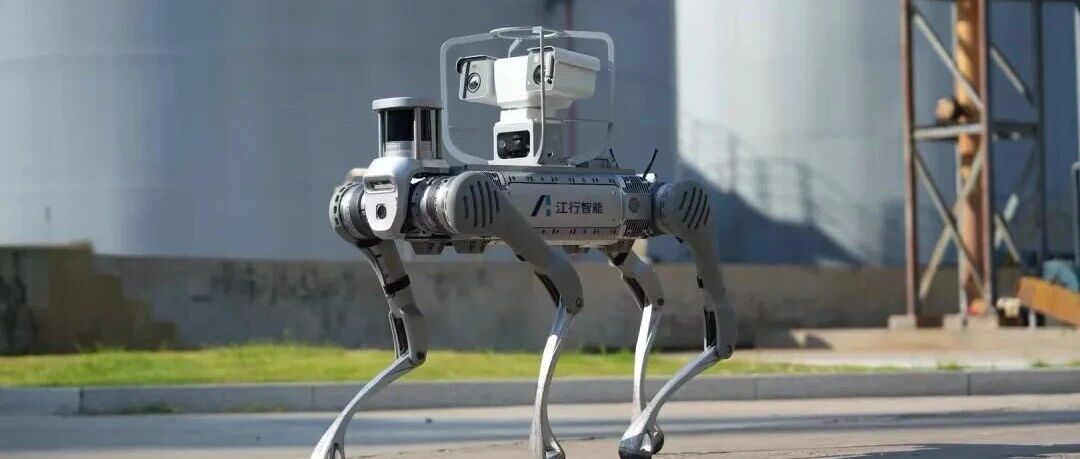
Core Viewpoint - The article emphasizes the significant potential of physical AI in the industrial sector, particularly in energy and power, highlighting the advancements made by Jiangxing Intelligent in this field [3][7][44]. Group 1: Company Overview - Jiangxing Intelligent, founded by a team of Tsinghua University PhDs in 2018, has developed a strong foothold in the energy sector, covering over 400 substations and 600 renewable energy stations [6][7]. - The company has achieved a projected order volume exceeding 500 million yuan by 2025, with a compound annual growth rate of nearly 70% over three years [6][37]. - Jiangxing has received continuous investment from Sequoia Capital and other industry players, indicating strong confidence in its business model and technology [6][7]. Group 2: Technological Advancements - Jiangxing Intelligent focuses on replacing human labor with machines for daily inspections in substations, addressing complex challenges in the field [10][12]. - The company has developed a comprehensive AI model called "Yuanwen," which integrates multiple sensory inputs to accurately assess equipment status, achieving an accuracy rate of over 95% [13][24]. - The establishment of a "one brain, multiple bodies" architecture allows for coordinated operations among various devices, enhancing efficiency in large substations [18][19]. Group 3: Market Position and Validation - Jiangxing Intelligent has consistently been listed as a core supplier for the State Grid, demonstrating its products' reliability in the most stringent environments [35][39]. - The company has a diverse client base, including major players like State Grid, Southern Power Grid, and China Petroleum, covering 27 provinces and over 150 leading enterprises [38][39]. - The company’s industrial dataset has been recognized as a high-quality dataset by the National Bureau of Statistics, further validating its data accumulation efforts over seven years [27][44]. Group 4: Future Prospects - Jiangxing's technology, initially validated in substations, is being adapted for other high-risk industries such as coal mining and pipeline inspections, indicating a scalable business model [41][43]. - The article suggests that the competition in physical AI is fundamentally a data-driven race, with Jiangxing's early investments in data collection providing a significant competitive edge [44][45]. - The industrial service market is vast, with potential opportunities in various sectors, positioning Jiangxing for substantial growth in the future [46][47].
“蔚小理零”首次集体盈利背后
创业邦· 2026-03-25 10:44
Core Viewpoint - The article discusses the evolving landscape of China's electric vehicle (EV) market, highlighting the competitive dynamics among new car manufacturers, particularly Li Auto, NIO, Xpeng, and Leap Motor, as they navigate challenges and opportunities in the industry from 2023 to 2026 [6][7]. Group 1: Market Dynamics - In 2025, the four new car manufacturers collectively achieved profitability for the first time, marking a significant turning point in their survival paths [8]. - The competition intensified as these companies not only vied for market share among themselves but also faced challenges from traditional automakers and new entrants like Huawei and Xiaomi [8][9]. - Leap Motor emerged as a surprising contender, achieving monthly sales exceeding 70,000 units, positioning itself among the top tier of manufacturers [7]. Group 2: Sales Performance - In 2025, Li Auto's total deliveries fell to 406,000 units, a decline of 18.8% year-on-year, missing its target of 700,000 units [10][12]. - NIO's sales reached 326,000 units, a year-on-year increase of 46.9%, driven by the success of the ES8 model [13]. - Xpeng's sales surged to 429,000 units, a 126% increase, largely attributed to the launch of the MONA M03 model [14]. Group 3: Financial Performance - Li Auto's net profit for the year dropped to 1.14 billion yuan, a decrease of 85.8%, primarily supported by 1.92 billion yuan in interest income [18]. - NIO achieved its first-ever positive net profit of 720 million yuan in the fourth quarter, despite a total annual loss of 14.94 billion yuan [19]. - Leap Motor reported a net profit of 540 million yuan, a significant turnaround from a loss of 2.82 billion yuan the previous year [19]. Group 4: Strategic Shifts - Li Auto and Xpeng are focusing on AI and advanced driving technologies, aiming to evolve from traditional car manufacturers to intelligent mobility companies [8][21]. - NIO and Leap Motor continue to concentrate on vehicle sales, with NIO planning to expand its SUV lineup to five models by 2026 [19][20]. - The competitive landscape is expected to become more challenging in 2026, particularly with the reduction of subsidies for low-end models, impacting sales strategies [15][20].



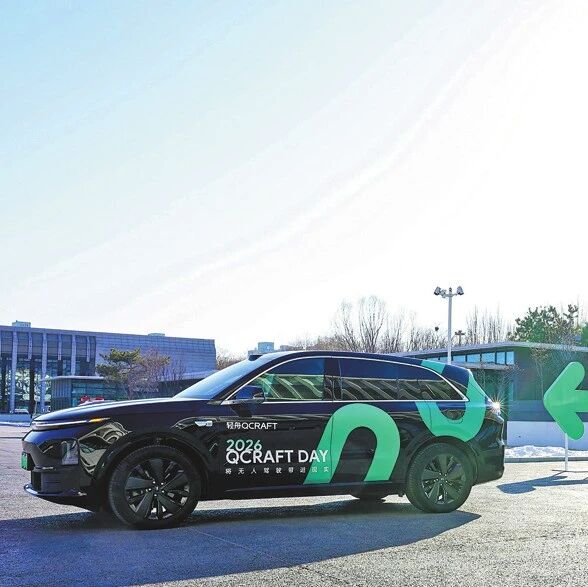
「华舟魔」三强之一,加速迈向物理AI
雷峰网· 2026-03-25 10:05
Core Viewpoint - The article discusses the recent $100 million funding round for Qianzhou Zhihang, emphasizing its strategic shift towards physical AI and the development of advanced technologies in autonomous driving and general physical AI [2][3][4]. Group 1: Funding and Strategic Shift - Qianzhou Zhihang completed a Series D funding round of $100 million, with investors including leading domestic automotive manufacturers and various investment funds [2]. - The company plans to enhance its research in world models and reinforcement learning, which are crucial for advancing physical AI technologies [3][4]. Group 2: Importance of Physical AI - AI can be categorized into digital AI, which processes information, and physical AI, which interacts with the physical world. The latter is still in its early stages, particularly in autonomous driving [4][5]. - The CEO of Qianzhou Zhihang highlighted that autonomous driving is the best entry point for physical AI, with the potential for significant opportunities in the next 5-10 years [5][6]. Group 3: Technological Development - The company aims to leverage structured data from autonomous driving to develop a robust world model, which is essential for understanding physical interactions in complex environments [7][9]. - The integration of world models and reinforcement learning is seen as a solution to the challenges faced in the unpredictable physical world, allowing for proactive decision-making in autonomous systems [9][10]. Group 4: Market Position and Production Scale - Qianzhou Zhihang has achieved a production scale of over 1 million vehicles equipped with its autonomous driving system, positioning itself among the top players in China's intelligent driving sector [12][13]. - The company plans to expand its model offerings significantly by 2026, with a focus on urban navigation assistance (NOA) capabilities [13][14]. Group 5: Competitive Landscape - The competitive landscape includes major players like Huawei and Momenta, each adopting different strategies to penetrate the market. Qianzhou Zhihang focuses on maximizing the efficiency of single-chip solutions for urban NOA [16][17]. - The company aims to target the price segment of 100,000 to 200,000 yuan, which represents a significant portion of the Chinese new energy vehicle market [17][18]. Group 6: Technological Integration and Future Plans - Qianzhou Zhihang's approach emphasizes standardization and compatibility across different vehicle models, allowing for rapid adaptation and deployment of its technologies [20][21]. - The company plans to showcase its latest technological advancements at the Beijing Auto Show in April 2026, highlighting its transition from L2 to L4 autonomous driving and general physical AI [24].
黄仁勋:英伟达已经从GPU公司演变为“AI工厂”
阿尔法工场研究院· 2026-03-25 02:12
Core Insights - NVIDIA has evolved from a GPU company to an AI factory, emphasizing the importance of decoupled inference technology and AI factory architecture [2][3] - The demand for AI computing is expected to grow exponentially, with calculations potentially increasing by over ten thousand times in two years, driving the need for robust AI infrastructure [2][3] - NVIDIA's CEO highlights the importance of defining vision and strategy, focusing on challenging areas that leverage the company's core strengths [2] AI Factory Operations - The AI factory operating system "Dynamo" was launched approximately two and a half years ago, seen as the next industrial revolution's operating system, with decoupled inference as its core technology [2] - NVIDIA plans to integrate Grok chips to optimize workload distribution across various components, including GPUs, CPUs, switches, and network processors [2] Market Analysis - The physical AI sector is projected to be a $50 trillion industry, with NVIDIA already generating nearly $10 billion in annual revenue from this rapidly growing business [3] - Digital biology is anticipated to experience a "ChatGPT moment," leading to significant transformations in the healthcare industry in the coming years [3] Impact of AI Agents and Open Source Models - Open source AI projects like "OpenClaw" are redefining computing and are seen as the blueprint for future personal AI computers, with agents becoming crucial for achieving work outcomes [4] - The enterprise software industry is expected to see a hundredfold growth due to the widespread use of AI agents [4] Autonomous Driving Strategy - NVIDIA's strategy in the autonomous driving sector focuses on providing a complete technology stack, including training, simulation, and onboard computing, without manufacturing vehicles [4] Competitive Advantage - NVIDIA is confident in its unique position as the only company collaborating with all global AI firms to provide end-to-end solutions deployable across any cloud and edge environment, with increasing market share [4] Robotics Industry Outlook - High-functionality robotic products are predicted to become mainstream within 3 to 5 years, with China being a key player in the global robotics supply chain [4] AI and Employment Perspectives - While some jobs may be replaced by AI, it is believed that more new jobs will be created, emphasizing the importance of becoming proficient in using AI and maintaining skills in science, mathematics, and language [5]


黄仁勋的三颗炸弹,炸出了什么?
吴晓波频道· 2026-03-25 00:30
Group 1 - The core concept of the article is that "token" will become the new currency in the AI era, functioning as a unit of work for AI, where the more complex tasks and text processed, the more tokens are consumed, thus increasing costs [3][4] - Huang Renxun introduced the concept of "token factory economics," highlighting that global AI computing power demand has surged by 1 million times over the past two years, with projections reaching $1 trillion by 2027. This growth is attributed to AI's transition from retrieval-based computing to generative AI, which requires significant computational power [4] - The article emphasizes that data centers will evolve into "token production factories," where the efficiency of token production per unit of energy will determine the competitiveness and survival of tech companies [4] Group 2 - Every company must adopt an OpenClaw strategy, which is likened to the operating system for agent computers, enabling businesses to build their own AI agents. This shift will transform every SaaS company into an AaaS (Agent as a Service) provider [5] - Companies will need to allocate an "annual token budget" for employees, similar to current office expense budgets, indicating the integration of tokens into everyday business operations [5] - The article discusses the emergence of physical AI, particularly in the autonomous driving sector, with companies like BYD and Nissan joining NVIDIA's Robotaxi platform, marking significant progress in the scalability of autonomous driving [6] - NVIDIA's Project GR00T aims to create general-purpose models for humanoid robots, allowing them to learn natural language and mimic human actions through observation, indicating a shift towards AI interacting with the physical world [6] - The convergence of tokens as currency, OpenClaw as a new system, and embodied intelligence as a physical presence signifies the onset of a new AI era that is already unfolding [6]

【小鹏汽车(XPEV.N)】4Q25扭亏,2026E聚焦全球化突破与AI业务兑现——2025年四季度业绩点评报告(倪昱婧/邢萍)
光大证券研究· 2026-03-24 23:05
Core Viewpoint - The company has shown significant improvement in financial performance, with a notable increase in total revenue and a reduction in net losses, indicating a potential turnaround in its business operations [4][5]. Financial Performance - In 4Q25, total revenue increased by 38.2% year-on-year and 9.2% quarter-on-quarter to reach 22.25 billion yuan, with a gross margin of 21.3%, up 6.9 percentage points year-on-year [4]. - The company reported a Non-GAAP net profit of 510 million yuan in 4Q25, marking a significant recovery from a net loss of 4.6 billion yuan, primarily due to approximately 840 million yuan in other income, including government subsidies [4]. - For the full year 2025, total revenue rose by 87.7% to 76.72 billion yuan, with a gross margin of 18.9%, an increase of 4.6 percentage points year-on-year [4]. Automotive Business - The automotive business generated revenue of 19.07 billion yuan in 4Q25, reflecting a year-on-year increase of 30.0% and a quarter-on-quarter increase of 5.6%, with a gross margin of 13.0% [5]. - Research and Development (R&D) expense ratio decreased by 0.5 percentage points year-on-year to 12.9%, while Selling, General and Administrative (SG&A) expense ratio decreased by 1.6 percentage points quarter-on-quarter to 12.5% [5]. - The company has approximately 47.66 billion yuan in cash and cash equivalents as of 4Q25, with management guiding for vehicle deliveries in 1Q26E to be between 61,000 and 66,000 units [5]. Strategic Focus - The company is advancing its physical AI initiatives, focusing on global expansion and the realization of AI business opportunities [6]. - In 1Q26E, the automotive sector is expected to reach a bottom in industry fundamentals, with product structure improvements anticipated to offset demand declines and rising raw material costs [6]. - The management plans to launch four new global models this year under the "one car, dual energy" strategy, with expectations for increasing overseas market deliveries [6]. - The collaboration with Volkswagen is deepening, with Volkswagen being the first external customer for the VLA2.0+ Turing chip, which is expected to generate steady revenue and validate the company's AI technology competitiveness [6]. - The company is also progressing in the development of Robotaxi and humanoid robots, with plans for large-scale production of the new generation IRON robot by the end of 2026 [6][7].