
硬折扣零售

Search documents
中信证券:我国量贩零食行业发展迅速 看好国内行业长期发展空间
智通财经网· 2026-01-07 01:33
Core Viewpoint - The rapid development of China's snack retail industry is projected to see store numbers double by 2024 and grow over 30% to 42,000 and 56,000 stores by 2025, with industry sales expected to exceed 220 billion yuan by 2025. The competition is expected to intensify in 2024, but ease in 2025, with a significant focus on store expansion and price wars among leading companies [1]. Group 1: Store Expansion - The snack retail industry has significant room for expansion, with leading companies continuing to open new stores. The estimated number of stores is expected to double to 42,000 in 2024 and further expand to 56,000 by the end of 2025, although the growth rate will slow down. Based on saturation levels in Hunan province and other demographic factors, the industry could potentially expand to 70,000 to 80,000 stores, indicating over 30% expansion potential [1]. - The industry is experiencing a concentration trend, with the top two companies currently holding 71% of the market share, which is expected to rise to over 80%, indicating that there is still over 50% room for new store openings [1]. Group 2: Competition - In 2024, competition in the snack retail industry is expected to intensify, with leading companies employing various subsidies to accelerate store openings and capture market share. Following the intense price wars of 2024, a dual-leader competitive landscape has emerged, leading to a significant improvement in competition by 2025, with a notable reduction in store opening subsidies [2]. - The era of price competition is considered over, with future competition likely to focus on brand strength, product assortment, digital operations, and private label products [2]. Group 3: Store Efficiency - Despite a decline in single-store revenue due to increased store density, there are signs of improvement. In the first half of 2025, store sales are expected to drop by over 10%, extending the payback period for new stores from 1-2 years to 2-3 years. Companies are responding by diversifying product offerings, increasing store sizes, experimenting with discount supermarkets, and enhancing private label products to improve average transaction values [3]. - The expansion of non-food categories and optimization of product structures are ongoing, with leading companies showing signs of improvement in same-store sales in the second half of 2025, with a noticeable narrowing of the sales decline compared to the first half [3]. Group 4: Insights from BIM - BIM, a leading discount retailer in Turkey, has demonstrated robust store expansion through a limited SKU strategy, focusing on private label products, and efficient supply chain management. The company has maintained a high-value retail model, proving resilient in various economic conditions [4]. - The study of BIM suggests that adapting to consumer demands for variety and quality is crucial, necessitating SKU optimization and store renovations to support same-store sales. BIM has successfully expanded its SKU count from 600 to 900, while also introducing new store formats to meet diverse consumer needs [4]. - As purchasing volumes increase, discount retailers may find it reasonable to establish their own production and processing supply chains for better cost and quality control. BIM has entered upstream manufacturing, enhancing its private label product offerings [5][6].

中信证券:头部量贩零食企业未来还有超50%的开店空间
Xin Lang Cai Jing· 2026-01-07 00:23
Core Viewpoint - The rapid development of China's snack retail industry is highlighted, with projections indicating significant growth in store numbers and sales revenue in the coming years [1] Group 1: Industry Growth Projections - It is estimated that the number of snack retail stores will double year-on-year by 2024 and grow over 30% to 42,000 and 56,000 stores by 2024 and 2025, respectively [1] - The industry sales scale is expected to exceed 220 billion yuan by 2025 [1] Group 2: Competitive Landscape - Increased competition is anticipated in 2024, with leading snack retail companies accelerating store expansion through store openings and price wars [1] - By 2025, competition is expected to ease, although leading companies may experience a decline in same-store sales in the first half of the year, with improvements noted in the second half [1] Group 3: Strategic Insights - The analysis of Turkey's leading hard discount retailer BIM suggests that domestic hard discount retail formats can withstand economic cycles and maintain resilient growth [1] - There remains over 50% potential for store openings among leading snack retail companies, with key future development tasks including category expansion, private label product management, store format optimization, and refined operations [1]
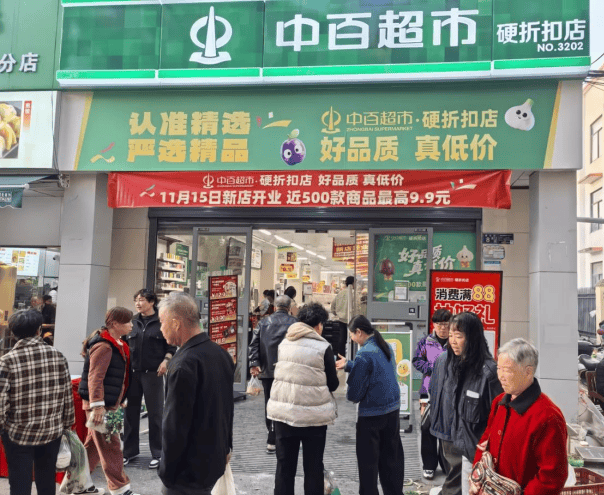
中百超市硬折扣赛道加速扩容,第二批 14 家门店焕新开业
Sou Hu Cai Jing· 2025-12-03 00:35
Core Viewpoint - The company is accelerating its strategic transformation by opening 14 new hard discount stores in November, bringing the total to 65, enhancing its community-focused retail network and providing consumers with high-quality, low-price shopping options [1][9]. Group 1: Store Expansion and Strategy - The new stores are strategically located in key communities in Wuhan and surrounding areas, targeting family and young consumer groups to meet high-frequency shopping needs [3]. - The company is leveraging its operational experience and proven models to accelerate expansion, focusing on core livelihood categories while optimizing product structure and supply chain [5]. Group 2: Consumer Engagement and Promotions - During the opening period, the new stores are offering promotional activities such as a lottery for purchases over a certain amount, alongside a diverse range of high-quality private label products, leading to a surge in customer traffic [7]. - The company is utilizing its "Baobao Life" app to enhance customer engagement, allowing new customers to register and receive exclusive offers, further stimulating consumer interest [7]. Group 3: Commitment to Value and Community - The opening of these 14 hard discount stores reflects the company's commitment to its mission of benefiting the public, aiming to establish hard discount stores as a new growth engine while enhancing product offerings and service quality [9].


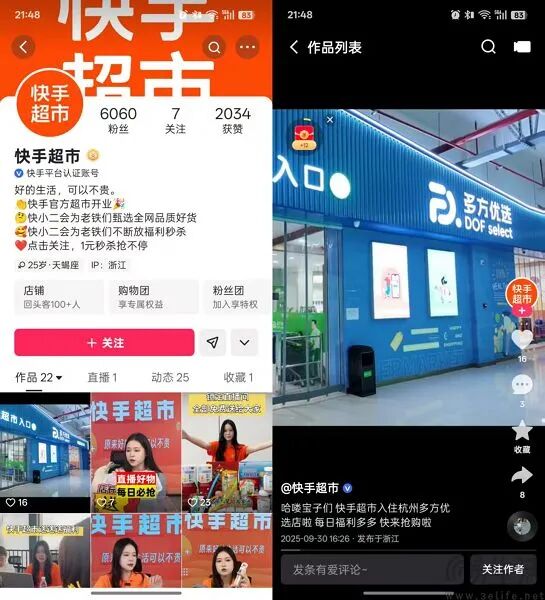
将超市开到线下,快手也在寻求新的增量
3 6 Ke· 2025-11-03 12:57
Core Viewpoint - Kuaishou is expanding into offline retail to seek growth amidst declining e-commerce performance and increasing competition from major players like Alibaba and JD.com [1][3] E-commerce Performance - Kuaishou's GMV growth has slowed from 78% in 2021 to 17% in 2024 [3] - The company is under investigation for violations of e-commerce laws, highlighting issues like false marketing and counterfeit products [3] - Kuaishou's AI business, seen as a new growth avenue, generated only 250 million yuan in Q2 2025, accounting for less than 1% of total revenue [3] Offline Retail Strategy - Kuaishou's entry into offline retail appears to be a response to competitive pressures rather than a confident expansion [4] - Unlike competitors who have established various offline formats, Kuaishou has primarily relied on third-party products without building its own brand [6][8] - The company has opted for partnerships with supermarkets rather than launching its own discount retail brand, indicating a cautious approach [8] Market Dynamics - Kuaishou's local life services have seen significant growth, with GMV in new tier cities increasing by over 220% [9] - The company is focusing on new tier cities, where it has a greater impact compared to higher-tier cities [9] Competitive Landscape - Competitors like Alibaba and JD.com have developed integrated online and offline ecosystems, while Kuaishou has yet to establish a strong presence in instant retail [8] - Kuaishou's "store-in-store" model may reduce exploration costs but could also affect its brand perception [8] Conclusion - Kuaishou faces significant challenges in its offline retail strategy, needing to navigate competitive pressures and internal limitations to achieve sustainable growth [11]

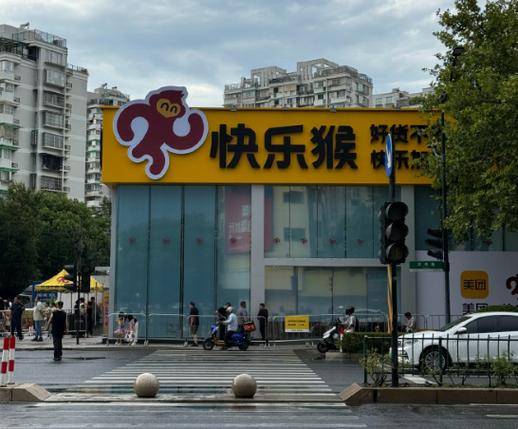
一线城市开启超市价格战,北京8点后6折清仓,上海的宝妈疯狂囤货
Sou Hu Cai Jing· 2025-10-31 08:39
Core Insights - Recent price wars have erupted among supermarkets in major cities, particularly in Beijing and Shanghai, driven by aggressive discount strategies from new entrants like Meituan's "Happy Monkey" and established players like Wumart [1][4][5] Group 1: Price War Dynamics - Meituan's "Happy Monkey" has initiated a tiered discount strategy, offering significant reductions such as 60% off on certain items, attracting customers eager to take advantage of the deals [1][4] - In Shanghai, supermarkets like Aoleqi have also slashed prices on imported meats by nearly 30%, leading to increased consumer purchases of these products [5][15] - The competition has intensified, with local residents actively sharing their shopping experiences and discounts in community groups, indicating a strong consumer engagement in the price war [3][4] Group 2: Competitive Strategies - "Happy Monkey" strategically opened stores in less competitive areas to avoid direct competition with established giants like Wumart, which has been rapidly expanding its discount store format [7][8] - Wumart has been proactive in opening new discount stores, with plans to increase its total to 25 by the end of the year, leveraging its existing infrastructure to minimize costs [8][11] - Wumart's cost-saving measures include reducing product variety and increasing the share of private label goods, allowing for lower prices and faster inventory turnover [12][11] Group 3: Market Trends and Future Outlook - The hard discount market in China is projected to exceed 200 billion yuan in 2024, with a current penetration rate of only 8%, indicating significant growth potential [14] - Major players like JD.com and Hema are also preparing to enter the hard discount space, suggesting a broader competitive landscape [14][16] - The success of hard discount models relies on high sales volume to maintain low prices, with companies like Wumart aiming for hundreds of stores to achieve economies of scale [15][16] Group 4: Consumer Behavior and Expectations - Consumers are increasingly focused on long-term value and quality, seeking not just low prices but also assurance of product freshness and service quality [18][19] - The ongoing price competition is expected to benefit consumers, as companies strive to balance affordability with quality to retain customer loyalty [18][19]
奥乐齐中国换帅,时势与战略的双重选择
3 6 Ke· 2025-10-10 12:35
Core Viewpoint - The management change at Aldi China, with Christoph Schwaiger stepping down and Chen Jia taking over as CEO, reflects the urgent need for the company to adapt to the rapidly evolving discount retail market in China, where competition is intensifying with new entrants like Meituan and JD [1][5][6]. Company Overview - Aldi China has only 79 stores after six years in the market, significantly lagging behind competitors like Super Box NB, which has nearly 300 stores [5][8]. - The company’s sales per store are approximately 36 million yuan, indicating a viable business model, but its slow expansion has hindered its ability to capitalize on market opportunities [6][12]. Market Context - The hard discount market in China is projected to exceed 200 billion yuan in 2024, with Aldi facing fierce competition as it transitions from a pilot phase to a scale-up phase [8][12]. - Aldi's slow pace of expansion has resulted in missed opportunities and increased supply chain costs, widening the gap with local competitors [8][19]. Management Transition - Chen Jia's appointment is seen as a strategic shift from establishing a business model to aggressively capturing market share, as he has a strong background in local market dynamics [10][14]. - The retirement of Chen Yougang marks the end of Aldi's foundational phase in China, necessitating a more agile and efficient management approach [10][14]. Strategic Focus - Aldi plans to expand its presence in the Yangtze River Delta, aiming to increase its store count to 200 by 2026, with a focus on cities with high GDP [16][19]. - The company is also working on improving its supply chain efficiency to reduce costs, with a target of achieving a logistics cost below 5% [19][22]. Challenges Ahead - Aldi faces significant challenges in maintaining product quality during rapid expansion, as evidenced by recent consumer complaints regarding food safety [22][23]. - The company must balance speed and stability in its growth strategy to avoid being outpaced by local competitors [23].

万辰集团A+H上市前的考验:门店增长趋缓
Xin Lang Cai Jing· 2025-09-26 16:24
Core Viewpoint - Wanchen Group has initiated its dual listing process on the Hong Kong Stock Exchange to enhance its global strategic layout and establish an international capital operation platform, aiming to connect with international investors and markets [2][3]. Group 1: Company Overview - Since the appointment of Wang Zenning as General Manager in July, Wanchen Group has made significant moves, including submitting its IPO application on September 23 [2]. - The company has experienced rapid growth in the bulk snack industry, increasing its store count from 232 at the end of 2022 to 15,365 by mid-2025 [2][5]. - Wanchen Group's revenue surged from 549 million yuan in 2022 to 32.33 billion yuan in 2024, with a 106.89% year-on-year increase to 22.583 billion yuan in the first half of 2025 [4]. Group 2: Financial Performance - The net profit for the first half of 2025 reached 472 million yuan, reflecting a staggering year-on-year increase of 50,358.8% [4]. - The company plans to use the funds raised from the IPO for expanding its store network, enhancing product offerings, digital transformation, and strengthening brand recognition [3]. Group 3: Market Challenges - Despite strong financial performance, Wanchen Group faces challenges as its store growth has slowed significantly, with only 1,169 new stores added in the first half of 2025 compared to previous years [5][6]. - The number of closed franchise stores has increased, with 290 closures in the first half of 2025, surpassing the total closures of 208 in 2024 [5][6]. - The competitive landscape is intensifying, with rivals like Mingming and Zero Snacks rapidly expanding their store counts, which could pressure Wanchen Group's market position [6][7]. Group 4: Strategic Direction - Wanchen Group aims to transition to a mature hard discount retail model, focusing on improving offline retail efficiency and upgrading its business model [5]. - The company is also looking to expand into overseas markets, particularly Southeast Asia, to leverage market insights and international resources [3][4]. - Future competition in the bulk snack sector will likely center around product differentiation and the development of private label brands to escape homogeneous competition [7][8].
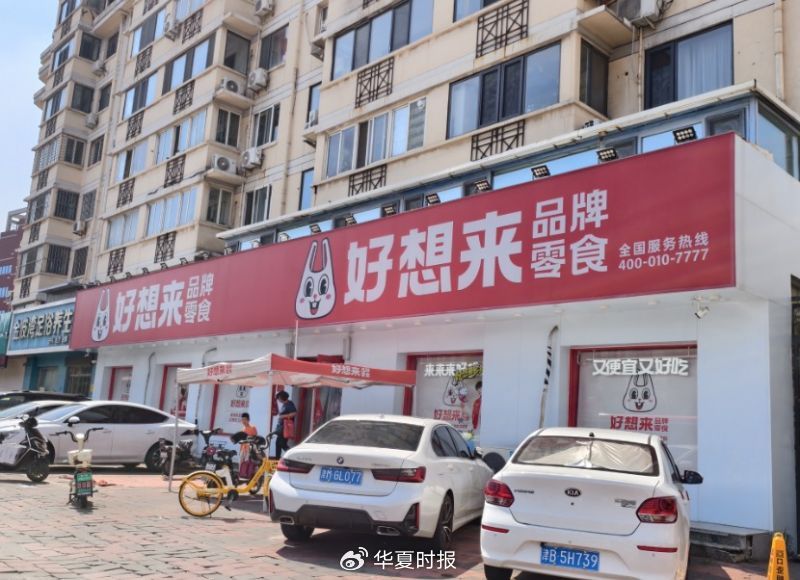
「港股IPO观察」万辰集团A+H上市前的考验:门店增长趋缓,上半年加盟店关闭数超去年总和
Hua Xia Shi Bao· 2025-09-26 12:59
Core Viewpoint - Wanchen Group has initiated its A+H dual listing process to enhance its global strategic layout and establish an international capital operation platform, aiming to connect with international investors and markets [2][3]. Group 1: Company Overview - Since the appointment of Wang Zenning as General Manager in July, Wanchen Group has made significant moves, including submitting its IPO application to the Hong Kong Stock Exchange on September 23 [2]. - The company has experienced rapid growth in the bulk snack industry, increasing its store count from 232 at the end of 2022 to 15,365 by mid-2025 [2][4]. - In 2022, Wanchen Group transitioned from a mushroom business to the bulk snack sector through acquisitions, leading to a substantial revenue increase from 549 million to 32.33 billion by 2024 [4]. Group 2: Financial Performance - Wanchen Group's revenue for the first half of 2025 reached 22.583 billion, reflecting a year-on-year growth of 106.89%, while net profit surged to 472 million, a staggering increase of 50,358.8% [4]. - The company plans to use the funds raised from the IPO for expanding its store network, enhancing product offerings, digital transformation, and strengthening brand recognition [3]. Group 3: Market Challenges - Despite strong financial performance, Wanchen Group faces challenges as its store growth has slowed significantly, with only 1,169 new stores added in the first half of 2025 compared to previous years [5][6]. - The number of closed franchise stores has increased, with 290 closures in the first half of 2025, surpassing the total closures of 208 in 2024 [6]. - The competitive landscape is intensifying, with rivals like Mingming Hen Mang rapidly expanding their store counts, which could pressure Wanchen Group's market position [6][7]. Group 4: Strategic Direction - Wanchen Group aims to evolve into a mature hard discount retail model, focusing on enhancing operational efficiency and seizing growth opportunities in the hard discount sector [5]. - The company is also looking to expand into overseas markets, particularly Southeast Asia, to tap into emerging opportunities [3]. - Future strategies include improving store quality over quantity, enhancing private label development, and refining supply chain operations to maintain profitability [8].
漳州老板要港股上市,卖零食年入超300亿
3 6 Ke· 2025-09-26 04:13
Core Viewpoint - Fujian Wancheng Biotechnology Group Co., Ltd. (Wancheng Group) has submitted its listing application to the Hong Kong Stock Exchange, aiming for a dual listing after its successful IPO on the Shenzhen Stock Exchange in 2021, marking its rapid rise in the snack retail industry [1][2]. Group 1: Company Overview - Wancheng Group, headquartered in Zhangzhou, Fujian, started with a focus on edible mushrooms and has expanded into the snack retail sector, becoming the only A-share listed company in this field [1]. - The company achieved a revenue of 32.33 billion yuan in 2024, with snack retail revenue contributing 31.79 billion yuan [1]. - In the first half of 2025, Wancheng Group reported a revenue of 22.58 billion yuan, representing a year-on-year growth of 106.89%, and a net profit of 472 million yuan, a staggering increase of 50,358.80% [1]. Group 2: Market Position and Competition - The snack retail industry is characterized by a competitive landscape, with Wancheng Group and another major player, Mingming Hen Mang, dominating the market [2]. - As of June 30, 2025, Wancheng Group operated nearly 15,400 stores across 29 provinces, while Mingming Hen Mang surpassed 20,000 stores [2][6]. - The rapid expansion of both companies has established a "dual strong" market structure in the snack retail sector [2]. Group 3: Financial Performance and Challenges - Wancheng Group's revenue growth has been impressive, with figures of 5.49 billion yuan in 2022, 9.29 billion yuan in 2023, and 32.33 billion yuan in 2024, but it faces challenges with profitability [3][4]. - The company has experienced a significant increase in liabilities, with total liabilities reaching 5.144 billion yuan and a rising debt ratio from below 50% at the end of 2022 [4][5]. - In the first half of 2025, the company opened only 15% of the new stores compared to the previous year, indicating a slowdown in expansion [3]. Group 4: Strategic Plans and Future Outlook - Wancheng Group plans to use the funds raised from its Hong Kong listing to support its global strategic layout and enhance its market presence in China [6][8]. - The company aims to explore overseas markets, particularly in Southeast Asia, as part of its growth strategy [8]. - The snack retail market is projected to grow significantly, with estimates suggesting a market size of 613.7 billion yuan by 2029, indicating a robust growth opportunity for Wancheng Group [9].
万辰集团递表港交所 中金公司及招商证券国际为联席保荐人
Zheng Quan Shi Bao Wang· 2025-09-24 00:49
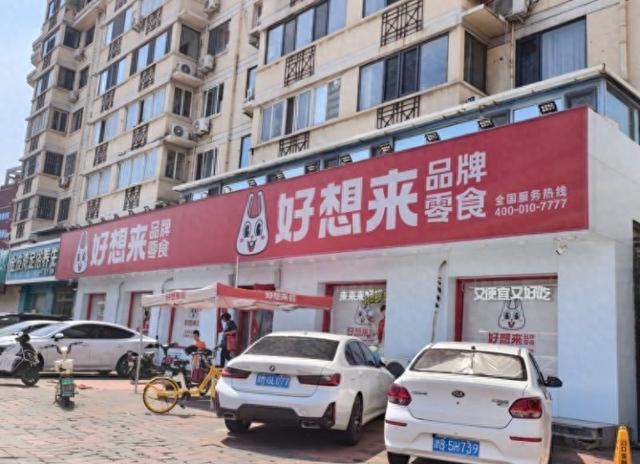
Company Overview - Wancheng Group has submitted a listing application to the Hong Kong Stock Exchange, with CICC and China Merchants Securities International as joint sponsors [1] - Wancheng Group is a leading and rapidly growing scale snack and beverage retail enterprise in China, with a store network expected to exceed 15,000 by June 30, 2025 [1] - The "Haoxianglai" brand under the company ranked first in China's snack and beverage retail brand list by GMV in 2024, being the first brand to surpass 10,000 stores [1] Market Position - The company's store network covers 29 provinces in China, holding a significant leading position in regions such as the Yangtze River Delta and the Four River Provinces [1] - Approximately 95% of the company's products are sourced directly from brand manufacturers, allowing for competitive pricing that is 20%-30% lower than hypermarkets, supermarkets, and convenience stores [1] Product Offering - Wancheng Group's product portfolio includes twelve core categories, featuring over 4,000 SKUs, with each store typically stocking 1,800-2,000 SKUs [1] - The company introduces around 250 new SKUs each month to maintain product freshness [1] Industry Outlook - According to Frost & Sullivan, the market size of China's hard discount retail industry is projected to reach RMB 1,013.8 billion by 2029, with a compound annual growth rate (CAGR) of 33.8% [1]
