
美食文化

Search documents
泉州小吃 添彩“美食之都”
Ren Min Ri Bao· 2025-11-05 22:11
Core Viewpoint - Quanzhou, Fujian has been recognized as a new member of the "Creative Cities Network" by UNESCO, earning the title of "City of Gastronomy" [1] Group 1: Cultural and Culinary Significance - Quanzhou is historically known as a gathering place for culture and cuisine, being the starting point of the ancient Maritime Silk Road [1] - The city showcases a unique flavor system characterized by "mountain-sea integration, fresh elegance, diverse coexistence, and local vibrancy" [1] - The culinary heritage of Quanzhou reflects openness and integration, continuing the legacy of New Fujian cuisine [1] Group 2: Impact of Recognition - The designation of Quanzhou as a "City of Gastronomy" is expected to promote the global dissemination of New Fujian cuisine [1]
老灶头厨艺争霸 “老四样”美食寻根
Hang Zhou Ri Bao· 2025-10-21 03:54
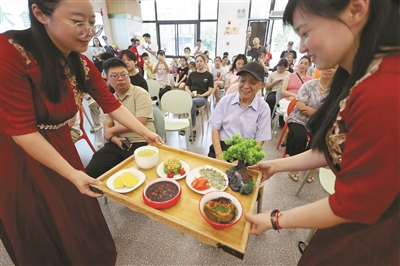
Core Points - The event featured a culinary skills competition themed around "Chongyang cuisine," showcasing a variety of visually appealing and aromatic dishes [4][5] - The competition included a diverse judging panel, comprising professional culinary judges as well as community residents and elementary school students, who provided direct feedback on the dishes [5] - The event emphasized cultural significance by incorporating traditional "Old Four Dishes" (whole chicken, whole duck, whole fish, and trotters) that resonate with the community's culinary heritage [5] Summary by Categories Event Overview - The culinary competition took place on October 17 in the Shitang community canteen, highlighting dishes that were both visually and aromatically appealing [4] Judging and Participation - The judging panel consisted of both professional culinary experts and local community members, including school children, who evaluated the dishes based on their personal tasting experiences [5] Cultural Significance - The competition featured traditional dishes known as "Old Four Dishes," which are significant to the local community's memory and cultural identity, linking food with the preservation of local heritage [5] - The Shitang community is recognized for its provincial-level intangible cultural heritage, particularly the stove painting, and has established a folk experience center for this art form [5]

深入川西南,一不小心穿越到了吴哥窟
3 6 Ke· 2025-10-14 04:03
Core Insights - The article highlights the hidden gem of Hongya, a lesser-known destination in Sichuan, China, which offers unique cultural and natural attractions, making it a favored weekend getaway for Chengdu residents [1][4][10] Group 1: Location and Attractions - Hongya is located 128 kilometers from Chengdu, nestled between Leshan and Ya'an, and is characterized by its low profile yet rich offerings [4][10] - Key attractions include the "God's Table" Wawushan, the largest tabletop mountain in Asia, and the picturesque Yanu Lake, where visitors can enjoy kayaking [10][30][36] - The area is also known for its unique local cuisine, such as hand-made ice powder and herbal spicy hot pot, which distinguishes it from nearby cities [10][78] Group 2: Cultural Significance - The article discusses the historical rivalry between Hongya and Ya'an over the title of "Ya Girl," emphasizing the cultural pride of both regions [10][13] - Hongya's identity is intertwined with the Qingyi River, which has shaped the local culture and landscape, contributing to the region's charm [19][28] - The narrative includes references to local legends and historical anecdotes, such as the establishment of the Qingyi Qiang Kingdom, which adds depth to Hongya's cultural heritage [21][26] Group 3: Culinary Highlights - Hongya is recognized for its distinctive local flavors, including lamb soup and dishes featuring the local pepper, which enhances the culinary experience [71][75] - The article mentions popular local snacks like "Ka Bing" and "Jiang Zhizhong Spicy Beef," which reflect the region's culinary traditions [78]

如何成为一座受年轻人欢迎的城市
21世纪经济报道· 2025-09-18 13:18
Core Viewpoint - The article emphasizes that cities aiming to attract and retain the younger generation, particularly Generation Z, should leverage their culinary offerings as a key component of their "soft power" alongside industrial development [1]. Group 1: Importance of Culinary Culture - Culinary offerings are crucial for cities to appeal to Generation Z, who prioritize emotional value and social experiences over traditional consumption patterns [1]. - The Michelin Guide's Bib Gourmand list highlights affordable yet delicious dining options, aligning with Generation Z's desire for high emotional value at lower costs [3][5]. Group 2: City Rankings and Culinary Diversity - As of August 2025, Guangzhou leads with 45 Bib Gourmand restaurants, followed by Shanghai with 30, and Hangzhou and Xiamen with 26 each [4]. - Guangzhou's culinary scene is diverse, featuring various cuisines such as Cantonese, Teochew, and Southeast Asian, with 34 out of 45 Bib Gourmand restaurants having an average cost of under 100 yuan [5][4]. Group 3: Regional Culinary Developments - Hangzhou has improved its culinary reputation, now ranking among the top cities for Bib Gourmand selections, showcasing local Zhejiang cuisine [7]. - Nanjing is recognized for its duck dishes and has 16 Bib Gourmand restaurants, reflecting a rich culinary diversity [7]. Group 4: Challenges and Opportunities for Traditional Brands - Traditional brands, or "laozihao," are essential for showcasing a city's culinary culture and attracting Generation Z talent, but they face challenges in modernization [9]. - As of August 2025, there are 216 traditional dining brands across various cities, with Beijing and Shanghai having the most [10]. Group 5: Policy Support for Culinary Innovation - Cities are implementing policies to revitalize traditional dining brands, focusing on innovation and cultural integration to enhance their appeal to younger consumers [11]. - The shift in policy focus aims to improve the "self-sustaining" capabilities of traditional brands, making them more competitive in the modern market [11]. Group 6: Emotional and Cultural Value of Food - Food serves as a social connector for Generation Z, who engage with culinary experiences through social media, enhancing their connection to the city [14]. - Culinary experiences provide emotional comfort and cultural understanding, fostering a sense of belonging among young people [14]. Group 7: Future Implications for Urban Development - The article suggests that cities can enhance their attractiveness to global young talent by developing diverse and culturally rich culinary industries, which may significantly influence urban growth [15].
德州美酒美食品鉴消费文化周暨首届职工艺术节优秀节目展演启幕
Sou Hu Cai Jing· 2025-09-10 14:22
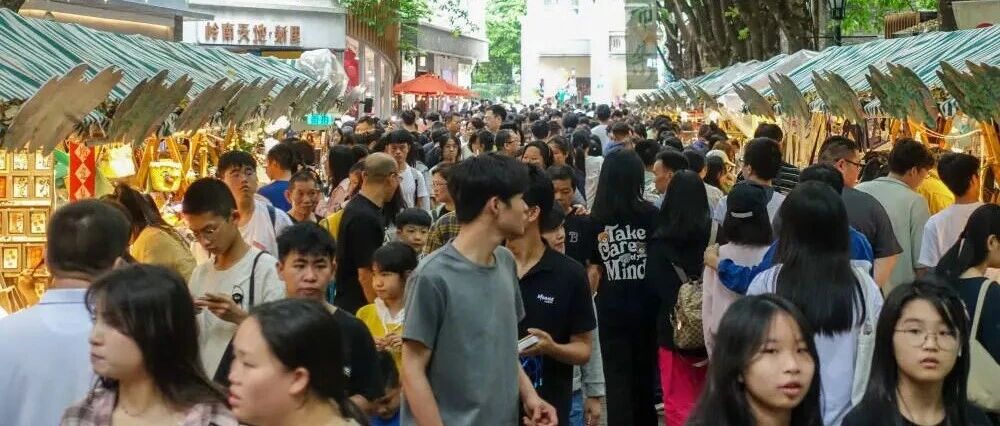
Core Viewpoint - The event aims to enrich the cultural life of workers in Dezhou and promote the integration of food, wine culture, and tourism consumption [1][7]. Group 1: Event Overview - The Dezhou Wine and Food Tasting Cultural Week and the first Employee Art Festival opened on September 9, featuring various performances and activities [1][3]. - The event includes a diverse range of performances such as songs and street dance, highlighting both national pride and local wine culture [3][5]. Group 2: Cultural and Educational Aspects - Professional experts provided insights into the history and brewing techniques of Dezhou's liquor, enhancing public understanding of wine culture [5]. - An interactive wine tasting competition engaged local citizens with professional tasters, elevating the event's excitement [5][7]. Group 3: Duration and Participation - The event runs until September 14, showcasing local wines from 16 producers and over 20 traditional food brands, along with various artistic performances [7].

美味暖城·鄂尔多斯首届美食文化周启动
Nei Meng Gu Ri Bao· 2025-08-23 08:07
Core Points - The first Food Culture Week in Ordos was launched on August 22, featuring local delicacies and cultural activities [3][5][12] - The event aims to showcase the diverse culinary culture of Ordos and enhance the city's image while stimulating consumer activity [12] Summary by Categories Event Overview - The Food Culture Week will last from August 22 to 28, gathering specialty foods from nine districts of Ordos, including dairy products from pastoral areas and innovative dishes from urban areas [5] - Activities include a launch ceremony, food tasting experiences, culinary skill exhibitions, competitions among chefs, food discussions, and cultural performances [5][12] Themes and Objectives - The theme of the event is "Warm City, Delicious, Green, Healthy," organized by various local government departments [12] - The goal is to deeply explore and showcase Ordos' local food culture, stimulate consumer enthusiasm, and improve the city's overall image [12]


“驴火”很火
Jing Ji Ri Bao· 2025-08-16 21:48
Core Insights - The article highlights the cultural significance and culinary excellence of Baoding's donkey meat fire bun, a traditional dish that has become a symbol of local heritage and identity [1][5]. Group 1: Culinary Tradition - The donkey meat fire bun is a beloved local delicacy in Baoding, characterized by its crispy bun filled with tender donkey meat and served with soup [1][2]. - The dish has historical roots dating back to the Song Dynasty, where it originated from a celebratory meal involving donkey meat [4]. - The preparation involves meticulous techniques, including a lengthy cooking process that ensures the meat is tender and flavorful [6][3]. Group 2: Industry Development - Baoding has developed a complete industrial chain for donkey meat production, including breeding, processing, and restaurant services, with an annual output value of 150 million yuan [7]. - The region is home to three donkey meat production companies, 40 processing workshops, and 168 specialty restaurants, providing employment for over 3,000 people [7]. - Modern farming practices are being integrated with traditional methods to enhance the quality and safety of donkey meat, ensuring a stable supply of high-quality ingredients [6][7]. Group 3: Cultural Symbolism - The donkey meat fire bun has transcended its role as mere food, becoming a cultural symbol that evokes nostalgia and a sense of belonging for many locals [5]. - Creative adaptations of the dish, such as merchandise and innovative food pairings, are being developed to appeal to younger consumers and tourists [8][9]. - The dish is now recognized not only for its taste but also as a representation of Baoding's cultural identity, contributing to the city's tourism and local economy [9].
三大产业齐头并进 淮安服务业交出亮眼“期中答卷”
Xin Hua Ri Bao· 2025-08-12 23:12
Group 1: Service Industry Performance - The service industry in Huai'an achieved a revenue of 451.91 billion yuan in the first half of the year, marking a year-on-year growth of 23.8%, ranking second in the province [1] - The revenue from the accounting industry reached 267.85 billion yuan, with a year-on-year increase of 29.9% [1] Group 2: Cultural and Tourism Integration - Huai'an's cultural and tourism market saw 26.405 million domestic and international visitors, generating a total tourism revenue of 29.42 billion yuan, with respective year-on-year growths of 13.2% and 12.8% [2] - The cultural, sports, and entertainment sectors within the tourism industry experienced a revenue growth of 22.6% [2] Group 3: Modern Logistics Development - The modern logistics sector in Huai'an reported a revenue of 16.288 billion yuan, reflecting a year-on-year growth of 20.74% [4] - Railway freight volume reached 1.551 million tons, increasing by 47.5%, while air cargo throughput rose by 73.4% to 4,356.7 tons [4] Group 4: Postal and Express Industry Growth - The postal industry generated a total revenue of 2.45 billion yuan, with express delivery revenue reaching 1.86 billion yuan, showing year-on-year increases of 7.1% and 11.5% respectively [5] - The total volume of postal services reached 416 million items, with express delivery volume at 360 million items, marking growths of 20.1% and 18.8% [5] Group 5: Modern Commerce Revitalization - The wholesale sector's sales reached 156.03 billion yuan, growing by 15.89%, while retail sales totaled 98.013 billion yuan, with a growth of 10.09% [7] - The city has implemented consumption promotion activities that have engaged over 418,000 participants, resulting in significant consumer spending [7] Group 6: Project Development and Future Outlook - Major service industry projects in Huai'an completed investments of 4.358 billion yuan, achieving 64.82% of the annual target [8] - The city signed 38 service industry projects worth over 100 million yuan, including five projects exceeding 1 billion yuan [8] - Future initiatives will focus on enhancing the three leading industries, promoting consumption, and accelerating key project construction [9]
这座被低估的粤西小城,荔枝和海鲜都绝了
3 6 Ke· 2025-08-03 23:36
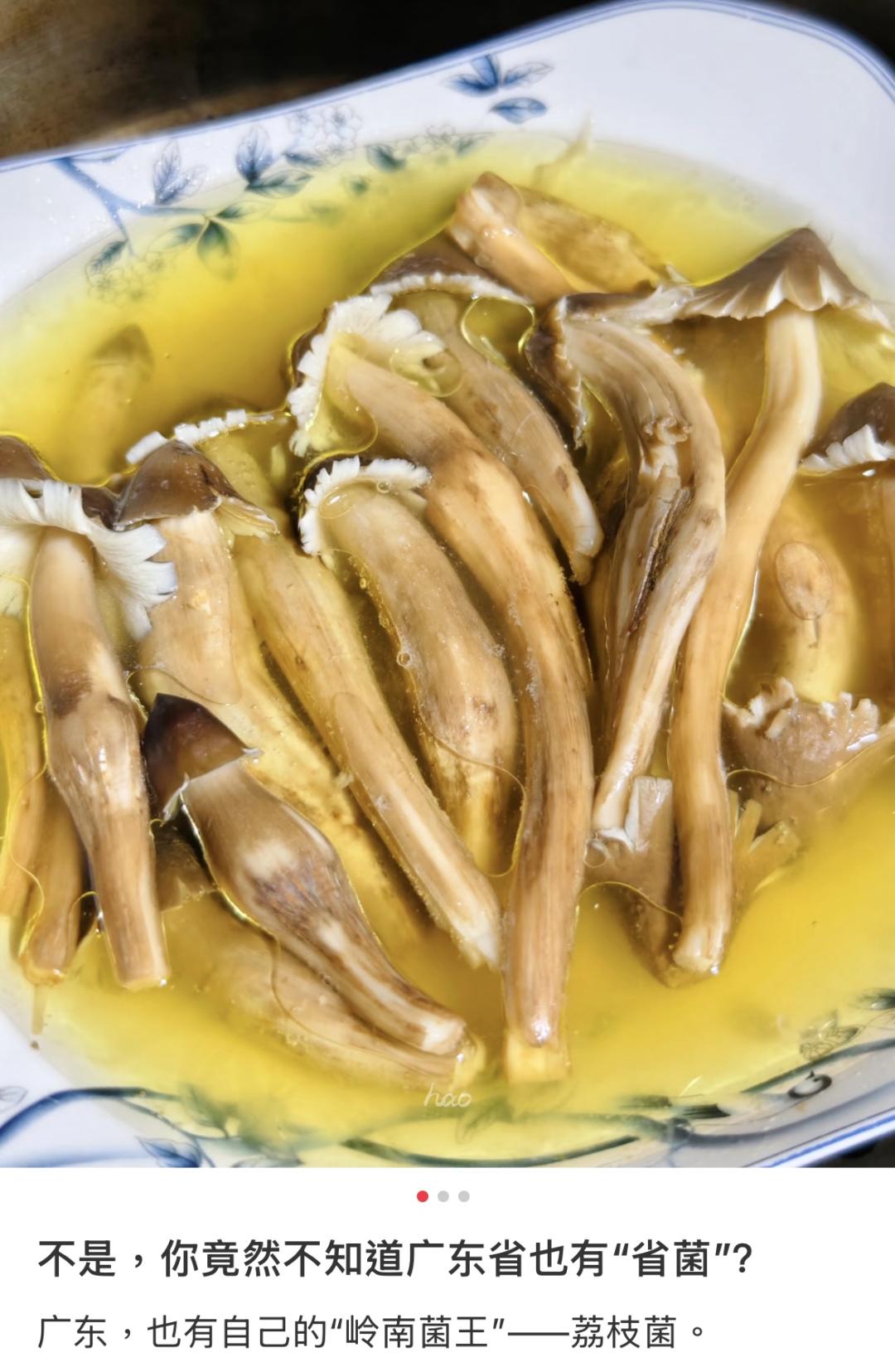
Group 1: Overview of Maoming and its Agricultural Significance - Maoming is recognized as the largest agricultural city in Guangdong, known for its lychee production, particularly in Gaozhou, which is referred to as "China's Lychee Town" [2][3] - Gaozhou not only produces lychees but also other fruits like longan, bananas, and mangoes, contributing significantly to the local economy [2][3] Group 2: Culinary Highlights and Local Delicacies - Gaozhou's culinary scene features unique dishes such as roasted goose cooked with lychee wood, which imparts a subtle sweetness to the meat [3][6] - The region is also known for its seasonal delicacies like May mushrooms, which are rare and highly valued, sometimes priced similarly to matsutake mushrooms [6] Group 3: Seafood and Local Cuisine - The coastal area of Maoming, particularly the Dianbai District, is famous for its fresh seafood, with local residents favoring simple cooking methods to highlight the natural flavors [7][10] - The Gao Liang cuisine, centered in Maoming, combines elements from various culinary traditions, emphasizing freshness and health benefits through the use of medicinal ingredients [10] Group 4: Street Food and Local Snacks - Maoming's street food culture is characterized by affordable and delicious options, such as Huazhou beef offal, which focuses on the natural flavors of the ingredients [11][12] - The local food scene is inclusive, attracting a diverse clientele, and features a variety of snacks that reflect the region's culinary heritage [14]
食在街巷,味在人心(金台随笔)
Ren Min Ri Bao· 2025-07-20 21:52
Core Insights - The article emphasizes the significance of local street food as a cultural and social connector, highlighting how it reflects the essence of a place and fosters community bonds [1][2][3][4] Group 1: Local Food Culture - Local street food establishments, often unassuming in appearance, have gained recognition for their exceptional flavors and authentic offerings, showcasing regional culinary traditions [1][2] - The preparation of food in these establishments is characterized by a commitment to fresh, locally sourced ingredients and traditional cooking methods, which enhances the dining experience [1][3] Group 2: Community and Human Connection - The article illustrates how food serves as a medium for human connection, with local eateries becoming gathering spots for community members, including late-night workers seeking comfort food [2][4] - The relationship between customers and local food vendors is built on trust and mutual respect, with patrons often returning due to the quality and warmth of service [4] Group 3: Cultural Significance - Food is portrayed as a tangible representation of culture, with local dishes embodying the history and traditions of their regions, thus offering a deeper understanding of local customs [3] - The experience of enjoying local cuisine is framed as an opportunity for cultural engagement, where each dish tells a story and reflects the culinary heritage of the area [3]