金融投资

Search documents
21独家专访盛松成:中国居民储蓄将更多流向金融投资
2 1 Shi Ji Jing Ji Bao Dao· 2025-09-26 03:07
Core Viewpoint - Chinese residents' savings are expected to increasingly flow into financial investments, particularly into high-quality projects that can generate stable cash flows, aligning with national strategic directions [2] Group 1: Investment Trends - High-quality projects in new infrastructure, consumption infrastructure, and new urbanization are seen as attractive assets due to their alignment with technological innovation and high-quality development [2] - The external environment is providing support for Chinese asset prices, with expectations of continued interest rate cuts from the Federal Reserve [2] Group 2: Monetary Policy Outlook - There is still room for interest rate cuts in China, although a significant reduction is not anticipated in the short term [2] - The focus will remain on proactive fiscal policies complemented by moderately loose monetary policies in the near future [2]
部分服装企业半年报现反差:主营承压,投资 “逆袭”
Mei Ri Jing Ji Xin Wen· 2025-09-13 07:02
Core Viewpoint - The traditional apparel industry in A-shares continues to face pressure, with many companies reporting declines in revenue and net profit, indicating a deep adjustment period for the sector [1][3]. Revenue and Profit Performance - Semir Garment achieved a revenue of 6.149 billion yuan, up 3.26%, but its net profit fell by 41.17% to 325 million yuan [2]. - Taiping Bird reported a revenue of 2.898 billion yuan, down 7.86%, with a net profit decline of 54.61% to 78 million yuan [2]. - Dizhu Fashion's revenue was 1.067 billion yuan, down 5.55%, and net profit decreased by 23.54% to 170 million yuan [2]. - Nine Mu Wang's revenue was 1.497 billion yuan, down 5.02%, but net profit surged by 248.54% to 174 million yuan [2]. - Overall, the children's clothing segment showed relative stability, while men's and women's fashion segments faced significant challenges [4][5]. Market Trends and Strategic Shifts - Many companies are shifting from a franchise model to direct-to-consumer (DTC) strategies, opening flagship stores in key urban areas while reducing franchise outlets [6][7]. - Taiping Bird is implementing a "superstore" strategy, opening large flagship stores to integrate multiple brands [7]. - Semir Garment's direct sales revenue grew by 34.78%, while franchise revenue declined by 2.8% [7]. Investment Strategies - Companies are increasingly focusing on investment as a means to bolster profits amid declining core business performance [8][9]. - Longzi Co. reported a 64% increase in net profit, largely due to stock market gains from selling shares of Ruoyuchen [8]. - Nine Mu Wang's net profit growth was attributed to significant increases in the fair value of financial assets [8]. - Baoxini's financial assets surged by 2072.73%, indicating a shift towards financial investments to offset core business weaknesses [9].


对外投资接连亏损 东方电气持股资产大幅缩水
Zheng Quan Shi Bao Wang· 2025-09-07 14:19
Core Viewpoint - Dongfang Electric (600875) reported a certain degree of growth in revenue and profit for the first half of 2025, but its performance in financial investments lagged behind its stable industrial operations [1] Financial Performance - The company experienced a year-on-year increase in both revenue and profit during the reporting period [1] - The financial investment performance was weaker compared to its operational stability [1] Investment Losses - Dongfang Electric faced unrealized losses on multiple stock investments, including a significant investment in Chuaneng Power (000155) [1] - The investment cost in Chuaneng Power was 1.158 billion yuan, with a book value of 856 million yuan at the end of the period [1] - Chuaneng Power executed capital operations in 2024, purchasing 20% equity of Chuaneng Wind Power from Dongfang Electric for 1.294 billion yuan, with a share issuance price of 14.84 yuan per share [1] - By the end of last year, the fair value change loss for this equity investment was 228 million yuan, with a book value of 991 million yuan [1] - As of September 4, the stock price of Chuaneng Power was 10.12 yuan per share, leading to a slight recovery in the market value of Dongfang Electric's holdings to 882 million yuan [1] Other Investments - The company also incurred unrealized losses on its investment in Nanfang Energy Storage (600995) [1] - In December 2022, Dongfang Electric's subsidiary invested 540 million yuan to subscribe for 42.5532 million shares in a private placement of Nanfang Energy Storage [1] - By the end of the first half, the book value of this investment was approximately 416 million yuan, but the stock price has since rebounded, reducing the unrealized loss [1]


中信建投(601066):投行、投资业务收入大幅改善,业绩表现超预期
Shenwan Hongyuan Securities· 2025-08-29 13:13
Investment Rating - The report maintains a "Buy" rating for the company [2][6] Core Insights - The company reported a significant improvement in investment banking and investment business revenues, with performance exceeding expectations [6] - In the first half of 2025, the company achieved a revenue of 10.74 billion yuan, a year-on-year increase of 19.9%, and a net profit attributable to the parent company of 4.51 billion yuan, up 57.8% year-on-year [6] - The company has seen a substantial increase in client numbers and asset scale, with new clients in the securities brokerage business growing by 12.98% year-on-year [6] Financial Data and Profit Forecast - Revenue projections for 2025-2027 are as follows: 2025E revenue of 22.55 billion yuan, 2026E revenue of 24.57 billion yuan, and 2027E revenue of 27.17 billion yuan, with respective year-on-year growth rates of 6.71%, 8.97%, and 10.58% [5][7] - The net profit attributable to the parent company is forecasted to be 8.81 billion yuan in 2025, 9.49 billion yuan in 2026, and 10.90 billion yuan in 2027, reflecting year-on-year growth rates of 22.02%, 7.72%, and 14.80% respectively [5][7] - The company's return on equity (ROE) is projected to improve from 9.78% in 2025 to 10.48% in 2027 [5][7] Business Performance - In Q2 2025, the company achieved a main business revenue of 5.64 billion yuan, with a year-on-year increase of 25.3% and a quarter-on-quarter increase of 21.4% [6] - The company’s securities brokerage business accounted for 32.5% of total revenue, while investment banking contributed 10.9% [6] - The company’s market share in A-share IPOs reached 22.2%, ranking first in the industry, with a total of 26 A-share IPO projects in reserve [6]

浦发银行: 上海浦东发展银行股份有限公司2025年半年度财务审阅报告
Zheng Quan Zhi Xing· 2025-08-27 16:41
Core Insights - The article discusses the financial performance of various companies, highlighting significant changes in revenue and profit margins over recent periods [1][2][3][4]. Financial Performance - Company A reported revenues of $731.5 billion in the latest quarter, a decrease from $803.4 billion in the previous quarter, indicating a decline of approximately 8.9% [2]. - Company B's revenue increased to $1,186.5 billion, up from $990.2 billion, reflecting a growth of about 19.7% [2]. - Company C experienced a revenue drop from $824.4 billion to $782.4 billion, a decrease of approximately 5.1% [2]. Profit Margins - Company A's profit margin decreased from 11.2% to 9.0%, indicating a significant reduction in profitability [2]. - Company B's profit margin improved from 8.2% to 9.7%, showcasing enhanced operational efficiency [2]. - Company C's profit margin remained stable at around 10.5%, suggesting consistent performance despite revenue fluctuations [2]. Future Projections - Analysts predict that Company A will continue to face challenges, with projected revenues for the next quarter expected to be around $700 billion [2]. - Company B is forecasted to maintain its growth trajectory, with expected revenues of approximately $1,300 billion in the upcoming quarter [2]. - Company C's future revenue is projected to stabilize around $800 billion, reflecting a cautious outlook [2].

成都银行(601838):业绩增速向好,信贷投放提速
HTSC· 2025-08-27 05:29
Investment Rating - The report maintains a "Buy" rating for the company with a target price of RMB 23.33, reflecting a target PB of 1.10 times for 2025 [8][6]. Core Views - The company's performance in H1 2025 shows an increase in net profit, revenue, and PPOP by 7.3%, 5.9%, and 6.7% year-on-year, respectively, driven by credit expansion and improved net interest income [1][2]. - The company is focusing on credit expansion, maintaining a leading position in the industry, with total assets, loans, and deposits growing by 14.3%, 18.0%, and 14.8% year-on-year as of June [2]. - The financial investment business remains stable, with investment income increasing by 7% year-on-year in H1 2025, although there was a significant decline in intermediary income by 45.2% [3]. - Asset quality is stable, with non-performing loan ratios at 0.66% and 0.98% for corporate and retail loans, respectively, indicating solid risk control capabilities [4]. Summary by Sections Performance Overview - In H1 2025, the company's net profit, revenue, and PPOP increased by 7.3%, 5.9%, and 6.7% year-on-year, respectively, with a notable improvement in performance compared to Q1 [1]. - The company adheres to a strategy of stable deposits and efficient asset management, indicating potential for operational improvement [1]. Credit and Asset Management - The company has accelerated credit issuance, maintaining a strong growth rate in loans, with a focus on retail and corporate loans [2]. - As of June, the net interest margin was 1.62%, showing a slight improvement from the previous year [2]. Financial Investments - The investment income showed a year-on-year increase of 7% in H1 2025, although intermediary income saw a significant decline [3]. - The company is optimizing its bond allocation and focusing on high-performing fund products to enhance investment returns [3]. Asset Quality - The overall asset quality remains stable, with a non-performing loan ratio of 0.66% for corporate loans and 0.98% for retail loans, reflecting effective risk management [4]. - The company has maintained a high provision coverage ratio of 453% as of June [4]. Management and Shareholder Actions - The company announced a change in leadership with the appointment of a new chairman, expected to ensure a smooth transition and continuity in strategy [5]. - Shareholders have approved adjustments to the share buyback plan, extending the buyback period to April 2026 without a price cap [5]. Valuation and Forecast - The forecast for net profit for 2025-2027 is RMB 138.2 billion, 151.1 billion, and 166.6 billion, respectively, with a target PB of 1.10 times for 2025 [6][12]. - The company is expected to maintain a strong position in the industry, justifying a valuation premium compared to peers [6].
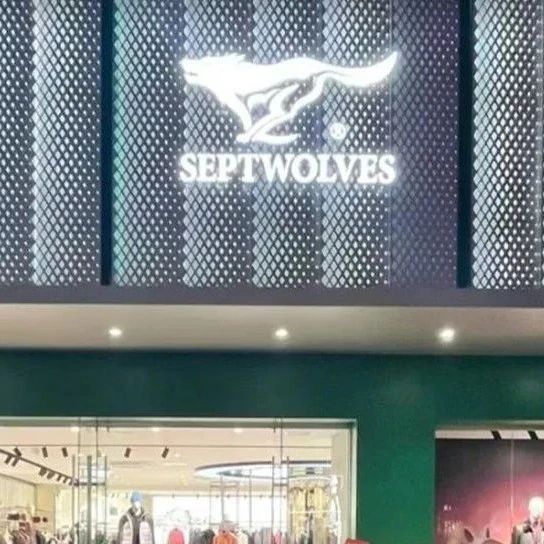
衣服卖不动,炒股赚翻了,七匹狼活成了金融公司?
凤凰网财经· 2025-08-25 13:13
Core Viewpoint - The article discusses the recent brand crisis faced by the Chinese men's clothing brand Seven Wolves, triggered by a viral incident involving a noodle shop, and highlights the company's declining financial performance in its latest half-year report, indicating a need for strategic changes to attract younger consumers [3][5][6]. Financial Performance - Seven Wolves reported a revenue of 1.374 billion yuan for the first half of 2025, a decrease of 5.93% compared to the previous year [9]. - The company's net profit attributable to shareholders fell by 13.93% to 160 million yuan, while the net profit after excluding non-recurring items plummeted by 61.35% to 29 million yuan [9][10]. - Operating cash flow was negative at -22.6 million yuan, indicating challenges in cash collection despite sales [8][10]. - The total assets decreased by 8.58% to approximately 9.88 billion yuan, and net assets remained relatively stable, showing a slight decline of 0.05% [9][10]. Operational Challenges - Seven Wolves closed 54 direct stores and 74 franchise stores, reflecting a significant reduction in its retail footprint [10]. - Sales expenses increased by 16.68% to 546 million yuan, suggesting ineffective spending despite higher costs [10]. - Research and development investment dropped by nearly 42% to 19 million yuan, raising concerns about the company's ability to innovate and keep up with market trends [11]. Investment Strategy - Due to struggles in its core business, Seven Wolves has turned to its investment segment, which has become a crucial source of profit [12]. - As of June 2025, the company held approximately 6.53 billion yuan in cash and had a total financial asset scale of about 23.97 billion yuan, indicating a diversified investment portfolio [13][15]. - The company has invested in high-profile stocks such as Tencent, China Ping An, and Guizhou Moutai, demonstrating a strategic focus on quality assets [15]. Industry Context - The challenges faced by Seven Wolves reflect broader trends in the men's apparel industry, where many brands are struggling with stagnant growth and the need to appeal to younger consumers [16][22]. - Competitors like Lilang and Jiumuwang are also navigating similar issues, with varying degrees of success in adapting their business models [16][18]. - The article emphasizes that the future success of men's clothing brands will depend on their ability to resonate with younger audiences and innovate their product offerings [22][23].

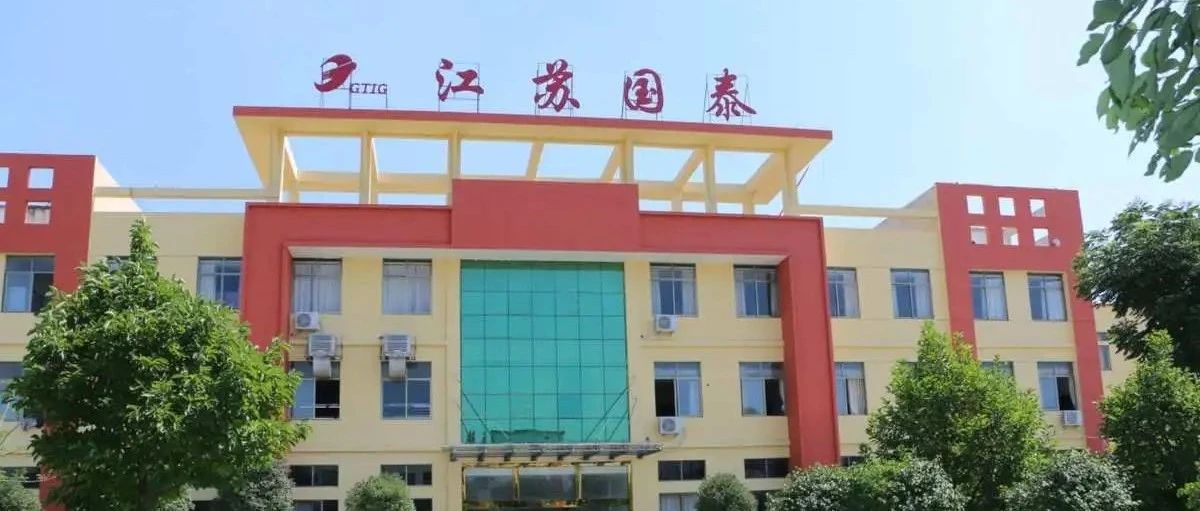
热搜爆了,“越理越亏,越亏越理?” 江苏国泰138亿理财炒股计划炸锅
凤凰网财经· 2025-08-24 12:51
Core Viewpoint - Jiangsu Guotai's recent announcements regarding significant financial maneuvers, including plans to invest up to 138.3 billion yuan in financial products and securities, have raised concerns among investors about the company's strategic direction and financial management [1][3][9]. Group 1: Financial Maneuvers - Jiangsu Guotai plans to use up to 120 billion yuan of idle funds for entrusted wealth management and up to 18.31 billion yuan for securities investment, totaling 138.3 billion yuan, which exceeds the company's market capitalization of 124 billion yuan [1][6][9]. - The company has a history of significant financial investments, having previously announced similar plans in 2022 and 2023, indicating a pattern of aggressive financial strategies [12][14][15]. - Despite these investments, Jiangsu Guotai has reported cumulative losses exceeding 70 million yuan from its securities investments, underperforming compared to the market index [4][16][32]. Group 2: Operational Performance - The company's operating cash flow has been declining, with net cash flow from operating activities dropping from 36.57 billion yuan in 2022 to 16.87 billion yuan in 2024, indicating a concerning trend [23]. - Although the company reported a revenue increase of 5.46% and a net profit increase of 10.85% in the first half of the year, these figures still reflect a significant gap compared to previous years [20]. - Research and development expenditures have been consistently reduced, with a notable decline from 1.27 billion yuan in 2022 to 360 million yuan in the first half of 2025, raising questions about the company's commitment to innovation [26][32]. Group 3: Management and Governance - Jiangsu Guotai's management has been criticized for high executive compensation, with the assistant president earning 7.75 million yuan annually, while the company simultaneously reduces R&D spending [19][30]. - The disparity between high management salaries and declining investment in core business areas has led to skepticism regarding the company's governance and strategic priorities [5][32].

广东博众与博研哲学商学院深度交流 共话商业发展趋势
Sou Hu Wang· 2025-08-19 10:12
Group 1 - The event featured a deep enterprise visit and intense discussions, injecting new vitality into the development of both parties [1] - Guests highly recognized and praised the professional strength and product innovation capabilities of Guangdong Bozhong during the immersive company tour [3] - The welcome speech emphasized the profound impact of philosophical thinking on business decisions, helping Guangdong Bozhong to view the market from a higher and more macro perspective [5] Group 2 - A brand promotional video showcased Guangdong Bozhong's 25 years of high-quality development and technological research capabilities [7] - The exchange meeting included discussions on topics such as "professional IP," "financial investment," "financial philosophy," and "technological innovation," leading to a vibrant exchange of practical experiences and unique business insights [9] - The event concluded with the awarding of the "Financial Philosophy Industry Innovation Training Base," marking the beginning of deep cooperation in industry innovation research, talent cultivation, and resource integration [11]

罗斯柴尔德家族,穿越周期300年
3 6 Ke· 2025-08-15 00:46
Core Insights - The Rothschild family, originating from Frankfurt, Germany, has built a vast business empire over 300 years, influencing finance, energy, and art, and controlling significant capital flows in Europe and beyond [1][2][3] - The family's wealth once accounted for 50% of the global total, and they have been portrayed by some media as "world puppet masters," raising questions about the truth behind these claims [1][2] Historical Accumulation and Family Blueprint - Mayer Rothschild, born in 1744, began his wealth accumulation by trading rare coins and eventually became a financial agent for European royalty [3][4] - The outbreak of the French Revolution in 1789 allowed Mayer to exploit wartime opportunities, establishing a smuggling network and providing loans to the British government [4][5] - Upon Mayer's death in 1812, he left behind a fortune of £2 million and a strategic family plan for future generations [6][7] Establishment of a Financial Network and Intelligence Empire - Mayer's strategy involved establishing banks in major European cities through his five sons, creating a financial network that facilitated capital flow across borders [7][9] - The family utilized a sophisticated intelligence system, employing messengers and informants to gain market insights, which allowed them to dominate European capital flows [11][12] Global Resource Monopoly and Financial Pricing Power - In 1871, the family helped the French government with war reparations by securing tax rights over the Alsace-Lorraine region, effectively controlling a key industrial area [13][14] - The Rothschilds also acquired significant stakes in the Suez Canal, earning substantial fees and influencing trade routes [15][18] - By the late 19th century, they controlled 70% of the global mercury supply, which was crucial for precious metal extraction, thereby gaining substantial influence over the monetary system [19][20] Political Influence and Intertwined Power Structures - The Rothschild family became a hidden power in European politics, influencing government decisions and financial policies through strategic loans and partnerships [24][25] - Their involvement in the U.S. financial system during crises, such as the 1837 financial panic, further solidified their role in shaping national fiscal policies [27][28] Challenges and Adaptation - The family faced significant challenges during the World Wars, leading to internal conflicts and a decline in their influence [30][32] - Post-war nationalization and regulatory changes in Europe diminished their traditional banking operations, prompting a shift towards mergers and acquisitions consulting [35][36] Modern Transformation and Legacy - The Rothschild family has transitioned into a global advisory firm, focusing on mergers and acquisitions while maintaining a low profile [42][43] - They continue to adapt to market changes, investing in green energy and biotechnology, and managing approximately $180 billion in assets as of 2024 [45][46]