颠覆性创新

Search documents
金翼基金万成水: 锚定“颠覆性创新” 做中国资本出海“导航员”
Zhong Guo Zheng Quan Bao· 2025-12-28 21:27
Core Insights - The article highlights the journey of Wan Chengshui, a seasoned investment professional with over 20 years of experience in domestic and international securities markets, emphasizing the evolution of China's asset management industry from "bringing in" to "going out" [1][2][4] Group 1: Career Development - Wan Chengshui transitioned from being a teacher to a financial expert, starting his career in Shenzhen and gaining insights into the financial technology sector through roles in companies like Jinzheng Co. and Hengsheng Electronics [2] - His experience in both domestic and international financial markets has shaped his team's global perspective since their inception [2][4] - In 2010, he co-founded a company focusing on Hong Kong stock investments, later expanding to U.S. tech stocks, establishing a unique positioning as a global tech stock investment expert for ultra-high-net-worth individuals in China [2][3] Group 2: Company Growth and Strategy - The establishment of Jin Yi Private Fund Management in 2021 was a response to client demand for RMB funds investing in U.S. tech stocks, with the company managing nearly 2 billion RMB in assets [3] - The company has developed a robust investment methodology centered on disruptive innovation, focusing on long-term holdings and a concentrated portfolio strategy [5][6] - Jin Yi Fund has achieved significant performance, with its flagship fund outperforming major indices like the Dow Jones and S&P 500 over the past decade [2][3] Group 3: Investment Philosophy - The investment philosophy is built on four pillars: first principles, disruptive innovation theory, comparative advantage theory, and a strategy of relatively concentrated long-term holdings [5][6] - The team emphasizes the importance of understanding the essence of businesses and investing in companies with strong competitive advantages and clear growth trends [5][6] - The approach includes a focus on a limited number of stocks to enhance investment efficiency, with a preference for companies at the forefront of disruptive innovation [6] Group 4: Future Outlook - The company aims to evolve its research and investment framework, moving from a focus on foresight and steadfast holding to incorporating macroeconomic research and risk management tools [8] - The future investment landscape is expected to be heavily influenced by artificial intelligence, with opportunities across various sectors such as storage, chips, and intelligent robotics [8] - The company positions itself as a trusted partner for China's ultra-high-net-worth individuals, focusing on global tech growth stocks [8]
锚定“颠覆性创新” 做中国资本出海“导航员”
Zhong Guo Zheng Quan Bao· 2025-12-28 21:08
Core Insights - The article highlights the career journey of Wan Chengshui, a seasoned investment manager with over 20 years of experience in domestic and international securities markets, reflecting the evolution of China's asset management industry from "bringing in" to "going out" [1][4] - The company, Jin Yi Fund, has established a unique investment methodology centered on "disruptive innovation" and a disciplined approach to relatively concentrated and long-term holdings [1][5] Company Development - Jin Yi Fund was founded in 2014, focusing initially on the Hong Kong stock market and later expanding to the U.S. tech sector, aiming to serve ultra-high-net-worth individuals in China [2][3] - As of now, Jin Yi Fund manages nearly 2 billion RMB in domestic fund products and has a total asset management scale between 5 billion to 10 billion RMB [3] Investment Philosophy - The investment methodology is based on four pillars: first principles, disruptive innovation theory, comparative advantage theory, and a strategy of relatively concentrated long-term holdings [5][6] - The company emphasizes that investing in stocks equates to investing in businesses, with a focus on companies at the forefront of disruptive innovation and possessing significant competitive advantages [6] Future Outlook - The company plans to evolve its research and investment system from version 1.0 to 2.0, incorporating macroeconomic research and risk management tools like options and futures [7] - The anticipated investment theme for 2026 revolves around artificial intelligence (AI), which is expected to drive market trends in both Chinese and U.S. stock markets [7]
金翼基金万成水:锚定“颠覆性创新”做中国资本出海“导航员”
Zhong Guo Zheng Quan Bao· 2025-12-28 21:08
Core Insights - The article discusses the recent trends and developments in the investment banking sector, highlighting the impact of economic conditions on deal-making activities and market performance [1] Group 1: Industry Trends - Investment banking activities have seen a significant decline, with global M&A volumes dropping by 30% year-over-year, reflecting a challenging economic environment [1] - The IPO market has also been sluggish, with only 50 IPOs in the first quarter of the year, a decrease of 40% compared to the previous year [1] - Increased interest rates and inflation concerns are cited as primary factors contributing to the slowdown in investment banking activities [1] Group 2: Company Performance - Major investment banks reported mixed earnings, with some firms experiencing a 15% decline in revenue due to reduced deal flow [1] - Cost-cutting measures have been implemented by several banks, including layoffs and restructuring, to adapt to the current market conditions [1] - Despite the downturn, some firms are focusing on expanding their advisory services to capture market share in a more competitive landscape [1]
市值腰斩!巴菲特“踩雷”,给我们敲响什么警钟?
券商中国· 2025-12-28 01:06
Core Viewpoint - The article discusses the shrinking economic moat of traditional consumer goods companies like Kraft Heinz due to the rise of new retail channels such as Amazon and Costco, which offer lower-priced, high-quality private label products, thereby eroding brand loyalty and market share [2][4]. Group 1: Market Dynamics - Kraft Heinz's market capitalization has decreased from $80 billion at its 2015 merger to approximately $30 billion today, indicating a significant decline in its market position [2]. - The emergence of retail giants has led to a shift in consumer preferences, with customers increasingly opting for cost-effective alternatives over established brands [4]. - The term "retail apocalypse" is used to describe the fate of companies unable to compete with the likes of Amazon and Walmart, leading to numerous bankruptcies in the sector [4]. Group 2: Investment Strategy - Warren Buffett emphasizes that selling stocks should not be based solely on price appreciation or the duration of ownership but rather on the deterioration of a company's fundamentals [7]. - Buffett's investment philosophy includes holding stocks indefinitely as long as the expected return remains satisfactory and the management is competent and trustworthy [7]. - He has demonstrated this approach by selling IBM shares to invest in Apple, highlighting the importance of adapting to changes in a company's economic moat [7]. Group 3: Resilience of Certain Companies - Companies with unique competitive advantages, such as Coca-Cola, are less susceptible to disruption from new retail channels, as their proprietary products maintain strong market positions [10]. - Buffett's long-term investments in companies like Moody's, which has a strong reputation in the credit rating industry, showcase the benefits of investing in firms that are difficult to replace [10][11]. - Industries such as oil, railroads, and utilities are characterized by high barriers to entry and stable profit margins, making them less vulnerable to market fluctuations [11].


新华网:为什么要全链条推动高端仪器等重点领域关键核心技术攻关取得决定性突破?
仪器信息网· 2025-12-25 09:03
Core Viewpoint - The article emphasizes the importance of key core technologies as national assets, crucial for promoting high-quality economic development and ensuring national security. It advocates for enhancing the capability to tackle key core technology challenges and maintaining control over technological development to provide robust support for high-quality growth [2][3]. Group 1: Importance of Key Core Technologies - Key core technologies are essential for national security and economic development, necessitating a focused effort to overcome challenges in critical areas such as integrated circuits, industrial mother machines, high-end instruments, basic software, advanced materials, and biomanufacturing [3][4]. - Recent advancements in key core technologies include breakthroughs in 5G, Beidou navigation, high-speed rail, and nuclear power, but significant gaps remain in several critical fields that require intensified efforts for decisive breakthroughs [3][4]. Group 2: Strategies for Overcoming Challenges - Accelerating the development of a strong technological nation and modernizing China requires addressing the "bottleneck" issues in key areas, which is vital for national security and competitive advantage [4][5]. - A systematic approach to deploying key core technology initiatives is necessary, including optimizing major technological innovation organizational mechanisms and enhancing the collaboration of innovation forces, resource allocation, and talent development [4][5]. Group 3: Innovation and Research Focus - The root of the "bottleneck" technology issues lies in the inadequacy of foundational theoretical research, highlighting the need for original theoretical proposals and mastery of underlying technical principles to strengthen the foundation of technological innovation and industrial development [5]. - To build a modern industrial system, innovation chains must be aligned with industrial chains, focusing on enhancing capabilities in key areas while avoiding mere imitative innovation [5]. Group 4: Collaborative Efforts and Policy Recommendations - Forming a collaborative framework for advancing key core technology initiatives requires leveraging the advantages of a new type of national system, effectively coordinating government, market, and societal resources [5]. - Implementing extraordinary measures to strengthen goal orientation and demand-driven approaches, while enhancing collaboration among enterprises, universities, and research institutions, is essential for achieving significant technological breakthroughs [5].

震惊!27岁姚顺雨任腾讯首席AI科学家,95后罗福莉掌舵小米大模型!00后、95后站上AI舞台中央
Xin Lang Cai Jing· 2025-12-19 01:44
Group 1 - Tencent announced that Yao Shunyu, a scientist from OpenAI and a Tsinghua University graduate, has been appointed as the Chief AI Scientist in the CEO's office, reporting directly to Tencent's president Liu Chiping [2][52] - Xiaomi announced that 95后 AI talent Luo Fuli has been appointed as the head of the MiMo large model, reportedly with a salary of tens of millions [5][55] - Both individuals, aged 27 and under 30, are now at the forefront of China's AI landscape, sparking discussions among parents about the implications for their own children [6][56] Group 2 - The average salary for AI talent in Silicon Valley is at least $1 million, while in China it is around 1 million RMB, with top talent earning significantly more [8][63] - The disparity in salaries is stark, with AI talent earning 16.7 times more than the average graduate salary in China, which is around 6,000 RMB per month [24][66] - The trend of young individuals leading in AI is not an anomaly; many tech founders, including those of major companies, were under 30 when they started their ventures [14][60] Group 3 - Young people are able to create disruptive innovations due to their lack of "path dependency," allowing them to explore new ideas without being constrained by past successes [21][68] - The phenomenon of "getting obsessed" with new technologies is seen as a valuable trait, encouraging young individuals to fully engage with their interests [27][72] - The current wave of AI represents a significant technological shift, and those who engage with it early can become experts as the field evolves [32][77] Group 4 - To cultivate innovative talent in the AI era, it is essential to encourage children to pursue their passions and not to hinder their enthusiasm for new technologies [33][78] - Helping children "catch the first wave" of technology involves providing them with resources and opportunities to explore their interests deeply [39][80] - The market values the ability to solve real-world problems over academic credentials, emphasizing the importance of practical skills in the current job landscape [43][83]



张迎宾:保险业创新的窘境与对策
Xin Lang Cai Jing· 2025-12-17 05:21
Core Viewpoint - The future winners in the insurance industry will not be those who sell the most policies, but those who understand their customers best, manage risks effectively, and integrate ecosystems as "life service partners" [1][29]. Group 1: Innovation Challenges - The insurance industry is at a crossroads, facing the dual pressures of emerging technologies like AI, big data, and IoT, and the traditional "stable gene" that emphasizes risk management and process rigor [5][33]. - The first dilemma is the "creative destruction" described by Joseph Schumpeter, where traditional insurance models are being disrupted by new technologies and customer demands for simpler, more flexible products [13][41]. - The second dilemma involves the difficulty of "organized innovation" as outlined by Peter Drucker, where many insurance companies react to changes rather than proactively manage innovation systematically [15][43]. - The third dilemma is the "disruptive innovation" challenge highlighted by Clayton Christensen, where established companies may overlook emerging competitors targeting lower-end markets, leading to their eventual decline [17][45]. Group 2: Strategies for Overcoming Challenges - The first strategy is to embrace Schumpeter's idea of proactive self-revolution, encouraging companies to invest in digital platforms and integrate insurance with health and wellness services [19][47]. - The second strategy involves implementing Drucker's principles by establishing dedicated innovation departments, creating incubators for promising projects, and reforming performance metrics to focus on long-term customer value [21][49]. - The third strategy is to adopt a "dual-track innovation" approach, where one track focuses on optimizing existing products for mainstream customers, while the other track explores disruptive opportunities in new markets [25][52].
专家表示:提升百姓生活水平和消费能力,这是必须解决的后顾之忧
Sou Hu Cai Jing· 2025-11-22 14:08
Group 1 - China's economy is undergoing a profound transformation, shifting from high-speed growth to a focus on high-quality and sustainable development by 2025, with challenges such as insufficient consumer spending and low economic expectations [1] - The Chinese Communist Party's 20th Central Committee meeting has outlined reform directions, emphasizing the need to activate consumer spending and address inefficiencies in resource allocation [1] - The transition from the 1B model (local government-led market) to a more mature 2B model (market economy with macroeconomic regulation) is a core task for China's economic reform [7][9] Group 2 - The 1B model's over-reliance on local government intervention has led to market failures and inefficiencies, restricting the normal functioning of market mechanisms [7] - The 2B model emphasizes the market's leading role in resource allocation, with the government acting as a referee to ensure stable economic growth [9] - The government is encouraged to ensure fair competition for private enterprises and address financing and approval obstacles they face [11] Group 3 - China's historical focus on infrastructure and industrial investment has neglected consumer spending, which remains low and is a significant constraint on healthy economic growth [13] - Over-investment in industries like real estate and infrastructure has not effectively improved the living standards and consumption capacity of the general public [15] - Reforming the economic structure to shift focus from industrial investment to consumption-driven growth is crucial for China's economic transition [17] Group 4 - Increasing investment in social security, particularly in areas like elderly care and healthcare, is essential to enhance consumer confidence and purchasing power [19] - Tax and financial policies need to support consumer spending while ensuring fiscal revenue, presenting a challenge for the government [19] - Technological innovation is a vital component of China's economic transformation, requiring a shift from imitative to disruptive innovation to enhance core competitiveness [21] Group 5 - The government should promote reforms in the technology innovation system, providing more freedom for researchers and encouraging original and breakthrough innovations [23] - Current research evaluation systems need reform to support deep innovation and long-term investment, with more support for innovative enterprises and research institutions [23] - China's future economic growth will rely on promoting consumption and innovation, transitioning from a high-investment, low-consumption model to a consumption-driven model [25]

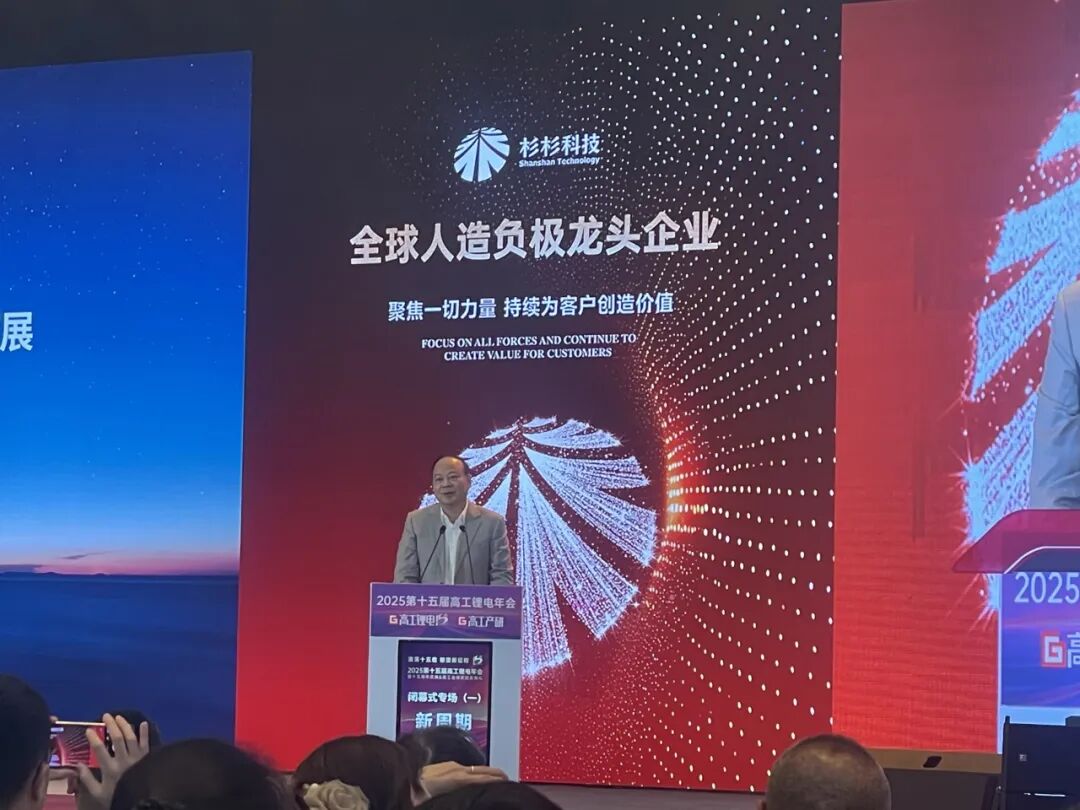
曾毓群:不仅要做世界第一 更要让世界尊重(附演讲实录)
Shang Hai Zheng Quan Bao· 2025-11-20 15:09
Core Viewpoint - The Chinese lithium battery industry aims not only to be the world leader but also to achieve high-quality development that earns global respect [1][18]. Group 1: Industry Challenges and Innovations - The lithium battery industry is entering the TWh era in 2024, a year earlier than previously predicted [3]. - There is a lack of genuine innovation in the industry, with many companies focusing on short-term profits and engaging in price wars rather than investing in R&D and quality [4][14]. - The industry must embrace long-termism to drive high-quality development over the next 15 years [4]. Group 2: Energy Transition Responsibility - Lithium batteries are now recognized as part of the energy sector, responsible for the transition to cleaner energy consumption and supply [6]. - The penetration rate of new energy vehicles in China has surpassed 50%, with significant growth in electric commercial vehicles and emerging sectors like electric aviation and marine [6]. - There is a strong demand for energy storage solutions, with electrochemical storage being the most economical and reliable option for short-duration needs [7]. Group 3: Technological Innovation - The lithium battery industry is technology-intensive, requiring continuous breakthroughs to unlock further development [10]. - The complexity of lithium battery technology is highlighted, with billions of particles involved in the battery's operation, making high-quality production challenging [11][12]. - The industry faces severe homogenization, and there is a pressing need for disruptive innovations to maintain competitive advantages [13][14]. Group 4: Manufacturing and Profitability - The lithium battery sector is part of the manufacturing industry, which typically does not allow for excessively high profits, especially in a low-price competitive environment [15]. - A reasonable profit expectation is essential for pursuing long-term, stable growth [15]. - The industry must focus on quality and technological iteration, ensuring that production lines align with technology cycles to maintain competitiveness [17]. Group 5: Industry Self-Regulation and Future Outlook - The industry is experiencing intense competition not only domestically but also in international markets, with some companies reducing prices by 30% while promising increased product lifespan [17]. - The Chinese lithium battery industry has achieved world leadership and must now focus on high-quality development to maintain this position [18]. - Establishing a high level of industry self-discipline and adhering to long-termism is crucial for building a responsible and respected lithium battery sector [17][18].

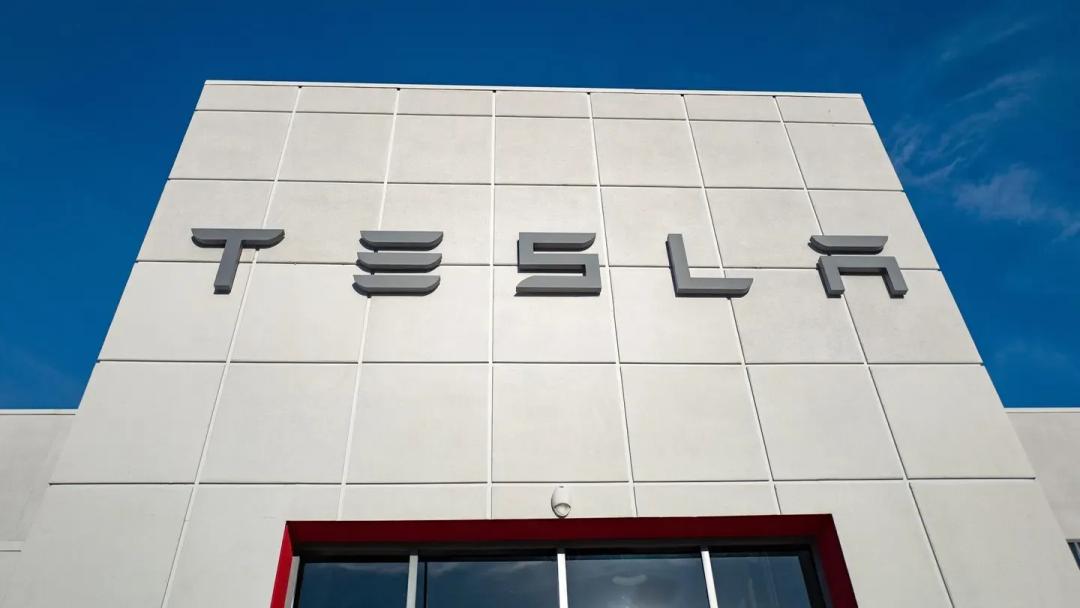
华尔街正犯一个大错:还把特斯拉当成汽车公司
3 6 Ke· 2025-10-28 09:42
Core Viewpoint - Tesla is systematically shedding its identity as a traditional car manufacturer and is transitioning into a robotics company, which investors are overlooking despite recent profit declines and tightening margins [2][3]. Group 1: Tesla's Transformation - Investors should not focus solely on vehicle sales data, as Tesla is not merely an automotive company like Ford or General Motors, but a flexible and continuously evolving entity [3]. - Tesla has been investing heavily in autonomous driving technology, fundamentally shifting towards becoming a robotics company, which traditional competitors are failing to recognize [3][4]. - The concept of disruptive innovation, as explained by Harvard professor Clayton Christensen, illustrates how traditional companies often overlook disruptive innovations from lower-end markets until it is too late, a situation Tesla is currently exploiting [3]. Group 2: Competitive Landscape - Executives from traditional automakers like General Motors are aware of the threat posed by Tesla's Full Self-Driving (FSD) technology but have not recognized the urgency of the situation [4]. - General Motors has indicated that its hands-free, eyes-free autonomous driving product may not be available until 2028, while Tesla's FSD technology is already operational [4]. - Tesla's transition to a data-collecting road robot through autonomous driving technology will provide a significant competitive advantage, allowing it to reshape the automotive landscape [4]. Group 3: Future Vision - Tesla's vision extends beyond passenger vehicles to include electric heavy-duty trucks, futuristic buses, and humanoid robots, which Elon Musk claims will account for 80% of future sales [4]. - The shift towards a robotics platform is seen as the first step in opening up a vast new market for Tesla [4]. - Investors should adjust their strategies to view Tesla as a disruptive robotics company rather than a traditional automotive manufacturer, as the perceived "unrealistic premium" reflects its positioning as a "disruptive robotics enterprise" [4].