
银发经济

Search documents
壹快评|不要错过人口变局中的改革之机
Di Yi Cai Jing· 2025-08-23 12:34
Group 1: Education Sector Impact - The decline in school-age population and the surplus of teachers are becoming increasingly prominent issues, leading to discussions on the direct impact on the education system [1][2] - The Ministry of Education has highlighted the need to recognize the challenges posed by fluctuations in school-age population and urbanization on the equitable distribution of teaching resources [1][2] - The education system can leverage this challenge to accelerate the transition from scale expansion to quality improvement and structural optimization [2] Group 2: Labor Market and Economic Transition - The shrinking labor force and increasing aging population are weakening the traditional growth model, necessitating a shift from "demographic dividend" to "talent dividend" [2] - There is a consensus on increasing investment in human capital throughout its lifecycle to enhance overall labor quality and productivity [2] - The development of the "silver economy" and the promotion of knowledge-intensive and technology-intensive industries are essential to address labor shortages [2] Group 3: Social Security System Challenges - The aging population presents unprecedented challenges to the social security system, requiring improvements in medical insurance funding and efficiency [3] - Reforms such as provincial-level coordination of basic medical insurance and the establishment of long-term care insurance systems are critical as demographic changes deepen [3] Group 4: Regional Development and Spatial Planning - Population changes exhibit significant disparities between urban and rural areas, necessitating optimized land use planning [3] - The "multi-planning integration" system for land use has been established, and further regional spatial planning is needed to promote coordinated urban-rural development [3] - Strategies for areas facing population decline include land consolidation and the development of specialized industries for sustainable growth [3]
招行保险代销突破万亿,“零售之王”如何逆势突围
2 1 Shi Ji Jing Ji Bao Dao· 2025-08-23 01:59
Core Insights - The insurance distribution channel is undergoing a significant transformation, shifting from a fee-driven model to a value-driven approach, with banks enhancing services and integrating resources to find new opportunities [1][2][3] Group 1: Insurance Distribution Trends - The insurance agency business, once a major revenue source for banks, is facing pressure due to regulatory changes and fee reductions, prompting a need for banks to stabilize and grow their insurance distribution income [1][2] - In 2024, China’s insurance industry saw a premium income of 5.7 trillion yuan, reflecting a 5.7% year-on-year growth, indicating a robust demand for insurance products despite challenges in the distribution channels [2][3] Group 2: Customer Demand and Product Development - There is a strong and growing demand for insurance products, particularly in the context of an aging population and changing customer risk preferences, leading banks to develop tailored insurance solutions [4][5][6] - The introduction of the "TREE Asset Allocation Service System" by banks emphasizes a focus on stable investment and risk management, catering to customer needs for retirement and long-term financial planning [4][5] Group 3: Technological Integration and Service Enhancement - Banks are leveraging digital capabilities to enhance insurance distribution, combining online and offline services to provide a comprehensive customer experience [7][8][11] - The use of AI in insurance distribution allows for personalized recommendations and efficient service delivery, improving customer engagement and satisfaction [7][8][11] Group 4: Strategic Partnerships and Ecosystem Development - The number of wealth management partners for banks has been increasing, with over 160 partnerships established, enhancing the collaborative ecosystem for insurance distribution [13][14] - By integrating resources from various insurance companies, banks aim to create a more efficient and customer-centric service model, aligning with their strategic vision of being a "value bank" [13][14]

合力促进银发消费潜能迸发
Jing Ji Ri Bao· 2025-08-23 01:23
Group 1 - The core viewpoint of the articles highlights the rapid development of the silver economy, driven by government policies and market innovations aimed at enhancing the quality of life for the elderly [1][2][3] - Various local governments are implementing subsidy policies to stimulate consumption among the elderly, such as Shenyang's "Silver Age Good Goods Collection" event showcasing over 200 smart wearable devices and rehabilitation aids [1][2] - The silver economy faces challenges, including a large initial investment and long return periods, leading to a scarcity of quality supply in the market, which necessitates government intervention to address these issues [1][2] Group 2 - During the consumption season, subsidy policies are effectively addressing pain points in silver consumption, with Yantai focusing on vulnerable elderly groups by issuing consumption vouchers [2] - Jinan's investment of over 5.6 million yuan has stimulated over 20 million yuan in consumption, demonstrating a leverage effect of nearly 1:4, indicating that precise policy guidance can activate potential demand [2] - The number of existing enterprises related to the silver economy in China has reached 531,300, with a stable annual increase in registration over the past decade, suggesting a growing market opportunity [3]
智慧养老点燃银发新赛道!“黑科技”花式亮相广州老博会
Nan Fang Du Shi Bao· 2025-08-22 15:34
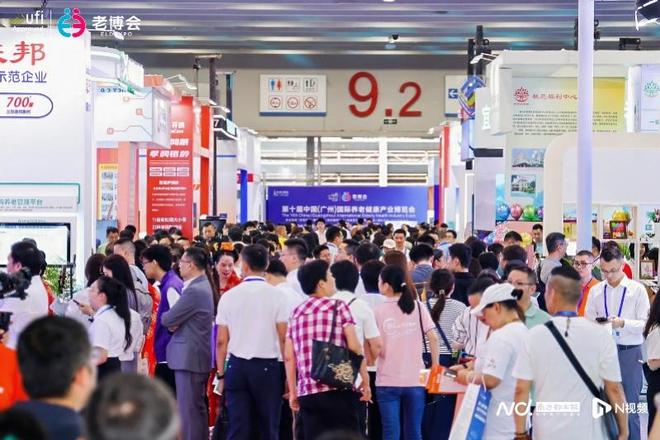
Core Insights - The 9th China (Guangzhou) International Elderly Health Industry Expo (referred to as "Elderly Expo") opened on August 22, showcasing the growing significance of the silver economy as a new direction for various industries [1][3] - The expo featured an exhibition area of 50,000 square meters with nearly 350 participating companies, emphasizing themes of new tracks, technologies, and consumption in the silver economy [1][3] Industry Overview - The silver economy in Guangzhou has over 18,000 enterprises, with an industry scale exceeding 300 billion yuan [3] - The city has established 177 elderly care centers, 2,715 service stations, and 1,419 senior dining halls, with 90% of beds in nursing institutions being nursing-type [3] - Since 2021, the expo has attracted nearly 900 brand enterprises, showcasing over 9,000 products, technologies, and services, with a total intended cooperation amount of approximately 1.1 billion yuan [3] Financial Initiatives - A strategic cooperation agreement was signed between the Guangzhou Civil Affairs Bureau and 11 banks to launch a special credit plan for the silver economy, providing over 55 billion yuan in exclusive credit limits [3][9] - This initiative aims to enhance the supply of elderly financial products and support the construction of industrial parks and projects [3] Technological Innovations - The expo highlighted advancements in smart elderly care, including health management platforms and wearable devices that monitor vital signs in real-time [6] - The "AI Guardian Action" project was launched in collaboration with Huawei, providing safety monitoring services for approximately 500 vulnerable elderly households [9] Consumer Engagement - Various procurement and promotional activities were organized during the expo, including a "Billion Procurement Matching Conference" and a "Silver Economy KOL Selection Conference" to drive online sales [4] - The expo also featured a section for home adaptation products with discounts of up to 30% under national subsidy programs, reflecting the ongoing trend of home improvement for elderly care [10] Future Developments - The Guangzhou Aging Work Committee plans to leverage seven key tracks to elevate the silver economy, with ongoing initiatives to sustain the expo's impact throughout the year [11]

广东8万亿服务业如何进化?广东人大建议探索实施“沙盒监管”
2 1 Shi Ji Jing Ji Bao Dao· 2025-08-22 10:29
Core Insights - Guangdong's service industry is projected to reach a value of 8.14 trillion yuan in 2024, accounting for 10.6% of the national total and contributing 47.9% to GDP, maintaining its position as the leading province in service industry development for 40 consecutive years [1] - The digital economy in Guangdong has reached 6.9 trillion yuan, also ranking first in the country for eight consecutive years [1] - Challenges identified include insufficient high-quality supply in modern service industries, a shortage of skilled talent, and limited depth and breadth of openness [1] Group 1: Current State of the Service Industry - The productive service sectors, including finance, information transmission, software, and technology services, dominate the landscape [1] - There are significant gaps in the quality and capability of productive service supply to manufacturing, with critical technologies like industrial software facing bottlenecks [1] - High-end lifestyle services, such as specialized elderly care and smart elderly services, are lacking in capacity and quality, with a notable shortage of caregivers [1] Group 2: Recommendations for Development - The Guangdong Provincial People's Congress suggests accelerating the domestic replacement of high-end software industries, including basic and industrial software, and promoting the development of technology, green, and digital finance [2] - Encouragement for large manufacturing enterprises to outsource non-core businesses or establish dedicated productive service companies is recommended to strengthen the market [2] - Support for the establishment of national-level high-quality silver economy industrial parks and the promotion of elderly-friendly renovations is advised, along with securing funding for infrastructure projects [2] Group 3: Innovation and Regulatory Environment - To foster innovation in the modern service industry, the Guangdong Provincial People's Congress recommends exploring "sandbox regulation" for new technologies and business models, and establishing a fault-tolerance mechanism to encourage a more open and innovative regulatory environment [3]
广东养老护理服务人员缺口大,银发经济等新消费需求旺盛
Nan Fang Nong Cun Bao· 2025-08-22 10:00
Core Insights - The demand for high-end nursing and smart elderly care services in Guangdong is significantly outpacing supply, leading to a substantial shortage of nursing care personnel [2][9] - The service industry in Guangdong is projected to contribute 8.14 trillion yuan to the province's GDP in 2024, accounting for 10.6% of the national total and maintaining a 57.5% share of the province's GDP [6][7] Group 1 - The current supply of specialized services such as high-end nursing and smart elderly care is insufficient, resulting in a large gap in nursing care personnel [9][10] - There is a growing demand for new consumption trends such as smart health care, customized tourism, and the silver economy, driven by increasing resident incomes [10][11] - Regulatory, policy, and environmental factors are constraining the growth of these new consumption demands [11] Group 2 - Recommendations from the research group include upgrading the living service industry towards higher quality and diversity [12] - Support for cities like Guangzhou to create national-level high-standard silver economy industrial parks is encouraged [13] - The proposal includes utilizing existing special funds to support key projects in the silver economy and seeking additional funding sources for infrastructure development [14][15]

从社区到全国,一场“互联网+银发”生态变革正在发生
Sou Hu Cai Jing· 2025-08-22 06:16
Core Insights - The aging population in China is rapidly increasing, with projections indicating that by 2035, the number of individuals aged 65 and above will exceed 480 million, becoming a significant part of society [1] - The traditional elderly care model is facing challenges, leading to the emergence of an "Internet + Silver Economy" transformation that is reshaping the lifestyles of the elderly and their families while promoting societal progress [1] Group 1: Community Initiatives - The "Internet + Silver Economy" transformation begins at the community level, utilizing modern technology to aggregate resources aimed at serving the elderly [1] - Communities are establishing smart service platforms that integrate health management, daily care, and cultural activities, providing one-stop solutions for the elderly [1] - Mobile applications allow elderly individuals and their families to easily book home care, health check-ups, and social activities, enhancing their connection with family and community [1] Group 2: Technological Integration - The application of smart hardware is crucial for improving the quality of life for the elderly, with communities introducing devices like health monitoring wristbands and smart pillboxes [3] - These devices monitor health status and daily activities, uploading data to the cloud for professional medical analysis, thus providing timely health guidance [3] - The transformation also includes enriching cultural and educational activities, with online platforms offering courses that encourage elderly individuals to learn new skills and enhance self-care capabilities [3] Group 3: Government Support and Market Development - The successful promotion of the "Internet + Silver Economy" model is supported by government policies that provide funding and legislative guidance to foster the development of the silver economy [4] - Collaboration between enterprises and communities is encouraged to develop products and services tailored for the elderly, leading to a scale effect in the market [4] - The application of internet technology is forming a vast silver economy ecosystem, with various enterprises and entrepreneurs entering the field to offer innovative services [4] Group 4: Data Utilization - The use of big data is essential in this transformation, allowing platforms to accurately understand the needs of the elderly and tailor services accordingly [4] - By analyzing collected data, platforms can recommend activities for healthier elderly individuals while providing personalized health management for those with specific needs [4] Group 5: Challenges and Solutions - Despite the progress, challenges such as the digital divide remain, with some elderly individuals struggling to use smart devices due to limited technical skills [5] - Communities need to enhance digital literacy training for the elderly to help them effectively use smart tools and access convenient services [6] - Privacy protection and information security are critical considerations, necessitating strict regulatory mechanisms to safeguard the health data of the elderly [6]

2025年赚钱的5个小生意:抓住趋势,普通人也能逆袭,快来看看
Sou Hu Cai Jing· 2025-08-22 05:24
Core Insights - The article highlights five emerging entrepreneurial sectors in 2025 that offer low investment thresholds and high income potential, enabling ordinary individuals to achieve annual earnings of 300,000 yuan [1][11]. Group 1: Key Sectors for Entrepreneurship - **Silver Economy: Elderly Care Services** The elderly care service sector is identified as a highly explosive entrepreneurial direction, with a market demand significantly outpacing supply, resulting in a service gap of 12 million people and a market size exceeding 4.2 trillion yuan [1][2]. - **Green Wave: New Energy Vehicle Aftermarket Services** The surge in new energy vehicles has created unprecedented opportunities in aftermarket services, with the number of such vehicles in China surpassing 30 million by 2025. The first-year return rate for specialized repair shops can reach 72% [3]. - **Traffic Monetization: Digital Marketing Services** The digital marketing service sector is booming, with the live-streaming e-commerce market projected to reach 4.7 trillion yuan in 2025. Initial investments for a digital marketing team are relatively low, yet monthly revenues can easily reach 30,000 to 50,000 yuan [4]. - **Smart Living: Smart Home Installation and Maintenance** The smart home market is expected to reach 540 billion yuan by 2025, with a growth rate exceeding 25%. There is a significant demand for installation and maintenance services, particularly among older users [6]. - **Pet Economy: Personalized Pet Services** The pet services market is projected to exceed 480 billion yuan, with average annual spending per pet owner reaching 4,260 yuan. This sector offers various personalized services, with initial investments ranging from 150,000 to 200,000 yuan [7]. Group 2: Challenges and Strategies - **Entrepreneurial Challenges** Despite the promising outlook of these sectors, entrepreneurship is not without challenges. Market research indicates that small entrepreneurs typically require seven months to break even and 18 months to achieve stable profitability [8]. - **Importance of Business Model Innovation** Innovative business models are crucial for standing out in competitive markets. For instance, subscription services can enhance customer retention and improve cash flow [9]. - **Continuous Learning and Adaptation** Entrepreneurs must engage in continuous learning to keep pace with industry changes. Successful examples include entrepreneurs who invest time in learning new technologies relevant to their services [11].

(活力中国调研行)开拓市场“新蓝海” 福建福安传统产业以“新”提质
Zhong Guo Xin Wen Wang· 2025-08-22 04:14
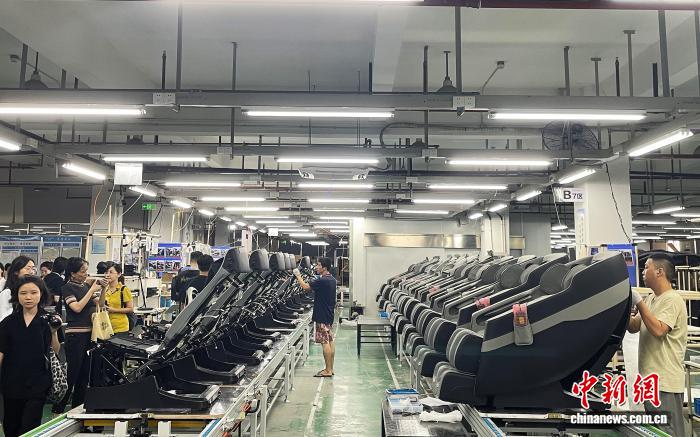
Core Viewpoint - The traditional massage equipment industry in Fuan is evolving through innovation, aiming to explore new market opportunities and enhance product offerings to meet diverse consumer needs [1][4]. Industry Overview - Fuan has 253 massage equipment production and supporting enterprises, with 38 of them being large-scale companies. The total industry chain output value is projected to reach approximately 22 billion yuan in 2024, with large-scale enterprises contributing 1.699 billion yuan [1]. - The industry has established a complete supply chain from raw material procurement to product sales, with 80% of raw materials sourced locally. Products are exported to over 50 countries and regions, including Europe, Australia, South America, the Middle East, and Southeast Asia [4][7]. Company Innovations - Fujian Glory Health Technology Co., Ltd. is focusing on customized products for the U.S. market, enhancing precision and comfort compared to traditional massage devices. The company produces over 50 types of products, with an annual output of 300,000 massage chairs, aiming for a revenue of 277 million yuan in 2024 [2][4]. - The company is shifting from product-oriented to customer-oriented strategies, responding to market diversity and targeting the mid-to-high-end market [2]. Market Trends - The rise of the silver economy and increasing health consumption demands are driving some manufacturers to develop "age-friendly" products, including traditional Chinese medicine smart health equipment and rehabilitation aids [2][4]. - The industry is witnessing a significant focus on developing products with health and wellness features, particularly for the elderly population, which is seen as a new economic opportunity [4][7]. Technological Advancements - Fuan's massage equipment industry has over 2,200 effective patents, covering key technologies such as smart sensing, human-computer interaction, and health data analysis, enabling a comprehensive system from technology research to market application [7]. - The local government is promoting the transformation of the massage equipment industry towards high-end, intelligent, and standardized development through the establishment of industrial parks and supportive policies [7].
资本助力 聚焦三大方向 50亿元四川文旅商贸基金落地
Si Chuan Ri Bao· 2025-08-22 00:30
Group 1 - The Sichuan Provincial Cultural Tourism and Commerce Investment Guidance Fund, with a total scale of 5 billion yuan, has officially appointed Huatai Zijin Investment Co., Ltd. as its manager, marking the fund's entry into the implementation phase and the first comprehensive coverage of the primary, secondary, and tertiary industries in the province [1] - The fund will focus on three main directions: cultural tourism and health, commercial services, and future industry services, with over 70% of its funds allocated to sub-funds [2][4] - The investment logic in the cultural tourism and health sector includes leveraging technology in new business models and exploring the "silver economy + health care" model, while the commercial services sector will focus on new consumption trends and AI-driven transformations [2][3] Group 2 - The fund aims to avoid blind investments by implementing a "screening + risk control + linkage" strategy, prioritizing experienced management teams and projects that align with Sichuan's industrial positioning [5] - The fund will not only rely on government capital but also aim to attract social capital, creating a synergistic effect by collaborating with leading enterprises in the cultural tourism and commerce sectors [6] - The fund's success will ultimately be measured by the satisfaction of enterprises, which expect long-term support for product development and market expansion [7][9] Group 3 - Companies in the cultural tourism exhibition sector express a strong need for financial empowerment to overcome development bottlenecks and enhance competitiveness [8] - In the commercial sector, companies like Baidu's unmanned vehicle startup highlight the importance of long-term funding to support innovation and market cultivation [9]