安倍经济学

Search documents
石破茂辞职引发日元、日债遭抛售
财联社· 2025-09-08 01:50
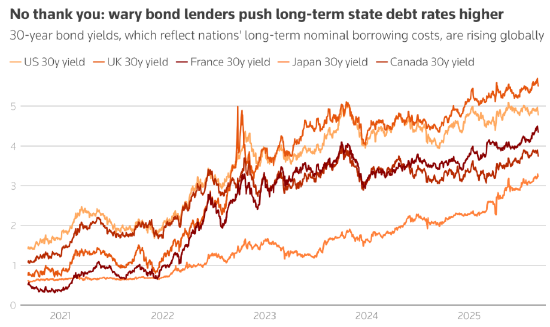
Core Viewpoint - The resignation of Japanese Prime Minister Shigeru Ishiba has triggered significant market reactions, including a decline in the yen and increased volatility in the Japanese bond and stock markets [1][2][5]. Group 1: Market Reactions - The yen depreciated by 0.7% against the US dollar on the day of Ishiba's resignation announcement, continuing its trend as the weakest currency among G10 nations [3]. - The Nikkei 225 index opened 1% higher and expanded its gains to 1.34% as investors reacted to the news [4]. - Market volatility is expected to rise until a successor to Ishiba is confirmed, with concerns about Japan's fiscal deficit and political pressures contributing to this uncertainty [4][5]. Group 2: Economic Implications - The potential successor's policies are under scrutiny, particularly regarding the continuation of "Abenomics," which involved significant fiscal stimulus and unprecedented monetary easing [6]. - Japan's outstanding debt is nearing 250% of its GDP, the highest among developed nations, with the Finance Ministry indicating record budget requests for the third consecutive year [6][8]. - Long-term bond yields have been under upward pressure, with the 30-year bond yield reaching 3.285% and the 20-year yield hitting 2.69%, the highest since 1999, indicating rising borrowing costs for the government and public [7]. Group 3: Future Monetary Policy - The competition for the leadership of the ruling party includes candidates like Sanae Takaichi, who advocates for maintaining ultra-low interest rates to support economic recovery [9][10]. - The Bank of Japan's trend towards normalizing interest rates may be affected by Ishiba's resignation, with market participants concerned about the central bank potentially lagging behind economic developments [11][12].


日本债市承压、股市严阵以待,应对石破茂首相卸任冲击-美股-金融界
Jin Rong Jie· 2025-09-07 23:58
Group 1 - Japanese Prime Minister Shigeru Ishiba's resignation is expected to increase volatility in the Japanese bond market and stock market, with a focus on potential successors and the possibility of reviving "Abenomics" policies [1][2] - Japan's outstanding debt is nearing 250% of GDP, the highest among developed countries, with the next fiscal year's budget request hitting a record high for the third consecutive year [2][5] - The resignation of Ishiba may lead to further increases in long-term bond yields, which have already faced upward pressure due to fiscal uncertainty [2][5] Group 2 - The 30-year Japanese government bond yield recently surged to an unprecedented 3.285%, while the 20-year yield reached 2.69%, the highest since 1999, indicating a significant rise in borrowing costs for the government, businesses, and citizens [2][5] - The recent political landscape has shifted, with non-mainstream parties advocating for tax cuts and increased spending gaining more seats, leading to speculation about Ishiba's resignation [5][6] - Among the potential successors, Sanae Takaichi advocates for maintaining ultra-low interest rates to support economic recovery, which could be favorable for the stock market [6]
日本国债为何被抛售?
21世纪经济报道· 2025-08-31 00:34
Core Viewpoint - Japan's long-term government bonds are facing significant sell-offs, with the 30-year bond yield reaching a historical high of 3.22% as of August 27, driven by unexpected GDP growth and potential interest rate hikes by the Bank of Japan [1] Group 1: Market Dynamics - The rise in bond yields is attributed to a structural supply-demand imbalance in the Japanese government bond market, where the main buyers are pension funds, life insurance companies, and foreign investors [1] - The Bank of Japan, which has been the largest buyer of government bonds since 2013, plans to reduce its bond purchases starting March 2024, leading to a lack of buyers in the market [1][2] - In July, Japanese pension funds and insurance companies net sold 130 billion yen of bonds, indicating their inability to increase purchases due to asset allocation and capital regulation constraints [2] Group 2: Auction Results and Investor Sentiment - The bidding rate for the 20-year government bond auction in May was only 2.50 times, the lowest since 2012, prompting the Japanese government to reassess its bond issuance plans [3] - The government plans to issue 176.9 trillion yen in bonds this fiscal year, but has reduced the issuance of long-term bonds by over 3 trillion yen due to market conditions [3] - Investor concerns about Japan's political situation are evident, as the ruling party does not hold a majority in the Diet, complicating governance and potentially leading to further fiscal expansion [3] Group 3: Policy Challenges - The Japanese Ministry of Finance faces challenges in effectively managing the bond issuance strategy, as further reductions in long-term bond issuance would necessitate increased short-term bond issuance, leading to higher interest payments [4] - The Bank of Japan is unlikely to change its policy of reducing bond purchases due to its significant holdings of 575.9 trillion yen in government bonds and a book loss of 28.6 trillion yen [5] - Despite speculation about potential interest rate hikes due to external pressures, the current economic conditions and anticipated impacts from U.S. tariff policies make such a move unlikely [5]

日本资深议员喊话:日央行必须逐步加息,最好尽早开始
Hua Er Jie Jian Wen· 2025-08-19 07:39
Group 1 - Senior Japanese politician Taro Kono calls for the Bank of Japan to accelerate interest rate hikes to improve fiscal conditions and address the challenges posed by a weak yen and rising inflation [1][2] - Kono emphasizes the need to signal a departure from negative real interest rates and suggests that the best strategy to combat rising living costs is to reverse the yen's weakness and seek moderate strengthening [1][2] - The Bank of Japan ended a decade-long large-scale stimulus program last year and raised short-term interest rates to 0.5% in January, but Kono believes that maintaining negative real borrowing costs for an extended period is undesirable [2][3] Group 2 - Kono advocates for a new economic framework to replace "Abenomics," which was introduced by former Prime Minister Shinzo Abe in 2013, aimed at ending deflation through monetary and fiscal stimulus [3] - He suggests that the central bank should gradually raise interest rates while the government works towards restoring fiscal health under a new agreement framework [3] - Kono's statements reflect skepticism about the effectiveness of the current economic policy framework, especially following the ruling party's poor performance in recent elections [3]
资深议员河野太郎:日本须“尽快”加息并整顿财政,扭转日元颓势
智通财经网· 2025-08-19 07:25
Group 1 - The core viewpoint is that Japan must raise interest rates and restore fiscal order to reverse the depreciation of the yen, which has led to increased inflation and pressure on household living standards [1][2] - Taro Kono, a senior ruling party lawmaker, emphasizes the importance of signaling to the market that Japan will move away from negative real interest rates, advocating for gradual interest rate hikes by the Bank of Japan (BOJ) [1] - Despite consumer inflation exceeding 2% for over three years, BOJ Governor Kazuo Ueda has urged caution in further rate hikes due to potential economic impacts from U.S. tariffs [1][2] Group 2 - Critics argue that the slow pace of BOJ interest rate hikes has contributed to yen weakness, increasing import costs and affecting corporate profits and retirees [2] - Kono suggests that the government and BOJ need to establish a new economic framework to replace the "Abenomics" policy, which focused on large-scale monetary and fiscal stimulus to end deflation [2] - Kono advocates for a moderate appreciation of the yen as the best measure to address rising living costs and restore fiscal health under a new consensus [2]
慢牛真来了
虎嗅APP· 2025-08-18 00:00
Core Viewpoint - The article discusses the current state of the A-share market, indicating a clear upward trend characterized by a "slow bull" market, with structural improvements in various sectors and a gradual recovery in investor sentiment [5][6]. Group 1: Market Trends - The A-share market has shown a significant rebound since October 2024, with the Shanghai Composite Index reaching a high of 3688 points on August 13, 2025, surpassing the previous peak [5]. - The market is currently in the third wave of an upward trend, despite mixed investor sentiment, with some feeling pressured to sell and others hesitant to enter the market [6][12]. - The economic fundamentals are expected to improve gradually, with GDP growth rates stabilizing and corporate profit growth showing signs of recovery, as evidenced by a 3.51% year-on-year increase in net profit for Q1 2025 [7][9]. Group 2: Economic Fundamentals - The article emphasizes that the improvement in economic fundamentals is not just about corporate earnings but also includes macroeconomic indicators like GDP and industrial output [7]. - The current economic environment is characterized by a "bottoming out" phase, with GDP growth showing signs of stabilization, which is crucial for sustaining the slow bull market [9][10]. - Recent developments, such as the delay in tariff implementation by the U.S., have reduced short-term risks associated with trade tensions, further supporting the market's upward trajectory [10][12]. Group 3: Investment Strategies - To capitalize on the current bull market, investors are advised to focus on leading companies that can achieve significant market value growth, particularly in sectors aligned with current trends [19][20]. - Avoiding mediocre stocks that do not align with market themes is crucial, as these tend to underperform relative to the overall market [19][20]. - Investors should prioritize sectors with high elasticity, such as technology and non-bank financials, which have historically been key drivers in bull markets [20][23]. Group 4: Market Behavior and Investor Psychology - The article highlights the importance of maintaining a long-term investment perspective and avoiding emotional trading behaviors, such as chasing high-performing stocks or frequently switching positions [21][22]. - It notes that even in a bull market, many investors may still experience losses due to poor stock selection and market timing [19][22]. - The need for patience and a disciplined approach to investing is emphasized, as market corrections are common in bull markets, and maintaining composure is essential for long-term success [25][26].
低利率下的日本商业银行债券投资交易业务
Sou Hu Cai Jing· 2025-07-24 06:17
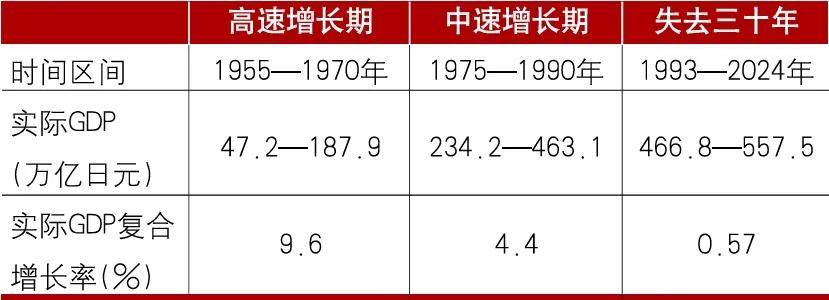
Core Viewpoint - Japan has been in a prolonged low-interest-rate environment since the early 1990s, significantly impacting its economic growth and financial policies [1][2][3]. Economic Growth Phases - Japan experienced rapid economic growth from 1955 to 1970, with a real GDP compound annual growth rate (CAGR) of 9.6%, followed by moderate growth from 1975 to 1990 with a CAGR of 4.4%. However, from 1993 to 2024, the CAGR dropped to 0.57%, indicating stagnation [2][3][4]. Monetary Policy and Market Response - The Bank of Japan has implemented various monetary easing policies, including quantitative easing and negative interest rates, to stimulate the economy since the bubble burst in the 1990s, but the overall effectiveness has been limited [3][4][5]. - The yield on Japan's 10-year government bonds has been on a downward trend, even dipping below 0% after the introduction of negative interest rates in 2016, making Japan the first G7 country to experience negative yields [4][5]. Stock Market Performance - The Nikkei 225 index saw a recovery post-2013 due to quantitative easing, with significant contributions from the depreciation of the yen, which boosted profits for export-oriented companies. However, it only surpassed pre-bubble levels in 2024 [5][6]. Economic Structure and Challenges - Consumption remains the largest contributor to Japan's GDP, accounting for about three-quarters, while net exports have increasingly contributed less due to structural issues and reliance on imported resources [8][10]. - Despite low interest rates reducing corporate financing costs, they have also led to lower capital returns, limiting wage growth and consumer spending, resulting in persistent low inflation [10][12]. Historical Context of Low Interest Rates - Japan's transition to a low-interest-rate environment began in response to the economic bubble burst in the early 1990s, with the Bank of Japan gradually lowering rates to combat economic stagnation and deflation [13][15][16]. - The introduction of negative interest rates in 2016 was an unprecedented move aimed at achieving a 2% inflation target, but it has faced challenges in delivering sustainable economic growth [16][18]. Banking Sector Adjustments - Japanese banks have shifted their asset structures in response to the prolonged low-interest-rate environment, increasing investments in cash and securities while traditional lending has seen slower growth [19][20][25]. - Regional banks have focused on local economies, while larger city banks have diversified into foreign bonds to enhance returns amid competitive pressures in the domestic lending market [30][31]. Investment Strategies and Innovations - Japanese banks are increasingly optimizing their bond investment portfolios to balance liquidity and profitability, with a notable shift towards foreign securities and corporate bonds [30][39]. - Innovations in structured products are being developed to meet the investment needs of smaller financial institutions and investors, allowing them to access higher-yield foreign bonds while managing currency risks [38][45]. Lessons for Other Markets - The experience of Japan's banking sector in navigating a low-interest-rate environment offers valuable insights for other markets, particularly in terms of risk management and investment diversification strategies [39][50].
三菱日联:若高市早苗成为石破茂的继任者,日元可能会下跌
news flash· 2025-07-23 11:12
Core Viewpoint - Mitsubishi UFJ's analysts suggest that if Kishi Sanae succeeds Shigeru Ishiba as the leader of the Liberal Democratic Party, it could lead to a depreciation of the Japanese yen [1] Group 1: Political Context - Analysts indicate that if Ishiba resigns after losing a majority in the upcoming Senate elections, Kishi is a strong candidate to replace him [1] - Kishi's ideological alignment with former Prime Minister Shinzo Abe is noted, particularly in supporting Abenomics and maintaining loose fiscal and monetary policies [1] Group 2: Economic Implications - The potential leadership change could increase speculation that the Bank of Japan may face greater government pressure to delay interest rate hikes, which would weaken the yen [1]
孟晓苏:日本楼市崩盘与二十年低迷,政策失误与舆情失控的历史教训
凤凰网财经· 2025-07-11 12:50
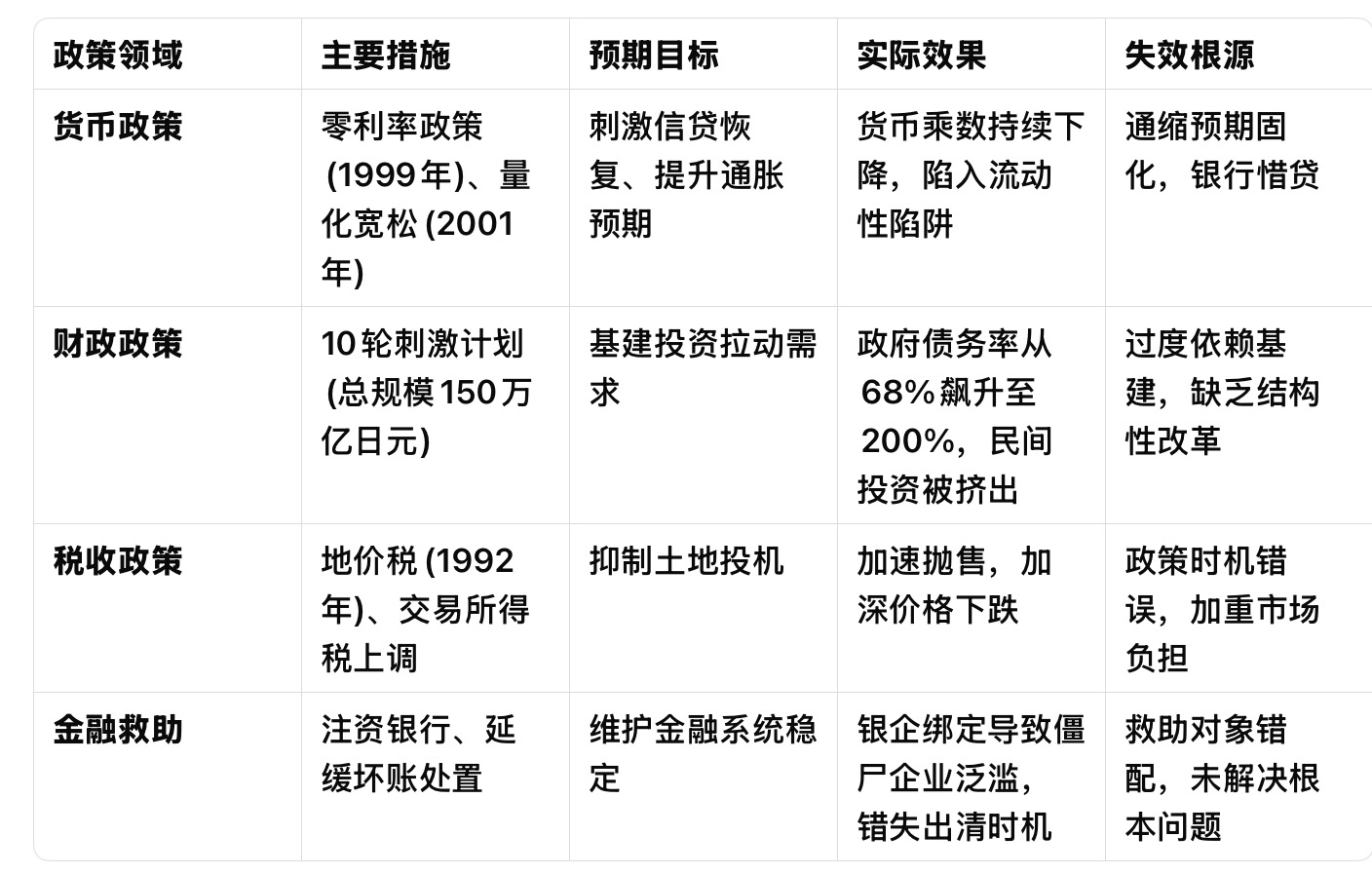
Core Viewpoint - The article discusses the lessons learned from Japan's real estate bubble and subsequent crash, emphasizing the importance of balanced policy-making and effective public sentiment management in preventing similar crises in other countries, particularly China [2][19][26]. Group 1: Background and Initial Conditions - Japan's real estate market experienced a massive bubble in the late 1980s, fueled by nationalistic sentiments and excessive lending practices, leading to a collective societal blindness towards the risks of real estate speculation [3][4]. - The bubble burst in 1991, resulting in a prolonged economic downturn known as the "lost two decades," characterized by a significant decline in real estate prices and manufacturing demand [1][19]. Group 2: Policy Responses and Market Reactions - The Japanese government initially adopted a "bubble bursting" strategy in 1989, which involved aggressive interest rate hikes and credit restrictions, ultimately leading to a catastrophic market collapse [6][8]. - The Nikkei 225 index fell nearly 50% within ten months, and commercial land prices in Tokyo dropped by 15% in a single year, marking a reversal of a 36-year upward trend [6][8]. Group 3: Taxation and Market Dynamics - In 1992, the introduction of heavy taxation, including a land tax and increased transaction taxes, exacerbated the market downturn by raising holding costs and forcing many investors to sell their properties [10][12]. - The proliferation of "foreclosure properties" during the crisis distorted market pricing, leading to a downward spiral in property values and a significant drop in consumer demand [11][16]. Group 4: Government Crisis Management Failures - The Japanese government's delayed response to the crisis, including a lack of timely rescue measures and a focus on bailing out banks rather than supporting the real economy, contributed to the prolonged economic stagnation [12][13]. - The failure to adjust policies in response to changing public sentiment and economic conditions resulted in a loss of public trust and further complicated recovery efforts [15][19]. Group 5: Lessons for China - The article highlights the need for balanced policy-making that considers both tightening and stimulus measures, as well as the importance of managing public expectations to avoid panic and market instability [20][21][22]. - It emphasizes the necessity of a coordinated risk prevention framework to mitigate systemic risks across different markets, as well as the importance of timely and appropriate tax policies during economic downturns [23][24]. - The experience of Japan serves as a cautionary tale for China, underscoring the need for structural reforms in the real estate sector to ensure long-term market health and stability [25][26].

日本楼市崩盘与二十年低迷:政策失误与舆情失控的历史教训
Feng Huang Wang Cai Jing· 2025-07-11 09:26
Group 1 - The core argument of the articles revolves around the lessons learned from Japan's real estate bubble and its subsequent collapse, emphasizing the importance of policy balance and timely intervention in crisis management [1][19][25] - Japan's real estate market experienced a significant bubble from the mid-1980s, driven by excessive lending and speculative behavior, which ultimately led to a severe economic downturn known as the "Lost Decade" [2][3][19] - The initial response to the bubble involved aggressive monetary tightening by the Bank of Japan, which was later criticized for being too abrupt and poorly timed, exacerbating the economic crisis [5][6][19] Group 2 - The media played a crucial role in shaping public perception and policy direction, initially promoting the idea of bursting the bubble, but later turning against the government and financial institutions during the crisis [3][15][21] - The introduction of punitive tax measures during the downturn, such as the land tax and increased transaction taxes, further strained the market and led to increased selling pressure among investors [9][10][19] - The proliferation of foreclosed properties, or "law auction houses," created a downward spiral in property prices, significantly impacting market expectations and leading to a broader economic malaise [10][11][17] Group 3 - The Japanese government's financial rescue efforts were criticized for prioritizing banks over the real economy, leading to a prolonged economic stagnation and a lack of effective recovery measures [12][19][25] - The lessons from Japan's experience highlight the need for a balanced approach in policy-making, considering both the prevention of asset bubbles and the support for economic growth [20][21][25] - Japan's post-2013 economic reforms, under the "Abenomics" framework, aimed to revitalize the real estate market and stimulate economic growth, providing insights for other countries facing similar challenges [18][24][25]