
就业市场

Search documents
执政危机加剧!特朗普支持率暴跌!共和党大佬倒戈,他要多久下台
Sou Hu Cai Jing· 2025-10-31 09:19
Core Points - Trump's approval rating has dropped to 40%, the lowest since he took office, while disapproval has risen to 57%, indicating a significant shift in public sentiment [1][3] - 63% of respondents are dissatisfied with Trump's handling of living costs, reflecting a 5% increase in dissatisfaction over a short period [3][5] - The rising cost of living, particularly in housing and groceries, has led to a perception of decreased purchasing power among American families [3][5] - Long-term unemployment has increased from 21.5% to 25.7%, indicating a growing number of individuals unable to find stable employment [3][5] Economic Policy Impact - Trump's economic policies, particularly regarding inflation control, have not yielded the expected results, leading to increased dissatisfaction among the public [5][14] - The Federal Reserve has lowered interest rates twice this year, but the effectiveness of these measures is questioned, with internal disagreements evident [6][7] - Tariff policies have resulted in American consumers bearing 55% of the tariff costs, with domestic companies using tariffs as a pretext to raise prices [7][9] - A report from Yale University estimates that tariffs will cost American households an average of $2,400 this year, with significant price increases in clothing and footwear [7][9] Political Landscape - Bipartisan conflicts have exacerbated economic issues, with the government shutdown affecting federal employees and food assistance programs [10][11] - Public sentiment is shifting, with 73% of respondents supporting the continuation of healthcare subsidies, indicating a preference for policies that directly benefit their livelihoods [10][11] - Trump's support among independent voters has plummeted to 18%, jeopardizing his electoral base as the midterm elections approach [11][13] - The upcoming midterm elections are critical, as unresolved economic issues may lead to significant political consequences for Trump and the Republican Party [13][15]

美联储态度谨慎 给降息前景“泼冷水”
Sou Hu Cai Jing· 2025-10-31 06:38
Core Points - The Federal Reserve announced a 25 basis point cut in the federal funds rate target range to 3.75% to 4.00%, marking the fifth rate cut since September 2024 [1] - There is significant uncertainty regarding future monetary policy decisions, with internal divisions within the Federal Reserve and the impact of the government shutdown on economic data collection [2][3] - The job market is showing signs of slowing down, with the unemployment rate rising to 4.3% in August, the highest in nearly four years, and non-farm payrolls increasing by only 22,000, well below market expectations [3] - Inflation remains a concern, with the personal consumption expenditures price index rising 2.7% year-on-year in August, exceeding the Fed's long-term target of 2% [4] - The relationship between the Federal Reserve and the White House is tense, as government officials have pressured the Fed for more aggressive rate cuts, which may lead to further complications [5][6] Group 1 - The Federal Reserve cut the federal funds rate target range to 3.75% to 4.00% [1] - There is uncertainty about future rate cuts due to internal divisions and the government shutdown affecting data collection [2][3] - The job market is slowing, with rising unemployment and disappointing payroll growth [3] Group 2 - Inflation concerns persist, with the personal consumption expenditures price index rising above the Fed's target [4] - The Federal Reserve's relationship with the White House is strained due to pressure for rate cuts [5][6]
美联储再降息25个基点,12月还会继续降吗?
Sou Hu Cai Jing· 2025-10-31 02:52
Core Points - The Federal Reserve has lowered the federal funds rate target range to 3.75%-4.00%, marking the second rate cut of the year and the fifth since September 2024 [1][3] - The Fed will end its balance sheet reduction plan starting December 1, with the principal from mortgage-backed securities being reinvested into short-term Treasury bonds [3] - Fed Chair Jerome Powell indicated a cautious approach due to a lack of data, suggesting that future rate cuts are not guaranteed [1][13] Summary by Sections Interest Rate Decision - The FOMC's decision to lower the rate aligns with market expectations, reflecting a shift in risk balance [3] - The Fed acknowledged a slowdown in job growth and a slight increase in unemployment, while inflation remains relatively high [3] Internal Divergence - The meeting showcased a rare "hawk-dove" scenario, indicating significant internal disagreement on economic outlook and monetary policy [6] - Some officials advocate for more aggressive rate cuts, while others prefer to maintain current rates due to inflation concerns [6] Impact of Government Shutdown - The government shutdown has delayed the release of key economic data, complicating the Fed's assessment of the economy [8] - Powell emphasized the shutdown's negative impact on economic activity and consumer sentiment regarding inflation [8] Market Reactions - Following the Fed's announcement, U.S. stock indices initially fluctuated, with major tech stocks showing resilience [10] - The dollar index rose above 99, and U.S. Treasury yields increased, indicating market adjustments to the Fed's decisions [11] Future Policy Outlook - Powell's comments suggest that the decision for further rate cuts in December is not yet determined, reflecting a cautious stance [13] - Analysts expect continued rate cuts into 2026, influenced by tariff policies and economic fundamentals [17] Currency and Commodity Implications - The Fed's rate cuts are anticipated to have significant effects on global asset classes, with analysts monitoring the dollar's performance and the Chinese yuan's exchange rate [22] - Precious metals may remain strong due to expectations of Fed rate cuts, influenced by geopolitical developments and market risk preferences [19]

下调25个基点 美联储宣布再降息
Sou Hu Cai Jing· 2025-10-30 16:27
Core Points - The Federal Reserve announced a 25 basis point reduction in the federal funds rate target range to 3.75% to 4.00% [3][15] - Fed Chairman Jerome Powell indicated that further rate cuts in December are not guaranteed, highlighting uncertainty in future monetary policy decisions [4][15] Summary by Sections Federal Reserve Decision - The Federal Open Market Committee (FOMC) voted 10-2 in favor of the rate cut, marking the fifth reduction since September 2024 [3][15] - Economic indicators show moderate expansion in U.S. economic activity, with a slight increase in unemployment and rising inflation rates [3][15] Economic Context - Powell noted that the government shutdown has delayed the release of key economic data, complicating the Fed's assessment of the economy [4][15] - The balance between stabilizing prices and achieving full employment remains a challenge for the Fed [4][15] Market Reactions - U.S. stock indices reached new intraday highs following the Fed's announcement, with the Nasdaq up 3.05% [7][8] - Oil prices increased due to a larger-than-expected drop in U.S. crude and fuel inventories [9][10] Analyst Predictions - Morgan Stanley forecasts continued rate cuts until January 2026, with a potential target range of 3.00% to 3.25% [6][15] - Franklin Templeton predicts that inflation concerns may limit the extent of future rate cuts [6][15] Internal Fed Dynamics - There are differing opinions within the Fed regarding the pace and extent of future rate cuts, with some members advocating for more aggressive actions [15][17] - The relationship between the Fed and the White House remains tense, with potential implications for the Fed's independence and inflation control [17][15]
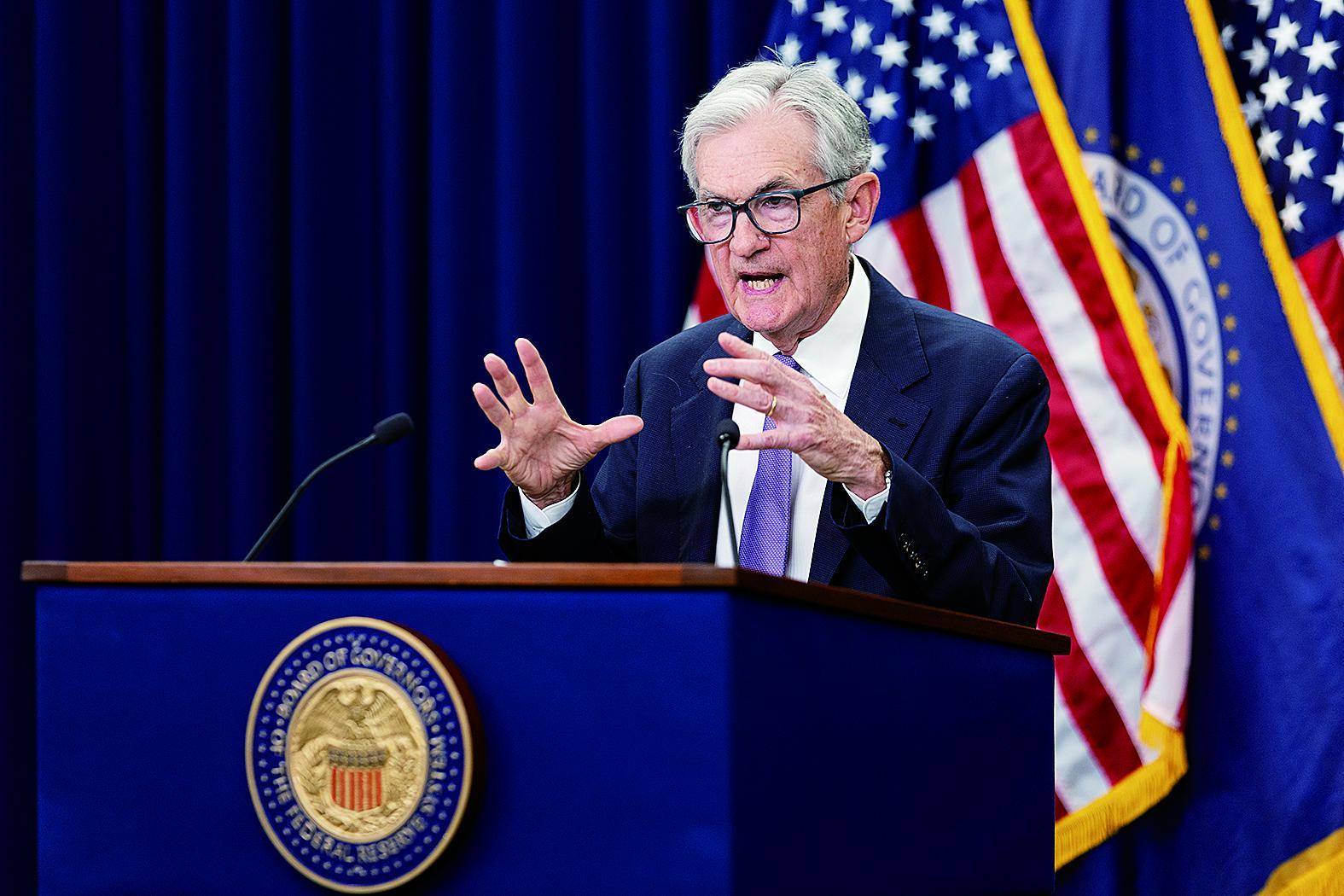
随着经济风险的增加,美联储再次降息以保护就业
Sou Hu Cai Jing· 2025-10-30 13:22
Group 1 - The Federal Reserve has lowered the benchmark interest rate by 25 basis points to a range of 3.75% to 4% to stimulate the stagnant job market and prevent a surge in unemployment [2][3] - Recent months have seen increasing concerns among Federal Reserve officials regarding the health of the labor market, leading them to prioritize job creation over combating inflation, which remains above the 2% target [2] - The decision to lower rates is not unanimous, with two Federal Reserve governors opposing the majority's decision, indicating a divide in perspectives on the appropriate monetary policy response [3] Group 2 - The Federal Reserve has also announced the cessation of its quantitative tightening program, which had been removing funds from the financial system, effective December 1 [4] - Despite a lack of key information on inflation and employment due to a government shutdown, the Federal Reserve's decision was influenced by the September Consumer Price Index, which showed inflation above the target but with a lower-than-expected increase [4] - The recent rate cut brings the federal funds rate to its lowest level since December 2022, directly impacting interest rates on credit cards, auto loans, and indirectly affecting mortgage rates [4]

Booth: Fed's Unsurprising Cut, Surprising Commentary from Jerome Powell
Youtube· 2025-10-30 13:01
Core Viewpoint - The Federal Reserve's recent decision to cut interest rates by 25 basis points was anticipated, but the strong indication that December's meeting may not result in further cuts surprised market participants [2][3]. Group 1: Federal Reserve's Decision and Market Reaction - The Fed's decision to cut rates was expected, but the emphasis on not considering a December meeting for further cuts caught the market off guard [2][3]. - There was dissent among policymakers, with some advocating for a larger cut while others preferred no changes at all, indicating a divided stance within the Fed [4][5]. - The current environment suggests that more dissenting opinions may emerge in the upcoming months as the Fed navigates its policy decisions [5]. Group 2: Economic Indicators and Labor Market - The job market is showing signs of weakness, and the Fed is operating with limited data, lacking the monthly payrolls report, which complicates their decision-making [7]. - Recent CPI data indicated a cooler inflation rate, primarily due to falling shelter prices, but the Fed's control over inflation is limited, particularly regarding food and electricity prices [11]. Group 3: Leadership and Future Implications - Discussions are ongoing regarding the next Fed chair, with five potential candidates differing significantly in their monetary policy views, which could lead to market volatility as a decision approaches [12][13]. - The Treasury Secretary has indicated a desire to make a decision by Thanksgiving, but the Senate's deliberation time is limited, potentially extending into the new year [12].
10月议息:鲍威尔的“温柔一刀”
对冲研投· 2025-10-30 11:29
Core Viewpoint - The article discusses the recent actions and statements from the Federal Reserve, highlighting the unexpected hawkish tone from Chairman Powell despite a rate cut and the announcement to pause balance sheet reduction, leading to uncertainty in future rate cuts [4][6][9]. Summary by Sections Federal Reserve Actions - The Federal Reserve cut rates by 25 basis points in October and announced a pause in balance sheet reduction in December, which alleviated some liquidity and economic pressures [4][6]. - The market's expectation for a December rate cut decreased from 90% to around 60% following Powell's hawkish comments, causing a short-term drop in gold and U.S. stocks, while bond yields rose [4][20]. Employment and Inflation - The combination of declining employment and moderate inflation justified the October rate cut, with private sector data indicating a softening labor market [6][9]. - Future rate cuts remain uncertain, as internal divisions within the Fed are growing, with some members advocating for a pause in rate cuts to assess economic conditions [9][10]. Economic Risks - The ongoing government shutdown poses risks to economic and employment data, which could influence the Fed's decision-making regarding future rate cuts [10][13]. - The potential impact of tariffs and the effect of rate cuts on inflation, particularly in sensitive sectors like real estate, are also critical factors to monitor [13][15]. Balance Sheet and Liquidity - The Fed plans to end its balance sheet reduction on December 1, with the balance sheet having shrunk from a peak of $9 trillion to $6.6 trillion, leading to liquidity pressures in the banking system [15][18]. - The increase in Treasury issuance since the debt ceiling was lifted has further tightened market liquidity, necessitating the halt of quantitative tightening to provide a buffer [18][20]. Market Implications - The combination of pausing balance sheet reduction and rate cuts creates a "double easing" effect, which may support the real economy but could also lead to a slowdown in the upward momentum of interest-sensitive assets due to prior extreme pricing of easing expectations [20].

美国降息25个点,12月起停止缩表,鲍威尔:下月降息并非板上钉钉
Sou Hu Cai Jing· 2025-10-30 10:04
Core Viewpoint - The Federal Reserve has lowered interest rates from 4.00%-4.25% to 3.75%-4.00%, marking the second rate cut this year, and has decided to end its balance sheet reduction program by December [2][4]. Group 1: Federal Reserve Actions - The Federal Reserve's decision to cut rates appears minor but reflects significant internal disagreements, with some members advocating for a 50 basis point cut while others, including the chair, oppose further reductions [4]. - The end of the balance sheet reduction, which began in June 2022, will see the proceeds from MBS redemptions reinvested into short-term U.S. Treasury securities [2]. Group 2: Employment and Inflation Dynamics - The job market shows signs of strain, with a slowdown in employment growth and increasing layoff announcements, particularly affecting low-income households [6]. - Inflation remains a concern, driven by rising tariffs that have increased the prices of various goods, complicating the Fed's ability to manage economic stability [6][8]. Group 3: Market Reactions and Future Outlook - Market reactions to the Fed's announcements have been mixed, with the Dow and S&P 500 experiencing slight declines while the Nasdaq reached a new closing high, indicating varied interpretations of the Fed's policies [11]. - There is a prevailing expectation among market participants that the Fed may cut rates by another 25 basis points in December, but uncertainty remains due to internal divisions within the Fed and the impact of government shutdowns on economic data [13][16].
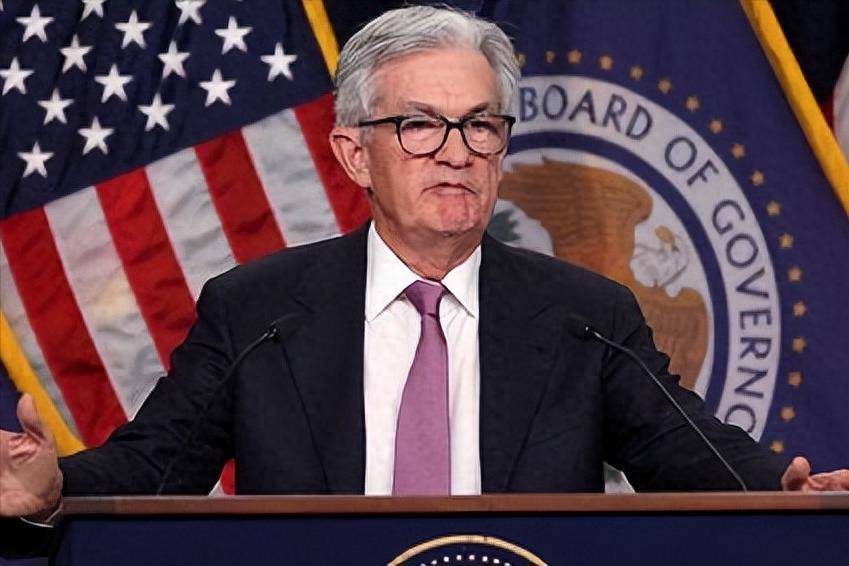
“美联储通讯社”:鲍威尔发布会“罕见强硬”凸显美联储“内乱”,12月降息“远非确定”
华尔街见闻· 2025-10-30 09:33
Core Viewpoint - The Federal Reserve's recent interest rate cut was accompanied by hawkish signals from Chairman Powell, indicating uncertainty in future monetary policy and dampening market expectations for further rate cuts by year-end [2][4]. Group 1: Interest Rate Decision - The Federal Reserve lowered the benchmark interest rate by 25 basis points, bringing the target range to 3.75% to 4%, the lowest level in three years, marking the second consecutive meeting with a rate cut [2]. - Powell's comments shifted market sentiment, reducing the probability of a December rate cut from 95% to 65%, leading to declines in major stock indices [2][6]. - The voting outcome for the rate decision was 10 in favor and 2 against, highlighting significant internal divisions within the FOMC [5]. Group 2: Internal Disagreements - Powell noted a growing chorus of officials questioning the necessity of further rate cuts, suggesting that the most accommodative phase of the current easing cycle may be over [4][5]. - The differing opinions among committee members were evident, with some advocating for maintaining rates while others pushed for a more substantial cut [5]. Group 3: Economic Data and Uncertainty - The government shutdown has created a data vacuum, complicating decision-making and increasing uncertainty regarding economic forecasts [7][8]. - The absence of key labor market indicators has left officials without the necessary information to resolve their differences, leading to a wider range of uncertainty [8]. Group 4: Inflation and Employment Dynamics - The debate within the Fed centers on balancing inflation control with addressing economic slowdown, with concerns about overheating the economy through excessive rate cuts [11]. - Recent labor reports indicate a significant slowdown in job growth, with average monthly additions dropping to approximately 29,000, far below last year's average of 82,000 [11].
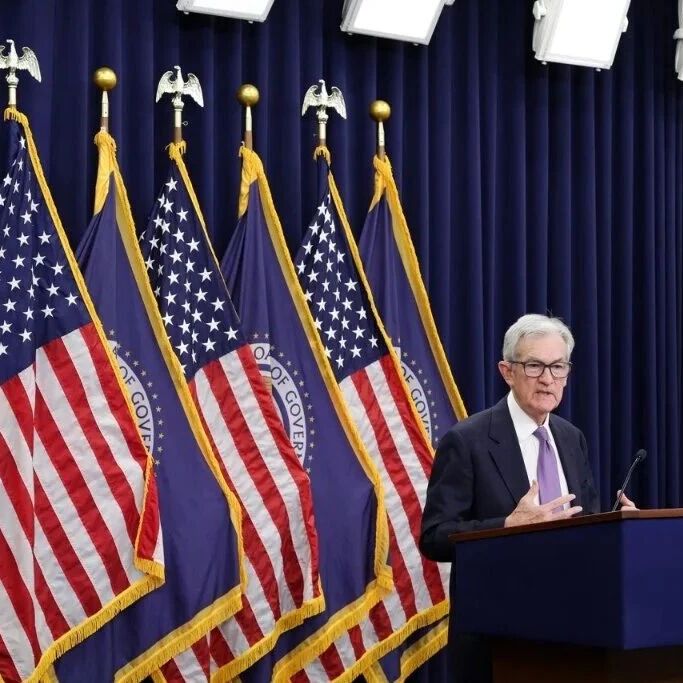
财经观察:美联储货币政策面临多重困扰
Sou Hu Cai Jing· 2025-10-30 07:57
Core Points - The Federal Reserve announced a 25 basis point cut in the federal funds rate target range to 3.75% to 4.00% during its recent monetary policy meeting, marking the fifth rate cut since September 2024 [1] - There is significant uncertainty surrounding future monetary policy due to internal divisions within the Federal Reserve, the government shutdown affecting key economic data, and ongoing pressures to balance employment and inflation risks [1][2] - The market's expectation for another rate cut in December has decreased from 90% to below 70% following the Fed's lack of clear guidance on future policy [1] Group 1 - Internal divisions within the Federal Reserve are evident, with differing opinions on whether to cut rates further or maintain current levels, highlighting the complexity of the decision-making process [2] - The government shutdown has halted data collection and reporting, complicating the Fed's ability to assess the true state of the economy, which Powell likened to "driving in a fog" [2] - The labor market is showing signs of weakness, with the unemployment rate rising to 4.3% in August, the highest in nearly four years, and non-farm payrolls increasing by only 22,000, significantly below expectations [2][3] Group 2 - Private sector data indicates a continued decline in job openings, with significant layoffs announced by major companies like Amazon and Target, suggesting a troubling trend in the labor market [3] - Inflation remains a concern, with the personal consumption expenditures price index rising 2.7% year-over-year in August, exceeding the Fed's long-term target of 2% [3] - The impact of tariffs has contributed to rising core personal consumption expenditures, potentially pushing inflation rates to 3% by December [3] Group 3 - The relationship between the Federal Reserve and the White House is tense, with government officials previously pressuring the Fed for more aggressive rate cuts, which may lead to further complications in policy decisions [4] - Concerns have been raised about the potential impact of political pressures on the Fed's independence and its ability to manage inflation effectively, especially with Powell's term ending in May [5]

