
文化出海

Search documents
“十四五”期间文化产业增速超过诸多传统行业 一组数据带你了解
Sou Hu Cai Jing· 2025-09-13 09:49
Group 1 - The core viewpoint highlights the significant growth of the cultural industry during the "14th Five-Year Plan" period, with a revenue of 191,423 billion yuan in 2024, marking a 7.1% increase from the previous year [1] - The cultural service sector achieved a revenue of 109,134 billion yuan in 2024, growing by 7.4%, and accounted for 57.0% of the total cultural industry revenue, contributing 59.1% to the growth of the cultural industry [1] - The "cultural going out" initiative has seen remarkable success, particularly in online literature, films, and games, with the film "Ne Zha" achieving a global box office of 15.9 billion yuan, ranking fifth in global box office history and first in Chinese cinema [1] Group 2 - In 2025, the service trade in China is expected to grow steadily, with travel service exports experiencing the fastest growth, reaching 12,594.6 billion yuan from January to July, a 10.4% increase [3] - Travel service exports refer to the foreign residents' consumption of services and goods within China, generating foreign exchange income, and encompass a comprehensive consumption experience [3] - The increase in travel service exports is supported by the expansion of the 240-hour visa-free transit policy, which now applies to 55 countries, leading to an increase in foreign visitors to China [3]

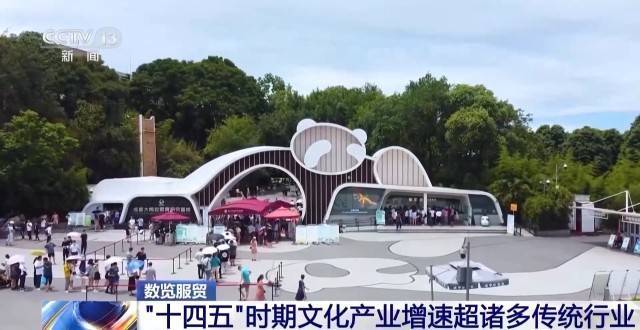
191423亿元,创新高!“数”里行间感受文化产业蓬勃活力
Yang Shi Wang· 2025-09-13 08:01
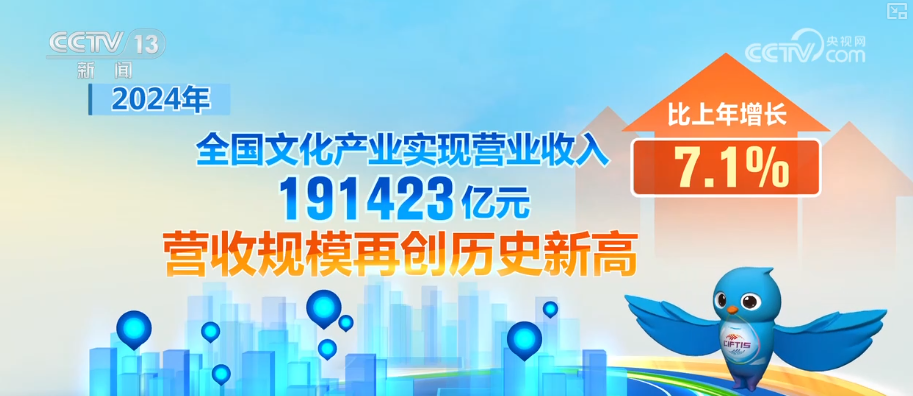
Group 1 - The cultural industry has become a vital and dynamic sector in the national economy, with growth rates surpassing many traditional industries during the "14th Five-Year Plan" period [1] - In 2024, the cultural industry achieved a record revenue of 19,142.3 billion yuan, marking a 7.1% increase from the previous year [3] - The cultural service industry generated 10,913.4 billion yuan in revenue in 2024, growing by 7.4% and accounting for 57.0% of the total cultural industry revenue, contributing 59.1% to the growth of the cultural industry [3] Group 2 - The "cultural going out" initiative has shown remarkable success, with Chinese online literature, films, and games achieving significant results in overseas markets [6] - The animated film "Ne Zha" has become a major success, with a global box office of 15.9 billion yuan, ranking fifth in global box office history and first among Chinese films [6] - From January to July 2025, service trade is expected to grow steadily, with travel service exports experiencing the fastest growth at 10.4%, including a 62.9% increase in exports [8] Group 3 - The "15th Five-Year Plan" period is seen as a critical stage for the development of the cultural industry, with promising prospects for the integration of culture and tourism [8] - The cultural and tourism industry is anticipated to become a pillar industry, a livelihood industry, and a happiness industry, driven by a series of supportive policies [8]
高品质企业出海如何实现三维突破:品牌、文化、服务
Sou Hu Cai Jing· 2025-09-12 09:55
Group 1: Brand Going Global - The transformation of brand export from OEM to independent brands is highlighted, with a focus on building a global brand value system [2] - Anta Sports has successfully transitioned from "Made in China" to "Created in China," achieving a revenue of 62.36 billion yuan in 2023, with over 40% contributed by the FILA brand [2] - Perfect Diary's localized marketing strategy in Southeast Asia, including tailored product lines and collaborations with local KOLs, has led to significant market presence [2] Group 2: Digital Marketing Localization - The importance of localized digital marketing strategies is emphasized, with different preferred platforms in various regions, such as Amazon in North America and Shopee in Southeast Asia [3] - Companies face challenges like IP address restrictions in cross-border digital marketing, and services like IPFLY provide stable overseas IP resources to enhance marketing effectiveness [3] Group 3: Cultural Going Global - Cultural export is crucial for emotional connections with global consumers, exemplified by Pop Mart's success in creating universally appealing IP characters, achieving overseas revenue of 1.066 billion yuan in 2023, a 134.9% increase [5] - The integration of traditional Chinese culture with modern trends, as seen in Li Ning's "Wudao" series at Paris Fashion Week, showcases a confident cultural expression [5] Group 4: Storytelling in Content Marketing - High-quality consumer brands need to use storytelling to convey brand values, with Xiaomi's success in India attributed to its relatable brand narrative [6] - Huaxizi's marketing strategy, showcasing traditional Chinese craftsmanship through engaging video content, has garnered over 20 million views [6] Group 5: Service Going Global - The establishment of a global service system is a significant challenge, with Haier's localized operations in various markets serving as a model [7] - SHEIN's success is linked to its robust supply chain and customer service, including local warehouses for quick delivery and multilingual support [7] Group 6: Digital Service Innovation - The need for digital technology to enhance service efficiency and quality in cross-border e-commerce is highlighted, with intelligent order management systems being essential for handling diverse international requirements [9] - IPFLY's dynamic residential proxy services facilitate market research and service optimization across over 190 countries [9] Group 7: Three-Dimensional Integration - The interdependence of brand, culture, and service in global strategies is illustrated by Miniso's model of "Japanese design, Chinese manufacturing, global sales," with over 5,400 stores worldwide by the end of 2023 [10] - Maintaining strategic consistency while adapting to local market characteristics is crucial for success in global markets [10] Group 8: Conclusion - The journey of high-quality consumer brands going global is a systematic process, with brand, culture, and service working together to enhance global competitiveness [12] - The future looks promising for Chinese high-quality consumer brands as they leverage digital technology and evolving global markets to create comprehensive export strategies [12]

“机器人天团、数字员工”亮相服贸会,细数广东带来的黑科技
Nan Fang Du Shi Bao· 2025-09-12 09:18
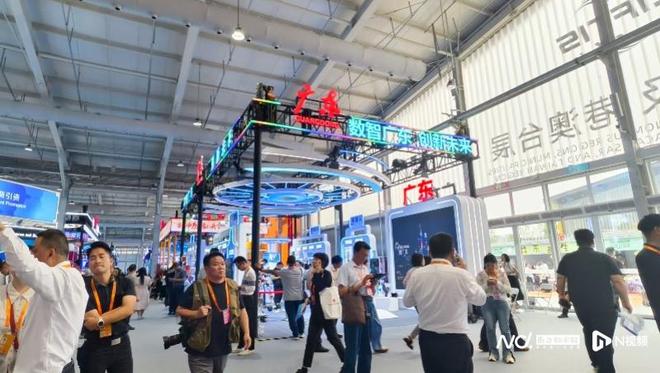
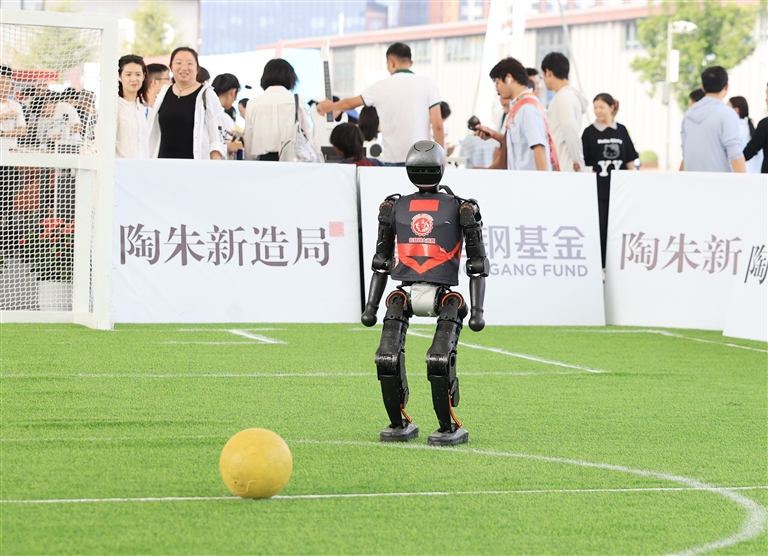
Group 1: Event Overview - The 2025 China International Service Trade Fair was held from September 10 to 14 at Shougang Park in Beijing, featuring over 30 enterprises from nine cities in Guangdong, showcasing innovations in artificial intelligence, digital entertainment, and digital technology [1][3] - The Guangdong delegation's theme was "Smart Guangdong, Innovative Future," highlighting the province's achievements and opportunities in high-quality service and digital trade [1] Group 2: Robotics Innovations - The "Robot Team" from Guangdong attracted significant attention, featuring the industrial-grade quadruped robot X7 developed by Guangzhou Shiyuan, capable of operating in extreme temperatures from -20°C to 40°C and carrying out inspections in various terrains [4][6] - The X7 robot has been deployed in practical applications such as urban patrols and factory security inspections, significantly reducing risks for personnel and improving operational efficiency [6] - Another showcased product was the integrated joint module robot from Yundeh Power, which can lift up to 20 kg and replace human labor in heavy lifting tasks within industrial settings [6][8] Group 3: Digital Trade and AI Empowerment - The Guangdong Service Trade Promotion Conference highlighted opportunities in digital trade, cross-border e-commerce, AI empowerment, and cultural export, emphasizing the potential of the Greater Bay Area as a new growth engine for service trade [9] - The conference promoted the fourth Guangdong-Hong Kong-Macao Greater Bay Area Service Trade Conference, which aims to facilitate cross-border cooperation in various professional fields [9] - The "Cross-Border E-commerce Global Warehouse Resource Information Platform" was introduced, providing streamlined services for e-commerce businesses and enhancing their global operations [10] Group 4: Digital Workforce - The "AI Agent Digital Employee" showcased at the event can complete tasks that traditionally take two hours in just ten minutes, demonstrating the efficiency of digital employees in various sectors [10] - Digital employees, based on RPA and AI technologies, can operate continuously and handle repetitive tasks, allowing human workers to focus on higher-value activities [11] - The promotion of the animated film "Pig Pig Hero: The Reversal of an Old Pig" was also highlighted, with plans for international distribution in ten languages, showcasing the potential for Chinese animation in global markets [11][13]


潮玩品牌Letsvan奇梦岛亮相服贸会
Bei Jing Shang Bao· 2025-09-12 03:48
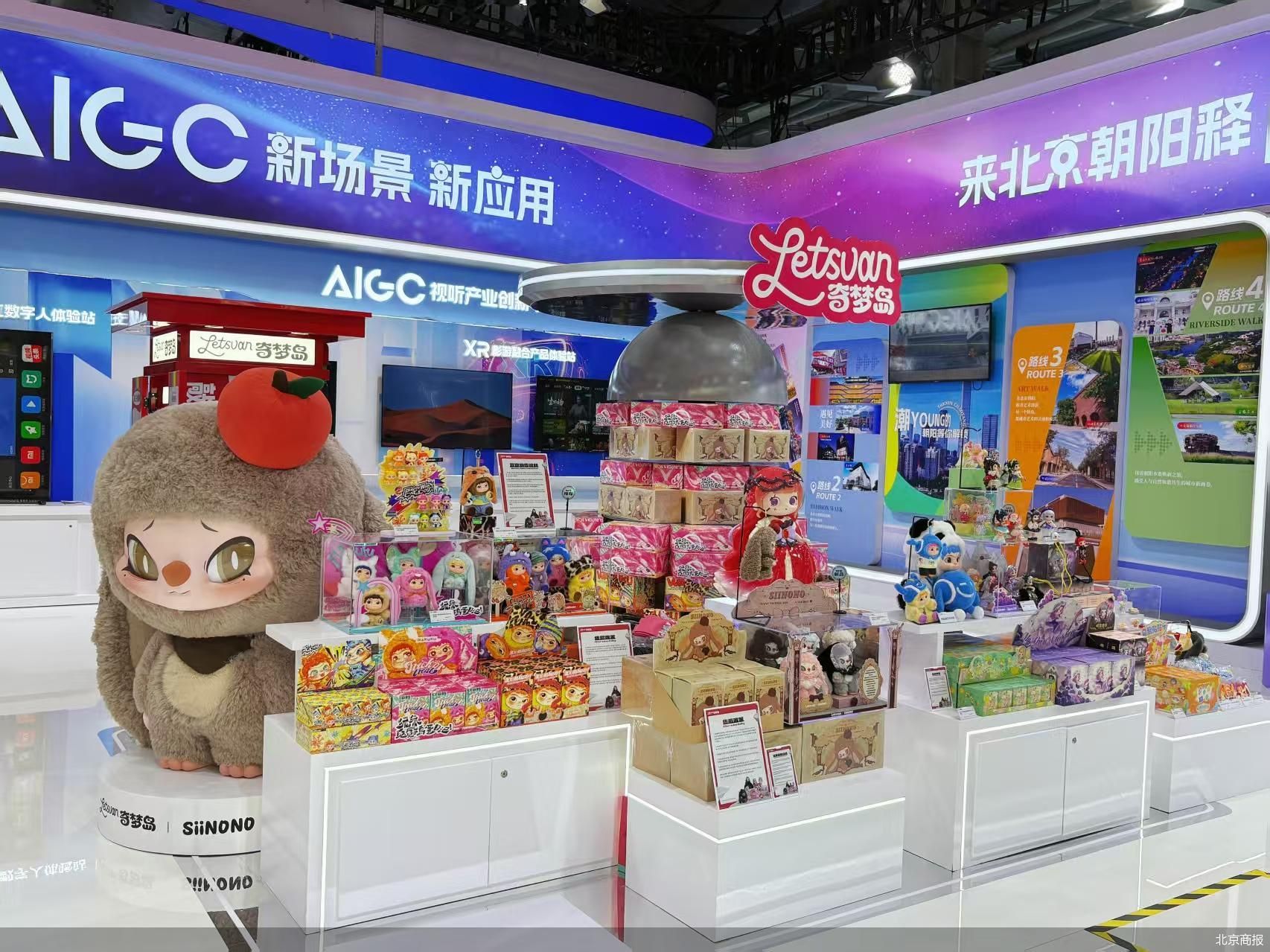
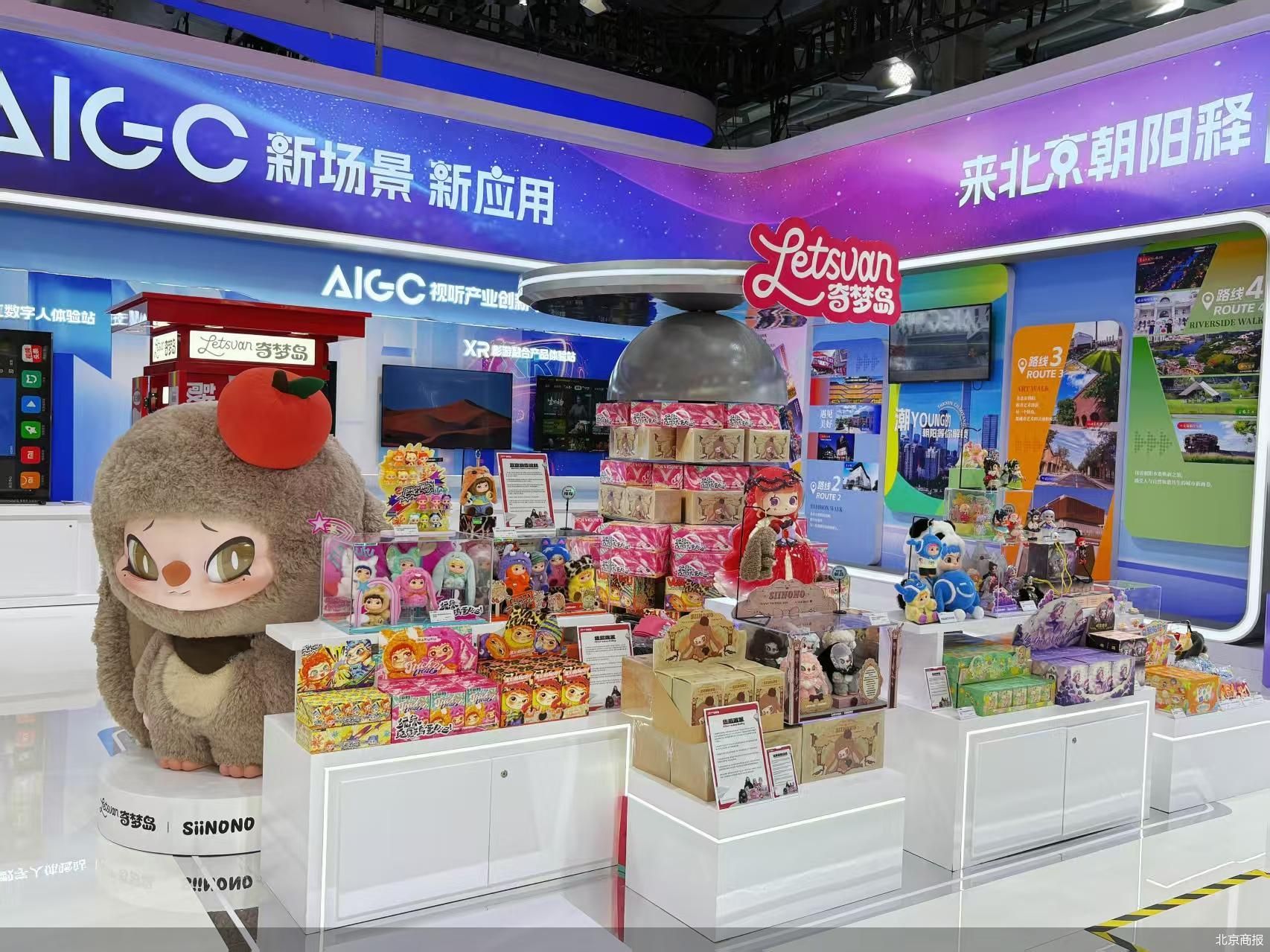
Core Insights - Letsvan's brand, 奇梦岛, showcased its original IPs such as WAKUKU and SIINONO at the 2025 China International Service Trade Fair, emphasizing cultural and technological integration [1][3] - The brand's innovative approach includes a focus on global expansion through localized operations and collaborations with various sectors [3][4] Group 1: Brand and Product Highlights - 奇梦岛 created an immersive experience area themed around "奇梦岛," featuring core IPs and their integration with culture, sports, tourism, and technology [3] - The WAKUKU brand collaborated with the China Open Tennis Tournament, generating significant interest among attendees [3] - The "又梨" series was selected for the "Beijing Gifts" recommendation list due to its blend of traditional aesthetics and modern trends [3] Group 2: Global Expansion Strategies - The company employs four strategies for globalizing its潮玩 IP: entering overseas markets with IP products and pop-up events, leveraging data for user demand capture, minimizing trial and error costs through small-scale testing, and innovating the "潮玩+" model through cross-industry collaborations [3] - The new IP "SIINONO" achieved remarkable sales, with over 1.5 million yuan in revenue within three days and over 10,000 units sold in the first 10 minutes [4] - Letsvan has expanded into Southeast Asia and North America, with its first overseas pop-up event held in Bangkok, Thailand [4]

2025服贸会| 潮玩品牌Letsvan奇梦岛亮相服贸会
Bei Jing Shang Bao· 2025-09-12 03:47
Core Insights - Letsvan's brand "奇梦岛" showcased its original IPs such as WAKUKU and SIINONO at the 2025 China International Service Trade Fair, highlighting its focus on cultural and technological integration [1][3] Group 1: Brand and Product Development - The brand created an immersive experience area themed around "奇梦岛," featuring core IPs and innovative blends of culture, sports, tourism, and technology [3] - The WAKUKU brand collaborated with the China Open Tennis Tournament, making its debut at the event and attracting significant attention from attendees [3] - The "又梨" series was selected for the "Beijing Gifts" recommendation list due to its fusion of traditional aesthetics and modern trends [3] Group 2: Global Expansion Strategies - The company aims to globalize its IP through four main strategies: entering overseas markets with IP products and pop-up events, leveraging data-driven operations for user demand capture, minimizing trial costs through small-scale testing and limited online sales, and innovating the "潮玩+" model through cross-industry collaborations [3] - The new IP "SIINONO" achieved remarkable sales, generating over 1.5 million yuan within three days of launch, with over 10,000 units sold in the first 10 minutes [4] - Letsvan has expanded into Southeast Asia and North America, initiating localized operations and hosting its first overseas pop-up event in Bangkok, Thailand [4]
服贸会:28家穗企“硬核”亮相
Guang Zhou Ri Bao· 2025-09-12 02:35
Group 1: Service Trade Growth - Guangzhou's service trade import and export total continued to show double-digit growth in the first half of the year [2] - The city organized 28 enterprises to participate in the 2025 China International Service Trade Fair, showcasing its achievements in the service trade sector [2] Group 2: Innovation in Technology - Guangzhou enterprises displayed innovative products such as EH216-S unmanned aerial vehicle and MAXHUBX7 industrial robot, highlighting advancements in low-altitude economy and intelligent equipment [3] - Titanium Technology showcased its MarTech+AI technology products, improving marketing efficiency by over 10 times for over 80,000 Chinese enterprises going global [3][4] - The company plans to launch its global marketing AIAgent, Navos, in late October in Guangzhou [3] Group 3: Cultural Export and IP Development - Companies like 37 Interactive Entertainment and Yongsheng Animation showcased their digital entertainment innovations, with 37 Interactive having launched over 120 games globally [5] - Yongsheng Animation introduced an AI early education robot that integrates advanced 3D technology, expanding the application of cultural IP [5] - Miniso's "DUN Chicken" and "PenPen" plush toys utilized innovative materials to enhance cultural IP appeal in global markets [6] Group 4: Global Engagement and Future Prospects - Guangzhou is reshaping its competitive advantage in service trade through high-level openness and aims to connect global resources [7] - The city anticipates more enterprises to shine on the world stage and contribute to global service trade development [7]
河南馆亮相2025年服贸会 文化出海“豫”有招
He Nan Ri Bao· 2025-09-11 23:39
Group 1 - The 2025 China International Service Trade Fair opened in Beijing, focusing on cultural trade as a significant component of service trade [1][5] - The Henan exhibition showcased 30 selected enterprises with unique cultural products and projects, emphasizing the theme "Words Inspire Central Plains, Henan Travels the World" [1][7] - Interactive experiences, such as the oracle bone script engraving, attracted significant visitor interest, highlighting the innovative efforts to promote Henan's cultural heritage [1][2] Group 2 - The Henan Guomai Cultural Industry Park showcased creative cultural products, including silk scarves and ceramics, integrating traditional culture with modern design [2] - The exhibition featured a digital human presenting stories about Henan's publishing industry, demonstrating the use of technology in cultural promotion [5] - The "AIGC Digital Human Companion Reading" technology was introduced in a series of books, enhancing the reading experience for international audiences [5] Group 3 - Over 100 enterprises from Henan participated in the fair, focusing on various sectors such as traditional Chinese medicine, education, and publishing [6] - The fair included nearly 2,000 enterprises exhibiting, covering over 20 top service trade countries and regions [6]
120亿元+64个项目!饶曙光:成都成影视产业新热土,企业“西进”布局忙
Mei Ri Jing Ji Xin Wen· 2025-09-11 15:29
Core Insights - The second "Panda Awards" event in Chengdu resulted in the signing of 64 film industry-related projects with a total investment exceeding 12 billion yuan [1][3] - The projects are categorized into major projects, important works, and strategic investments/outbound cooperation, indicating a focus on both industry upgrades and cultural exports [1][3] Group 1: Project Overview - The signed projects include 24 major projects focusing on digital cultural creation and film bases, showcasing a vibrant multi-faceted development [3] - Notable projects include the "Cultural and Artistic Technology City Digital Creative Park" and the "All-domain Short Drama Base Construction and Operation Project," which aim to leverage local resources and enhance service offerings [3][4] - 23 significant works were also signed, covering genres such as AI science fiction and realistic themes, contributing to the vitality of Chengdu's digital cultural and film production sectors [4][6] Group 2: Strategic Investments and Support - A total of 17 strategic investment/outbound cooperation projects were signed, aimed at injecting financial resources into the film industry [7] - The "China (Chengdu) Film Investment and Financing Service Platform" was established to create a dual empowerment mechanism, connecting funds with quality projects [7] - Chengdu's film industry development fund is progressing steadily, with plans to invest over 500 million yuan in 10 reserved projects, enhancing the industry's growth potential [7][9] Group 3: Industry Environment and Policy Support - Chengdu is recognized as a fertile ground for the film industry, attracting filmmakers and artists to create impactful stories that resonate with the public [9] - The city has implemented policies to promote the film industry, offering substantial financial support for high-quality projects, with maximum subsidies exceeding 21 million yuan [9][10] - The supportive environment in Chengdu is highlighted by its openness and respect for creators, facilitating project completion through effective policy backing [9][10]
New One Studio新作定档9月9日:《盛世天下》想要推动互动影视赛道“百花齐放”
Guan Cha Zhe Wang· 2025-09-11 14:45
Core Viewpoint - The article discusses the upcoming interactive film "盛世天下" (Sheng Shi Tian Xia) by New One Studio, highlighting its innovative approach to storytelling and player engagement, building on the success of their previous work "隐形守护者" (Invisible Guardian) [1][20]. Group 1: Game Overview - "盛世天下" is designed as a survival-themed interactive film based on the legendary life of Wu Zetian, where players assume the role of a novice navigating the power dynamics of the fictional "盛朝" dynasty [3][10]. - The game emphasizes player choice, allowing for multiple outcomes based on decisions made throughout the narrative, which enhances the immersive experience [8][12]. Group 2: Player Experience - The game aims to create a strong connection between players and the virtual world, encouraging them to engage deeply with the storyline and character development [5][6]. - Players will face morally ambiguous choices that reflect real-life workplace dilemmas, making the narrative relatable to contemporary audiences [10][12]. Group 3: Technical and Creative Aspects - New One Studio has significantly increased the script length to 300,000 words and improved visual quality to support 4K resolution, enhancing the overall production value [13][14]. - The game features over 400 interactive moments and a total runtime of 1,200 minutes, making it one of the longest interactive films available [14][17]. Group 4: Cultural and Educational Elements - The game incorporates elements of traditional Chinese culture, with attention to historical accuracy in costumes, props, and food, supported by expert consultants [16][18]. - Players will receive a personalized psychological report at the end of the game, providing insights into their choices and behaviors, akin to an Eastern version of the MBTI [18][19]. Group 5: Future Aspirations - New One Studio aims to continue developing the interactive film genre, hoping to attract more talent and resources to diversify the types of stories told within this medium [20].
