生态农业

Search documents
潍坊安丘:深耕生态农业 让“土特产”变身“金招牌”
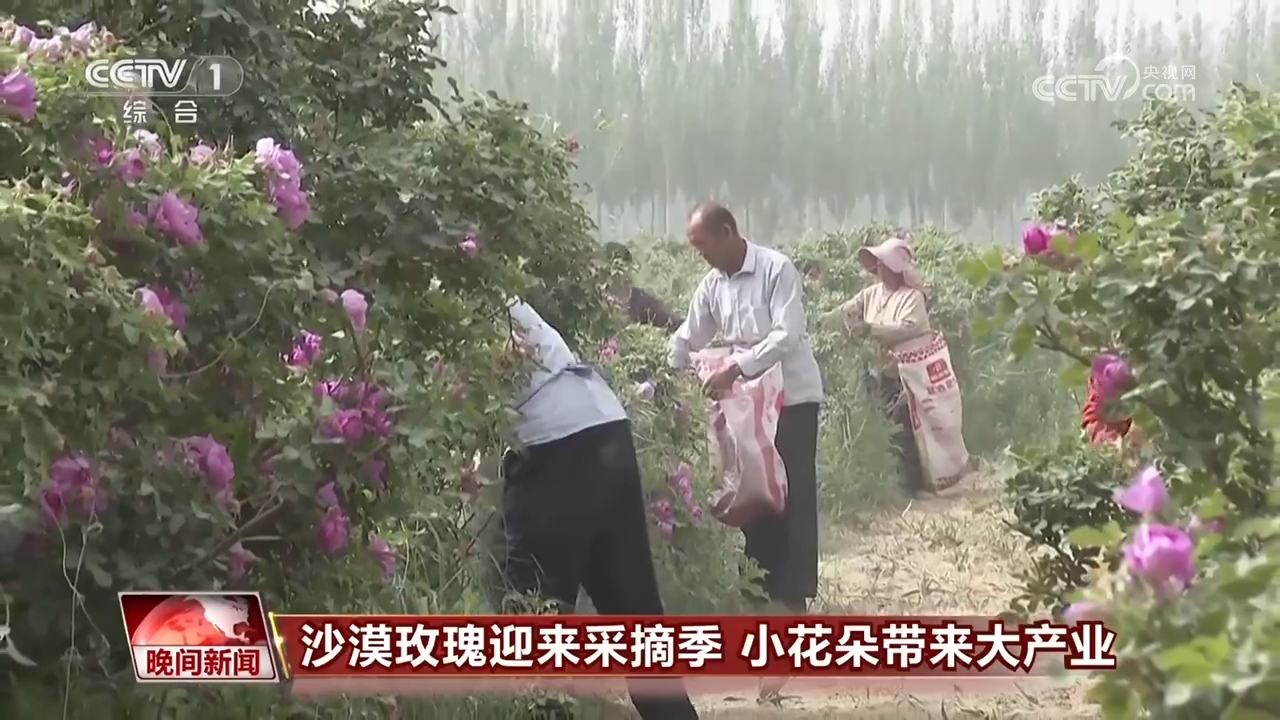
Qi Lu Wan Bao Wang· 2025-07-25 11:39
Group 1 - The core viewpoint of the articles highlights the innovative agricultural practices in Weifang Anqiu City, focusing on the cultivation of high-quality grapes and the implementation of a dual certification system for ecological agricultural products [1][2] - The farm in Anqiu has adopted advanced planting techniques such as rain-sheltered cultivation and integrated water and fertilizer management, resulting in a 20% increase in product prices due to superior quality [1] - The introduction of a dual certification system, combining "electronic safety codes" and "ecological origin codes," allows consumers to access comprehensive information about the products, enhancing transparency from production to consumption [2] Group 2 - Anqiu has established a new quality control model in collaboration with China Inspection Group, leading to the creation of a unique "digital ID" for each ecological agricultural product, which includes detailed information on planting, testing, and transaction records [2] - The region has achieved a 95% utilization rate for straw and a 90% utilization rate for livestock manure, significantly reducing the use of chemical fertilizers and pesticides [3] - The local government has implemented a "government-led, state-owned enterprise-operated" mechanism to supply customized organic fertilizers at cost price, which lowers production costs for farmers and promotes resource recycling [3] Group 3 - Anqiu has developed a multi-layered brand matrix with 119 green, organic, and high-quality agricultural products certified by authoritative bodies, alongside 8 national geographical indication products and 13 national ecological origin protection products [3] - The average income for farmers growing high-quality agricultural products has increased to between 30,000 to 50,000 yuan per mu, transforming traditional "local specialties" into valuable brands [3]
梯田、荷花、蔬菜 夏日乡村美丽富饶、生机勃勃
Yang Shi Wang· 2025-07-08 08:00
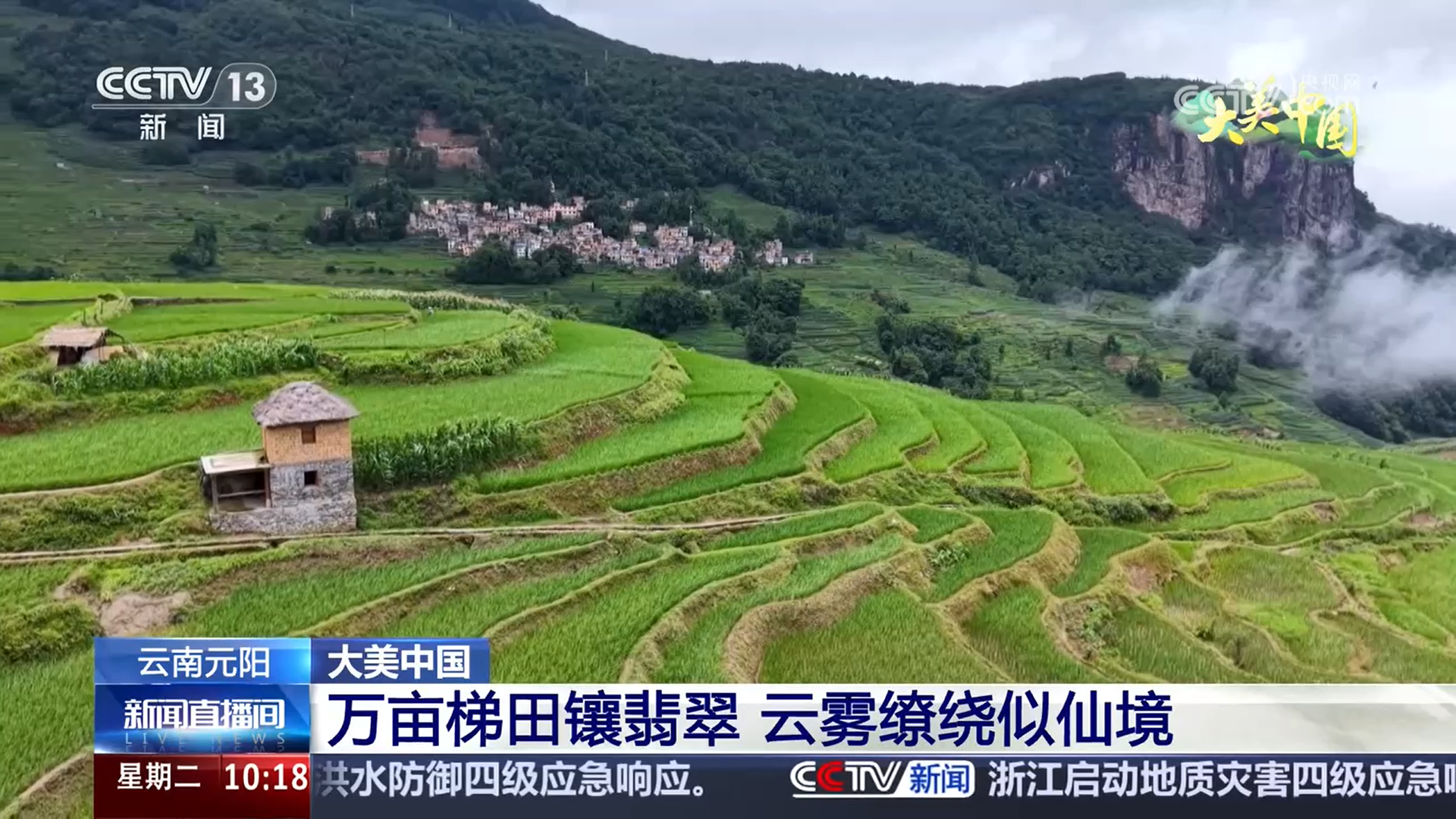
Group 1: Agricultural Practices and Innovations - The Honghe Hani Terraces in Yunnan Province represent over 1300 years of agricultural wisdom, utilizing a four-component ecological system of forest, villages, terraces, and water systems for self-flow irrigation [3] - In Jiangxi Province, the ancient village of Gutian has developed a 300-acre lotus flower cultivation, attracting tourists and enhancing local income through rural tourism and lotus-related industries since 2021 [6] - Gansu Province's Yuzhong County has 430,000 acres of highland summer vegetables, with an average daily export of around 4000 tons, primarily consisting of cauliflower, broccoli, and cabbage [7] Group 2: Seasonal Agricultural Trends - The summer season has seen a surge in the cultivation and sale of highland summer vegetables in Gansu, which serve as a supplement to southern markets [7] - The local agricultural practices include a staggered planting model to ensure continuous supply from May to November, addressing the challenges of high-temperature transport [10] - Innovative preservation methods have been developed to maintain the quality of vegetables during long-distance transport from the northwest plateau to the southeast coast [10]

潍坊安丘:加快推进由农业大县向健康食品强市转型
Qi Lu Wan Bao Wang· 2025-07-04 11:53
Group 1 - The core viewpoint is that Anqiu City is focusing on the health industry by integrating ecological agriculture resources and extending the industrial chain, achieving high-quality development and significant growth in food processing [1][2] - Anqiu City has established 126 food processing enterprises in the health sector, contributing over 40% to the city's industrial output value, with a year-on-year increase of 19.2% in value added from January to May [1][3] - The city has built 800,000 acres of standardized planting bases, producing over 2 million tons of ecological fruits and vegetables annually, with a focus on organic certification [2][3] Group 2 - Anqiu City is implementing a "chain leader enterprise + industrial cluster" strategy to drive the transformation from an agricultural county to a strong health food city, enhancing product value and processing rates [4] - The city has formed various industry clusters, including processed food, beverages, and functional foods, with 2 provincial manufacturing champions and 17 specialized enterprises [4] - The establishment of a national resistance ginger seedling center is enhancing the quality of ginger production, with a 90% reduction in soil-borne diseases and a 30% increase in ginger oleoresin [5][6] Group 3 - Anqiu City is building a global green brand matrix, with 3 agricultural products receiving ecological origin protection certification and 119 green organic brands in development [6] - The region's brand value has increased by 25%, transitioning from "ecological premium" to "market value" through international certifications and standards [6] - Anqiu is aiming to become the most influential health food city in China by focusing on the "ecology + health" sector and breaking down industrial silos [6]
潍坊安丘:从舌尖安全到舌尖健康,全域生态定义高品质农品新标杆
Qi Lu Wan Bao Wang· 2025-07-01 12:33
Core Insights - Anqiu, a county-level city in Shandong, has developed over 400 agricultural processing and export enterprises, achieving an annual vegetable export volume of 600,000 tons, which accounts for 1/7 of Shandong's total agricultural exports, and has led the nation in vegetable exports for 16 consecutive years [1] - The city aims to transition its high-quality agricultural products from international markets to domestic high-end consumption, establishing a strategy for comprehensive ecological agriculture to become "China's First Ecological Agriculture County" [1][3] - Anqiu's agricultural development is characterized by a rigorous quality control system, innovative ecological technology applications, and precise supportive policies, creating a new path for high-quality agricultural development [1][4] Agricultural Quality and Standards - Anqiu is located in a prime agricultural zone with unique volcanic and sandy soil, contributing to the superior quality of its agricultural products, such as Huiqu millet and Zheshan sweet potatoes [2] - Since 2007, Anqiu has implemented a comprehensive quality safety management system for export agricultural products, establishing a dedicated team for agricultural safety and conducting 100,000 sampling tests annually [2] - The city has developed a digital management platform for agricultural quality safety, covering over 600,000 farmland plots and various agricultural entities, ensuring precise management [2] Technological Innovation and Brand Development - Anqiu is leveraging digital technology to modernize agriculture, integrating IoT and big data into the entire agricultural supply chain [6] - The introduction of biomass carbon soil improvement technology has significantly reduced chemical fertilizer usage by 70% and increased yields by 30% for ginger cultivation [6] - The establishment of a three-tier brand matrix, including regional public brands and enterprise brands, has enhanced the market value of Anqiu's agricultural products, achieving an average price premium of 25% [6][7] Policy Support and Economic Integration - Anqiu has introduced targeted support policies to reduce costs and encourage investment in ecological agriculture, including subsidies and loan incentives [8][9] - The city has achieved high utilization rates of agricultural waste, significantly reducing the use of chemical fertilizers and pesticides [8] - The integration of agriculture with secondary and tertiary industries has created a diversified platform for farmers to share in the value-added benefits of the agricultural supply chain [10]
揭阳市揭西县:科技赋能乡村产业振兴
Zhong Guo Fa Zhan Wang· 2025-06-11 09:29
Core Insights - The "fish-vegetable symbiosis" demonstration base in Pankeng Village, Jiexi County, represents a significant innovation in modern agriculture, showcasing a sustainable model that integrates aquaculture and agriculture without traditional farming methods [1][2][3] Group 1: Project Overview - The project is a collaboration between Pankeng Village and Guangdong Yonggao Agricultural Co., Ltd., with the first phase completed and operational by January 2025 [2] - The system utilizes circular fish ponds and sand-based vegetable cultivation, eliminating the need for water changes in fish farming and fertilizers in vegetable growing [2] Group 2: Technological Advancements - The fish-vegetable symbiosis system has achieved a nitrogen utilization rate increase from 30% to 85%, and water resource recycling rate exceeds 90% [2] - The output per unit area has improved by 3 to 5 times, with a 30% reduction in vegetable growth cycles and a 50% increase in fish production [2] Group 3: Environmental Impact - The system promotes zero pollution and sustainable development, avoiding the use of chemical fertilizers and pesticides, which are common in traditional agriculture [3] - The natural biological control system significantly reduces pests, contributing to a healthier ecosystem and serving as a model for ecological agriculture [3]
国产果业从产量竞赛迈向价值突围
Jing Ji Ri Bao· 2025-05-28 18:43
Core Insights - The Chinese fruit industry is transitioning from a focus on quantity to quality, with an increasing variety of high-quality domestic fruits available to consumers [1] - The industry is moving towards precision agriculture and ecological farming practices to enhance fruit quality and sustainability [3][4] - Brand cultivation and market expansion are essential for the future growth of the domestic fruit industry, with a focus on quality and standardized production [5][6] Group 1: Industry Transformation - China's fruit industry is the largest in the world, but it has historically been characterized by a lack of strength despite high production [1] - The shift from traditional farming methods to precision agriculture is driven by consumer demand for higher quality and diverse fruit varieties [3] - The introduction of ecological farming techniques has improved soil health, leading to better fruit quality and stable production [4] Group 2: Brand Development - The domestic fruit industry has developed a mature system covering various stages from breeding to cold chain logistics, allowing for the successful "domestication" of imported fruits [4][5] - The blueberry market in China has seen significant growth, with total production surpassing that of the United States in 2020, and cultivation area increasing by 44.38% by 2024 [5] - Strengthening brand recognition and quality assurance is crucial for the industry to navigate challenges posed by small-scale farmers following market trends [5][6] Group 3: International Market Expansion - The recognition of Chinese fruits in international markets has improved, with exports reaching $8.54 billion in 2024, a 20.9% increase year-on-year [8] - The "Yishu Jia" cherry brand successfully entered high-end markets in Hong Kong and Singapore, demonstrating the potential for premium domestic fruit brands [6][8] - The industry is leveraging trade events and regional advantages to expand its international footprint, with the number of export destinations increasing significantly [8]
为生态农业注入产业动能!方家铺子与福建青创达成战略合作
Zhong Guo Chan Ye Jing Ji Xin Xi Wang· 2025-05-28 08:10
Group 1 - The core viewpoint of the collaboration is to integrate "youth entrepreneurial power" with "centennial industrial spirit" to inject new momentum into ecological agriculture [1] - The "Vital Earth" project initiated by Fujian Youth Entrepreneurship aims to support responsible new farmers through eco-friendly agricultural practices, adhering to strict green production standards [1][2] - The partnership will leverage the strengths of both parties, with Fujian Youth Entrepreneurship focusing on rural entrepreneurship services and talent training, while Fangjiapuzi will provide resources for market access and brand development [3] Group 2 - Fangjiapuzi, a century-old brand, emphasizes high-quality agricultural development and has achieved significant sales milestones, including being the top seller of northern and southern dry goods on JD.com for seven consecutive years [2] - The collaboration will enhance the marketability of ecological agricultural products and establish a sustainable development mechanism through shared resources and a portion of sales donations for farmer training and rural projects [2] - The partnership aims to create a model for the "new farmer + new brand" cooperative paradigm, promoting ecological agriculture's sustainable practices and expanding the development opportunities for new farmers [3]
浙江衢州:新农人绘制智慧化“共富”农业蓝图
Zhong Guo Qing Nian Bao· 2025-05-27 22:13
Group 1: Agricultural Innovation in Quzhou - Quzhou City focuses on developing three major industries: "double pomelo," tea, and oil tea, along with "3+X" agricultural特色主导产业 [1] - The city encourages agricultural leading enterprises to implement a common prosperity partner plan, attracting young talents and innovative teams to rural entrepreneurship [1] - The introduction of AI inspection robots in smart agriculture enhances efficiency by monitoring fruit maturity and potential pest issues [3][4] Group 2: Smart Agriculture Development - The first smart agricultural base was established in 2017, focusing on berry fruits like citrus and kiwi to streamline management and enhance market competitiveness [2] - A second base was built in 2021, featuring fully digitalized and intelligent agricultural practices, including environmental sensors and plant cameras [2][3] - The use of advanced technologies such as intelligent environmental control and integrated irrigation systems aims to improve production efficiency and fruit quality [3] Group 3: Tea Industry Advancements - The tea garden in Kaifa County integrates ecological methods with digital technology, utilizing solar pest control devices and environmental monitoring systems [6][7] - The tea garden has expanded its influence by training local farmers and establishing cooperatives, impacting over 2,000 acres and benefiting more than 1,400 households [9][10] - The establishment of a tea art training school has trained over 30,000 individuals, aiding in employment opportunities [11] Group 4: Bamboo Craftsmanship and E-commerce - The "One Box of Hometown" workshop in Longyou County focuses on bamboo products, reviving traditional craftsmanship while leveraging e-commerce for sales [12][13] - The workshop employs skilled artisans and recruits young individuals to learn bamboo weaving, fostering innovation in product design [13][14] - Collaborative projects with universities aim to pass on traditional skills to the younger generation, enhancing community engagement and economic development [18]
农家吃上生态饭
Ren Min Ri Bao· 2025-05-22 22:02
产业发展,品质是关键。公司在种植过程中精细化管理,提高精品串型葡萄的产量和质量,还注重保护 外形、提升包装工艺。公司还注册了"玄恋""云颠"等8个品牌,产品畅销全国,还远销韩国、日本等 国。 一花独放不是春,百花齐放春满园。去年,周宁县高山晚熟葡萄种植面积发展到5500亩,年产值达8800 万元,参与种植的企业和合作社达70余家。 福建省宁德市周宁县浦源镇溪坪村的徐万和生态农业发展有限公司大棚里,基地负责人高玲一早就忙活 起来,"我们种植的高山晚熟葡萄比低海拔地区晚上市两个月,而且因昼夜温差大,糖度更高,在市场 上按串定价。" 2012年,高玲怀着对家乡的热爱与创业的梦想,返乡流转土地,创办公司种植葡萄。如今,公司已拥有 3个高标准基地、1个产业孵化中心和1个2000平方米的产后商品化处理中心,年均生产葡萄650吨,收购 农户葡萄1500吨左右,去年销售额突破2700万元。 高山晚熟葡萄是周宁县生态农业高质量发展的生动注脚。近年来,周宁县立足"九山半水半分田"的资源 禀赋,深挖高山冷凉气候优势,在生态农业领域精耕细作,高山晚熟葡萄、高山冷凉花卉等特色产业蓬 勃兴起,成为引领周宁农业转型升级的新引擎。 《 人民 ...
沙漠玫瑰迎来采摘季 小花朵带来大产业
Yang Shi Wang· 2025-05-21 16:36
Core Viewpoint - The Xinjiang Hotan region demonstrates that vibrant roses can thrive in the Taklamakan Desert, serving both ecological and economic purposes, with over 70,000 acres of roses currently in the harvesting season [1] Group 1: Economic Impact - Local villagers are actively engaged in rose harvesting, which requires specific techniques and timing to ensure quality, with petals for rose jam harvested separately from buds for tea and essential oils [3] - The rose trading market operates from 9 AM to 8 PM, with daily trading volumes reaching approximately 30 tons of rose petals [6] - Over 2,000 households are involved in rose cultivation in the region, with local cooperatives established to produce products like rose-flavored bread and pure rose water, alongside tourism activities that attract photography and art enthusiasts [7] Group 2: Ecological Benefits - The roses contribute to ecological benefits by stabilizing the desert environment, with the last rose seedling planted in November 2022 marking a successful effort to combat desertification [9] - The cultivation of drought-resistant rose varieties has led to the formation of dense flower beds that effectively block wind and reduce soil erosion [9]