耐心资本

Search documents
创投界掘金“十五五”:锚定未来产业 践行长期主义
Shang Hai Zheng Quan Bao· 2025-12-17 19:19
◎记者 郭成林 王玉晴 12月16日,2025上证多层次资本市场高质量发展大会在江苏南通举行。在主题为"掘金'十五五'投资与 并购机遇"的圆桌对话中,来自金浦投资、源星资本、弘毅投资、中科育成投资、恒辉安防、盛世投 资、华登、国寿股权公司、德同资本等公司的9位投资人、企业家畅谈"十五五"期间股权投资的新趋 势、新机遇。 实践耐心资本理念 平衡短期与长期收益 聚焦"十五五"规划建议重点产业 在畅谈"十五五"期间股权投资机遇时,多位投资人不约而同地将目光锁定在"十五五"规划建议中提到的 新兴产业与未来产业,包括新能源、新材料、量子科技、生物制造、核聚变能、具身智能等领域。 金浦投资总裁范寅认为,"十五五"时期是中国经济迈向高质量发展的关键阶段,新一轮科技革命与产业 变革加速演进。资本市场作为资源配置的核心枢纽,正迎来结构性的投资与并购机遇,资本力量应当更 加自觉地与国家战略同频共振,与产业升级深度绑定,与科技创新携手同行。 中科育成投资董事长陈静鹤表示,"十五五"规划建议为创投机构提供了明确的布局指引。展望"十五 五",中科育成投资一方面将前瞻布局"十五五"规划建议中提到的量子科技、生物制造、氢能和核聚变 能等六 ...
制度、资金与治理协同发力 资本市场构建内在稳定性深层变革
Shang Hai Zheng Quan Bao· 2025-12-17 19:19
Core Viewpoint - The recent Central Economic Work Conference emphasizes the importance of deepening comprehensive reforms in capital market investment and financing, marking the second consecutive year this topic has been prioritized in economic work [1] Group 1: Stability of Capital Market - The construction of inherent stability in the capital market is shifting from a reliance on policies to a deep reform involving collaboration among systems, funds, and governance [1] - The core of capital market stability is summarized by four dimensions: institutional completeness, long-term capital proportion, pricing efficiency, and risk resistance capability [1] Group 2: Institutional Framework - The full implementation of the registration system and normalization of the delisting mechanism have begun to form a market ecology of "entry and exit," although consistency in rule enforcement still needs improvement [2] - Long-term capital holdings from social security and insurance have reached 3.62 trillion yuan, with equity funds surpassing 10 trillion yuan, indicating a significant stabilizing role, yet the proportion remains lower than that of mature markets [2] - Market turnover rates and valuation fluctuations have converged compared to previous years, but issues of structural bubbles and valuation discounts persist [2] - Financial institutions' capital adequacy ratios and risk coverage ratios exceed regulatory red lines, forming a systemic risk prevention framework, though resilience against cross-border capital fluctuations remains to be tested [2] Group 3: Structural Optimization - To promote deep structural optimization, it is essential to address the internal roots affecting capital market stability through collaborative efforts to solidify institutional foundations, cultivate high-quality entities, and improve market ecology [2] - Strengthening institutional foundations involves continuous optimization of issuance, trading, and delisting systems to enhance market transparency and legal standards, alongside establishing robust risk monitoring and response mechanisms [3] Group 4: Market Participants and Ecology - Cultivating robust market participants is crucial, with a focus on guiding listed companies to concentrate on their core businesses and enhance quality, as the quality of listed companies is fundamental to investment value [3] - Improving the investor structure, particularly by fostering "patient capital," is vital for high-quality market development, with net purchases of various long-term funds in A-shares exceeding 600 billion yuan since 2025, serving as an important force against market volatility [3] - A healthy market ecology requires stable expectations and a fair environment, managed through a comprehensive communication mechanism to reduce information asymmetry and avoid policy conflicts across departments [4]
国产GPU双雄上市受捧背后“耐心资本”缘何坚定下注?
Shang Hai Zheng Quan Bao· 2025-12-17 19:16
Core Insights - The domestic GPU sector is experiencing significant investor enthusiasm, highlighted by the successful IPOs of two major players, Moore Threads and Muxi Co., which have both shown remarkable market performance despite ongoing financial losses [1][2] Group 1: Company Performance - Muxi Co. achieved a market valuation exceeding 330 billion yuan on its first trading day, with stock prices soaring close to 900 yuan per share, while Moore Threads reached a peak of 941.08 yuan per share shortly after its IPO [1][2] - Both companies are currently facing substantial financial challenges, with Muxi Co.'s revenue projected to rise from 426,400 yuan in 2022 to 743 million yuan in 2024, yet net losses are expected to increase from 776 million yuan to 1.403 billion yuan during the same period [1] - Moore Threads anticipates a cumulative net loss exceeding 5.2 billion yuan from 2022 to 2024, with R&D expenses amounting to 3.809 billion yuan, which is 6.25 times its projected revenue [1] Group 2: Market Expectations - The high valuations of both companies stem from a consensus on the vast potential of the domestic GPU market, with IDC predicting that China's accelerated server market will exceed 100 billion USD by 2029 [2] - Research from Jiangyin International suggests that the domestic computing chip industry will flourish, benefiting from advancements across the entire supply chain, including wafer foundry, memory, and semiconductor equipment [2] Group 3: Investment Landscape - Both companies have attracted a diverse range of "patient capital," with Muxi Co. having over 120 shareholders, including top-tier venture capital firms and state-owned funds, while Moore Threads has a similarly impressive shareholder base [3][4] - Notable investors include major insurance funds, which are well-suited to the long-term nature of technology investments, and various financial institutions that participated in the strategic placements of shares [4][5] Group 4: Technological Development and Commercialization - The transition from research and development to commercial application in the GPU sector typically requires extensive investment over many years, underscoring the importance of "patient capital" in supporting this process [6] - Moore Threads has launched several GPU architectures since its first chip in 2021, while Muxi Co. has begun mass production of its main product, the Xiyun C500, which is expected to contribute significantly to its revenue [6] - Both companies are positioned to accelerate the localization of computing chips in China, supported by strong policy guidance, although they face challenges in meeting the rigorous technical validation required for entry into key industry sectors [6]
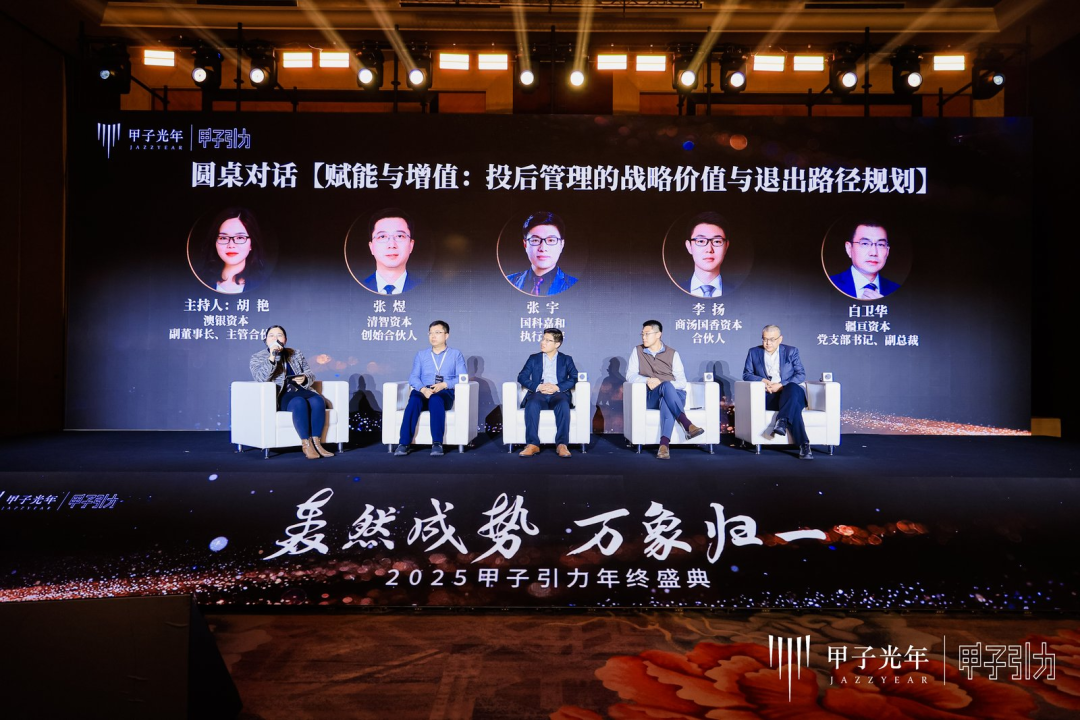
在今天,投后管理的战略价值与退出路径规划在何处 | 甲子引力
Xin Lang Cai Jing· 2025-12-17 14:20
Core Insights - The true value of investment begins to create after the capital is deployed, shifting focus from fundraising and investment to post-investment management [2][40] - The era of simply betting on the right sectors is over, leading to a new cycle of meticulous management where post-investment management is a core strategy rather than an optional step [2][40] - Successful exits are crucial for realizing financial returns, making exit path planning essential for maximizing returns [2][40] Group 1: Post-Investment Management - Post-investment management is no longer a simple monitoring task but a collaborative effort to create value alongside the invested companies [2][40] - The importance of establishing a preventive system for post-investment management has been highlighted, which can help identify potential issues early [49] - The management process requires significant effort, akin to a medical intervention, where proactive measures can prevent larger issues later on [48] Group 2: Case Studies and Challenges - A case study illustrated the challenges faced when a startup's founding team lacked operational readiness, leading to a near-crisis situation that required extensive restructuring and support [8][9] - Another example showed how a technology company successfully navigated a leadership vacuum, maintaining stability and growth during a critical period [50][51] - The challenges of changing the mindset of actual controllers in companies were emphasized, as it is crucial for effective collaboration and acceptance of external advice [56][57] Group 3: Value Creation and Exit Strategies - The discussion included how post-investment management can directly enhance enterprise value through strategic interventions and resource allocation [56] - The importance of clear capital paths for companies, such as preparing for IPOs or mergers, was noted as a key factor in planning exits [30][32] - Metrics for evaluating the effectiveness of post-investment management include financial performance, industry ranking, and clarity of capital paths [31][32][36]

耐心资本+生态圈合力!金融破局高校成果“转化难”
Xin Lang Cai Jing· 2025-12-17 14:19
Core Viewpoint - The launch of the "Billion Fund to Assist University Achievement Transformation" investment and financing platform aims to facilitate the efficient transformation of university scientific and technological achievements through cross-regional and multi-institutional collaboration [1][12]. Group 1: Investment and Financing Initiatives - The Guangdong-Hong Kong-Macao Greater Bay Area has reached a consensus on "early and small investments," "patient capital," and "ecological collaboration," which are crucial for the transformation of university research achievements [1][12]. - In the past three years, nearly 2,000 university research teams in Guangzhou have been supported, leading to the incubation and cultivation of over 130 technology companies that have entered the capital market [1][12]. Group 2: Challenges in Technology Transfer - University research achievements face significant challenges such as "unable to transfer, difficult to transfer, not willing to transfer," which has garnered attention from various stakeholders [2][13]. - Financial institutions are injecting "patient capital" in diverse ways to address early-stage financing difficulties [2][13]. Group 3: Innovative Funding Mechanisms - The "Jingu Cup" Science and Technology Innovation Competition adopted an "investment instead of award" mechanism, resulting in 16 university research projects receiving a total of approximately 200 million yuan in equity investment [4][15]. - Guangzhou Rural Commercial Bank offers personal credit support of up to 10 million yuan for researchers and leaders in need of startup funds, along with diversified collateral support for technology SMEs emerging from universities [4][15]. Group 4: Fund Matrix and Platform Efficiency - Guangzhou Financial Holdings manages a fund cluster exceeding 157.9 billion yuan, covering the entire cycle of university achievement transformation [5][16]. - The fund cluster has invested in 1,168 technology innovation projects, with 1,021 classified as "early and small investments," successfully nurturing 83 listed companies and 90 unicorns [5][16]. Group 5: Ecosystem Development - The newly launched investment and financing platform aims to support original innovations from universities to industrialization, with a goal of incubating a batch of high-tech enterprises with independent intellectual property rights within five years [6][17]. - The "Jingu Hui" collaboration platform has been established to address the multifaceted challenges in technology transfer, connecting universities, investment institutions, and industry resources [8][19]. Group 6: Future Outlook - The continuous improvement of the technology finance system aims to facilitate the transition of university innovations from laboratories to production lines, contributing to high-quality development [11][22].

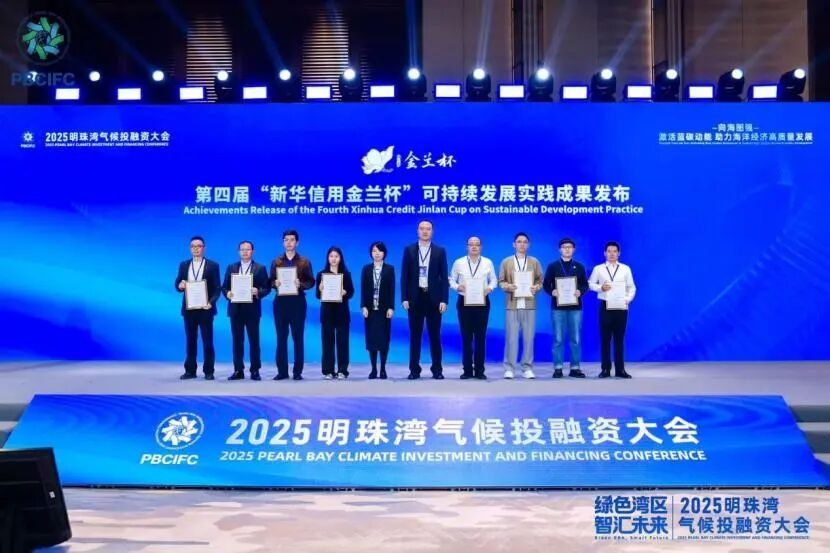
【微聚焦】青岛海控集团“耐心资本引领产业投资”实践入选第四届“新华信用金兰杯”绿色金融实践成果
Xin Lang Cai Jing· 2025-12-17 14:19
Core Viewpoint - The conference highlighted the integration of sustainable investment practices by HaiKong Group, showcasing their approach to fostering a long-term, symbiotic relationship between capital and industry, particularly in the context of the blue economy and carbon neutrality goals [1][6]. Group 1: Sustainable Investment Practices - HaiKong Group's practice emphasizes the "patient capital" concept, focusing on long-term value creation rather than short-term returns, utilizing diverse financial tools such as equity investment, fund operations, commercial factoring, and asset securitization to support the real economy [3][8]. - The group targets industries with long-term growth potential, including biomedicine, marine tourism, new materials, optoelectronics, and high-end equipment, aligning with the development plans of Qingdao and the West Coast New Area [3][8]. Group 2: Specific Initiatives and Projects - HaiKong Group supports technological advancements in high-performance materials through its Chengzhi New Materials Industrial Park, contributing to the localization and green industrialization of key materials [4][9]. - The group focuses on developing industrial clusters in high-performance products like new energy cables at the Wanma High-end Equipment Industrial Park, enhancing the long-term competitiveness of regional manufacturing [4][9]. - In the biomedicine sector, HaiKong Group is building a comprehensive industry chain that includes R&D and production of gene testing reagents, gene sequencing, and cell therapy [4][9]. Group 3: Environmental and Economic Impact - The industrial parks serve as platforms for project implementation and are at the forefront of coordinating industrial development with ecological protection [10]. - HaiKong Group has established 18 funds, including the Qingdao HaiKong Industrial Investment Fund, to guide social capital into green industries, supporting low-carbon development [10]. - The group's sustainable investment model demonstrates the potential for creating a long-term, mutually beneficial relationship between capital and industry, providing a strategic reference for high-quality development under carbon neutrality goals [5][10].
百亿中信AIC落户广州,金融新势力抢滩大湾区
21世纪经济报道· 2025-12-17 10:43
记者丨庞成 郭晓洁 这已经是12月以来在大湾区开业的第二家股份制AIC。本月初,招银金融资产投资有限公司 (招银投资)在深圳开业。 股份制银行系AIC正加速布局大湾区。 随着信银金投落户广州,招银金投落户深圳,粤港澳大湾区已初步形成协同发力的AIC双核格 局。在全球创新指数排名第一的"深圳—香港—广州"科技集群加持下,这一布局背后全国性股 份制银行对大湾区产业基础与金融生态的认可。 自2016年启动市场化债转股试点以来,AIC历经近十年制度演进,已从风险化解工具转型为支 持科技创新与产业升级的"耐心资本"主力军。尤其在2024年监管层扩大AIC股权投资试点范围 后,其功能边界持续拓宽,战略价值日益凸显,成为全国性银行的必选项。 值得注意的是,中信银行打破"总部同城"惯例,将AIC设在广州,这也被市场视为金融机构 从"跟随总部"转向"贴近产业"的信号。 大行战略布局的必选项 过去一年,设立AIC已成为大型银行提升综合服务能力、服务新质生产力的核心战略选择。 编辑丨蒋韵 在金融资产投资公司(AIC)试点政策持续放宽、业务边界不断拓展的关键窗口期,银行系资 本正加速抢滩布局AIC赛道。 12月17日上午, 国内第二 ...

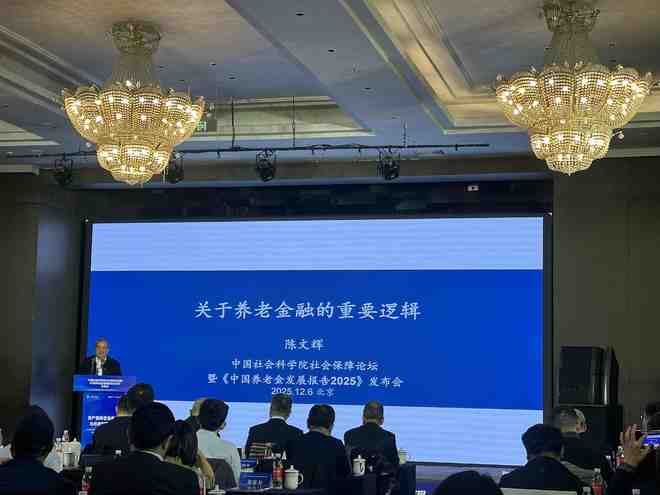
陈文辉:养老基金是最好的耐心资本
Zhong Guo Jing Ying Bao· 2025-12-17 10:06
Core Viewpoint - The development of pension funds and long-term life insurance is crucial for addressing aging population issues and creating a substantial supply of patient capital, which is essential for modern industrial system construction and technological innovation [2][3]. Group 1: Importance of Patient Capital - Patient capital refers to long-term investments that do not seek short-term returns, focusing instead on supporting the sustained development of the real economy [3]. - The Chinese government has emphasized the cultivation and development of patient capital in several key documents, including the Central Economic Work Conference and the "14th Five-Year Plan" [3]. - Industries such as high-end manufacturing, new energy, and biomedicine require long-term funding due to their extended research and development cycles, which short-term capital cannot adequately support [3]. Group 2: Current Challenges - There is a notable shortage of patient capital supply in China, as institutional funds like wealth management products and public funds typically have short holding periods for equity investments [3]. - The previous reliance on short-term funds as long-term investments has proven unsustainable, particularly highlighted by the impact of the "Asset Management New Regulations" introduced in 2018 [3]. Group 3: Role of Pension Funds and Long-term Life Insurance - Pension funds and long-term life insurance are identified as the primary sources of true patient capital due to their long liability durations, which align with the long-cycle demands of modern industrial systems [5]. - These funds can effectively support strategic industries such as semiconductors and new energy, which require years of continuous investment [5]. Group 4: Risk Management for Pension Funds - A comprehensive risk management framework is necessary for pension funds to ensure they meet long-term investment goals, focusing on long-term trend risks such as demographic changes and climate change [6]. - The risk management system should extend beyond traditional market and credit risks to include operational, ESG, geopolitical, reputational, and long-term liability matching risks [6]. - Continuous enhancement of asset-liability management and stress testing is essential to assess potential risks and ensure the financial health of pension funds [6].
189亿,深圳迎来一支重磅国资科创基金
母基金研究中心· 2025-12-17 09:24
Core Viewpoint - Shenzhen has established a significant state-owned fund, the "Shenzhen Guochuang Yinke Innovation Fund," with a registered scale of 1.8901 billion RMB, aimed at promoting innovation and investment in strategic emerging industries [1][2]. Group 1: Fund Establishment and Structure - The "Guochuang Yinke Innovation Fund" is registered in the Qianhai Shenzhen-Hong Kong Cooperation Zone and has a total registered capital of 1.8901 billion RMB [1][2]. - The fund's managing partner is Shenzhen Guochuang Yinke Investment Co., Ltd., which is wholly owned by the Shenzhen Guidance Fund [3]. - The fund's partners include various state-owned enterprises, with contributions from Shenzhen Guidance Fund (1.28 billion RMB), Huitong Financial Holdings (300 million RMB), and others, totaling 1.89 billion RMB [3]. Group 2: Shenzhen's Investment Ecosystem - Shenzhen has developed a unique "Shenzhen State-owned Capital Model," with over 500 funds and a total scale exceeding 7 trillion RMB, focusing on strategic emerging industries [4]. - The city aims to create a comprehensive network of technology innovation funds covering the entire investment lifecycle, ensuring that early-stage projects receive at least 40% of the funding [4]. - Shenzhen's innovation policies include extending the lifespan of innovation and entrepreneurship funds to a maximum of 15 years and implementing differentiated assessment indicators [4]. Group 3: Encouraging Innovation and Risk-Taking - Shenzhen has introduced guidelines to promote a culture of tolerance for failure in technology innovation, allowing for a more supportive environment for startups [6]. - The city has launched initiatives allowing for significant loss tolerances in investment projects, with some funds permitting up to 100% loss [8]. - The "Bold Capital" initiative encourages investments in high-risk, cutting-edge technology sectors, promoting a balance between patient and bold capital [7]. Group 4: Future Plans and Goals - The "Action Plan for Promoting High-Quality Development of Venture Capital" aims to establish a "double ten thousand" framework by 2026, targeting a trillion-level industry fund group and over 10,000 registered venture capital and private equity funds [9][10]. - Shenzhen plans to create three new mother funds to enhance its existing fund ecosystem, focusing on cross-border early-stage investments and specialized funds for corporate venture capital [10]. - The city is also exploring innovative funding sources, including insurance funds and pension funds, to support venture capital and private equity investments [10].

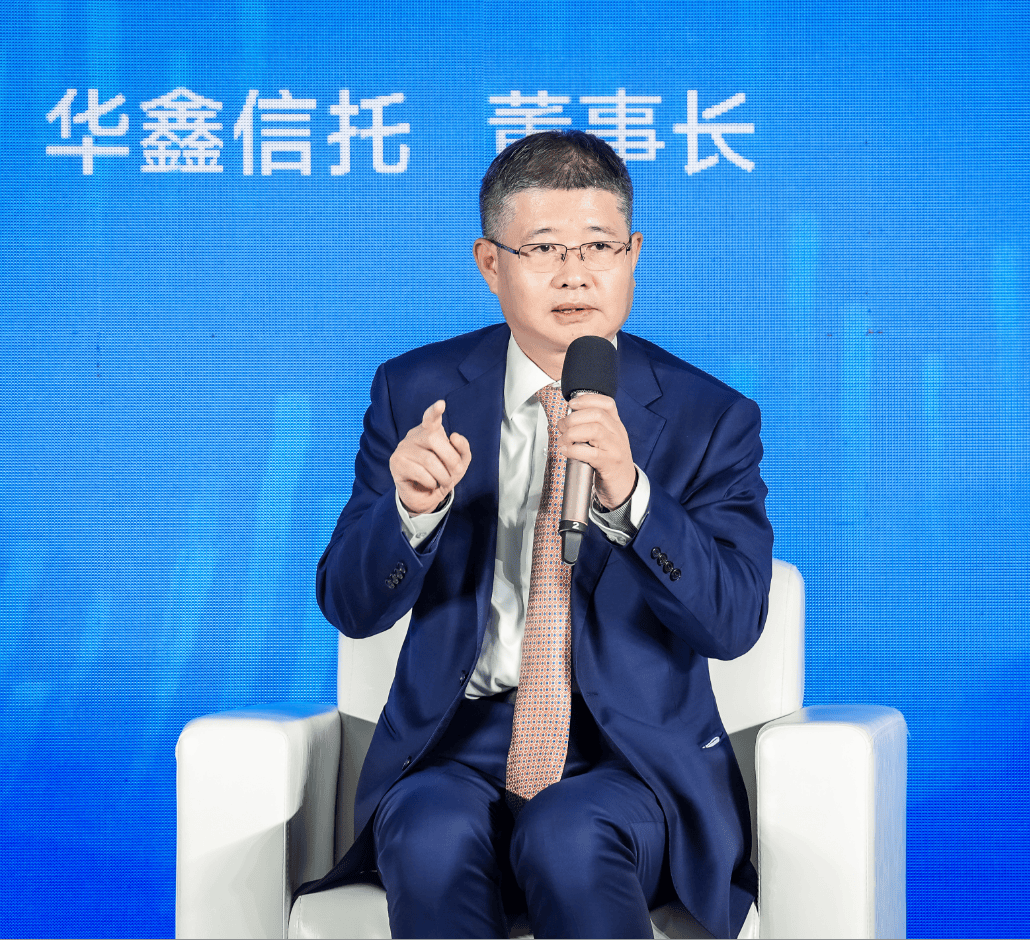
华鑫信托董事长朱勇:拥抱AI时代 耐心资本是理性选择
Sou Hu Cai Jing· 2025-12-17 09:20
谈及"耐心资本"与AI产业的关联,朱勇从风险投资规律角度分析指出,AI时代的投资遵循幂律分布,即少数项目将占据绝大部分回报。在这一逻 辑下,持有即意味着拥抱未来,过早退出反而可能错失机遇。因此,保持耐心不仅是长期主义的体现,更是在信息产业规律下的理性选择。 面对AI技术浪潮,朱勇坦言,作为传统金融机构,华鑫信托在AI领域的投资布局目前仍较小,但态度明确:"AI是未来,我们一定要拥抱AI时 代。"他呼吁,即便稳健型投资者,也应拿出少量增量资金,配置AI相关资产。 "不耐心是人的天性,耐心是我们的追求,而在AI时代,耐心还是理性。"12月16日,在2025南通投资大会暨上证多层次资本市场高质量发展大会 圆桌环节,华鑫信托董事长朱勇如是说。他围绕资产管理、风险控制与投资理念,分享了其对"耐心资本"与"AI新纪元"的深刻思考。 上证报中国证券网讯(记者 聂林浩)"不耐心是人的天性,耐心是我们的追求,而在AI时代,耐心还是理性。"12月16日,在2025南通投资大会暨 上证多层次资本市场高质量发展大会圆桌环节,华鑫信托董事长朱勇如是说。他围绕资产管理、风险控制与投资理念,分享了其对"耐心资 本"与"AI新纪元"的深刻思 ...