投后管理

Search documents
【锋行链盟】融资顾问服务全流程解析
Sou Hu Cai Jing· 2026-02-14 16:18
Group 1 - Financing advisory services are essential for businesses or individuals seeking funding, optimizing financing plans, and improving efficiency [1] - The process includes several stages: initial contact and needs assessment, financing plan design and matching, funding party connection and roadshow preparation, due diligence and terms negotiation, agreement signing and fund disbursement, and post-investment management [1][8][10] Group 2 - The initial stage involves preliminary communication, confirming intentions, and conducting a needs assessment within 1-2 weeks [3] - Financing plan design takes 2-4 weeks, including feasibility assessment and outputting a financing proposal document detailing plan specifics, funding sources, timelines, and risk considerations [4][5] - Connecting with funding parties and preparing for roadshows occurs over 1-3 weeks, focusing on selecting and reaching out to potential investors [6][7] Group 3 - Due diligence and terms negotiation are critical and can take 4-12 weeks, involving cooperation with funding parties for thorough assessments [8] - The final stages include signing agreements and ensuring funds are disbursed within 2-4 weeks, followed by long-term post-investment management [8][9] Group 4 - The fee structure for financing advisory services typically includes success commissions based on a percentage of the financing amount, fixed service fees for complex projects, and annual fees for long-term clients [9][10] - Compliance with financial regulations and maintaining independence while representing client interests are crucial throughout the financing process [9][10]


牛市归来,但我劝客户别乱买!
Xin Lang Cai Jing· 2026-01-21 08:13
Core Viewpoint - The A-share market is experiencing a significant rise, with the Shanghai Composite Index reaching 4100 points, indicating a recovery in investor confidence. However, wealth management practices are being reshaped by new regulations, necessitating a shift from traditional sales models to a more client-focused advisory approach [1]. Group 1: Buy-side Advisory - In a bullish market, the role of buy-side advisors is crucial for establishing long-term trust with clients. Advisors should focus on comprehensive services that include financial planning and asset allocation rather than merely pushing products [2]. - The current market conditions present an opportunity for advisors to build new trust relationships by guiding clients back to their financial goals and away from impulsive trading behaviors [2]. Group 2: Implementation Strategy - Transitioning from traditional sales to a buy-side advisory model requires a practical and replicable methodology. This involves a clear "battle map" consisting of eight core modules [3][4]. - The first module focuses on understanding the essence of buy-side advisory and differentiating between genuine and superficial transformations in advisory practices [4]. - The second module addresses client acquisition strategies, offering six actionable methods for activating existing clients and building private traffic [5]. - The third module emphasizes the importance of client selection, providing tools for creating client profiles and gracefully declining unsuitable clients [6]. - The fourth module involves diagnosing client needs through a structured assessment framework to create tailored financial plans [7]. - The fifth module outlines the implementation of a dual-layer asset allocation framework that moves beyond traditional risk assessment and product recommendations [8]. - The sixth module provides a comprehensive post-investment management process, including regular reviews and adjustment strategies during market fluctuations [8]. - The seventh module focuses on managing client emotions, offering differentiated support strategies based on client risk profiles [8]. - The eighth module aims to align clients' investment beliefs with educational resources to strengthen long-term trust [9]. Group 3: Professional Development - The current market recovery serves as a test for the industry and an accelerator for personal career transformation. Professionals with genuine skills will navigate the market effectively [10]. - This guide is intended for those transitioning to buy-side advisory roles and for financial advisors seeking to explore new models within traditional platforms [10].
如何优雅的装13
叫小宋 别叫总· 2026-01-16 04:04
Group 1 - The article discusses the current trend of profit-taking in the commercial aerospace sector, indicating a lack of hot topics in the primary market [1] - The tone of the article is light-hearted and satirical, focusing on how to present oneself effectively in the investment market [2] - The narrative includes a character, Song, who shares insights on investment strategies and experiences in the industry [6][7][8] Group 2 - Song emphasizes the importance of communication skills in securing investments and fundraising [6][7] - The character mentions the challenges of post-investment management, particularly in preparing for IPOs and the associated documentation [8] - There is a discussion about the complexities of investment structures, such as VIE (Variable Interest Entity), which can obscure company visibility in public databases [11] Group 3 - The article highlights the dynamics of investment relationships, particularly in a three-tier city where a strong investment institution has garnered significant local support [19][20][21] - The character reflects on the influence of investment institutions in local governance, suggesting a symbiotic relationship between them and local authorities [21][22] - Song expresses a desire to become a well-known investor, focusing on the dissemination of investment knowledge rather than just financial gain [28]

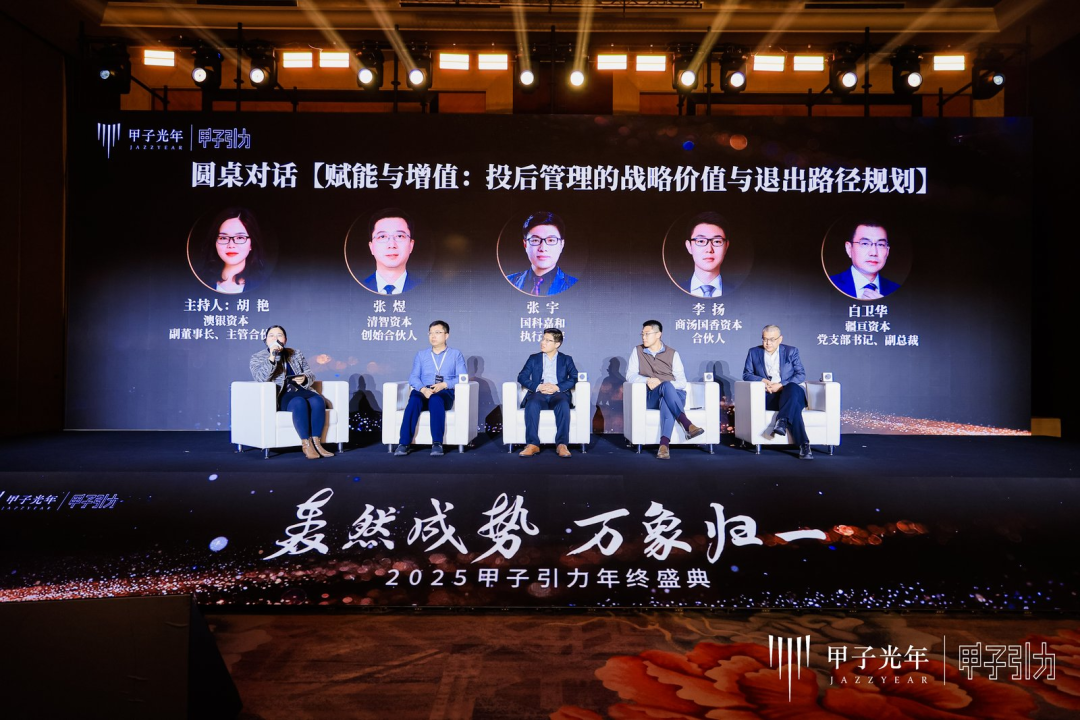
在今天,投后管理的战略价值与退出路径规划在何处 | 甲子引力
Xin Lang Cai Jing· 2025-12-17 14:20
Core Insights - The true value of investment begins to create after the capital is deployed, shifting focus from fundraising and investment to post-investment management [2][40] - The era of simply betting on the right sectors is over, leading to a new cycle of meticulous management where post-investment management is a core strategy rather than an optional step [2][40] - Successful exits are crucial for realizing financial returns, making exit path planning essential for maximizing returns [2][40] Group 1: Post-Investment Management - Post-investment management is no longer a simple monitoring task but a collaborative effort to create value alongside the invested companies [2][40] - The importance of establishing a preventive system for post-investment management has been highlighted, which can help identify potential issues early [49] - The management process requires significant effort, akin to a medical intervention, where proactive measures can prevent larger issues later on [48] Group 2: Case Studies and Challenges - A case study illustrated the challenges faced when a startup's founding team lacked operational readiness, leading to a near-crisis situation that required extensive restructuring and support [8][9] - Another example showed how a technology company successfully navigated a leadership vacuum, maintaining stability and growth during a critical period [50][51] - The challenges of changing the mindset of actual controllers in companies were emphasized, as it is crucial for effective collaboration and acceptance of external advice [56][57] Group 3: Value Creation and Exit Strategies - The discussion included how post-investment management can directly enhance enterprise value through strategic interventions and resource allocation [56] - The importance of clear capital paths for companies, such as preparing for IPOs or mergers, was noted as a key factor in planning exits [30][32] - Metrics for evaluating the effectiveness of post-investment management include financial performance, industry ranking, and clarity of capital paths [31][32][36]
一位投资人越过漫长岁月
投资界· 2025-12-14 07:50
Core Viewpoint - The article discusses the current state of the investment landscape in China, emphasizing the importance of adapting to economic cycles and focusing on internal growth strategies within the venture capital and private equity sectors. Group 1: Investment Landscape and Trends - The 25th China Private Equity Annual Conference will be held in Shenzhen from December 2-5, 2025, gathering over a thousand top investors and entrepreneurs to observe China's technological innovation [2] - The investment logic has not changed significantly this year, focusing on companies that lead in technology and manufacturing, with an increase in investment in emerging technologies such as quantum computing and AI [9][10] - The current economic cycle is characterized as an L-shaped stable period, with a focus on long-term growth and addressing shortfalls in various sectors [9] Group 2: Institutional Insights and Strategies - Institutions are increasingly diversifying their investment strategies, combining primary and secondary markets, public and private equity, and domestic and international investments [3][4] - The National New Capital Fund has established a series of funds with a total subscription scale exceeding 3 trillion yuan, focusing on strategic emerging industries and technological innovation [6] - Investment strategies are shifting from direct investments to a combination of fund-of-funds and direct investments, with a focus on strategic and merger investments [11] Group 3: Sector-Specific Opportunities - AI is identified as a foundational trend for future investments, with significant opportunities in sectors such as biomedicine, hard technology, and semiconductor industries [16][20] - The automotive sector is expected to see substantial transformation due to AI, particularly in intelligent driving and related technologies [19] - The advanced manufacturing sector is projected to offer significant investment opportunities, with many companies likely to expand globally [21] Group 4: Post-Investment Management - Effective post-investment management is crucial, focusing on identifying market needs and leveraging institutional strengths to enhance portfolio companies [22] - Institutions emphasize the importance of finding financial resources, talent, and business opportunities to support the growth of their portfolio companies [23] - A structured approach to post-investment management, including categorization and precise resource allocation, is essential for driving industry development [25] Group 5: Future of Entrepreneurship and Investment - The future of entrepreneurship in China is expected to see higher barriers to entry, particularly in hard technology sectors, requiring both scientific and entrepreneurial expertise [28] - The investment landscape is undergoing differentiation, with various types of GP (General Partners) emerging, each with distinct strategies and focuses [28] - The integration of AI into investment processes is anticipated to revolutionize traditional methods, enhancing efficiency and decision-making [24]

数据不出门 分析快如风——本地部署的Datayes AMS 2.0来了
Datayes· 2025-11-03 11:13
Core Viewpoint - The article introduces the upgraded version of Datayes AMS 2.0, emphasizing its ability to enhance data security and analysis efficiency for post-investment management without compromising on compliance requirements [3][8]. Group 1: Overview of Datayes AMS - Datayes AMS serves as a comprehensive SaaS platform that integrates investment research and management throughout the investment cycle, from market data integration to performance analysis [5]. - The platform is designed to meet the needs of various roles within investment institutions, supported by a high-standard research team to create a performance risk analysis system tailored for the Chinese market [5]. Group 2: Key Upgrades in Datayes AMS 2.0 - The new version enhances four core dimensions: compliance, efficiency, analysis, and customization, allowing institutions to manage post-investment processes without making trade-offs [8]. - The 2.0 version features a local client that isolates sensitive data from the cloud, ensuring that all data handling occurs on local servers, thus eliminating leakage risks [13]. - Data management is streamlined with two methods: manual uploads for precise control and automatic email integration for real-time data updates, reducing operational burdens [15]. Group 3: Performance Analysis Features - The upgraded version addresses four major pain points: incomplete data visibility, unclear trends, difficulty in risk prediction, and lack of basis for asset allocation [20]. - It offers multi-dimensional performance analysis, allowing users to dissect returns and net value trends while comparing against benchmarks [20]. - The system supports customized development, enabling institutions to tailor reports and templates to fit their specific business scenarios [19]. Group 4: User Engagement and Accessibility - Institutions can choose between a lightweight local version for data compliance or a comprehensive online SaaS version for broader research capabilities [33]. - The article encourages potential users to apply for trials of Datayes AMS 2.0, highlighting ongoing developments for additional features [33].

并购市场已从机会驱动向战略驱动转变 “十招”提高并购“胜率”
Zheng Quan Shi Bao Wang· 2025-10-25 04:51
Core Insights - The M&A market in China is experiencing significant growth driven by policy encouragement and market demand, transitioning from opportunity-driven to strategy-driven approaches [1][2] - The report highlights a shift in focus from privatization of Chinese concept stocks to strategic industry integration, reflecting the evolving economic landscape [1][4] Market Overview - China's private equity (PE) market ranks second globally in terms of management scale, but it still shows significant structural differences compared to the mature U.S. market, indicating substantial growth potential for Chinese M&A funds [2][5] - In 2024, U.S. M&A funds raised over $270 billion, accounting for 67% of the private equity market, while China's controlling M&A funds raised less than 50 billion RMB, with total M&A investment around $28 billion [2][5] Investment Strategies - U.S. M&A funds primarily utilize leveraged buyouts and add-on acquisitions, with leverage ratios reaching 7-8 times, while China has developed diverse models such as "listed companies + PE" and state-owned enterprise-led strategic mergers [3][4] - The exit strategies in the U.S. heavily rely on M&A, while China has traditionally depended on IPOs, which are currently constrained, necessitating the development of diversified exit strategies [3][4] Opportunities and Challenges - As China's economy shifts from expansion to optimization, M&A funds are focusing on internal operational improvements, providing stronger certainty and defensiveness for limited partners (LPs) [4][5] - Despite the promising outlook for Chinese M&A funds, challenges such as long-term capital shortages, insufficient quality control targets, and a lack of integrated financial and industrial talent remain prevalent [5][6] Recommendations for Improvement - Establish clear standards for target selection, focusing on companies with proven business models that have identifiable issues to solve [6][7] - Develop a "investment and integration" process to ensure that due diligence includes cross-field integration teams to mitigate risks [6][7] - Create a governance structure that aligns the interests of various stakeholders, including state-owned and industrial capital [6][7] - Enhance the capital market cycle by simplifying the listing process for acquired companies and ensuring they meet listing standards [6][7] - Innovate and expand the toolbox for M&A financing, including optimizing loans and developing specialized bonds for industrial acquisitions [7][8]
进入投后管理,消费产业投资的挑战才真正开始|系列报道③
Sou Hu Cai Jing· 2025-10-20 04:29
Core Insights - The article discusses the evolution of the consumer industry investment landscape in China, emphasizing the shift from financial investments to strategic industrial investments as companies face slow revenue growth and profit declines due to intense competition [2][5] - It highlights the importance of post-investment management in creating value, moving beyond merely identifying opportunities to actively managing and integrating acquired companies [5][6] Group 1: Investment Strategy and Management - The article outlines how the company, New Hope Group, began its industrial investment strategy earlier than many competitors, focusing on mergers and acquisitions to find new growth drivers [2][5] - It emphasizes the need for a robust post-investment management system, which has become increasingly critical in the current investment climate, contrasting it with traditional financial investment practices [5][6] - The company has established a strategic direction of "four parts investment and six parts management," focusing on controlling risks and managing strategy, organization, and incentives [7][9] Group 2: Tools and Methodologies - The Grass Green Post Investment System (GPS) has been developed to standardize post-investment management, allowing teams to identify operational pain points and needs effectively [9][10] - Specific tools like the PD tool and PSP cycle are utilized to set clear strategic goals and create a feedback loop for continuous improvement in operations [10][13] - The company has successfully implemented these tools in various projects, leading to significant revenue growth and product innovation [10][11] Group 3: Growth Opportunities and Market Trends - The article discusses how the company has identified new growth opportunities in the consumer market, particularly in the context of changing consumer preferences and market dynamics [14][16] - It highlights the successful integration of new retail channels and the importance of collaboration with partners to enhance product offerings and market reach [18][20] - The company has adapted its strategies to focus on unique product offerings and deep collaboration with retail partners, leading to recognition as a top supplier in the market [20][22] Group 4: Ecosystem and Collaborative Management - The article describes the establishment of a multi-dimensional collaborative ecosystem that goes beyond financial investment, focusing on channel, technology, and talent collaboration [22][28] - The company has created a technology research institute to address core technical challenges and facilitate innovation across its portfolio [28][30] - Talent management is emphasized as a critical component, with a structured approach to talent selection, training, and motivation to ensure alignment with strategic goals [33][35] Group 5: Future Directions - The article concludes that the future of consumer industry investment will require a more complex approach that emphasizes collaboration and co-creation, moving beyond simple investment and management dichotomies [37]


朗泰资本陈学梁:深耕十年,我们用「投后管理」成就精品PE
36氪· 2025-09-17 10:15
Core Viewpoint - The article highlights the successful transformation and growth of Yongwei Precision Industry Group after its acquisition by Langtai Capital, emphasizing the importance of post-investment management in driving value creation [1][3][4]. Group 1: Acquisition and Transformation - In 2023, Langtai Capital completed the acquisition of Yongwei Precision, leading to rapid growth with new orders exceeding 2 billion yuan, a 100% year-on-year increase [3]. - Yongwei Precision is transitioning from a pure stamping parts company to a diversified revenue structure that includes stamping parts, product molds, and mold design, which is expected to significantly enhance its profit margins [3]. - The acquisition reflects Langtai Capital's strategic focus on controlling mergers and deep post-investment management, which has been a consistent approach since its establishment in 2015 [1][4]. Group 2: Founding and Strategy - Langtai Capital was founded by three partners in 2015, who chose a differentiated approach focusing on controlling mergers and deep post-investment management rather than the prevalent minority equity investment model [5][8]. - The successful privatization of Qihoo 360 served as a foundational experience that shaped Langtai Capital's capabilities in handling complex transactions and cross-border coordination [6][8]. Group 3: Post-Investment Management - The article emphasizes that post-investment management is crucial for distinguishing between excellent and mediocre investment firms, highlighting the need for continuous improvement in operational capabilities [10]. - Langtai Capital's investment in Yibin Zongguan Line Technology Co., which saw its valuation increase over five times since investment, showcases the effectiveness of its post-investment management approach [12]. Group 4: Technological Integration - Langtai Capital has introduced advanced technologies such as AI and humanoid industrial robots into Yongwei Precision, significantly improving operational efficiency and product design processes [13][14]. - The implementation of a unified coding system and a precise pricing model has enhanced data transparency and decision-making efficiency within Yongwei Precision [13]. Group 5: Future Outlook - Langtai Capital plans to continue its dual-track strategy, focusing on traditional industry upgrades and future industries, while maintaining a significant stake in its investments to ensure influence and support [17][18]. - The firm aims to create a combination of stable cash flow assets and high-growth investment opportunities, positioning itself for long-term value creation in the evolving market landscape [17][18].
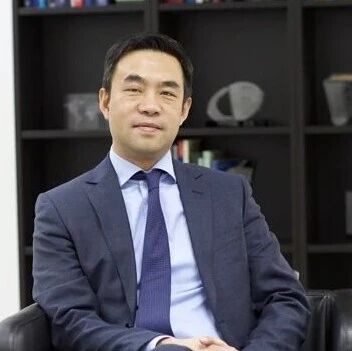
华润双鹤陆文超:以战略并购构筑增长新阶梯
Shang Hai Zheng Quan Bao· 2025-08-24 17:47
Core Viewpoint - China Resources Double Crane is strategically using mergers and acquisitions to enhance its growth and market position in the pharmaceutical industry, particularly in the pediatric sector [2][3]. Group 1: Strategic Mergers and Acquisitions - The recent acquisition of Zhongshuai Pharmaceutical allows China Resources Double Crane to gain exclusive promotion rights for its core ADHD product "Guanzhu," marking a significant move in the pediatric specialty field [2][3]. - The company focuses on three core directions for its investment and acquisition strategy: technology-driven biomanufacturing enterprises, leading players in niche specialty markets, and innovative incubation firms in emerging technologies [3][4]. - The acquisition is expected to enhance China Resources Double Crane's product line and optimize its product structure in the mental health sector, particularly in the production of controlled substances [3][4]. Group 2: Product Differentiation and Supply Chain - The ADHD treatment "Guanzhu" utilizes a dual-release technology that improves patient compliance and aligns with the daily routines of children, addressing a significant market need [4]. - The company aims to fill the domestic supply gap for ADHD medications, which are predominantly imported, by developing a complete domestic supply chain from raw materials to finished products [4][5]. - The long development cycle and high barriers in ADHD drug research present a significant opportunity for growth, with expectations for "Guanzhu" to become a billion-level product in the coming years [5]. Group 3: Post-Merger Integration and Investment Strategy - China Resources Double Crane employs a systematic post-merger integration model known as the "Long March Plan," which has proven effective in enhancing the performance of acquired companies [5][6]. - The company is actively establishing and participating in industry funds to strengthen its position in synthetic biology, innovative drugs, and biotechnology [6]. - Future strategic focuses include synthetic biology, internationalization, and intelligent transformation, with a shift from product-driven to innovation-driven growth [6].