品牌年轻化

Search documents
青岛啤酒:营收下滑利润增,如何重获年轻人青睐成突围关键?
Sou Hu Cai Jing· 2025-04-09 02:07
Core Insights - Qingdao Beer faces significant challenges in the market, as reflected in its 2024 performance report, which shows a decline in revenue and sales volume while managing to increase net profit [1][4] Financial Performance - The company's total revenue for 2024 was 32.138 billion yuan, a decrease of 5.3% compared to the previous year, equating to a revenue drop of approximately 1.8 billion yuan [1] - Beer sales volume fell to 7.538 million kiloliters, marking a decline of 5.9% [1] - Despite the revenue decline, the net profit attributable to shareholders increased by 1.81% to 4.345 billion yuan [1] Brand Performance - The main brands, "Qingdao" and "Laoshan," both experienced sales declines, with "Qingdao" down 4.84% in volume and 5.07% in revenue, while "Laoshan" saw a 7.2% drop in volume and a 6.38% decrease in revenue [2] - The Shandong region, which contributes nearly 70% of revenue, also faced over a 6% decline [2] Strategic Responses - Qingdao Beer has adopted two main strategies: premiumization and cost reduction, successfully maintaining profit margins [4] - The proportion of mid-to-high-end products increased to 41.8%, with premium products like the A series of Ao Gu Te and non-alcoholic beers becoming key profit drivers [4] - The company has implemented digital and smart upgrades in its factories to enhance production efficiency and reduce operating costs [4] Market Challenges - The beer industry is experiencing a growth bottleneck, with competitors like Budweiser APAC and China Resources Beer also facing difficulties [1] - Seasonal consumption patterns pose a challenge, as the company reported a loss of 645 million yuan in the fourth quarter, marking the sixth consecutive year of losses during the sales off-season [4] Consumer Trends - Changes in consumer habits, such as the rise of craft beers and alternative alcoholic beverages, are impacting Qingdao Beer, particularly among younger consumers [6] - The shift towards instant retail and new consumption scenarios is reshaping the competitive landscape, with Qingdao Beer needing to adapt to these changes [6] Future Directions - To break through in a saturated market, Qingdao Beer must focus on maintaining its core market in Shandong and improving product quality in dining establishments [8] - The company needs to invest more in brand rejuvenation to attract Generation Z consumers, as traditional branding strategies are losing appeal [8]


糖酒会上消失的茅台冰淇淋
Jing Ji Guan Cha Wang· 2025-03-28 05:04
Core Viewpoint - The company is shifting its focus back to its core liquor business, as evidenced by the changes in its product offerings and exhibition strategy at the 2025 National Sugar and Wine Products Trade Fair, moving away from non-alcoholic products like ice cream and chocolate [1][2]. Group 1: Product Strategy - The ice cream division of the company was dissolved in February 2024, and the flagship store in Beijing has closed, indicating a strategic retreat from the ice cream market [2]. - The company previously achieved significant sales with its ice cream products, including a record of over 200,000 yuan in sales within 7 hours at the flagship store opening and a total of nearly 10 million cups sold nationwide [2]. - Despite the retreat from ice cream, the company plans to maintain a presence in the market through select channels, linking sales to tourism and dining experiences [3]. Group 2: Leadership and Strategic Direction - The new chairman, Zhang Deqin, emphasized the importance of innovation while maintaining the essence of the brand, indicating a balanced approach to traditional and innovative strategies [3]. - The company has stated that the ice cream business has fulfilled its goal of attracting younger consumers, leading to the decision to strategically scale back [3].

品牌年轻化+全渠道布局 卫龙美味净利润超10亿创新高
Jing Ji Guan Cha Wang· 2025-03-28 01:04
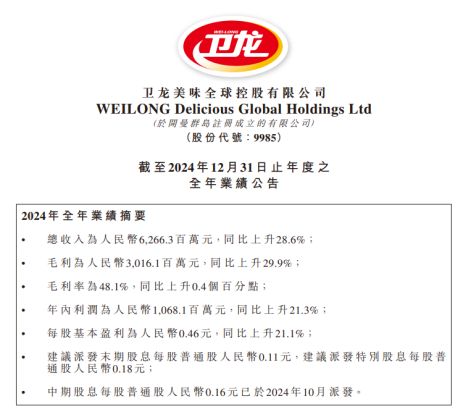
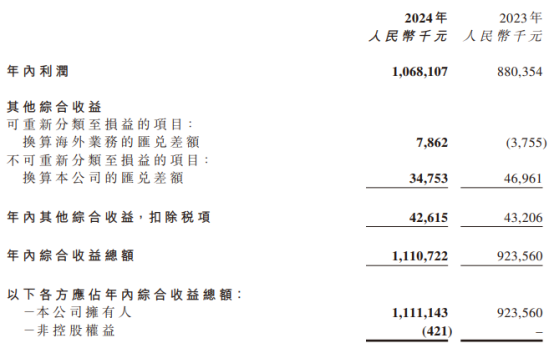
Core Viewpoint - The company, Wei Long Mei Wei, reported a strong financial performance for the fiscal year 2024, with total revenue reaching 6.266 billion RMB, a year-on-year increase of 28.6%, and a net profit of approximately 1.068 billion RMB, up 21.3% from the previous year [1][2][8] Financial Performance Summary - Total revenue for 2024 was 6.266 billion RMB, representing a 28.6% increase year-on-year [2] - Gross profit amounted to 3.016 billion RMB, with a growth of 29.9% [2] - Gross margin improved to 48.1%, an increase of 0.4 percentage points [2] - Net profit for the year was 1.668 billion RMB, up 21.3% [2] - Basic earnings per share were 0.46 RMB, reflecting a 21.1% increase [2] - Proposed final dividends include a regular dividend of 0.11 RMB per share and a special dividend of 0.18 RMB per share [2] Strategic Developments - The company has adopted a "multi-category big single product" strategy since 2023, which has been further enhanced in 2024, leading to a more diversified product structure [2][3] - The revenue from vegetable products, particularly the konjac products, increased significantly, contributing to 53.8% of total revenue, up from 43.5% the previous year [3] - The company continues to innovate and expand its product offerings, launching new items to meet diverse consumer tastes [5] Market Position and Channel Strategy - Wei Long Mei Wei has made significant strides in channel development, enhancing its online and offline marketing strategies [6] - The company reported that offline revenue reached approximately 5.562 billion RMB, a 27.5% increase year-on-year, while online revenue grew to 0.705 billion RMB, up 38.1% [6] - The company has expanded its distribution network, with 1,879 offline distributors and a comprehensive online presence across various platforms [6][7] Brand and Consumer Engagement - The company has successfully engaged younger consumers through innovative marketing strategies, maintaining a strong brand presence [7] - Recent marketing campaigns, such as the "Durian Spicy Strip" and "Magic Konjac" promotions, have generated significant consumer interest and brand visibility [7] - Wei Long Mei Wei's brand evolution from "spicy strips" to a broader identity of "not just spicy" reflects its commitment to innovation and market relevance [8]
“产品力”驱动营收高增28.6%,重新入通的卫龙美味(09985)将打开估值新空间
智通财经网· 2025-03-27 15:41
Core Viewpoint - The food and beverage industry is facing pressure in 2024 due to slowing economic growth and weak consumer demand, yet leading companies like Wei Long are achieving robust growth despite these challenges [1] Financial Performance - Wei Long reported a total revenue of approximately 6.266 billion RMB in 2024, representing a year-on-year increase of 28.6% [1] - The net profit for the year was about 1.068 billion RMB, up 21.3% compared to the previous year [2] - The overall gross profit margin improved by 0.4 percentage points to 48.1% [1] Product Performance - Revenue from Wei Long's spicy strips (flavored noodle products) increased by 4.6% to 2.667 billion RMB, demonstrating the brand's strong market position [2][3] - The vegetable product line, represented by konjac snacks, saw a significant revenue increase of 59.1% to 3.371 billion RMB, accounting for 53.8% of total revenue [3] Market Strategy - Wei Long has successfully created a new category of snack food with its spicy strips, maintaining strong sales for over 20 years and continuously innovating with various flavors [3] - The company has expanded its product offerings beyond spicy strips to include konjac snacks, which have gained popularity due to their health benefits [3][4] Brand and Marketing - Wei Long emphasizes product innovation and has introduced new flavors and products to cater to diverse consumer preferences [6][8] - The company has focused on brand rejuvenation through creative marketing strategies aimed at younger consumers, enhancing brand recognition [9] Channel Development - Wei Long has improved its channel operations, with online revenue increasing by 38.1% to 705 million RMB and offline revenue rising by 27.5% to 5.562 billion RMB [8] - The company has explored new sales channels, including social e-commerce platforms and membership supermarkets, to capture more market opportunities [8] Future Outlook - The company is expected to benefit from a recovery in the food industry due to policy support for consumption and a resurgence in domestic demand [10] - Wei Long's strong growth momentum and comprehensive channel coverage are anticipated to drive long-term development and profitability [10]
年轻、商务两手抓 贵州习酒如何跨过300亿大关
Bei Jing Shang Bao· 2025-03-27 07:52
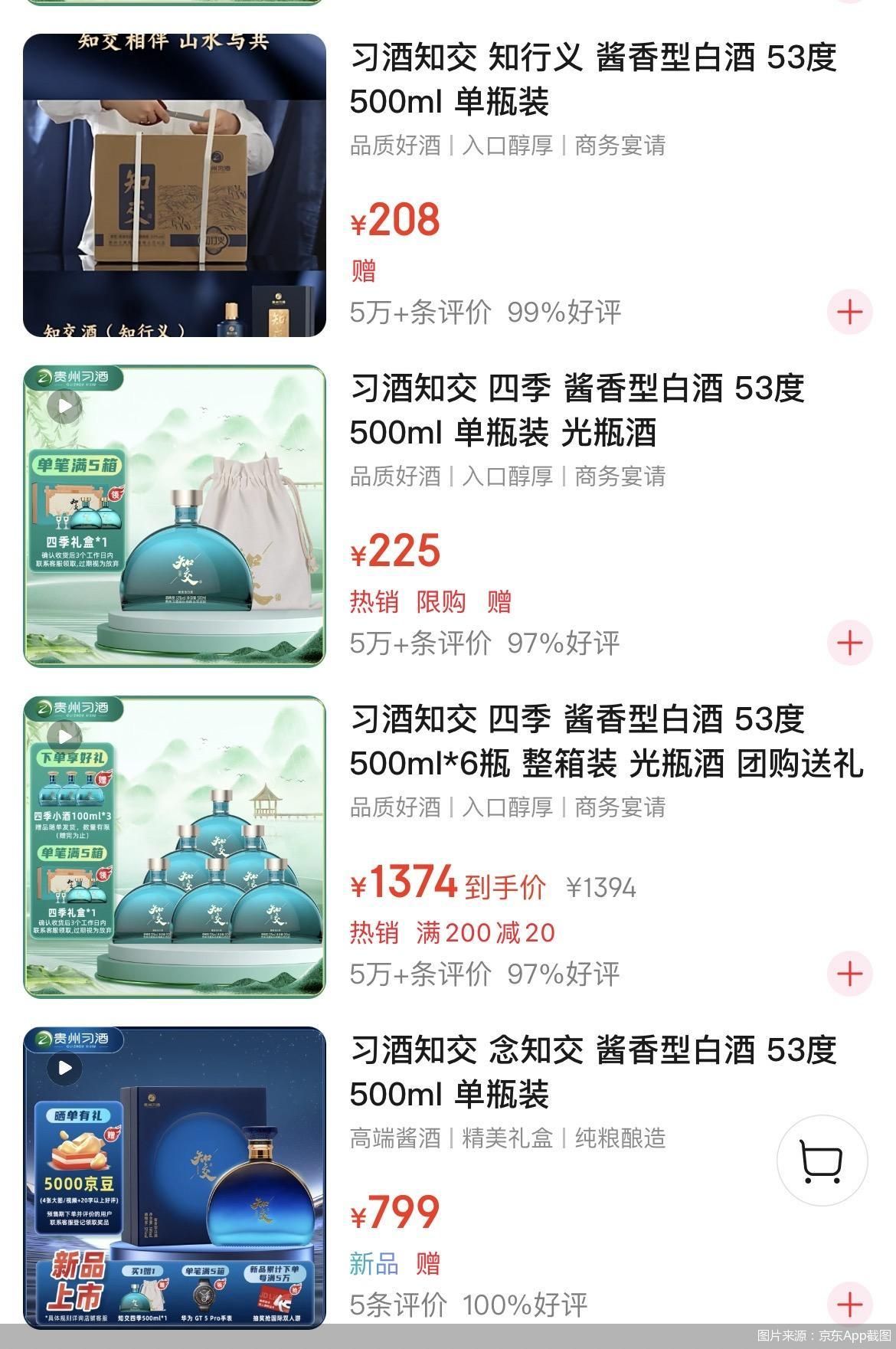
酒类营销专家蔡学飞指出:"随着行业进入存量时代,整体出现增长放缓,企业需要寻找新的增量市场,年轻市场也是企业寻找细分市场的重要突破口,是 企业培育潜在消费者、获得新增量的重要基础性工作。" 近年来,部分酒企针对年轻消费者推出了多款产品,而这些产品大多共性为低度数、高颜值与适当的价位带。北京商报记者登录京东App查询发现,在贵州 习酒京东自营旗舰店内,知交酒(知交四季)、知交酒(遇知交)两款产品成交价分别为225元/瓶、359元/瓶。而与这两款瞄准200—300元价格带集中发力 不同的是,此次推出的新品知交酒(念知交)则目标800元价格带,成交价达799元/瓶。 从"卖产品"到"卖生活方式",这一理念在贵州酒企中已持续了一年时间。而在这样的营销思路转变下,从搭建自有电商平台到布局年轻消费市场,贵州习酒 正走着贵州茅台的"老路"。3月27日,北京商报记者从贵州习酒电子商务信息产业有限公司旗下知交公众号获悉,贵州习酒知交酒家族的第三款产品正式上 市。据悉,该产品虽目标受众定位为年轻消费者,但价格却瞄准近800元价格带。 伴随着此次产品发布,贵州习酒也正式对外发布双品牌战略"习酒+知交酒"。一面是面向商务场景的习酒系 ...
“叔圈”顶流拥抱年轻人,看比音勒芬如何走出中年衣柜
21世纪经济报道· 2025-03-24 08:30
Core Viewpoint - The article discusses the transformation of the brand Biemifen, focusing on its strategy to attract younger consumers while maintaining its core identity as a high-end golf apparel brand [2][22][24]. Group 1: Brand Positioning and Target Audience - Biemifen has traditionally catered to middle-aged men, particularly those aged 40-55, becoming a symbol of success and social status [2][14]. - There is a noticeable shift as younger consumers, including young elites and new affluent individuals, are increasingly favoring Biemifen, indicating a need for the brand to adapt to this demographic change [2][3][22]. Group 2: Brand Transformation Strategy - The brand's transformation is described as a well-prepared campaign, initiated around its 20th anniversary in 2023, focusing on comprehensive upgrades in brand image and store design [4][12]. - Key strategies include a logo redesign to enhance brand recognition and emotional connection with younger consumers [6][7]. Group 3: Channel and Store Upgrades - Biemifen is shifting its store locations from transportation hubs to shopping centers, aiming to create flagship stores that serve as brand experience centers rather than just retail spaces [9][10]. - The new store designs will include interactive areas and cultural displays, moving away from traditional clothing displays to lifestyle-oriented environments [10][11]. Group 4: Product Innovation - The brand is expanding its product lines to include styles that appeal to younger consumers, such as more vibrant colors and modern cuts, while maintaining high-quality materials [16][25]. - Collaborations with popular brands and institutions, such as Harvard University, are part of the strategy to resonate with younger audiences [19][20]. Group 5: Marketing and Communication - Biemifen is enhancing its marketing efforts by engaging popular young celebrities as brand ambassadors to better connect with the younger demographic [28][29]. - The brand is also increasing its presence on social media platforms like Xiaohongshu and Douyin to reach a broader audience and engage with younger consumers [34]. Group 6: International Expansion - The company is pursuing international growth by acquiring luxury brands like CERRUTI 1881 and KENT&CURWEN, aiming to elevate its brand value and expand its market reach [37][39]. - Future plans include establishing a fashion industry headquarters in Guangzhou, which will support its international ambitions and enhance its operational capabilities [40].