
习酒窖藏1988

Search documents
饮酒思源系列(二十九):酱酒调整走到哪一阶段?
Changjiang Securities· 2026-03-10 13:14
Investment Rating - The industry investment rating is "Positive" and maintained [8] Core Insights - The liquor industry has experienced a transition from a bubble-like boom to a deep adjustment phase. Currently, prices have undergone significant adjustments and are expected to gradually bottom out. The production capacity of the liquor industry has been continuously expanding from 2019 to 2023, and it is estimated that the production of sauce-flavored base liquor will remain in a growth phase until around 2028. The quality of sauce liquor products is expected to improve as the aging of inventory liquor increases. The competitive landscape shows significant advantages for leading brands, with production capacity concentrating towards the top players. By the Spring Festival of 2026, leading brands are expected to perform well, while previously popular private-label developed liquors face significant sales pressure [2][15][22]. Summary by Sections Industry Prices - The prices of core products in the sauce liquor sector have experienced substantial adjustments. Feedback from some regional channels during the Spring Festival of 2026 indicates a recovery in market activity, with leading brands showing stable performance. Price adjustments for selected products from 2021 to 2026 show declines of approximately 37%, 38%, 36%, and 32%. The price of the flagship product, Feitian Moutai 53°/500ML, has stabilized, providing support for the bottoming out of the sauce liquor sector [5][16]. Industry Production - From 2019 to 2023, the production capacity of the sauce liquor industry has continuously expanded, with estimates of production capacity reaching approximately 55,000, 60,000, 60,000, 70,000, and 75,000 kiloliters, reflecting a compound annual growth rate of 8.1%. It is projected that the production capacity will begin to decline in 2024, with high-quality Kunsan sauce liquor capacity expected to decrease around 2025. The period until around 2028 is anticipated to be a growth phase for sauce-flavored base liquor, with product quality expected to improve as inventory ages [6][18]. Competitive Landscape - The sauce liquor sector is increasingly concentrated among leading brands. By 2023-2025, the industry's production capacity is expected to decrease from approximately 75,000 kiloliters to about 50,000 kiloliters, with over 90% of small and medium-sized liquor enterprises reducing production and over 70% ceasing operations. Feedback from the market indicates that, apart from Moutai, which is expected to perform well during the Spring Festival of 2026, Langjiu is projected to achieve record high shipments in January 2026, with a single-day maximum shipment of 270 million yuan. The market share continues to concentrate significantly towards leading brands [7][22].

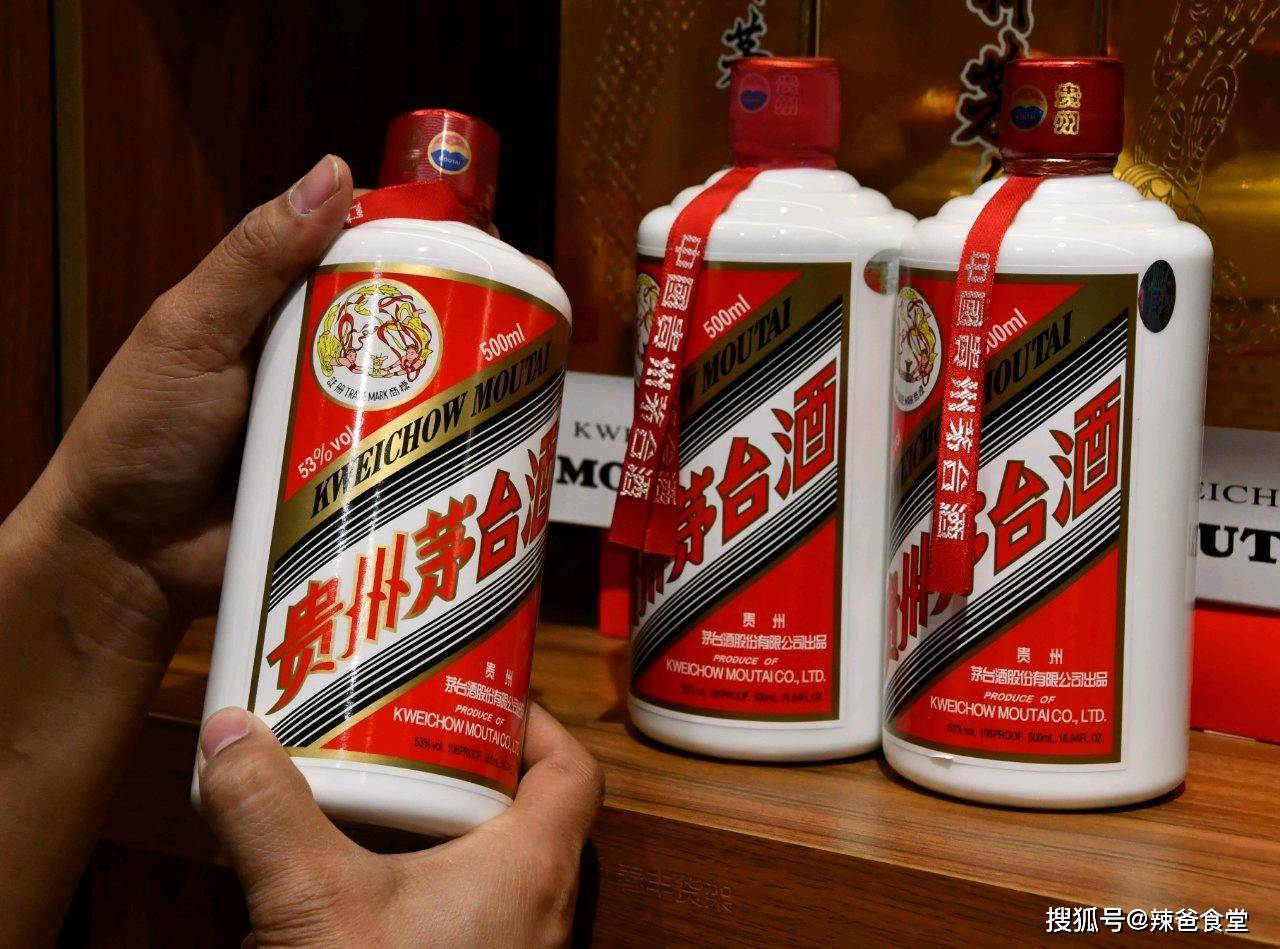
飞天茅台价格腰斩,十大名酒降价,白酒消费真的回归理性了吗?
Sou Hu Cai Jing· 2026-02-07 09:21
Core Viewpoint - The high-end liquor market, particularly the Moutai brand, is undergoing a significant price correction, moving from a speculative bubble to a more rational consumption phase, driven by changing consumer preferences and market dynamics [1][3][18]. Group 1: Market Changes - The price of Moutai has dropped significantly, with current wholesale prices stabilizing around 1700 yuan, down from a peak of 3500 yuan [3][5]. - Other top liquor brands are also experiencing price declines, with Wuliangye's actual transaction price falling to around 800 yuan and Moutai 1935 dropping from 2000 yuan to 700 yuan [5][7]. - The entire high-end liquor market is in a period of price adjustment, reflecting a systemic clearing of the bubble that has built up over the past two decades [7][12]. Group 2: Demand Dynamics - There has been a substantial contraction in business demand for high-end liquor, particularly due to reduced spending in the real estate and infrastructure sectors, leading to a sharp decline in large-scale consumption [7][10]. - The financial speculation surrounding high-end liquor has collapsed, as Moutai's increased supply through its iMoutai platform has diminished its scarcity, resulting in oversupply and falling prices [8][12]. - Younger consumers are shifting away from high-priced liquor, with only 11% expressing a preference for spirits over 30 degrees, favoring lower-alcohol, smaller-packaged, and diverse-flavored beverages instead [10][14]. Group 3: Industry Adjustments - Leading brands are proactively adjusting to market changes, with Moutai using its iMoutai platform to offer products at lower prices, effectively removing financial speculation and focusing on consumer needs [12][16]. - Wuliangye is also lowering its invoice prices for distributors to adapt to the changing market landscape [12]. - The overall production of liquor is expected to decline by 12% in 2025, marking the ninth consecutive year of decrease, indicating a challenging environment for second-tier brands [12][16]. Group 4: Future Outlook - The trend towards rational consumption in the liquor market is expected to continue, with high-end brands focusing on volume and affordability while smaller brands must differentiate themselves through high cost-performance [16][18]. - Consumer preferences are likely to become more diverse, with an increase in demand for low-alcohol and health-oriented products, as well as a shift towards personal consumption settings [16][18]. - The market is moving towards a more reasonable pricing structure as speculation fades, which is beneficial for consumers and essential for the industry's healthy development [18].

搜狐酒馆第50期|肖竹青:酒业转型,未来胜负手是“谁离消费者更近”
Sou Hu Cai Jing· 2026-01-07 08:09
Core Insights - The digital transformation of the liquor industry has evolved from initial channel attempts to a new phase centered on "direct-to-consumer" strategies, requiring unprecedented operational capabilities from companies [2] - The competition in the liquor industry has shifted to a direct contest for consumers, emphasizing the need for companies to establish direct sales models and build proprietary private domain operations [2][3] - The success of platforms like iMoutai, which boasts over 76 million registered users and over 10 million monthly active users, signifies a fundamental shift in marketing strategies from channel-driven to brand-led approaches [3][4] Group 1: Strategic Intent - The core strategic intent of companies is to increase direct sales, enhancing profit margins by moving from distributor sales to direct sales [4] - Companies aim to ensure authenticity in sales and gain precise consumer data, marking a significant advancement in marketing models [4] - The shift from B2B to B2C strategies is being led by top companies, indicating a broader industry trend towards direct consumer engagement [4] Group 2: Market Dynamics - The current market environment necessitates direct sales due to saturated traditional channels and high inventory levels, pushing companies to bypass intermediaries [5] - The price disparity between official and market prices in the high-end liquor market is being addressed through direct sales strategies, expanding the consumer base [6] - Companies are focusing on middle-tier price segments (300-500 yuan) to enhance quality and value, rather than solely targeting high-end markets [7] Group 3: Future Outlook - The ideal future structure of the liquor market includes a diverse product range, increased online-offline channel integration, and a concentration of market share among leading brands [7][8] - Young consumers and international markets present significant opportunities, but require genuine product innovation and cultural adaptation for successful penetration [9] - Recommendations for consumers emphasize choosing well-known brands, particularly state-owned enterprises, for quality assurance and reliability [10]
高端、次高端率先发力 白酒市场复苏显现
Bei Jing Shang Bao· 2026-01-06 15:52
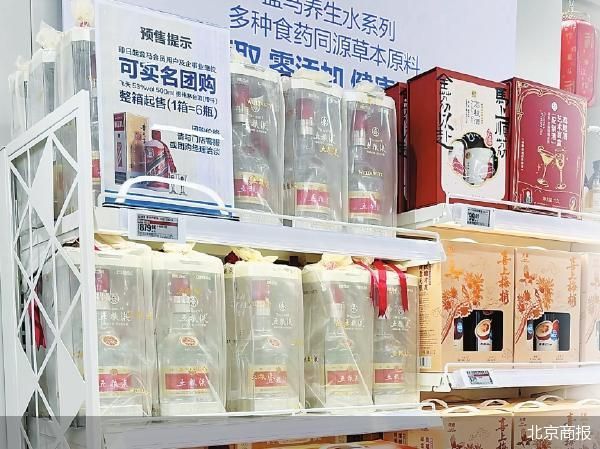
Core Viewpoint - The Chinese liquor market is showing signs of recovery at the beginning of 2026, with high-end and mid-range products driving sales during the New Year holiday, supported by gifting and banquet demands [1][3][6]. Group 1: Market Trends - High-end liquor brands such as Wuliangye and Moutai are prominently featured in supermarkets and liquor stores, indicating a strong consumer preference for premium products [3][4]. - The mid-range price segment (300-500 RMB) is becoming a sales leader during the holiday season, reflecting a shift in consumer behavior towards more affordable yet quality options [1][3][4]. - The banquet market is recovering significantly, with a notable increase in demand for liquor during festive occasions like New Year and Spring Festival [3][6][7]. Group 2: Consumer Behavior - The gifting market is evolving from excessive packaging to more rational consumption, with consumers placing additional criteria on their product choices [6]. - High-end liquor brands are less affected by these changes compared to smaller brands, indicating a strong brand loyalty among consumers for top-tier products [6]. - The dual recovery in the market reflects a maturation of consumer preferences, with a balance between high-end and mid-range products [6][8]. Group 3: Market Opportunities - The banquet market remains crucial for liquor sales, with a capacity of approximately 2500 billion RMB, primarily driven by wedding banquets [7]. - Companies are encouraged to focus on niche markets and enhance their distribution channels to capitalize on the evolving consumer landscape [8][9]. - The rise of instant retail channels presents significant growth opportunities, with projections indicating a market size of 360 billion RMB by 2024 [8][9].

高端、次高端率先发力 元旦酒业市场勾勒2026年“双轨复苏”路线图
Bei Jing Shang Bao· 2026-01-06 12:29
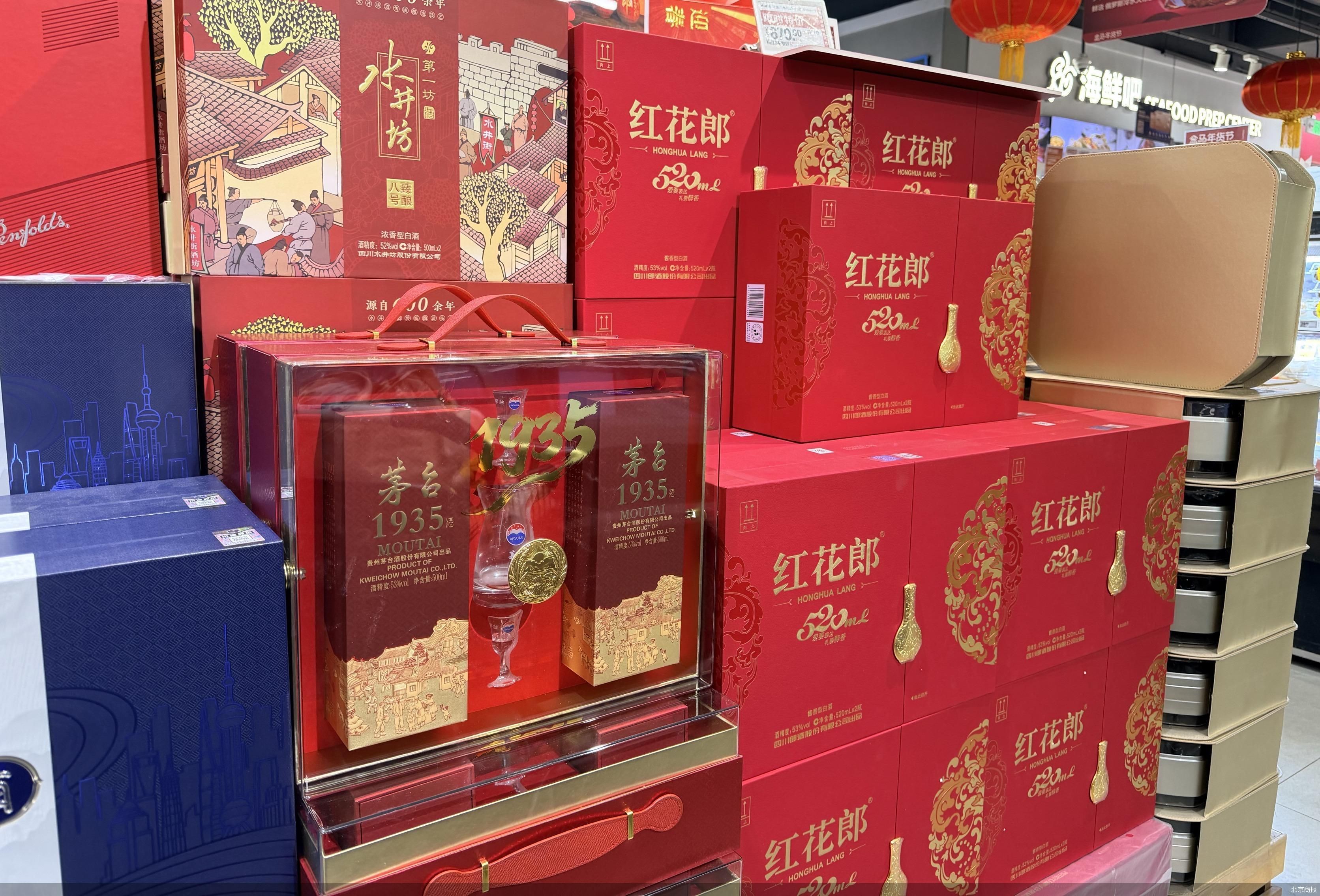
Core Viewpoint - The Chinese liquor market is showing signs of recovery in 2026, particularly in the high-end and mid-range segments, driven by gifting and banquet demands during the New Year holiday season [1][4][8] Group 1: Market Trends - High-end liquor products, such as Wuliangye and Moutai, are prominently featured in supermarkets and liquor stores, indicating a shift in consumer preferences [4][6] - The price range of 300-500 RMB for mid-range products has become a sales powerhouse during the New Year, reflecting a dual demand from gifting and banquet markets [1][6] - Online channels are also witnessing strong sales of high-end liquor, with significant sales figures reported during live-streaming events [7] Group 2: Consumer Behavior - The liquor market is experiencing a transformation in consumer behavior, with a shift from excessive packaging to more rational consumption patterns [8] - The banquet market remains crucial for liquor sales, with a significant portion of consumption still tied to traditional gifting and business events [9] - The dual recovery in the market reflects both consumer rationality and the maturation of the market, with high-end products stabilizing and mid-range products gaining traction [8][10] Group 3: Future Opportunities - The liquor industry is expected to face a new normal characterized by rational consumption, channel flattening, and intensified competition [10] - Companies need to focus on niche markets and immediate retail channels to capture growth opportunities [10] - The instant retail market is projected to grow significantly, with estimates suggesting a market size of 720 billion RMB by 2025, indicating a competitive landscape for liquor companies [11]
酒企排队赞助!刘德华、刀郎……谁是白酒“带货王”?
Nan Fang Du Shi Bao· 2025-12-31 00:19
Core Viewpoint - The white liquor industry is increasingly leveraging concert sponsorships as a marketing strategy to boost sales and brand value amidst high inventory and declining profits, raising questions about the effectiveness of such investments in driving actual sales [2][7]. Group 1: Marketing Strategies - Major liquor companies like Wuliangye and Luzhou Laojiao are sponsoring concerts to enhance brand visibility and engage consumers, with over 20 concerts planned for 2025 [2][3]. - The "buy alcohol, get concert tickets" model is a key tactic, allowing companies to directly link product purchases to concert attendance, thereby driving sales [5][6]. Group 2: Industry Challenges - The white liquor industry faces significant challenges, with inventory levels reaching 168.39 billion yuan, a year-on-year increase of 19.29 billion yuan, indicating ongoing inventory pressure [3]. - A survey revealed that 58.1% of distributors reported increased inventory, and over 40% faced cash flow pressures, highlighting the financial strain on the distribution network [3][4]. Group 3: Effectiveness of Concert Sponsorships - While some companies report increased sales from concert sponsorships, others struggle to see a return on investment, with risks of inventory not being effectively sold but merely transferred [7][8]. - The cost of sponsoring concerts can be substantial, with expenses for a single event easily exceeding 5 million yuan, posing a risk for smaller companies [7]. Group 4: Future Outlook - As the industry shifts from growth to competition for existing market share, companies must focus on long-term brand value rather than short-term sales boosts to achieve sustainable growth [8].

贵州省市场监督管理局公布2025年第四批“守护消费”铁拳行动典型案例
Zhong Guo Zhi Liang Xin Wen Wang· 2025-11-13 05:53
Core Viewpoint - The Guizhou Provincial Market Supervision Administration has launched the fourth batch of "Guarding Consumption" actions in 2025, focusing on optimizing the consumption environment and protecting consumer rights, with significant enforcement results reported in the first three quarters of the year [1] Summary by Cases - **Case 1**: A luxury goods trading company in Tongren was penalized for selling a counterfeit Cartier watch, violating consumer protection regulations [2] - **Case 2**: A fruit vendor in Qianan was found using a tampered electronic scale, which was deemed unqualified, leading to administrative penalties [3] - **Case 3**: A tobacco and liquor store in Pan County was caught selling products that infringed on registered trademarks, resulting in legal action [4] - **Case 4**: A grocery store in Sandu was penalized for selling uncertified electrical cables, violating mandatory product certification regulations [5] - **Case 5**: A construction safety testing company in Shiqian issued a false inspection report without conducting the necessary tests, leading to penalties [6][7] - **Case 6**: A fertilizer store in Leishan sold compound fertilizers that did not meet national standards, resulting in administrative action [8] - **Case 7**: An electric bicycle shop in Qianan was penalized for selling modified bicycles that did not comply with safety standards [9] - **Case 8**: A motorcycle repair center in Wudang was found selling modified electric bicycles without proper certification changes, leading to penalties [10] - **Case 9**: A milk tea shop in Luodian failed to provide food waste prevention reminders to consumers, violating food waste regulations [11] - **Case 10**: A shopping center in Nayong was penalized for selling food products with labels claiming therapeutic effects, violating food safety laws [12]
茅台“高危职位”七年六任 连续三任出事
Sou Hu Cai Jing· 2025-10-27 05:06
Core Viewpoint - The recent leadership change at Kweichow Moutai reflects the company's struggle with performance, marking the first time in decades that it has experienced single-digit growth, leading to the appointment of Chen Hua as the new chairman [2][6]. Group 1: Leadership Changes - Chen Hua is the sixth chairman of Kweichow Moutai in seven years, succeeding Zhang Deqin, who served for just over a year [4][6]. - The frequent turnover in leadership positions, with three out of the last six chairmen imprisoned for corruption, indicates a high-risk environment for the role [4][2]. Group 2: Performance Metrics - Kweichow Moutai reported a revenue growth rate of 9.16% and a net profit growth rate of 8.89% in the first half of the year, marking the first instance of single-digit growth in nearly a decade [6][11]. - The company's stock price and market value have been surpassed by competitors, indicating a decline in its status as the "king of stocks" [6]. Group 3: Strategic Shifts - Zhang Deqin attempted to shift the company's strategy back to focusing on distributors, achieving a 26.5% growth in wholesale channel revenue, but faced challenges in stabilizing product prices [9][11]. - Chen Hua's background in the energy sector may bring new perspectives to managing Moutai, especially in navigating government policies and economic contributions [13][14]. Group 4: Economic Impact - Kweichow Moutai is a significant contributor to the local economy, with tax contributions reaching 817 billion yuan, highlighting its importance to Guizhou's overall financial health [11][13]. - The company is under pressure to balance growth with government expectations, especially in light of the broader challenges facing the liquor industry [13][14].
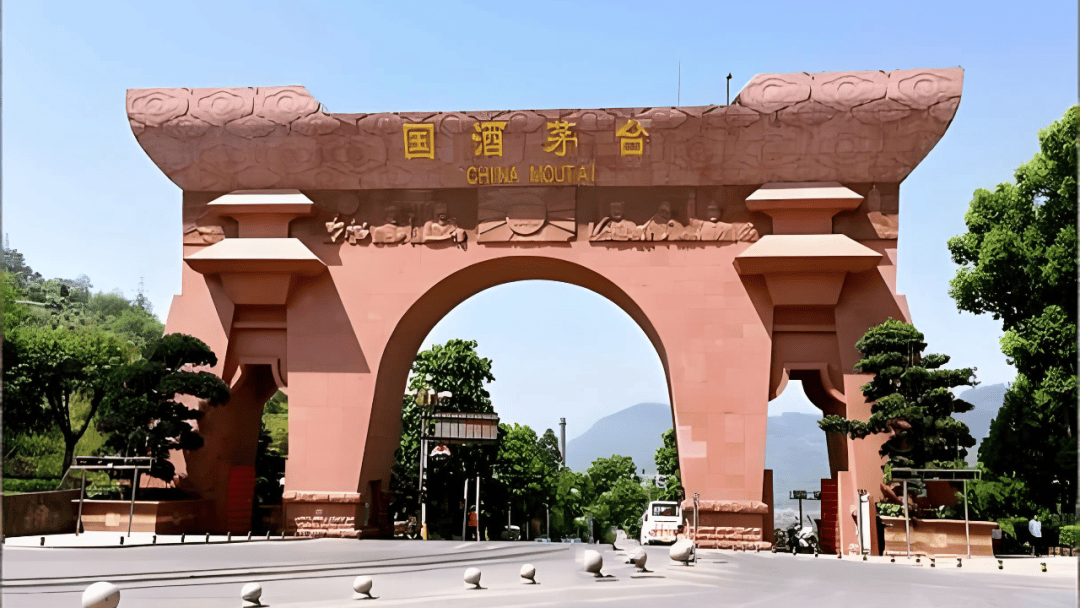
“封杀”线上“李鬼”,五粮液、习酒、小糊涂仙、国台提前引燃“双十一”战火
Sou Hu Cai Jing· 2025-10-23 14:53
Core Viewpoint - The Chinese liquor market is experiencing a significant shift, with online sales surging while traditional sales are declining, leading to a competitive struggle among major liquor brands to protect their pricing and market share [1][2][22]. Group 1: Market Trends - Sales of liquor have decreased by 20-25% year-on-year during the "Double Festival" period, while online platforms like Meituan and Yima have seen white liquor sales increase by approximately 800% [1]. - The rise of unauthorized online sales is threatening traditional distributors and forcing liquor companies to take action against price undercutting [2][16]. Group 2: Company Responses - Xiaohutuxian has proactively engaged in consumer interaction and brand promotion, leading to its rise in the market, surpassing other popular brands [4][6]. - Major brands like Xijiu, Wuliangye, and Guotai are responding to the pricing crisis by launching consumer notices and new products to stabilize their market positions [12][18]. - Wuliangye has publicly named and targeted unauthorized online platforms to protect its brand integrity and consumer interests [18][22]. Group 3: Competitive Dynamics - The competition among Xiaohutuxian, Xijiu, Wuliangye, and Guotai is intensifying as they all seek to combat online price disruptions, indicating a broader industry trend that may involve other leading brands like Moutai [22][23]. - The ongoing price war and brand protection efforts are expected to be a long-term battle, with potential implications for the entire liquor industry [23].

天风证券:双节动销符合预期 白酒板块情绪或有望修复
Zhi Tong Cai Jing· 2025-10-20 08:25
Core Viewpoint - The market atmosphere during the "Double Festival" is relatively flat, with a significant reduction in the traditional "peak season effect" [1][2] Sales and Pricing - Overall sales of liquor are expected to decline by 20%-30% during the Mid-Autumn Festival and National Day, aligning with pre-festival expectations [2] - Terminal sales showed a mild month-on-month recovery in September, but remain under pressure; wholesale prices have decreased year-on-year, leading to a contraction in channel profits [1][2] - High-end liquor prices are stabilizing after a decline, with brands like Moutai and Wuliangye showing signs of recovery in pricing [5][7] Inventory and Channel Dynamics - Distributors are facing increased inventory levels due to sluggish sales in Q2 2025, with pre-festival stocking leading to a temporary rise in inventory [1][2] - Despite a slight reduction in inventory during the festival season, it is expected that real estate liquor distributors will still hold high inventory levels [1][2] Regional Performance - There is a notable regional differentiation in sales performance, with high-end brands and regional leaders showing resilience, while mass-market products face challenges [3][4] - In Jiangsu, urban banquet sales are stable, while rural markets show weakness; in Henan, the mass-market price segment is becoming the main sales driver [3] - In Sichuan, demand for mid-range products is under pressure in urban areas, while county markets show stable performance for products priced between 300-500 yuan [3] Consumer Behavior - The consumption trend is shifting towards rationality, with stable performance in essential consumption scenarios like banquets and family gatherings, while business and government consumption remains weak [4] - The 100-yuan price segment is becoming the main sales driver, with high-cost performance products gaining popularity in regions like Henan and Shandong [6] Investment Recommendations - The company suggests that with the upcoming Q3 earnings disclosures, risks may be fully released, and the sentiment in the liquor sector may see a recovery [7] - Specific stocks to watch include those with strong elasticity in policy expectations and consumer recovery, such as Guizhou Moutai and Shanxi Fenjiu [7]
