
投资于人

Search documents
促进高质量充分就业 健全社会保障体系——访人力资源社会保障部党组书记、部长王晓萍(权威访谈·学习贯彻党的二十届四中全会精神)
Ren Min Ri Bao· 2025-12-19 22:09
Core Viewpoint - The article emphasizes the importance of employment as a fundamental aspect of people's livelihoods and its critical role in economic and social development, highlighting strategic deployments for promoting high-quality and sufficient employment as well as improving the social security system during the 14th Five-Year Plan period [1][2]. Employment Strategy - The employment landscape during the 14th Five-Year Plan period is characterized by both strategic opportunities and challenges, with a complex development environment. The government aims to enhance policy support, service supply, group assistance, and rights protection to effectively improve employment quality and achieve reasonable growth in employment quantity [2][3]. - The government will implement an employment-first strategy, integrating high-quality employment into national economic and social development planning, and promoting new growth drivers in digital, green, and silver economies [3][4]. Structural Employment Issues - There is a need to address structural employment contradictions by establishing a human resource demand forecasting mechanism and aligning training programs with industry needs. The government will focus on skill training in key sectors such as elderly care, advanced manufacturing, and modern services [3][4]. Targeted Employment Policies - The government will implement differentiated policies to promote employment for key groups, including youth, migrant workers, and those facing employment difficulties, ensuring dynamic support for zero-employment families [3][4]. Fair Employment Environment - A unified and standardized human resources market system will be established to eliminate barriers affecting labor mobility and ensure equal employment rights for workers [4]. Social Security System Optimization - The goal of optimizing and making the social security system more sustainable is to enhance public confidence in social welfare. This involves addressing shortcomings in various areas and ensuring the long-term stability of the social security system [5][6]. - The government will accelerate the development of a multi-tiered pension insurance system and improve the mechanisms for determining and adjusting benefits, with a focus on low-income groups [6][7]. Investment in Human Resources - The government will prioritize investment in human resources by enhancing talent development and training mechanisms, particularly for young scientific and technological talents, and implementing large-scale vocational skills training initiatives [8][9]. - Efforts will be made to improve the matching efficiency of human resources supply and demand, with a focus on creating a national employment information resource database and public service platform [10].
大摩邢自强:提消费、稳楼市、强社保……2026中国经济要走得远,关键还在“投资于人” | Alpha峰会
Hua Er Jie Jian Wen· 2025-12-19 12:39
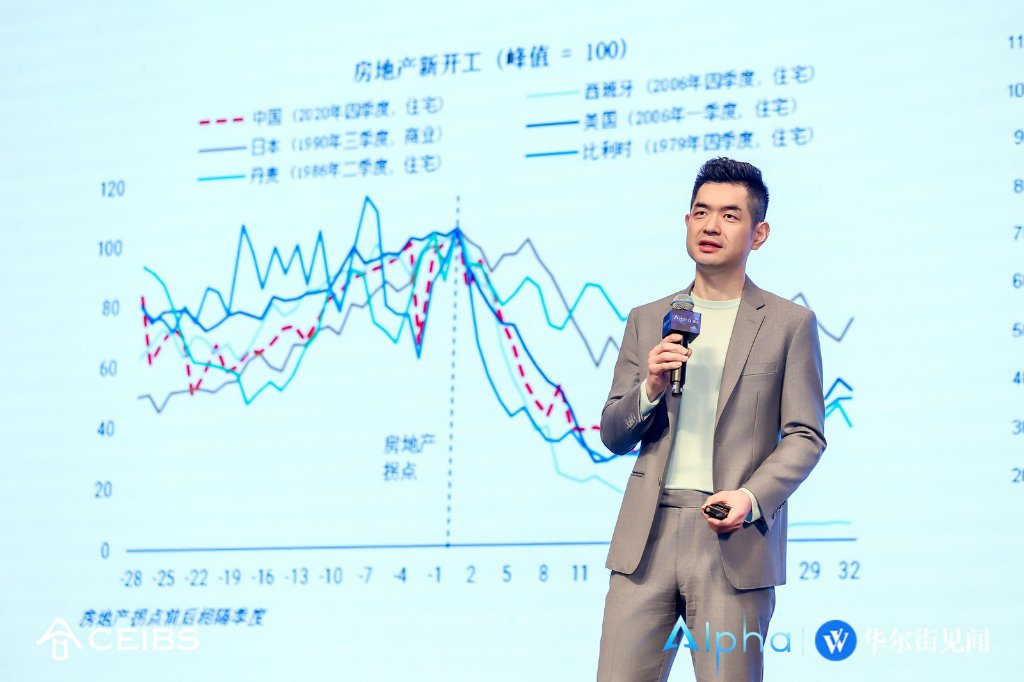
12月19日,在华尔街见闻和中欧国际工商学院联合主办的「Alpha峰会」上,摩根士丹利中国首席经济学家邢自强发表了题为《中国新篇章: 科技 与再平衡》的演讲。 他表示,2024年9月以来的政策转向是扭转中国经济局势的关键,中国企业在复杂的地缘政治与监管环境"严寒大考"后展现出强大韧性和创新能 力,在多项前沿科技领域已取得领先优势。 邢自强同时表示,单靠"星辰大海"的新质生产力和企业出海,难以弥补内需不足这一"柴米油盐"的现实挑战,中国经济破局之道在于通过房地产 企稳、财政从"投资于物"转向"投资于人"、夯实社保与刺激消费,重塑增长动能与市场信心。 以下为演讲精彩观点: 以下为演讲实录: 大家好,我是邢自强。很荣幸来到华尔街见闻Alpha峰会。 关于国际资产配置、地缘政治的种种消息,我相信不管是对于在座的企业家还是中欧的学员都有相当强的帮助。今天我作为第一个开场的嘉宾, 更多起的是抛砖引玉的作用。因为我的本行是进行宏观经济政策研判,以及关于地缘政治、国际资本市场配置的大类方向研究。我相信接下来还 有很多不管是科学家、企业家还是教授,会更多从具体的行业落地,给大家带来一些值得投资、值得进行明年布局的赛道启发。 2 ...

消费券后,下轮“补贴”该补哪?专家建议:转向“投资于人”
Sou Hu Cai Jing· 2025-12-19 09:15
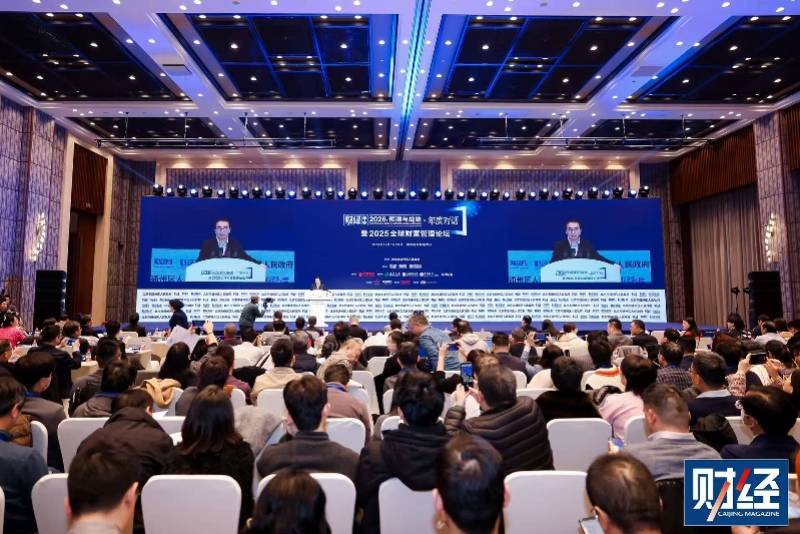
Core Viewpoint - Improving income distribution is crucial for breaking the current constraints on consumer demand and driving economic growth, as highlighted by experts at the "2026: Forecast and Strategy" conference [1]. Group 1: Economic Context - China's economy is currently characterized by a "strong supply and weak demand" dynamic, with insufficient domestic demand being a significant barrier to high-quality development [4]. - The Consumer Price Index (CPI) is hovering around zero, and the Producer Price Index (PPI) has experienced 27 consecutive quarters of negative growth, leading to structural deflationary pressures that weaken investment and job creation [4]. - The gap between actual economic growth (approximately 5%) and nominal growth indicates a persistent issue where statistical data does not align with public sentiment [4]. Group 2: Consumer Dynamics - Consumption, accounting for about 60% of GDP, is critical for economic stability, yet its growth has slowed from previous double-digit rates, indicating an urgent need for intervention [5]. - Experts attribute the core issue of weak domestic demand to the slowdown in income growth and the need for optimization in income distribution [8]. Group 3: Income Distribution Analysis - The Gini coefficient, a measure of income distribution fairness, is approximately 0.465, with a target of reducing it to below 0.4 by 2030 being proposed [8]. - The urban-rural income ratio stands between 2.3 and 2.4, which is still considered high compared to international standards, with a goal to reduce it below 2 during the 14th Five-Year Plan [8]. - The share of labor income in primary distribution and the share of residents' income in national income have shown potential for significant improvement [8]. Group 4: Recommendations for Income Growth - Experts suggest implementing proactive employment policies and investing in human capital to address structural employment issues exacerbated by technological changes [11]. - Recommendations include enhancing social security systems and fiscal policies to improve income redistribution, particularly for low- and middle-income groups [12]. Group 5: Consumer Confidence and Spending - The decline in various income types, including operational, wage, property, and transfer incomes, has directly suppressed consumer confidence and spending ability [9]. - To stimulate consumption, experts propose moving beyond traditional short-term stimulus measures to focus on long-term investments in human development and service consumption [13]. Group 6: Investment and Structural Reforms - Expanding domestic demand requires effective investment coordination and deep systemic reforms, with a focus on stabilizing real estate and capital markets [15]. - Long-term economic growth is tied to technological innovation and industrial upgrades, which are essential for increasing income and creating high-quality jobs [15].
政策密集加码 2025年“投资于人”进入全方位推进期
Zhong Guo Jing Ji Wang· 2025-12-19 02:40
Group 1 - The core focus of the 2025 Central Economic Work Conference emphasizes the integration of investment in physical assets and human capital, marking a shift towards enhancing population quality and human potential as a sustainable driver for high-quality economic development [1] - In 2025, the government work report includes "investment in people" for the first time, highlighting the establishment of a comprehensive population service system covering all demographics and life cycles [1] - The Central Economic Work Conference stresses the importance of optimizing expenditure structure and ensuring financial support for major national strategies, directing more resources towards human capital investment [1] Group 2 - Local governments are accelerating the construction of housing supply systems tailored to the needs of young people, utilizing innovative models to alleviate housing burdens and stabilize development intentions [2] - The education sector is focusing on aligning higher education talent cultivation with market demands, implementing a "Double Thousand" plan to enhance employment capabilities through the introduction of 1,000 "micro-majors" and 1,000 vocational training courses [2] - Policies are evolving to support key demographics, particularly in the silver economy, promoting community elderly care and age-friendly renovations, while also developing human resources for the elderly [2] Group 3 - Digital transformation is creating new directions for talent investment, with multiple ministries advocating for the development of data-related disciplines and vocational education to support the data industry [3] - There is a notable shift from focusing on physical investments to emphasizing investments in human capital, including intellectual property and research, which are essential for building a robust domestic market [3] - The comprehensive approach to "investment in people" spans various sectors, from childcare to vocational training, indicating a collaborative effort between policies and industries to accelerate human capital accumulation [3]
国家卫健委明确:卫生财政向医保和生育支持等倾斜
Xin Lang Cai Jing· 2025-12-19 00:20
Core Viewpoint - The government is expected to increase investment in the healthcare sector over the next five years, focusing on both supply-side and demand-side subsidies to enhance public health services and support for childbirth [1] Group 1: Government Investment in Healthcare - The government will prioritize funding for public hospitals to maintain their public welfare operations [1] - There will be a focus on improving medical insurance benefits and increasing support for childbirth in response to the aging population and declining birth rates [1] Group 2: Economic Development and Public Welfare - "Investing in people" is identified as a key strategy during the 14th Five-Year Plan to stimulate economic growth and improve living standards [1] - The approach aims to alleviate the financial burden on citizens regarding medical expenses through enhanced healthcare policies [1]
八大首席经济学家看2026年中国经济 强化“投资于人”、坚持内需主导、经济转型持续推进
Zheng Quan Ri Bao· 2025-12-18 15:44
2025年,我国经济顶压前行、向新向优发展。党的二十届四中全会和中央经济工作会议召开,为推动高 质量发展注入强大动力。在此背景下,如何看待当前中国经济形势,2026年我国经济又将有哪些核心增 长点?《证券日报》采访了八大首席经济学家进行深入解读。 2025年经济韧性凸显 中信建投首席经济学家黄文涛表示,2026年赤字率保持不低于4%,广义口径或抬升至8.8%左右,支出 端进一步强化"投资于人"的领域。 分析原因,温彬表示,考虑到2026年是"十五五"规划开局之年,对于稳定预期和提振信心至关重要,而 在复杂的内外部形势之下,我国发展面临的不确定因素增多,有必要发挥积极财政政策作用,加大逆周 期和跨周期调节力度,并注重提升政策效能,推动经济实现质的有效提升和量的合理增长。 12月份以来,多家国际机构上调中国经济增速预期,如IMF(国际货币基金组织)预计2025年中国经济 增速为5%,较10月份预测上调0.2个百分点。世界银行预测为4.9%,较6月份预测上调0.4个百分点。 民生银行首席经济学家温彬告诉《证券日报》记者,今年以来,尽管面临多重冲击,中国经济仍展现出 充足韧性。更加积极的财政政策和适度宽松的货币政策支 ...
高培勇:中国经济升级须从“投资于物”转向“投资于人”
Zhong Guo Jing Ying Bao· 2025-12-18 15:38
Core Viewpoint - The core argument presented by Gao Peiyong emphasizes the necessity of integrating "investment in people" with "investment in material" to address current economic challenges and support the goal of achieving basic socialist modernization by 2035 [1] Group 1: Economic Context and Goals - The 20th Central Committee's Fourth Plenary Session highlights the need for decisive progress in achieving socialist modernization during the 14th Five-Year Plan, with specific quantitative indicators linked to per capita GDP reaching the level of moderately developed countries [1] - Current per capita GDP in China is approximately $13,500, while the target for moderately developed countries is between $25,000 and $26,000, indicating a need to double per capita GDP within the next decade [1] Group 2: Investment Strategy - Gao stresses that relying solely on traditional material capital investment is insufficient for sustained growth, advocating for a shift towards investing in human development to stimulate domestic demand and drive economic structural upgrades [1] - The current economic challenge of weak domestic demand and pessimistic expectations is identified, with weak expectations being the root cause of the observed decline in consumption growth [2] Group 3: Government Spending and Structural Adjustment - A systematic adjustment in government spending is necessary, which involves reducing expenditures on material investments while increasing those on human investments, thereby enhancing public service spending and optimizing the overall consumption investment structure [2] - The transition from a material-focused fiscal system to a public finance model is highlighted as a critical phase, necessitating proactive measures to drive this profound change in resource allocation [2] Group 4: Social Security and Transfer Payment System - The urgency of modernizing the social security and transfer payment system is emphasized, with current shortcomings including selective coverage, varying benefits, insufficient public service funding, and a lack of significant redistributive function [3] - The establishment of a modern social security system aims to eliminate urban-rural disparities and identity differences, ensuring universal applicability of the protection system to all citizens [3] Group 5: Proposed Reforms - Three specific reform measures are proposed: 1. Accelerate the adjustment of fiscal expenditure structure by significantly increasing the proportion of social welfare spending while reducing economic construction spending [4] 2. Improve the social security system by promoting nationwide coordination of basic pension insurance to achieve full coverage of the legally defined population [4] 3. Enhance the transfer payment system by establishing a demand-oriented precise transfer payment system to equalize social assistance within provincial administrative regions [4] - The establishment of a modern social security and transfer payment system, along with enhancing the equity and accessibility of basic public services, is deemed essential for the effective functioning of a proactive government [4]
国家卫健委明确:卫生财政向医保、生育支持等倾斜
第一财经· 2025-12-18 15:35
2025.12. 18 本文字数:2178,阅读时长大约4分钟 作者 | 第一财经 吴斯旻 "投资于人"是"十五五"期间激活经济发展内生动能和改善民生的一条逻辑主线。 在此背景下,未来五年,政府对医疗健康领域的投入有望持续加大,其中,针对供方补助,将回应公 立医院维持公益性运营的关切;针对需方补助,将回应老龄少子化、医疗科技发展下减轻群众看病就 医自费负担的期待,重点投向提升医保待遇、增加生育支持等方面。 18日,国家卫健委主任雷海潮在《人民日报》上发表"加快建设健康中国(学习贯彻党的二十届四中 全会精神)"的署名文章。为准确把握"十五五"规划建议中加快建设健康中国的总体要求,雷海潮在 前述文章中提出,需要牢牢把握投资于物和投资于人紧密结合的工作思路。 《中共中央关于制定国民经济和社会发展第十五个五年规划的建议》(下称"'十五五'规划建议")提 出"合理提高公共服务支出占财政支出比重""加强人力资源开发和人的全面发展投资",同时,加快 建设健康中国,以公益性为导向深化公立医院改革,健全覆盖全人群、全生命周期的人口服务体系。 "从现在到2035年建成健康中国还有10年时间。要抓住卫生健康服务发展不平衡不充分的主 ...

国家卫健委明确:卫生财政向医保、生育支持等倾斜
Di Yi Cai Jing· 2025-12-18 12:38
"从现在到2035年建成健康中国还有10年时间。要抓住卫生健康服务发展不平衡不充分的主要矛盾,坚 持有效市场和有为政府相结合,坚持尽力而为、量力而行,坚持先立后破、不立不破,不断夯实中国特 色基本医疗卫生制度基础,在缩小城乡间、区域间、人群间服务差距上全面发力,在健全维护公益性的 医疗卫生服务体系及其运行保障、监督管理机制上下功夫,筑牢全方位全周期保障人民生命健康防 线。"雷海潮表示。 2018年至2025年中央财政累计为医疗保障投入超3万亿元。 "投资于人"是"十五五"期间激活经济发展内生动能和改善民生的一条逻辑主线。 在此背景下,未来五年,政府对医疗健康领域的投入有望持续加大,其中,针对供方补助,将回应公立 医院维持公益性运营的关切;针对需方补助,将回应老龄少子化、医疗科技发展下减轻群众看病就医自 费负担的期待,重点投向提升医保待遇、增加生育支持等方面。 18日,国家卫健委主任雷海潮在《人民日报》上发表"加快建设健康中国(学习贯彻党的二十届四中全 会精神)"的署名文章。为准确把握"十五五"规划建议中加快建设健康中国的总体要求,雷海潮在前述 文章中提出,需要牢牢把握投资于物和投资于人紧密结合的工作思路。 《 ...
一财社论:以更强合力让“投资于人”落到实处
Di Yi Cai Jing· 2025-12-18 09:44
Core Viewpoint - The emphasis on combining investment in physical assets and human capital is crucial for promoting overall investment and addressing external challenges [1] Group 1: Investment Focus - Investment in physical assets includes infrastructure, housing, and machinery, which solidify the material and technical foundation for economic development [1] - Investment in human capital encompasses enhancing capabilities and potential across the entire population, focusing on areas like childcare, elderly care, health, education, and skills training [1] - Current slowdown in investment growth indicates saturation in infrastructure, while investment in human capital presents significant opportunities [1] Group 2: Investment Strategy - The "14th Five-Year Plan" suggests strengthening human resource development and increasing investment in social welfare sectors like elderly care and education to build a people-centered social security system [3] - A combination of "hard investment" (infrastructure) and "soft construction" (knowledge and skills enhancement) is essential for sustainable development [3][4] Group 3: Funding Sources - Fiscal investment is a key financial source, with the government allocating significant funds for healthcare, totaling over 3 trillion yuan from 2018 to 2025 [5] - Encouraging social capital investment in human capital is vital, requiring policy adjustments and a conducive environment for private sector involvement [5] - Legal frameworks like the Private Economy Promotion Law aim to eliminate barriers for social capital investment in human development [5] Group 4: Policy Implementation - Ensuring the effective implementation of human capital investment policies requires robust assessment mechanisms for local governments [6] - Establishing statistical systems to include human investment in national accounts is necessary for tracking progress [6] - A shift in focus from immediate returns on physical investment to long-term benefits of human capital investment is essential for sustainable development [6]