产业转型

Search documents
从“一黑一白”到“步步皆景”,华蓥采煤沉陷区实现破茧重生 “煤城”变“绿城” 激活新动能
Si Chuan Ri Bao· 2025-11-04 03:22
Core Viewpoint - The transformation of Huaying City from an industrial base reliant on coal and cement to a modern ecological and tourism-oriented economy showcases successful ecological restoration and industrial diversification efforts since 2018 [5][6]. Ecological Restoration and Tourism Development - Huaying City has implemented comprehensive ecological projects, including the restoration of mining scars and integrated management of natural resources, resulting in the addition of 100,000 acres of forest land and a forest coverage rate of 53.18% [4][6]. - The city has developed a 71,000-acre oil camellia base, generating an annual output value of 1,300 yuan per acre, and has established a provincial-level modern forestry park [4][5]. - The transformation of former coal mine sites into tourism landmarks, such as the "Hey Mine Panda" guesthouse, illustrates the integration of industrial heritage with tourism [5][6]. Industrial Transformation and Economic Growth - Huaying City has shifted its industrial focus by closing 63 outdated coal mines and small steel plants, promoting green and circular economy practices [8][9]. - The city has identified electronic information and basalt fiber as its two main industries, implementing supportive policies to foster high-quality industrial development [8][9]. - In 2024, 26 electronic information enterprises in Huaying are projected to achieve an output value of 2.205 billion yuan, accounting for 18.3% of the city's total industrial output [8][9].


东营“制造”远销80余个产油国
Da Zhong Ri Bao· 2025-11-04 02:49
Core Insights - Dongying City is emerging as a significant hub for high-end oil equipment, with over 500 related enterprises and an annual output value exceeding 35 billion yuan [1] - The local oil equipment industry has transitioned from "manufacturing" to "intelligent manufacturing" and "services," showcasing confidence in its capabilities at international exhibitions [2] - The region's oil equipment products cover eight categories, 37 series, and over 1,500 varieties, with a focus on innovation and collaboration among enterprises [1][2] Industry Development - Dongying's oil equipment industry has established four major industrial chains: drilling, oil extraction, oil and gas enhancement, and marine equipment [1] - The industry has seen a significant increase in exports, with an export value of 2.25 billion yuan in the first half of the year, representing a 124% year-on-year growth [3] - The number of specialized small and medium-sized enterprises in the oil equipment sector has increased from 3 in 2019 to 158 [3] Technological Advancements - Companies like Weifang Marine Equipment Manufacturing Co. are leading in underwater oil tree development, holding over 100 core intellectual property rights and covering 30 countries [2] - The K344 fracturing packer developed by Zhaoxin Industrial Co. is noted for its unique design and ability to withstand high pressure, contributing to breaking foreign monopolies [3] Strategic Initiatives - The local government is focused on optimizing and enhancing the traditional oil equipment industry, aiming to establish an industry association to integrate resources and strengthen the supply chain [4] - The implementation of 51 key industrial projects with a total investment of 8.4 billion yuan aims to promote the growth of high-tech enterprises in the region [3]
孙志洋会见通力集团客人
Guang Zhou Ri Bao· 2025-11-04 01:41
Core Viewpoint - The meeting between Guangzhou's mayor and KONE Group's executives emphasizes the importance of collaboration in urban renewal and technological innovation to enhance the quality of life in Guangzhou [2] Group 1: Investment Cooperation - Guangzhou is actively seeking to transform its development model and leverage digital technologies for high-quality urban development [2] - KONE Group is encouraged to seize opportunities in urban renewal and industrial transformation in Guangzhou, focusing on areas such as urban renovation and quality housing construction [2] - The city government is committed to providing support and services to ensure that companies can develop and grow in Guangzhou [2] Group 2: Business Development - KONE Group's executives expressed confidence in Guangzhou's favorable business environment and vast market potential [2] - The company aims to deepen practical cooperation and explore innovative models in response to opportunities in urban renewal, digital transformation, and green low-carbon development [2] - KONE Group is dedicated to contributing to Guangzhou's high-quality development through its expertise and innovative solutions [2]
城市24小时 | 中部非省会第一城之争,洛阳“扳回一城”
Mei Ri Jing Ji Xin Wen· 2025-11-03 15:55
Economic Performance - Xiangyang's GDP for the first three quarters reached 435.546 billion yuan, with a year-on-year growth of 4.0%, which is 1.2 percentage points lower than the national average [1][2] - In comparison, Luoyang's GDP was 445.49 billion yuan, growing by 5.8%, and Yichang's GDP was 455.328 billion yuan, with a growth rate of 7.0%, both surpassing Xiangyang [1][2] Industry Structure - The industrial structure of Xiangyang is divided into three sectors: 9.2% primary, 41.4% secondary, and 49.4% tertiary [1] - Luoyang's industrial growth is driven by high-tech manufacturing, which saw an increase of 75.7%, contributing significantly to the overall industrial growth [3] Competitive Landscape - The competition for the title of "first non-provincial city" in Central China has intensified, with Yichang and Xiangyang vying for the top position after surpassing Luoyang [1] - By 2024, both Yichang and Xiangyang are projected to exceed 600 billion yuan in GDP, with Yichang expected to lead with 619.112 billion yuan [1] Industry Challenges - Xiangyang's economic growth has been hindered by its reliance on the automotive industry, which has not been able to compensate for declines in other emerging sectors [2] - Luoyang faces similar challenges, as it continues to focus on traditional industries while other cities are advancing in high-value sectors like semiconductors and new energy vehicles [2] Future Prospects - The establishment of a new battery manufacturing facility by CATL in Luoyang is expected to significantly boost the local economy, with an anticipated annual output value exceeding 200 billion yuan [5] - Both cities are under pressure to reshape their industrial structures to avoid being left behind in the ongoing industrial transformation [2]
东北首座万亿城市之争,尘埃落定?
创业邦· 2025-11-02 03:19
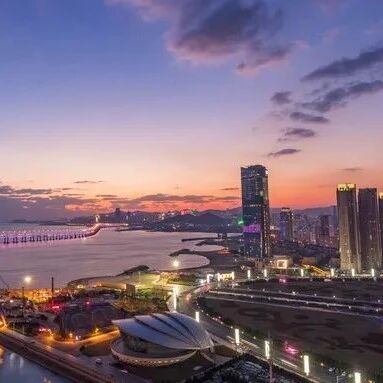
Core Viewpoint - The article discusses the contrasting economic performances of Dalian and Shenyang, two cities in Northeast China, as they approach the milestone of becoming trillion-yuan GDP cities, highlighting the potential emergence of the first trillion-yuan city in the Northeast region [6][22]. Economic Performance Comparison - Dalian's GDP reached 724.8 billion yuan with a growth rate of 6.0%, surpassing the annual target of 5.5% and showing resilience compared to other trillion-yuan cities [6][8]. - In contrast, Shenyang's GDP was 661.4 billion yuan with a growth rate of only 2.3%, facing declines in industrial output (-4.7%) and foreign trade (-9.8%) [6][11]. Industrial Structure and Challenges - Shenyang's economy is heavily reliant on the automotive industry, which accounts for 49.5% of its manufacturing revenue, leading to vulnerabilities when facing challenges from foreign brands like BMW [12][14]. - The automotive sector in Shenyang has seen significant declines, with production dropping by 45.2% and revenue by 42.1% in the first three quarters of the year [14][15]. - Dalian, on the other hand, has a more diversified industrial base, with the petrochemical industry driving growth, achieving an industrial output growth of 12.8% [17][18]. Strategic Initiatives and Future Outlook - Dalian is focusing on transforming its petrochemical industry through new projects and a three-year action plan aimed at enhancing its green petrochemical cluster [21][22]. - Shenyang is attempting to pivot towards new energy vehicles and has established an investment fund to support the automotive industry's transition, although progress has been slow [15][16]. - The contrasting paths of Dalian and Shenyang may provide insights into the broader industrial transformation efforts in Liaoning province, which is currently lagging behind other northeastern provinces in GDP growth [23][26].
【广发宏观贺骁束】高频数据下的10月经济:价格篇
郭磊宏观茶座· 2025-11-01 00:25
Core Viewpoint - The article discusses the mixed performance of various commodity prices in October, highlighting the resilience of the non-ferrous metals sector amid macroeconomic factors such as the Federal Reserve's interest rate cuts and supply disruptions from Indonesia [1][4]. Group 1: Commodity Price Trends - The BPI index recorded 870 points as of October 30, reflecting a 0.6% increase from the end of September, with energy prices down 0.6% and non-ferrous metal prices up 2.2% month-on-month [1][4]. - In the domestic market, prices of thermal coal and coking coal futures saw significant increases of 9.2% and 19.1% respectively, while chemical products, cement, and glass prices showed notable declines of -1.9%, -3.1%, and -10.6% respectively [8][10]. - The South China comprehensive index remained flat month-on-month, with a year-on-year average decrease of 0.3% compared to a previous increase of 6.0% [8]. Group 2: Real Estate Market - The second-hand housing price index in major cities continued to adjust, with declines of -1.2%, -0.7%, -1.7%, and -0.9% in Beijing, Shanghai, Guangzhou, and Shenzhen respectively as of October 20 [10]. Group 3: Emerging Industries - Prices in emerging sectors such as storage chips and lithium carbonate remained strong, while the photovoltaic industry saw a price decline, with the photovoltaic industry composite index (SPI) down 0.5% month-on-month [2][11]. - The DXI index, representing the semiconductor (DRAM) industry, surged by 93.5% month-on-month, indicating a robust outlook for the memory sector [2][11]. Group 4: Shipping and Logistics - In the export shipping sector, the China Container Freight Index (CCFI) fell by 6.1% month-on-month, while the WCID container freight indices for routes to Los Angeles and New York increased by 5.5% and 8.9% respectively [13]. - The average value of the road logistics price index showed a year-on-year decrease of 0.1%, indicating a gradual decline from the peak observed in June [15]. Group 5: Food Prices - Food prices exhibited mixed trends, with the average wholesale price of pork declining by 7.8% and key vegetable prices rising by 13.6% month-on-month [3][15].

福星股份(000926) - 000926福星股份投资者关系管理信息20251031
2025-10-31 10:14
Group 1: Company Overview - Fuxing Co., Ltd. was successfully listed on the Shenzhen Stock Exchange in June 1999 and has since implemented significant decisions for product innovation and industrial transformation [2] - The company has upgraded its metal products from traditional wire products to advanced steel cord products, becoming a key manufacturing base for metal wire products in China [2] - Fuxing has established a real estate development subsidiary, Fuxing Huiyu, and has actively participated in urban renewal projects in Wuhan since 2004 [2][3] Group 2: Financial Performance - In the first three quarters of 2025, the company achieved an operating income of 10.16 billion yuan, with real estate revenue impacted by a decrease in delivery scale [3] - Real estate revenue was approximately 3.80 billion yuan, with a signed sales area of about 26,000 square meters and a signed sales amount of approximately 1.357 billion yuan [3] - Cash received from sales and services increased by 24.29% year-on-year, indicating stable operational metrics and a continued decrease in interest-bearing liabilities [3] Group 3: Future Development Plans - In April 2025, the company launched a "Valuation Enhancement Plan" to optimize asset structure and business layout while solidifying its core operations [3] - The company is actively seeking capital operation opportunities and focusing on sectors such as semiconductor equipment, chip manufacturing, high-end manufacturing, and new energy materials [3] - Upcoming projects include the launch of the "Fuxing Huiyu·Boya Mansion" and plans for the adjacent Hongqiao Village K12 site to commence construction next year [3]

95项新职业标准公示 养老托育+数字经济全覆盖
Sou Hu Cai Jing· 2025-10-31 09:40
Core Points - The new organization has developed 95 national occupational standards, which are now open for public consultation [1] - National occupational standards are regulations based on occupational classification, outlining the knowledge and skills required for specific professions [1] Group 1: Occupational Standards Overview - Out of the 95 national occupational standards, 51 are in the life service category, accounting for 53.7%, primarily aimed at addressing the talent shortage in essential areas such as elderly care and infant care [1] - The remaining 37 standards focus on key sectors such as advanced manufacturing and the digital economy, including 19 in advanced manufacturing, 6 in the digital economy, 3 in the green economy, and 9 in transportation and low-altitude economy [1] Group 2: Emerging Professions - The new occupational standards also include recently established professions and job types, such as drone swarm flight planners and intelligent manufacturing system operators, reflecting the evolving job market [1]
深圳三季报:工业增速加快,投资还在降|湾区观察
Di Yi Cai Jing· 2025-10-30 12:49
Core Insights - Shenzhen's GDP for the first three quarters reached 27,896.44 billion yuan, showing a year-on-year growth of 5.5%, indicating resilience in a complex environment [1] - The service sector is increasingly contributing to economic growth, aligning with trends observed in developed economies [5] - Fixed asset investment is under pressure but shows quality improvement, particularly in industrial technology transformation investments [6] - There is an accelerating trend in consumption upgrades, enhancing consumption's role in driving economic growth [7] Economic Performance - The first industry recorded a value-added of 17.45 billion yuan, achieving zero growth, an improvement from a 2.1% decline last year [1] - The second industry had a value-added of 9,946.06 billion yuan, growing by 3.5%, a significant slowdown from last year's 8.7% [1][2] - The third industry saw a value-added of 17,932.93 billion yuan, with a growth rate of 6.6%, up from 3.5% last year [1] Industrial Insights - The industrial output value for the first three quarters grew by 5.0%, down from 10.2% last year, but showed a quarterly improvement [2] - Key industries such as general equipment manufacturing grew by 16.6%, while instrument manufacturing and electronic equipment manufacturing grew by 7.5% and 6.0%, respectively [2] - High-tech product outputs saw significant growth, with civil drones up by 46.9%, industrial robots by 38.2%, and 3D printing equipment by 33.6% [3] Service Sector Performance - The financial sector grew by 14.5%, and the information transmission, software, and IT services sector grew by 9.7% [3] - Revenue from large-scale service enterprises increased by 7.4% from January to August, with IT services growing by 10.3% [3] Consumption Trends - Total retail sales of consumer goods reached 7,560.81 billion yuan, growing by 3.6%, a significant increase from last year's 0.7% [3] - Retail sales in home appliances and audio-visual equipment surged by 41.5%, while cultural and office supplies grew by 28.2% [3] Foreign Trade and Investment - Shenzhen's total import and export volume was 33,643.29 billion yuan, with exports at 20,382.04 billion yuan (down 4.7%) and imports at 13,261.25 billion yuan (up 8.4%) [4] - Fixed asset investment decreased by 17.4%, with real estate development investment down by 24.8% [4] Strategic Recommendations - Short-term strategies should focus on supporting industrial technology transformation, stimulating consumption potential, stabilizing real estate market expectations, and expanding foreign trade markets [7] - Long-term strategies should aim at deepening service sector reforms, enhancing technological innovation, and transitioning economic growth from investment and export-driven models to a more balanced approach involving consumption [7]
东北首座万亿城市之争 尘埃落定?
Mei Ri Jing Ji Xin Wen· 2025-10-29 16:35
Core Insights - The Northeast region of China is expected to witness the emergence of its first trillion-yuan city, with Dalian and Shenyang as potential candidates, as they are both approaching the 900 billion yuan GDP mark [1] - Dalian has shown strong economic resilience with a GDP of 724.82 billion yuan and a growth rate of 6.0%, while Shenyang's GDP is 661.43 billion yuan with a much slower growth rate of 2.3% [1][8] - The contrasting economic performances of Dalian and Shenyang highlight the challenges and opportunities in the region's industrial landscape [1][15] Dalian's Economic Performance - Dalian's industrial output has increased significantly, with a year-on-year growth rate of 12.8% in the first three quarters [8] - The petrochemical industry plays a crucial role in Dalian's economy, accounting for 45.1% of the total revenue from industrial enterprises [9] - New projects and capacity expansions in the petrochemical sector are driving Dalian's industrial growth, with significant contributions from the Hengli Industrial Park [12][13] Shenyang's Economic Challenges - Shenyang's economy is heavily reliant on the automotive industry, which constitutes 49.5% of its manufacturing revenue, leading to vulnerabilities [6][18] - The automotive sector has faced challenges, including a 45.2% decline in vehicle production in the Dandong District, primarily due to the impact of domestic electric vehicle competition [6][7] - Shenyang's industrial output has been negatively affected, with a 4.7% decline in industrial added value and a 9.8% drop in foreign trade [3][5] Industrial Structure and Transition - Both cities exhibit a concentration in specific industries, with Dalian's petrochemical sector and Shenyang's automotive industry being dominant [9][6] - The need for industrial transformation is evident, as Dalian is pursuing a shift towards green petrochemical production, while Shenyang is attempting to diversify its automotive sector towards electric vehicles [14][17] - The overall industrial growth in Liaoning province remains sluggish, with a 2.2% increase in industrial added value, indicating a need for structural adjustments [15][16] Future Outlook - The contrasting trajectories of Dalian and Shenyang may influence the overall economic landscape of Liaoning province and the Northeast region [15][18] - The emergence of a trillion-yuan city in the Northeast could signal new opportunities for economic revitalization in the region [1][18]