产教融合

Search documents
广州发布2025年企业紧缺急需职业补贴目录 精准锁定84个紧缺急需职业
Guang Zhou Ri Bao· 2026-01-07 08:07
Core Insights - Guangzhou's Human Resources and Social Security Bureau has released the "Guangzhou Enterprise Urgently Needed Occupation Subsidy Directory (2025)" to support the city's "Manufacturing City" strategy and the construction of the "12218" modern industrial system [1] Group 1: Key Occupations Identified - The directory identifies 84 urgently needed occupations focusing on intelligent, digital, and green development, reflecting a clear path for industrial transformation in Guangzhou [2] - The demand for skilled workers in intelligent manufacturing is the highest, with 47 out of the 84 occupations related to production and manufacturing, indicating a significant need for technical workers capable of operating and maintaining advanced equipment [2] - Emerging digital and green occupations are also highlighted, including roles such as artificial intelligence trainers and automotive parts remanufacturing workers, showcasing the rise of new economic drivers [2] Group 2: Skills Development Focus - The 2025 version of the directory adds 29 new occupations, including 16 in production manufacturing and 13 in modern services, while removing 12 occupations with saturated market demand, optimizing training resource allocation [3] - The total number of skilled workers in Guangzhou has reached 4.22 million, with a target of exceeding 4.6 million by 2027, aiming for 40% to be high-skilled [3] - The directory serves as a "guiding signal" for skill training, encouraging collaboration between educational institutions and enterprises to address talent shortages [3] Group 3: Policy Incentives - The directory links to tangible policy incentives, allowing for a 30% increase in training subsidies for workers obtaining high-level vocational skill certificates in listed occupations [3] - Companies engaging in new apprenticeship training can also benefit from corresponding support policies, enhancing the overall training ecosystem [3] Group 4: Future Directions - The Human Resources and Social Security Bureau plans to create a dynamic monitoring ecosystem for industrial skill talent, aiming to develop a demand-driven talent cultivation and evaluation system to support high-quality development in Guangzhou [4]
锚定教育强国目标,2025职业教育和成人教育的改革发展答卷
Xin Lang Cai Jing· 2026-01-07 06:54
Core Insights - The article emphasizes the significant reforms and developments in vocational and adult education in China, marking 2025 as a pivotal year for the construction of an education powerhouse, with a focus on high-quality progress and strategic alignment with national goals [1][3]. Group 1: Policy Framework - The "Education Powerhouse Construction Plan Outline (2024-2035)" was officially released, providing a blueprint for vocational and adult education, highlighting the integration of education, technology, and talent [3]. - The plan aims to accelerate the establishment of a modern vocational education system, fostering skilled talents and promoting a new model of education that integrates industry and education [3]. Group 2: Talent Development Initiatives - The Ministry of Education launched the "High-Skilled Talent Cluster Cultivation Plan," focusing on collaborative reforms in vocational education, emphasizing a shift from traditional knowledge transfer to comprehensive skill enhancement [5]. - The second phase of the "Double High Construction Plan" was initiated, identifying 60 "Double High" schools and 160 professional clusters to enhance vocational education's service to economic and social development [7]. Group 3: Industry Integration - New forms of industry-education integration, such as regional and industry-specific collaborative bodies, were established to enhance the alignment of vocational education with regional and industry needs [9]. - The release of 758 new vocational education professional teaching standards aims to adapt to the evolving demands of industry transformation, covering 52.9% of the professional directory [12]. Group 4: Digital Transformation - The National Vocational Education Smart Education Platform saw a significant increase in service efficiency, with a total click volume exceeding 19.7 billion, reflecting a 35.4% year-on-year growth [14]. - The "Digital Empowerment Learning Society Construction Pilot" was launched to enhance lifelong education accessibility through digital platforms [21]. Group 5: International Collaboration - The establishment of the China-Shanghai Cooperation Organization Vocational Education Cooperation Center marks a significant step in international collaboration in vocational education [19]. - The World Vocational College Skills Competition expanded its reach by introducing overseas competition zones, showcasing China's vocational education's international influence [17]. Group 6: Public Engagement - The 2025 Vocational Education Activity Week was successfully held, promoting the values of labor and skills, and enhancing public awareness and support for vocational education reforms [23][24].

山东航空维修产业发展迅速,年交付维修飞机超过600架次
Qi Lu Wan Bao· 2026-01-07 03:17
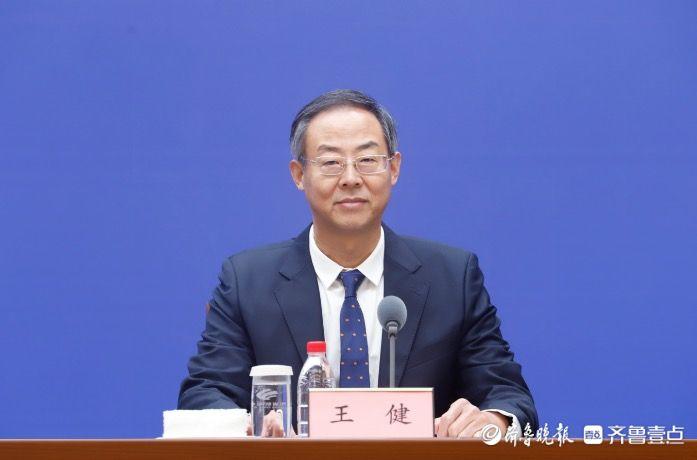
齐鲁晚报.齐鲁壹点记者白新鑫 1月7日上午,山东省政府新闻办举行省政府政策例行吹风会,邀请省交通运输厅负责同志等解读《山东 省航空维修产业高质量发展三年行动方案》。 二是搭建交流平台,培养维修人才。为提升维修人员能力,举办多期规章宣贯及答疑活动。搭建辖区各 单位交流平台,分享成熟经验,各单位推荐人员成立维修人员专家库,定期组织专家库成员参与相关项 目审查活动。扶持更多单位特别是有航空专业的院校申请147资质,推动"产教"融合,为维修产业储备 更多合格维修人员。 下一步,民航山东监管局将按照省委、省政府和中国民航局部署要求,发挥监管部门职能,汇集行业资 源优势,利用AI大数据理念开展辖区单位的风险等级评估,建立一企一策评估制度,尝试开展精准差 异化监管。推动山航融合飞行数据实时分析,建立飞机健康管理系统,实现预测性维修。进一步推动日 照职业技术学院等高校利用特色专业建立147维修培训机构,协同引进培育航空维修高层次专业人才, 推动构建维修人员全生命周期管理体系,聚力赋能山东省维修产业高质量发展。 会上,中国民用航空山东安全监督管理局副局长王健介绍,近年来,山东航空维修产业发展迅速,年交 付维修飞机超过600架次 ...
以提案之力聚发展之智 以实干担当赴时代征程
Xin Lang Cai Jing· 2026-01-07 00:39
Group 1: Proposal Work Overview - The Changsha Municipal Political Consultative Conference reported a total of 499 proposals collected and 425 proposals officially filed since the last meeting, all of which have been addressed by the end of November 2025, contributing to the development and public welfare in Changsha [1][2][3] Group 2: Focus on High-Quality Development - A total of 184 proposals were made focusing on high-quality development and modernization, with 166 officially filed, emphasizing the creation of an AI application city and the promotion of low-altitude economy innovation [2][3] - Recommendations include building high-energy innovation platforms, fostering digital economy clusters, and accelerating the transformation of scientific research achievements from universities [2][3] Group 3: Enhancing Public Services and Welfare - 170 proposals were centered on improving public services and social welfare, with 151 officially filed, focusing on enhancing education quality and cultural development [3][4] - Suggestions include integrating vocational education with industry needs and improving community services for the elderly [3][4] Group 4: Urban Governance and Environmental Sustainability - 145 proposals were aimed at urban governance and social operation efficiency, with 108 officially filed, addressing urban-rural integration and enhancing city safety measures [5][6] - Recommendations include promoting green transportation and energy transition, as well as improving urban drainage management [5][6] Group 5: Future Proposal Work Strategy - The Municipal Political Consultative Conference plans to enhance proposal quality and effectiveness by focusing on in-depth research and practical recommendations, ensuring alignment with the city's development goals [6][7] - Emphasis will be placed on collaborative efforts and effective implementation of proposals to ensure actionable outcomes [6][7]
职业教育赋能产业跃迁 看河北职教如何推动传统产业“焕新升级”
Xin Hua Wang· 2026-01-06 22:31
Core Viewpoint - The transformation and upgrading of traditional industries in Hebei, particularly in the steel sector, is closely linked to the evolution of vocational education, which aims to cultivate high-skilled talents capable of meeting the new demands of intelligent, green, and integrated industrial development [1][2]. Group 1: Industry Transformation - The steel industry in Hebei is shifting from "scale expansion" to "quality and efficiency improvement," necessitating a new type of skilled workforce that is knowledgeable, technical, and innovative [2]. - The demand for skilled talents in the chemical industry is also evolving, with a focus on quality control and smart equipment operation rather than simple production tasks [3]. Group 2: Vocational Education Response - Hebei's vocational education system is adapting by aligning its programs with industry needs, establishing 6,558 professional points covering 36 industrial categories during the 14th Five-Year Plan, and introducing 1,166 new programs in urgent fields like artificial intelligence and low-altitude economy [4]. - The focus is on creating a dynamic and responsive professional development system that addresses the lag in talent cultivation [2][4]. Group 3: Innovative Training Models - New training models are emerging, where industry partners are deeply involved in the entire talent cultivation process, ensuring that students gain practical experience and skills relevant to current market demands [5][6]. - Competitions and practical projects are integrated into the curriculum, enhancing students' skills and confidence while ensuring alignment with industry needs [6]. Group 4: Technological Innovation and Support - Vocational education serves as a source of innovation for enterprises, addressing technical challenges and improving production efficiency through collaborative projects [7][9]. - Institutions are forming partnerships to create integrated service platforms that facilitate technology transfer and innovation, particularly in the renewable energy sector [8][9]. Group 5: Policy and Resource Investment - The Hebei government is actively supporting vocational education through various policies aimed at enhancing the quality and relevance of training programs, with over 30 billion yuan allocated for vocational education in 2024 [11][12]. - A comprehensive framework is being established to ensure effective collaboration between educational institutions and industries, fostering a new ecosystem for vocational education [10][12]. Group 6: Overall Impact - The transformation of vocational education in Hebei is not only enhancing the quality of the workforce but also driving the high-quality development of traditional industries, creating a pathway for students to achieve success through skill mastery [13].
深耕产业献良策 履职尽责显本色
Xin Lang Cai Jing· 2026-01-06 20:32
同时,她积极招引优质企业进驻鼓楼,助力辖区产业提档升级。履职中,她主动参与政协调研协商与民 主监督,热心投身慈善公益事业,以实干担当诠释政协委员的社会责任与履职本色。 许姝 (商中在线科技股份有限公司总经理) 作为政协委员,她扎根经济领域20余年,始终以委员初心践行履职使命。作为电商行业深耕者,她聚焦 行业发展诉求,围绕流程优化等关键环节建言献策,有效纾解行业堵点;紧盯职业教育高质量发展,深 挖校企合作路径,针对"双师型"教师队伍建设等核心问题积极建言,推动产教精准对接,既破解企业用 人难题,也夯实企业人才根基。 (来源:新华日报) ...
汉语言文学“微专业”:小专业如何做好育人“大文章”
Xin Lang Cai Jing· 2026-01-06 19:29
Core Insights - The transformation of Chinese language and literature education is accelerating due to the dual drivers of new liberal arts construction and national strategic talent needs [1] - Micro-specialties are emerging as a key solution to bridge the gap between traditional education models and the demand for interdisciplinary, innovative talent [2] Group 1: Educational Paradigm Shift - The rise of micro-specialties represents a strategic response to the structural contradictions between educational supply and societal demands, emphasizing cross-disciplinary integration [2][3] - Micro-specialties empower cultural confidence and adaptability, aligning with the changing media environment and fostering new cultural narratives through courses like "Digital Humanities" and "Creative Writing" [2] Group 2: Economic Response - Micro-specialties address the structural mismatch in talent supply and demand, shifting from generalist to specialized and integrated skill sets in response to the deep integration of cultural creative industries and the digital economy [3] - The modular course design of micro-specialties facilitates the translation of humanistic knowledge into practical problem-solving skills in real-world contexts [3] Group 3: Innovative Talent Development - The construction of micro-specialties must transcend superficial course offerings, focusing on systematic innovation across objectives, curriculum, and teaching methods to cultivate T-shaped talents [4][5] - A three-tiered curriculum structure comprising core, directional, and practical modules is proposed to ensure a balance between foundational knowledge and innovative application [5] Group 4: Sustainable Development Framework - To avoid fragmentation and short-termism, a collaborative approach involving policy guidance and mechanism construction is essential for the sustainable development of micro-specialties [6] - Establishing an "industry-education integration" ecosystem is crucial for aligning talent cultivation with industrial upgrades, promoting partnerships between universities and leading enterprises [6] - The development of a credit bank and micro-certification system is necessary to enhance the social credibility and recognition of micro-specialties, ensuring their value in the job market [6]
从“夯实底部”到“贯通链条” 山西忻州筑根基 激活力 育人才
Xin Lang Cai Jing· 2026-01-06 13:19
Core Viewpoint - Shanxi's Xinzhou City is prioritizing education development, leading to significant improvements in educational quality and access, with a focus on building a robust foundation, enhancing educational links, and nurturing talent. Group 1: Foundation Building - Xinzhou's public budget for education has increased by over 4% annually since the 14th Five-Year Plan, with preschool enrollment rates rising from 95% to 98%, and net enrollment rates for primary and junior high school children reaching 100% [1][4] - Over 36 billion yuan has been invested in the renovation and expansion of 208 schools and kindergartens, adding 18,360 new student places [1][4] - The city has made significant strides in building inclusive kindergartens and standardized boarding schools, effectively narrowing the urban-rural and inter-school gaps [1][4] Group 2: Educational Equity - Xinzhou has achieved full coverage of "eye protection lamps" in compulsory education schools and established special education schools in counties with populations over 200,000 [2][3] - A comprehensive education welfare network has been created, ensuring the implementation of various student support policies [2][3] Group 3: Reform and Quality Enhancement - Educational reforms are being driven by innovative practices, including the "county-managed school employment" system and the establishment of a "teacher rotation pool," resulting in the recruitment of 4,299 new teachers over five years [4][5] - Continuous tracking of student performance and quality assessments are being conducted to enhance classroom teaching and after-school services [4][5] Group 4: Talent Development - Xinzhou's vocational schools have achieved a 100% compliance rate with educational standards, and the establishment of industry-education integration initiatives is fostering the development of skilled professionals tailored to local industry needs [7][8] - The city is collaborating with top universities to cultivate innovative talents in fields such as aerospace and medicine, while also training practical craftsmen for rural revitalization and specialized industries [9][8]
2025年北京市职业院校干部教师高级研修班举办
Bei Jing Wan Bao· 2026-01-06 05:51
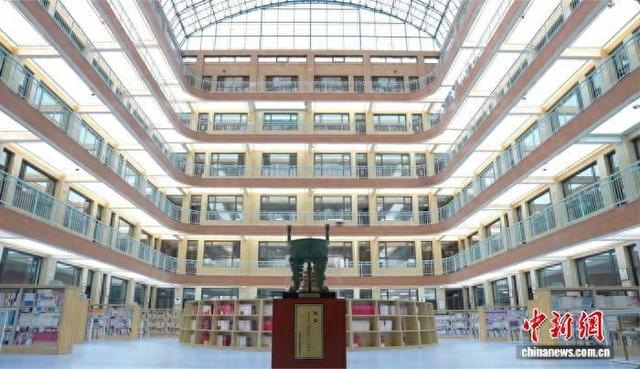
筑牢一体化思政育人新阵地 研修班通过专题短片、主题报告、教师育人故事分享及"学生讲思政课"优秀课程展示,系统推进思政教 育创新。截至目前,北京已构建成跨学段、跨校、跨学科协作体系,组建职业院校思政课共研共促协作 体,依托"中高职思政课一体化建设工作中心"完善章程与理事会机制,实施"卓越领航""心理健康护 航"工程。打造劳模工匠、校领导、职教学生与思政教师同讲同研的"思政大课",开展"行走的思政 课"中轴线研学,建设非遗传承工作坊和大师工作室,举办黄炎培大讲堂,推进"匠心铸魂育人"工程, 支持校企联建党支部,采取"课程+专题""线上+线下"模式定期开展集体备课,常态化举办学生讲思政课 展示活动,促进思政教育与职业精神深度融合。 职教出海 2025年12月29日至30日,北京市职业院校干部教师高级研修班在北京科技职业大学举办。本次研修班 以"《加快构建职普融通、产教融合北京职业教育体系三年行动计划(2025—2027年)》重点任务"为主 题,涵盖"立德树人""职教出海""教学能力""社会服务""职普融通""办学能力""校园安全""产教融合"八 大主题模块。全市各职业院校校长、副校长、中层干部及教师代表等320余人 ...
一财社论:让职业高等教育更接地气更受欢迎
第一财经· 2026-01-05 14:59
本文字数:1622,阅读时长大约3分钟 作者 | 一财评论员 1月4日,教育部发布了《关于拟同意设置本科高等学校的公示》,拟同意设置天津职业大学等15所 学校,其中7所为职业本科院校。这7所职业本科院校中,5所为公办,2所为民办。 这体现出两个重要方向:一是职业教育在高等教育领域的地位越发凸显;二是职业高等教育的多元化 投入体制正得到进一步深化。 这缘于国家对职业高等教育的充分重视。2025年1月,中共中央、国务院印发了《教育强国建设规划 纲要(2024~2035年)》(下称《纲要》),对加快现代职业教育体系建设进行了专章部署,目标是 培养大国工匠、能工巧匠、高技能人才。 《纲要》出台时,教育部相关负责人表示,要塑造多元办学、产教融合新形态,以职普融通拓宽学生 成长成才通道,提升职业学校关键办学能力,优化技能人才成长政策环境。 2025年,职业高等教育迎来了一个"爆发期"。该年度,新增职业本科学校36所,全国既有职业本科 学校达到87所,招生规模是2022年的7倍。 2026.01. 05 职业高等教育的初期目标是要培育出企业需要的技能型人才,能动手,更会动脑;中期目标是要顺应 产业升级的需要,满足技术革新对 ...