
供应链管理

Search documents
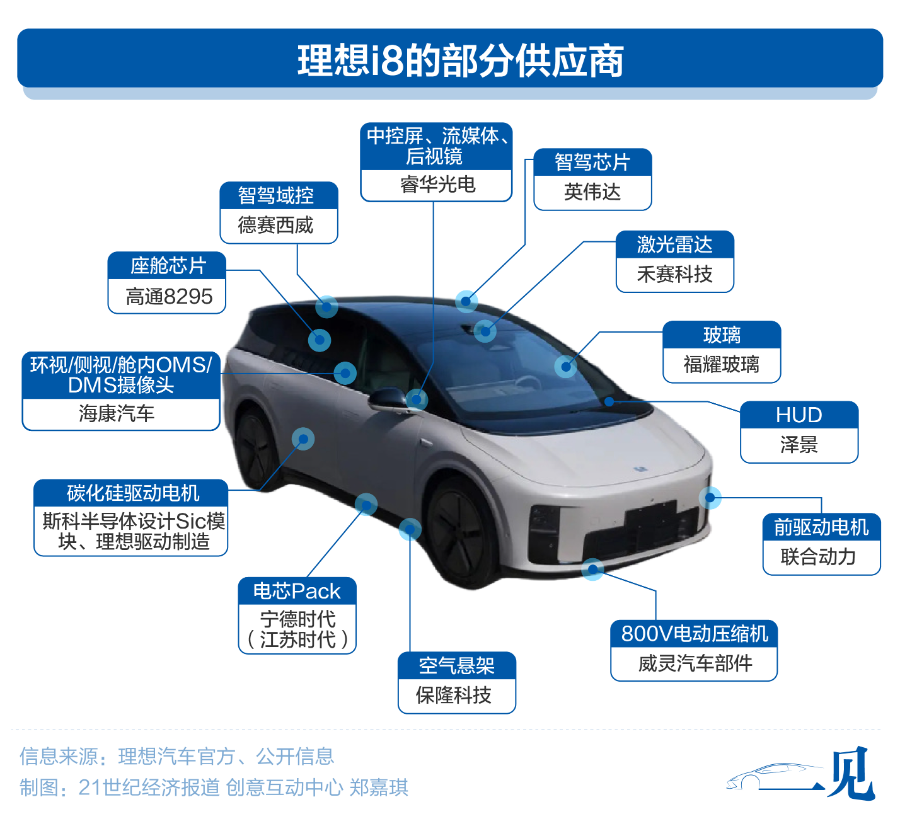
21深度|再战纯电,他们与理想共进退
2 1 Shi Ji Jing Ji Bao Dao· 2025-08-22 10:46
Core Insights - The article discusses the recent launch of the Li Auto i8 and the subsequent adjustments made to its configuration and pricing, highlighting the importance of supply chain management in the automotive industry [1][4] - Li Auto's approach to supply chain management is characterized by deep collaboration with suppliers, emphasizing mutual understanding and support during challenging times [6][7] - The company has invested significantly in R&D and supply chain adjustments, totaling 2 billion yuan, to ensure the successful launch of its electric vehicles [4][5] Group 1: Product Launch and Adjustments - The Li Auto i8 was officially launched on July 29, with the i8 MAX becoming the standard configuration at a unified price of 339,800 yuan, while the Pro model was canceled [1] - The launch faced challenges, including a delay in the release of pure electric models, which was postponed for a year due to various internal issues [4][5] - Li Auto's strategy involved redesigning the i8's appearance and investing heavily in R&D to adapt to market demands and ensure timely delivery [4][5] Group 2: Supply Chain Management - Li Auto's supply chain management is described as an "invisible battlefield," where the company has established strong relationships with suppliers to ensure timely delivery and quality [1][6] - The company has a unique approach to supplier collaboration, including regular "co-creation meetings" to align strategies and expectations [9][10] - Li Auto's Parts Supply Management (PSM) team plays a crucial role in forecasting and planning, providing suppliers with detailed production schedules and sales forecasts [11][12] Group 3: Core Competencies and R&D - Li Auto positions itself as a technology company rather than a traditional manufacturer, focusing on core components for in-house development while outsourcing non-core parts [17] - The company has developed its own rear drive motor for the i8, emphasizing the importance of integrating technology to enhance vehicle performance [17][18] - Li Auto's commitment to quality is evident in its stringent standards, aiming for a failure rate significantly lower than industry norms [20][21]


阳光电动力:深耕向新 笃行致远
Zhong Guo Qi Che Bao Wang· 2025-08-22 09:32
Core Viewpoint - The company, Yangguang Electric Power, has achieved a remarkable 220% year-on-year increase in the delivery of electric control and power supply products, positioning itself as a key player in the electric vehicle industry during a period of market adjustment [1][3]. Group 1: Business Performance - From January to July, Yangguang Electric Power delivered 730,000 sets of electric control and power supply products, aiming for a total delivery of 1.2 million sets for the year [1]. - The company's growth is supported by a deep customer matrix, having established close partnerships with numerous automotive manufacturers since 2010, including Geely, Chery, and SAIC-GM-Wuling [3]. Group 2: Technological Innovation - Yangguang Electric Power has focused on technological innovation, particularly in motor control technology, to meet the increasingly stringent performance requirements of automotive manufacturers [3]. - The company has developed a unique single-tube parallel technology that allows for flexible power configuration, enhancing competitiveness in power module solutions [3][5]. Group 3: Production Capacity and Supply Chain Management - The new modern factory, covering over 80,000 square meters, has been officially put into operation, significantly upgrading production capacity and delivery capabilities [5]. - The company has established long-term strategic partnerships with key component suppliers, ensuring efficient supply chain management and stability [5]. Group 4: Industry Trends and Future Outlook - Yangguang Electric Power is transitioning from a single electric control supplier to a power domain controller solution provider, leveraging over 20 years of experience in power electronics [12]. - The company anticipates that the recently launched single-stage topology onboard charger will become a market mainstream technology by 2027, driven by the maturation of GaN devices and the demand for high power density in automotive electronics [11][12]. Group 5: Competitive Landscape - Despite the ongoing growth in the electric vehicle market, the company acknowledges the challenges posed by intensified competition and cost pressures [12]. - The company emphasizes the importance of technological leadership, stable supply chains, and precise market positioning to maintain a competitive edge in the evolving industry landscape [12].

浙江开途供应链管理有限公司成立,注册资本1000万人民币
Sou Hu Cai Jing· 2025-08-21 03:05
Core Viewpoint - Zhejiang Kaitou Supply Chain Management Co., Ltd. has been established with a registered capital of 10 million RMB, fully owned by Zhejiang Zantu Technology Co., Ltd. [1] Company Summary - The legal representative of Zhejiang Kaitou Supply Chain Management Co., Ltd. is Qian Yanzhao [1] - The company is registered in the Yiwu City, Zhejiang Province, under the China (Zhejiang) Pilot Free Trade Zone [1] - The business scope includes supply chain management services, domestic cargo transportation agency, packaging services for transported goods, general cargo warehousing (excluding hazardous materials), road cargo transportation station operations, loading and unloading, international cargo transportation agency by land, sea, and air, import and export of goods, domestic container cargo transportation agency, technical services, and various wholesale and retail activities [1] Industry Summary - The company operates within the transportation, warehousing, and postal industry, specifically in the multimodal transport and transportation agency sector [1] - The business is classified as a limited liability company (non-natural person investment or holding) with an indefinite operating period [1]
国录供应链管理(天津)有限公司成立,注册资本5000万人民币
Sou Hu Cai Jing· 2025-08-20 12:25
Core Insights - Recently, Guolu Supply Chain Management (Tianjin) Co., Ltd. was established with a registered capital of 50 million RMB, fully owned by Guolu (Hubei) Supply Chain Co., Ltd. [1] Company Overview - The legal representative of Guolu Supply Chain Management (Tianjin) Co., Ltd. is Jiang Zhengwei [1] - The company operates in various sectors including supply chain management services, wholesale of aquatic products, catering management, enterprise management consulting, and market marketing planning [1] - The registered address is located at the intersection of Zhonghuan West Road and West Seven Road, Tianjin Free Trade Zone (Airport Economic Zone) [1] Business Scope - The business scope includes but is not limited to: - Supply chain management services - Wholesale and retail of aquatic products and fresh meat - Sales of daily necessities, office supplies, and machinery [1] - Import and export of goods and technology [1] - The company is also involved in various licensed activities such as drug retail, catering services, and food production [1]
全流程智能管控,日照钢铁数智实验室管理平台上线
Qi Lu Wan Bao Wang· 2025-08-19 04:42
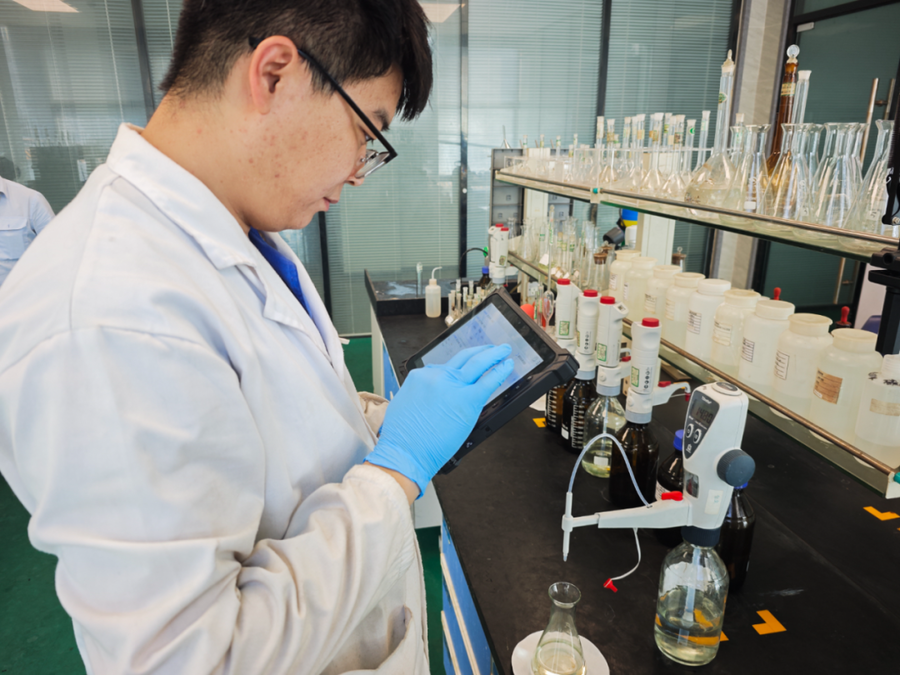
Core Insights - The launch of the Smart Laboratory Management Platform marks a significant step for Rizhao Steel in enhancing quality strategy and optimizing supply chain management, aiming to reshape the raw material inspection system through digitalization [1][6] - The platform focuses on a dual empowerment approach, emphasizing quality as the core and digital intelligence as the engine, creating a comprehensive intelligent management loop from sampling to result publication [2][4] Group 1: Platform Features - The platform adheres to CNAS system standards, ensuring a full-chain intelligent management process that minimizes inspection errors through automation and data collection technologies [2] - It promotes transparency and traceability in the inspection process, ensuring fair evaluation standards for suppliers while protecting their rights [2][4] Group 2: Benefits to Supply Chain - The platform enhances inspection efficiency and provides decision support for supply chain optimization, helping companies select quality suppliers and guiding suppliers in improving raw material quality [4] - It fosters a positive ecosystem where data is shared, interests are aligned, and responsibilities are jointly managed between supply and demand sides [4][6] Group 3: Strategic Implications - The platform signifies a shift from experience-based judgment to data-driven quality control, strengthening trust between suppliers and the company [6] - This initiative reflects the company's strategic vision of leveraging digital upgrades to promote collaborative development within the industry, aiming to establish a differentiated advantage centered on quality, efficiency, and ecosystem [6]
永辉超市20250818
2025-08-18 15:10
Summary of Conference Call on Yonghui Supermarket Industry Overview - The retail industry is undergoing a transformation during the economic adjustment period, with consumers increasingly focusing on cost-effectiveness. Retailers and distributors are showing higher growth potential compared to traditional food and beverage companies, as evidenced by the annualized returns of Japanese and American retail companies exceeding those of traditional firms during similar economic conditions [2][3]. Key Insights on Yonghui Supermarket - Yonghui Supermarket, as a major Chinese retail chain, is positioned to capitalize on the low online penetration rates in food and beverage sectors. The company aims to enhance its competitive edge through improved operational efficiency, optimized supply chain management, and innovative service models [2][8]. - The shift from deep distribution to large-scale, multi-category distribution in China is driven by declining terminal sales momentum and increasing consumer demand for high-cost performance products. This new distribution model enhances risk resistance by lowering markup rates and improving efficiency [2][7]. Consumer Behavior and Market Dynamics - Despite the rapid growth of e-commerce in China, offline supermarkets still have significant development potential. Online consumption has plateaued at over 30%, with substantial differences in online penetration rates across product categories. For instance, beverages and snacks have online penetration rates below 20%, particularly in lower-tier cities [2][5]. - Instant retail is expected to coexist with traditional supermarkets, primarily catering to convenience needs but often at higher prices. Price-sensitive consumers are likely to prefer large chain supermarkets that offer lower prices and guaranteed quality [2][6]. Yonghui's Strategic Initiatives - Yonghui's new model eliminates entry fees, leading to lower terminal prices and a more competitive product mix tailored to consumer preferences. The emphasis on baked goods and prepared foods aligns with the growing demand for convenience among aging and smaller households in China [4][14]. - The company is expanding its private label offerings to provide lower-priced products, thereby creating a price advantage and broadening its product range [4][17]. Financial Performance and Future Outlook - Yonghui's financial performance is influenced by high headquarters financial costs, projected to be around 1 billion to 1.1 billion yuan in 2024. However, these costs are expected to decrease as cash flow improves and new store openings generate positive cash flow [26]. - The forecast for Yonghui's store profitability indicates potential growth, with expectations of achieving profits of 1.815 billion yuan in 2026 and 2.38 billion yuan in 2027, assuming a stable sales performance across its stores [24][27]. Challenges and Competitive Landscape - The Yonghui model is not easily replicable by other supermarkets due to high capital requirements, scale advantages, and extensive experience in fresh produce management. These factors contribute to Yonghui's competitive edge in the market [22]. - The company faces uncertainties regarding individual store performance and the potential for exceeding expectations, particularly in lower-tier markets where e-commerce penetration is low [27]. Conclusion - Yonghui Supermarket is well-positioned to leverage its strengths in supply chain management and operational efficiency to navigate the current economic landscape. By focusing on enhancing its product offerings and optimizing its business model, Yonghui has the potential to emerge as a strong investment opportunity in the retail sector [28].

苹果产业链框架报告:定义产品,也定义效率
Guoxin Securities· 2025-08-18 13:59
Investment Rating - The investment rating for the industry is "Outperform" [1] Core Insights - Apple has a strong product definition capability across various consumer electronics, including smartphones, tablets, and wearables, leading the global market [2][3] - The company's service segment is growing rapidly, with revenue expected to reach 25% of total income by 2024, highlighting a shift towards higher-margin services [2][9] - Apple's supply chain is highly integrated and globalized, involving over 200 core suppliers and 800 factories across 27 countries, significantly impacting the global electronics supply chain [2][60] Summary by Sections Company Overview - Apple, founded in 1976, transformed from a personal computer manufacturer to a leader in mobile devices with the launch of the iPhone in 2007, which redefined the smartphone market [7][9] - The company has maintained a strong market position, with iPhone sales projected to account for 18% of global smartphone sales from 2022 to 2024 [29] Supply Chain Structure - Apple's supply chain consists of multiple tiers, with core suppliers including Foxconn and TSMC, and a significant portion of production occurring in China [60][62] - The company has adopted a "China +1" strategy to mitigate risks associated with supply chain concentration, expanding production to countries like India and Vietnam [72] New Technology Developments - Apple is expected to launch its first foldable smartphone in 2026, which could drive growth in the foldable device market [3] - The company is also focusing on AI integration in its products, with the Apple Intelligence strategy aiming to enhance user experience through seamless interaction [2][3] Market Position and Financial Performance - Apple's service revenue has been growing, with a projected 2024 revenue of $96.17 billion, representing a 12.87% year-over-year increase [54] - The company's hardware gross margin is 28.04%, significantly higher than competitors, reflecting its premium market positioning [41] Product Sales and Market Share - Apple maintains a dominant position in the TWS (True Wireless Stereo) earphone market, with a 23% market share in 2024, despite a slight decline in sales [42][46] - The iPhone continues to lead the high-end smartphone market, with a significant share of sales in the $800+ price segment [41][35]

爱婴室: 2025年半年度报告
Zheng Quan Zhi Xing· 2025-08-18 11:14
Core Viewpoint - Shanghai Aiyingshi Co., Ltd. reported a revenue increase of 8.31% year-on-year for the first half of 2025, driven by both offline store expansion and online channel growth [2][8]. Financial Performance - Revenue for the reporting period reached CNY 1,834,842,620.51, compared to CNY 1,694,132,355.85 in the same period last year [2][8]. - Net profit attributable to shareholders was CNY 46,738,203.19, up 10.17% from CNY 42,425,580.86 [2][8]. - The company’s total assets increased by 8.09% to CNY 2,622,756,135.55 from CNY 2,426,387,865.78 [2][8]. - The net cash flow from operating activities was CNY 146,353,795.96, a decrease of 8.42% compared to the previous year [2][8]. Business Overview - The company operates in the mother and baby product retail industry, benefiting from national policies promoting childbirth and consumer spending [3][4]. - Aiyingshi provides a wide range of products and services for families with children aged 0-6, including self-developed brands and partnerships with well-known companies [3][4]. - The company has expanded its offline presence with 34 new stores in 22 cities, enhancing brand influence [4][5]. Market Strategy - Aiyingshi focuses on a multi-channel retail strategy, integrating online and offline sales to meet consumer demands [4][6]. - The company has established a logistics network with a central warehouse in Zhejiang, enhancing distribution efficiency [6][7]. - Aiyingshi has implemented a standardized store model to improve customer experience and operational efficiency [6][7]. Competitive Advantage - The company holds a leading position in the domestic mother and baby retail market, with high brand recognition and market penetration [5][6]. - Aiyingshi has received multiple certifications, including "Shanghai Brand" and ISO9001, reflecting its commitment to quality and customer satisfaction [5][6]. - The company leverages a robust supply chain and digital technology to enhance operational efficiency and product quality [6][7].

陈茂波:贸易形态重塑 会为香港的贸易、航运、金融以至专业服务等带来新发展契机
智通财经网· 2025-08-17 22:45
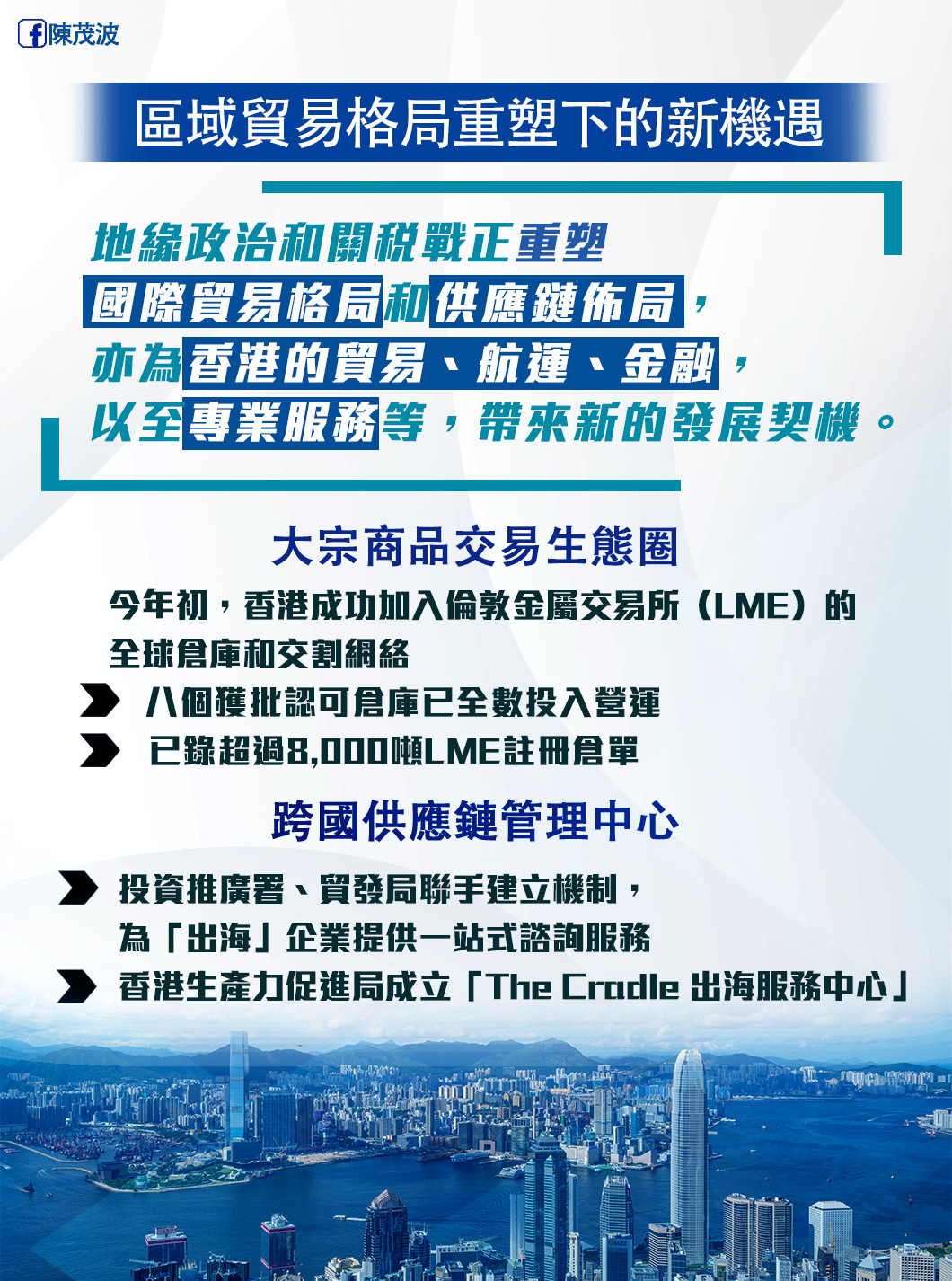
Group 1 - The core viewpoint emphasizes that geopolitical changes and tariff wars are reshaping international trade patterns and supply chain configurations, leading to significant growth in Hong Kong's trade, particularly with ASEAN countries [1][7][11] - In the first half of the year, Hong Kong's exports to Vietnam and Malaysia increased by over 50% and 30% respectively, while imports from these countries grew by approximately 70% and 30% [1][7] - ASEAN's share of Hong Kong's total trade rose from 12.1% in 2021 to 14.8% in the first half of this year, indicating a deepening regional trade cooperation [1][7] Group 2 - The integration of supply chains and the restructuring of trade forms present new development opportunities for Hong Kong's trade, shipping, finance, and professional services [1][8] - The establishment of a "bulk commodity trading ecosystem" is underway, with Hong Kong successfully joining the London Metal Exchange's global warehouse and delivery network, enhancing its role in the global metal trading market [8][9] - Since becoming an LME delivery point in January, eight approved warehouses have commenced operations, with over 8,000 tons of LME registered warrants supporting contract deliveries by early August [9] Group 3 - Hong Kong is positioning itself as a multinational supply chain management center, attracting mainland enterprises looking to expand internationally, particularly in the "Global South" and "Belt and Road" regions [10][11] - The government is collaborating with various agencies to provide one-stop consulting services for enterprises aiming to utilize Hong Kong as a launchpad for international expansion [10][11] - The establishment of "The Cradle Outbound Service Center" aims to support mainland tech companies in overcoming challenges related to international market entry, such as technology standards and intellectual property protection [10]
小菜园(00999):中式大众餐饮赛道龙头,全国化扩张验证进行时
Guoxin Securities· 2025-08-17 15:21
Investment Rating - The report assigns an "Outperform" rating to the company for the first time, with a target price range of HKD 13.40 - 14.30, indicating a potential upside of 32.3% from the latest closing price of HKD 10.47 [7]. Core Insights - The company is a leading player in the Chinese casual dining sector, focusing on cost-effective dining experiences. It has successfully expanded its presence across various provinces, particularly in East China, and aims to continue this trend [1][15]. - The Chinese casual dining market is projected to reach approximately RMB 3.9 trillion by 2025, with a compound annual growth rate (CAGR) of 8.9% from 2023 to 2028, indicating significant growth potential in the sector [2]. - The company has demonstrated strong revenue growth, with a reported revenue of RMB 5.21 billion in 2024, representing a 14.5% increase year-on-year, and a net profit of RMB 580 million, up 9.1% [1][39]. Summary by Sections Company Overview - The company operates a direct sales model and emphasizes high cost-performance, with an average dining price of RMB 59.2 in 2024. As of the end of 2024, it has 667 stores, with over 80% located in East China [1][24]. Growth Drivers - The growth strategy includes expanding store numbers, improving single-store efficiency, and incubating sub-brands. The company plans to add 130, 160, and 180 new stores in 2025, 2026, and 2027, respectively, aiming for a total of 1,809 stores by 2030 [3][4]. - The average revenue per mature store is estimated at RMB 9 million, with a net profit margin of approximately 14.5% [3]. Financial Projections - The company forecasts net profits of RMB 7.7 billion, RMB 9.4 billion, and RMB 11.2 billion for 2025, 2026, and 2027, respectively, reflecting year-on-year growth rates of 32%, 22%, and 19% [4][5]. - The financial metrics indicate a robust growth trajectory, with a revenue CAGR of 25.3% and a net profit CAGR of 35.9% from 2021 to 2024 [39]. Market Positioning - The company maintains a competitive edge through a strong supply chain and a unique partnership model, which supports rapid store expansion and operational efficiency [3][19]. - The casual dining market remains fragmented, with the top five players holding less than 1% market share, suggesting opportunities for brands that can effectively tap into lower-tier markets and enhance online presence [2][4].