数智化

Search documents
广东穿越周期的三大“超能力”
2 1 Shi Ji Jing Ji Bao Dao· 2025-12-28 15:46
Economic Overview - Guangdong is recognized as China's "economic leader," maintaining over 10% of the national GDP share for a long time, with a GDP that has surpassed 14 trillion yuan [1] - The province has consistently ranked first in GDP for 36 years and has crossed significant GDP milestones since 2019 [1] - Despite its economic size, Guangdong faces challenges in achieving high growth rates, especially compared to other provinces [1] Industrial Transformation - Traditional industries have historically driven Guangdong's rapid economic growth, with six out of ten strategic pillar industries being traditional, contributing over 70% to manufacturing value added [3] - The province is actively guiding enterprises to innovate and upgrade, as seen in the case of Monalisa Group's investments in the semiconductor sector [3][4] - Guangdong is promoting the transformation of manufacturing towards digitalization and sustainability, with over 300 "lighthouse" projects established to support this shift [4] Innovation and Technology - Guangdong is fostering a new production capacity by integrating technological and industrial innovation, with significant advancements in strategic emerging industries [5] - The establishment of companies like Yuexin Semiconductor has transformed the semiconductor landscape in the Guangdong-Hong Kong-Macau Greater Bay Area, addressing previous supply chain concerns [6] - The province has developed a dense ecosystem for AI chips, with a production capacity of 80,000 12-inch wafers per month [6][7] Competitive Advantages - Guangdong's unique advantages include a complete industrial chain, a large consumer market of 1.5 billion people, and diverse application scenarios that foster innovation [9][10] - The province's market contributes over 10% of the national retail sales, providing significant opportunities for businesses across various sectors [10] - The integration of smart technologies with traditional industries in Guangdong is creating new business models and applications, enhancing the region's attractiveness to global investors [11]


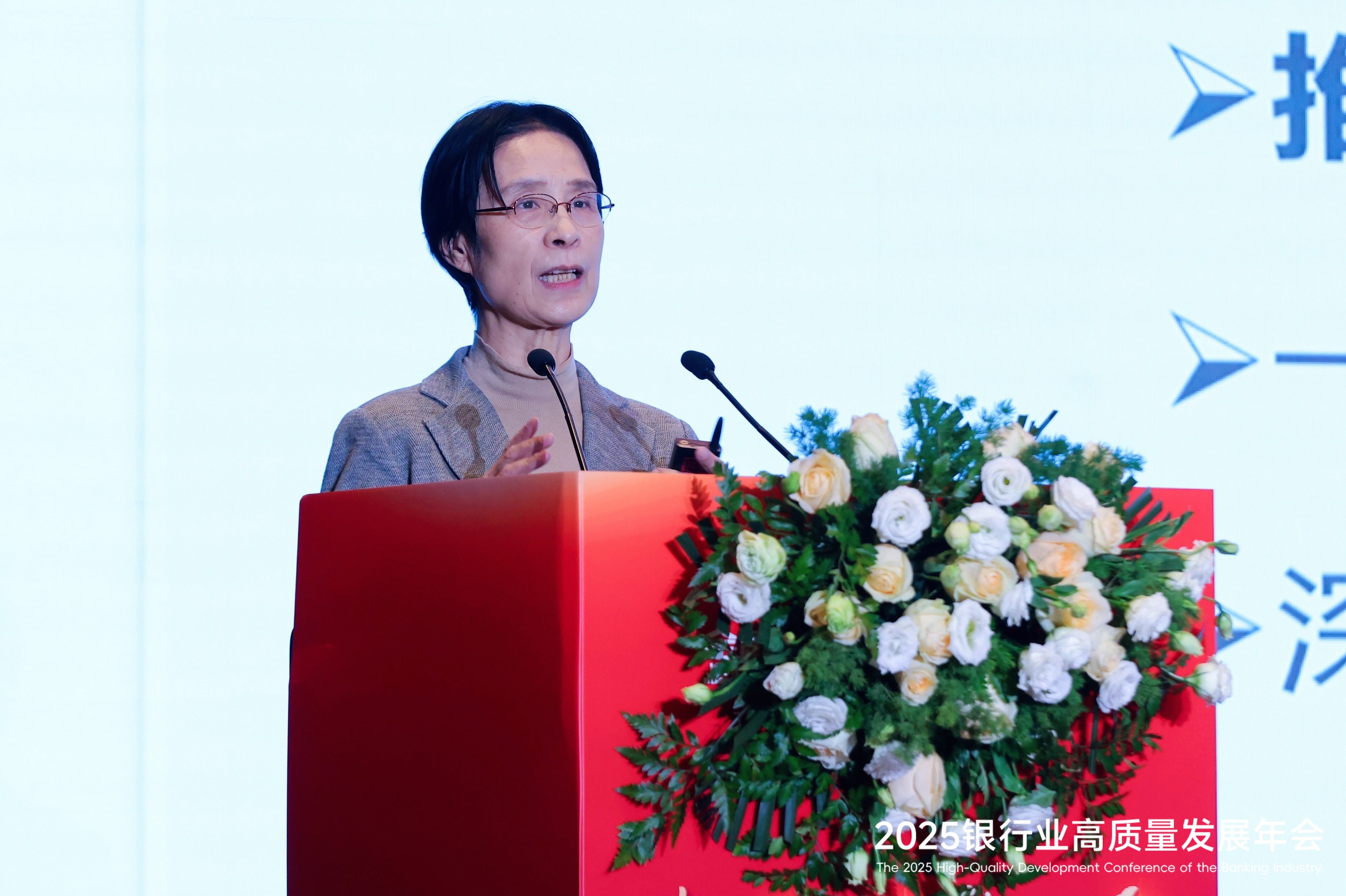
江小涓:金融业要加快市场化、数智化、国际化转型,抓住“十五五”时期科技创新发展带来的新机遇
Jin Rong Jie· 2025-12-27 13:49
Core Viewpoint - The "Qihang·2025 Financial Annual Conference" emphasizes the importance of technological innovation as a key driver for China's future development during the "14th Five-Year Plan" period [1][3]. Group 1: Technological Innovation - Technological innovation industries are expected to grow rapidly and become a crucial pillar for future development in China [3]. - The development of the technological innovation industry is considered a solid foundation for the growth of innovation finance [3]. - The presence of strong technological enterprises is essential; without them, investment efforts may fail [3]. Group 2: Investment Landscape - Traditional venture capital and government investment are significant forces in the innovation finance sector, characterized by patient capital [3]. - Overseas investors are showing considerable interest in China's innovative enterprises, which, along with traditional innovation finance, will provide robust support for industrial innovation [3]. - Projects with growth potential will attract funding, indicating a healthy investment environment for promising ventures [3]. Group 3: Financial Sector Transformation - The financial industry is urged to accelerate its transformation towards marketization, digitalization, and internationalization to seize new opportunities arising from technological innovation [3]. - The urgency for the financial sector to improve its capabilities is highlighted as essential for expanding its development space [3].
数智化趋势下如何以新供给创造新消费?
Xin Lang Cai Jing· 2025-12-27 04:15
Core Insights - The article discusses the profound changes in consumer behavior and supply-demand mismatches in the context of evolving economic conditions and technological advancements [1] Group 1: Changes in Consumer Behavior - The transition from self-sufficiency in agricultural civilization to large-scale production and centralized distribution during the industrial revolution has led to unprecedented changes in consumption patterns in the digital age [1] - There is a significant shift from product-centric consumption to a balanced focus on both goods and services, with service consumption, particularly in leisure and entertainment, growing at a faster rate than goods consumption [1] - The proportion of upgraded goods characterized by intelligence, greenness, and convenience is rapidly increasing, with China becoming the largest market for wearable wrist devices, accounting for 30% of global shipments [1] Group 2: Supply-Side Challenges - Despite the acceleration of new technologies and business models, the supply side still requires a systematic approach to meet the complex demands of changing consumer needs and technological iterations [1] - Addressing deep-seated technical, structural, and institutional challenges is crucial for expanding effective consumer demand [1] Group 3: Technological Empowerment - The development of new information technologies is redefining product forms and content presentation, enabling customized and personalized supply based on consumer profiles [2] - Companies are encouraged to leverage cutting-edge technologies such as AI, quantum technology, and biotechnology to create tailored products and services [2] Group 4: Multi-Industry Integration - Promoting multi-industry integration can break down industry boundaries and create one-stop, composite consumption scenarios that integrate functional services and experiential value [3] - Upgrading consumption supply facilities and developing local cultural and ecological resources into distinctive tourism products can enhance consumer experiences [3] Group 5: Rural Market Development - The growth rate of consumption in rural areas has surpassed that in urban areas, presenting a "blue ocean" market opportunity [4] - There is a need to enhance the infrastructure and supply structure in rural markets to meet diverse consumer demands effectively [4] Group 6: Optimizing Consumption Environment - The consumption environment, encompassing both hardware and software aspects, is critical for market stability and consumer confidence [5] - Strengthening market regulation and improving quality standards and consumer rights protection are essential for enhancing the overall consumption experience [5][6]
健全数据制度 释放乘数效应
Xin Lang Cai Jing· 2025-12-26 20:00
Core Viewpoint - The article emphasizes the importance of advancing the construction of a digital China as outlined in the 20th Central Committee's Fourth Plenary Session, highlighting its role in enhancing new productive forces and driving economic and social development [1][2]. Group 1: Digital Economy and New Productive Forces - The construction of a digital China is crucial for fostering new productive forces across various sectors, enabling breakthroughs in technology, application scenarios, and industrial upgrades [2][3]. - By 2024, national data production is expected to reach 41.06 zettabytes, with over 400,000 data enterprises and a data industry scale of 5.86 trillion yuan, indicating a growing recognition of the value of data elements [3]. - The strategic deployment around digital economy aims to leverage China's advantages in data resources, infrastructure, and application scenarios to promote deep integration of the real economy and digital economy [4]. Group 2: Empowerment through Digitalization - The rapid penetration of intelligent technologies, particularly artificial intelligence, into various fields is unprecedented, necessitating a focus on digitalization in modern industrial systems and public services [5][6]. - Digitalization is expected to enhance public service systems, breaking geographical and resource distribution barriers, thus improving access to quality services for all citizens [6]. - The article outlines the need for digital trade innovation and the promotion of secure cross-border data flow to expand cooperation in digital economy and artificial intelligence [7]. Group 3: Data Infrastructure and Market Reform - The National Data Bureau plans to enhance the data infrastructure and market reform to better utilize data elements, focusing on establishing a robust data property rights system and promoting market-oriented data allocation [8][9]. - Key initiatives include improving data infrastructure, enhancing data application, and fostering a vibrant data industry ecosystem through supportive policies [9][10]. - International cooperation in data governance and cross-border data flow is emphasized to build trust and facilitate orderly data movement [10].
数智化破解零售“细节之困” 多点数智张宇:以技术重构消费新基建底层逻辑
Jin Rong Jie· 2025-12-26 12:07
Core Insights - The "2025 Financial Annual Conference" held in Beijing focused on "crossing cycles and resilient growth," gathering leaders from regulatory bodies, industry associations, and over 200 listed companies to discuss development paths and empower high-quality growth in the capital market [1] Group 1: Event Overview - The "2025 High-Quality Development Annual Conference" was a significant part of the event, aimed at promoting high-quality development among listed companies [1] - The "Golden Intelligence Award" was announced, recognizing over 140 companies, including Haier Smart Home and Eastroc Beverage, from more than 8,000 A-share, Hong Kong stock, and Chinese concept stock companies for their exemplary high-quality development [1] Group 2: Retail Industry Insights - Zhang Yu, Vice President of Duodian Shuzhi, discussed the digital transformation path in the retail industry, emphasizing the differences in consumption dynamics between urban and lower-tier markets [2] - The retail sector faces critical operational pain points, such as product selection and ordering difficulties, which are exacerbated by reliance on experience-based decision-making [3][4] - The challenges of clearing short-shelf-life products, like fresh produce, are often left to store managers' judgment, lacking scientific basis [3] Group 3: Digital Solutions - Duodian Shuzhi aims to shift retail companies from traditional experience-based decision-making to data-driven scientific decision-making through various digital tools [4] - The newly released operating system and AI applications, such as "AI Superior Products" and "AI Clearance," address the identified industry pain points by providing data-driven insights for product selection and clearance strategies [4][5] - The company emphasizes the importance of understanding regional consumer preferences, as products that perform well in one city may not in another, highlighting the need for a data and AI-based decision-making system [5] Group 4: Strategic Implications - The insights shared by Zhang Yu provide a clear technological path for the retail industry to achieve resilient growth by addressing pain points through digital means [5] - The focus on precise matching of "people, goods, and venues" is essential for capturing growth opportunities in an increasingly differentiated consumer market [5]
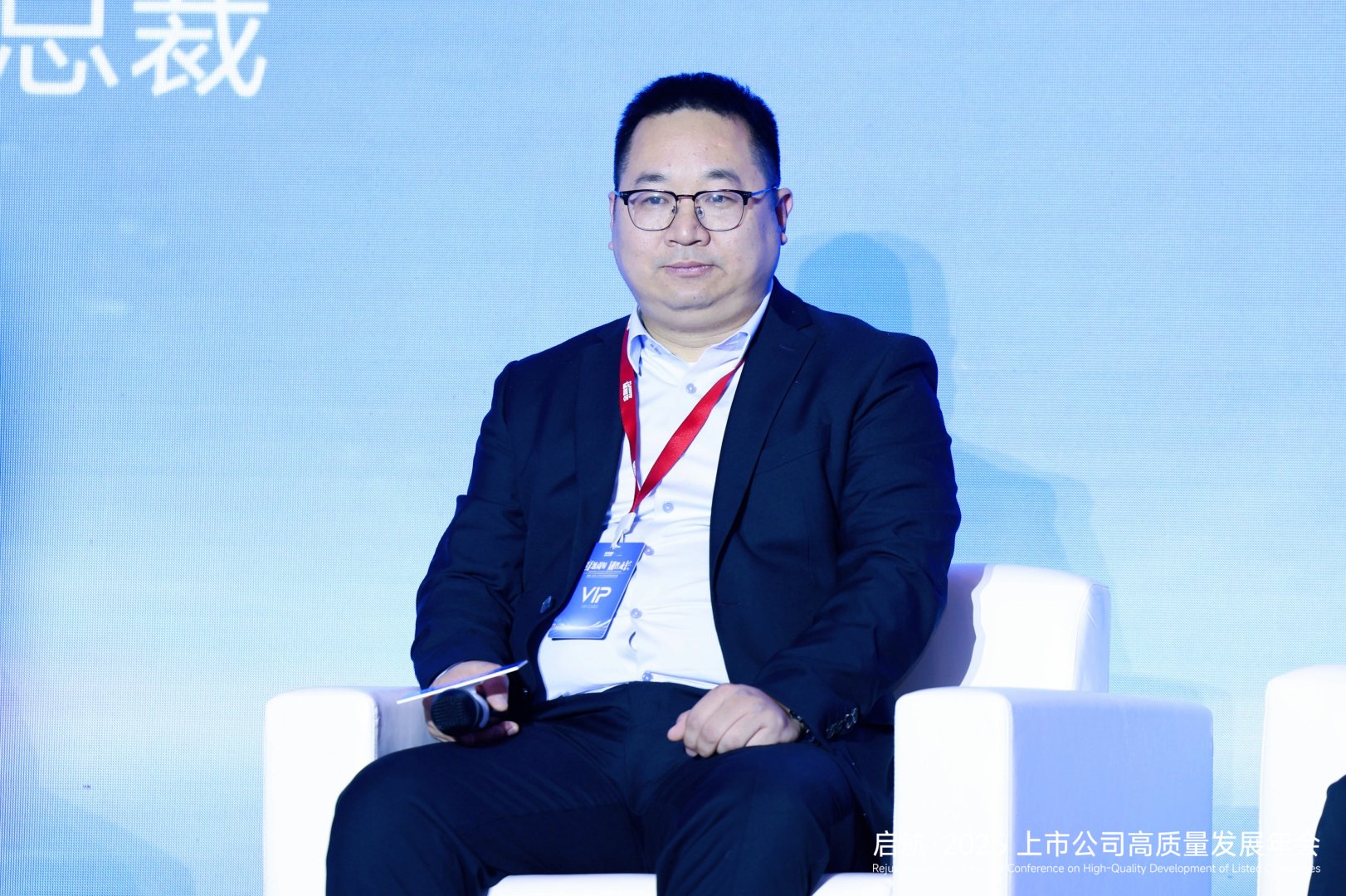
五矿发展董事长魏涛:数智化已演变为构建产业生态的核心驱动力
Sou Hu Cai Jing· 2025-12-26 08:28
Core Insights - The integration of digital and intelligent technologies is driving transformation across multiple sectors, with a focus on enhancing human cognition to shift business personnel from being "change recipients" to "co-creators of change" as a key to successful digital transformation at WISCO Development [5][6][10] Group 1: Digital Supply Chain Development - WISCO Development is advancing its digital supply chain by integrating trade, warehousing, and transportation, aiming to create a modern circulation system that meets higher standards in response to global trade protectionism and geopolitical conflicts [7][8] - The company has designed a digital supply chain blueprint that emphasizes collaboration across front, middle, and back office operations, utilizing platforms for two-party transactions, warehousing, and multi-modal transport [8][9] - The implementation of a "one order system" has led to a 50% reduction in customs clearance time and a 20% decrease in logistics costs, enhancing customer service through streamlined processes [8][10] Group 2: Technological Integration - WISCO Development is applying AI technology in its blending operations, significantly improving efficiency by reducing decision-making time from 5 hours to under 3 minutes and enhancing order handling capabilities [10][11] - The company is exploring supply chain financial innovations, including a comprehensive insurance solution for international logistics [10][12] Group 3: Future Development and Strategic Goals - The company aims to enhance supply chain security and lead industry upgrades by integrating resources, technology, trade, and services into a comprehensive development model [12][13] - WISCO Development plans to strengthen its control over global quality resources and improve the import capacity of critical resources like manganese, chromium, and iron [12][13] - The logistics operation system will be built around a "channel + network + capacity + platform" model to provide comprehensive logistics solutions and enhance international logistics capabilities [13]



2025十大热点解锁餐饮业“不基础”的生长密码
Sou Hu Cai Jing· 2025-12-26 08:15
Core Insights - The restaurant industry in 2025 is characterized by a shift from rapid expansion to a focus on sustainable growth, driven by challenges such as rising labor costs and store closures, leading to innovative paths in digital transformation and transparent operations [1] Group 1: Pre-prepared Dishes - The debate surrounding the use of pre-prepared dishes has become a focal point in the industry, prompting a shift from concealment to transparency in their usage, accelerating the establishment of supply chain traceability systems [2] Group 2: Delivery Wars - The entry of JD.com into the delivery market has disrupted the previous duopoly of Meituan and Ele.me, leading to a new competitive landscape characterized by dual strategies of subsidy-driven customer acquisition and supply innovation [5] Group 3: Digital Transformation - The application of new technologies such as automated delivery vehicles and service robots has accelerated the digital transformation in the restaurant industry, with significant advancements in operational practices [7] Group 4: Store Closures - A significant number of restaurants have closed in 2025, with over 800,000 exiting the market in the first half of the year, highlighting the industry's realization that focusing on single-store profitability is more beneficial than blind expansion [9] Group 5: Chinese Cuisine Going Global - The rise of niche dishes utilizing local ingredients has led to a surge in Chinese restaurants expanding internationally, showcasing the global potential of regional flavors [11] Group 6: Emotional Consumption - A report indicates that 56.3% of young consumers are willing to pay for experiences that meet their emotional needs, prompting restaurants to enhance their offerings to attract this demographic [13] Group 7: Small Store Models - The popularity of small, community-focused restaurants has increased, with many leveraging low rent and flexible offerings to reduce operational costs and achieve growth [15] Group 8: Compliance - New regulations regarding food safety and labor practices are pushing restaurants to improve supply chain management and operational compliance, making it a core competitive advantage [17] Group 9: ESG Responsibility - The third China Restaurant Industry Social Responsibility Conference highlighted the importance of ESG practices, with initiatives aimed at community engagement and sustainable development gaining traction [19] Group 10: Lightweight Health Trends - The rise of health-conscious consumers has led to the popularity of lighter health food options, integrating wellness elements into everyday snacks and beverages, driving growth in the food and beverage sector [20] Conclusion - The restaurant industry has transitioned from a phase of rapid growth to one of meticulous cultivation, emphasizing the importance of understanding value and adhering to industry regulations as key drivers for future success [22]

贯彻落实党的二十届四中全会精神权威访谈|健全数据制度 释放乘数效应——访国家数据局党组书记、局长刘烈宏
Xin Hua Wang· 2025-12-25 23:14
Core Viewpoint - The article discusses the strategic task of "deepening the construction of Digital China" as outlined in the "Suggestions for the 15th Five-Year Plan" approved by the 20th Central Committee, emphasizing the role of data elements and intelligent technology in driving new productive forces and economic development [1][2]. Group 1: Data Elements and New Productive Forces - Data elements are increasingly recognized as crucial for developing new productive forces, with national data production expected to reach 41.06 zettabytes in 2024 and the data industry scale projected to hit 5.86 trillion yuan [3]. - The Suggestions call for the establishment of a national integrated data market and the deepening of data resource development and utilization, aiming to enhance the market-driven allocation of data elements [3][4]. Group 2: Intelligent Technology - Intelligent technology, particularly artificial intelligence, is highlighted as a key driver for new productive forces, with initiatives to accelerate AI innovation and implementation [4][5]. - The Suggestions emphasize the need for integrating AI with industry to foster new business models and enhance overall productivity, positioning China favorably in global technological competition [4][5]. Group 3: Digital Economy - The digital economy is identified as a significant economic form, with the integration of data elements into various industries leading to personalized and flexible production models [4][6]. - The Suggestions outline strategic tasks to promote the deep integration of the real economy and digital economy, aiming to cultivate new industries and advantages in the digital economy [4][6]. Group 4: Empowerment through Digitalization - The article discusses the role of digitalization in enhancing public services, aiming to bridge gaps in resource distribution and improve access to quality services for all citizens [6][7]. - The Suggestions propose leveraging digitalization in various sectors, including education and healthcare, to ensure equitable access to services and improve the quality of life for the populace [6][7]. Group 5: Data Infrastructure and Market Development - The national data bureau plans to enhance the data infrastructure and establish a comprehensive data market to support the effective circulation and utilization of data elements [7][8]. - Key initiatives include improving data property rights, promoting data trading, and fostering a vibrant data industry ecosystem [7][8]. Group 6: International Cooperation - The article emphasizes the importance of international cooperation in data governance and the establishment of cross-border data flow models [9]. - The Suggestions advocate for engaging in global dialogues on digital policies and enhancing mutual trust in data management with key countries [9].
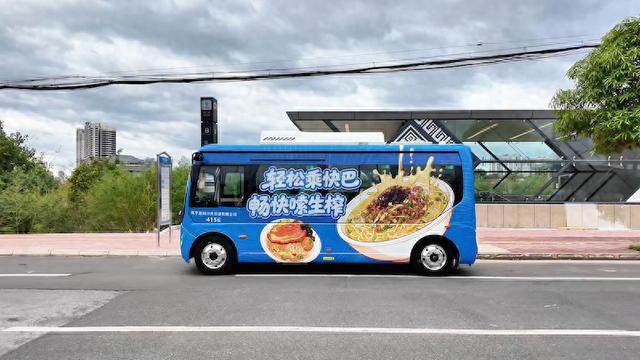
从嗦粉专线到数智调度 南宁公交以新场景点亮“民生路”
Xin Lang Cai Jing· 2025-12-25 15:18
Core Viewpoint - Nanning Public Transport is transforming from traditional capacity to precise service, leveraging digital intelligence to enhance public transport efficiency and meet citizen needs [2][5][8]. Group 1: Transformation and Innovation - Nanning Public Transport has launched various specialized bus lines, such as the "Suo Fen Line" and "Vegetable Basket Line," to connect citizens with local food and agricultural markets [2][5][7]. - The company has invested 1.2 million yuan in smart safety facilities, emphasizing the integration of technology in public transport [3]. - The implementation of AI-driven systems for real-time passenger flow analysis and dynamic scheduling has significantly improved operational efficiency [10]. Group 2: Integration and Collaboration - The integration of metro and bus services has resulted in a 25% increase in daily passenger volume over three years, with significant cost savings for the government [7][10]. - Nanning's public transport system has achieved a 91.51% coverage rate of bus stops within 50 meters of metro stations, enhancing connectivity [10]. - The establishment of a multi-level organizational structure for community engagement has strengthened the service delivery model [7]. Group 3: Future Outlook and Strategic Goals - Nanning Public Transport aims to explore new business models, including automated buses and hydrogen-powered vehicles, to diversify revenue streams and enhance resilience [12]. - The company is focused on developing a comprehensive public transport system that integrates various modes of transport, aiming for seamless passenger experiences [10][12]. - Future initiatives will include the promotion of smart transportation technologies and collaboration with industries to enhance service quality and operational efficiency [11][12].
热搜爆了!店员偷牛肉被拍,紫燕百味鸡又“翻”车了
凤凰网财经· 2025-12-25 12:25
Core Viewpoint - The article highlights ongoing issues with food safety and customer trust at Ziyan Food, particularly following a recent incident where an employee was caught stealing meat, raising questions about management practices and operational integrity [1][5][36]. Group 1: Incident and Response - A video surfaced showing an employee at Ziyan Food's store in Jiangsu secretly taking beef from a customer's order, leading to public outrage and suspicions about the store's practices [1][2][4]. - In response, Ziyan Food established a special task force to investigate the incident, confirmed the misconduct, and took immediate actions including closing the store, firing the employee, and offering compensation to affected customers [5]. Group 2: Food Safety Issues - Ziyan Food has a history of food safety problems, with previous incidents including microbial contamination in products, where five items failed safety tests, with one sample exceeding the safe limit by 290 times [8][10]. - The company has faced multiple complaints regarding food safety, including issues of underweight products and reports of foreign objects in food [20][22]. Group 3: Business Model and Management Challenges - Ziyan Food operates primarily through a distribution model, with 79.32% of revenue coming from distributors, which limits direct control over franchise operations and contributes to management challenges [24][28]. - The company has acknowledged risks associated with its sales channel management, noting that as the number of franchise stores increases, maintaining oversight becomes more difficult [28]. Group 4: Financial Performance - For the first three quarters of 2025, Ziyan Food reported a revenue of 2.514 billion yuan, a decline of 6.43% year-on-year, with net profit dropping by 44.37% to 194 million yuan [36]. - The company's cash flow from operating activities decreased by 39.23%, and its debt ratio rose to 49.31%, indicating financial strain and challenges in sustaining growth [38]. Group 5: Strategic Transition and Leadership - Ziyan Food is undergoing a strategic transformation focusing on youth engagement, globalization, and digitalization, but faces significant upfront costs and cash flow challenges [40]. - The company has recently transitioned to a new management team, which must balance immediate operational crises with long-term strategic goals, amidst increasing competition and market pressures [42].