提振消费

Search documents
银行业金融机构应从三方面协同发力提振消费
Guo Ji Jin Rong Bao· 2025-12-26 10:08
Core Viewpoint - The joint issuance of the "Notice on Strengthening Business and Financial Coordination to Boost Consumption" by the Ministry of Commerce, the People's Bank of China, and the National Financial Regulatory Administration aims to enhance consumption through 11 policy measures across key areas such as goods consumption, service consumption, and new consumption types, emphasizing the need for collaboration between banking institutions and business departments to effectively implement these policies [1][2]. Group 1: Policy Measures - The notice outlines three main areas of focus with 11 specific policy measures to support consumption, emphasizing the importance of collaboration between financial institutions and local business departments [1]. - Financial institutions are encouraged to establish regular coordination mechanisms with local governments to enhance communication and tailor implementation details to local conditions, ensuring effective policy execution [1][2]. Group 2: Financial Services Innovation - Financial institutions should innovate their service offerings to better support consumption, particularly in areas such as durable goods, digital products, and service consumption, by providing flexible financing options like installment payments and credit cards [3][4]. - There is a call for financial institutions to explore new financing models that cater to emerging consumption trends, including green consumption and digital consumption, while ensuring risk control and sustainability [5][6]. Group 3: Collaboration and Support - Strengthening cooperation with key enterprises and platforms is essential for providing comprehensive financial support, including cross-border supply chain financing and facilitating domestic and international trade [2][4]. - Financial institutions are urged to actively participate in consumption promotion activities organized by business departments, offering tailored financial solutions to enhance the efficiency of subsidy distribution [4][5]. Group 4: Targeted Financial Solutions - The development of differentiated financial services that cater to new consumption patterns and business models is crucial, with a focus on supporting small and medium-sized enterprises and individual operators [5][6]. - Financial institutions should leverage digital tools to integrate subsidies and consumption vouchers with consumer spending, ensuring precise alignment with consumption scenarios [5][6].
提振消费的关键是改善收入|宏观经济
清华金融评论· 2025-12-26 09:29
Core Viewpoint - The low proportion of final consumption by the household sector in GDP and insufficient consumer capacity and willingness are significant reasons for weak consumption in China. The central economic work conference in December 2024 and the government work report for 2025 prioritize "boosting consumption, improving investment efficiency, and expanding domestic demand" as key tasks for 2025. Improving residents' income levels, diversifying income sources, and enhancing the income distribution system are crucial for stimulating consumption [1][2]. Group 1: Consumption and Income Distribution - The final consumption only accounts for about 65% of disposable income, which is significantly lower than international levels, lagging behind Germany by 16 percentage points and the United States by 18 percentage points [2]. - The proportion of household final consumption in GDP is approximately 15 percentage points lower than the international average, indicating a need for improvement in domestic consumption [2]. - The adjustment of household disposable income (AHDI) is a critical indicator for assessing living conditions across countries, reflecting the distribution of income between the household and non-household sectors [5][4]. Group 2: AHDI and International Comparison - China's AHDI has consistently been lower than international levels, which restricts the growth of household consumption. In 2007, the AHDI was only 59.9%, a decline of 11.2 percentage points since 1992, with a widening gap compared to other countries [6]. - In 2022, the proportion of disposable income in GDP for households was 60.3%, nearing levels in France (61.9%), Germany (61.3%), and Japan (60.9%), but the AHDI gap with major economies remains significant [8]. Group 3: Income Sources and Growth - The primary source of income for residents is wage income, which is overly reliant and affects marginal consumption propensity, leading to slower income growth [11]. - Labor income constitutes nearly 85% of disposable income, significantly higher than in Germany (71%), Japan (78%), France (75%), and the United States (64%), which results in lower consumption propensity [12]. - The average number of people per small business in China is over 100, compared to 30 in Japan and about 10 in the U.S., indicating a lack of capital income sources [12]. Group 4: Income Growth Trends - After 2020, the growth rate of household income has slowed, with the median growth rate of urban residents' disposable income lagging behind GDP growth [13]. - The average growth rate of urban residents' disposable income from 2013 to 2023 was 6.8%, while the GDP growth rate was 6.0%. Post-COVID, this growth rate further declined to 4.6%, below GDP growth [13]. - Income growth disparities are evident, with only Tibet and Xinjiang showing growth rates above 5% in 2024, while major cities like Guangdong, Shanghai, and Beijing reported lower growth rates [13]. Group 5: Wealth Distribution and Inequality - There is a significant income distribution gap, with high-income households earning 10.3 times more than low-income households, compared to 8.4 times in the U.S. and around 5 times in Western Europe [15]. - Wealth concentration is even more pronounced, with the top 10% of the population holding 82.8% of total wealth, and the top 1% holding 31.5% [15]. Group 6: Social Security and Healthcare - The social safety net is not adequately established, with low pension coverage and sustainability concerns. The average monthly pension for rural residents is only 205 yuan, while urban retirees receive an average of 3605 yuan [17]. - High out-of-pocket medical expenses, particularly in rural areas, burden low-income groups, with a self-payment ratio of 35% in 2020, higher than in the U.S. and Europe [17].

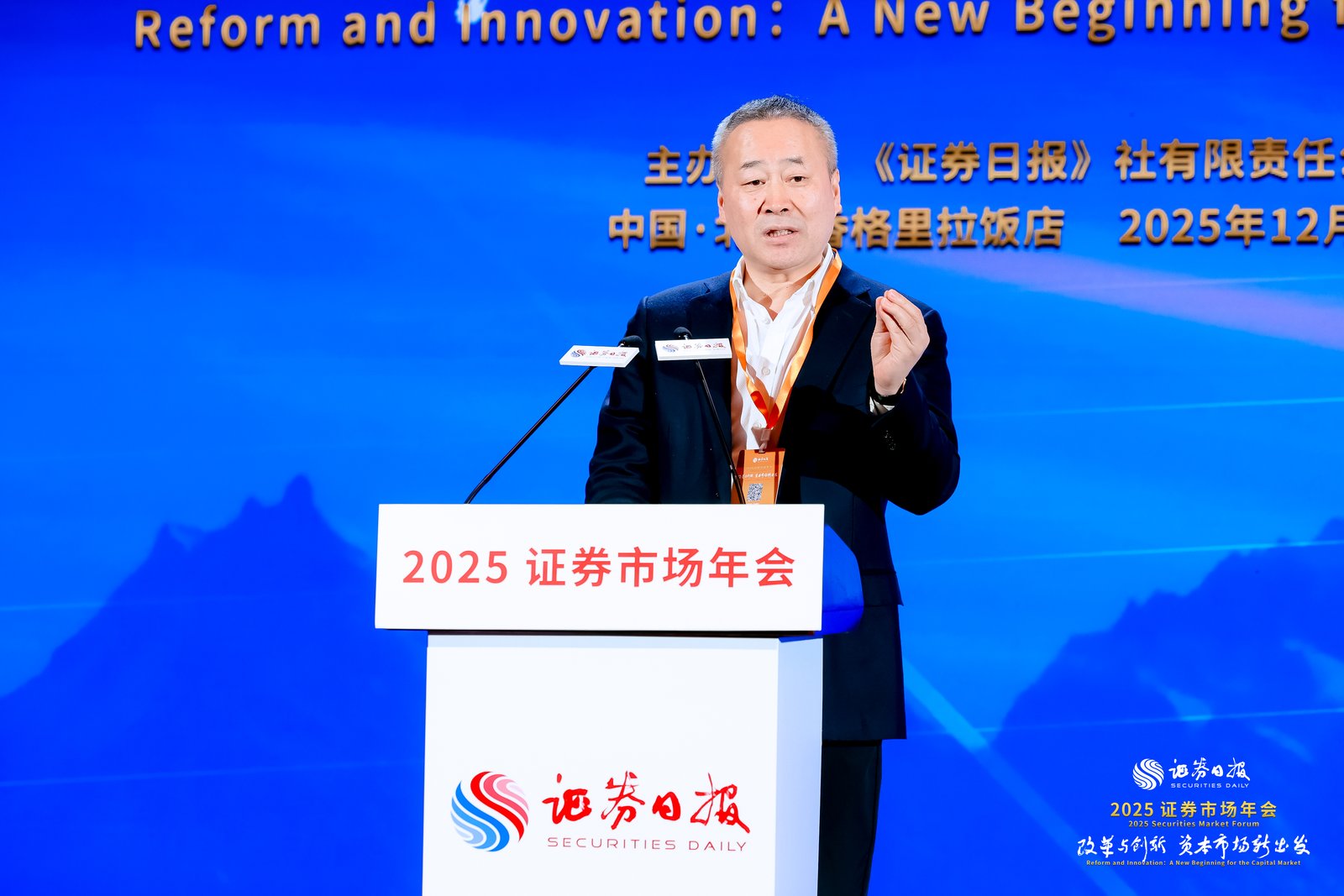
滕泰:扩大内需战略的长期逻辑
Zheng Quan Ri Bao· 2025-12-26 06:46
Group 1: Fixed Asset Investment - The total fixed asset investment in China from January to November showed a year-on-year decline of 2.6%, indicating a likely negative growth for the entire year [2] - The negative growth in fixed asset investment is viewed as a normal correction after years of high growth and over-investment [2][3] - China's investment rate remains the highest globally at over 40%, with new capital formation accounting for 43% of GDP, suggesting that a reduction to a more reasonable level could lead to a significant amount of inefficient investment [3] Group 2: Consumer Spending - Consumer growth rate for the same period was 4%, but there was a rapid decline in October and November, indicating that structural policies to boost consumption have not been effective [4][5] - A shift from structural to aggregate consumption policies is recommended, focusing on increasing overall consumer spending rather than targeted subsidies [5][6] - Increasing residents' income is crucial for boosting consumption, with suggestions for government spending to shift from ineffective investments to direct consumer subsidies [6][11] Group 3: Monetary Policy - There is potential for more active monetary policy, including interest rate cuts, which could significantly impact corporate profits and consumer spending [7] - The current LPR rate is at 3%, indicating room for further reductions, which could help alleviate local government debt burdens [7] - Historical examples from the US and Europe show that low or negative interest rates can effectively stimulate economic recovery [7] Group 4: Capital Market Outlook - China's capital market is currently valued at just over 100 trillion yuan, with potential to reach 200 trillion yuan by 2030 if the securities ratio aligns with international averages [8][9] - The wealth effect from capital market growth could significantly boost consumer spending, contributing to overall economic demand [9][10] - Increasing the proportion of state-owned equity transferred to social security funds could enhance social welfare and support consumer spending [10]
指数基金产品研究系列报告之二百六十五:政策受益、估值企稳,关注食品方向投资机会:华夏中证全指食品ETF
Shenwan Hongyuan Securities· 2025-12-26 03:42
Report Industry Investment Rating - The report does not explicitly mention the industry investment rating [1][2] Core Viewpoints of the Report - The government has increased its emphasis on boosting consumption and expanding domestic demand, with multiple policies coordinated to promote the construction of the domestic economic cycle and the domestic demand system [2][7][8] - It is expected that the year-on-year pork price will gradually turn positive in the second half of 2026, which will support the CPI, especially the food CPI [2][14][20] - The CSI All-China Food Index selects leading companies in the food industry, with high price elasticity, strong offensive ability, and long - term stable excess return potential. Currently, the valuation of the food sector has bottomed out, and the medium - to - long - term allocation cost - effectiveness is prominent [2][22][50] - The Huaxia CSI All - China Food ETF closely tracks the CSI All - China Food Index, aiming to minimize tracking deviation and tracking error [2][52] Summary According to the Directory 1. Policy Emphasizes Expanding Domestic Demand and Boosting Consumption, Focus on Investment Opportunities in the Food Sector - **Policy Attention Increased: Boosting Consumption and Expanding Domestic Demand** - Multiple policies are coordinated to promote the domestic economic cycle and the construction of the domestic demand system. Since December, authoritative media and high - level authorities have continuously emphasized the importance of domestic demand and the significance of boosting consumption [2][7][8] - The "Qiushi" magazine pointed out that expanding domestic demand is a strategic move related to economic stability and security. The Central Financial and Economic Affairs Office stated that expanding domestic demand is the top priority for next year, and the National Development and Reform Commission emphasized the firm implementation of the strategy to expand domestic demand [2][9][13] - **Expected Gradual Recovery of Pork Prices, Focus on Food CPI Changes in 2026** - Since the second half of 2022, the CPI has been continuously declining and has been hovering at a low level since 2025, suppressing the contribution of prices to the profits of mass consumer goods [2][14] - Although the CPI was at a low level in 2025, the demand for dairy products showed signs of stabilization. The retail prices of milk and yogurt ended a three - year decline in the second half of 2025 [17][19] - Due to the structural surplus of production capacity and low breeding costs, the year - on - year decline in pork prices has widened since the second half of 2025. It is expected that the year - on - year pork price will gradually turn positive in the second half of next year, supporting the CPI, especially the food CPI [20][21] 2. CSI All - China Food Index - **Index Compilation: Selecting Leading Food Industry Companies** - The CSI All - China Food Index was released on July 15, 2013. It selects all listed company securities belonging to the tertiary "Food" industry from the CSI All - China sample space, aiming to comprehensively reflect the overall performance of A - share food industry listed company securities [22][25][26] - The index samples are adjusted semi - annually, with a single sample weight limit of 10% [26] - **Industry Market Value Characteristics: Industry Concentrated in the Primary Consumption Sector, with a Market Value Pattern Dominated by Leading Companies** - As of December 18, 2025, the index has 79 constituent stocks, with an average total market value of 1.6575 billion yuan. There are 3 stocks with a market value exceeding 10 billion yuan, and more than half of the constituent stocks have a total market value of less than 1 billion yuan [27][30][33] - The top ten constituent stocks have a total weight of 50.4%, and the top three weighted stocks are Inner Mongolia Yili Industrial Group Co., Ltd., Haitian Flavoring & Food Co., Ltd., and Shuanghui Development Co., Ltd., with weights of 10.52%, 9.05%, and 6.05% respectively [30][31][33] - The index is concentrated in the food sub - industries, especially in the seasoning fermentation products II, food processing, and beverage dairy sectors, with a combined proportion of over 64%, highly focusing on the food field directly facing consumers [33][34][39] - **High Index Volatility and Strong Offensive Ability** - Historically, the index has shown a clear offensive ability, especially in the market driven by the consumption sector, with long - term stable excess return potential. It also has significant high elasticity, with higher volatility and drawdown than the market broad - based index [40][42][45] - In the long run, the index has shown stable income growth ability, with a cumulative return and annualized return of 256.10% and 8.87% respectively, exceeding the performance of the CSI 300 Index and the CSI All - China Index during the same period, reflecting the long - term allocation value of the core assets in the consumption industry [42][43] - **The Valuation of the Food Sector has Bottomed Out, and the Medium - to - Long - Term Allocation Cost - Effectiveness is Prominent** - As of December 18, 2025, the price - to - earnings ratio of the index is 31.52, with a historical quantile of 22.26%, and the price - to - book ratio is 2.85, with a historical quantile of 5.32% [50][51][52] - The index has experienced an adjustment since the high in late 2020, and recently shows signs of stabilization, with limited downside risk [50] 3. Huaxia CSI All - China Food ETF - The Huaxia CSI All - China Food ETF (fund code: 159151) closely tracks the CSI All - China Food Index, aiming to minimize tracking deviation and tracking error. The fund started raising funds on December 22, 2025, and ended on December 26, 2025, with fund manager Wang Xinwei [2][52][55]



福建:出实招出新招提振消费 深入清理消费领域不合理限制措施
Xin Lang Cai Jing· 2025-12-26 00:35
Core Viewpoint - The Fujian Provincial Economic Work Conference emphasizes the importance of tapping into domestic demand potential, boosting consumption, and expanding effective investment [1] Group 1: Consumption Initiatives - The conference proposes practical and innovative measures to stimulate consumption, including the continuation of the "All Fujian Shopping" promotional activities [1] - There will be a focus on enhancing service consumption quality and implementing a comprehensive cultural tourism enhancement strategy [1] - Efforts will be made to eliminate unreasonable restrictions in the consumption sector and to promote new consumption formats, models, and scenarios, as well as pilot international consumption environments [1] Group 2: Investment Growth Strategies - A comprehensive approach will be taken to stabilize investment growth, with an emphasis on strengthening project planning and reserves [1] - The conference highlights the importance of major projects in driving investment and aims to closely integrate investments in physical assets and human resources [1] - The goal is to effectively boost various types of investment and enhance confidence in private investment through more concrete measures [1]
深入实施提振消费专项行动,有望释放消费潜力
Xuan Gu Bao· 2025-12-25 14:55
Group 1 - The Ministry of Commerce is implementing a series of consumption-boosting activities, including the Spring Festival consumption season and online New Year goods festival, to enhance consumer demand during the holiday period [1] - There is a focus on service consumption improvement, with recent policies aimed at removing unreasonable restrictions in the consumption sector, which is expected to gradually release service consumption demand [1] - The central economic work conference emphasized the importance of domestic demand and the construction of a strong domestic market, alongside plans to increase income for urban and rural residents [1] Group 2 - Wancheng Group has developed a product portfolio covering nine core categories, including beverages, snacks, baked goods, and convenience foods, featuring both domestic and international leading brands as well as local specialties [2] - New World is recognized as one of the largest and most comprehensive modern department stores on Nanjing Road in Shanghai, integrating modern retail, tourism, and entertainment [2]
滨州市经济工作党外人士座谈会召开
Xin Lang Cai Jing· 2025-12-25 12:15
Group 1 - The meeting focused on the economic work of the city, discussing the implementation of the central and provincial economic work meetings, and gathering opinions and suggestions from various democratic parties and non-party representatives for the upcoming year's economic work [1][2] - The city has maintained a strong momentum in high-quality development, emphasizing the importance of unity and collaboration among various political parties and organizations to contribute positively to the economic landscape [1][2] - The city leadership expressed gratitude for the contributions made by democratic parties, the Federation of Industry and Commerce, and non-party individuals in supporting the local economy and improving the business environment [1] Group 2 - The upcoming year is highlighted as the beginning of the "14th Five-Year Plan," with a call for accurate understanding of the central and provincial economic policies to ensure effective implementation and positive outcomes [2] - The city aims to leverage the political role of the united front to gather wisdom and strength, focusing on practical strategies and actions to enhance the quality of life and economic development in Binzhou [2] - The city government will continue to support the work of democratic parties and non-party individuals, providing a platform and strong backing for their functions [2]
牵牢消费“牛鼻子”,激活投资“强引擎”
Sou Hu Cai Jing· 2025-12-25 07:43
牵牢消费"牛鼻子",激活投资"强引擎" 今年国庆中秋假期,日照海滨国家森林公园新增"东海上人姜子牙"演艺、森林小火车等新业态,荣登山东省国庆中秋假期追景指数热点景区。如何进一步 提升国家级旅游度假区的品牌吸引力?日照山海天旅游度假区党工委书记申淑清说,"将坚持以发展文旅新质生产力为目标,切实贯彻会议部署的各项任 务,推进'文旅体康'融合发展。在推动经济提质增效的同时,也将始终坚守生态底线、夯实民生根基。" 消费和投资,是扩大内需的"双引擎"。"十四五"以来,我省在持续释放消费市场活力的同时,在投资领域同步发力。这五年,我省紧扣扩大内需不松劲, 围绕优化供给结构、提升基础设施、改善公共服务,每年谋划实施15000个省市县三级重点项目,在扩大有效投资上不断取得新成效。今年1—5月,全省 固定资产投资同比增长1.3%。其中,国企投资"压舱石"作用稳,成效显著。1—11月,省属企业完成固定资产投资1650亿元、同比增长20.7%。 ——聚焦省委经济工作会议 12月23日,山东省委经济工作会议在济南举行,会议明确要以更大力度抓好八项重点任务。其中,"更大力度推进全方位扩大内需"被置于首位。接下来, 将如何用好消费与投资 ...

专访尹艳林:多措并举提振消费,关键要稳定居民收入增长预期
2 1 Shi Ji Jing Ji Bao Dao· 2025-12-24 10:07
Core Viewpoint - The article emphasizes the need for increased domestic demand policies to sustain economic growth in China during the 14th Five-Year Plan period, particularly focusing on enhancing consumer spending and stabilizing investment growth [1]. Group 1: Consumer Spending - The central economic work conference highlights the implementation of special actions to boost consumption in 2026, aiming to optimize policies and unleash the potential of service consumption [1]. - In 2025, China allocated 300 billion yuan in long-term special bonds to support the replacement of consumer goods, which is expected to drive significant growth in sectors like new energy vehicles and home appliances, thereby increasing retail sales [1]. - The current consumer spending rate in China is 39.9%, which is significantly lower than that of developed countries by 10-30 percentage points, indicating a need for substantial improvement [3][4]. Group 2: Investment Growth - Investment growth in China is projected to decline in 2025 due to various factors, including adjustments in the real estate market and external economic pressures, necessitating measures to stabilize and increase investment [1][11]. - The government is encouraged to increase central budget investments and optimize the implementation of key projects to support economic recovery [1]. - The article suggests that maintaining reasonable investment growth is crucial, especially in infrastructure and public services, to align with urbanization and industrialization processes [11][12]. Group 3: Income Growth and Middle-Income Group Expansion - The article discusses the importance of increasing residents' income to enhance consumer spending, advocating for a plan to raise income levels and improve the distribution of national income [7][8]. - The middle-income group, defined as households earning between 100,000 to 500,000 yuan annually, is crucial for driving consumption, with over 400 million people falling into this category [9]. - Expanding the middle-income group is expected to shift demand structures towards higher-end goods and services, thereby boosting overall domestic consumption [9]. Group 4: Policy Recommendations - To stabilize market expectations, the economic growth target for 2026 should be set around 5%, with a focus on implementing proactive fiscal and monetary policies [6]. - The article recommends various measures to stimulate consumption, including the continuation of replacement policies for consumer goods and the removal of unreasonable consumption restrictions [10]. - It emphasizes the need for structural reforms and increased government investment to enhance public welfare and stimulate private sector investment [13][14].

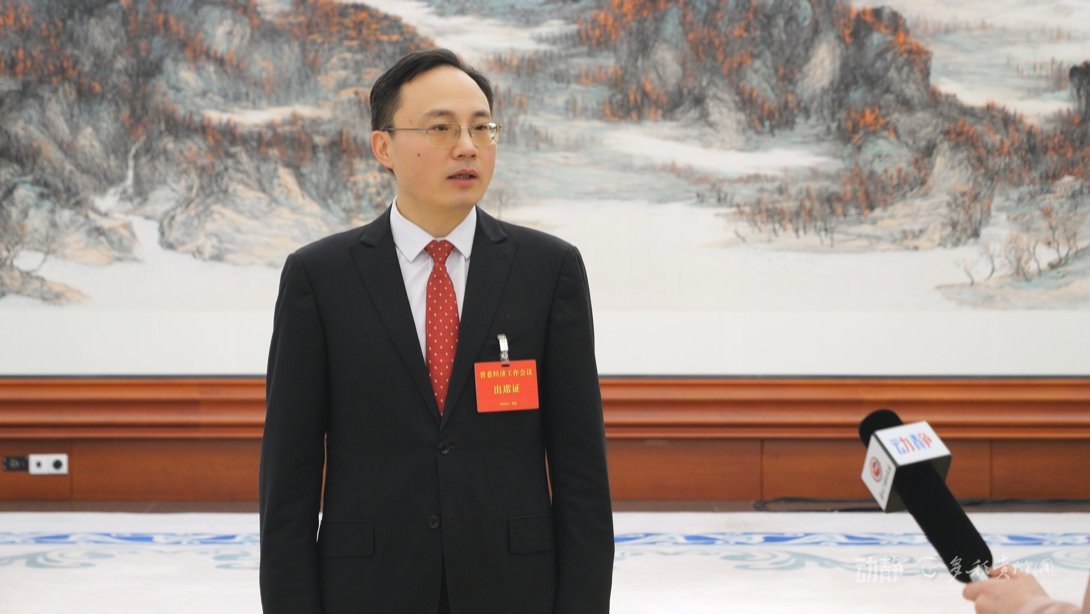
聚焦省委经济工作会议丨贵州省商务厅厅长陶平生:加快发展开放型经济,大力提振消费
Xin Lang Cai Jing· 2025-12-24 08:29
Group 1 - The year 2025 is highlighted as a significant year for Guizhou, with a focus on high-quality development and the implementation of the '5+3' project mechanism to enhance economic performance [2] - The provincial government aims to promote high-quality business development, emphasizing open economic strategies and consumer stimulation actions in the upcoming "15th Five-Year Plan" [2] Group 2 - The strategy includes accelerating the development of an open economy, leveraging the Western Land-Sea New Corridor, and focusing on trade with Southeast Asia, South Asia, and Central Asia [3] - There is a commitment to expand exports of traditional products like fertilizers, liquor, and tires, as well as new products such as electric vehicles and lithium batteries, supported by a foreign trade action plan [3] - The government plans to enhance the efficiency of open channels like the Guiyang International Land Port and optimize the investment environment to attract foreign investment [3] Group 3 - The initiative to boost consumption combines improving livelihoods with promoting consumer spending, focusing on both supply and demand sides [4] - Plans include introducing policies for replacing old consumer goods, maintaining stable consumption of key products, and launching promotional activities to enhance consumer experiences [4]