人车家全生态

Search documents
中金:维持小米目标价70港元及“跑赢行业”评级
news flash· 2025-06-06 02:36
Core Viewpoint - CICC maintains a target price of HKD 70 for Xiaomi Group and a "outperform" rating, with unchanged profit forecasts [1] Group 1: Company Strategy and Developments - On June 3, Xiaomi Group held its 2025 Investor Day, reviewing the strategic upgrades and organizational changes in its core businesses over the past five years, including mobile phones, automobiles, IoT, and internet services [1] - The company addressed key issues such as its competitive moat, new retail strategies, high-end product development, self-developed chips, and investments in AI [1] - Xiaomi outlined its long-term vision for an integrated ecosystem encompassing vehicles, homes, and personal devices [1]

小米集团-W(1810.HK):小米模式构筑护城河 人车家高端化行则将至
Ge Long Hui· 2025-06-05 17:53
Group 1: Core Strategy and Performance - Xiaomi's high-end strategy and new retail model were discussed at the 2025 Investor Day, emphasizing the importance of "chips, AI, and OS" as foundational technologies [1] - In 2024, Xiaomi is expected to gain over 13 million net new users in the Chinese smartphone market, with a market share increase of 5.3 percentage points from 2020 to 2024 [1] - In Q1 2025, Xiaomi's global smartphone sales reached 41.8 million units, a year-on-year increase of 3.0%, with a global market share of 14.1% [1] Group 2: IoT and Consumer Products - In Q1 2025, Xiaomi's IoT and consumer products business generated revenue of 32.3 billion yuan, a year-on-year growth of 58.7%, with a gross margin of 25.2% [2] - Revenue from smart home appliances doubled, with significant growth in air conditioners, refrigerators, and washing machines, all showing over 65% year-on-year growth [2] Group 3: Automotive Business - Xiaomi's automotive business reported a loss of 500 million yuan in Q1 2025, a significant reduction of 50.2% from the previous quarter [3] - The new YU7 model is expected to launch in July, aiming to enhance the product lineup and profitability [3] - The automotive business is projected to achieve profitability in Q3 to Q4 of this year, supported by a growing product ecosystem [3] Group 4: Financial Projections - Xiaomi's projected net profits for 2025, 2026, and 2027 are 42.39 billion, 55.75 billion, and 70.08 billion yuan, respectively [3]
国补的最大受益者,小米还能接着赢吗?
雷峰网· 2025-06-05 07:43
Core Viewpoint - The article emphasizes that Xiaomi has emerged as the biggest winner from the recent national subsidy policy, significantly boosting its market position and sales performance in the smartphone sector [4][11]. Group 1: National Subsidy Impact - The national subsidy policy, which provided consumers with a 15% subsidy on eligible digital products, led to a substantial increase in smartphone sales, with a 65% year-on-year growth in the week following its implementation [2][3]. - In the first quarter of 2025, the total shipment of smartphones in China reached 70.9 million units, a 5% increase year-on-year, with Xiaomi reclaiming the top position in market share for the first time in ten years [3][6]. - The subsidy policy has accelerated the competition among smartphone brands, with Xiaomi's performance being particularly strong, as it capitalized on the subsidy to enhance its market share and sales [3][4]. Group 2: Xiaomi's Financial Performance - Xiaomi's total revenue for the first quarter of 2025 reached 111.3 billion yuan, a 47.4% increase year-on-year, with adjusted profits rising by 64.5% to 10.7 billion yuan [6][9]. - The average selling price (ASP) of Xiaomi smartphones hit a record high of 1,211 yuan, reflecting a 5.8% year-on-year increase, while the market share of high-end models rose to 25% [6][7]. - Xiaomi's smartphone shipments in China reached 13.3 million units, a 39.9% increase compared to the same period last year, solidifying its market leadership [7][9]. Group 3: Competitive Advantages - Xiaomi's success is attributed to its strong product capabilities, brand strength, channel efficiency, and ecosystem integration, which have collectively enhanced its market competitiveness [11][12]. - The company has effectively utilized its extensive product line to increase consumer engagement and shopping experience, leading to higher brand exposure and sales [12][13]. - Xiaomi's automotive business, although not directly involved in the subsidy, has significantly boosted the brand's visibility and market presence, contributing to its overall growth [14][26]. Group 4: Future Outlook - The article suggests that while the national subsidy has provided a temporary boost, its long-term effects may diminish, leading to increased market competition and potential risks for manufacturers [24][25]. - Xiaomi is expected to continue leveraging its ecosystem strategy and technological advancements to maintain its competitive edge, with plans for significant R&D investments in the coming years [29][28]. - The company aims to expand its user base to over 200 million by 2026, indicating a strong growth trajectory despite potential market fluctuations [29].

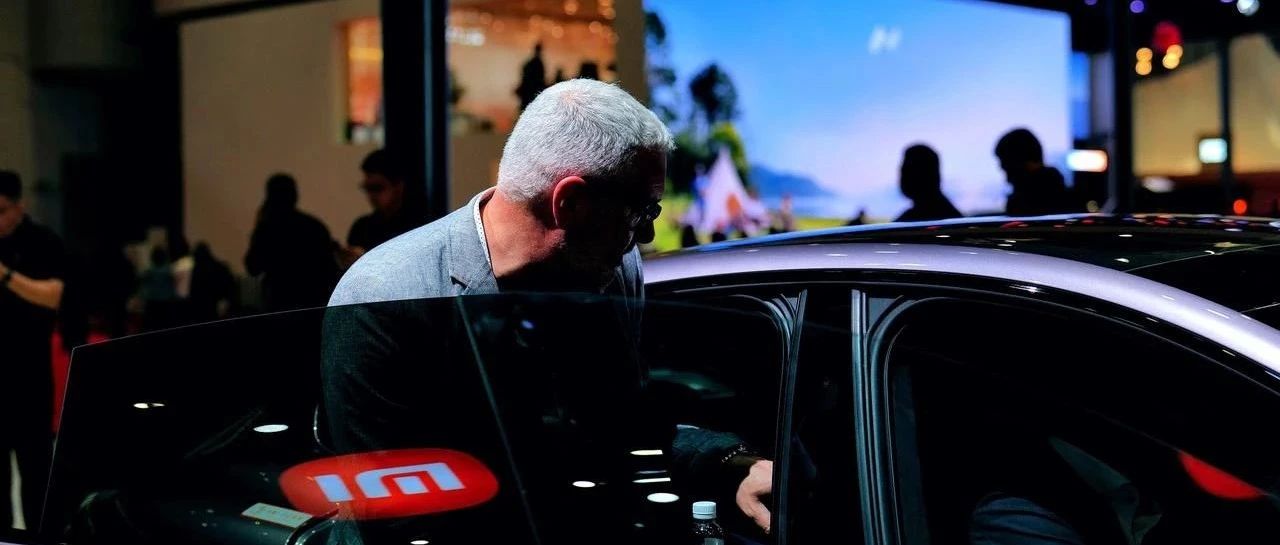
雷军回答小米的护城河是什么:这三样是关键
Sou Hu Cai Jing· 2025-06-04 17:29
Core Insights - Xiaomi is actively building and deepening its competitive moat through three key aspects: the all-ecosystem of people, vehicles, and home; the Xiaomi model; and technology as the foundation [1][3]. Group 1: All-Ecosystem of People, Vehicles, and Home - Xiaomi's all-ecosystem strategy was officially closed with the launch of the SU7 last year, significantly enhancing the brand's image and leading to substantial growth in high-end smartphones and smart home appliances [1]. - In the first quarter, Xiaomi's entire product line experienced growth, showcasing the value of its smart ecosystem and providing impressive cross-device smart experiences [1]. Group 2: Xiaomi Model - The Xiaomi model, which includes methodologies like the explosive product model and new retail model, has proven to be effective in ensuring commercial success [3]. - The initial success in the automotive sector and advancements in chip development demonstrate the applicability and vitality of the Xiaomi model, which will be further strengthened and promoted globally [3]. Group 3: Technology as the Foundation - Xiaomi has consistently adhered to the principle of "technology as the foundation," committing to significant investments in core technology research and development [3]. - Over the past five years, Xiaomi has pledged to invest 100 billion RMB in core technology R&D, with expectations to exceed 102 billion RMB from 2021 to 2025, and an estimated 30 billion RMB this year [3]. - In the next five years, Xiaomi plans to invest an additional 200 billion RMB in core technology, focusing on chips, AI, and operating systems to strengthen its technological foundation [3]. Group 4: Future Outlook - Xiaomi acknowledges the challenges ahead and emphasizes a steady approach to progress, with confidence in delivering outstanding results over time [4]. - Since 2018, Xiaomi has experienced both peaks and troughs, but its capabilities and performance have steadily improved, indicating a positive long-term outlook for investors [4].
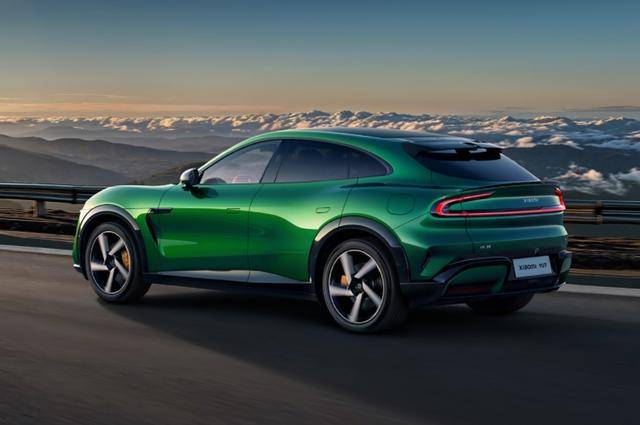
小米的“护城河”总算清晰了,雷军用14字解释清楚了!
Sou Hu Cai Jing· 2025-06-04 15:57
Core Viewpoint - Xiaomi has faced significant controversy regarding its rapid success in the automotive and semiconductor industries, achieving over 200,000 car sales within a year and developing a 3nm SoC chip, raising questions about its technological capabilities and the sustainability of its achievements [1][3]. Group 1: Xiaomi's Ecosystem - Xiaomi has established a "human-vehicle-home ecosystem," completing its transition from a smartphone manufacturer to a leader in a comprehensive smart ecosystem, enabling seamless connectivity and collaboration across devices [5]. - This ecosystem enhances brand perception and demonstrates the value of smart integration, making it difficult for competitors to replicate due to Xiaomi's unique technological foundation [5]. Group 2: Xiaomi's Business Model - The "Xiaomi model" represents a unique developmental path that has evolved over 14 years, showcasing its adaptability and effectiveness in global and ecological business strategies [7]. - The success of Xiaomi's ventures into automotive and semiconductor sectors validates the applicability and resilience of its business model [7]. Group 3: Commitment to Technology - Xiaomi has committed to long-term investment in core technologies, with a projected R&D expenditure exceeding 1,020 billion over five years, including an anticipated 300 billion this year [9]. - This focus on technology has been pivotal in Xiaomi's rapid growth, with plans to invest an additional 2,000 billion in areas such as chips, AI, and operating systems to strengthen its technological foundation [9]. Group 4: Future Outlook - With ongoing technological investments, Xiaomi is expected to transition from a hardware manufacturer to a leader in the smart ecosystem, aiming to align itself with top global tech companies like Apple and Tesla [11].
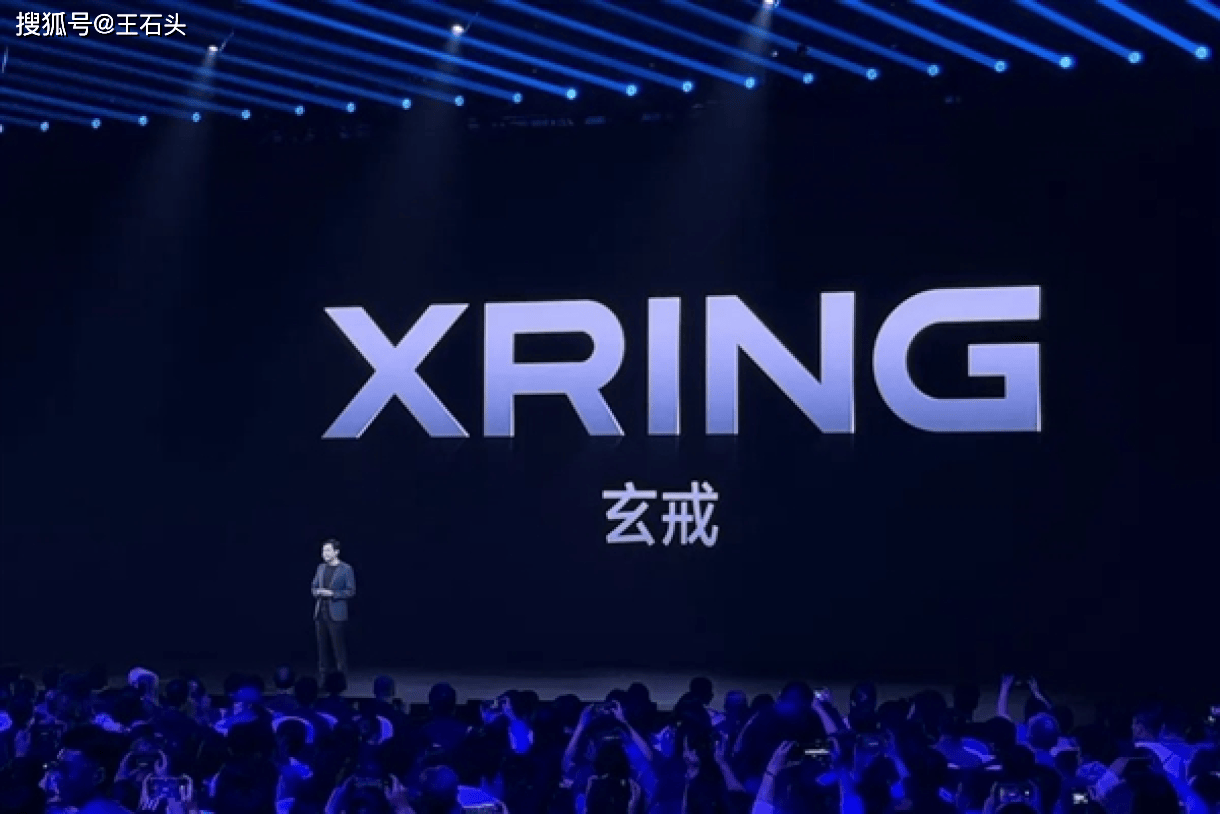
浪人早报 | 马斯克怒批特朗普法案、雷军回答小米的护城河是什么、英伟达超越微软重回全球市值第一…
Xin Lang Ke Ji· 2025-06-04 01:54
Group 1 - Xiaomi is building its competitive moat through three main strategies: a comprehensive ecosystem involving people, vehicles, and home products; a proven business model that includes methodologies for successful product launches and high-end products; and a strong focus on technology as the foundation of the company [2] Group 2 - Nvidia has regained its position as the world's most valuable publicly traded company, surpassing Microsoft with a market capitalization of $3.45 trillion, following a 3% increase in stock price and a 69% year-over-year revenue growth to $44.06 billion in the last quarter [4] Group 3 - The New York Liberty, a WNBA team, has been valued at $450 million, setting a record for women's professional sports franchises, following its acquisition by Joe Tsai and his wife in 2019 for over $10 million [5] Group 4 - OpenAI has announced the free availability of its memory feature for ChatGPT, allowing users to save and reference past conversations more effectively [6] Group 5 - Nintendo has sent out "sold out" signs to retailers in the U.S. for the Switch 2, indicating high demand and a successful product launch [7] Group 6 - A new film titled "Artificial" focusing on the internal turmoil at OpenAI in 2023 has been initiated, highlighting the rapid changes in leadership within the company [8] Group 7 - Apple is facing potential legal challenges in the EU that may lead to the removal of the AirDrop feature from iPhones in the European market [10] - The upcoming Apple A20 chip is expected to utilize a 2nm manufacturing process, representing a significant advancement over previous models [11]




小米集团-W:小米模式构筑护城河,人车家高端化行则将至-20250604
Changjiang Securities· 2025-06-04 00:20
Investment Rating - The investment rating for the company is "Buy" and is maintained [7] Core Views - The company held its 2025 Investor Day on June 3, where it discussed its high-end strategy and new retail format, emphasizing that its moat lies in the core of the Xiaomi model. The company will focus on "chips, AI, OS" as the three foundational pillars of hard technology, continuing to deepen its engagement in the underlying hard technology sector. Through the integration of software and hardware, it aims to empower the entire ecosystem of people, vehicles, and homes [4][8] Summary by Relevant Sections Smartphone and Consumer Electronics - According to the company's president, Xiaomi is expected to see a net inflow of over 13 million users in the Chinese market in 2024, with a market share increase of 5.3 percentage points from 2020 to 2024. In Q1 2025, global smartphone sales reached 41.8 million units, a year-on-year increase of 3.0%, with a global market share of 14.1%, up 0.3 percentage points. In mainland China, sales reached 13.3 million units, a year-on-year increase of 40.0%, reclaiming the top position after 10 years. The average selling price of Xiaomi smartphones in Q1 2025 was 1,210.5 yuan, up 5.7% year-on-year, with a market share of 24.4% in the 4k-5k yuan price range, ranking first [8] IoT Business - In Q1 2025, the company's IoT and lifestyle consumer products business achieved revenue of 32.3 billion yuan, a year-on-year increase of 58.7%, with a gross margin of 25.2%, up 5.4 percentage points year-on-year. The revenue from major appliances doubled, indicating initial success of the high-end strategy. In smart home appliances, revenue grew by 113.9% year-on-year, with air conditioning shipments exceeding 1.1 million units (up over 65%), refrigerators over 880,000 units (up over 65%), and washing machines over 740,000 units (up over 100%) [8] Automotive Business - The automotive business is gradually narrowing its losses, with a Q1 2025 loss of 500 million yuan, a significant reduction of 50.2% quarter-on-quarter. The company is advancing new model launches, with the YU7 model expected to launch in July. The YU7 is designed to balance aesthetics and performance while offering exceptional value, potentially becoming a bestseller. With the YU7's launch, the automotive business is entering a strong model cycle, and profitability is expected to improve further, with a forecast of achieving profitability in Q3 to Q4 of this year [8] Overall Ecosystem Development - The comprehensive development of Xiaomi's "people, vehicles, and homes" ecosystem, along with steady growth in smartphones and rapid growth in IoT appliances and automotive business, leads to projected net profits of 42.39 billion yuan, 55.75 billion yuan, and 70.08 billion yuan for 2025-2027, respectively, maintaining a "Buy" rating [8]
小米集团-W(01810):小米模式构筑护城河,人车家高端化行则将至
Changjiang Securities· 2025-06-03 23:30
Investment Rating - The investment rating for Xiaomi Group-W (1810.HK) is "Buy" and is maintained [7]. Core Insights - Xiaomi's moat is built on its core model, focusing on high-end strategies and new retail formats. The company aims to strengthen its foundation in "chips, AI, and OS" while continuing to delve into core technology sectors. The integration of software and hardware will empower the entire ecosystem of people, vehicles, and homes [2][4]. Summary by Sections Event Description - On June 3, Xiaomi held its 2025 Investor Day, where the founder Lei Jun and President Lu Weibing discussed the company's high-end strategy and new retail formats. Xiaomi's moat is attributed to its core model, with a focus on "chips, AI, and OS" as the three foundational pillars of hard technology [2][4]. Smartphone and Consumer Electronics - Xiaomi is entering a balanced development year, with a projected net user inflow of over 13 million in China for 2024. From 2020 to 2024, the market share is expected to increase by 5.3 percentage points. In Q1 2025, global smartphone sales reached 41.8 million units, a year-on-year increase of 3.0%, with a global market share of 14.1% [8]. - In mainland China, sales reached 13.3 million units, a year-on-year increase of 40.0%, reclaiming the top position after 10 years. The average selling price of Xiaomi smartphones in Q1 2025 was 1,210.5 yuan, up 5.7% year-on-year, with a market share of 24.4% in the 4k-5k price range [8]. IoT Business - In Q1 2025, the IoT and lifestyle consumer products segment generated revenue of 32.3 billion yuan, a year-on-year increase of 58.7%, with a gross margin of 25.2%, up 5.4 percentage points. The revenue from major appliances doubled, indicating the initial success of the high-end strategy [8]. Automotive Business - The automotive segment's losses narrowed significantly, with a loss of 500 million yuan in Q1 2025, a reduction of 50.2% quarter-on-quarter. The new YU7 model is expected to launch in July, continuing the product positioning logic of the SU7 series. The automotive business is anticipated to achieve profitability in Q3 to Q4 of this year [8]. Overall Outlook - Xiaomi's comprehensive ecosystem is advancing, with steady growth in smartphones, rapid growth in IoT appliances, and the automotive business. The projected net profits for Xiaomi Group from 2025 to 2027 are 42.39 billion, 55.75 billion, and 70.08 billion yuan, respectively, maintaining a "Buy" rating [8].
小米举办618线下“人车家全生态”特展,首款SUV及玄戒O1处理器亮相
Xin Lang Ke Ji· 2025-06-03 04:51
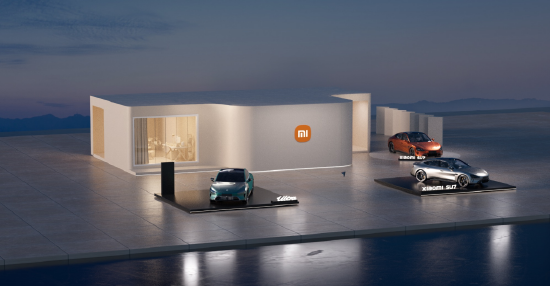
Group 1 - Xiaomi is hosting a special technology exhibition titled "Human, Vehicle, Home Ecosystem" at Beijing Huaxi LIVE from June 1 to June 18, aimed at enhancing consumer shopping experience with a total of 1.3 billion yuan in discounts across online and offline channels [1][3] - The exhibition features several new products including Xiaomi's first self-developed 3nm flagship processor "Xuanjie O1," the Xiaomi 15S Pro, Xiaomi Pad 7 Ultra, Xiaomi Watch S4 eSIM 15th Anniversary Edition, and the new luxury high-performance SUV Xiaomi YU7 [3] - The exhibition covers an area of 1000 square meters, divided into various zones such as vehicle exhibition, film exhibition, smart home living exhibition, and interactive areas, allowing consumers to experience Xiaomi's technology products in real-life scenarios [3] Group 2 - According to Xiaomi's latest Q1 2025 financial report, the company shipped 41.8 million smartphones globally, maintaining a position in the top three for 19 consecutive quarters and achieving year-on-year growth for seven consecutive quarters [4] - Xiaomi's market share in mainland China reached 18.8%, marking a return to the top position after ten years [4] - Revenue from IoT and lifestyle consumer products reached 32.3 billion yuan, representing a year-on-year growth of 58.7%, with smart home appliance revenue increasing by 113.8% [4]
5月车企交付数据出炉!雷军最新发声!
Zheng Quan Shi Bao· 2025-06-01 05:04
Group 1: Xiaomi Automotive - In May 2025, Xiaomi delivered over 28,000 units of its SU7 model and is preparing for mass production of the YU7, expected to start in July 2025 [2][4] - The SU7 series has achieved cumulative deliveries of 258,000 units since its launch, with 75,869 units delivered in Q1 2025, reflecting a quarter-on-quarter growth of 8.9% [5] - The YU7 has received significant interest, with user inquiries three times higher than those for the SU7 at the same stage, indicating strong market potential [6] Group 2: Li Auto - Li Auto reported 40,856 vehicle deliveries in May 2025, a year-on-year increase of 16.7%, bringing total deliveries to 1,301,531 units [6] - The company achieved revenue of 25.93 billion yuan in Q1 2025, a 1.1% increase year-on-year, with a net profit of 646.6 million yuan, up 9.4% [6] - Li Auto plans to launch two new electric SUVs in the second half of the year, with the first model, Li i8, set to debut in July [7] Group 3: XPeng Motors - XPeng delivered 33,525 vehicles in May 2025, marking a 230% year-on-year increase, and has maintained over 30,000 deliveries for seven consecutive months [7] - The company reported a revenue of 15.81 billion yuan in Q1 2025, a 141.5% increase year-on-year, with total deliveries reaching 94,008 units, a 330.8% increase [8] - XPeng is expanding into European markets, having entered Italy and Poland, and aims to accelerate its global market presence [8] Group 4: Leap Motor - Leap Motor achieved a record monthly delivery of 45,067 vehicles in May 2025, representing a year-on-year growth of over 148% [9] - The company reported revenue of 10.02 billion yuan in Q1 2025, a 187.1% increase year-on-year, driven by a 162.1% increase in sales [9] - Leap Motor is focusing on overseas markets, with plans for local assembly in Malaysia by the end of 2025 and aims for localized manufacturing in Europe by 2026 [10] Group 5: Avita - Avita sold 12,767 vehicles in May 2025, a 179% year-on-year increase, achieving over 50,000 cumulative sales from January to May 2025 [10] - The brand has successfully entered markets such as Thailand and the UAE, with plans to expand to 50 countries by 2025 and enter Europe in 2026 [10]