
数智化转型

Search documents
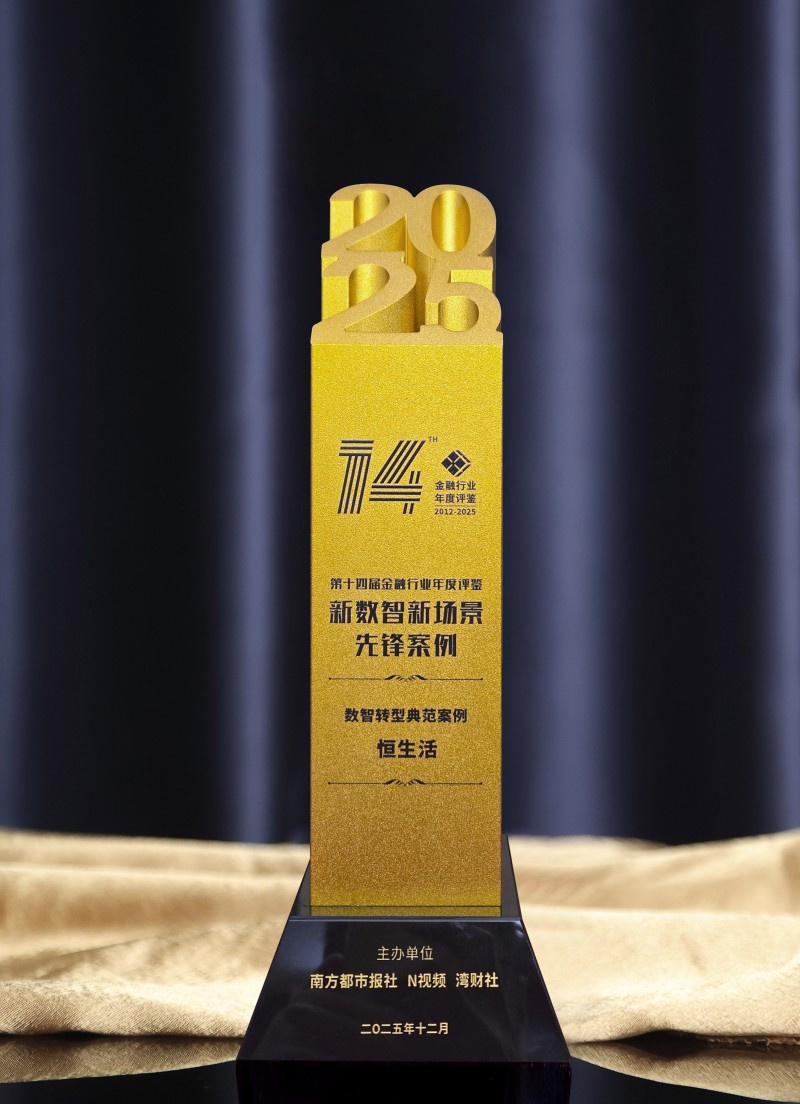
恒生活荣膺“2025新数智新场景先锋案例-数智转型典范”殊荣
Cai Fu Zai Xian· 2025-12-23 10:15
Core Viewpoint - The event "2025 China Inclusive Finance Action" highlighted the recognition of Heng Life for its innovative practices in IoT technology and inclusive services, showcasing its strength in digital transformation and financial inclusion [1][3]. Group 1: Recognition and Awards - Heng Life received multiple prestigious awards, including "2025 New Consumption Model Brand" and "2025 High-Quality Consumption Brand TOP 100," reflecting its strong capabilities and broad recognition in digital transformation and inclusive finance [3]. - The recognition at the 14th Financial Industry Annual Evaluation Ceremony emphasizes the importance of innovation in financial services and the need for exemplary industry benchmarks to guide high-quality development [5]. Group 2: Technological Integration and Economic Impact - The integration of cutting-edge technologies like 5G, IoT, AI, and blockchain is driving a comprehensive transformation in service models and ecosystem construction, enhancing the synergy between inclusive finance and new productive forces [4]. - Digital technology serves as a crucial link between inclusive finance and public needs, facilitating the delivery of financial services to key groups such as small and micro enterprises and rural communities, aligning with national policy directions [5]. Group 3: Business Development and Strategy - Heng Life has developed a three-dimensional business matrix encompassing smart retail, green travel, and fashion entertainment, transitioning from single-point services to an ecological layout [7]. - The company has leveraged AI and IoT technologies to create a seamless shopping experience through smart cabinets, addressing the financial service needs of small business owners and individual entrepreneurs [7]. - In the green travel sector, Heng Life is addressing the "charging difficulties" associated with electric vehicles by enhancing its charging network, particularly in lower-tier cities and rural areas, thus supporting the broader adoption of green travel [8]. Group 4: Future Directions and Commitment - Heng Life aims to continue its commitment to technology innovation and service expansion, focusing on enhancing service precision and coverage, particularly in county-level and underserved markets [6]. - The company plans to deepen the integration of digital life services with inclusive finance, contributing to the development of small and micro enterprises and rural revitalization [6].

驭科技浪潮,立转型潮头:中国重汽以体系竞争力迈向世界一流
Feng Huang Wang Cai Jing· 2025-12-23 07:42
Core Insights - The Shandong Heavy Industry China National Heavy Duty Truck Group held its 2026 Partner Conference, showcasing its achievements and future strategies with over 4,500 partners in attendance [1] - The conference theme "Technology Leading, Win-Win for the Whole Chain" highlighted nearly 200 products, including several new launches, demonstrating the company's commitment to linking the industry chain and expanding new opportunities with partners [1] Group 1: Performance and Market Position - In the context of a 27.5% year-on-year growth in the domestic commercial vehicle industry, China National Heavy Duty Truck achieved a remarkable sales figure of 280,000 heavy trucks, securing over 27% market share, maintaining its leading position [2] - The company is a leader in commercial vehicle exports, with expectations to exceed 150,000 heavy truck exports in 2025, marking an 11% increase year-on-year, and achieving a record monthly export of over 15,000 units in September [2] - The company has successfully transformed its strong market performance into solid financial results, achieving growth in both revenue and profit amidst increasing industry competition [2] Group 2: Technological and Systemic Advantages - The company's sustained competitive edge is supported by its comprehensive system capabilities, including independent control over core technologies and significant R&D investment of approximately 3 billion yuan annually [3] - China National Heavy Duty Truck has established multiple national-level R&D platforms and employs over 3,000 researchers, focusing on electric, hybrid, and hydrogen fuel cell technologies to build a robust R&D capability [3] - The company has developed a resilient supply chain through its full industry chain layout, ensuring stability and efficiency in production and quality control [3] Group 3: Marketing and Global Strategy - A strong domestic and international marketing capability allows the company to effectively capture market changes and respond quickly to customer needs, translating product and technology advantages into market leadership [4] Group 4: Strategic Vision and Transformation - The company aims to achieve a revenue of 400 billion yuan and sales of over 800,000 vehicles by 2030, focusing on a comprehensive transformation strategy termed "Six Transformations" [5] - The "Six Transformations" include green, digital, service-oriented, international, diversified, and high-end development, which are designed to support the company's long-term growth and adaptation to market demands [5][7] - The green transformation emphasizes electric vehicles as the core, supported by hybrid and fuel cell technologies, while the digital transformation introduces advanced AI technologies for comprehensive lifecycle services [6][8] Group 5: Commitment to Sustainable Development - The company is committed to building a sustainable and high-quality industrial future through technological innovation and ecological collaboration, aiming to become a world-class comprehensive commercial vehicle group [8]

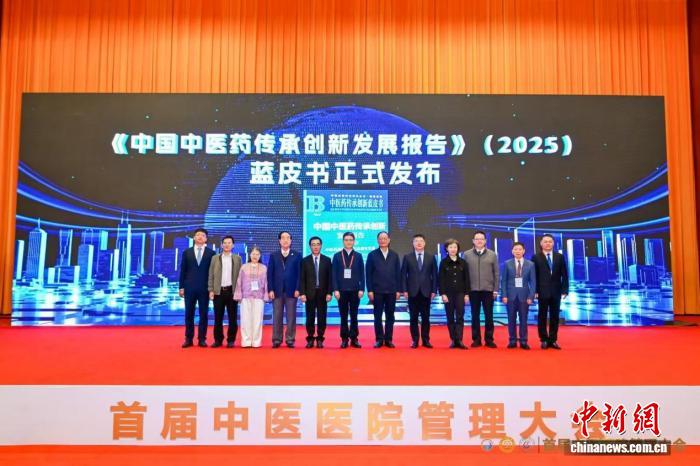
报告称,近年来我国中医药经典名方开发与产业化进程加快
Zhong Guo Xin Wen Wang· 2025-12-23 06:14
经典名方开发与产业化进程加快,但仍面临创新动力与质量控制等方面的问题。中医药文化影响力持续 扩大,地区差异主要体现在服务能力与学术水平上。 报告称,近年来我国中医药经典名方开发与产业化进程加快 中新网广州12月23日电 (记者 许青青)记者23日从广州中医药大学获悉,《中国中医药传承创新发展报 告(2025)》蓝皮书近日正式发布,据蓝皮书称,近年来,我国中医药经典名方开发与产业化进程加快, 中医药文化影响力持续扩大。 《中国中医药传承创新发展报告(2025)》蓝皮书发布。广州中医药大学供图 该蓝皮书是在近日举行的首届中医医院管理大会上发布的。蓝皮书以"中医药政策创新与高质量发展"为 主题,全面考察了中医药政策体系、服务能力建设、科技创新、文化传播及区域实践等关键领域的发展 现状。 研究发现,国家中医药政策体系不断完善,自上而下的政策扩散机制有效推动了地方立法与特色发展。 各地在遵循国家政策导向的同时,结合区域资源禀赋探索政策差异化实施路径,形成东部侧重服务体系 创新、西部突出民族医药特色的发展格局。 在服务体系建设方面,中医药医疗服务能力持续提升,但衍生领域政策支持仍显不足。科技、教育与人 才政策协同推进,但 ...
前11月累销破30万台 海内外市场齐发力 2026全柴要怎么干?| 头条
第一商用车网· 2025-12-23 04:12
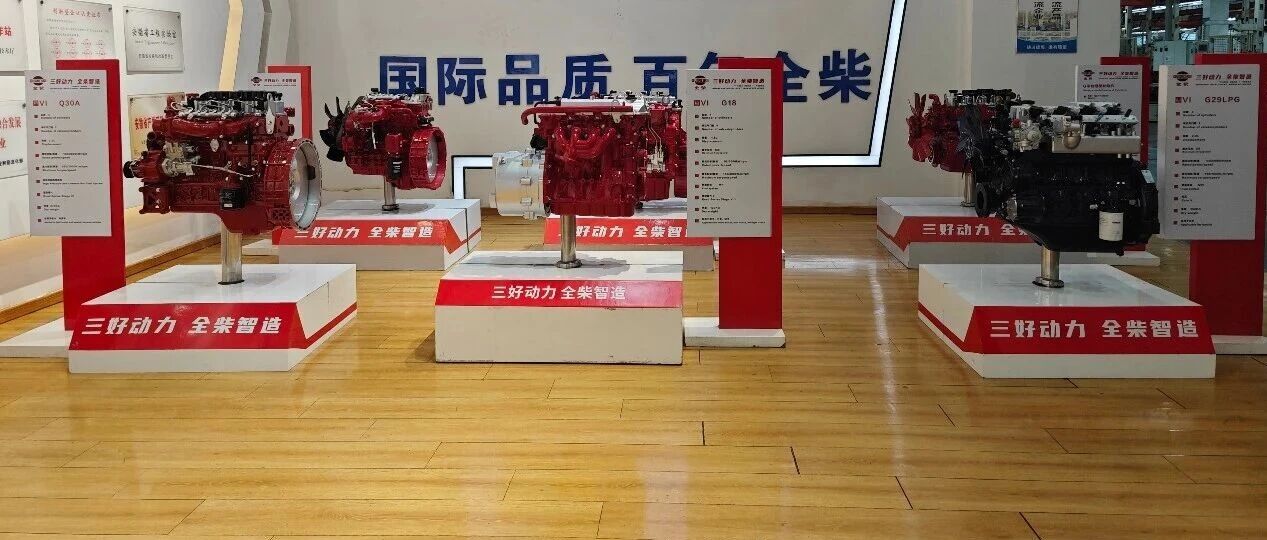
Core Viewpoint - The company aims to achieve significant breakthroughs in 2026 by focusing on both traditional and new energy markets, leveraging digital transformation to enhance customer efficiency and reduce costs [1][12]. Sales Performance - In the first eleven months of 2025, the company sold 307,800 units, marking a year-on-year increase of 14.09%, which is 9.16 percentage points higher than the industry average [3]. - The company's market share increased by 0.76 percentage points compared to the same period last year [3]. Strategic Focus - The company is committed to a "dual-drive" strategy of traditional and new energy, adapting to market changes to create greater value for customers [4]. - The company emphasizes "technological innovation as the primary productivity," accelerating its digital transformation in 2025 [6]. R&D and Technological Advancements - The company has established a research and development team of over 500 members, including 120 senior engineers and 22 academicians or PhDs, enhancing its technological innovation capabilities [6]. - It has introduced advanced testing equipment and established a top-tier laboratory, enabling comprehensive testing capabilities for various engine types [8]. Digital Transformation - The company has invested over 2 billion yuan in a digital intelligent processing center, enhancing its production capabilities with advanced automated equipment [10]. - The integration of "5G + Internet" has improved manufacturing processes, ensuring high-quality product output [8]. Future Plans - In 2026, the company plans to focus on five key areas: product quality, technological innovation, market expansion, digital transformation, and talent cultivation [13]. - It aims to enhance product reliability through predictive quality control systems and improve decision-making through real-time data integration [13]. Market Expansion - The company will continue to implement a "dual circulation" strategy, focusing on domestic market needs while expanding its international presence, with a target to increase export volume by over 35% in the next 2-3 years [16]. Talent Development - The company is focused on attracting and nurturing high-end technical talent in areas such as new energy and digitalization, optimizing its talent management system [18]. Overall Achievements - The company has sold over 10 million engines, establishing itself as a leader in the small and medium power internal combustion engine sector, showcasing its commitment to innovation and customer value [20].

解决公路“三高两低”难题,专家称数智化转型是破局关键
Di Yi Cai Jing· 2025-12-23 03:02
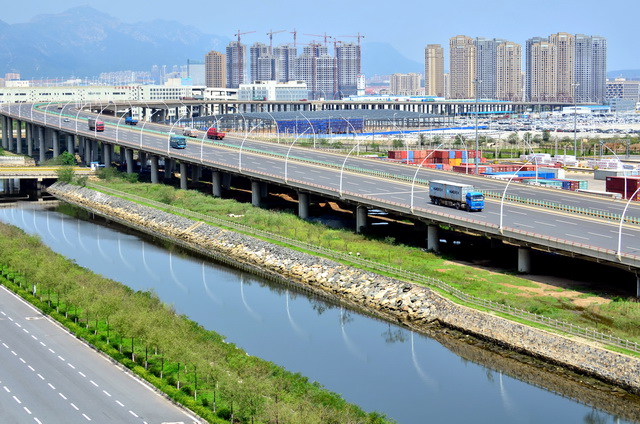
Group 1 - The core viewpoint emphasizes that the development of highways is crucial for addressing the high costs, energy consumption, pollution, and low organizational efficiency in transportation, with digital transformation being key to overcoming these challenges [1][5] - The Deputy Director of the Highway Science Research Institute highlighted that high-quality highway development is essential for building a strong transportation nation, and that transportation equipment is a transformative factor in this development [1][4] - The current total length of highways in China has reached 5.4904 million kilometers, serving as a vital artery for economic and social operations, a bridge for public welfare, and a frontier for ecological coexistence [1][4] Group 2 - The need for a robust and sustainable funding system for highway maintenance and management is emphasized, as the pressure on these areas continues to increase [2] - The integration of new technologies, materials, and energy sources into highway systems provides rich application scenarios and platforms for transformation, driving innovation and new business models [4][5] - The penetration rate of smart driving passenger cars has exceeded 68%, with over 28,000 kilometers of open testing roads for autonomous driving, indicating a significant shift towards a smart logistics system [5]
永安期货:以改革为引擎 锻造新时代金融力量
Qi Huo Ri Bao Wang· 2025-12-23 02:30
Core Viewpoint - The Chinese futures industry is undergoing a strategic transformation from traditional trading channels to comprehensive financial service platforms, with Yong'an Futures leading this change through a customer-centric reform initiative [1][2]. Group 1: Customer-Centric Reform - Yong'an Futures has initiated a significant reform defined as "comprehensive restructuring of the operational system," focusing on three dimensions: value concept, strategic system, and service capability [2]. - The company aims to shift from a "sales mentality" to "value co-creation," aligning customer needs with corporate development to achieve quality, efficiency, and dynamic transformations [2][3]. - The strategic goal is to become a "first-class derivatives investment bank," establishing various service centers to provide high-quality products, strategies, and services [2]. Group 2: Global Service Network - Yong'an Futures has made strides in internationalization, becoming a member of the Singapore Exchange for derivatives trading and clearing, marking a milestone in its global financial service capabilities [4]. - The company has established a dual-core structure in Hong Kong and Singapore, enhancing its international market presence and competitive advantage [4]. - The business model has evolved from a single futures brokerage to a full-license operation encompassing futures, securities, asset management, and clearing services, expanding into complex cross-border asset allocation [4][5]. Group 3: Service to the Real Economy - Yong'an Futures has assisted over 16,000 real enterprises in managing risks, emphasizing its commitment to serving the real economy [7]. - The company provides tailored comprehensive services throughout the lifecycle of enterprises, adapting its offerings based on the development stage of clients [7]. - Recent global commodity price fluctuations have highlighted the importance of futures and derivatives as risk management tools, with Yong'an Futures offering customized solutions for various types of enterprises [7][8]. Group 4: Innovative Risk Management - The "YunSui" platform has been developed as an intelligent risk control center, integrating various risk management capabilities to safeguard enterprise value [9][10]. - This platform is part of Yong'an Futures' broader customer-centric reform, enhancing compliance and risk management across all business operations [10]. - The company promotes a culture where every employee is a risk officer, ensuring comprehensive risk management throughout the organization [10].

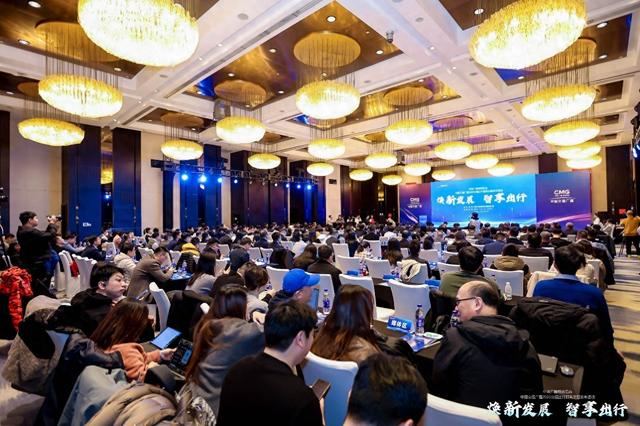
焕新发展 智享出行——2025交通出行服务主题发布活动成功举办
Huan Qiu Wang· 2025-12-22 23:33
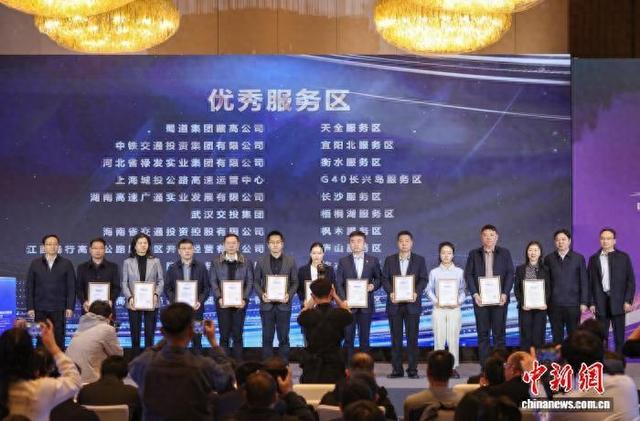
来源:环球网 12月22日,由中央广播电视总台中国交通广播主办,行云数聚(北京)科技有限公司、北京速通科技有 限公司战略支持的"2025交通出行服务主题发布活动"在北京成功举行。本次活动以"焕新发展 智享出 行"为主题,来自交通运输部主管部门领导、专家学者、各省高速公路运营单位领导和宣传负责人等200 余人参会,共同探讨智慧交通发展趋势,分享创新服务成果,公布行业先进案例。 大会发布了"2025交通出行服务优秀案例"。本次案例征集共收到全国申报材料600余份,涵盖"卓越重大 工程""优秀服务区""优秀司机之家""高速公路科技创新""畅行高速公路"五大类别。经严格初审、公众投 交通运输部公路科学研究院副院长汪水银就公路数智化适配与智能驾驶发展主题展开演讲,他指出,中 国公路总里程长,但面临高成本、高能耗等"三高两低"问题,数智化转型成为破局关键。当前智能驾驶 乘用车渗透率已超68%,自动驾驶开放测试道路超2.8万公里。技术层面,VLA架构与世界模型路线正 推动自动驾驶向更高阶演进。未来,公路将向"安全、绿色、可靠通信"方向升级,支撑"无人驾驶+电动 重卡+公路港"的智慧物流新体系,助力实现"人享其行、物畅其流" ...
“双高建设计划”:职教高质量发展的战略引擎
Xin Lang Cai Jing· 2025-12-22 20:23
Core Viewpoint - The "Dual High Construction Plan" for vocational education in China aims to enhance the quality of talent cultivation and social service capabilities, marking a shift from internal development to service empowerment in vocational education [1][2]. Group 1: Strategic Deployment - The second phase of the "Dual High Construction Plan" emphasizes a problem-oriented approach to address existing shortcomings in vocational education, such as insufficient integration of industry and education, lack of sustained policy support, and a disconnect between talent training quality and job requirements [2][3]. - The new policy framework consists of four dimensions: demand-oriented, integration of industry and education, quality-based, and standard-led, transitioning from government-led regulation to multi-party collaboration [2][3]. Group 2: Contribution-Oriented Initiatives - The second phase of the plan focuses on aligning vocational education with national development strategies, transforming its value framework to serve broader economic and social development [3][4]. - It establishes a three-dimensional layout that combines national frameworks with local characteristics and deep industry participation, allowing for tailored approaches in different regions [3][4]. Group 3: Digital and International Empowerment - Digital transformation is a core reform task, promoting the integration of technology and education to create a new digital teaching ecosystem [4][5]. - The plan also aims to enhance international cooperation through initiatives like overseas skills training and the establishment of international engineering technology colleges, thereby increasing the global influence of Chinese vocational education [4][5]. Group 4: Collaborative Innovation - The plan fosters a collaborative innovation network involving government, industry, and educational institutions, shifting the government's role from direct management to ecosystem builder [5][6]. - It emphasizes the importance of aligning educational programs with industry standards and technical requirements, enabling institutions to proactively respond to industry needs [5][6]. Group 5: Continuous Improvement Mechanisms - The plan advocates for a dynamic adaptation of demand, supply, and feedback to enhance service capabilities, including establishing a mechanism for monitoring industry demand and optimizing professional structures [6][7]. - It also calls for the development of international standards and cooperation models to align vocational education with global practices, facilitating the "going out" of vocational education alongside enterprises [7].
2025交通出行服务主题发布活动在北京举办
Xin Lang Cai Jing· 2025-12-22 14:11
Core Insights - The event "2025 Traffic Travel Service Theme Release" was successfully held in Beijing, focusing on the theme "Renewed Development for Smart Travel" with over 200 participants from various sectors discussing smart transportation trends and sharing innovative service outcomes [1][3] Group 1: Event Overview - The event was organized by China Traffic Broadcasting and aimed to gather insights on the development of smart transportation and to showcase advanced industry cases [1] - A total of over 600 submissions were received for the "2025 Traffic Travel Service Excellent Cases," covering five categories including "Outstanding Major Projects" and "Excellent Service Areas" [3] Group 2: Key Presentations - The Deputy Director of the Policy Research Office of the Ministry of Transport emphasized the importance of promoting a positive industry image and collaborating with media to highlight exemplary experiences and innovations [3] - The Deputy Director of the Highway Science Research Institute discussed the challenges of high costs and energy consumption in China's extensive road network, advocating for digital transformation as a solution [5] - The former Deputy Director of the Policy and Regulations Department of the State Post Bureau highlighted the rapid growth of express delivery volumes and the scaling application of unmanned vehicles, with over 30,000 L4 unmanned vehicles expected to be procured by 2025 [5]
迎丰股份拟定增募资不超5.22亿元, 加快数智化转型步伐
Zheng Quan Shi Bao Wang· 2025-12-22 12:49
Core Viewpoint - The company plans to raise up to 522 million yuan through a private placement to enhance its production capabilities and upgrade its facilities, aligning with national policies aimed at modernizing the textile dyeing industry [1][2][3] Group 1: Company Initiatives - The funds will be used for upgrading old production lines and wastewater treatment systems, constructing a new facility for high-end dyed fabrics, and developing a large research center [1] - The company aims to transform from a traditional dyeing enterprise to a flexible, intelligent, and innovative modern dyeing service provider, enhancing production capacity and customer service [3] Group 2: Industry Context - The textile industry is a traditional pillar of the economy in China, with recent government policies emphasizing sustainable development and technological upgrades [1][2] - The integration of digital technologies such as AI, big data, and IoT into traditional manufacturing is essential for survival and competitiveness in the industry [2] Group 3: Financial Impact - Following the completion of the fundraising, the company's total assets and net assets are expected to increase, improving its capital structure and risk resilience [3] - As of December 22, the company's stock price was 9.66 yuan per share, with a total market capitalization of 4.25 billion yuan [4]
