
国潮

Search documents
潮玩行业深度报告:潮流涌动,蓬勃发展
Dongguan Securities· 2025-08-29 09:32
Investment Rating - The report gives an "Overweight" rating for the toy industry, indicating a positive outlook for investment opportunities in this sector [5]. Core Insights - The Chinese toy market is experiencing rapid growth, with the market size projected to increase from 22.9 billion yuan in 2020 to 76.3 billion yuan in 2024, reflecting a compound annual growth rate (CAGR) of 35.11% [5][27]. - The competitive landscape of the Chinese toy market is relatively fragmented, with the leading company, Pop Mart, holding a market share of 11.5% in 2024, followed by Blokus at 5.7% [5][28]. - Multiple factors are driving the growth of the toy market, including government support, rising consumer income, and changing consumption patterns that favor emotional connections with products [5][36]. Summary by Sections 1. Overview of the Toy Industry - The toy industry emphasizes artistic and personalized expression, targeting a young, trend-conscious audience [13]. - The toy industry value chain includes upstream IP supply and operation, midstream toy companies like Pop Mart, and downstream sales channels [16]. 2. Growth of the Chinese Toy Market - The Chinese toy market is thriving, with core categories like blind boxes and figurines gaining popularity among consumers [27]. - The market is characterized by a fragmented competitive landscape, with many companies holding less than 5% market share [28]. 3. Factors Driving Market Development - Government policies are actively supporting the high-quality development of the toy industry [36]. - Changes in consumer spending habits, driven by rising disposable income, are enhancing the purchasing power for non-essential cultural products [38]. - Urbanization is expected to increase the number of toy consumers, particularly in first-tier and new first-tier cities [43]. 4. Key Company Analysis Pop Mart - Pop Mart has become a leader in the toy industry, focusing on IP incubation and global expansion [54]. - The company has seen rapid growth in both artist IP and licensed IP revenues, with artist IP revenue reaching 12.229 billion yuan in the first half of 2025, a year-on-year increase of 231.6% [56]. - Pop Mart operates a diversified sales strategy across various channels, including online and offline platforms, and has expanded its international presence [61]. Blokus - Blokus is recognized as a leader in the building block toy segment, leveraging a strong IP portfolio and innovative product designs [73]. - The company has established a multi-channel sales network and is actively expanding into overseas markets [78]. - Blokus has achieved significant revenue growth, with a 27.9% increase in total revenue in the first half of 2025 compared to the previous year [81].
从国潮到情绪价值:红豆股份如何用文化赋能品牌价值升级?
Zheng Quan Zhi Xing· 2025-08-28 09:25
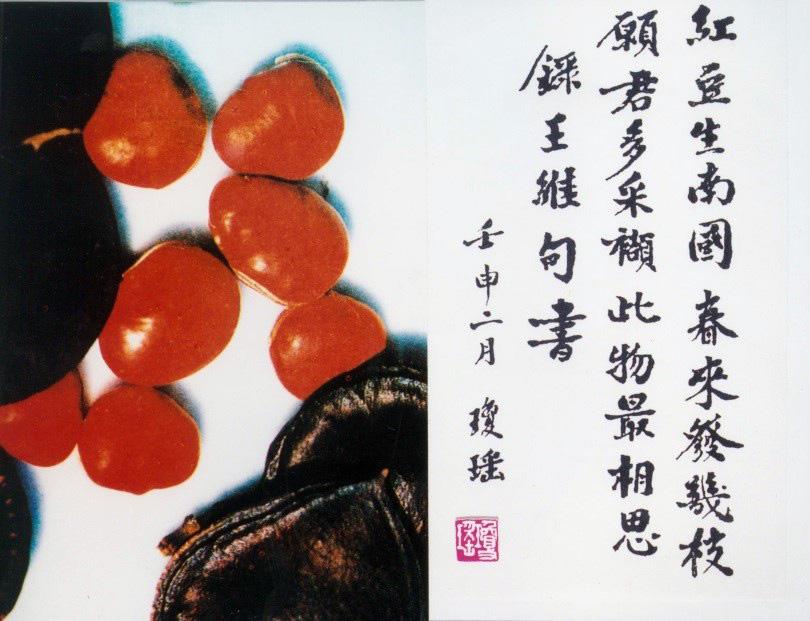
Core Viewpoint - Hongdou Co., Ltd. (600400.SH) is leveraging cultural heritage and emotional resonance to differentiate its brand in the competitive textile and apparel industry, particularly during the Qixi Festival, enhancing consumer engagement and brand loyalty [1][4][6]. Group 1: Cultural Heritage and Brand Strategy - The company has integrated the cultural significance of "red beans" into its brand identity, emphasizing emotional connections and regional cultural characteristics [3][4]. - Hongdou has established the Qixi Festival as a key cultural IP, expanding its meaning beyond romantic love to include familial and national sentiments, thereby broadening its consumer engagement [3][4]. - Activities like "Finding the Most Beautiful Love Stories" have been organized to encourage consumers to share their emotional experiences, enhancing the brand's social influence and driving product sales [3][4]. Group 2: Emotional Value and Market Positioning - In a market characterized by product homogeneity, Hongdou is focusing on emotional value as a key differentiator, moving beyond mere functionality to create deeper consumer satisfaction [6][12]. - The company is actively incorporating emotional value into its product offerings, exemplified by the success of the "0-sense Comfort Shirt," which combines comfort with cultural elements to create a unique selling proposition [6][12]. - Collaborations with renowned designers and participation in international fashion shows have helped Hongdou showcase its commitment to cultural confidence and modern aesthetics [10][12]. Group 3: Sustainable Development and Future Outlook - Hongdou is committed to sustainable development through smart manufacturing, green supply chain management, and environmental responsibility across the product lifecycle [12]. - The company has achieved certifications from nine countries, enhancing its global market competitiveness and promoting its "Comfort Technology" concept [12]. - With the growing recognition of domestic brands among consumers, Hongdou is well-positioned to capitalize on the burgeoning national trend in the apparel market, aiming for further growth in the future [12].


新消费系列深度报告:国潮崛起,古法工艺引领黄金新消费
Dongguan Securities· 2025-08-28 05:02
Investment Rating - The report assigns a "Market Weight" investment rating to the industry, indicating that the industry index is expected to perform within ±10% of the market index over the next six months [61]. Core Insights - The Chinese jewelry market is projected to exceed 900 billion RMB by 2029, driven by increasing purchasing power and diverse daily wear demands, with a compound annual growth rate (CAGR) of 5.2% from 2024 to 2029 [6][16]. - Gold jewelry dominates the market, expected to hold a 73% share in 2024, reflecting its cultural significance and investment value [17]. - The ancient gold jewelry market has seen rapid growth, with sales revenue soaring from 13 billion RMB in 2018 to 157.3 billion RMB in 2023, achieving a CAGR of 64.6% [51]. - The report highlights a structural shift in consumer preferences towards ancient gold craftsmanship, which combines cultural aesthetics with modern luxury, allowing for premium pricing beyond traditional weight-based pricing [61]. Summary by Sections 1. Overview of the Gold Jewelry Industry - The jewelry industry in China has evolved through various stages, from the initial demand surge post-1982 to the current phase characterized by e-commerce penetration and a shift towards high-end customization [14][15]. 2. Factors Driving Gold Jewelry Consumption - Rising gold prices are expected to boost investment demand for gold jewelry, with geopolitical risks and central bank purchases providing additional support [32]. - The popularity of diversified and personalized products is increasing, particularly among younger consumers who favor traditional craftsmanship and cultural narratives [35]. 3. Craftsmanship Evolution and Market Growth - The ancient gold jewelry market is anticipated to reach 421.4 billion RMB by 2028, with a CAGR of 21.8% from 2023 to 2028, driven by cultural significance and aesthetic appeal [51]. 4. Competitive Landscape in the Gold Jewelry Industry - The industry is characterized by high concentration, with leading companies like Chow Tai Fook and Lao Feng Xiang holding significant market shares, primarily through franchise models [57]. 5. Investment Strategy - Despite a slowdown in overall market growth, structural opportunities exist, particularly in the ancient gold segment, which is expected to continue its rapid expansion [61].



【奋楫前行·强国建设新高度】文化创新创造活力充分迸发
Zhong Guo Jing Ji Wang· 2025-08-28 03:18
Group 1 - The core viewpoint emphasizes the historical achievements in cultural construction in China since the 18th National Congress, highlighting the progress towards building a socialist cultural power and enriching the spiritual and cultural life of the people [2] - The cultural innovation and creativity have been significantly stimulated, contributing to the great rejuvenation of the Chinese nation [2] Group 2 - The mechanism for guiding, supporting, and incentivizing literary and artistic creation has been improved, leading to the emergence of quality works that reflect people's lives, such as "Great Journey" and "Only This Green" [4] - A six-level public cultural service network has been established, promoting standardized and equal access to cultural services across urban and rural areas [5] Group 3 - In the first half of 2025, the revenue of large-scale cultural and related industry enterprises reached 71,292 billion yuan, a year-on-year increase of 7.4%, driven by the "national trend" stimulating new consumption potential [8] - The cultural new business formats showed explosive growth, with 16 sub-sectors achieving a revenue of 31,564 billion yuan, a 13.6% increase year-on-year, contributing 76.8% to the overall growth of large-scale cultural enterprises [9] Group 4 - As of now, China has 44 projects listed in the UNESCO Intangible Cultural Heritage list, ranking first in the world, showcasing "Chinese stories" on global platforms [12]

元隆雅图(002878):收入稳健增长 关注特许纪念品与C端产品发展
Xin Lang Cai Jing· 2025-08-28 02:40
Core Insights - The company achieved operating revenue of 1.391 billion yuan in the first half of 2025, representing a year-on-year growth of 15.37%, while the net profit attributable to shareholders was a loss of 0.05 billion yuan, indicating a gradual narrowing of losses [1] - The company is experiencing continuous growth in core business revenue, with significant contributions from promotional services and licensed merchandise, which are expected to grow further due to upcoming events [1][2] Financial Performance - In Q2 2025, the company reported operating revenue of 735 million yuan and a net profit loss of 0.09 billion yuan [1] - The promotional services and gifts business generated a combined revenue of 1.1 billion yuan, showing a year-on-year increase of 63.89% [1] - The licensed merchandise business achieved revenue of 24.4694 million yuan, with a year-on-year growth of 74.50% and a gross margin of 30.84%, up 15.61% year-on-year [1] Business Development - The company has established a wholly-owned subsidiary, Yuanlong Yuanchuang Culture (Beijing) Co., Ltd., and launched a retail sub-brand "Yuanlong Yuanchuang" [2] - The company has opened its first retail space in Beijing and deployed NBA cultural vending machines in major cities including Beijing, Shanghai, Hangzhou, and Shenzhen [2] - Online channels have been expanded with flagship stores on platforms such as JD.com, Xiaohongshu, Douyin, and Tmall [2] Future Outlook - The company anticipates continued growth in licensed merchandise revenue, driven by events such as the Chengdu Universiade and the Guangdong-Hong Kong-Macao Greater Bay Area Games [1] - Profit forecasts for 2025-2027 are projected at 0.78 billion yuan, 1.19 billion yuan, and 1.64 billion yuan respectively, with EPS estimates of 0.30, 0.46, and 0.63 yuan per share [2] - The company maintains a "buy" rating based on stable growth in marketing services and ongoing product development and channel expansion [2]
疯狂收割商场B1楼的野人先生,是第二个钟薛高吗?
3 6 Ke· 2025-08-26 04:18
Core Viewpoint - The ice cream market is undergoing significant changes, with high-priced brands like "Chongxuegao" facing decline while mid-range and artisanal brands like "Yerenxiansheng" are thriving due to shifting consumer preferences towards health and quality [2][5][11]. Market Dynamics - The ice cream and gelato market has seen a shift from high-priced products to more affordable options, with consumers now favoring products priced between 3 to 15 yuan [5][11]. - The rise of "Yerenxiansheng" represents a trend towards fresh, handmade gelato, which has gained popularity among consumers seeking healthier and more innovative options [6][8]. Historical Context - The evolution of ice cream in China has transitioned from a simple summer treat to a diverse market with various price points and quality levels, influenced by both domestic and international brands [3][4]. - The introduction of foreign brands in the 1990s marked a significant change in consumer expectations, moving from basic refreshment to a focus on enjoyment and quality [3][4]. Consumer Behavior - Current consumer preferences indicate a desire for healthier options, with many consumers now associating ice cream with guilt due to high sugar content [5][8]. - The younger demographic, particularly women aged 20-35, is driving the demand for gelato, viewing it as a symbol of quality and lifestyle [9][11]. Competitive Landscape - The market is characterized by a clear segmentation, with 54% of consumers preferring budget-friendly options under 5 yuan, while 31% are willing to pay 10-30 yuan for higher quality [11]. - Brands like DQ have successfully adapted by diversifying their product offerings and enhancing customer experience, demonstrating the importance of innovation in maintaining market relevance [13][14]. Future Outlook - The ice cream industry is entering a "quality-price ratio" phase, where brands must balance cost with quality to avoid falling into a low-price competition trap [12]. - The future of high-quality ice cream is assured, as long as brands focus on innovation and meeting evolving consumer demands [12][15].

北京礼品展文创区成爆款集合地
Xiao Fei Ri Bao Wang· 2025-08-26 02:58
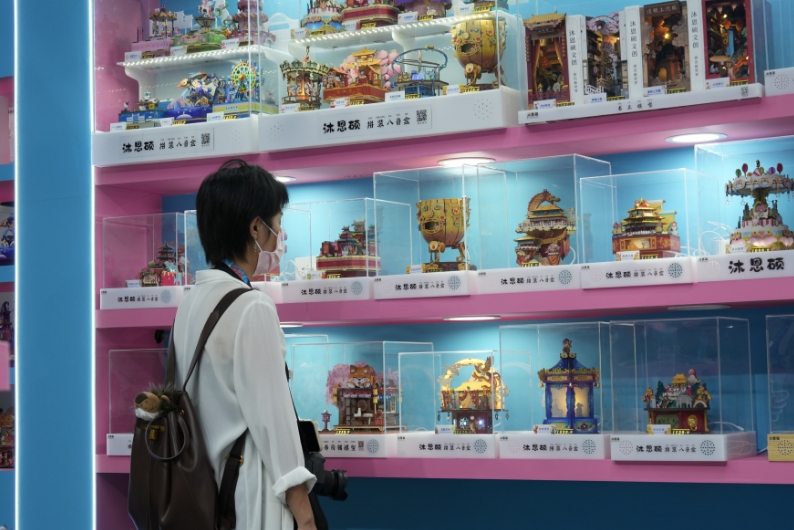
Core Insights - The 52nd China Beijing International Gifts, Premiums and Household Products Exhibition showcased a significant trend in the cultural and toy sectors, highlighting the integration of traditional craftsmanship and national cultural elements into product design [1][6] - Differentiation has become a key strategy for companies, with many exhibitors focusing on unique cultural expressions to attract consumers [4][6] Industry Trends - The exhibition featured a variety of innovative products, such as city-themed aluminum foil wood-carved night lights and interactive AR fridge magnets, indicating a shift towards more engaging and culturally rich offerings [2][5] - The concept of "Guochao" (national trend) has emerged as a common theme among exhibitors, with many companies emphasizing cultural identity and storytelling through their products [6][7] Market Growth - The market for cultural and creative products in China reached a size of $16.38 billion in 2023, with a growth rate of 13.09% [6] - The Chinese trendy toy market is projected to reach 110.1 billion yuan by 2026, with an annual compound growth rate of 20% from 2024 to 2026, indicating robust growth potential in the sector [6]
老铺黄金年内再次提价 又现排队潮
2 1 Shi Ji Jing Ji Bao Dao· 2025-08-25 15:30
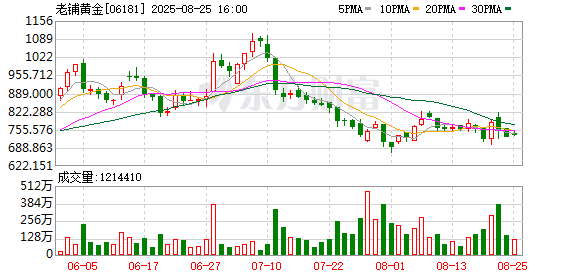
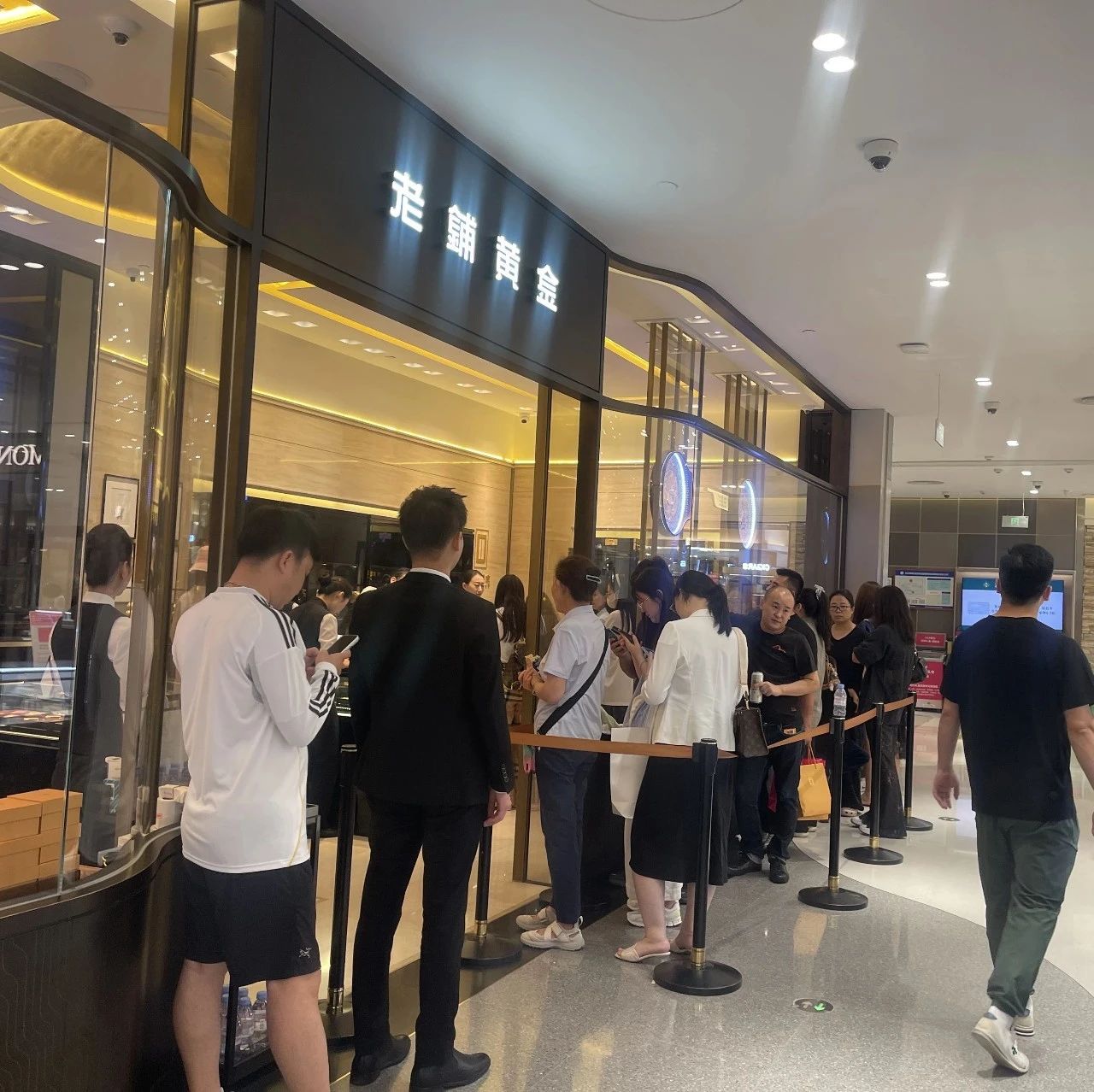
Core Viewpoint - The recent price increase by Laopu Gold has led to a surge in consumer interest and foot traffic at its stores, indicating a unique pricing strategy that seems to attract buyers despite rising costs [2][3][5]. Price Adjustment Details - Laopu Gold announced a price increase effective August 25, with many products seeing a rise of 10% to 12%, following a previous increase in February with a range of 5% to 12% [3][4]. - Specific examples of price changes include a red diamond-inlaid rose window necklace, which increased from approximately 22,000 yuan to 24,000 yuan (about 9% increase), and a small cross Vajra necklace, which rose from 10,750 yuan to 13,000 yuan (approximately 20% increase) [3][4]. - Online platforms like JD and Tmall also reflected similar price adjustments, with popular items increasing by 1,000 to 3,000 yuan, translating to a 5% to 13% rise [3][4]. Consumer Behavior - The price hikes have successfully generated consumer excitement, with reports of long queues at Laopu Gold stores during weekends, as customers rush to purchase items before further increases [5]. - Some consumers explicitly stated their motivation for buying was to secure items before the price rise, indicating a perception of value in the context of investment [5]. Market Positioning and Strategy - Laopu Gold's pricing strategy appears to mimic that of luxury brands like Hermes and LV, aiming to enhance brand value and differentiate itself from other domestic gold brands [5][6]. - Analysts have responded positively to Laopu Gold's price increase strategy, suggesting it could support the company's gross margin, which was reported at 38.1% for the first half of the year, down 3.2 percentage points year-on-year [5]. Brand Perception and Challenges - Despite efforts to position itself as a high-end brand, some experts argue that Laopu Gold lacks the brand equity and global recognition of true luxury brands, limiting its pricing power [6][7]. - Concerns have been raised about the sustainability of Laopu Gold's business model, particularly if consumer interest in "national trends" wanes or if more innovative competitors emerge [6][7]. Future Outlook - Laopu Gold plans to expand into Southeast Asia and conduct preliminary research in the European and American markets by 2026, indicating a strategy for international growth [8].
老铺黄金再涨价,又现排队潮
21世纪经济报道· 2025-08-25 14:16
Core Viewpoint - The article discusses the recent price increase of Laopu Gold and its impact on consumer behavior, highlighting a paradox where consumers are buying more despite rising prices, akin to luxury brand strategies [4][8]. Price Increase and Consumer Behavior - On August 25, Laopu Gold raised prices by 10% to 12%, following a previous increase in February [5]. - The price adjustments have led to increased consumer interest, with long queues observed at stores, contrasting with low foot traffic earlier in August [4][6]. - Consumers are motivated to purchase before further price hikes, viewing gold as a store of value [6][7]. Pricing Strategy and Market Positioning - Laopu Gold's price adjustments are part of a broader strategy to enhance brand value, similar to luxury brands like Hermes and Chanel [8]. - Analysts view the price hikes positively, predicting improved gross margins in the second half of the year [8]. Brand Perception and Challenges - Despite attempts to position itself as a high-end brand, Laopu Gold is still seen as lacking the brand equity of established luxury brands [10]. - The reliance on traditional craftsmanship and cultural elements may limit its appeal in international markets [10][12]. - Concerns exist regarding the sustainability of its pricing strategy, especially if consumer interest wanes [11][12]. Discounting Practices - Laopu Gold's occasional discounting raises questions about its high-end positioning, as discounts may undermine perceived brand value [11][12]. - The company argues that discounts can stimulate consumer purchases and enhance brand visibility [12]. Future Outlook - Laopu Gold plans to expand into Southeast Asia and conduct market research in Europe and the U.S. by 2026, indicating a focus on international growth [12].
老铺黄金年内再次提价,又现排队潮
2 1 Shi Ji Jing Ji Bao Dao· 2025-08-25 13:40
Core Viewpoint - The article discusses the pricing strategy of Laopu Gold, highlighting its recent price increases and the consumer response, while also addressing the brand's positioning in the luxury market and potential risks associated with its growth strategy [2][3][6]. Pricing Strategy - Laopu Gold has implemented price increases of 10% to 12% on multiple products starting August 25, following a previous increase in February with a range of 5% to 12% [2][3]. - The price adjustments are attributed to rising gold prices, with the World Gold Council predicting a 28% increase in gold prices in 2024 and a further 15% rise in the second half of 2023 [4]. - The company’s pricing strategy is designed to align with its brand positioning, which aims to create a luxury perception similar to international luxury brands [6][9]. Consumer Behavior - The recent price hikes have led to increased consumer interest, with reports of long queues at Laopu Gold stores, indicating a strong demand despite higher prices [2][4]. - Some consumers are motivated to purchase before price increases, viewing gold as a store of value [5][6]. Brand Positioning - Laopu Gold is attempting to position itself as a high-end brand, drawing comparisons to luxury brands like Hermes and Chanel, but faces criticism regarding its actual brand strength and market perception [6][7]. - Analysts suggest that Laopu Gold's frequent price increases may not be sustainable in the long term, as consumer sentiment could shift if the novelty of the brand wears off [8][9]. Market Expansion - The company plans to expand into Southeast Asia and conduct preliminary research in the European and American markets by 2026, indicating a strategy for international growth [10].