中国车企出海

Search documents
出行观 | 中国车企出海,还得当作长期的事来对待
Guan Cha Zhe Wang· 2025-06-30 02:06
Core Insights - The internationalization of China's automotive industry is a long-term process that requires patience [1] Group 1: Export Challenges - China's automobile exports to Russia have sharply decreased, with a 49% year-on-year drop in the first four months, totaling 155,000 vehicles, and a 69% decline in April alone [2] - The Russian government has significantly increased the recycling fee for imported cars, effectively raising the actual price by over 10%, which diminishes the competitiveness of Chinese companies in Russia [2][6] - In Brazil, local industry officials express concerns that the influx of Chinese electric vehicles, particularly from BYD, is hindering the domestic automotive industry and employment [3][4] Group 2: Local Investment - Chinese automakers, such as BYD, are not only exporting but also investing locally, with BYD establishing a production complex in Bahia, Brazil, with a total investment of 5.5 billion reais (approximately 7.5 billion yuan) [4] Group 3: Trade Barriers and Market Dynamics - Emerging economies like Brazil and Russia are imposing trade barriers similar to those in developed countries, reflecting their focus on the automotive sector, especially electric vehicles [6] - The Chinese automotive industry has made significant progress in brand recognition, quality, and technology, but faces ongoing challenges due to changing global political and economic conditions [6][7] Group 4: Strategic Recommendations - Chinese automakers need to familiarize themselves with the policies, legal environments, and technical standards of export destinations [7] - There is a need to reassess pricing strategies to avoid anti-dumping issues, as overly low prices can trigger trade disputes [7] - Companies should build a multi-dimensional defense system to protect their interests against unreasonable market demands [7]



36氪出海·关注|出口只是上半场,车企们的巴西战事刚开始
3 6 Ke· 2025-06-27 10:16
Core Insights - BYD's electric vehicle exports to Brazil are increasing significantly, with the company leading the market in both pure electric and plug-in hybrid segments [2][4][8] - Brazil is becoming a key export market for Chinese electric vehicles, with a projected 90% growth in electric vehicle sales in 2024 [2][5] - The Brazilian government is reinstating import tariffs on electric vehicles, which will rise to 35% by July 2026, impacting the export strategies of Chinese automakers [4][5] Group 1: Market Performance - BYD sold 76,713 vehicles in Brazil in 2024, representing a year-on-year growth of over 300% [2] - In May 2024, BYD accounted for over 80% of Brazil's pure electric vehicle sales, with 5,596 units sold out of a total of 6,969 [2] - In the first half of 2024, Brazil imported over 62,000 electric vehicles from China, making up 91.4% of total electric vehicle imports [5] Group 2: Tariff Changes - Brazil's import tax for pure electric vehicles will increase from 10% in January 2024 to 35% by July 2026 [5] - The tax rates for hybrid and plug-in hybrid vehicles will also rise, with mixed models facing a 30% tax by 2026 [5] - The upcoming tariff increases are prompting Chinese automakers to expedite their exports to Brazil [4][5] Group 3: Local Production Initiatives - The Brazilian government is launching a National Green Mobility and Innovation Program to encourage local production by global automakers [8] - Several Chinese automakers, including GAC and Great Wall Motors, are planning significant investments in local production facilities in Brazil [8] - BYD is set to establish a large production complex in Brazil, although there have been delays due to labor disputes [8][9] Group 4: Competitive Landscape - Chinese automakers will face competition from established players like Toyota and Renault, as well as local government and labor factors [9] - The year 2026 is anticipated to be a pivotal moment for Chinese electric vehicle manufacturers in Brazil, as they deepen their integration into the local economy [9]

比亚迪汽车5月交出漂亮出海答卷
Zhong Guo Jing Ji Wang· 2025-06-20 14:14
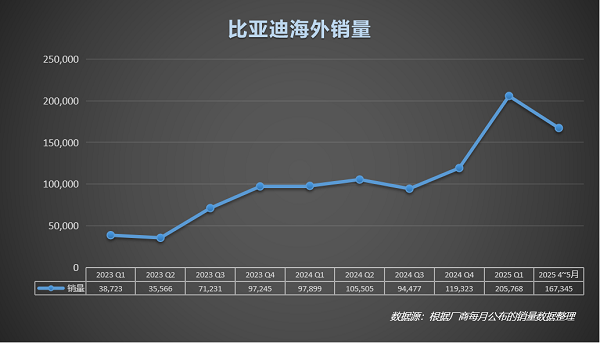
Core Insights - BYD achieved significant sales growth in Europe, selling 10,199 vehicles in May, surpassing Tesla by 6,619 units, marking a notable advancement for Chinese automotive brands in mature markets [1][3] Group 1: European Market Performance - In May, BYD's sales in the UK reached 3,025 units, a year-on-year increase of 408%; Germany saw sales of 1,857 units, a month-on-month growth of 18.6% and a year-on-year surge of 824%; Italy's sales approached 2,000 units with a month-on-month increase of 15.6%; Spain sold 2,434 units; and France recorded 938 units [3] - BYD launched the "Seagull," a small electric vehicle tailored for European consumers, across 15 countries in May, targeting the rapidly growing market segment [3] - The high-end brand Tengshi announced its entry into Europe during the Milan Design Week, enhancing BYD's product lineup and brand image [3] Group 2: Asian Market Performance - In Singapore, BYD sold 825 vehicles in May, maintaining its position as the market leader; it was the top-selling passenger car brand from January to May [5] - Sales in Malaysia reached 1,148 units; Thailand saw 5,787 units; Japan's registrations exceeded 400 units, placing BYD among the top ten imported car brands [5] Group 3: Strategic Initiatives - BYD's success in Europe is attributed to its strategic initiatives, including local production to overcome tariff barriers, with plans to establish a passenger vehicle production base in Hungary by the end of 2023 [7] - The company is also building its own shipping fleet to ensure supply chain autonomy, currently operating 8 vessels, including the world's largest car transport ship, "Shenzhen" [7] - BYD has rapidly introduced a diverse range of models in Europe, including ATTO 3, Dolphin, Seal, and Seagull, to meet mainstream demand [7] Group 4: Market Growth and Future Outlook - BYD's registration numbers in Europe rose from over 1,000 in 2021 to nearly 60,000 in 2024, with sales in the first four months of 2025 reaching approximately 55,000 units, nearing the total for 2024 [9] - In April, BYD's market share in the European new energy vehicle sector surpassed 6% [9] - The company's overseas success provides a replicable model for other Chinese automotive brands looking to expand internationally, showcasing the potential of Chinese vehicles on the global stage [9]
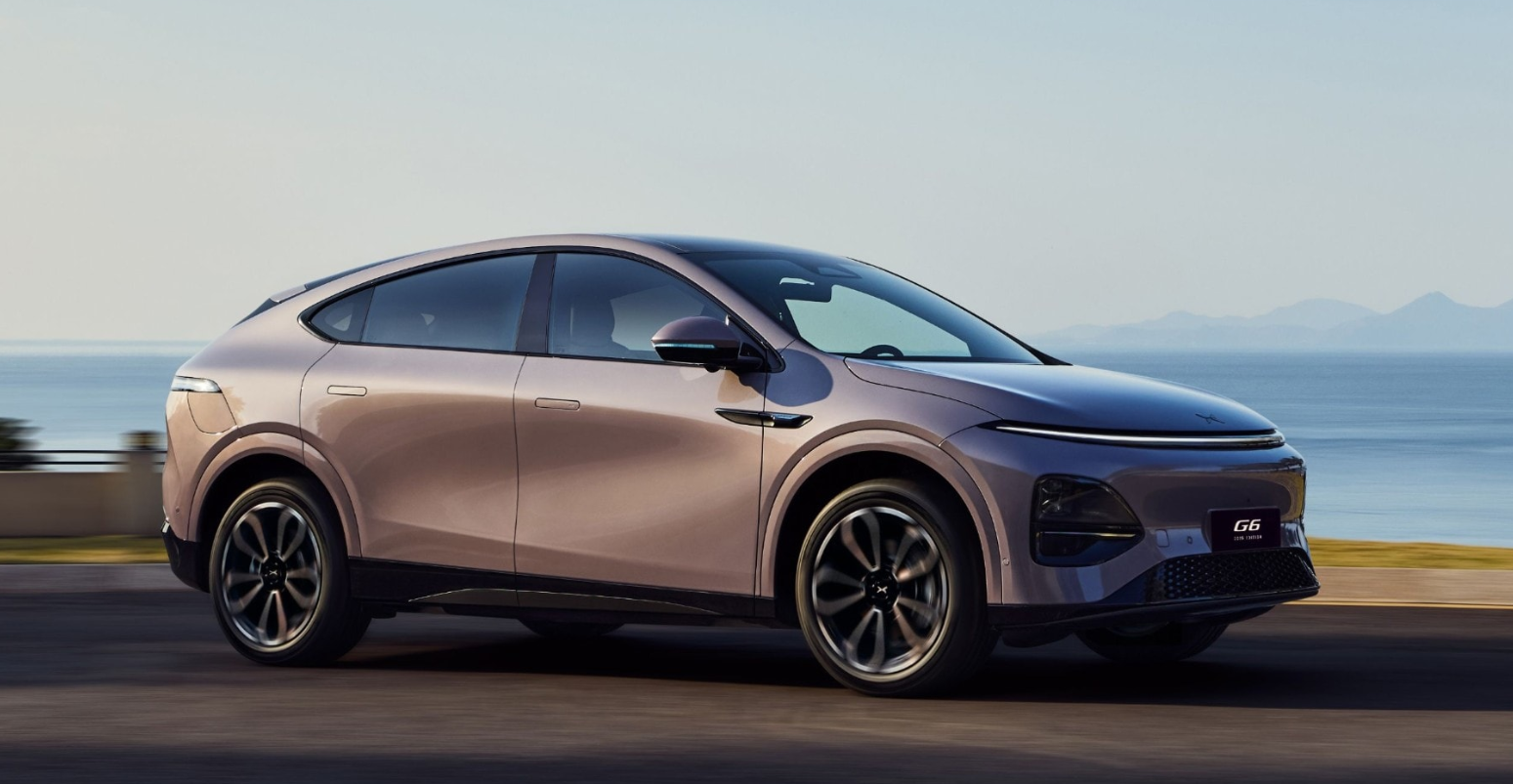
被伊朗导弹推进器砸中,小鹏G6挡风玻璃竟没碎!中国车企不断涌向中东
Mei Ri Jing Ji Xin Wen· 2025-06-20 11:47
Core Insights - The article highlights the increasing presence and performance of Chinese electric vehicle brands, particularly Xiaopeng Motors, in the Israeli market amidst geopolitical tensions [1][3][4]. Group 1: Company Performance - Xiaopeng Motors has sold 3,650 electric vehicles in Israel in the first five months of 2023, ranking second among Chinese brands, just behind BYD's 3,813 units [3]. - The overall sales of Chinese brands in Israel reached 19,200 electric vehicles in the same period, with a total of 39,600 vehicles sold, leading all source countries [3][4]. Group 2: Market Dynamics - The Middle East is identified as a key market for Chinese automotive companies due to its strategic location and growing demand for electric vehicles, with a projected total sales of 350,000 units in 2024 [4][5]. - The region's high GDP per capita, particularly in Gulf countries, presents significant purchasing power for automotive manufacturers [5]. Group 3: Challenges and Opportunities - Despite the growth potential, Chinese automotive brands face challenges in brand recognition and market share compared to established Western and Japanese brands [5][6]. - Ongoing regional conflicts and uncertainties may impact the economic landscape and logistics, posing additional challenges for Chinese brands entering the Middle Eastern market [6].

观车 · 论势 || 中国车企“出海”:破浪前行更需警惕“内卷”陷阱
Zhong Guo Qi Che Bao Wang· 2025-06-13 01:11
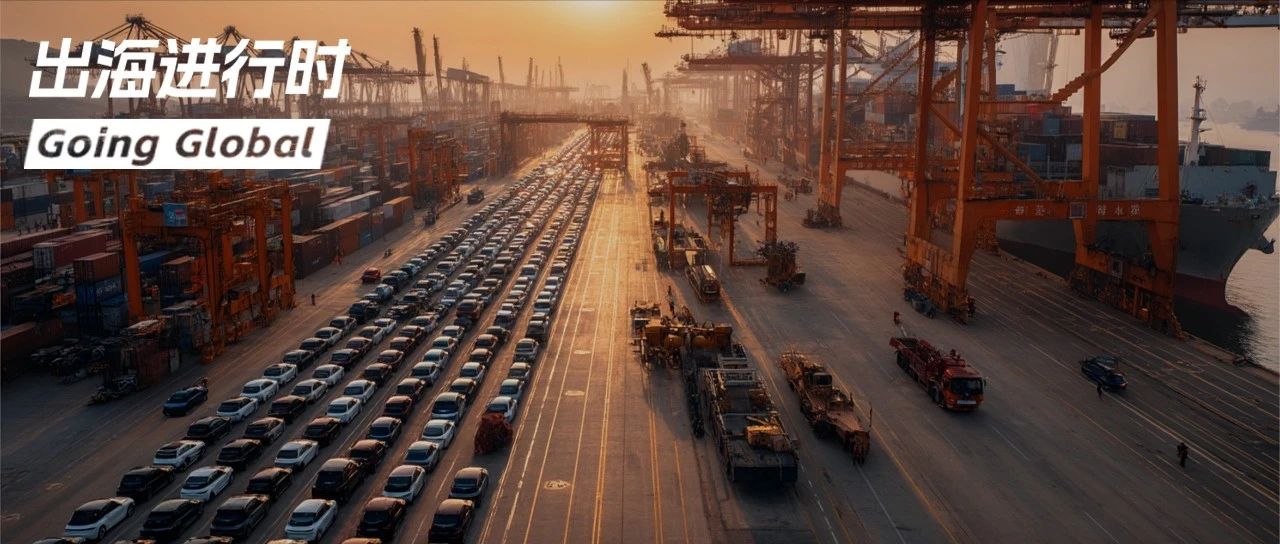
Core Insights - Chinese automotive companies are rapidly rising in the global market, with exports expected to exceed 6.41 million units in 2024, marking a 23% year-on-year increase, showcasing a significant shift from "product output" to "industry output" [1] - Major brands like BYD, Great Wall Motors, and Chery are actively expanding their global presence, with Chery maintaining its position as the top exporter of Chinese passenger cars for 22 consecutive years [1] - However, there are concerns about the potential for domestic market "involution" to spread to international markets, where competition rules and consumer expectations differ significantly [1][2] Industry Dynamics - The European market exemplifies the challenges faced by Chinese brands, where consumers prioritize quality, safety, and environmental standards, and brand loyalty is high [1] - A reliance on low-price strategies could damage brand reputation and lead to perceptions of low quality, as evidenced by the historical failure of Chinese motorcycle brands in Southeast Asia [1][2] - Short-sighted strategies that sacrifice profits for market share could undermine R&D investments and lead to trust issues, as seen with the EU's temporary anti-subsidy tax on Chinese electric vehicles [2] Competitive Strategies - Chinese automotive companies need to adopt fair and reasonable competition practices, focusing on technological innovation to enhance product reliability and safety [3] - Transitioning from a "cost-performance" focus to a "value" approach is essential, with successful examples including Lynk & Co's subscription model in Europe and NIO's battery-as-a-service offering in Norway [3] - Building brand value requires addressing consumer emotions beyond just product functionality [3] Collaborative Ecosystem - Emphasizing a "coexistence and win-win" global strategy is crucial, with Chinese companies encouraged to collaborate with international firms, suppliers, and research institutions [4] - Strategic partnerships, such as Geely's collaboration with Volvo, have proven beneficial in enhancing technology and brand image while facilitating market entry [4] - Localized production is vital for integrating into foreign markets, as demonstrated by Changan's factory in Thailand, which combines Chinese standards with local innovations [4] Future Outlook - As of 2025, the global expansion of Chinese automotive companies is at a critical juncture, with significant potential in overseas markets [5] - The industry must recognize that competition abroad is not merely a price battle but a test of value creation capabilities [5] - The path to overcoming domestic market challenges involves a commitment to long-term value creation, transitioning from "product export" to "brand export" and from "scale export" to "value export" [5]
观察|“2025中国汽车重庆论坛”:构建“内卷”失序防护网,出海快慢之道是新命题
Mei Ri Jing Ji Xin Wen· 2025-06-09 09:10
Core Viewpoint - The "involution" phenomenon in the Chinese automotive industry remains a focal point of discussion, with industry leaders expressing concerns and commitments to resist it, yet uncertainty about how to effectively end it persists [1][2]. Group 1: Involution Concerns - Industry representatives acknowledge the dangers of "involution," with some companies like Changan Automobile promising to prioritize product safety, quality, and service over competitive practices that harm consumer interests [1]. - The automotive sector has previously relied on self-regulation to combat "involution," but this approach has proven insufficient, leading to fears of disorder within the industry [2]. - Changan's chairman noted the overwhelming number of new passenger car brands, approximately 70, complicating the competitive landscape [2]. Group 2: International Expansion - Chinese automotive companies are increasingly focusing on international markets, with 2023 marking China as the world's largest automobile exporter, surpassing Japan [4]. - Challenges in international markets include tariff barriers in high-end markets like the EU, necessitating local production and value creation for market acceptance [4]. - Trust and brand influence in markets like Thailand are critical, with suggestions for Chinese brands to enhance after-sales service and learn from established players like Toyota [5]. Group 3: Industry Self-Regulation and Legal Framework - The need for legal frameworks to address industry chaos was emphasized, particularly if self-regulation fails [3]. - Companies like Geely have committed to not building new factories, indicating a shift in strategy to avoid overcapacity [3]. Group 4: Market Entry and Brand Building - Establishing brand recognition in new markets is a time-consuming process, with patience being a recurring theme among industry leaders [6]. - The importance of product reliability and quality in building consumer trust in overseas markets was highlighted, as failures can have lasting negative impacts on brand reputation [6]. - The competitive landscape is expected to intensify, with predictions of a "淘汰赛" (elimination round) phase in the coming years [2].
中国汽车行业:摩根大通第12届亚太区汽车行业年度调研的主要亮点
摩根· 2025-06-02 15:44
Investment Rating - The report does not explicitly provide an investment rating for the automotive industry. Core Insights - The Chinese automotive industry is transitioning from a "For China, In China" strategy to a "For the World, In China" strategy, with a focus on increasing local production to mitigate tariff pressures [4][5]. - Chinese automotive exports reached a record of approximately 5.9 million vehicles last year, representing a 19% increase from 2023, with expectations to exceed 6-6.3 million this year [1][8]. - The competitive environment in the Chinese automotive market remains intense, with average discount rates reaching historical highs [8][6]. Summary by Sections Section 1: Export Growth - Chinese automotive exports accounted for about 20% of annual production, with major markets including Russia, Latin America, the Middle East, Europe, South Asia, and Africa [8]. - Approximately 10 Chinese automotive companies have successfully expanded overseas, offering competitive products across all powertrain types [8]. Section 2: Supplier Dynamics - Global suppliers derive about 40-60% of their domestic revenue from Chinese automakers, with a stronger bias towards Chinese brands in new orders, sometimes reaching 60-70% [2]. Section 3: Strategic Shifts - The shift in strategy among global automakers is evident, as they adapt to the growing export opportunities from China [4][5]. - The report highlights the importance of local suppliers in supporting Chinese automakers' overseas expansion [1]. Section 4: Restructuring and Profitability - Restructuring has become a common theme among automakers due to declining profitability and increasing competition, with some companies exiting the Chinese market [6][8]. - The average discount rate in the industry has reached 16.8%, indicating a challenging pricing environment [8]. Section 5: Technological Advancements - The industry is moving towards autonomous driving and AI integration, with expectations for rapid growth in the penetration of advanced driver-assistance systems (ADAS) [7]. - The penetration rate of L2/L2+ level driving assistance systems in China is currently 14%, with projections to reach 40% within two years [7]. Section 6: Competitive Landscape - The competitive landscape is expected to remain difficult, particularly in the luxury vehicle segment, with ongoing dealer network consolidation [8]. - Major automakers are focusing on enhancing product competitiveness, especially in connected vehicles and new energy vehicles [6]. Section 7: Future Outlook - The report anticipates that Chinese automakers will capture 10-15% of the European market share and over 20% in Latin America within the next five years [8].



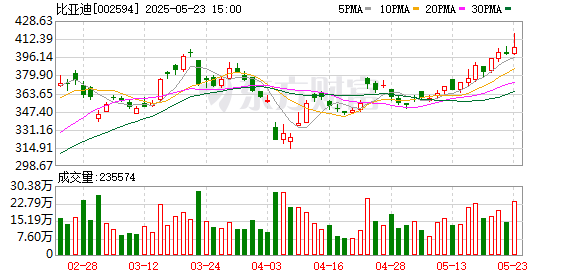
销量暴涨359%,比亚迪杀入宝马、奔驰老家
创业邦· 2025-05-29 03:09
Core Viewpoint - BYD has achieved a historic breakthrough in Europe, with its pure electric vehicle sales surpassing Tesla for the first time in April, reflecting a significant shift in its European strategy and operations [2][4][9]. Sales Performance - In April, BYD's sales in Europe increased by 359%, while Tesla's sales declined by 49% [4][9]. - BYD's total market value reached 1.23 trillion yuan, with stock prices hitting a record high of 407.15 yuan per share [2]. - BYD became the sales champion in Italy in the first quarter of 2025, with a year-on-year growth of 621% in the UK [2][9]. Strategic Changes - BYD's strategy in Europe has evolved from simply exporting vehicles to establishing a comprehensive operational framework, including setting up regional headquarters, expanding dealer networks, and investing heavily in marketing [2][6][19]. - The company is focusing on both pure electric and plug-in hybrid models to meet diverse market demands [11][19]. Market Challenges - The European market is highly competitive, with established brands like Mercedes and BMW, and consumer loyalty to local brands poses a challenge for BYD [6][9]. - The EU's tariffs on Chinese vehicles, which can reach up to 45.3%, have not negatively impacted BYD's sales due to its strategic investments and operational adjustments [6][10]. Production and Logistics - BYD is investing over 1 billion euros in a factory in Hungary, expected to produce 200,000 vehicles annually by 2026, and a factory in Turkey with a capacity of 150,000 vehicles by 2027 [16][19]. - The establishment of local production facilities will reduce transportation costs and improve response times to market demands [16][19]. Sales Channels and Marketing - BYD has significantly expanded its sales channels in Europe, increasing from fewer than 150 dealers to over 800 in just a few months [18]. - The company has invested heavily in brand marketing, including sponsorship of the 2024 UEFA European Championship, which has enhanced its visibility and brand perception in Europe [22][25]. Brand Positioning - BYD is working to elevate its brand image in Europe, aiming for a high-end perception among consumers [25]. - Despite recent successes, BYD's brand recognition in Europe remains lower than that of established local competitors [25][26]. Future Outlook - Analysts suggest that it may take 4 to 10 years for Chinese automakers, including BYD, to establish a solid foothold in the European market, depending on their ability to build a comprehensive after-sales service system [26][27].
历史性时刻! 比亚迪欧洲纯电车销量首次超越特斯拉 插混车型成中国车“入欧”突破口
Mei Ri Jing Ji Xin Wen· 2025-05-23 13:10
Core Viewpoint - BYD has surpassed Tesla in electric vehicle sales in Europe for the first time in April, marking a significant shift in the market dynamics [2][4]. Group 1: Sales Performance - In April, BYD's new pure electric vehicle sales in Europe reached 7,231 units, a year-on-year increase of 169%, placing it among the top ten electric vehicle brands [2]. - Tesla's new electric vehicle sales in Europe for the same month were 7,165 units, reflecting a 49% year-on-year decline, resulting in a drop in its ranking [2][4]. - When including plug-in hybrid models, BYD's total sales in Europe increased by 359% year-on-year, further widening the gap with Tesla [4]. Group 2: Market Strategy - BYD is actively expanding its product offerings in Europe and plans to build an electric vehicle assembly plant in Hungary to meet strong market demand [4]. - The establishment of BYD's European headquarters in Hungary signifies a deep integration with the local automotive industry and a commitment to long-term development in Europe [5]. Group 3: Industry Trends - Chinese automakers, including BYD, are increasingly focusing on the European market, driven by supportive local policies and growing market demand for electric vehicles [6]. - The market share of Chinese brand vehicles in Europe has risen from 2.5% to 4.5% year-on-year, with sales reaching 148,000 units in the first quarter of 2025, a 78% increase [6]. - Plug-in hybrid models are crucial for Chinese automakers' success in Europe, benefiting from a 10% basic tariff, which has encouraged the introduction of these vehicles [7].