中部地区崛起

Search documents
市委常委会召开会议深入学习贯彻省委十二届十一次全会精神 努力在全省支点建设中当好龙头走在前列
Chang Jiang Ri Bao· 2025-11-25 00:35
Core Viewpoint - The meeting emphasized the importance of aligning with the provincial committee's work deployment and detailed measures for the city's "14th Five-Year" development, aiming for high-quality economic growth and improved living standards [1][2]. Group 1: Economic Development - The city aims to focus on high-quality development, prioritizing economic construction and high-quality growth as primary tasks [2]. - The strategy includes urban renewal initiatives under the "Five Reforms and Four Improvements" framework, promoting a shift in urban development methods to drive economic transformation [2]. - There is a strong emphasis on fostering a modern industrial system that leverages Wuhan's advantages, aiming for both qualitative and quantitative economic improvements [2]. Group 2: Social Welfare - The city is committed to creating high-quality living conditions, adhering to a people-centered development philosophy, and addressing key public concerns such as employment, healthcare, and education [2]. - Efforts will be made to promote rural revitalization and advance common prosperity [2]. Group 3: Open Economy - The city plans to enhance its open economy by balancing internal and external cycles, and strengthening its role as a hub in the national market [2]. - There is a focus on developing hub economies and improving the city's influence and driving capacity [2]. Group 4: Governance and Safety - The meeting highlighted the need for effective governance through reforms and digital empowerment, aiming to create a first-class business environment [2]. - Emphasis was placed on maintaining high-level security across various sectors, prioritizing political safety and enhancing urban resilience against emerging risks [2]. Group 5: Political and Organizational Development - The meeting called for a strict and pragmatic approach to optimize the political ecosystem and enhance the development atmosphere [3]. - There is a commitment to achieving annual goals and planning for the "14th Five-Year" and next year's work to ensure a strong start for the "15th Five-Year" period [3].
湖北发布“十五五”发展新蓝图 12项重点任务推动“基本建成支点”
Chang Jiang Shang Bao· 2025-11-24 00:32
Core Objectives - Hubei has set a strategic goal for the next five years to accelerate the establishment of a significant strategic support point for the rise of the central region [3][4] - The overall target emphasizes the continuity and stability of Hubei's strategic deployment for support point construction [3] Development Strategies - Hubei plans to implement "seven major strategies" and enhance "seven capabilities" to achieve greater results in five key areas [4] - The province aims to solidify its economic foundation, promote technological innovation, and deepen the integration of innovation and industry [7][10] Economic Growth and Achievements - During the "14th Five-Year" period, Hubei's economic total surpassed 5 trillion and 6 trillion yuan, achieving its planning goals a year ahead of schedule [5] - The province has effectively responded to various risks and challenges, making significant progress in support point construction [5][6] Key Tasks and Focus Areas - The provincial government has outlined 12 key tasks, including building a modern industrial system, promoting agricultural modernization, and enhancing infrastructure [7][8] - Specific initiatives include optimizing regional economic layout, expanding high-level openness, and ensuring social welfare improvements [7][9] Regional Collaboration - The plan emphasizes regional collaboration and strategic synergy with other areas to promote balanced and coordinated high-quality development [9] - Hubei will support the development of key cities like Wuhan, Xiangyang, and Yichang as regional centers [9] Agricultural Development - Hubei is hosting the 2025 Agricultural Expo to showcase its advancements in modern agriculture and promote brand awareness [11][12] - The expo will feature a comprehensive display of agricultural innovations and aims to enhance consumer experience and market connections [12][14] Financial Support for Agriculture - Hubei has initiated various financial reforms to activate rural assets and provide diverse financing channels for agricultural entities [15] - The province is focusing on facilitating the listing of agricultural companies to enhance industry upgrades and attract investment [15]


携手融入服务全国统一大市场建设 苏皖鲁豫十市合作再升级
He Nan Ri Bao· 2025-11-11 02:34
Core Points - The meeting held on November 6 in Shangqiu focused on promoting high-quality development in the Jiangsu, Anhui, Shandong, and Henan provinces, emphasizing collaboration among ten cities [1][2] - The ten cities involved are Xuzhou, Lianyungang, and Suqian from Jiangsu; Zaozhuang, Heze, Jining, and Linyi from Shandong; Huaibei and Suzhou from Anhui; and Shangqiu from Henan [1] - A comprehensive agreement was signed covering key areas such as logistics, social credit, circulation systems, social insurance, human resources, market regulation, bidding, medical testing mutual recognition, statistical reform, and ecological protection [1] Historical Context - The cooperation among the provinces has a long history, dating back to the 1980s with the establishment of regional economic cooperation organizations [2] - In December 2018, a meeting in Xuzhou led to the signing of the Huaihai Economic Zone Collaborative Development Strategic Cooperation Framework Agreement, marking a shift from loose to tight cooperation [2] - The "Action Plan for Collaborative Promotion of High-Quality Development in the Jiangsu, Anhui, Shandong, and Henan Provinces" is set to be released in 2024, outlining the goals and tasks for collaboration [2] Regional Advantages - The ten cities are strategically located, benefiting from major national strategies such as the rise of the central region, Yangtze River Delta integration, and ecological protection in the Yellow River basin [3] - Shangqiu is recognized as a national transportation hub and a significant coal base, with its counties developing unique industrial characteristics [3] - Notable industries in Shangqiu include diamond powder production, sports shoe manufacturing, and refrigerator production, contributing to the region's advanced manufacturing cluster [3] Development Initiatives - Shangqiu has actively engaged in building partnerships with various provinces and cities, signing cooperation agreements with 138 cities across 17 provinces [4] - The city is implementing a three-year action plan for cultural development, aiming to enhance its cultural brand and connectivity with major economic zones [4] - The collaborative efforts among the four provinces and ten cities are expected to create a vibrant picture of regional high-quality development through deep cooperation and breaking down administrative barriers [4]
四中全会精神在基层丨锚定高质量发展 书写中部崛起新篇章
Xin Hua She· 2025-11-04 00:04
Group 1 - The central region of China, covering six provinces, is emphasized as a key area for high-quality development and modernization, aligning with the goals set by the 20th Central Committee of the Communist Party [1] - New emerging industries are being cultivated, including advancements in hydrogen technology and precision agriculture with autonomous machinery [1][2] - The establishment of a modern industrial system is underway, with companies like Hunan Sheny Precision Parts Co., Ltd. showcasing innovative production processes [2] Group 2 - Hubei has implemented a comprehensive fair competition review system, enhancing market regulation and oversight across 4,060 units [3] - The region is breaking geographical limitations by developing extensive transportation networks, such as the Zhoukou Port, which connects domestic and international markets [3][4] - The agricultural sector is thriving, with initiatives in Jiangxi focusing on high-value crops like chili peppers, contributing to local economic development and job creation [4][5] Group 3 - The focus on improving product quality and expanding sales channels is evident in local agricultural initiatives, aiming to enhance the brand and economic conditions for farmers [5] - The integration of technology and innovation in various sectors is being prioritized to support sustainable development and economic growth in the central region [2][4]
主责主业筑根基 创新服务添动能——太平财险湖北分公司护航湖北支点建设
2 1 Shi Ji Jing Ji Bao Dao· 2025-10-28 04:09
Core Viewpoint - The company is committed to supporting the national strategy and local development in Hubei, focusing on high-quality development and financial innovation to contribute to the modernization of the region [1] Group 1: Service to National Strategy - The company aligns its operations with the strategic goals of Hubei's development, implementing a three-year development plan (2025-2027) focused on high-quality growth and performance assessment [2] - It emphasizes the importance of integrating national strategic business indicators into its performance evaluation system to foster new growth drivers [2] Group 2: Technological Finance - The company has served 5,747 technology enterprises, providing risk protection exceeding 160 billion yuan, thereby reinforcing the safety net for technological innovation [3] - It launched the "Hui Ke Bao" health insurance product, integrating medical insurance with commercial insurance, and initiated the first "University Concept Verification Insurance" to support research commercialization [3] - The company has developed a rice cost insurance project using satellite technology, enhancing agricultural risk management and contributing to rural revitalization [3] Group 3: Green Finance - The company has expanded its green insurance services, with green insurance premiums increasing by 21.1% and providing risk coverage of 82.564 billion yuan [4] - It initiated the first policy-based forestry carbon index insurance project in Hubei, offering risk protection for public forests valued at approximately 3.8 million yuan [4] - The company has insured 41,952 new energy vehicles, providing risk coverage of 61.7 billion yuan, and is exploring new insurance products for electric vehicles [4] Group 4: Inclusive Finance - The company focuses on inclusive finance, supporting local economic development and improving livelihoods through diverse insurance products [5] - It has served over 6,123 small and micro enterprises, providing tailored online insurance solutions to ensure their stable operations [5] - The company has expanded health insurance coverage, providing risk protection of 223.3 billion yuan to 1.92 million workers and residents in Hubei [6] Group 5: Financial Mission - The company aims to deepen the implementation of financial strategies and enhance product innovation and service optimization to support Hubei's high-quality development [7] - It is committed to providing robust risk protection and efficient financial services, contributing to the modernization efforts in Hubei [7]
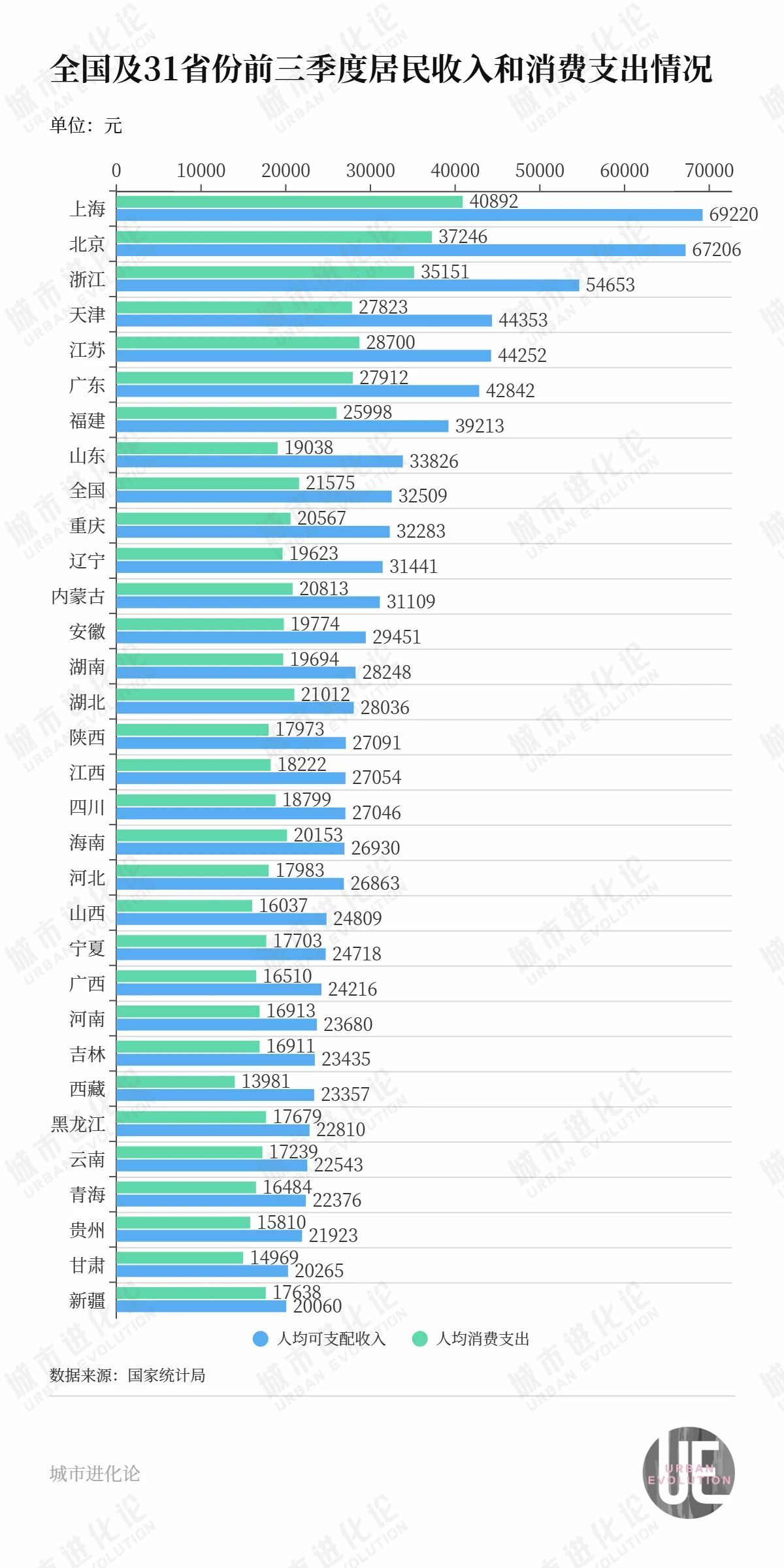
城市24小时 | 三季度“出分” 湖北暂时“领跑”
Mei Ri Jing Ji Xin Wen· 2025-10-22 15:41
Economic Performance - Hubei Province achieved a GDP of 44,875.62 billion yuan in the first three quarters, with a year-on-year growth of 6.0%, surpassing the national average by 0.8 percentage points [1][2] - Other provinces' GDP growth rates include Beijing at 5.6%, Shanghai at 5.5%, Henan at 5.6%, Hunan at 5.4%, and Jiangxi at 5.4% [1] Growth Drivers - The three main drivers of Hubei's economic growth are retail sales, fixed asset investment, and exports, with respective year-on-year growth rates of 5.2%, 6.5%, and 30.8%, all exceeding national averages [2][3] - Hubei's industrial output value increased by 7.7%, with high-tech manufacturing growing by 13.5%, contributing 26.7% to the overall industrial growth [2][3] Investment and Innovation - Investment in high-tech industries in Hubei grew by 8.3%, outpacing overall investment growth by 1.8 percentage points [3] - Research and development expenses for industrial enterprises increased by 8.9% from January to August, reflecting a 0.9 percentage point acceleration compared to the previous year [3] Strategic Planning - Hubei aims to achieve a total economic output of over 60 trillion yuan by 2024, with a target growth rate of around 6% for the current year [4] - Long-term goals include reaching an economic total of approximately 90 trillion yuan by 2030, positioning Hubei as a key strategic hub in Central China [5]
刘宁王凯会见中国邮政集团董事长刘爱力
He Nan Ri Bao· 2025-10-16 13:50
Core Points - The meeting between the Henan provincial leaders and the chairman of China Post Group focused on enhancing cooperation in logistics, inclusive finance, and rural-urban integration to support high-quality development in Henan [1][2] - China Post aims to leverage its integrated advantages in commerce, logistics, finance, and information to deepen collaboration with Henan in various sectors, including transportation and rural revitalization [2] Group 1 - Henan provincial leaders expressed gratitude for China Post's support in grassroots services and financial supply, emphasizing the importance of aligning with national market construction [1] - The provincial government is committed to creating a favorable business environment and accelerating the development of Zhengzhou as a global logistics hub [1] Group 2 - China Post plans to enhance investment in key projects and expand its operational scope in Henan, focusing on practical cooperation in logistics and e-commerce [2] - The meeting included participation from various provincial leaders and executives from China Post, indicating a strong commitment to collaborative efforts [2]

湖北加快建成中部地区崛起的重要战略支点 湖南奋力打造国家重要先进制造业高地
Yang Shi Wang· 2025-09-27 12:08
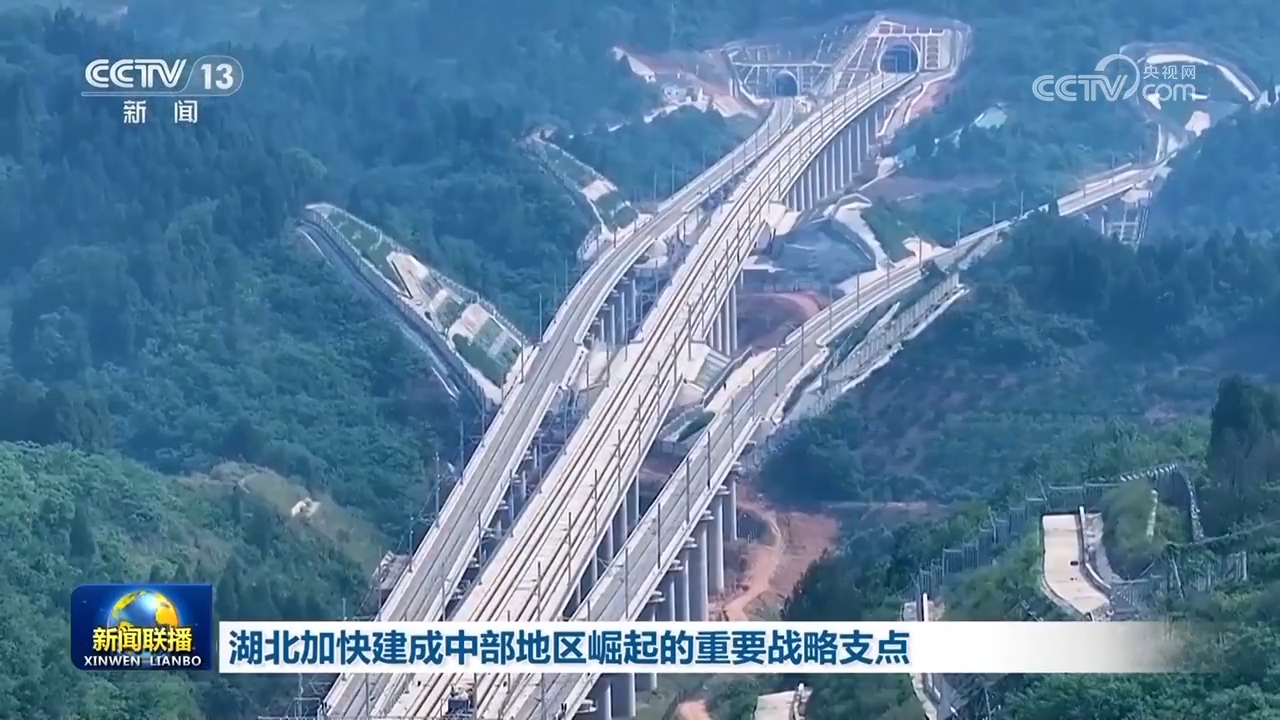
Group 1 - Hubei and Hunan are strengthening modern industrial clusters and promoting digital transformation in manufacturing during the "14th Five-Year Plan" period, enhancing regional collaboration for high-quality development [1][4] - Hubei is becoming a strategic support point for the rise of the central region, with high-speed rail connections forming a "one-hour high-speed rail circle" among Wuhan, Xiangyang, and Yichang, and a total high-speed rail mileage of 2,155 kilometers by the end of the "14th Five-Year Plan" [2][4] - The economic total of Hubei is expected to exceed 6 trillion yuan, with an average annual growth rate of 7.1% during the "14th Five-Year Plan" [4] Group 2 - Hunan is striving to build a national advanced manufacturing highland, leading industrial innovation through technological advancements and integrating the real economy with the digital economy [7] - Hunan has established five national advanced manufacturing clusters and 72 national-level manufacturing champions, optimizing digital transformation strategies for enterprises [7][9] - Since the beginning of the "14th Five-Year Plan," Hunan has nurtured three global "lighthouse factories" and 17 excellent smart factories, promoting intelligent transformation across 14 industry sectors [9][10]
高铁“成环” 中部大省下一盘“大棋”
Mei Ri Jing Ji Xin Wen· 2025-09-23 15:50
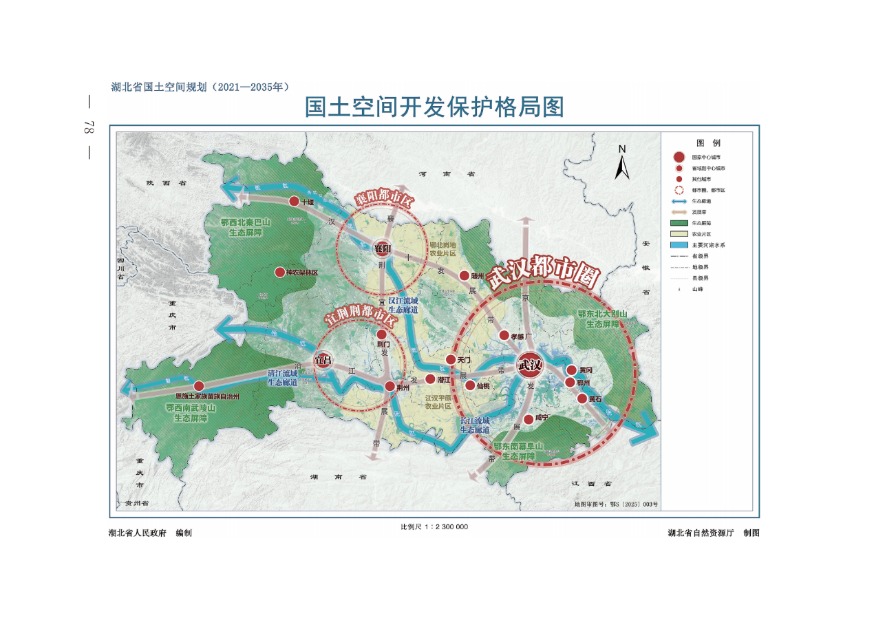
Core Insights - The opening of the Xiangjing High-Speed Railway is set to mark the beginning of the "high-speed rail ring era" in Hubei, significantly reducing travel time between Xiangyang and Jingmen to half an hour [1][5] - This railway is a key project in the "Hunan-South Passage," connecting major cities in Hubei and enhancing the overall transportation network [1][2] - The development of high-speed rail rings is seen as a strategy to boost regional connectivity and economic integration, particularly in the Hubei province [2][4] Summary by Sections High-Speed Rail Development - The Xiangjing High-Speed Railway will connect with existing and under-construction railways, forming a comprehensive high-speed rail network in Hubei [1][5] - Hubei's government aims to create a one-hour travel circle among major urban areas, enhancing accessibility and economic interaction [1][5] Regional Economic Impact - The high-speed rail ring is expected to strengthen the economic ties between the "Golden Triangle" of Hubei, which includes Wuhan, Yichang, and Xiangyang, and improve their regional influence [5][14] - The integration of these cities into a cohesive economic unit will facilitate better collaboration and efficiency in various industries [14] Urban Connectivity - High-speed rail rings are designed to improve intercity connectivity, similar to urban metro systems, allowing for reduced transfer times and increased travel efficiency [3][4] - The development of these rail networks is crucial for enhancing the flow of people, goods, and information, thereby driving regional economic growth [4][9] Challenges and Progress - Hubei's high-speed rail construction faced delays due to complex geological conditions and the need for inter-provincial coordination [8][10] - Recent developments indicate a resurgence in high-speed rail construction, with Hubei set to increase its total high-speed rail mileage significantly by the end of the year [8][10] Future Outlook - The completion of the high-speed rail network will position Hubei as a major transportation hub, enhancing its competitive advantage in the central region of China [9][10] - The strategic development of multiple high-speed rail hubs in Hubei will facilitate economic growth and urban integration, transforming the province into a key player in regional development [10][14]
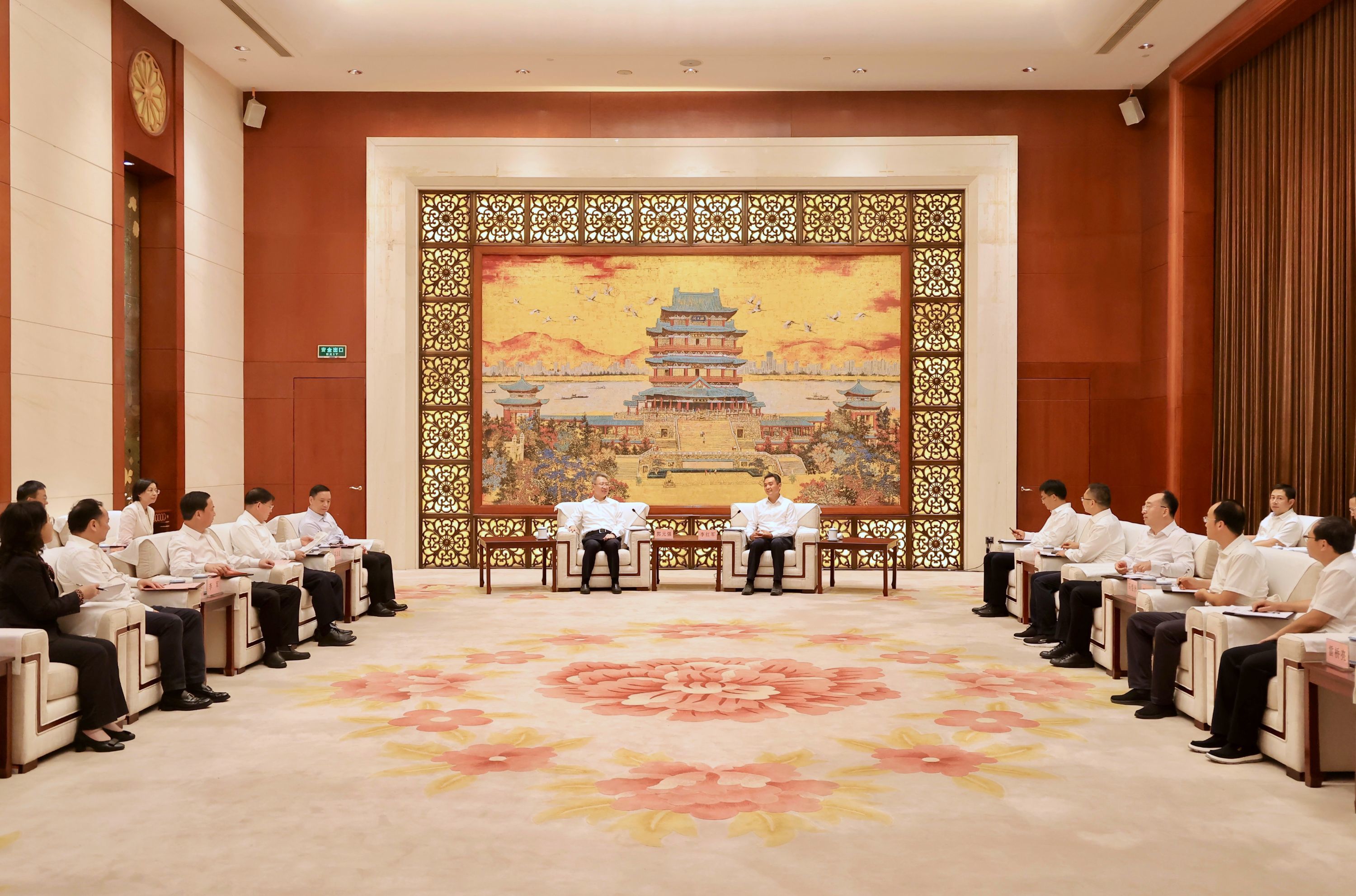
武汉市党政代表团赴南昌学习考察:加强交流沟通、深化务实合作,共同推进长江中游城市群联动发展
Chang Jiang Ri Bao· 2025-09-22 01:03
Core Viewpoint - The visit of the Wuhan municipal party and government delegation to Nanchang aims to strengthen communication and deepen practical cooperation, aligning with the central government's directives for the development of the central region and the Yangtze River middle urban agglomeration [1][4]. Group 1: Economic and Social Development - Nanchang has achieved significant economic and social development, implementing the provincial capital leading strategy and advancing the "one hub and four centers" construction, resulting in a positive economic performance [4][5]. - The collaboration between Wuhan and Nanchang is based on their geographical proximity and cultural ties, with both cities being key players in the central region and the Yangtze River middle urban agglomeration [4][5]. Group 2: Cooperation and Future Prospects - Both cities aim to explore new mechanisms for cross-regional cooperation, focusing on transportation connectivity, industrial and cultural tourism collaboration, technological innovation, and shared public services [4][5]. - The establishment of a robust cooperation and exchange mechanism is encouraged to leverage each city's strengths, enhancing transportation infrastructure, industrial development, technological collaboration, and cultural tourism [5]. Group 3: Learning and Development Initiatives - The Wuhan delegation visited various sites in Nanchang, including planning centers and historical sites, to learn about urban planning, industrial innovation, and the integration of culture and commerce [9]. - The delegation expressed their intention to translate the insights gained from the visit into actionable measures to promote high-quality development in Wuhan [9].